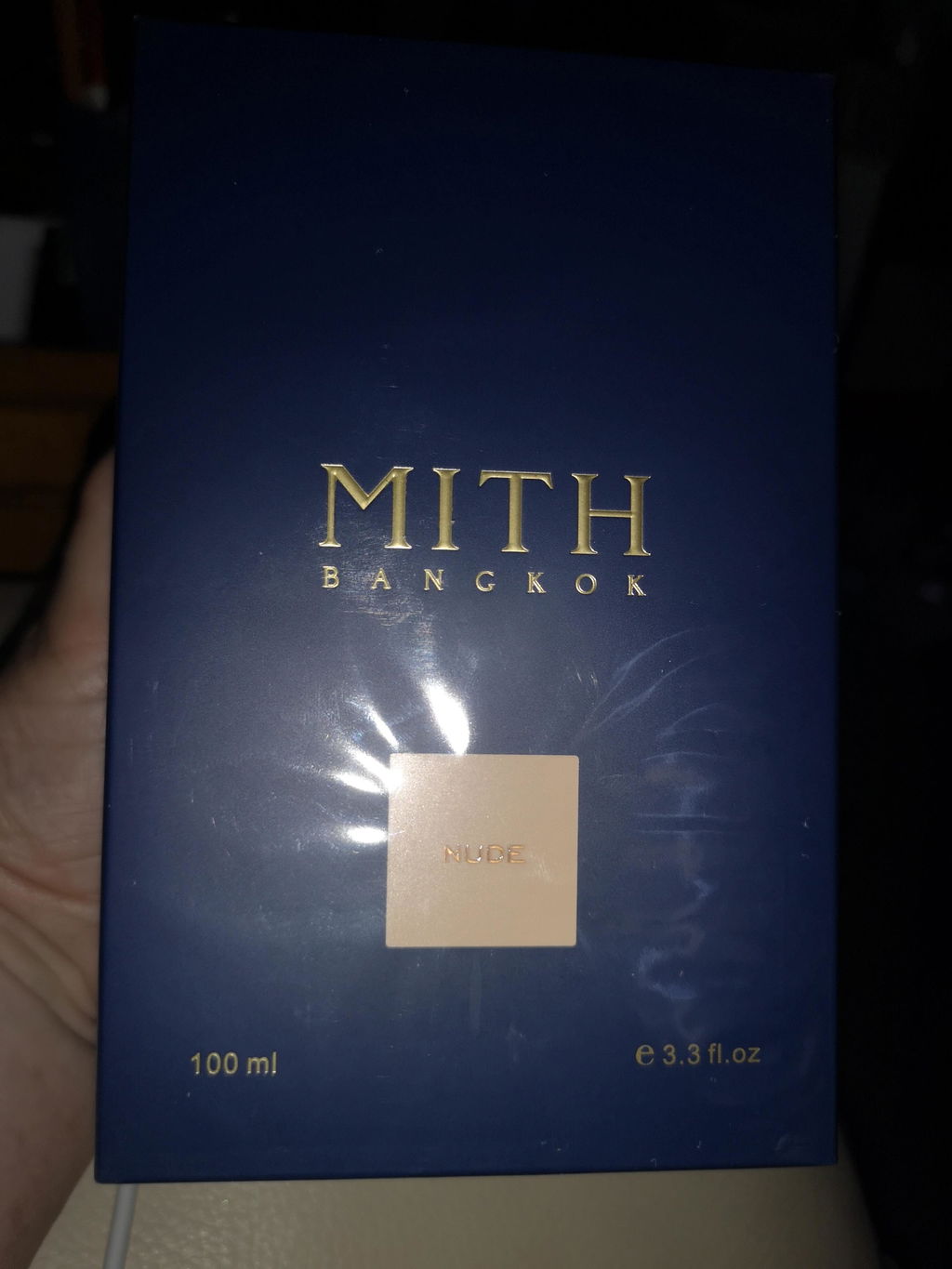
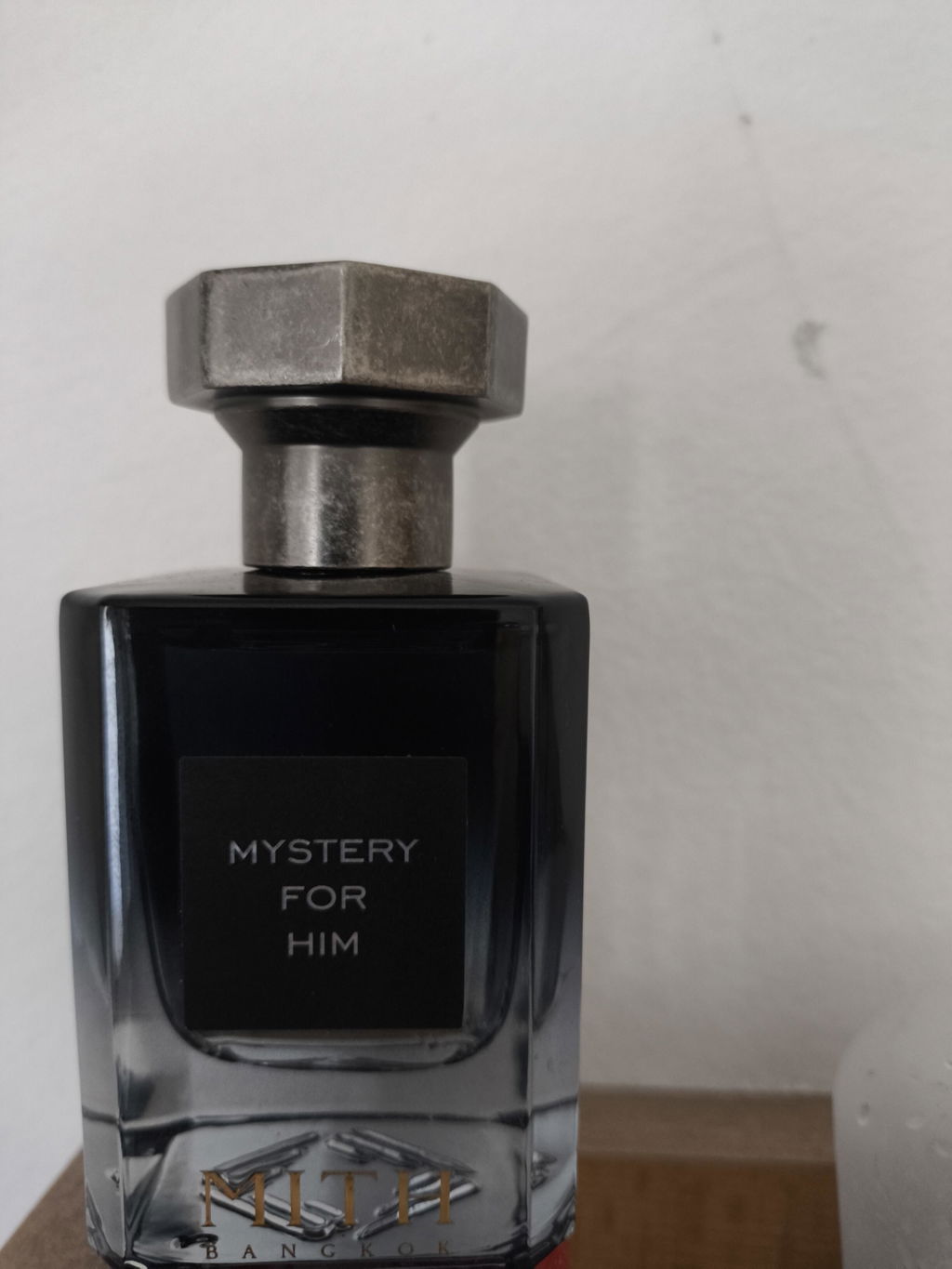
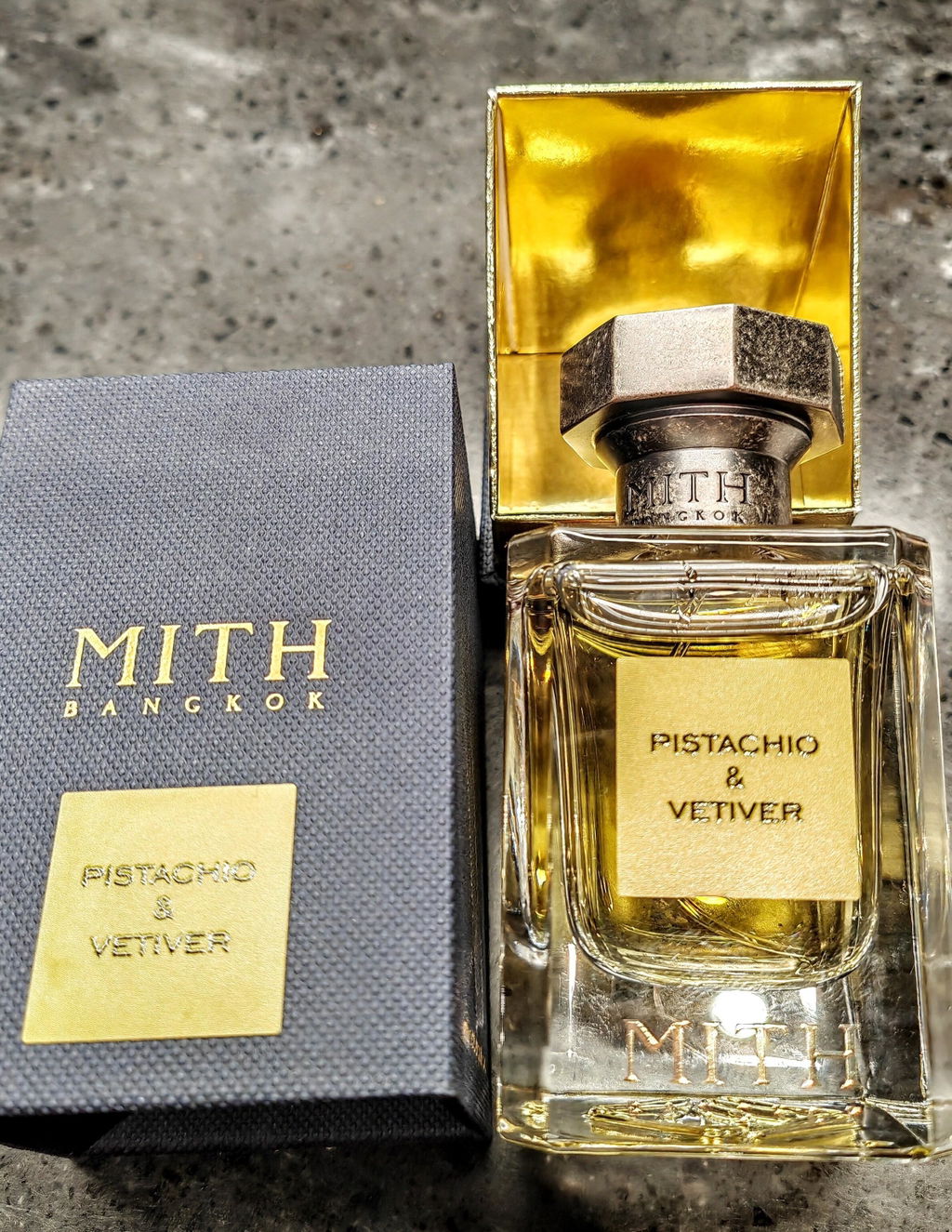
Some fragrances enter a room before you do. Others stay close, drawing people in rather than announcing themselves from across the street. If you have been wondering why you should try Thai fragrance instead of Middle Eastern perfume, that distinction is a good place to start. Thai perfumery often offers a more nuanced, contemporary and versatile way to wear scent - especially if your taste leans niche, expressive and polished rather than dense and overtly opulent.
That does not make one tradition better in every case. Middle Eastern perfumery has a rich, influential history and a deserved reputation for depth, projection and sensuality. But for many fragrance wearers in Europe, Thai fragrance can feel fresher, more adaptable to daily life, and more aligned with a modern wardrobe, climate-controlled interiors and the way people actually want to smell now.
Why you should try Thai fragrance instead of Middle Eastern styles
The simplest answer is balance. Thai fragrance tends to sit in a fascinating space between artistic composition and wearability. It can be vivid without becoming heavy, distinctive without becoming difficult, and luxurious without relying on familiar cues of excess such as dense oud, thick amber or syrupy sweetness.
That balance matters if you love niche perfume but still want something you can wear to work, to dinner, on a weekend city break, or on a warm afternoon without feeling overdone. Many Thai brands have developed a style that feels cosmopolitan and current. They are often interested in storytelling, texture and atmosphere, but they present those ideas with a lighter hand.
For someone who has tried popular Middle Eastern releases and found them impressive yet hard to live with, Thai fragrance can be an elegant correction. You still get character. You still get memorability. What you lose is some of the visual weight and volume that can make a scent feel more ceremonial than personal.
A different idea of luxury
Middle Eastern perfumery often expresses luxury through richness, intensity and persistence. That can be beautiful. Resin, oud, saffron, rose, musk and amber all have their place, and in the right composition they can feel regal and magnetic.
Thai fragrance, by contrast, often treats luxury as refinement of detail. The effect is less about thickness and more about shape. You notice the way a floral note opens, the coolness of a clean musk, the smooth transition from fruit to woods, or the way a gourmand accent is handled with restraint rather than sugar overload.
This gives many Thai perfumes a cleaner silhouette. They can still be sensual, but they are less likely to wear like a statement piece you have to build your entire outfit around. Instead, they integrate with personal style. They enhance rather than dominate.
For fragrance-conscious wearers, that can feel more expensive, not less. True sophistication in perfume is not always about volume. Often it is about control.
Thai fragrance often feels more contemporary on skin
One reason people move away from certain Middle Eastern profiles is that they can feel too dense for modern everyday use. Strong vanilla-oud combinations, powerful amber bases and heavily sugared florals have devoted followers, but they can also become repetitive. Once you have smelled enough of them, the category can start to blur.
Thai fragrance frequently offers a more edited style. There is often more air in the composition and more movement from top to dry-down. You may find transparent florals, polished woods, soft tea facets, milky notes, tropical accents, delicate spices or musks that feel skin-like rather than theatrical.
That modernity makes a difference when you want a fragrance to feel current rather than trend-chasing. Many Thai houses create scents that are expressive but not noisy. They feel intentional. They sit comfortably alongside contemporary fashion, design and beauty tastes, where sharp curation matters more than maximalism.
Why Thai fragrance instead of Middle Eastern for daily wear
If your perfume wardrobe needs to work hard, Thai fragrance has a practical advantage. It is often easier to wear across settings. A scent that performs beautifully in the evening or at a special event is not always the one you want at your desk, on a train, in a gallery or at lunch.
Middle Eastern perfumes can excel in drama, longevity and sillage, but those same strengths can become limitations. A fragrance that projects powerfully for ten hours may be too much in close quarters. It may also flatten the subtle pleasure of reapplying, layering or choosing something different later in the day.
Thai fragrance often behaves with more flexibility. It can still last well, but it usually creates a neater aura around the wearer. That makes it especially appealing if you prefer perfumes that feel intimate, sophisticated and quietly noticeable.
There is also the question of climate and environment. Even in Britain, many people spend their days moving between heated interiors, public transport, shops and offices. In those spaces, lighter construction and better airflow in a fragrance are real advantages. You do not always want your scent to arrive before your handshake does.
More originality, less formula fatigue
One of the pleasures of exploring Thai perfumery is that it often feels less overexposed. Middle Eastern perfume has become increasingly visible, which is excellent in one sense, but mass attention also creates sameness. Certain accords get repeated because they sell. The result is a market crowded with familiar combinations of oud, praline, rose, smoky woods and amber.
Thai niche brands tend to feel more exploratory. They often build collections around moods, urban references, memory, travel, texture and contemporary identity rather than simply recreating recognised bestsellers in stronger form. That leads to perfumes with more personality and, just as importantly, more surprise.
For collectors and curious wearers, that surprise matters. Fragrance should not only smell good. It should also sharpen your taste. It should show you something new about composition, style or mood. Thai perfume frequently delivers that sense of discovery without becoming abstract or inaccessible.
The trade-off: when Middle Eastern perfume may suit you better
There are cases where Middle Eastern fragrance remains the right choice. If you love commanding projection, dense resinous bases, traditional oud structures or the ceremonial glamour of a scent that fills a space, Thai fragrance may feel too restrained. If your main priority is enormous longevity and strong trail, some Thai compositions may come across as more refined than forceful.
That is not a flaw. It is simply a different aesthetic. The real question is what you want perfume to do. If you want your scent to be rich, enveloping and unmistakably present for hours on end, Middle Eastern styles may still be your preference. If you want texture, distinction and modern polish with better day-to-day versatility, Thai fragrance becomes very persuasive.
It is also worth saying that these are broad tendencies, not rigid rules. There are airy Middle Eastern perfumes and richer Thai ones. Good taste comes from smelling widely enough to notice the difference between category clichés and genuinely well-made work.
Thai fragrance rewards a more discerning nose
As your taste develops, brute strength usually becomes less impressive on its own. You start noticing proportion, contrast and finesse. You care more about whether a note has been handled beautifully than whether it can be detected from the other side of the room.
That is where Thai fragrance often excels. It invites closer attention. It rewards repeat wear. It can reveal itself in stages rather than delivering everything in the opening half hour. For people who are not simply buying perfume to collect compliments, but to enjoy scent as an art form that still fits real life, this approach feels especially satisfying.
There is also a cultural freshness to it. Thai perfumery has not been flattened by overfamiliar luxury codes in the same way as some better-known markets. It can feel globally informed without becoming generic. That gives it a rare quality in contemporary niche fragrance - it feels new, but not novelty-driven.
For European shoppers looking beyond the obvious, that is part of the appeal. The experience feels curated rather than algorithmic. Houses such as those selected by Villenel Fragrances offer access to a fragrance point of view that is both artistic and highly wearable, which is a combination many perfume lovers are still searching for.
If your shelf is already full of heavy ambers, sweet ouds and assertive orientals, trying Thai fragrance is not about rejecting them. It is about widening your idea of what luxury can smell like. Sometimes the most memorable perfume is not the loudest one. It is the one you keep reaching for, because it feels effortlessly like you.