A perfume need not announce its price to feel luxurious. The most convincing perfumes that smell expensive create an impression of polish: a soft gleam of iris, a clean woody trail that sits close to the skin, or a bright citrus note sharpened by pepper rather than sweetness. They feel composed, not merely loud.
That distinction matters when fragrance is part of how you dress. A costly-smelling scent can make a simple knit, a crisp shirt or an evening look feel considered. It is less about chasing familiar status symbols and more about recognising the materials, proportions and finishing touches that give a fragrance presence.
What makes perfumes that smell expensive?
The word “expensive” is subjective, but it is rarely just shorthand for dense oud or dramatic amber. In refined perfumery, the effect often comes from contrast and control. A radiant opening is balanced by a dry base. A creamy floral is cut with a green, bitter or mineral detail. Sweetness is tempered with woods, spice, leather or musk.
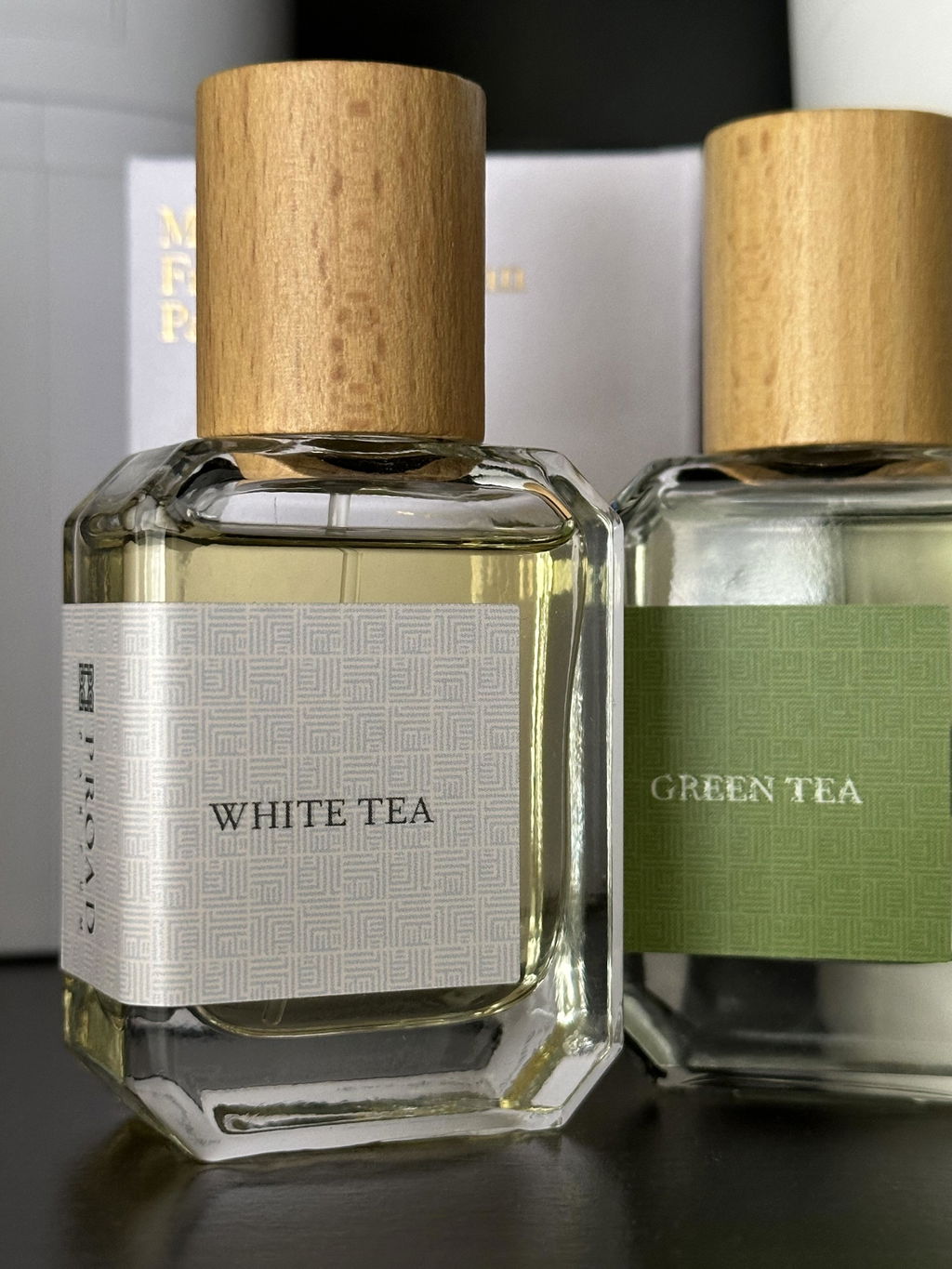
Think of fragrance as fabric. A flat accord can be pleasant, but texture makes it memorable. Suede, rice steam, ink, cold metal, polished wood, tea leaves and skin musk are not always obvious notes on a blotter. Yet they give a composition tactility, creating the feeling that the perfume has been finished with care.
An expensive-smelling fragrance also develops with confidence. The first ten minutes may be sparkling or surprising, but its dry-down should reveal depth rather than collapse into a generic sweet haze. This evolution is one reason niche perfume can feel especially compelling: it allows room for unusual materials and a clearer creative point of view.
The note families with a polished effect
Certain materials appear repeatedly in fragrances that read as sophisticated, though no single note guarantees luxury. How it is handled matters far more than its name on a note list.
Iris, violet and powder with structure
Iris can suggest the softness of cashmere, face powder or cool stone, depending on the formula. At its best, it feels elegant without becoming nostalgic. Violet adds a similar cosmetic and slightly shadowed quality, especially when paired with cedar, pepper or musk.
The trade-off is that powdery fragrances can become too cosmetic or overly sweet if they lack contrast. Seek iris compositions with woody, green or mineral facets if you want a more modern result.
Woods that feel dry, creamy or smoky
Sandalwood, cedar, guaiac wood and vetiver create the architecture of many polished perfumes. Sandalwood can be milky and intimate; cedar has the clean, pencil-shaving dryness of tailored interiors; vetiver brings earth, root and a faintly smoky freshness.
A well-built woody base makes a fragrance smell considered even when the opening is bright and playful. It also tends to wear beautifully in close settings, where a heavy gourmand might feel too forceful.
Amber, resin and balsam in moderation
Amber accords, benzoin, labdanum and incense add warmth and depth. They can feel golden, sensual and beautifully lingering, particularly in autumn and winter. Yet the most expensive effect often comes from restraint: enough resin to create glow, not so much that every other detail is swallowed by syrupy sweetness.
If you enjoy warmth but dislike overtly sugary perfume, look for amber with spice, tea, woods or mineral notes. These combinations retain richness while feeling cleaner and more grown-up.
Citrus with bitterness or aromatic lift
Fresh perfume can smell remarkably luxurious when it avoids the familiar shower-gel route. Bergamot, grapefruit, yuzu and mandarin become more distinctive beside petitgrain, neroli, basil, cardamom, black tea or a dry vetiver base.
The difference is often a bitter-green edge. It stops citrus from disappearing into sweetness and gives the fragrance the crisp, effortless quality of excellent tailoring.
Musks, skin notes and quiet diffusion
Soft musks can be the most persuasive luxury cue of all. They create the impression of clean skin, fine cotton and warmth rather than a perfume cloud. Modern musks are especially useful for people who want their scent to be noticed only at close range.
Do not mistake quietness for poor performance. A restrained musk fragrance may not dominate a room, but it can stay present on skin and clothing for hours. Expensive is not always synonymous with maximum projection.
Look for composition, not a long note list
A crowded note pyramid can sound impressive, but sophistication usually depends on edit rather than excess. When everything competes - fruit, caramel, flowers, spice, woods and several musks - the result may be entertaining but blurred. A tightly composed scent has a point of view.
Before buying, ask what the fragrance seems to be built around. Is it a tea note softened by woods? A luminous floral grounded in incense? A tropical fruit made more architectural with salt, pepper or suede? This central idea helps you understand how the perfume will wear, and whether it suits your style.
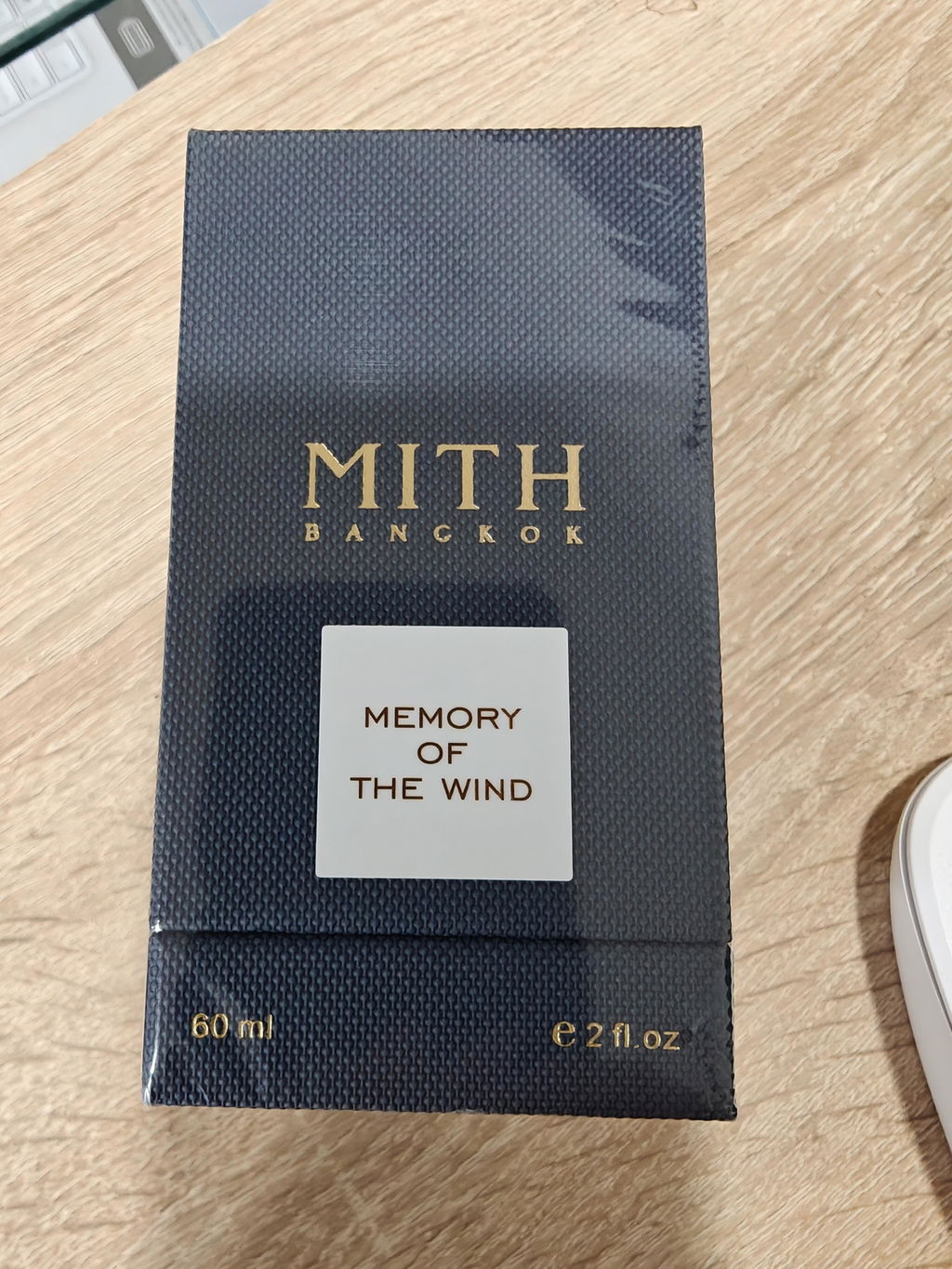
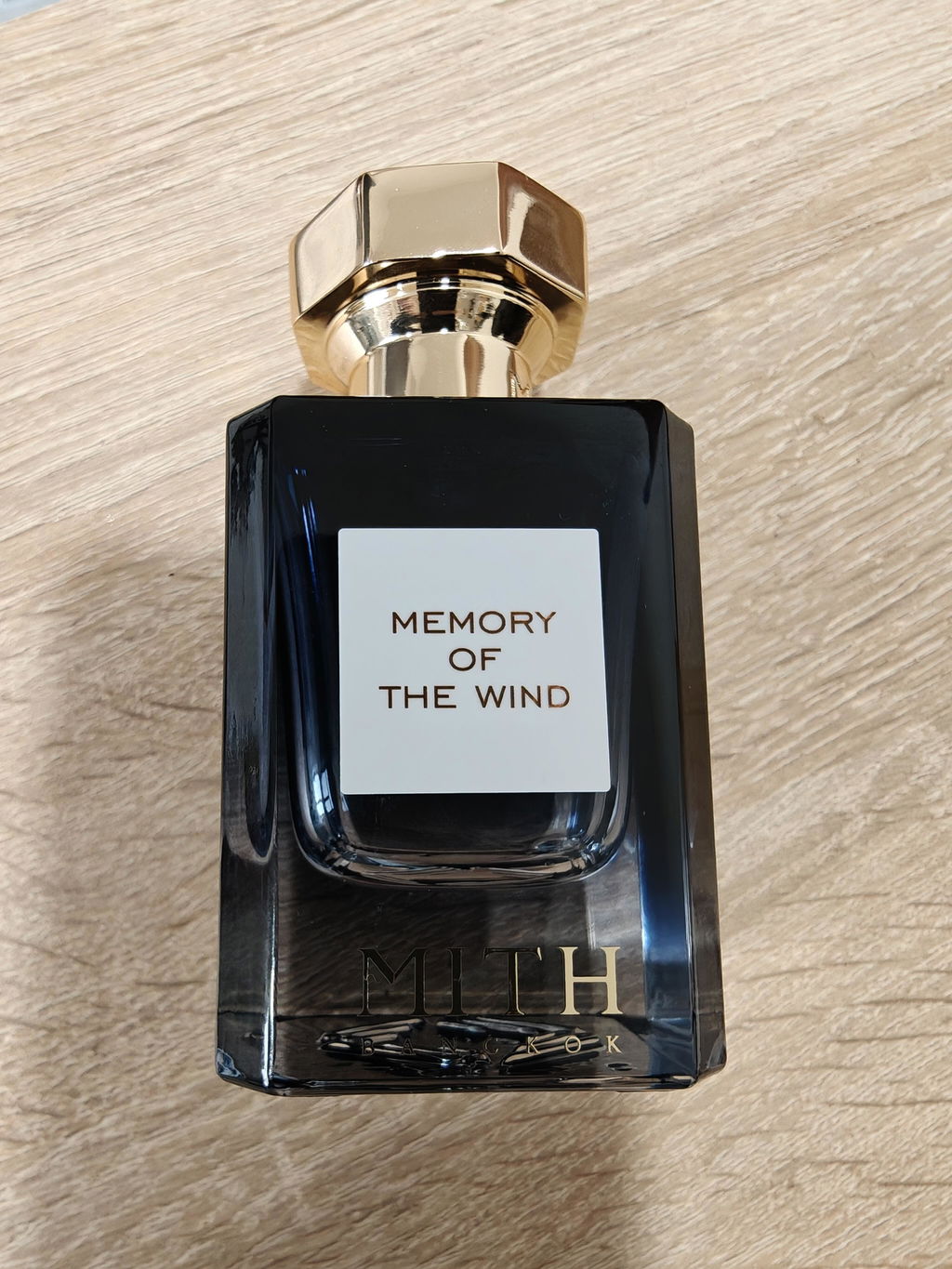
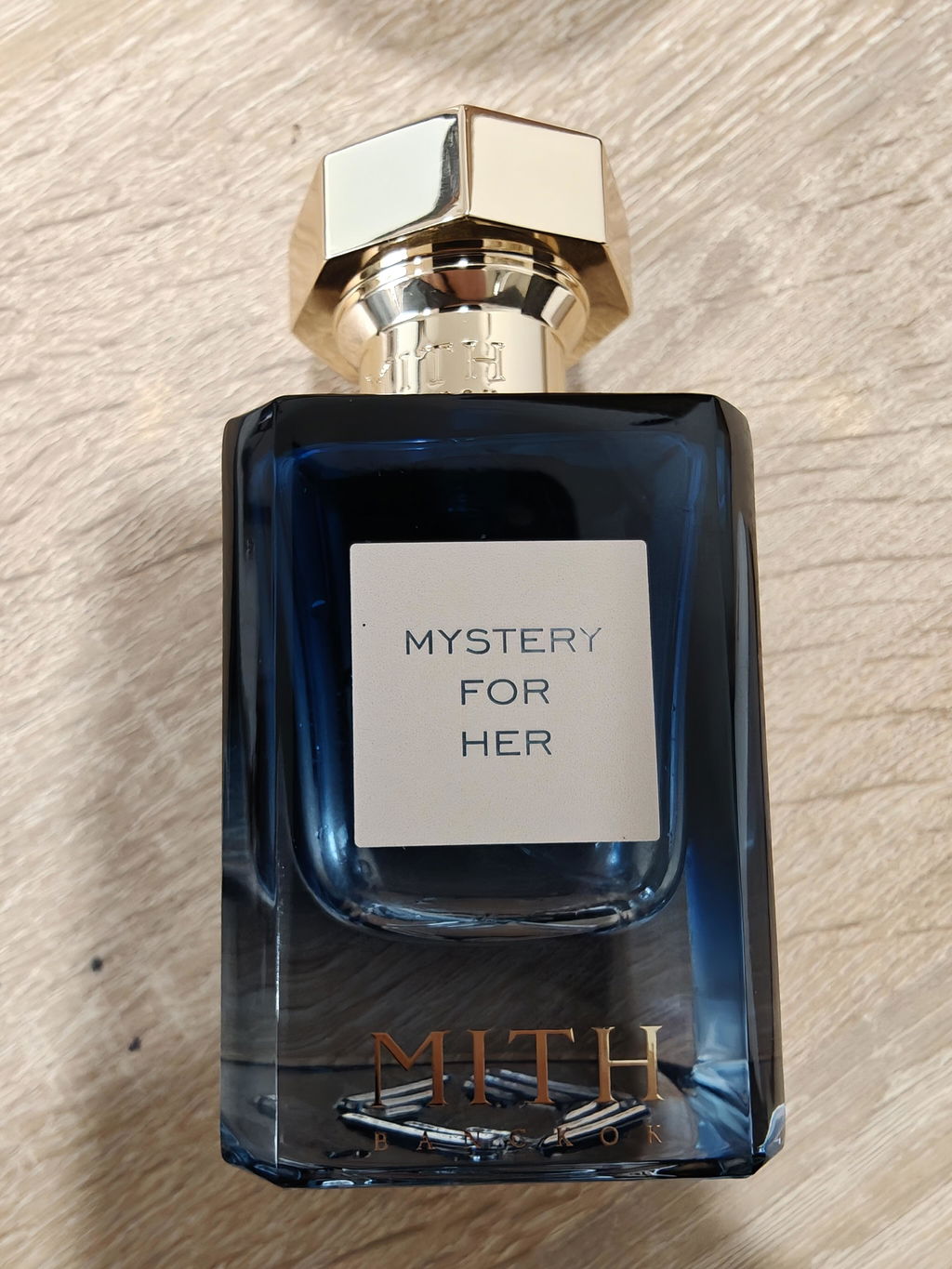
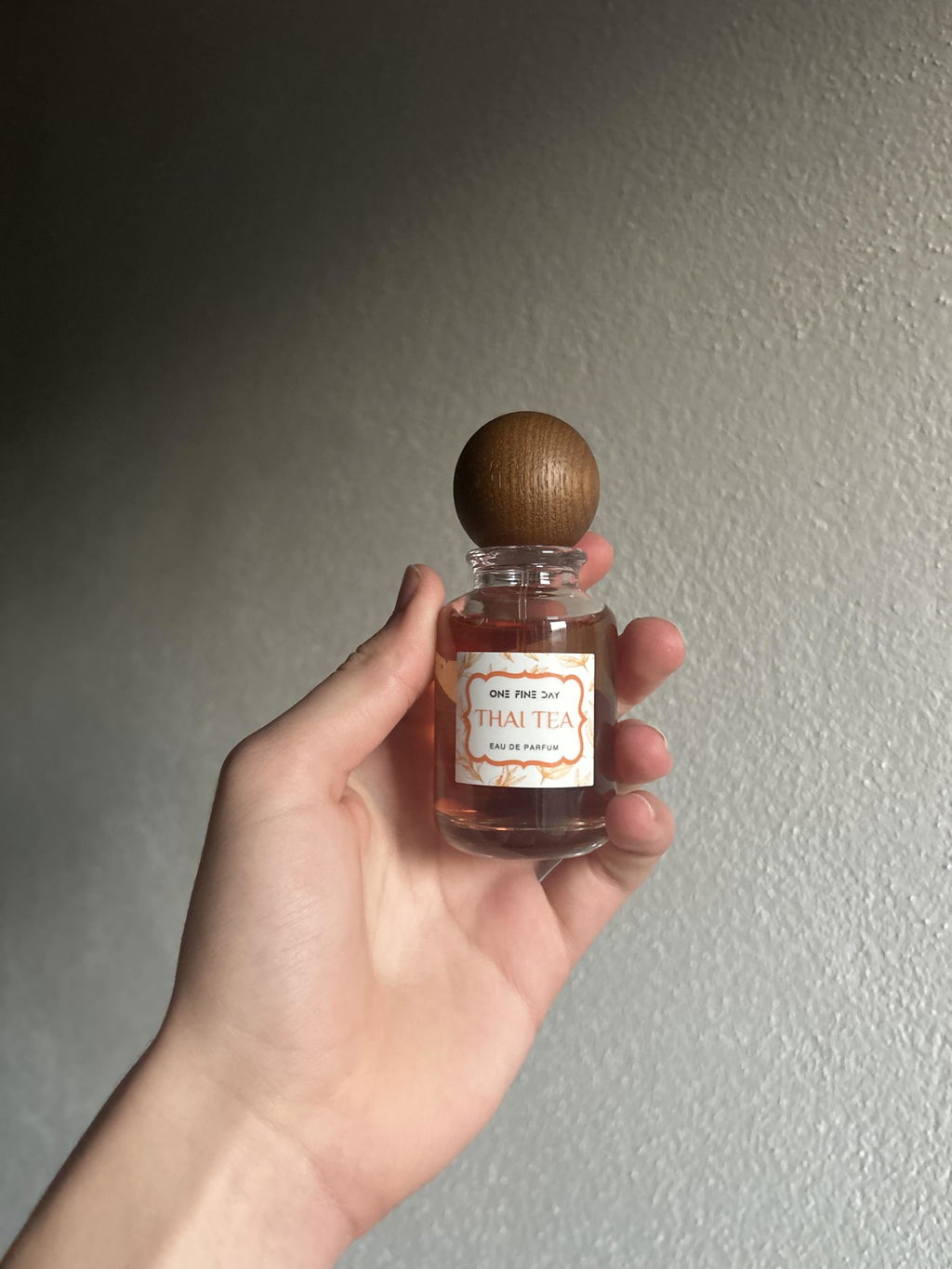
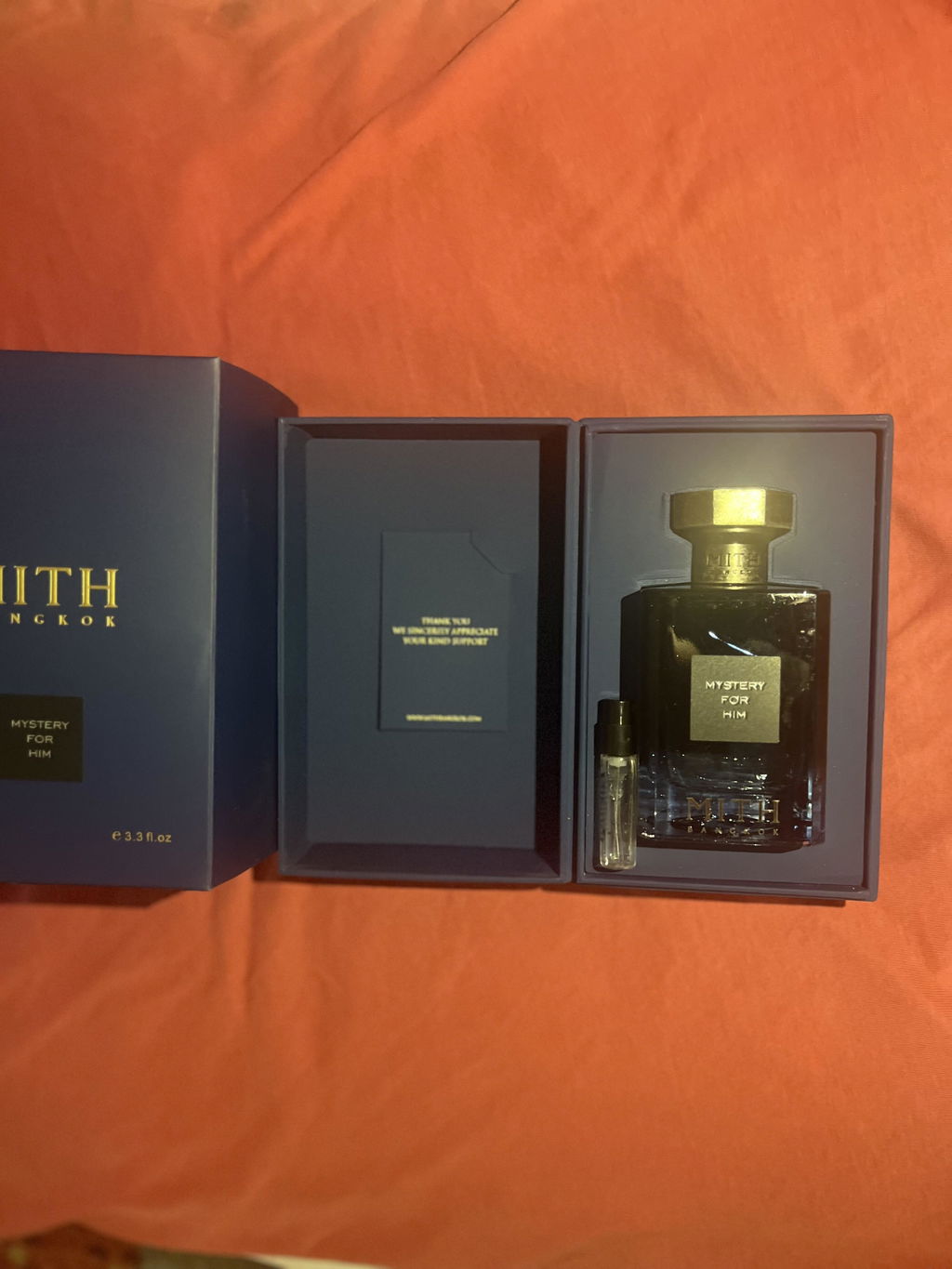
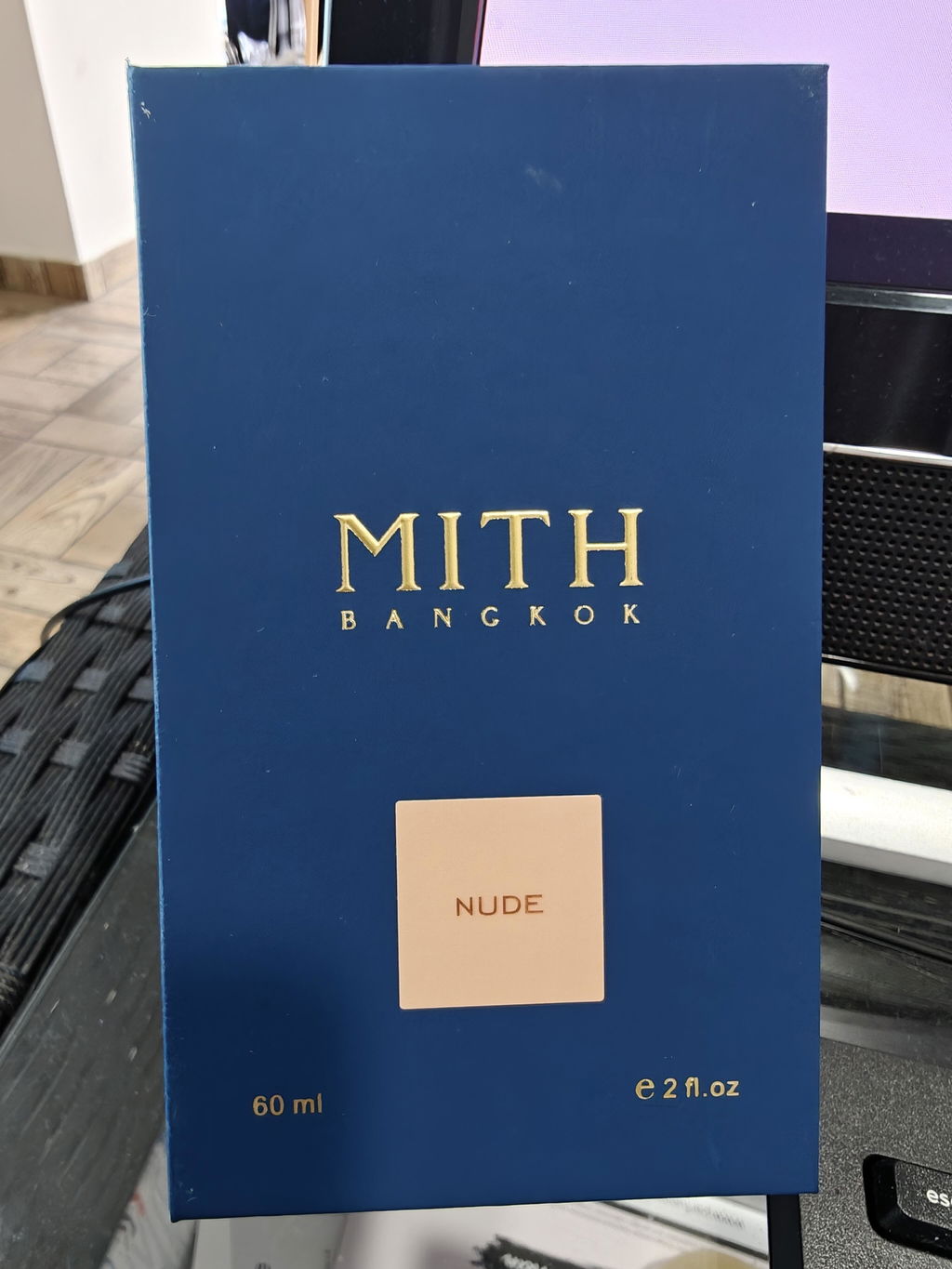
Story-led fragrance houses are particularly interesting here. Modern Thai perfumery, for example, often approaches familiar categories through a different sensory lens: humid air, tropical fruit, ceremonial florals, aromatic herbs, desserts, wood and urban heat can all become part of a more unexpected composition. The result is not luxury by imitation, but luxury with identity.
How to choose a scent that feels like you
The most polished perfume is not necessarily the darkest, strongest or most formal one. It is the scent whose texture fits your own rhythm.
For work or daily city wear, consider crisp citrus woods, sheer florals, tea, aromatic notes and skin musks. They feel intentional without overtaking a meeting, train carriage or dinner table. For evenings, a richer iris, incense, leather, amber or dark floral can bring more atmosphere, provided the sweetness remains balanced.
Season matters, but not as rigidly as fragrance rules suggest. Creamy sandalwood can be beautiful in cold weather, while a dry vetiver may feel immaculate in summer. In warm conditions, however, dense vanilla, oud and resin can become much louder than expected. Test them outside, on skin, before committing to a full bottle.
Your skin chemistry also changes the equation. A bright citrus may become fleeting on one person and gently creamy on another. Vanilla can turn toasted and elegant, or far sweeter than intended. Spray a small amount on your wrist or inner elbow, leave it for at least an hour, then smell it again once the opening has settled.
Small habits that make any fragrance feel more refined
Application is part of the effect. Two to four sprays are often enough for an eau de parfum, though the right amount depends on concentration, weather and the particular formula. Start with less when trying a new scent. You can add a spray, but you cannot edit an over-applied fragrance once it is in the air.
Apply to moisturised skin rather than rubbing your wrists together. Rubbing can make the opening disappear faster and leaves you with a less accurate sense of the perfume’s development. A neutral body lotion helps fragrance sit more smoothly; a scented lotion or body oil can work beautifully if its profile complements the perfume rather than competes with it.
Clothing can hold a trail longer, particularly natural fibres such as wool and cotton, but take care with delicate fabrics. A light spray from a distance is usually sufficient. The aim is not to scent every room you enter. It is to leave a trace that feels personal and precise.
Beyond the obvious luxury codes
Oud, saffron, rose, leather and vanilla all have a place in fine fragrance, but they are not automatic proof of taste. A perfume can smell expensive because it is translucent, green, salty, airy or even slightly strange. Sometimes the most memorable choice is a gentle scent with one arresting detail: a lacquered fruit, a bitter herb, a wisp of smoke, a cool rice note or a polished metallic accord.
At Villenel Fragrances, this is the pleasure of seeking beyond the expected. A distinctive perfume does more than signal luxury. It gives your presence a texture - and the best one is the scent you continue to notice, with pleasure, long after everyone else has asked what you are wearing.