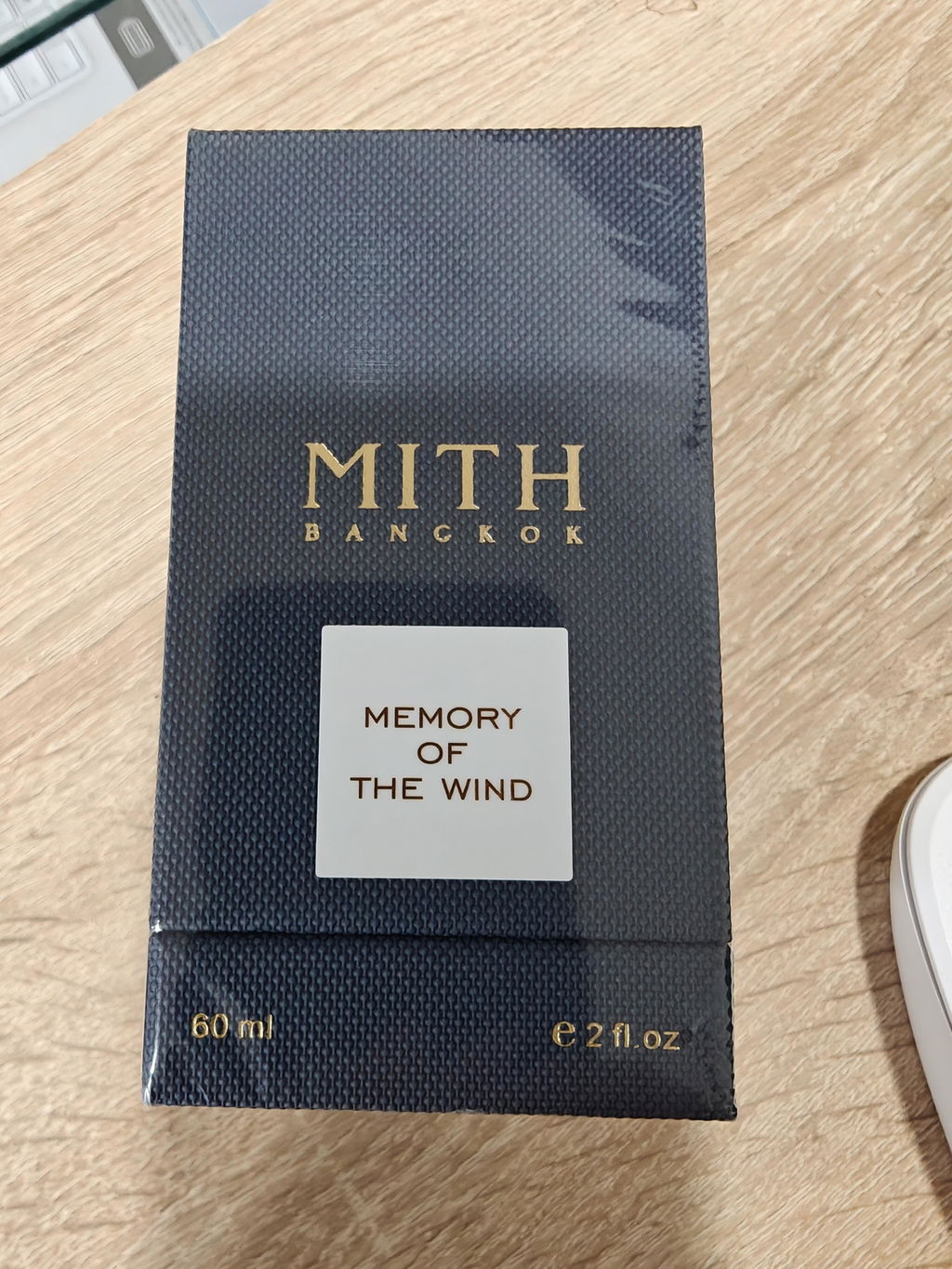
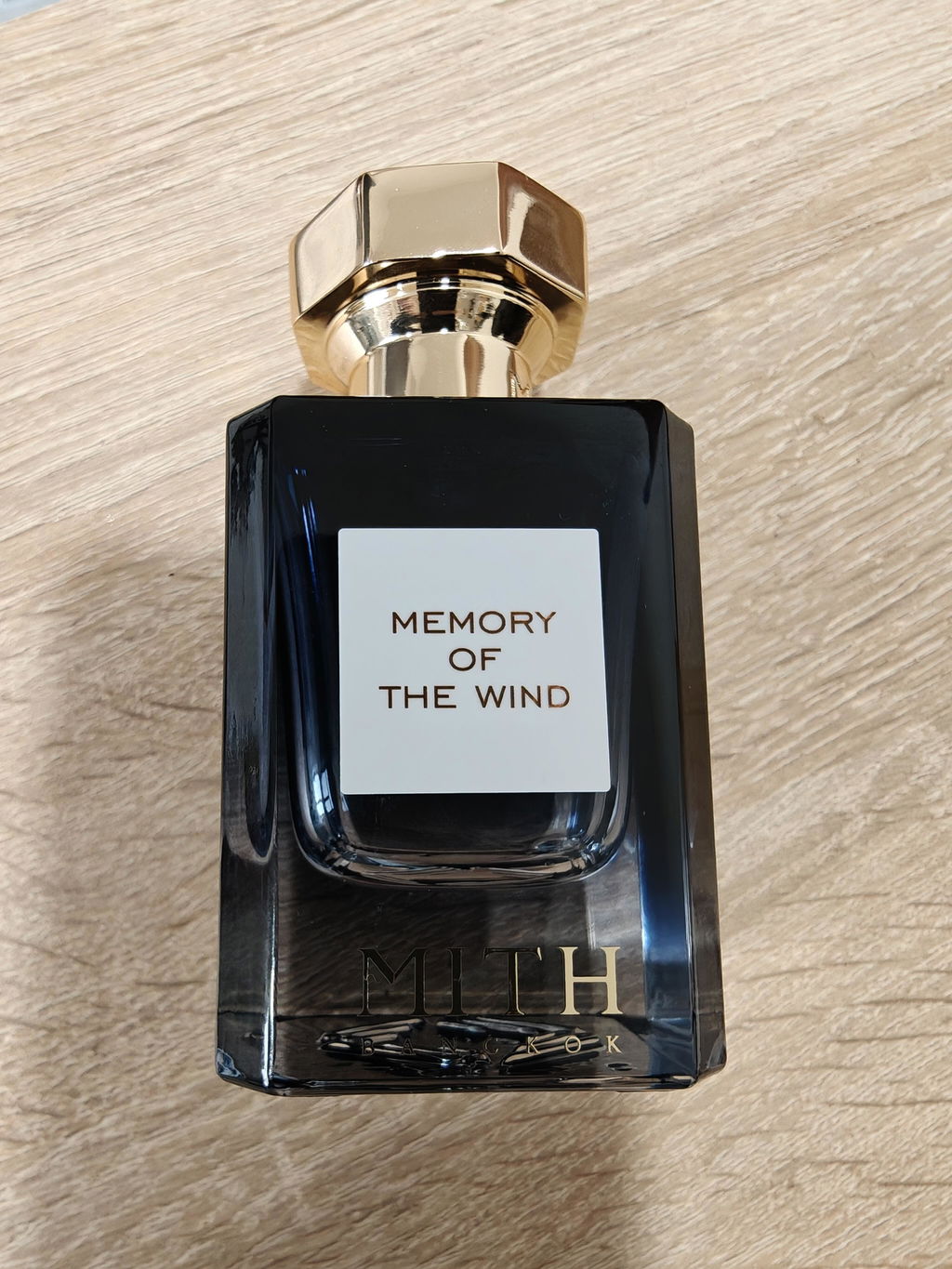
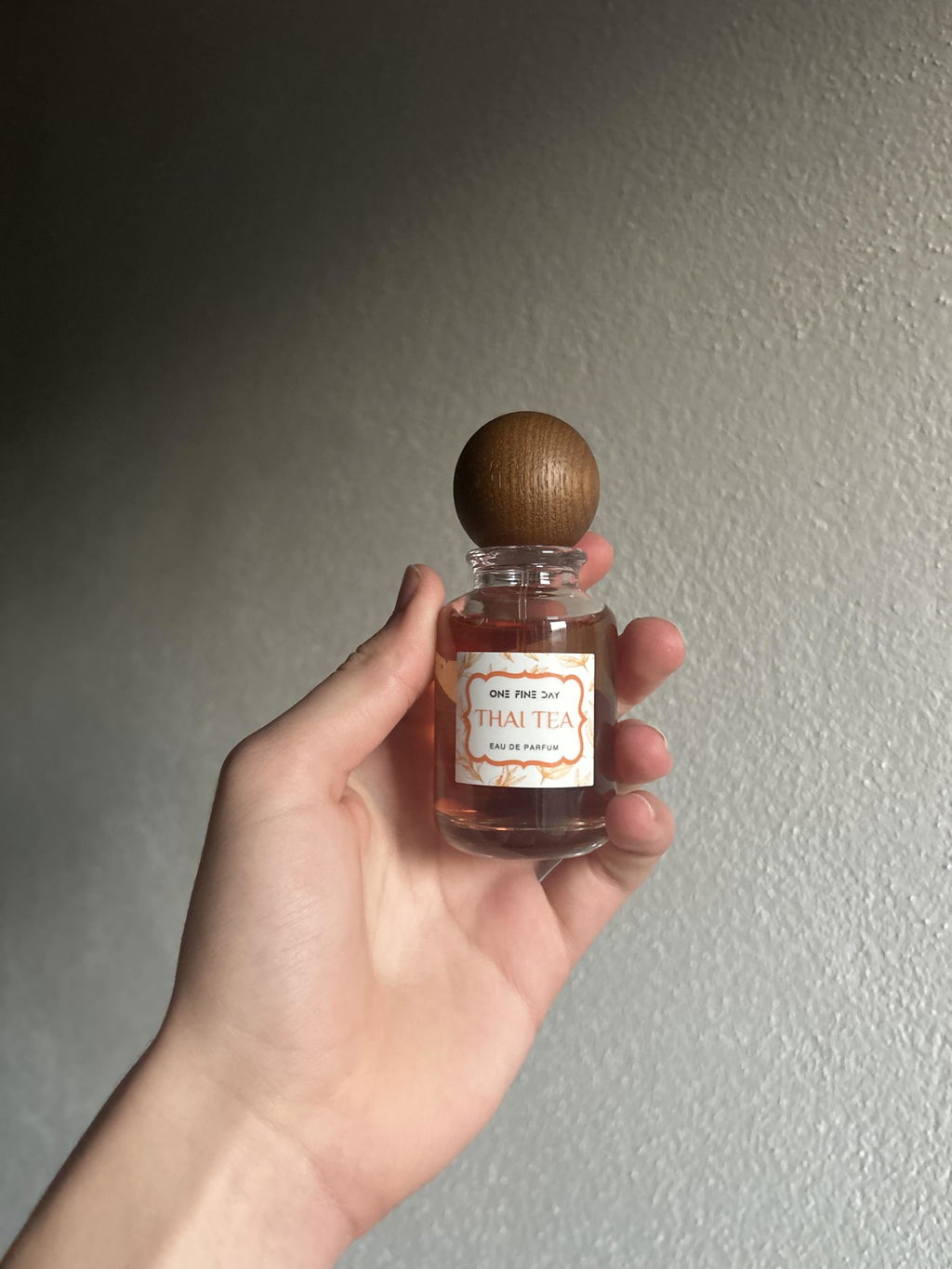
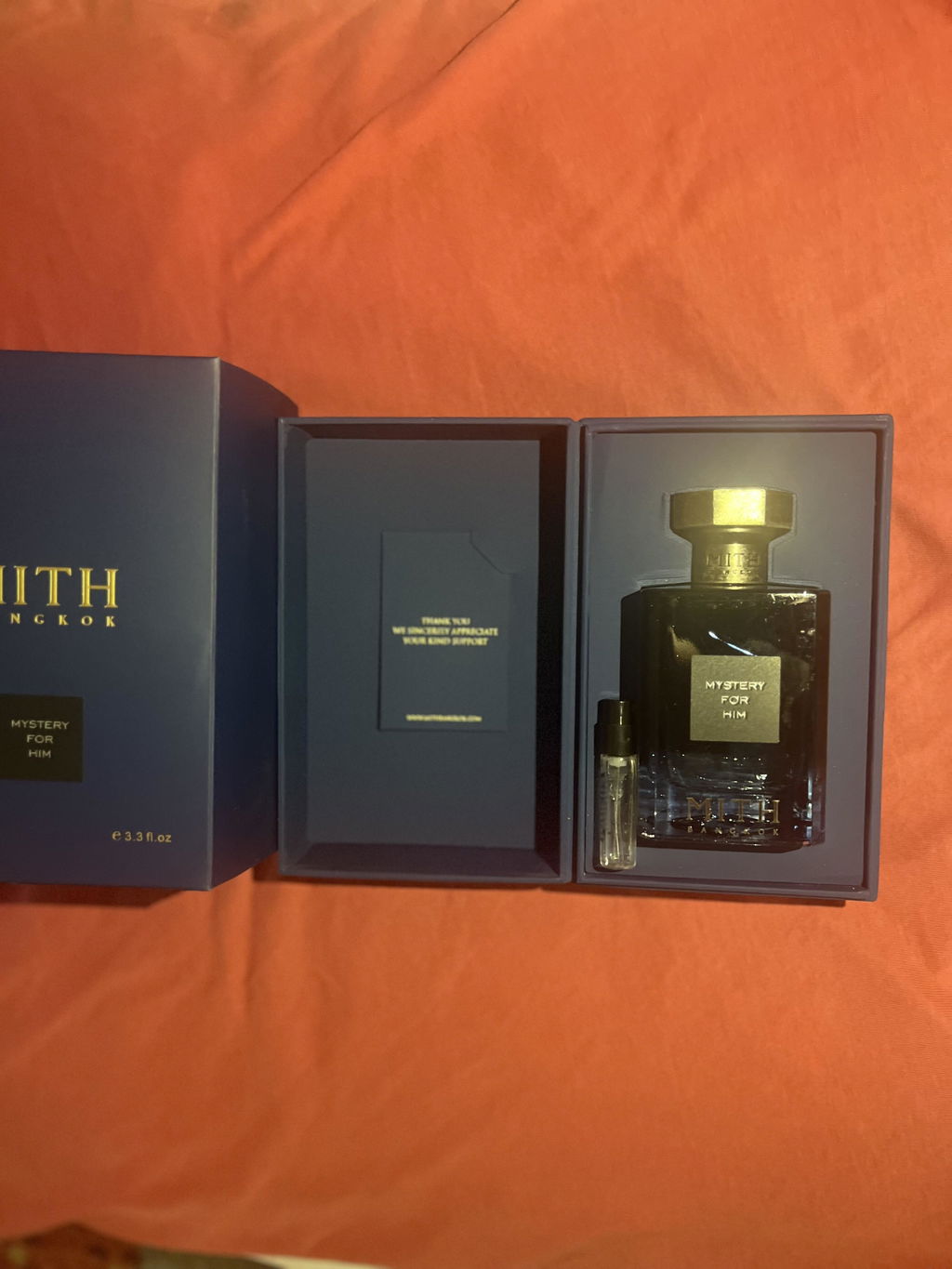
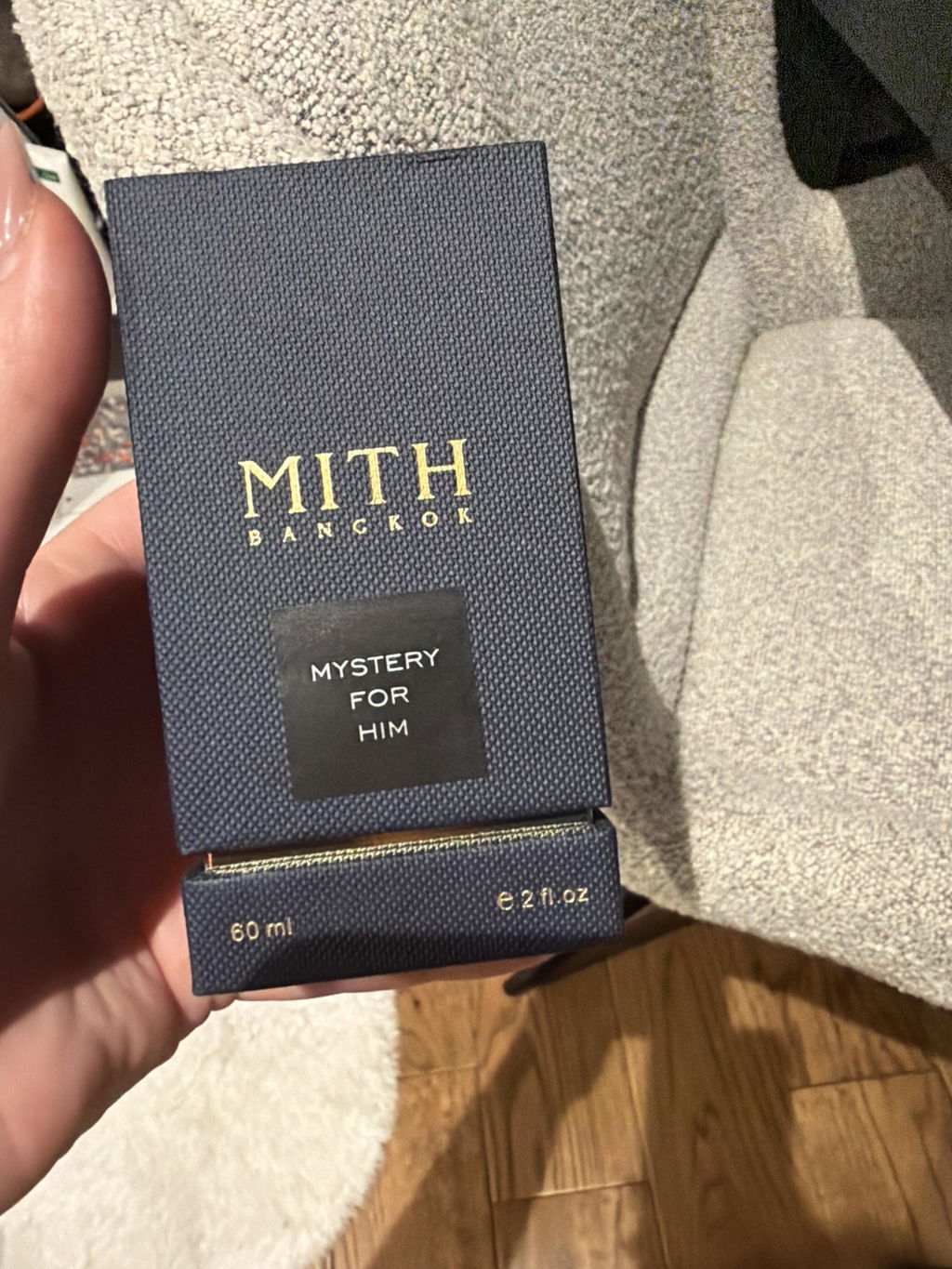
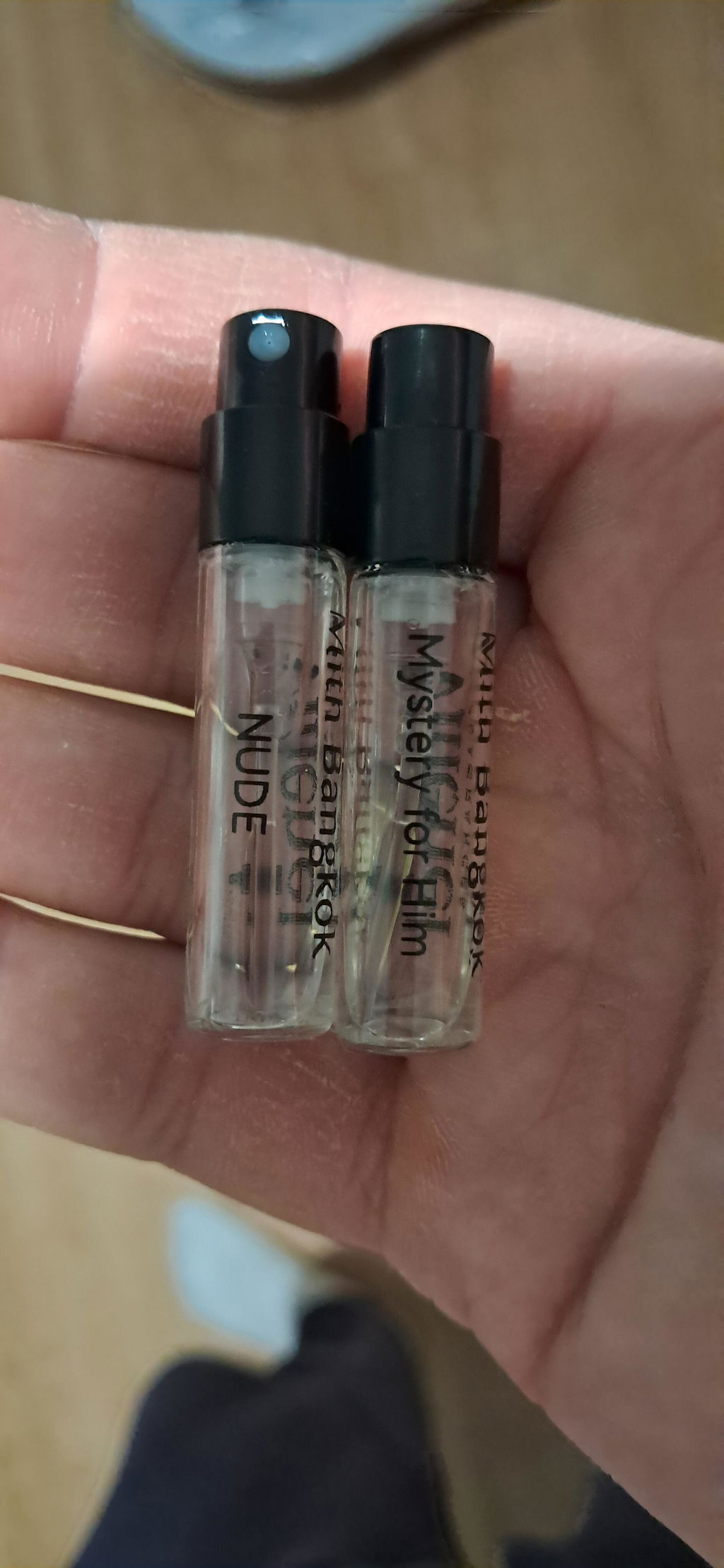
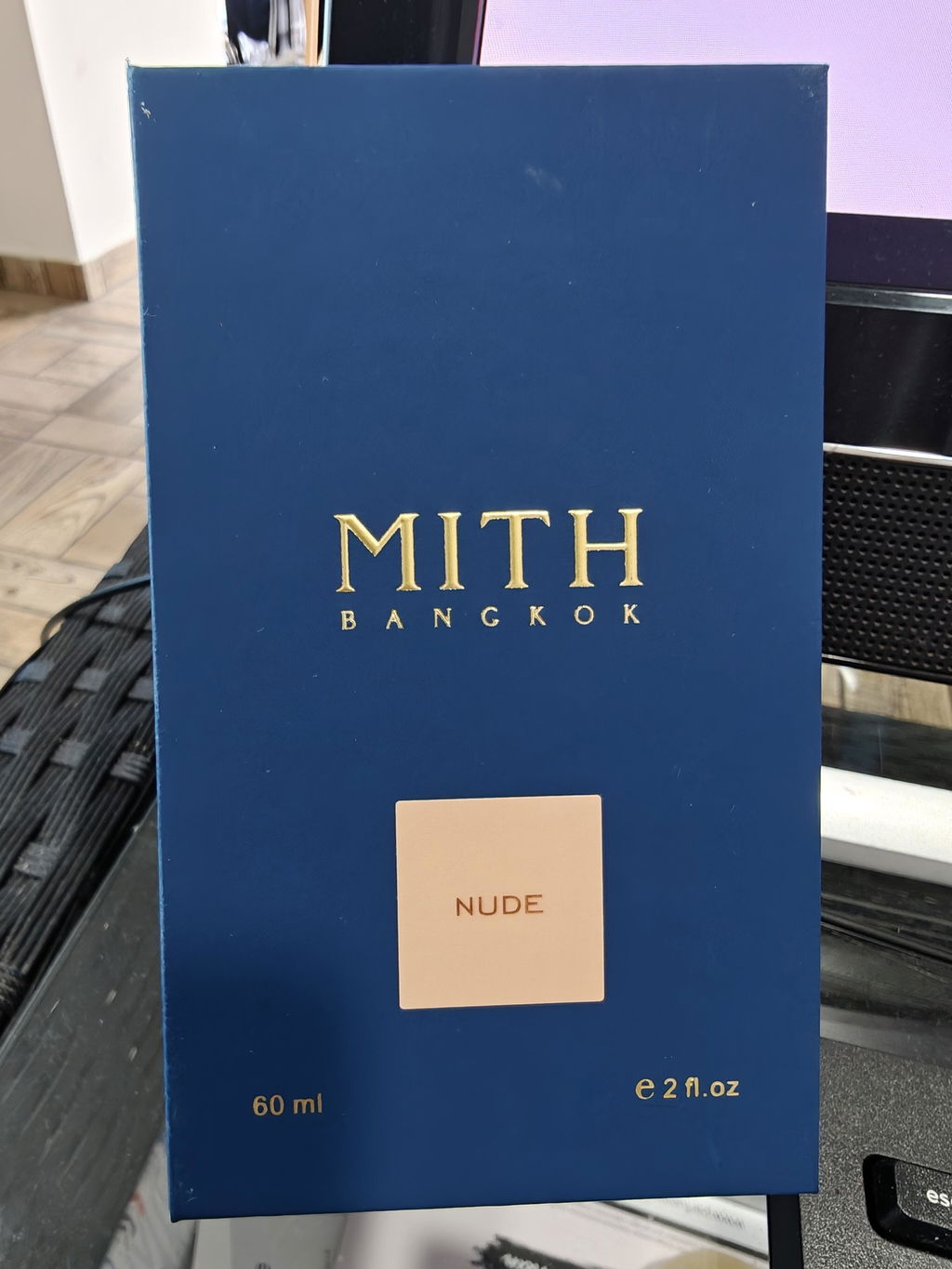
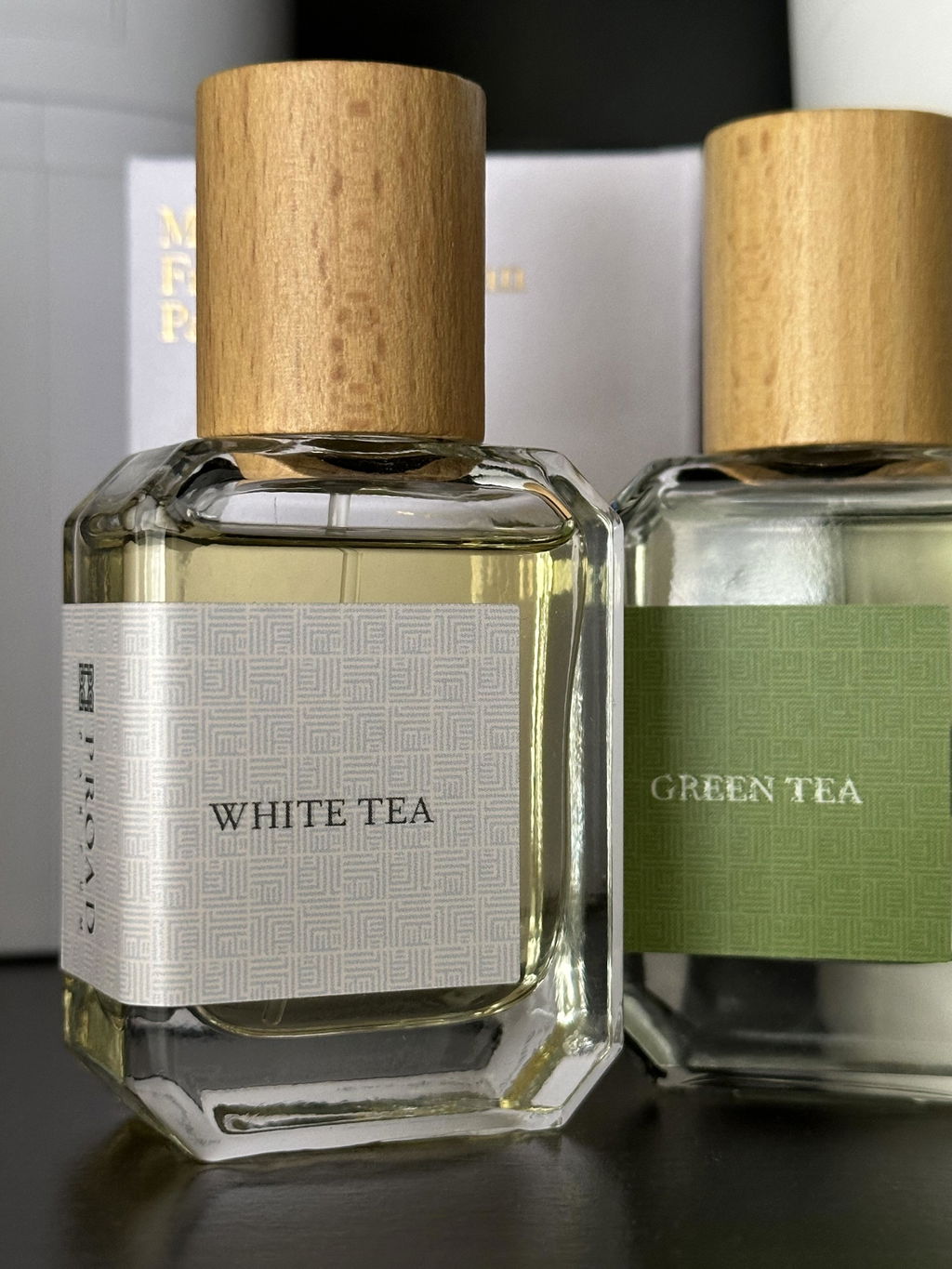
A perfume built around steamed jasmine rice sounds improbable until you smell it. Then it makes perfect sense. That tension between familiarity and surprise is part of what makes unique ingredients in Thai perfumery so compelling to collectors who have grown tired of the usual rose-oud-vanilla circuit.
Thai fragrance is not defined by one note, one tradition or one formula. It moves between temple smoke, humid greenery, tropical fruit, polished woods, floral garlands and gourmand nuances with unusual ease. For anyone interested in niche scent, the real appeal lies in how these materials are handled - not as novelty, but as atmosphere, memory and place.
What makes unique ingredients in Thai perfumery stand out
Many perfume markets lean on a recognisable signature. French perfumery often foregrounds structure. Middle Eastern perfumery may centre richness, resins and projection. Thai perfumery tends to feel more fluid. It often draws from daily rituals, food culture, native botanicals and heat-soaked landscapes, then translates them into something contemporary and wearable.
That matters because these compositions rarely smell like simple postcards. A Thai perfume using coconut, pandan or mango is not automatically sweet. A floral built around ylang-ylang or jasmine may feel airy rather than heady. Incense can read meditative instead of ecclesiastical. The distinctive effect often comes from contrast - green against creamy, mineral against lush, smoke against soft florals.
For European fragrance buyers, this is where discovery begins. These ingredients can feel new without being difficult. They offer character, but not chaos.
Rice, pandan and coconut - edible notes with polish
One of the most intriguing signatures in contemporary Thai scent is the use of edible, culturally resonant notes that are refined rather than literal. Rice is a perfect example. In perfumery, a rice accord can suggest softness, steam, warm skin, toasted powder or delicate nuttiness. It brings comfort, but also an almost textile quality - clean, smooth and close.
Jasmine rice accords are especially interesting because they sit between floral and gourmand. They do not smell like dessert in the obvious sense. Instead, they add a gently aromatic warmth that can make a perfume feel intimate. In the right composition, rice can replace more conventional musks or vanillas, giving a scent a quieter and more distinctive finish.
Pandan works differently. Its aroma is green, creamy and slightly vanillic, but with a leafy brightness that stops it becoming heavy. In perfume, pandan can create a modern gourmand effect without the sugar rush that dominates so much of the category. It pairs beautifully with coconut, sandalwood, milk notes and soft florals.
Coconut, too, deserves a more nuanced reading. In mainstream fragrance it is often reduced to beachy sweetness. In Thai-inspired compositions, it may appear as fresh coconut water, coconut flesh or a creamy background note that supports woods and white flowers. The result can be tropical, certainly, but also elegant and skin-like.
White florals with a different accent
Thailand’s floral vocabulary offers far more than a generic bouquet. Jasmine, champaca, ylang-ylang, lotus and orchid all appear in different forms, and each carries a distinct mood.
Jasmine is perhaps the most recognisable, yet in Thai perfumery it often feels less indolic and more luminous than in classic French florals. Think garlands, evening air and floral tea rather than opulent powder room glamour. It can be fresh, translucent and almost dewy.
Champaca is one of the most beautiful materials in this space. Rich, fruity, tea-like and softly spiced, it has the depth of a white floral but also a burnished quality that makes it feel more unusual than tuberose or orange blossom. When handled well, champaca gives a perfume golden warmth without overwhelming the composition.
Lotus tends to bring a watery, serene effect. It is less about realism and more about texture - cool petals, still water, a clean floral hush. Orchid is similarly flexible. Depending on the structure, it can read creamy, sheer or velvety. Neither note is automatically dramatic, which is precisely why they work so well in polished niche formulas.
Woods, resins and temple atmosphere
Another reason unique ingredients in Thai perfumery resonate so strongly is their treatment of incense and wood. These perfumes often evoke spaces rather than single notes - temples, old teak interiors, rain-darkened earth, offerings of flowers and smoke.
Agarwood appears here with a different accent from the louder oud trend that has dominated global perfumery. In Thai compositions, oud may be smoother, airier or more meditative, integrated into incense, spice and dry woods rather than pushed into brute-force intensity. That makes it more wearable for those who appreciate depth but dislike density.
Sandalwood, teak-inspired accords, benzoin and resins can all play a role in shaping this atmosphere. Benzoin is particularly effective because it adds sweetness without turning syrupy. It softens smoke, rounds out spices and lends a gentle ambered glow. Combined with woods and florals, it creates perfumes that feel contemplative rather than sombre.
There is often a spatial quality to these scents. Instead of smelling linear, they unfold like humid air moving through wood, fabric and skin. That sense of environment is one of Thai perfumery’s most appealing signatures.
Green notes that feel alive, not decorative
Tropical greenery can be difficult in fragrance. Push it too far and it feels sharp or synthetic. Handle it well and it becomes exhilarating. Thai perfumery often gets this balance right.
Lemongrass, kaffir lime leaf, basil, galangal and crushed herbs can bring freshness, but not in the conventional cologne sense. These notes are more textured and savoury. They cut through sweetness, sharpen florals and give humid compositions lift. They can also make a perfume feel distinctly modern.
Kaffir lime leaf, in particular, offers a nuanced kind of citrus effect. It is brighter and greener than many standard citrus notes, with an aromatic bitterness that keeps things sophisticated. Lemongrass can be sparkling, but also fibrous and earthy. Basil adds peppery coolness. Used together, these ingredients create freshness with personality.
This is where Thai perfumery often surprises seasoned fragrance wearers. Instead of opening with the expected bergamot-lemon-grapefruit formula, it presents something more vivid and more angular. The freshness feels lived-in and specific.
Fruit notes beyond the obvious
Tropical fruit in perfume is often mishandled. It becomes shampoo-like, juvenile or overly sweet. Thai fragrance houses tend to approach fruit with more restraint, using it for colour and contrast rather than sugar.
Mango can add lushness, but also a green-sour edge if the accord leans towards unripe fruit. Pomelo offers sparkling bitterness and airy citrus volume. Tamarind brings tartness, depth and a faintly sticky richness that can be fascinating in amber or spice compositions. Lychee, when used sparingly, adds rose-like brightness and watery sweetness.
The trade-off is that these notes can be polarising. If you prefer austere, abstract perfumery, fruit-led Thai compositions may feel too immediate. But for wearers who want scent to feel evocative and sensual, these ingredients can make a perfume far more memorable than another predictable berry opening.
Why these materials matter in niche perfumery
What makes Thai ingredients relevant is not simply their rarity. Plenty of unusual raw materials exist in niche fragrance, and not all of them deserve attention. The real difference is coherence. In the best Thai perfumes, ingredients such as rice, pandan, lotus or kaffir lime leaf do not feel inserted for effect. They support a larger aesthetic - contemporary, atmospheric and culturally grounded without being costume-like.
That is particularly valuable at a time when niche perfumery can feel crowded with repetition. A striking note is easy. A fully realised scent identity is harder. Thai houses that work with these materials well often produce fragrances that feel edited, not excessive.
For collectors in Europe, this opens up a rewarding category. It offers genuine variety, but still enough polish to sit comfortably alongside established niche wardrobes. Villenel Fragrances has helped bring more of that perspective within reach, and it deserves attention precisely because it broadens what modern perfume can smell like.
If you are curious where to begin, follow the ingredient that already interests you. Choose rice if you love soft skin scents, pandan if you want a greener gourmand, champaca if white florals have started to bore you, or temple woods if you prefer depth with restraint. The best discoveries rarely come from chasing what is familiar - they come from recognising quality in a different accent.