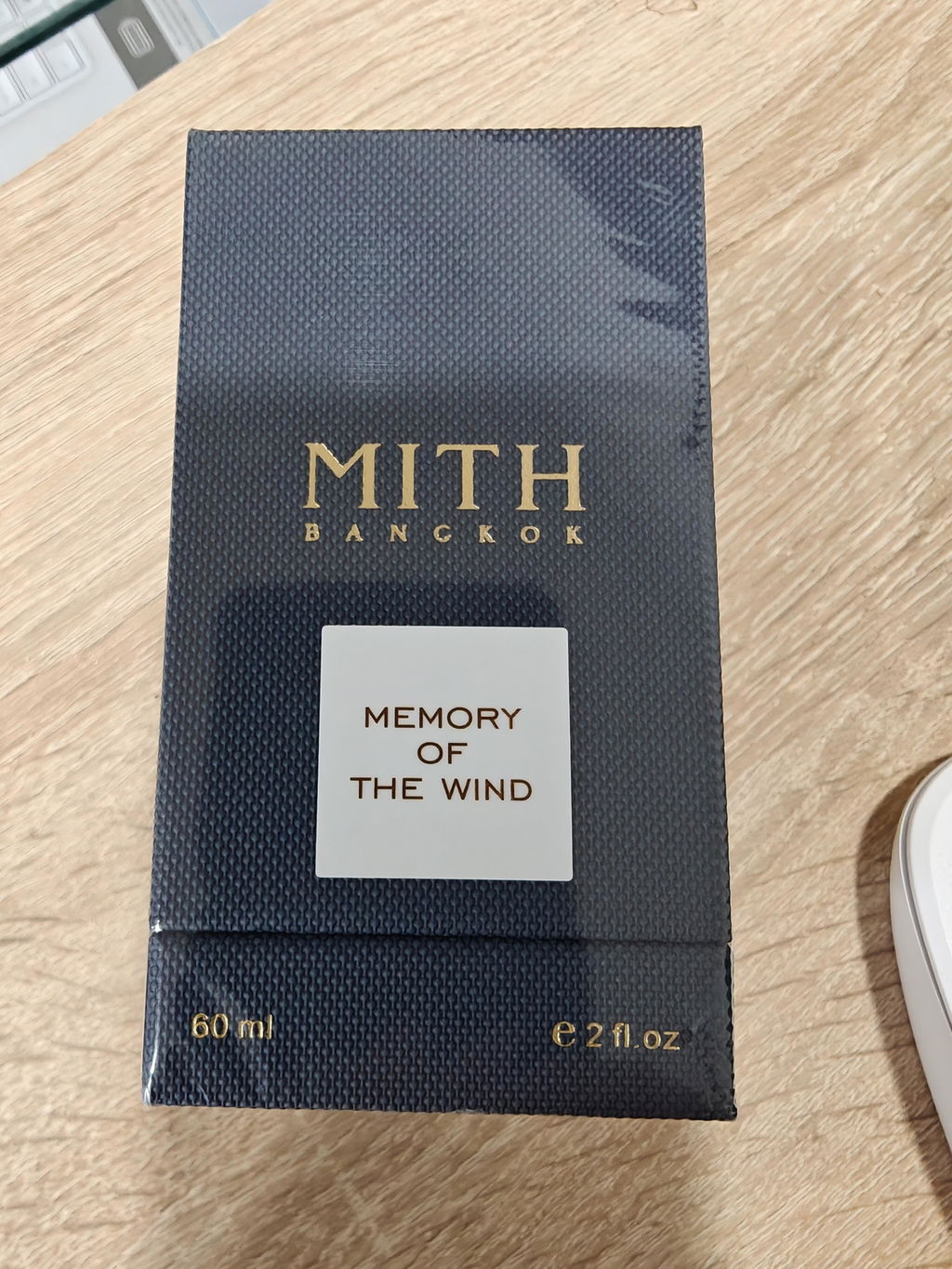
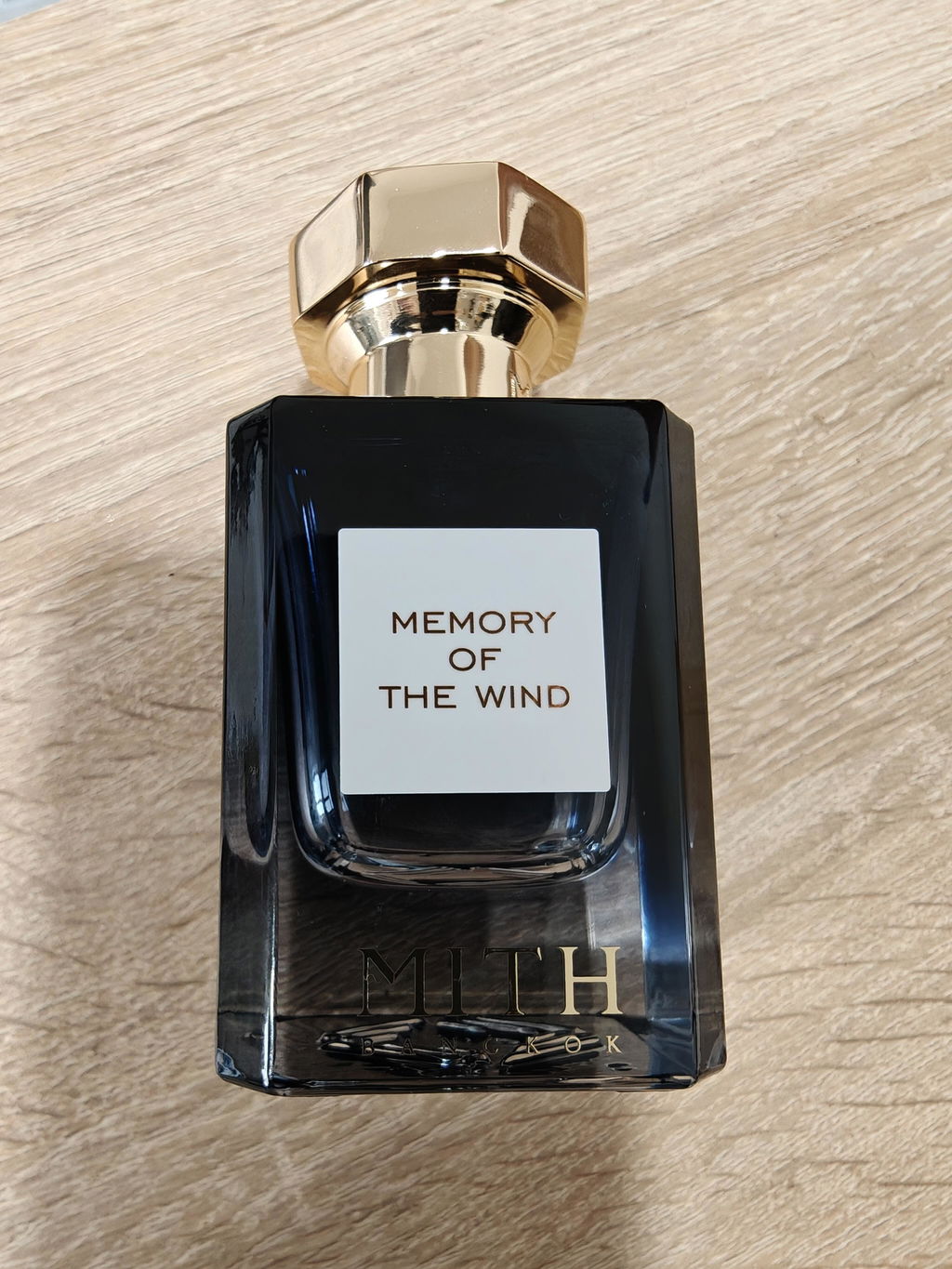
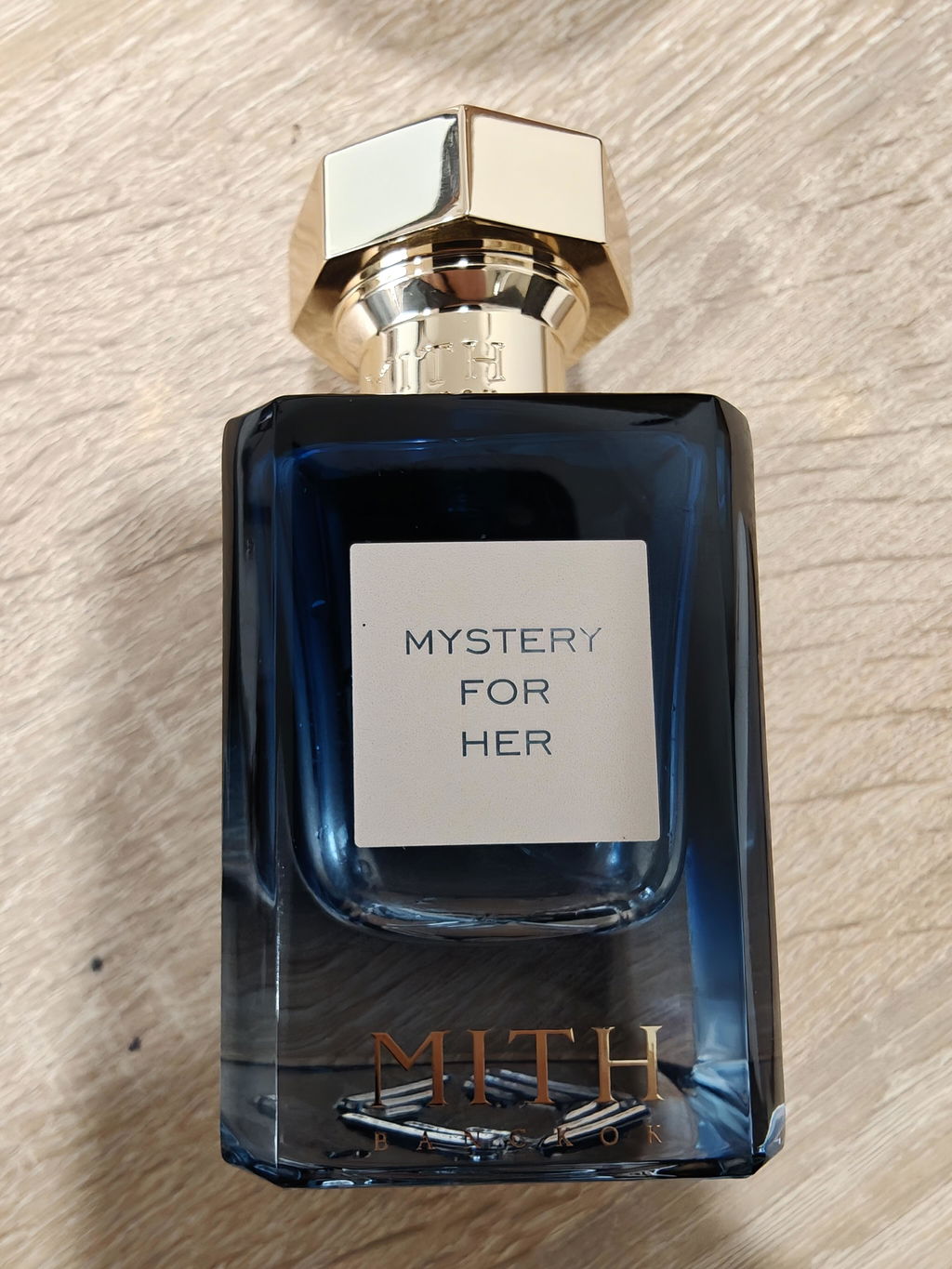
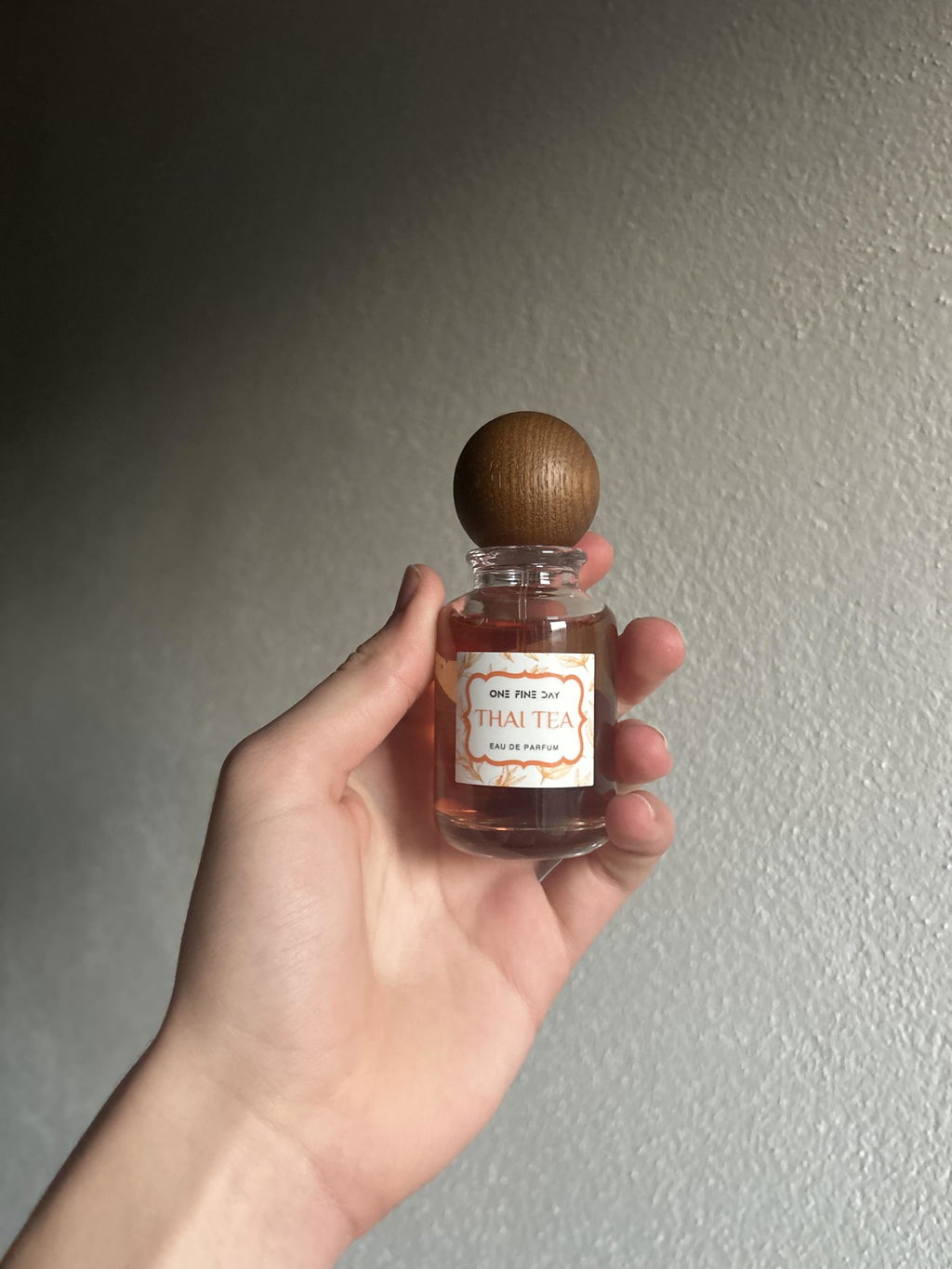
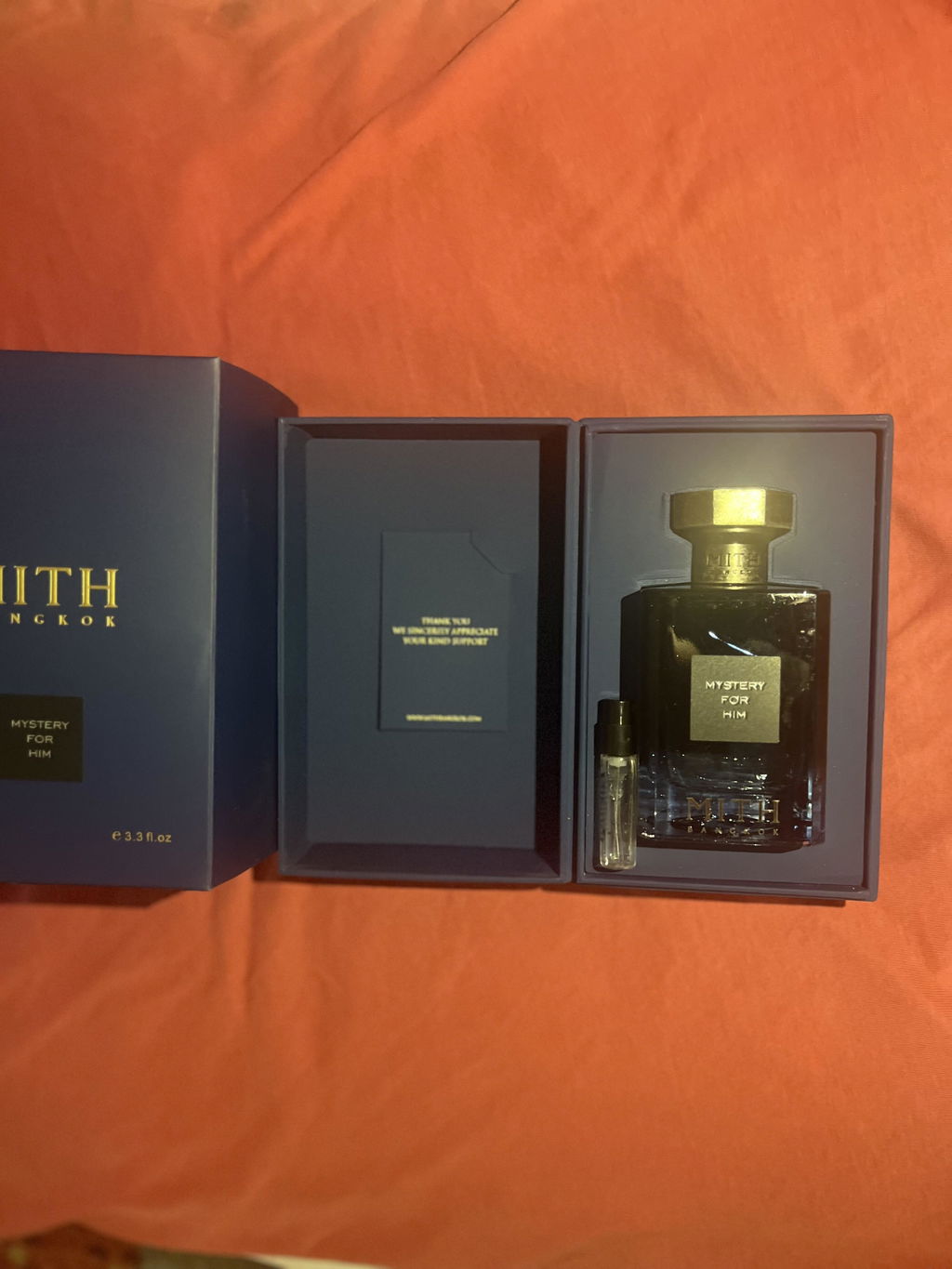
One perfume can be beautiful. Two or three well-chosen layers can feel unmistakably yours. That is the appeal behind any serious guide to fragrance layering products - not simply making a scent stronger, but shaping it with more texture, longevity and personality.
Layering has moved far beyond the old idea of matching shower gel, lotion and perfume from the same line. In niche perfumery, it is a more creative exercise. You might soften a dry woody fragrance with a skin-like musk cream, brighten a dense amber with a neroli mist, or give a fleeting citrus composition more presence with a body oil underneath. The effect is often subtle, but subtle is where the sophistication lies.
What fragrance layering products actually do
The best layering products do not all perform the same role. Some extend wear, some alter the mood of a fragrance, and some act almost like editing tools, smoothing rough edges or sharpening a note you want to hear more clearly.
Body lotions and creams usually create the most dependable base. Hydrated skin tends to hold fragrance better than dry skin, so a well-textured lotion can improve performance before perfume even enters the picture. If the lotion is scented, it also adds a soft halo that sits close to the skin.
Body oils and gloss oils behave differently. They often give fragrance a warmer, more diffusive quality, especially with woods, ambers, florals and resins. They can add sensuality, but there is a trade-off. A richer oil may slightly blur a very crisp or sparkling perfume, so they are usually better with rounded compositions than with sharp green or mineral scents.
Perfume oils are more targeted. They tend to sit nearer the skin than alcohol-based sprays, making them useful when you want intimacy rather than projection. Layered beneath an eau de parfum, they can make a scent feel deeper and more personal.
Hair mists, hand creams and body mists play a lighter role. They are ideal if you want dimension without heaviness. A hair mist can trail beautifully, while a scented hand cream allows for small, controlled top-ups during the day.
A practical guide to fragrance layering products
If you want layering to feel elegant rather than accidental, start by assigning each product a job. Think in terms of foundation, atmosphere and signature.
Your foundation is the product that prepares the skin and gives the fragrance something to hold on to. Most often, this is an unscented or lightly scented lotion, cream or oil. If your skin runs dry, this step matters more than people think.
Atmosphere is the element that shapes mood. This could be a floral body mist, a musky cream, or a vanilla oil. It is not necessarily the star, but it changes the emotional register of the final result. A clean musk can make a fruity perfume feel more polished. A creamy sandalwood lotion can make a rose scent feel more velvety.
Your signature is usually the final spray - the fragrance you want to be recognised by. In most cases, this should remain the most complex and distinctive part of the layering combination. If every product competes for attention, the result can become noisy.
This is why restrained layering usually works best. One support layer under one main fragrance is often enough. Adding a third product can be effective, but only when each one contributes something clear.
Start with texture before scent
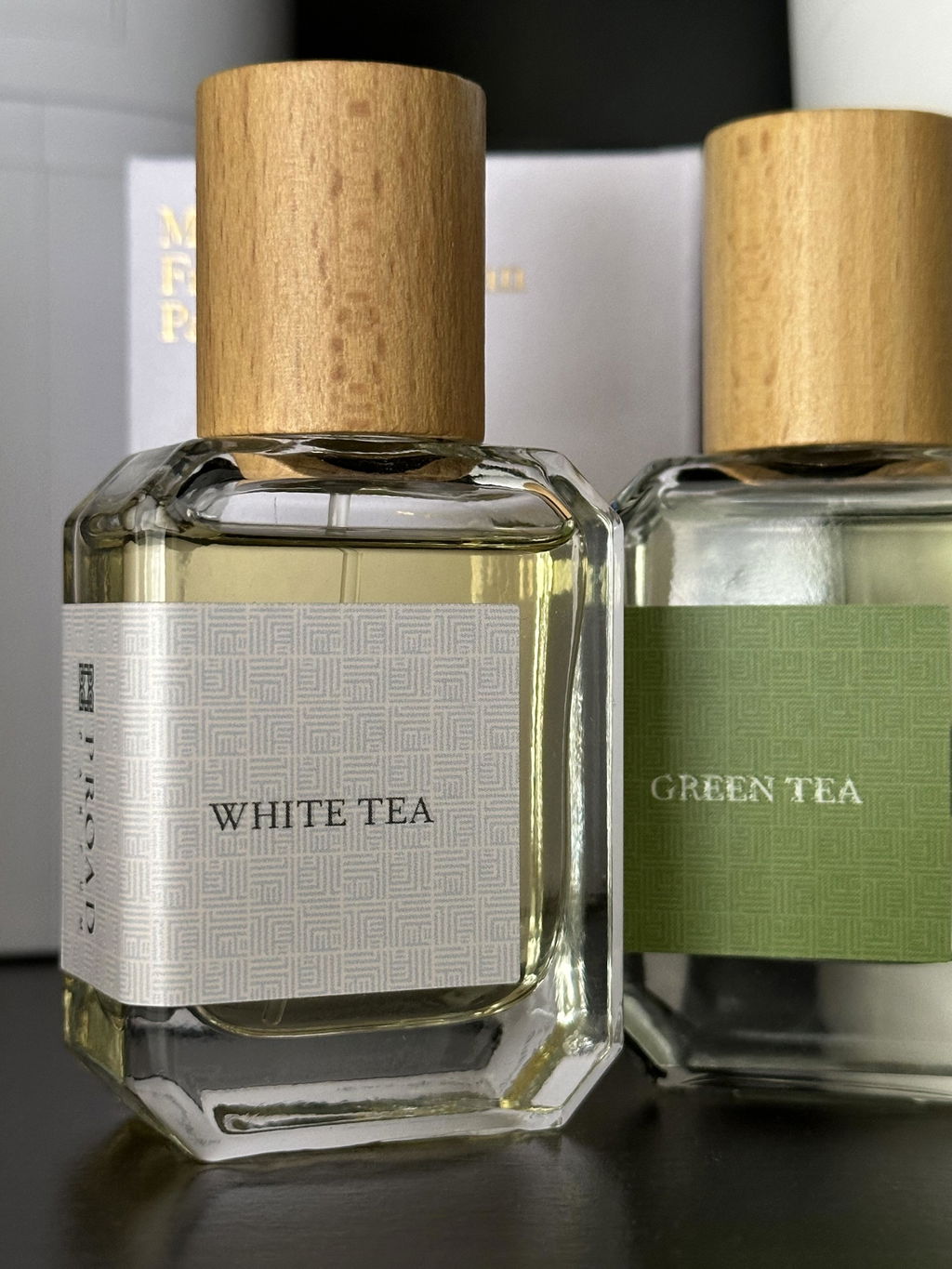
Many people choose layering products by fragrance family alone, but texture matters just as much. A thick cream under a sheer tea fragrance creates a different effect from a dry body mist under the same perfume.
Creams and lotions make fragrances feel softer and more rounded. Oils make them warmer and more enveloping. Mists keep them airy. If you already love the structure of a perfume but want it to last longer, choose a product with minimal scent and focus on texture. If you want to alter the character, choose a scented support product with intent.
Keep the scent architecture in mind
Fragrance layering works best when you understand which part of a perfume you are trying to support. Top notes give the first impression, heart notes shape the identity, and base notes provide depth and longevity.
If you want a citrus fragrance to sparkle for longer, layering with heavy vanilla or oud is unlikely to help. It may simply bury the brightness. A bergamot, neroli or clean musk body product would be more coherent. If you want a leather or incense fragrance to feel less austere, a cream with iris, rose or soft amber can make it more approachable without stripping away its character.
This is where niche fragrance lovers tend to have more fun. Layering is not about making everything sweeter or louder. It is about tuning proportions.
The easiest product pairings to get right
Some combinations are forgiving and consistently chic. Musks are perhaps the most versatile. A clean, skin-like musk lotion or oil can sit under florals, woods, citruses and even gourmands without creating discord. It adds body while keeping the perfume’s identity intact.
Vanilla is useful too, but more selective. A dry, elegant vanilla can add softness to patchouli, rose, tobacco and amber. A very sugary vanilla, however, can flatten more nuanced fragrances and push them towards sameness. If you collect niche scents for their detail, that is usually not what you want.
Sandalwood and soft woods are reliable for adding creaminess. They work especially well with white florals, tea scents, fig, iris and transparent spices. Neroli and orange blossom can brighten woods and musks beautifully, though they are less comfortable under dense smoky perfumes.
Rose is trickier than many expect. It can be stunning in layering, but its style matters. Fresh rose lifts. Jammy rose adds opulence. Powdery rose can turn a modern composition more classical. None is wrong, but each sends the fragrance in a different direction.
What to avoid when layering
The most common mistake is chasing intensity rather than harmony. More scented products do not automatically create a better result. They can simply crowd the perfume until the structure collapses.
Another issue is mixing too many strong signatures at once. Oud with tuberose with gourmand vanilla with marine notes may sound intriguing in theory, but on skin it often becomes confused. If two products both have a forceful personality, let one lead and keep the other quieter.
Application order also matters. In general, apply body lotion or oil first, then perfume oil if using one, then your spray fragrance. Hair mist can come last. This allows the most volatile notes to remain visible rather than being smothered underneath heavier textures.
You should also test on skin rather than paper when trying a new combination. A pairing that seems polished on a blotter can behave quite differently with body heat. Give it at least an hour before deciding.
Building a personal wardrobe of fragrance layering products
A thoughtful layering wardrobe does not need to be large. In fact, a concise edit is more useful than a crowded shelf of near-duplicates. One unscented or barely scented lotion, one clean musk layer, one warm woody or ambered body product, and one brighter floral or citrus option can cover a surprising amount of ground.
From there, choose according to the fragrances you actually wear. If your wardrobe leans resinous, spicy and nocturnal, invest in creamy woods, amber oils and smoother musks. If you favour green florals, tea scents and translucent citruses, look for light lotions, neroli mists and airy musks instead.
This is also where complementary body care becomes more interesting than an afterthought. Products like hand cream or gloss oil can function as precise styling tools. A gloss oil under a floral amber for evening creates a richer, more polished aura. A hand cream in a soft musk can refresh a scent discreetly at your desk without the theatre of respraying.
For readers exploring more distinctive fragrance wardrobes, brands that think across perfume and body care are often the most rewarding. The curation matters. A house that understands how lotion, oil and scent interact is offering more than merchandising - it is offering composition in layers.
When layering is worth it, and when it is not
Not every fragrance needs help. Some perfumes are already balanced so precisely that layering adds very little beyond extra volume. Others are intentionally linear and can benefit from being styled with a supporting product.
If a fragrance fades too quickly on your skin, layering can be practical. If you love a scent but wish it felt creamier, cleaner, warmer or more sensual, layering can be transformative. But if you are wearing a highly complex composition with intricate shifts from opening to dry down, adding too much underneath may erase what makes it special.
The most stylish approach is often the least obvious one. A lotion that no one notices on its own, a veil of oil that changes the texture, then a fragrance that still reads clearly as itself. That is where layering stops being a trick and starts feeling like taste.
Treat fragrance layering as editing rather than decoration. The right products do not overwhelm the perfume you love - they give it better light, better depth, and a more memorable presence on skin.