Walk into a typical fragrance hall and you can predict the rhythm before the first blotter is sprayed - polished bottles, familiar names, agreeable compositions designed not to offend. Niche perfume Europe sits in deliberate contrast to that formula. It appeals to people who want scent to feel less like a category purchase and more like a point of view.
That difference is not only about price, scarcity, or packaging. It is about authorship. In niche perfumery, the fragrance itself remains the central idea, with less pressure to follow mass-market trends and more room for texture, tension, and personality. For the wearer, that often means a perfume that reveals itself slowly and stays memorable long after the first impression.
What niche perfume Europe really means
The phrase can be used loosely, which is why it helps to define it properly. In a European context, niche perfume usually refers to fragrance houses built around perfumery as an art form rather than fragrance as an accessory to fashion, celebrity, or broad commercial licensing. These brands tend to produce more focused collections, maintain a clearer creative identity, and take greater risks with material contrasts, unusual accords, or narrative direction.
That does not mean every niche release is challenging, nor that every designer perfume is uninspired. The line is not moral, it is structural. A niche house can still create something clean and easy to wear, while a major designer can occasionally produce exceptional work. The difference is often in the brief. Niche brands are more likely to begin with an idea, a place, a memory, or a perfumer's instinct, then let the fragrance follow.
For European shoppers, there is another layer to this. The market is mature and fragrance-literate, but access is uneven. Some cities have strong independent boutiques, while others remain dominated by department store selections. That gap is part of why online curation matters so much. It allows customers to find houses with a distinct aesthetic rather than settling for whatever is locally distributed.
Why niche fragrance resonates now
Mainstream fragrance has become increasingly crowded. New launches arrive constantly, flankers multiply, and many scents are built to be immediately pleasant in a way that can feel interchangeable. There is nothing wrong with wearability, but there is a limit to how exciting safe can be.
Niche perfume answers a different desire. It gives space to fragrance that feels composed rather than manufactured by committee. Sometimes that means a richer treatment of woods, resins, florals or musks. Sometimes it means a scent profile that is cleaner, sharper, or more modern than the usual luxury releases. Either way, the appeal is not novelty for its own sake. It is character.
That matters to a customer who already knows what mass perfumery offers and wants something more individual. A distinctive scent can become part of personal style in the same way as tailoring, jewellery, or interior design. It signals taste without needing to announce itself too loudly.
The new shape of niche perfume in Europe
For years, the European niche scene was largely framed by established French, Italian, and British houses. They still matter, of course, but the category has widened. More shoppers are now looking beyond the traditional centres of perfume heritage and towards brands with a fresher visual language, a stronger editorial identity, and a more contemporary sense of storytelling.
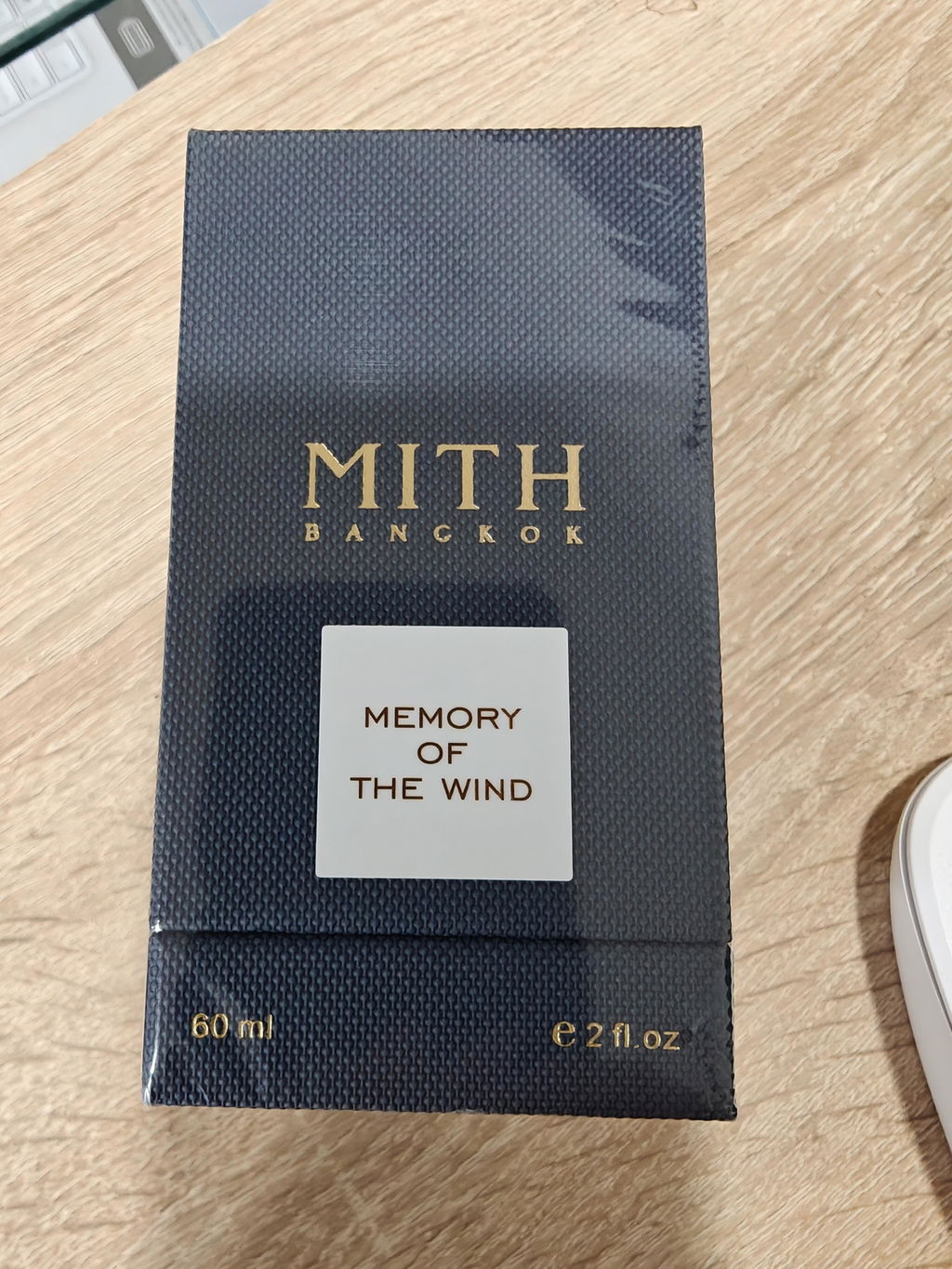
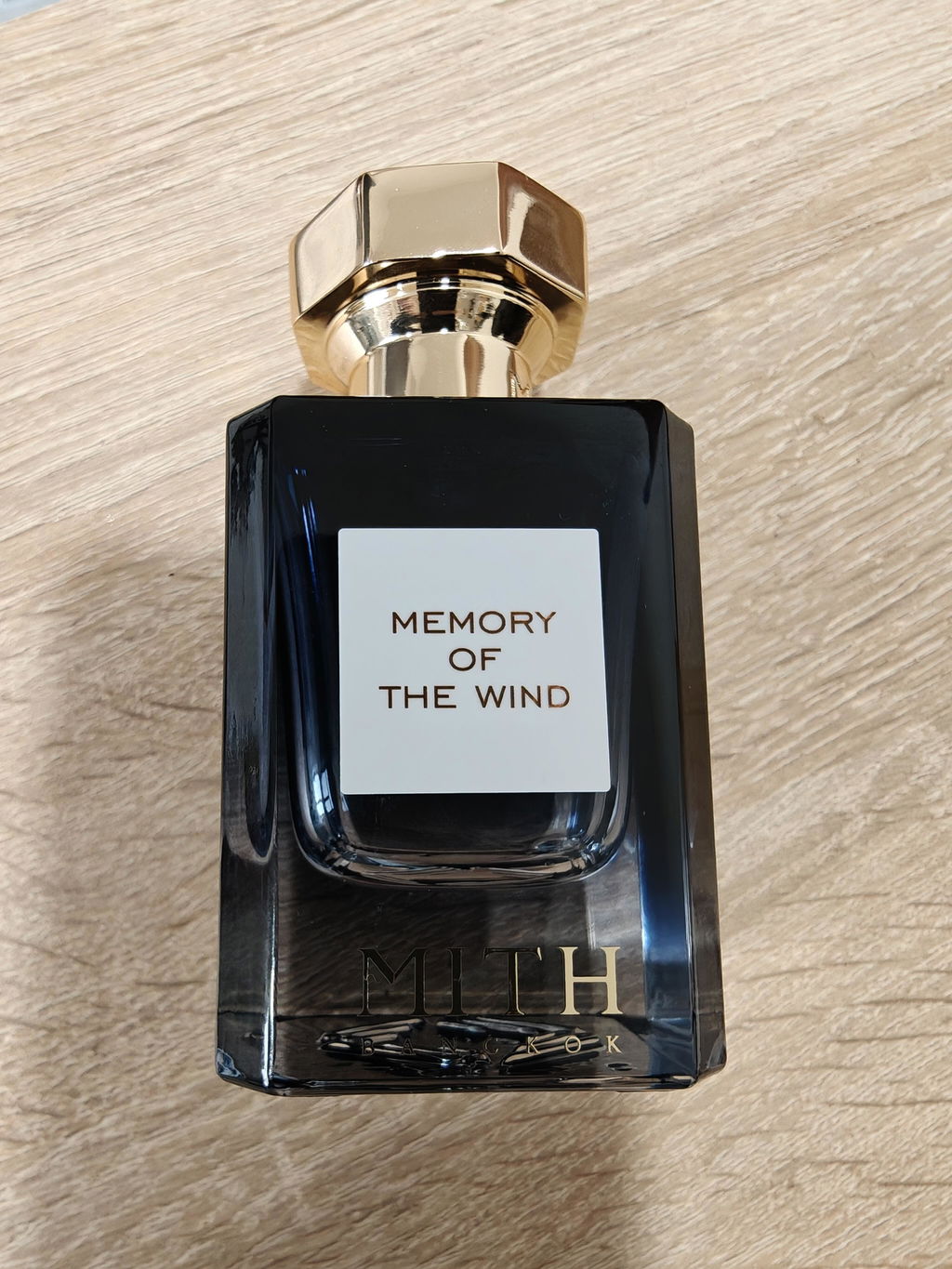
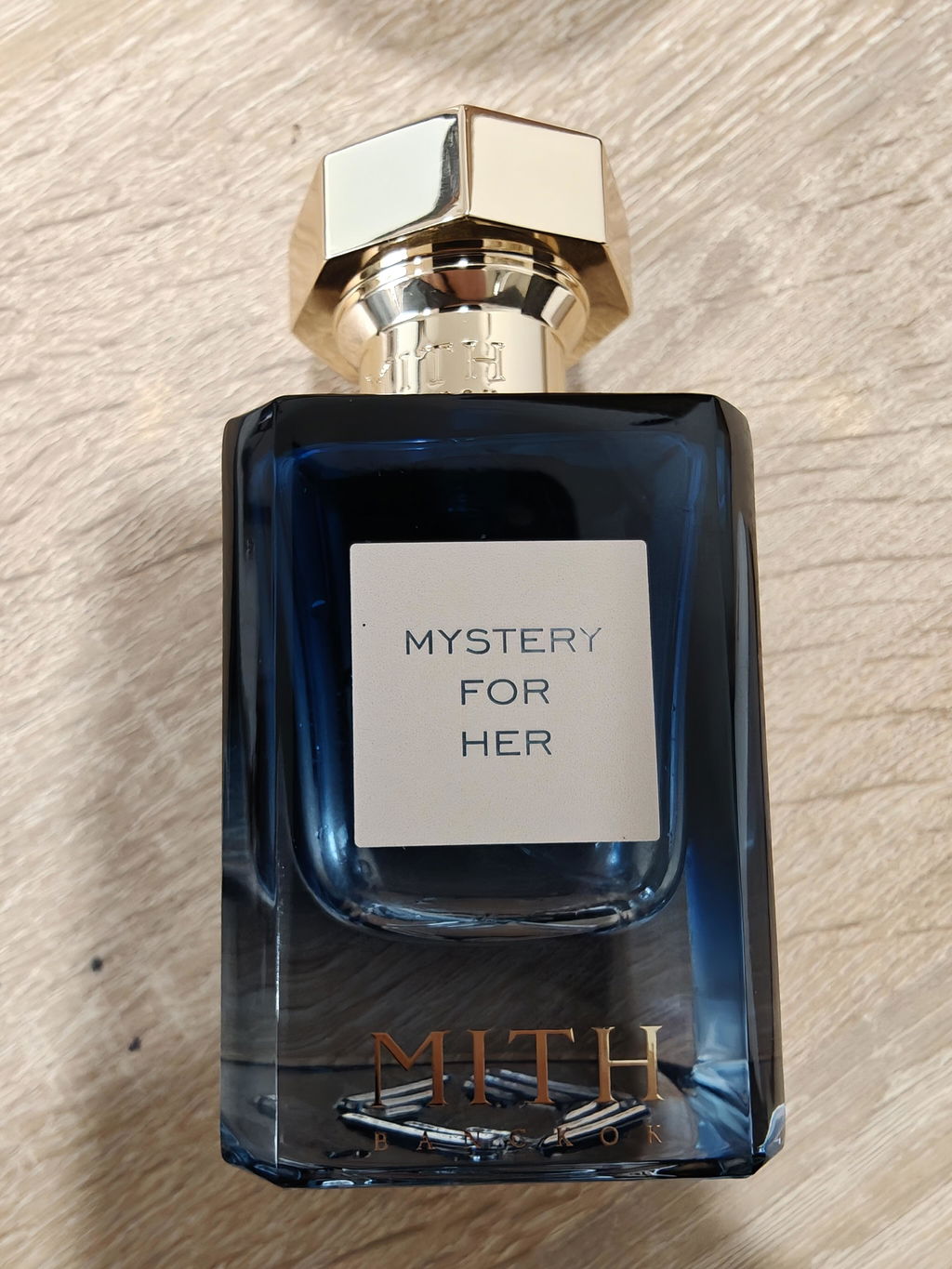
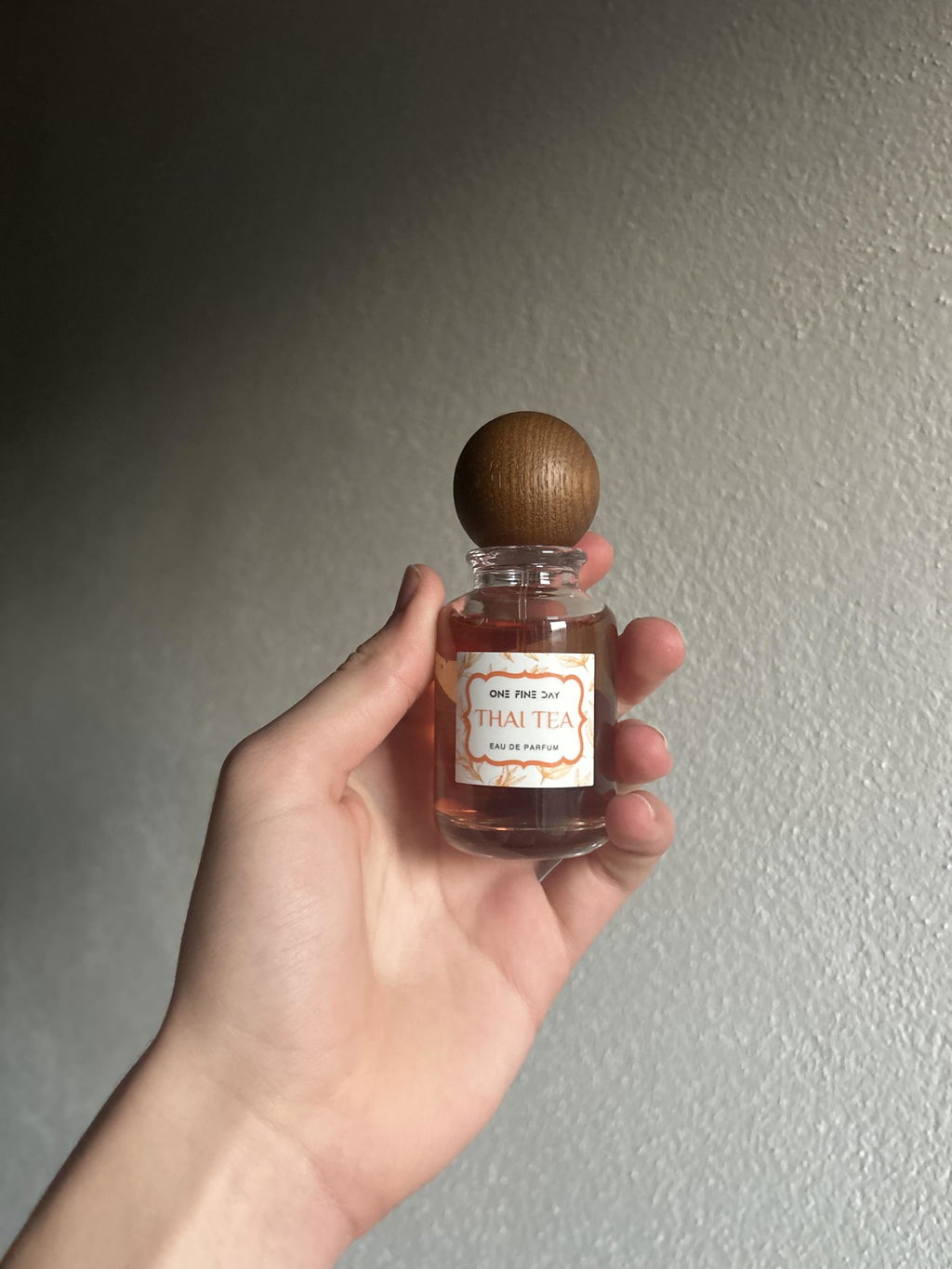
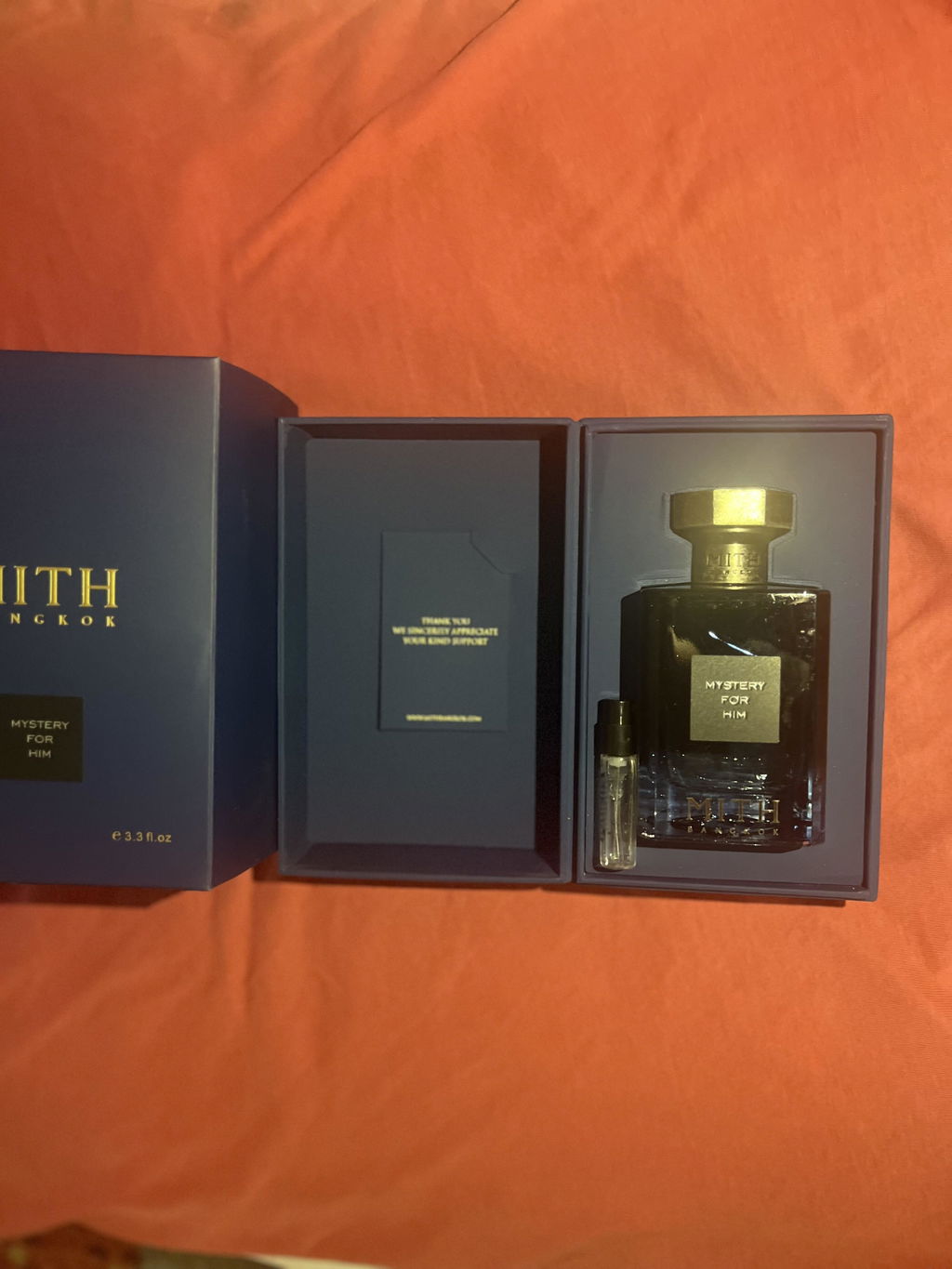
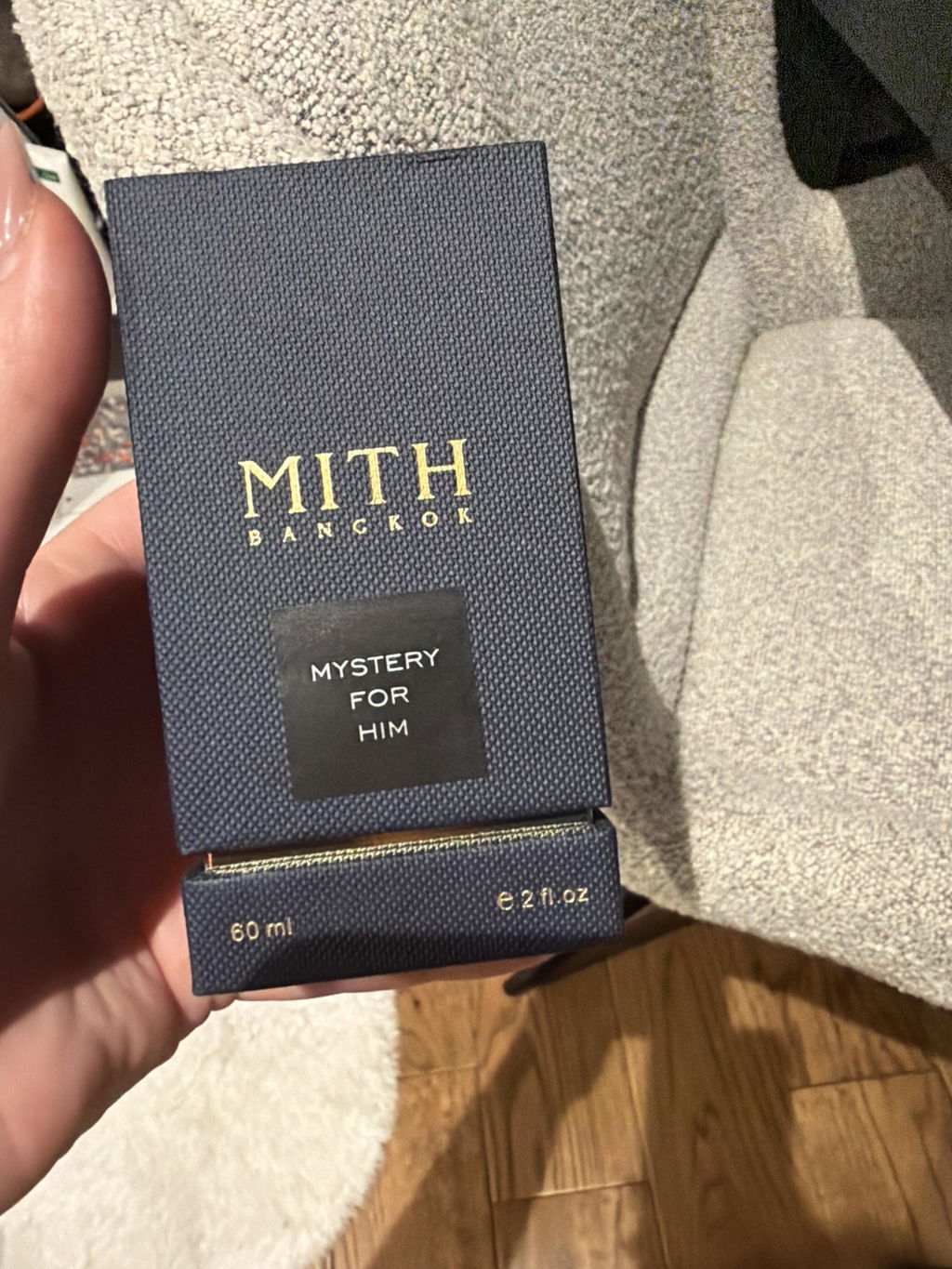
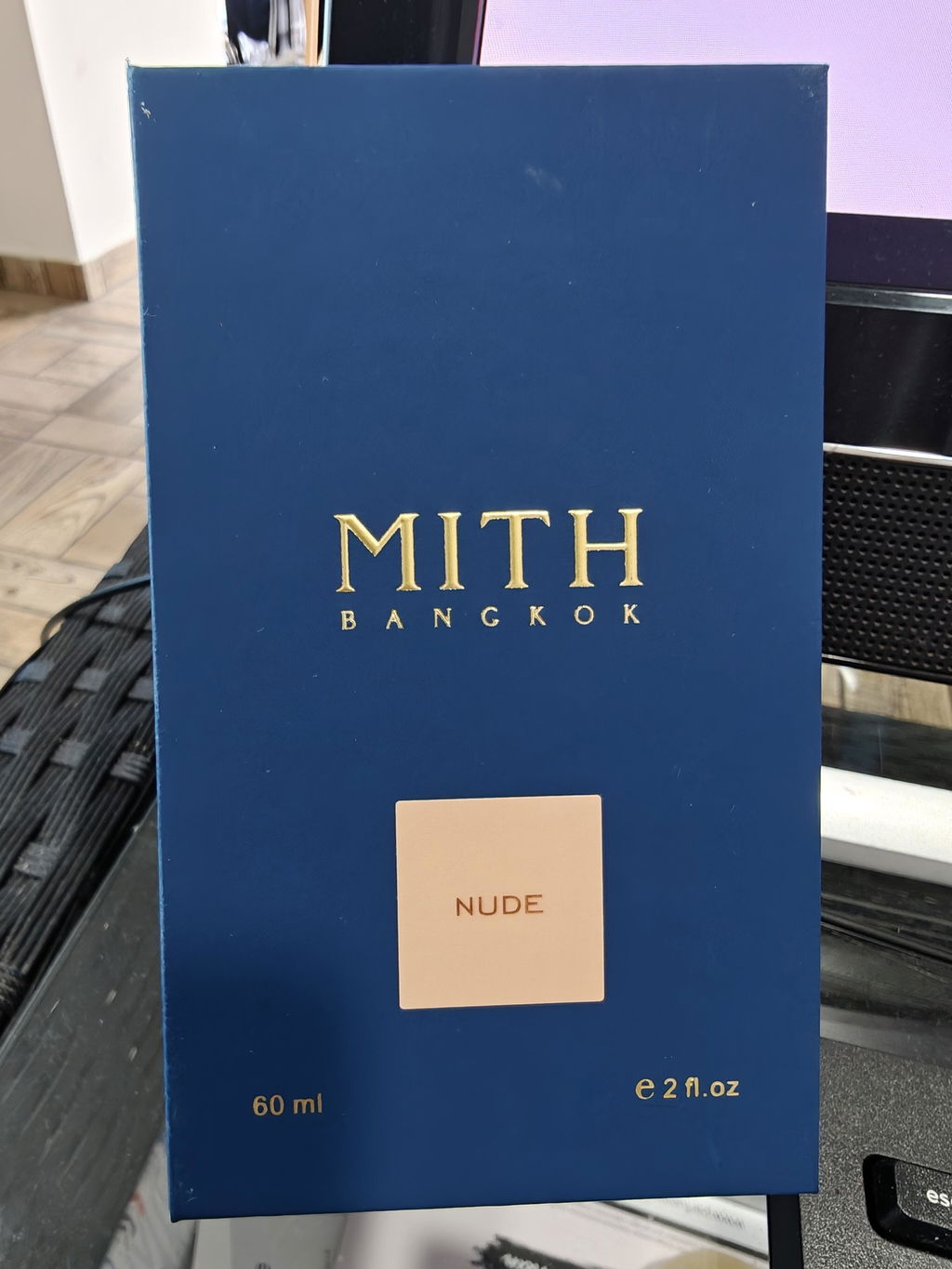
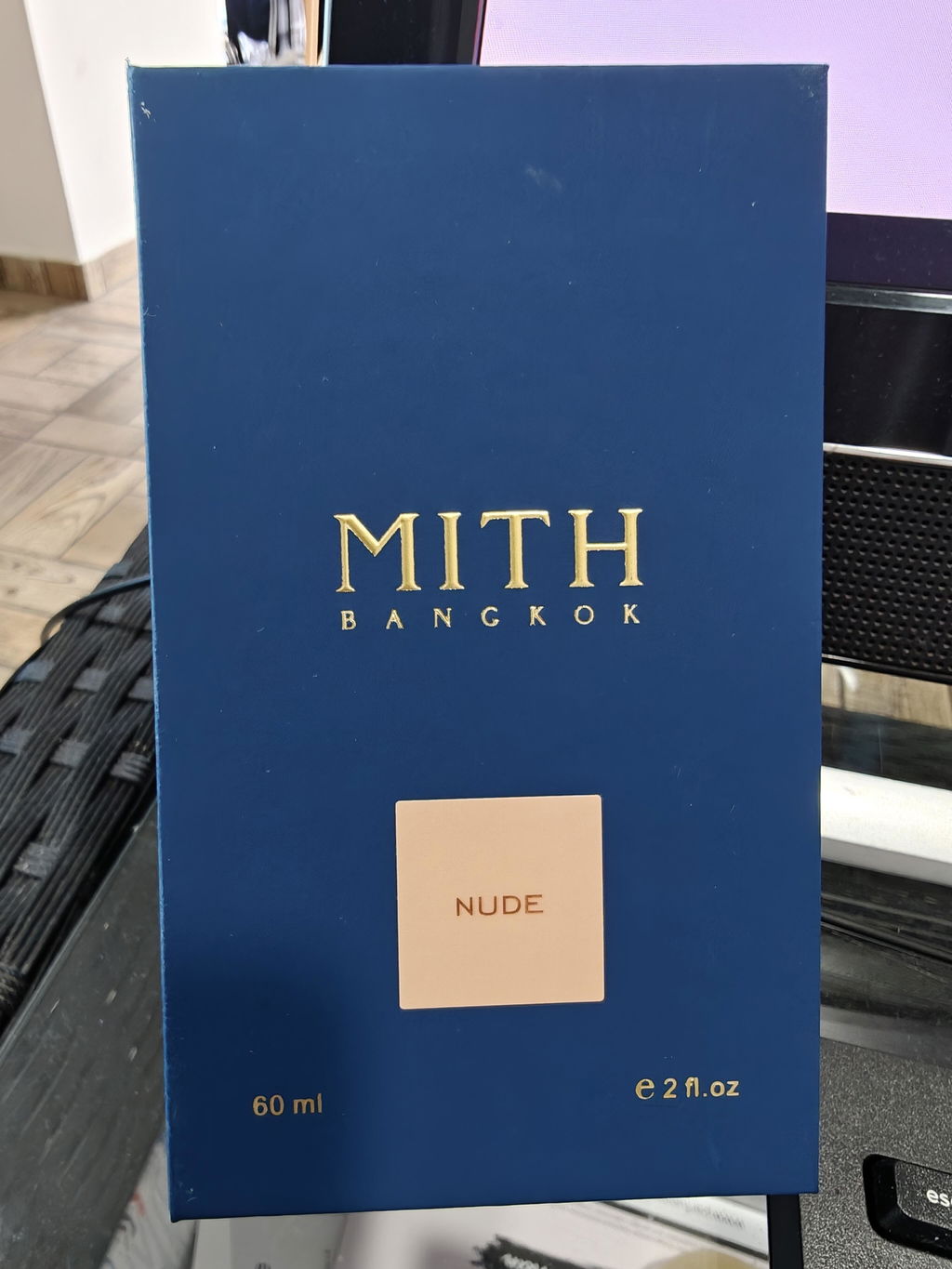
That shift has opened the door to houses from markets that were once underrepresented. Thai perfumery is a particularly interesting example. It brings a different cultural sensibility to scent creation - often modern, expressive, polished, and unafraid of mood. Rather than imitating old European formulas, the strongest Thai niche brands tend to offer their own signatures, balancing accessibility with a recognisable point of difference.
For a European customer, that changes the discovery experience. Instead of choosing between the same familiar names, there is now a chance to encounter fragrances that feel globally informed yet aesthetically precise. That is one reason curated retail matters. Selection is not only about having more stock. It is about knowing which brands deserve attention and why.
What makes a niche scent worth buying
Not every niche perfume justifies its positioning. Some lean heavily on exclusivity while offering little depth on skin. Others rely on ornate branding to compensate for forgettable construction. In other words, niche status alone is not enough.
A fragrance is worth buying when it has a clear identity and wears with intention. That may show up in several ways: a compelling opening that evolves rather than collapses, a balanced structure that avoids muddiness, or an accord that feels recognisable without becoming predictable. Longevity matters, but not in isolation. A perfume that lasts twelve hours yet remains flat is less interesting than one that develops beautifully over six.
Skin chemistry also complicates the conversation. A composition that reads velvety and elegant on one person may turn sharp or overly sweet on another. This is why niche fragrance often rewards patience. It asks for a full wearing, not a quick verdict on paper. The best choices usually reveal themselves over time.
How to shop niche perfume Europe well
The smartest way to shop is to begin with taste rather than hype. Think about what you actually wear, what you almost wear, and what you admire on others but do not enjoy on yourself. That distinction is useful. Many fragrance buyers know they like the idea of leather, oud, iris, or dense amber, yet discover they prefer those notes in softer or cleaner settings.
It also helps to pay attention to brand handwriting. Some houses specialise in bright, polished compositions with immediate charm. Others create more atmospheric, textured work that asks for a second or third wear. Neither approach is superior, but they suit different moods and expectations.
When browsing niche perfume in Europe, look for curation with a point of view. A strong retailer does more than gather expensive bottles in one place. It frames a collection, presents brands with context, and makes discovery feel deliberate. That is especially valuable when newer fragrance houses enter the market without the weight of long-established name recognition.
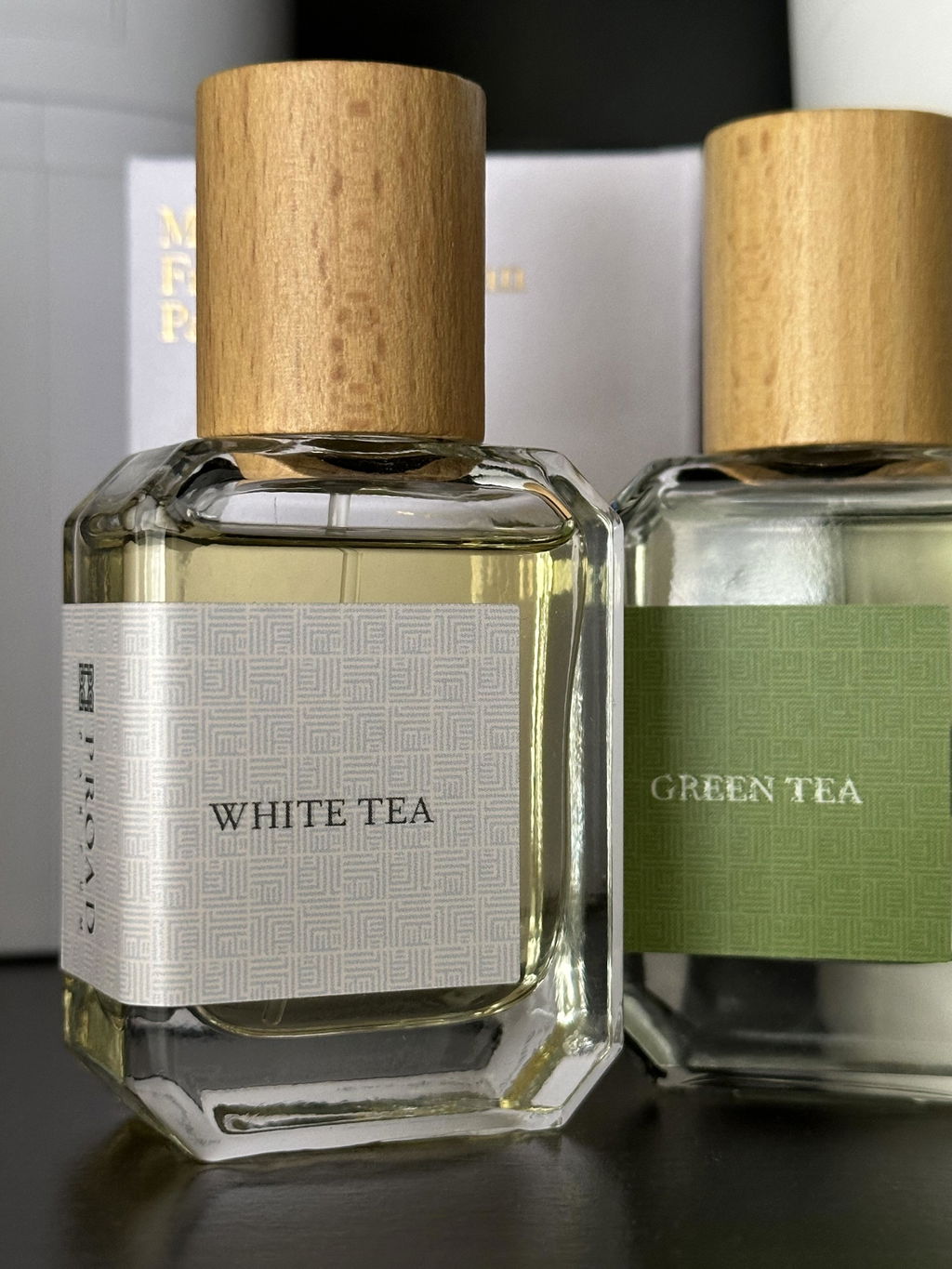
If you are buying blind, be realistic. The safer route is to choose within note families you already enjoy, but there is still room to stretch slightly. Someone who wears clean musks may find a more interesting version in a skin scent with tea or soft woods. A floral wearer might move towards a composition with spice or resin rather than choosing a completely unfamiliar gourmand. The goal is not caution. It is intelligent curiosity.
The role of curation in a crowded market
Curation has become one of the most important markers of trust in niche perfumery. With so many launches competing for attention, customers need more than abundance. They need discernment.
A well-curated selection suggests that each brand has earned its place. It tells the shopper that fragrance quality, aesthetic coherence, and storytelling have been considered together. That matters even more when a retailer introduces houses that are not yet widely distributed across Europe. In that setting, curation becomes a form of translation - not changing the brand, but presenting it clearly to the right audience.
This is where specialist retailers can offer genuine value. Villenel Fragrances, for example, brings modern Thai perfume brands into an EU context with the confidence of a boutique that understands both scent culture and customer expectation. For shoppers seeking something beyond the expected, that kind of edit is often more useful than another oversized catalogue.
Niche perfume Europe is not about being obscure
There is a persistent misconception that niche fragrance must be difficult, eccentric, or intentionally inaccessible. Some perfumes certainly are experimental, but that is only one corner of the category. Many of the best niche scents are simply more precise than mainstream alternatives. They feel cleaner where others feel generic, more textured where others feel loud, or more emotionally convincing where others rely on trend.
The point is not to wear something nobody understands. The point is to wear something that feels chosen.
For some people, that will be a luminous floral with restraint and polish. For others, it will be smoky woods, salty amber, green fig, sugared leather, or a skin scent that sits close and elegant. Niche perfumery has room for all of that. Its real strength lies in offering fragrance with a stronger sense of authorship and a clearer sense of identity.
If you are looking at niche perfume Europe for the first time, start with curiosity and a slightly sharper standard. Choose fragrance that has structure, mood, and a point of view. The right bottle does not need to shout to feel distinctive - it only needs to smell like it could belong to no one else.