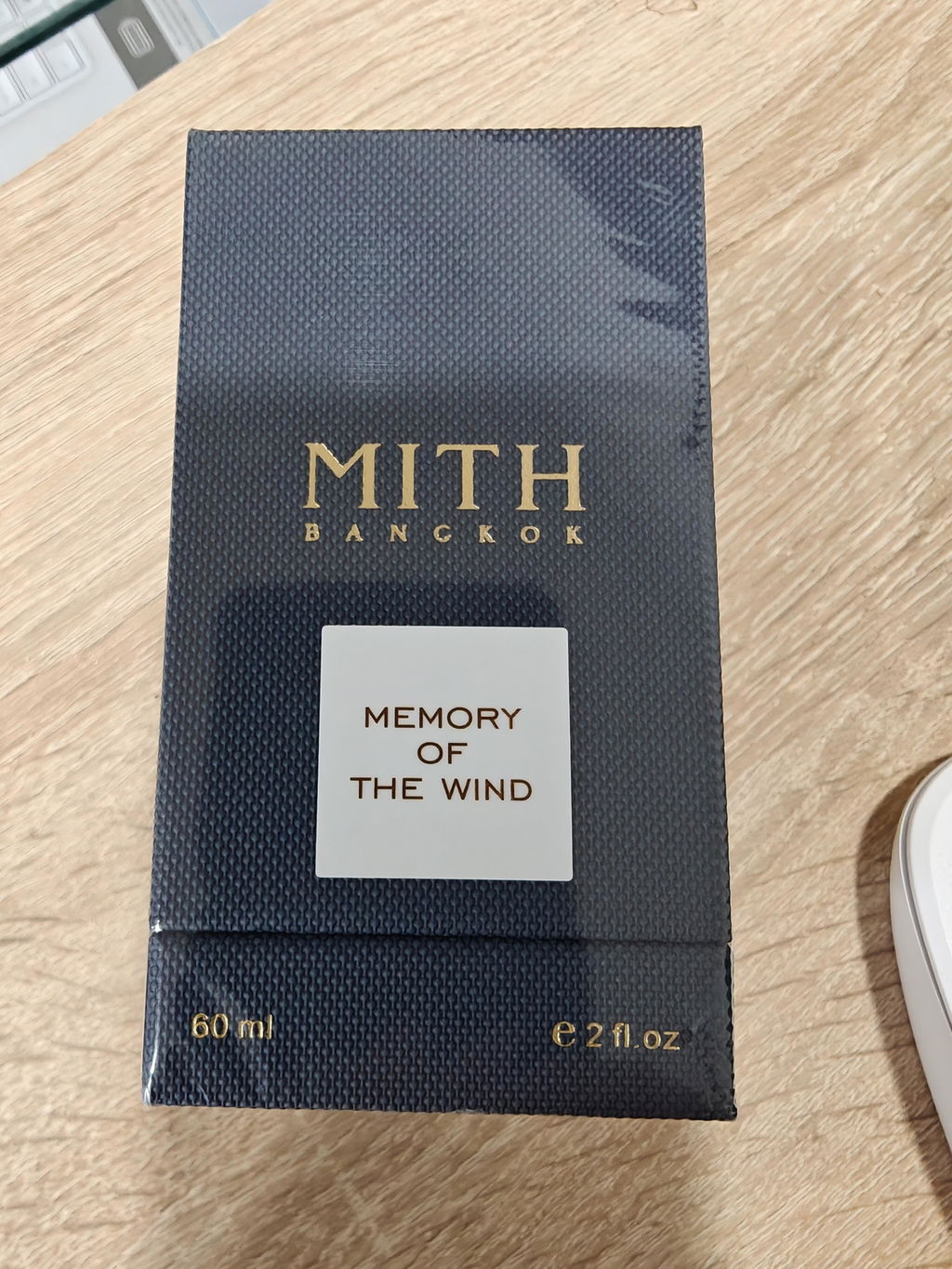
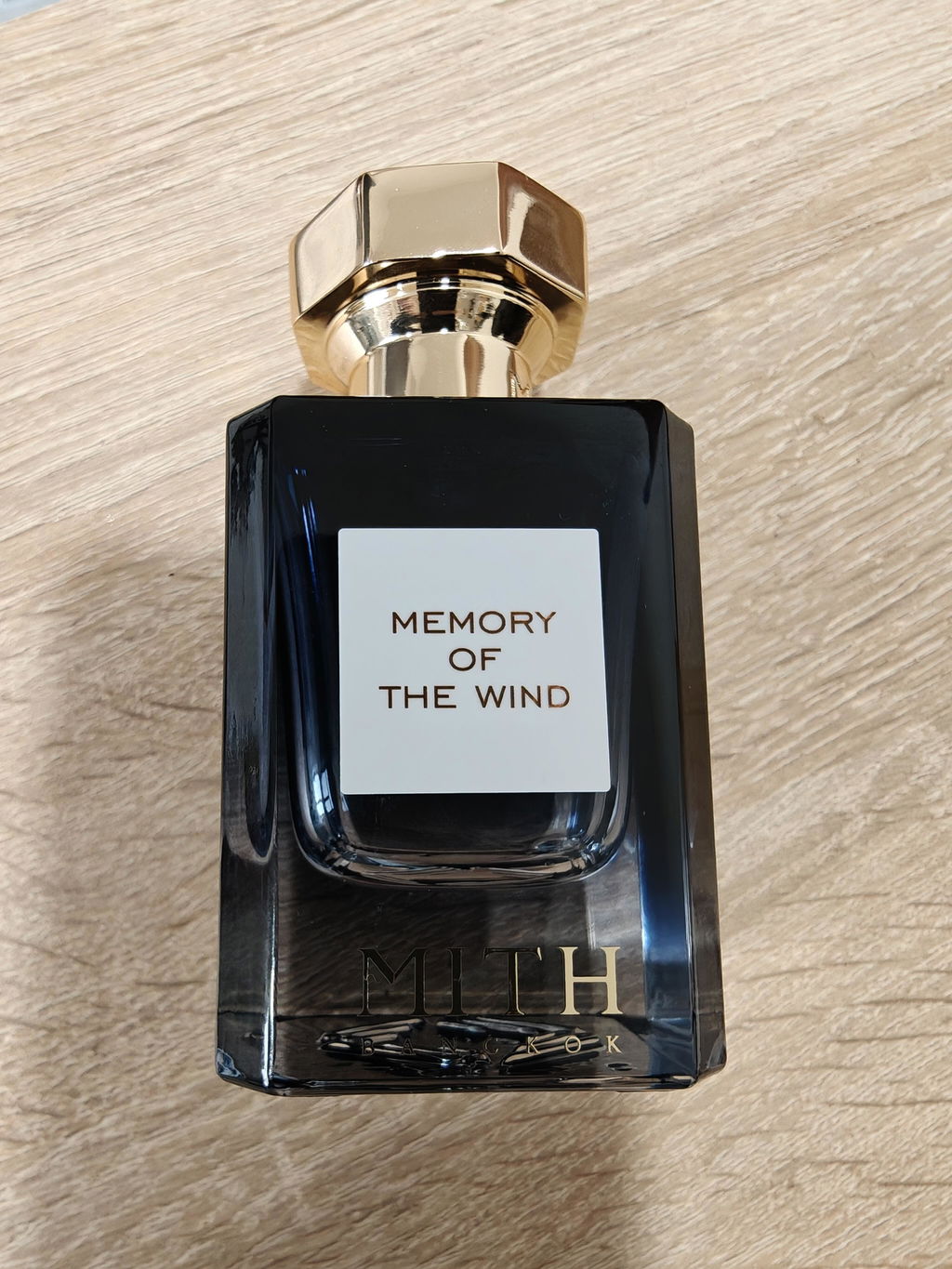
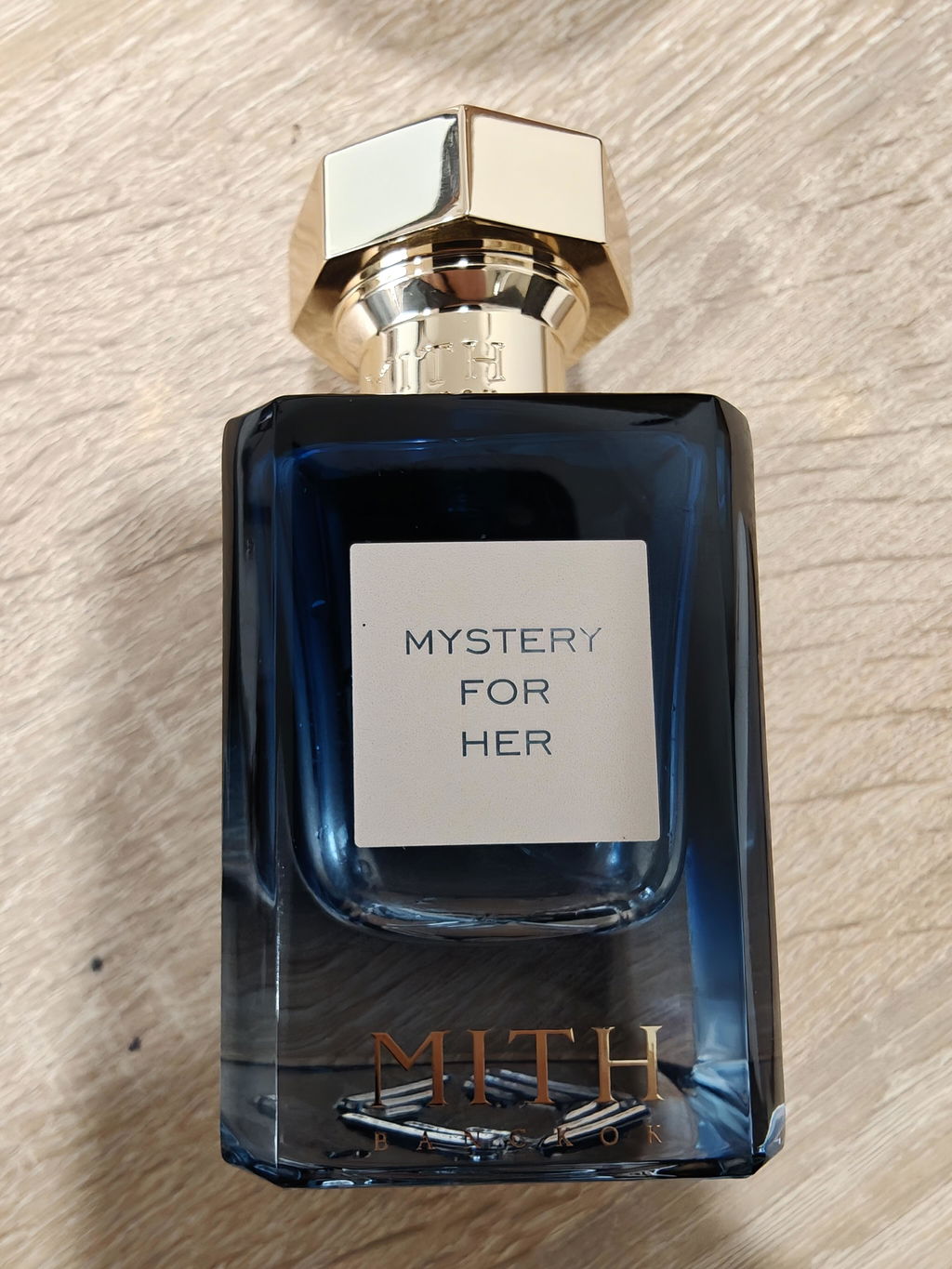
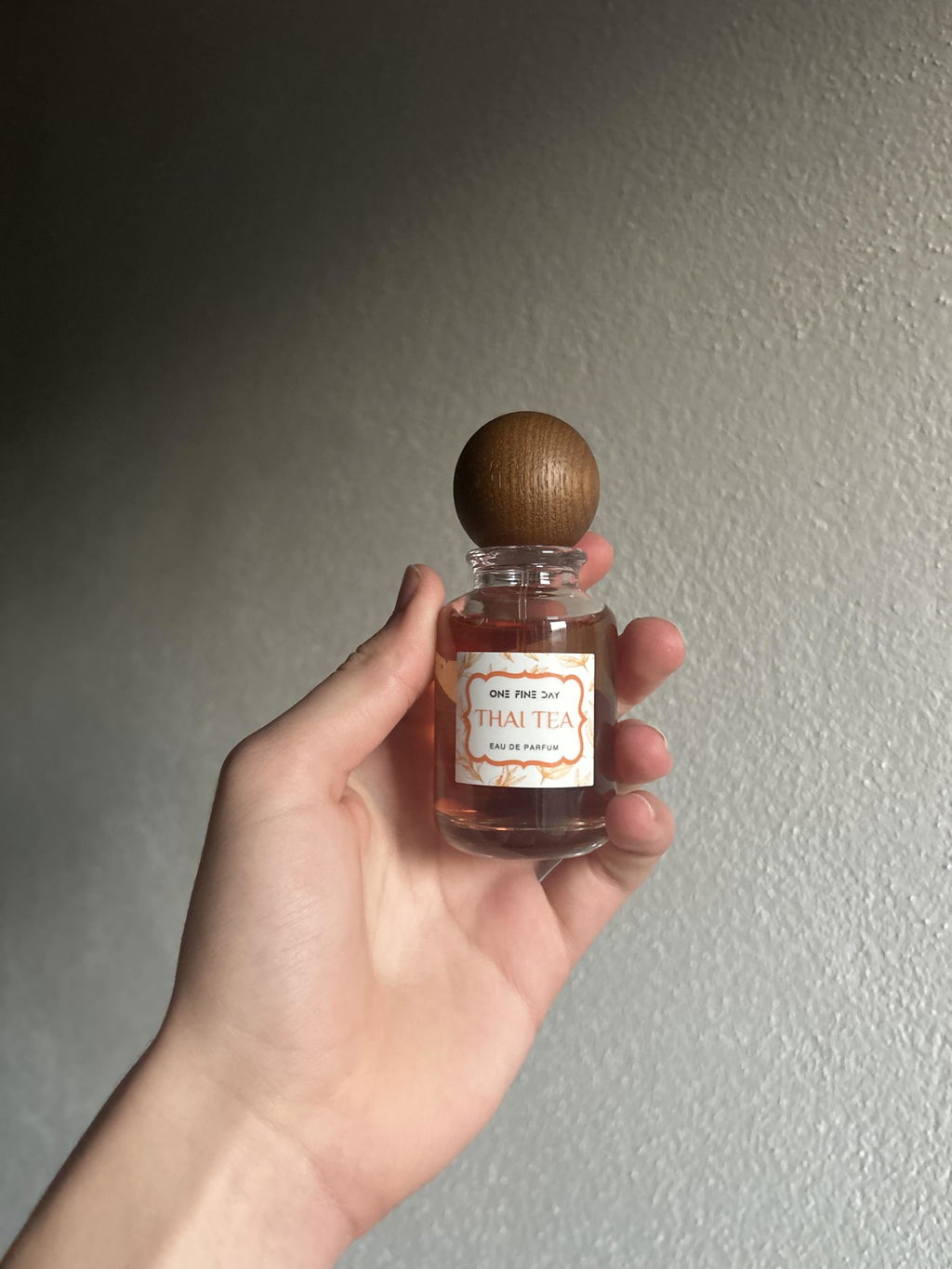
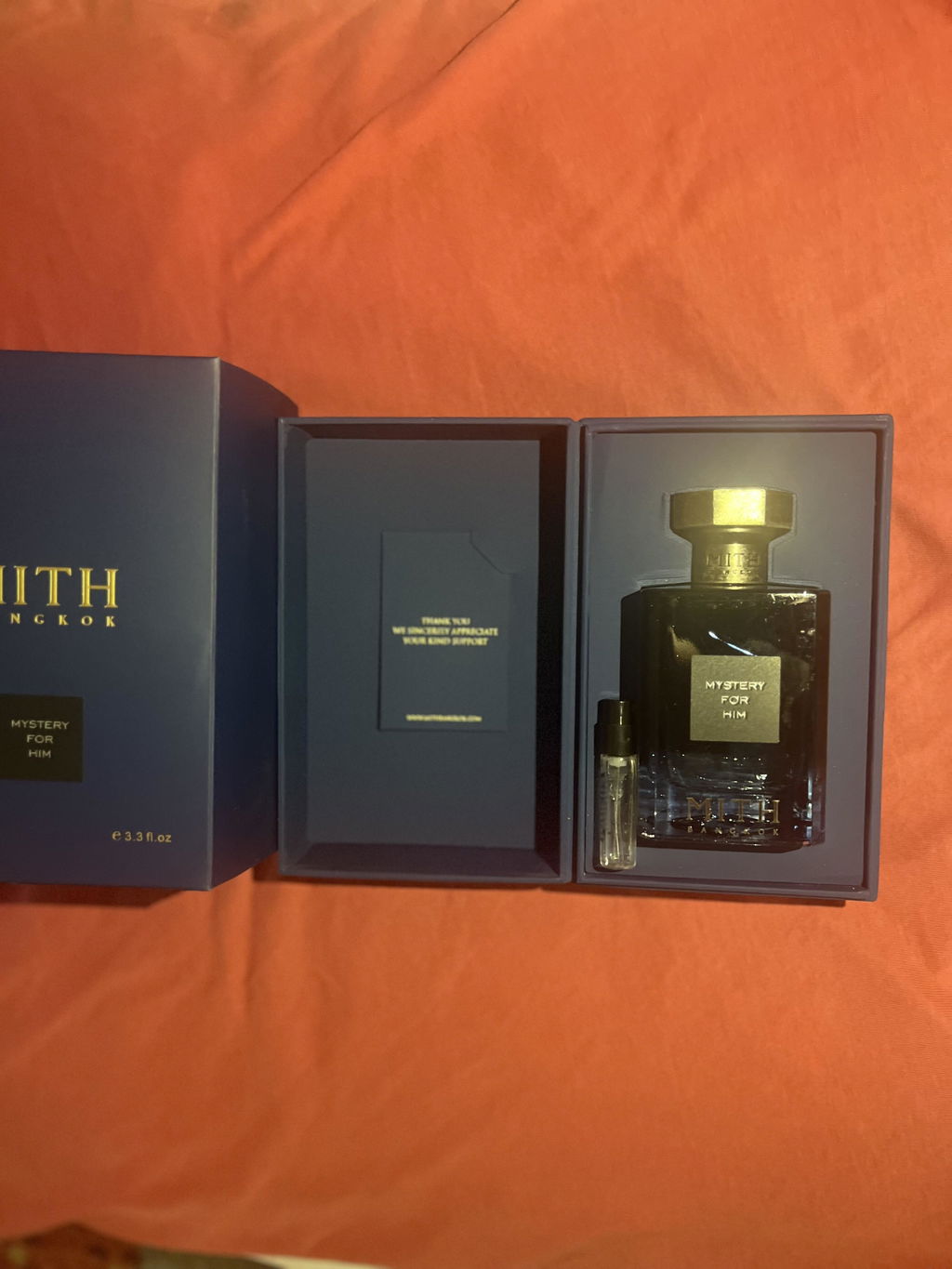
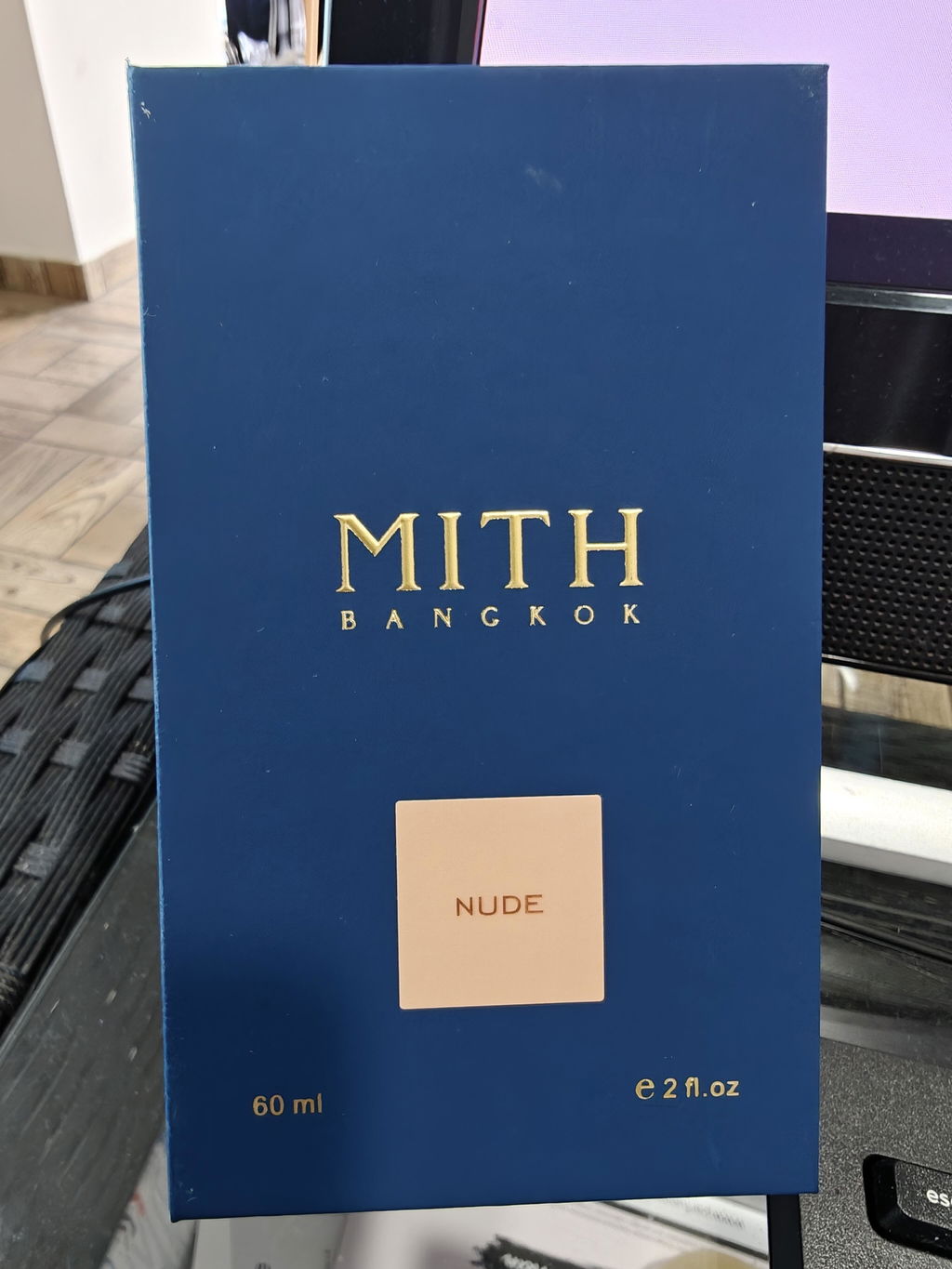
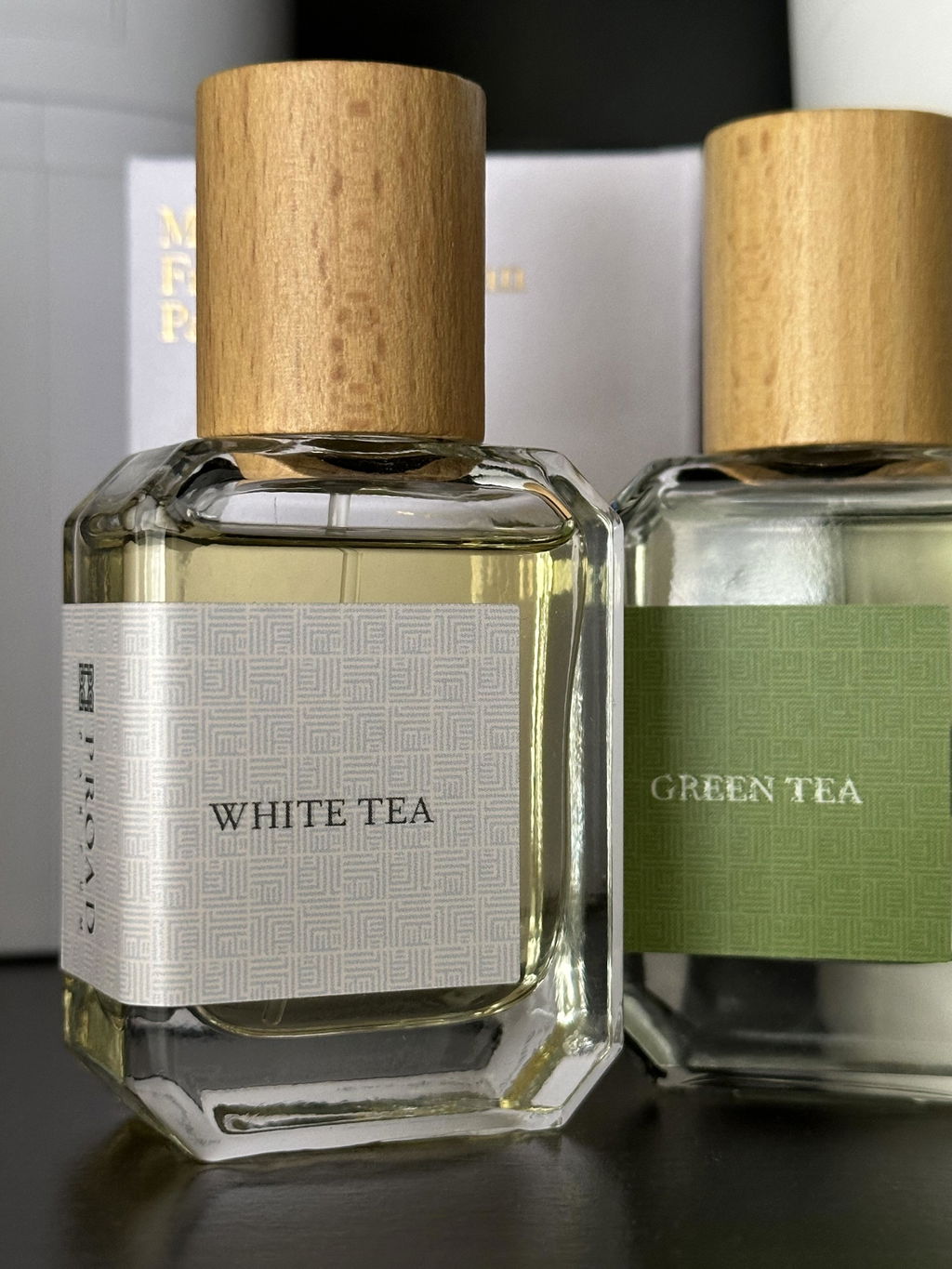
One perfume can become a signature. Five or six can become something far more interesting: a fragrance wardrobe that reflects how you actually live. If you are wondering how to build fragrance wardrobe choices that feel personal rather than excessive, the answer is not buying more at random. It is editing with intention.
A well-composed wardrobe is less about quantity and more about range. You are not collecting bottles for a shelf portrait. You are creating options for different hours, temperatures, settings and versions of yourself. The scent you wear to a gallery opening should not have to do the same work as the one you reach for on a grey Tuesday morning.
What a fragrance wardrobe should do
A good fragrance wardrobe gives you variety without noise. It should cover the moments you move through most often, while still leaving room for instinct. For some people that means a clean office scent, a polished evening perfume, a relaxed weekend skin scent and one richer option for colder weather. For others, it may mean floral, woody, fresh and resinous categories rather than occasions.
There is no fixed number that makes a wardrobe complete. Three fragrances can feel considered if each serves a distinct purpose. Twelve can still feel repetitive if half of them sit in the same amber-vanilla register. The goal is not size. The goal is contrast, wearability and pleasure.
This is where niche perfumery becomes especially rewarding. Distinctive fragrance houses often offer more precise mood and texture, so each bottle earns its place more clearly. Instead of buying variations of the same familiar department store profile, you can build a wardrobe with real shifts in tone.
How to build a fragrance wardrobe without overbuying
The smartest place to begin is with your habits, not with trend forecasts. Think about where you spend your time and how you want to feel in those settings. Most wardrobes need at least one scent that sits close to the skin and feels composed. This is your daily anchor, the perfume you can wear to meetings, lunches, travel days and any moment when you want polish without volume.
From there, consider contrast. If your first choice is crisp and understated, your second might bring warmth, texture or sensuality. If you naturally gravitate towards sweet compositions, add something greener, drier or more mineral to avoid building a wardrobe that all lands in the same emotional place.
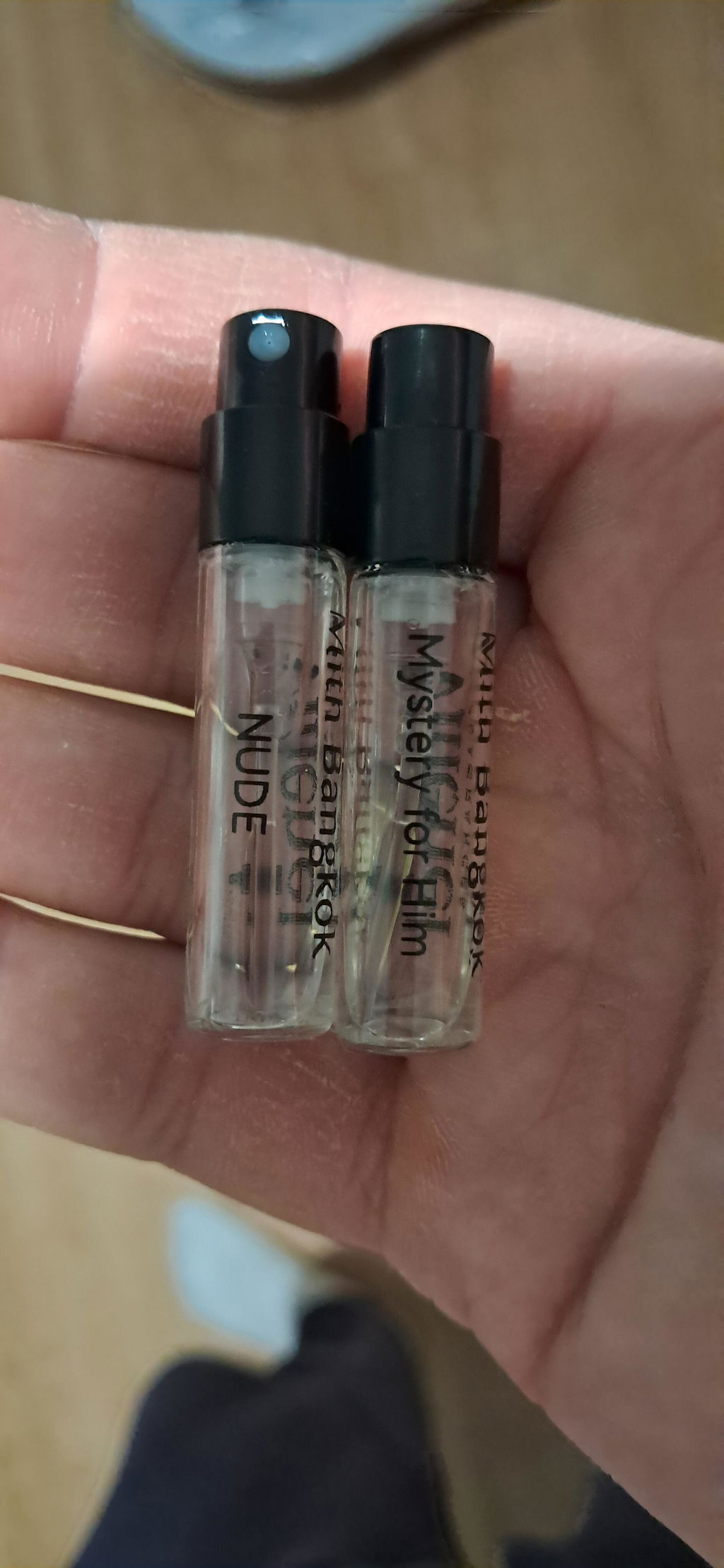
Sampling matters here. A perfume can smell compelling on paper and become tiring on skin after three hours. Equally, a fragrance that seems quiet at first can develop into something beautifully nuanced. Wear before you commit, ideally more than once, and in different weather if possible.
It also helps to be honest about your threshold for projection. Some people want fragrance to arrive before they do. Others prefer a scent that stays intimate unless someone leans closer. Neither instinct is more refined, but confusing the two can lead to expensive mistakes.
Start with four core fragrance roles
Most people can build an elegant wardrobe around four roles. The first is your everyday scent - versatile, balanced and easy to reach for. The second is an evening fragrance with greater depth or drama. The third is a warm-weather option, often brighter, lighter or more translucent in structure. The fourth is a cold-weather perfume, where woods, spice, leather, incense or richer florals often feel more at home.
These roles can overlap. A luminous citrus-neroli fragrance might work beautifully by day in summer and still feel sharp enough for a dinner out. A supple musk may function as both office scent and weekend staple. You do not need rigid categories. You need enough difference that each bottle offers a genuine alternative.
If you already own perfume, lay everything out and group it by mood rather than brand. Fresh, soft, romantic, dark, creamy, smoky, clean, playful. Patterns appear quickly. You may find you already own four sweet gourmands and no true fresh scent, or several airy florals but nothing with evening presence. That gap analysis is more useful than any top ten list.
Think in moods, not just notes
Notes are useful, but they can also be misleading. Two rose perfumes can have entirely different personalities. One may feel sheer, dewy and morning-bright. Another may be velvety, spiced and almost nocturnal. If you build only by note families, you may end up duplicating effects.
A more refined approach is to ask what mood each fragrance creates. Does it feel tailored or undone? Crisp or enveloping? Radiant or introspective? Modern niche perfumery is often at its best when it plays with texture and atmosphere, not just ingredient labels.
This is particularly relevant if you are exploring emerging houses with a strong point of view. Story-led brands tend to create perfumes with distinct emotional profiles, which makes them ideal for wardrobe building. A fragrance that feels urban and mineral, another that reads creamy and sunlit, and a third that brings lacquered woods or soft incense will naturally create a more dimensional rotation.
Seasonal dressing matters more than people admit
Perfume changes with temperature. Heavy compositions can feel magnificent in winter and cloying in August. Bright citruses and transparent musks can feel perfect in spring yet disappear on a cold evening. If you want your wardrobe to function well, seasonality is worth respecting.
That does not mean putting whole categories away. It means understanding performance and texture. Resin, amber, leather and dense gourmand structures often bloom in cooler air. Green tea, neroli, aquatic notes and airy florals usually feel more effortless in warmth. There are exceptions, of course. A sharp incense can work in summer if it stays dry and mineral. A white floral can thrive in winter if it has enough cream and spice.
For readers across the EU, where climate and travel routines often vary across the year, this flexibility becomes especially useful. Your fragrance wardrobe should travel with your life, not sit fixed in a single season.
Quality over sheer volume
There is a point where choice stops feeling luxurious and starts feeling cluttered. A crowded fragrance shelf can make it harder to identify what you truly love. Better to own a focused selection of perfumes that each feel distinct, beautifully made and wearable than a large collection full of near-duplicates.
This is also why blind buying deserves caution. A bottle may look exquisite, the note list may sound irresistible, and the reviews may be euphoric. None of that tells you whether it belongs in your wardrobe. Your skin, your taste and your daily context matter more than consensus.
If you do buy full bottles, choose with longevity in mind. Ask whether you can imagine wearing that fragrance in six months, not just this week. Some perfumes are thrilling in theory but demanding in practice. Others reveal themselves slowly and become indispensable.
How to refine your fragrance wardrobe over time
The best wardrobes are not built in a weekend. They evolve. Wear what you own, notice what empties fastest, and pay attention to what you neglect. That neglected bottle may still be beautiful, but it may belong to a fantasy version of your life rather than your real one.
Editing is part of the process. If two perfumes serve the same role, keep the one that moves you more. If your taste shifts from sugary to woody, allow the wardrobe to shift with it. Fragrance is deeply personal, but it is not fixed. Your preferences at thirty may not be your preferences at thirty-five, and that is part of the pleasure.
You may also find that body care helps extend the wardrobe without multiplying bottles. A matching lotion or a softly scented hand cream can support a fragrance you already love, or add a subtle scented layer on days when full perfume feels too much. Used well, these details make a wardrobe feel more composed rather than more crowded.
A final note on signature style
Building a fragrance wardrobe does not mean abandoning the idea of a signature. It means giving that signature more than one expression. You might always return to luminous florals, polished woods or soft skin musks, but with variations that suit different moments and temperatures.
The most memorable wardrobes feel coherent without being predictable. They suggest taste, not habit. Start small, choose with discernment, and let each bottle add a new register to your style. When a fragrance wardrobe is built well, getting dressed becomes just slightly more exact, and much more pleasurable.