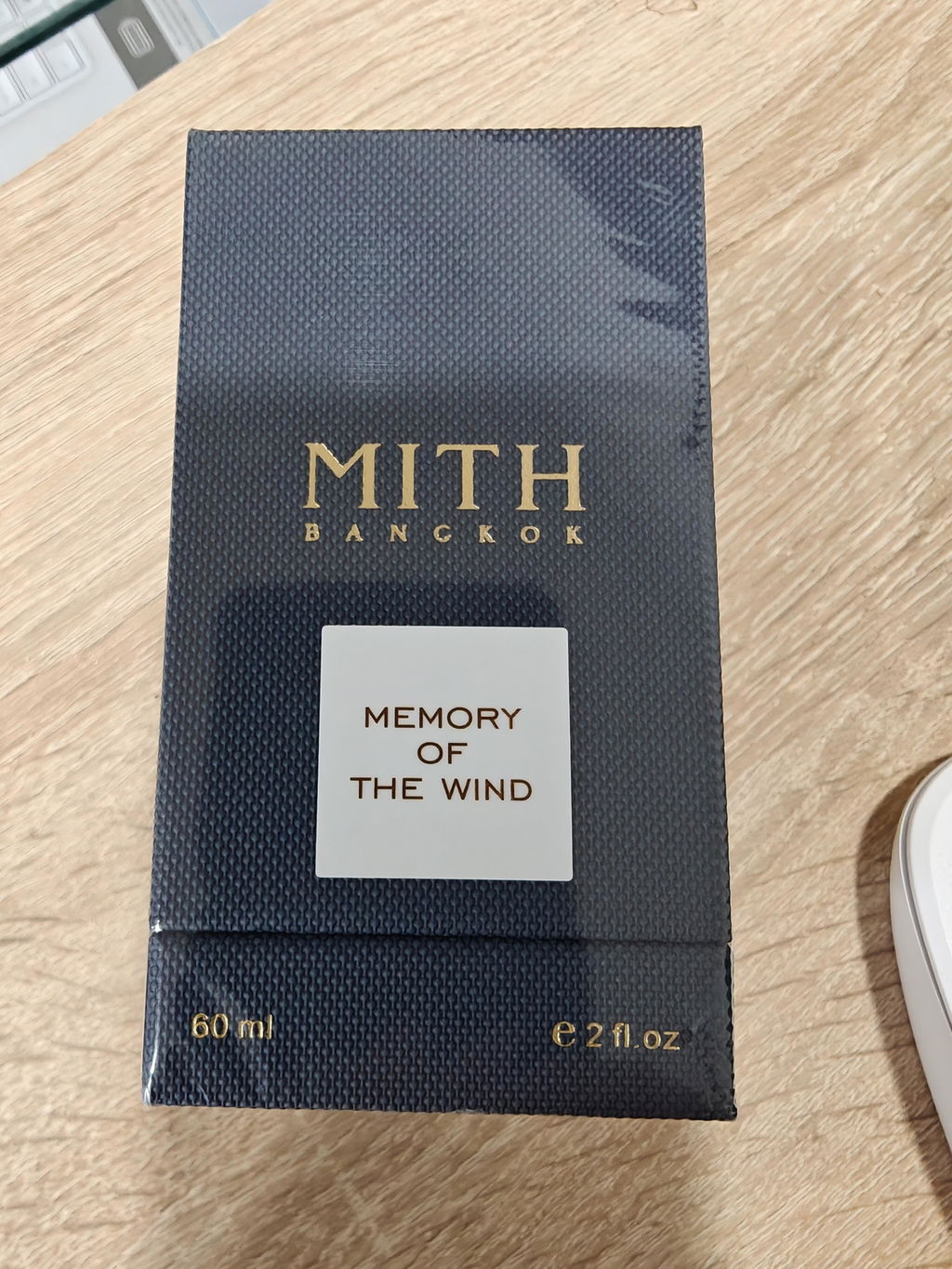
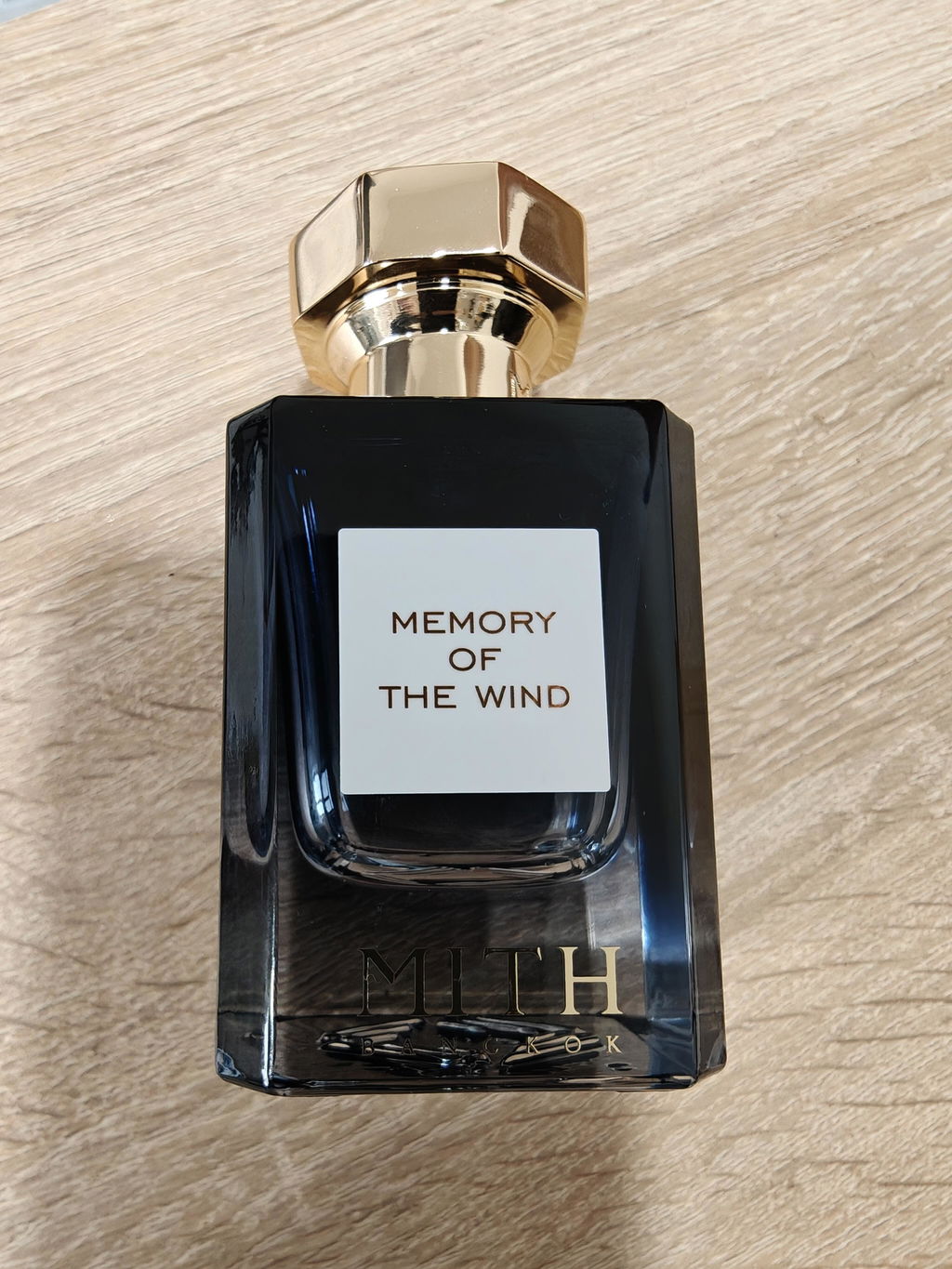
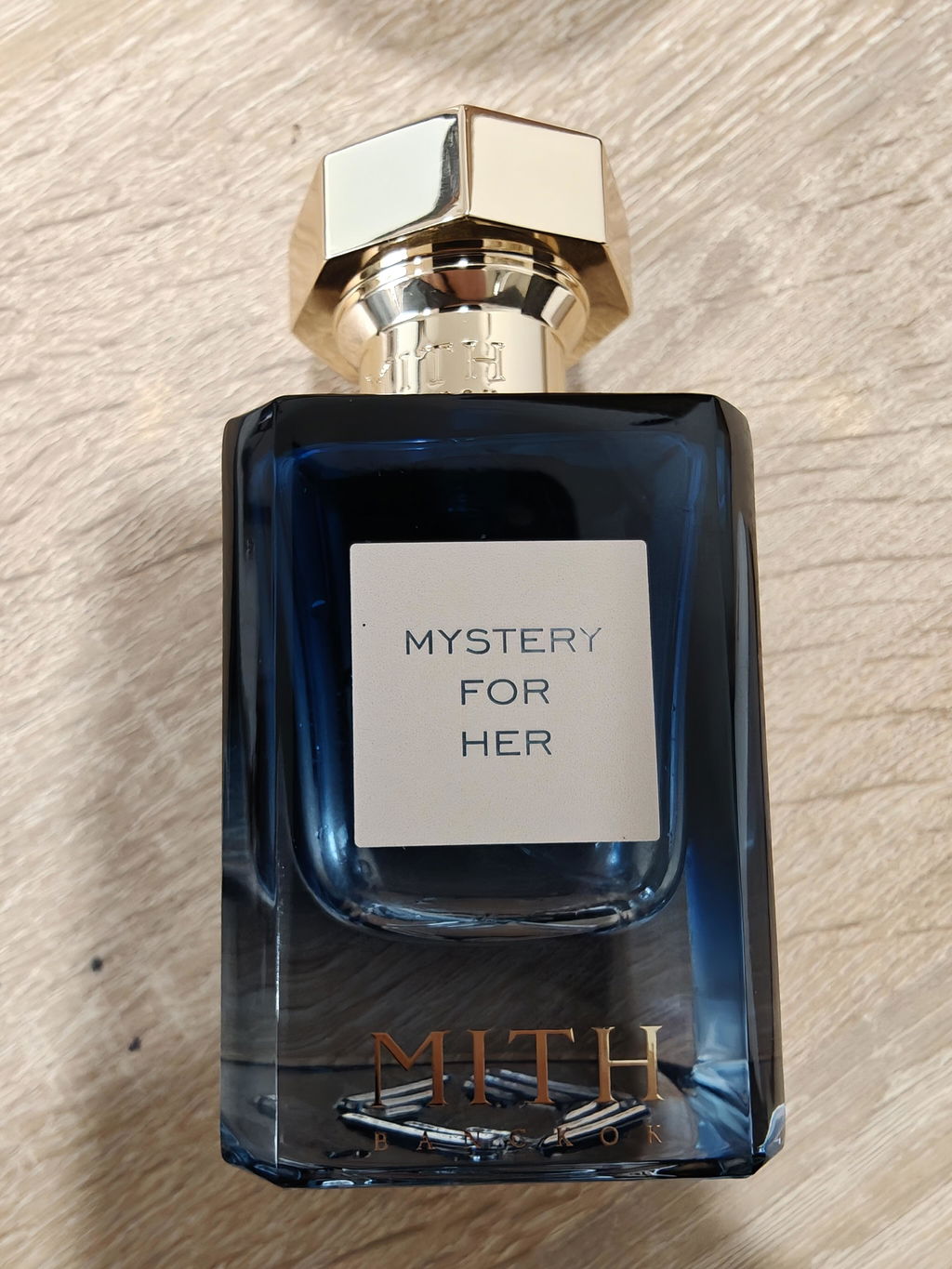
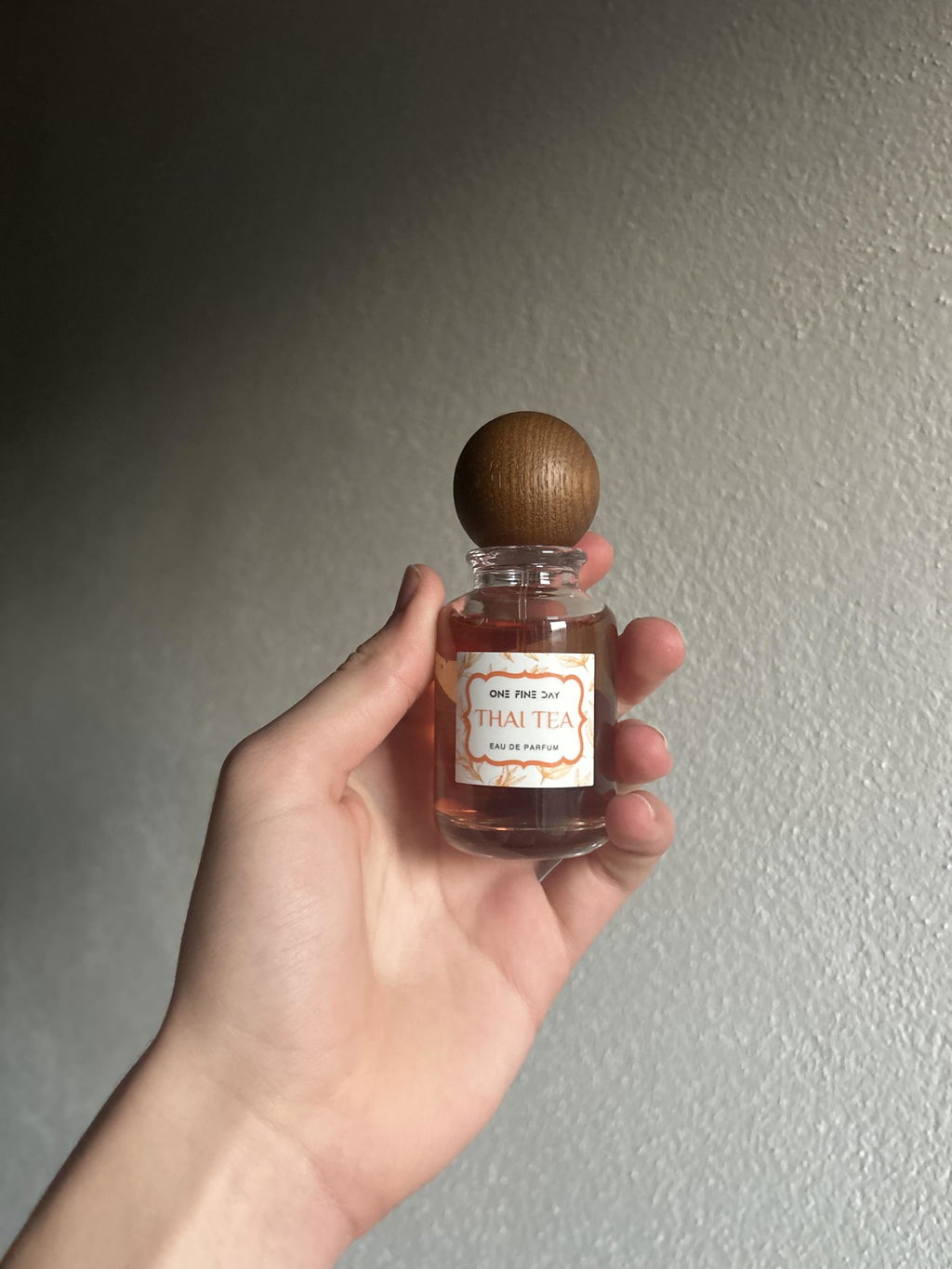
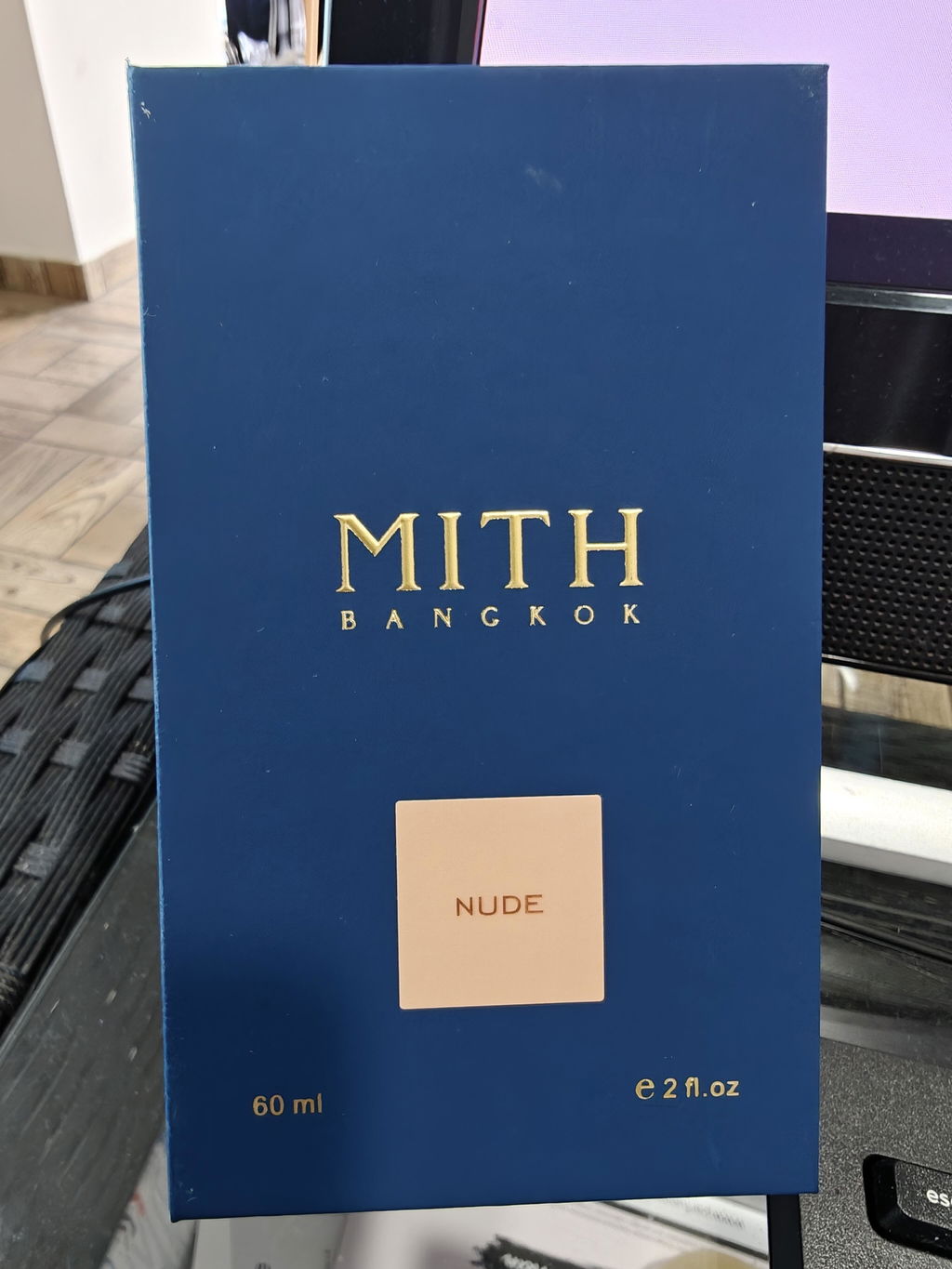
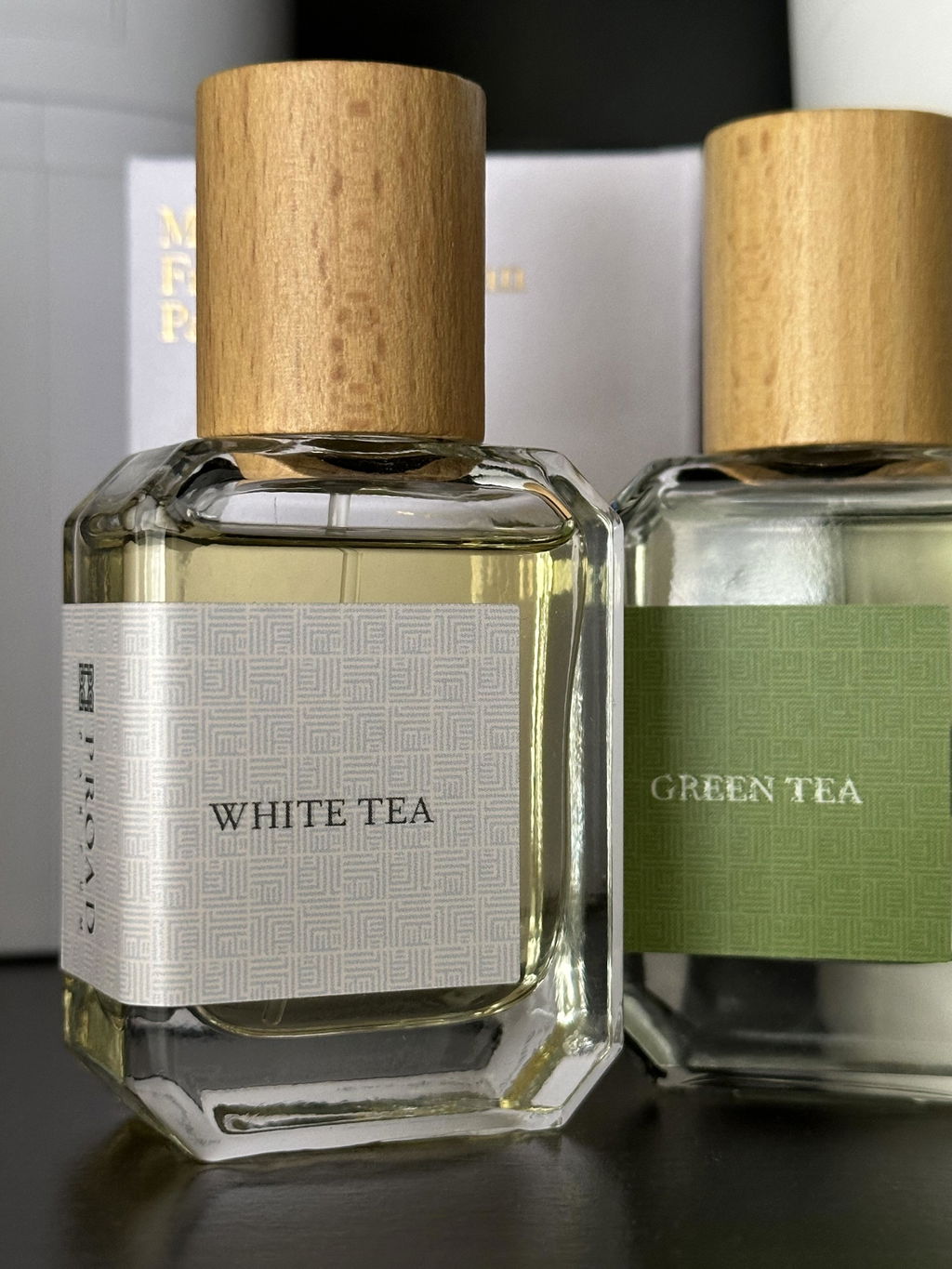
A familiar designer fragrance can feel reassuring: polished bottle, recognisable name, easy compliments. Yet when the same sweet amber, clean musk or sharp woody trail appears everywhere from the office lift to a Friday dinner reservation, scent loses some of its intimacy. For those seeking alternatives to designer perfumes, niche fragrance offers a more personal proposition - perfume with a point of view.
The appeal is not simply wearing something rarer. It is choosing a composition that feels considered: an unexpected contrast, a more textured material, a memory translated into scent, or a house with a visual and cultural language of its own. Modern Thai perfumery is particularly compelling here, bringing a vivid, contemporary sensibility to a fragrance landscape that can otherwise feel remarkably familiar.
Why niche alternatives to designer perfumes feel different
Designer perfume is built for broad appeal. That does not make it inferior. Many of the most accomplished perfumers work on designer launches, and a well-made classic deserves its place on any dressing table. But large releases commonly need to satisfy numerous markets, price points and distribution channels. The result is often a highly polished fragrance with an immediately legible structure.
Niche houses are generally freer to be specific. They can build around a less conventional accord, give a note more room to develop, or create a scent that asks for a second wear before it reveals its full character. Instead of making an abstract promise of glamour, they may begin with an image: lacquered wood after rain, iced fruit at a night market, white florals against warm skin, a velvet lounge at midnight.
This is where the difference becomes tangible. A niche scent may move in more interesting stages, rather than presenting its entire personality in the first ten minutes. It can feel less like a finishing touch selected from a shelf and more like part of your personal style.
Distinctive does not have to mean difficult
There is a persistent idea that niche perfume must be challenging: animalic leathers, medicinal resins, smoke-heavy woods and dense incense. Those styles have their devoted audience, but they are only one corner of the category. Niche also includes airy tea scents, luminous florals, elegant skin musks, bright citrus compositions and soft gourmand perfumes with real refinement.
The best starting point is not to search for the strangest fragrance available. Search for the familiar family you already enjoy, then look for a more individual expression of it. If your usual choice is a fresh designer citrus, try one where green herbs, tea or tropical fruit add dimension. If you wear vanilla, choose a composition that offsets its sweetness with woods, salt, spice or a subtle floral note.
The advantage of modern Thai fragrance houses
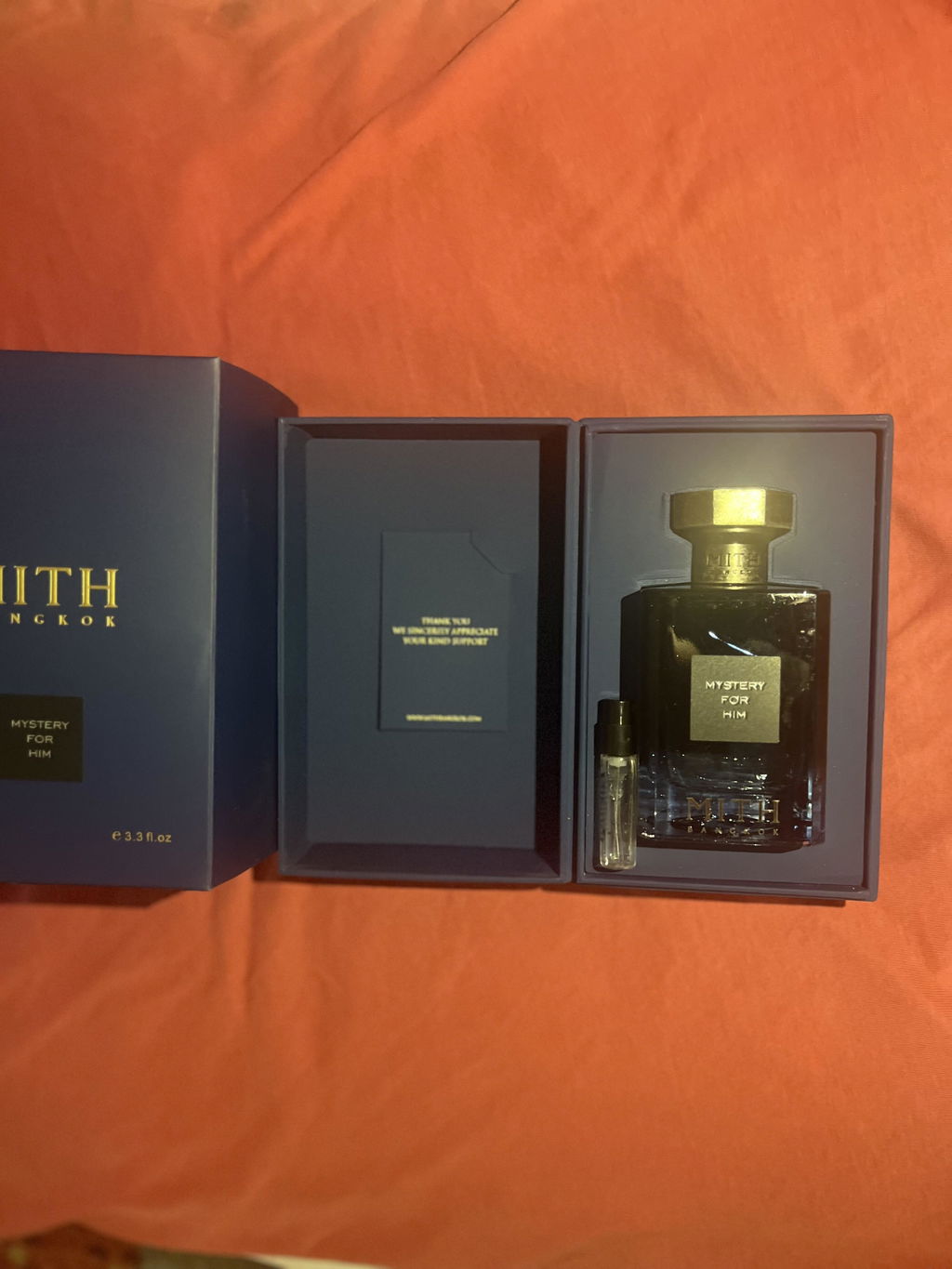
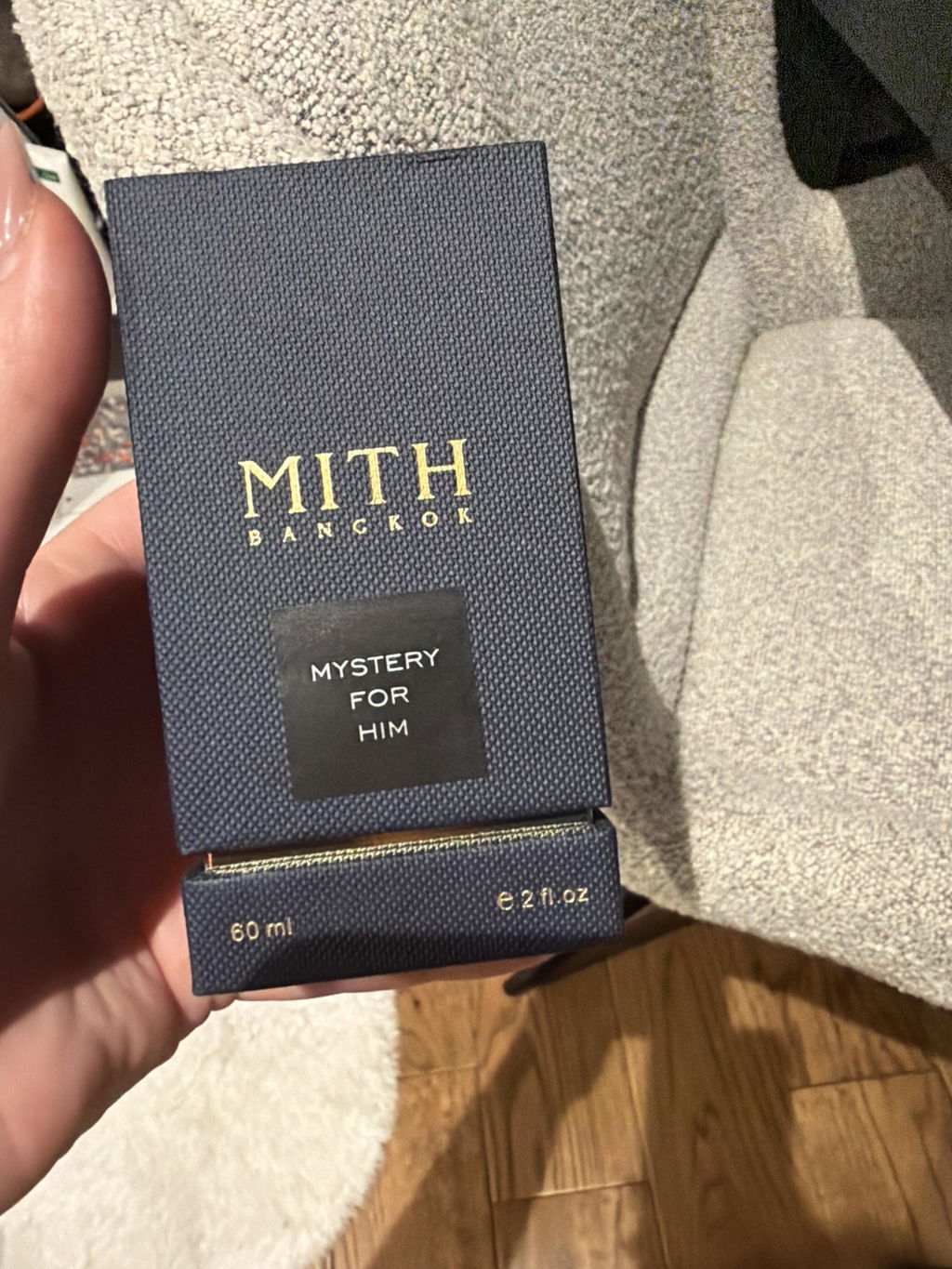
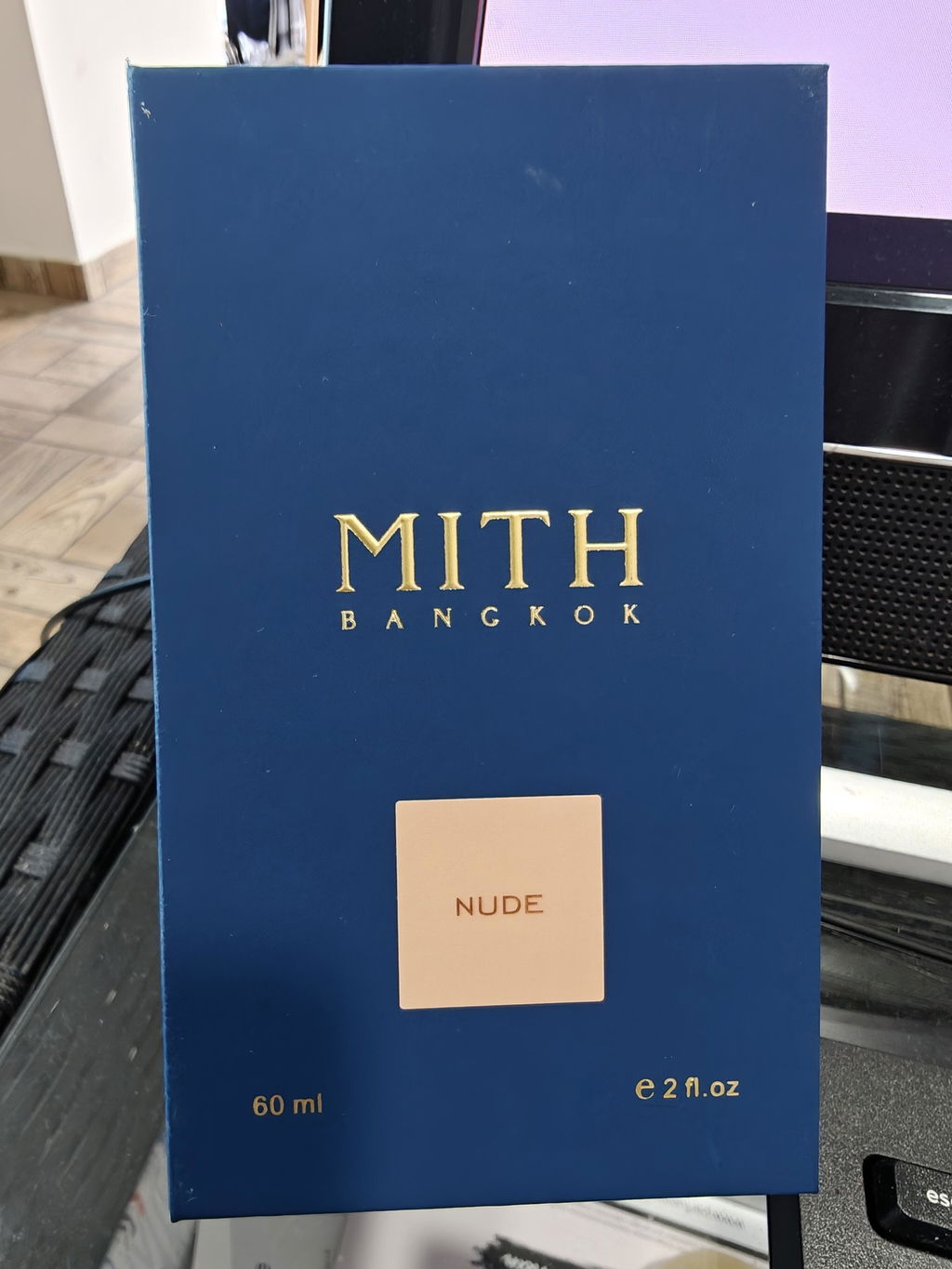
Thailand has become one of the most exciting sources of contemporary niche perfume. Its fragrance houses often combine international perfumery technique with an instinct for atmosphere, colour and lived experience. The result is not a single "Thai style" - there should not be one - but a breadth of storytelling that feels fresh within the European niche market.
A Thai-inspired scent may reference local ingredients or settings, but the most memorable work avoids postcard clichés. It can be playful without becoming frivolous, sensual without relying on predictable sweetness, and expressive without sacrificing wearability. These are perfumes made for people who appreciate a strong visual world as much as a beautiful dry-down.
For European fragrance enthusiasts, access matters too. Emerging houses can be difficult to sample or purchase with confidence when they are not widely distributed. A specialist retailer such as Villenel Fragrances brings a focused selection of modern Thai brands into one considered edit, making discovery feel less like a gamble and more like an invitation.
How to choose a niche scent you will actually wear
Start with a mood rather than a list of notes. Notes are useful, but they can be misleading when read in isolation. Jasmine can smell indolic and nocturnal, sheer and dewy, or creamy and solar depending on the composition. Vanilla might suggest a bakery, a cashmere jumper, antique wood or a dark liqueur.
Ask when you want to wear the fragrance. A crisp, transparent scent may become your daily signature, especially if you work in close quarters or favour understated tailoring. A deeper amber, leather or gourmand composition may be better saved for evenings, cold weather, dates or occasions when you want your fragrance to arrive before you do.
Then consider projection honestly. Some collectors enjoy a scent with serious presence, while others want a fragrance that stays close and reveals itself only at conversation distance. Neither preference is more sophisticated. A quiet skin scent can be every bit as artful as an enveloping extrait. The most useful measure is whether its presence suits your life.
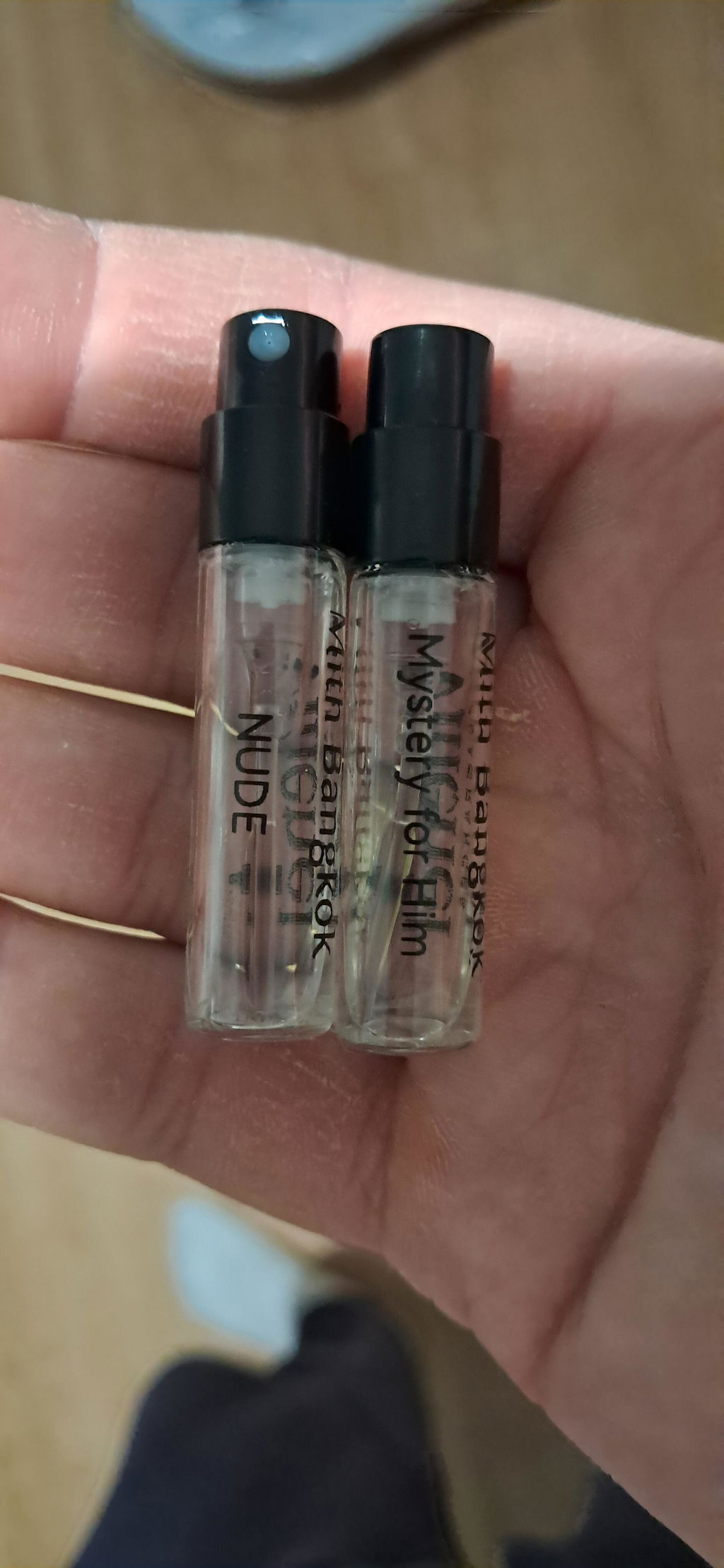
Sampling on skin is essential. Paper strips are excellent for narrowing a selection, but they cannot show how a perfume responds to warmth, skin chemistry and time. Wear it for several hours. Notice the opening, certainly, but pay closer attention to the middle and dry-down - that is where you will spend most of your day.
Trade-offs worth understanding before you buy
Niche perfume is not automatically better value simply because it is less common. Higher prices may reflect smaller production runs, more elaborate packaging, a higher concentration or costly ingredients. They may also reflect the reality of a young independent brand. Judge the fragrance itself, not the mythology around it.
Longevity is similarly nuanced. A fragrance that lasts twelve hours is not necessarily superior to one that lasts five. Volatile citrus, delicate florals and transparent musks are often designed to feel lighter. Reapplying can be part of the ritual, particularly in spring and summer. Conversely, rich oils, woods and gourmands may need only a modest application.
It is also worth resisting the urge to collect only for novelty. A shelf full of impressive samples is not the same as having fragrances that become part of your life. The scents worth owning tend to be the ones you reach for again without needing an occasion to justify them.
Build a wardrobe, not a replacement list
The most satisfying alternatives to designer perfumes do not need to replace every familiar bottle at once. Think of niche fragrance as a wardrobe expansion. Keep the clean, effortless scent that works before an early train. Add something bright and playful for weekends, something composed for work, something intimate for evenings, and one fragrance that feels entirely unlike anything you have worn before.
This approach makes exploration more pleasurable and more precise. You may find that your ideal signature is not one perfume but a small rotation that reflects the shifts in season, setting and mood. A transparent floral can suit a summer gallery opening; an aromatic wood can bring confidence to a winter meeting; a soft gourmand can make an ordinary Sunday feel more deliberate.
The real pleasure of niche fragrance is not exclusivity for its own sake. It is the chance to wear a scent that keeps revealing something new - and that feels unmistakably chosen, rather than simply recognised.