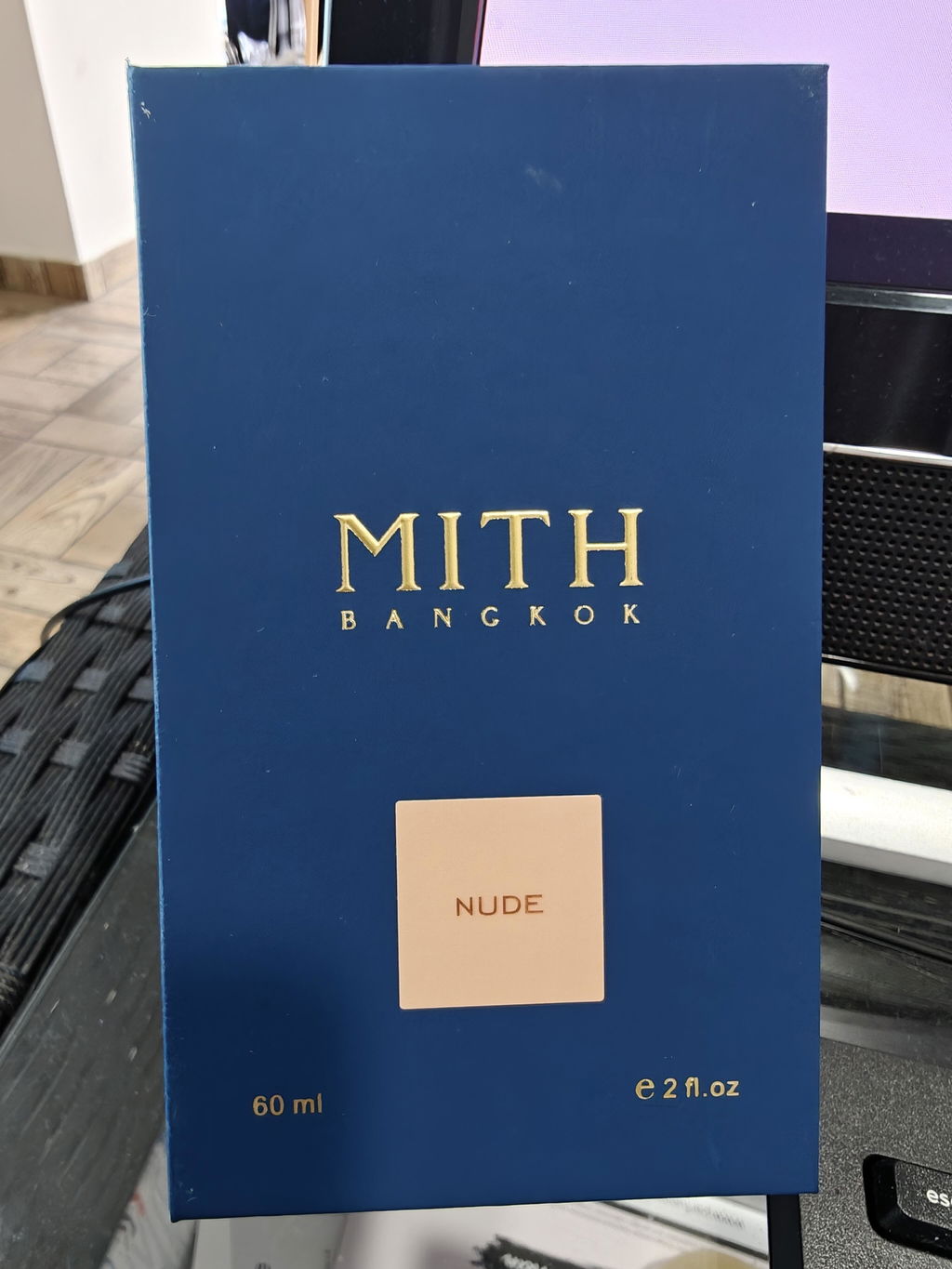
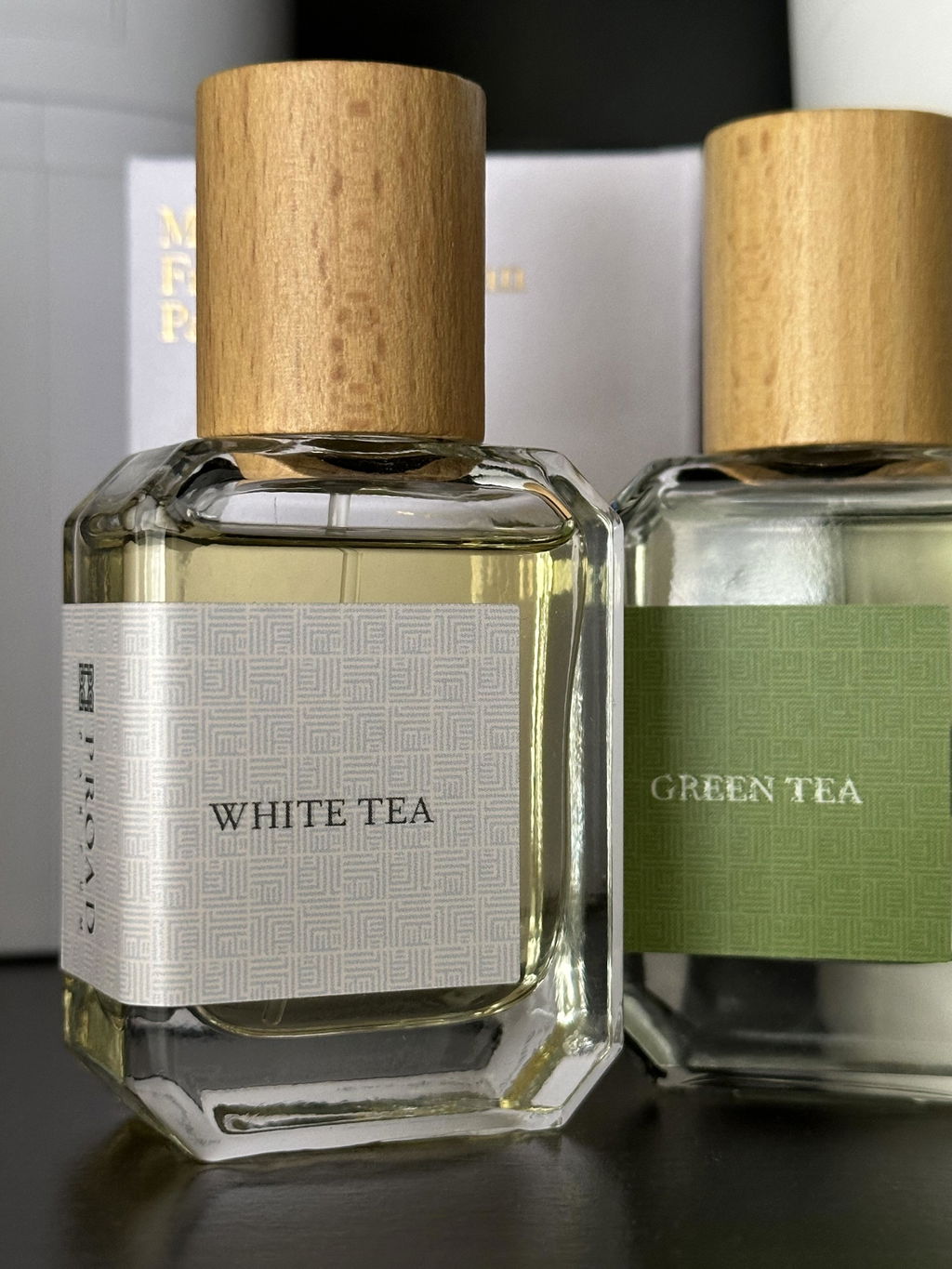
A perfume can feel crystalline and composed on a blotter, then turn warmer, sweeter or unexpectedly quiet the moment it meets your wrist. That shift is precisely why perfumes smell different on skin. Fragrance is not a fixed object once it leaves the bottle: it becomes a conversation between the formula, your skin, the air around you and the way you perceive scent.
For lovers of niche perfumery, this is part of the pleasure. A vivid tropical fruit accord, mineral amber or soft musk may reveal a different facet from one wearer to the next. It is also why a fragrance worth owning should be worn, not merely smelled in a shop.
Why perfumes smell different on skin
Perfume develops in stages. The opening contains the most volatile materials, often citrus, aromatic herbs, fresh spices and airy fruits. These rise quickly, make an immediate impression, then begin to disperse. The heart follows more gradually, while less volatile base notes such as woods, resins, vanilla, musks and amber materials remain closest to the skin for longer.
A paper strip gives this evolution a clean, useful stage. It does not add warmth, oil, moisture or the faint smell of skin. On a person, every one of those factors can alter how quickly notes evaporate and which materials appear most prominent. The scent has not necessarily changed chemically into something else, but its balance and projection can feel markedly different.
This is particularly noticeable in modern niche compositions, where contrasting notes are often placed in deliberate tension. A creamy sandalwood may soften a bright floral on one person, while on another the floral stays luminous and the wood feels almost dry. Neither wearer is experiencing the perfume incorrectly.
Skin chemistry: what it means, and what it does not
“Skin chemistry” is useful shorthand, but it is often used too broadly. It does not mean that your skin magically transforms every perfume beyond recognition. In normal use, skin pH is not usually the dramatic reason a scent becomes unrecognisable.
What matters more is the practical condition of your skin. Natural oils, perspiration, hydration, surface bacteria and body temperature all affect evaporation and diffusion. Oil-rich skin can hold fragrance materials for longer, often giving richer base notes more presence. Drier skin may let a perfume disappear sooner, or make its sharper opening feel more exposed before the softer heart has time to bloom.
Your skin’s natural scent also matters. It is subtle, but musks, woods, animalic accords and certain florals are designed to sit close to the body. They can seem extraordinarily intimate on one person and more abstract on another. This is not a measure of quality. It is simply the point at which a fragrance becomes personal.
Heat changes the pace of a perfume
Warm skin accelerates evaporation. In a heated room, on a summer evening, or after a brisk walk, a fragrance may project more strongly and reveal its top notes with greater energy. The trade-off is that the opening can pass more quickly, especially in citrus-led, aquatic and aromatic scents.
Cooler weather slows the performance down. Dense materials such as balsams, woods and amber can feel smoother, deeper and more persistent, while a delicate tea or sheer flower may need closer wearing. This is why the same bottle can feel perfectly balanced in October and unexpectedly intense in July.
Body temperature is not constant either. Hormonal shifts, stress, exercise and even a hot shower can make a familiar scent behave differently from day to day. If a perfume feels too loud on one occasion, it may be the setting rather than the fragrance itself.
Moisture and skincare can change the result
Well-moisturised skin usually gives perfume a better surface on which to settle. An unscented lotion can help a scent wear more evenly, especially if your skin is dry. It will not turn an airy eau de toilette into an extrait, but it can reduce the feeling that a fragrance vanishes after its opening.
Scented body products introduce another variable. A coconut body cream can make a vanilla perfume feel fuller; a citrus shower gel may sharpen a neroli or bergamot opening; a strongly fragranced deodorant can compete with a clean musk. Layering can be beautiful when it is intentional, but it can also obscure the architecture a perfumer has built.
For the clearest test, wear a perfume on clean skin with neutral or lightly scented body care. Once you know its character, experiment with lotion, hand cream or body oil as a considered styling choice rather than an accident.
Your nose is part of the equation
Not every difference comes from the skin. Perception changes, too. After several minutes with a fragrance, your nose begins to adapt. This is especially common with musks, ambroxan-style amber notes and clean woody materials. You may think the perfume has disappeared while people nearby can still smell it easily.
Mood, memory and environment shape interpretation. A smoky note may read elegant beside candlelight and overwhelming on a crowded train. Fresh pear can feel playful in spring, then surprisingly syrupy on a humid day. If you have just had coffee, cooked with spices or worn another fragrance, your own sensory frame of reference is already altered.
That is also why first impressions deserve patience. Do not decide a perfume is too sweet, too sharp or too plain in its first five minutes. Give it at least a few hours before judging its dry-down, the stage where the composition usually becomes most recognisably yours.
How to test a perfume properly on your skin
Start with one or two sprays on a pulse point such as the inner wrist or forearm. These areas are warm enough to encourage development, while remaining easy to revisit throughout the day. Avoid rubbing your wrists together. Rubbing does not “break” perfume, but it can disrupt the opening and spread the liquid unevenly, making an already brief top-note phase harder to assess.
If you are comparing two scents, keep one on each arm and avoid testing more than that. A crowded perfume counter can make even a trained nose unreliable. Step outside, drink water, and return to each arm after 15 minutes, an hour and several hours. Notice not only whether you like it, but how far it travels, whether it stays balanced, and what remains when the brighter notes fade.
Clothing offers a useful second perspective. Fabric often holds perfume longer than skin and can preserve a truer impression of the base, especially with woods and musks. Yet it may make a fragrance feel less alive because it lacks body heat. Test on skin first, then apply lightly to clothing only after checking that the material is colourfast and unlikely to mark.
Placement can refine projection
For a more intimate effect, apply perfume to the chest, inner elbows or the back of the neck. For more lift, a light spray through the hair or onto a scarf can create a gentle trail, though alcohol-based fragrance should be used sparingly on hair to avoid dryness. There is no universally correct number of sprays. A close-wearing skin scent may welcome an extra spray; a powerful amber, oud or white-floral composition may need only one.
The aim is not maximum longevity at any cost. A perfume should move with you, not arrive before you do. The most memorable wear is often one that invites someone closer.
When a perfume suddenly stops working for you
If a long-loved fragrance seems different, consider the basics before assuming the formula has changed. Seasonal weather, a new moisturiser, changes in medication, illness, pregnancy, stress or a shift in your sense of smell can all influence the experience. Storage matters as well. Heat, sunlight and frequent temperature changes can gradually dull a perfume’s most delicate top notes.
Keep bottles upright in a cool, dark cupboard rather than on a sunny dressing table or in a steamy bathroom. A well-stored fragrance should retain its intended profile for a long time, although natural materials can still show gentle variation from batch to batch. That slight living quality is often part of artisanal perfumery’s appeal.
At Villenel Fragrances, we regard this individuality as one of the quiet luxuries of scent. The same composition can be polished, vivid, sensual or contemplative depending on the person wearing it and the day they choose it for.
The best way to find a signature is therefore not to search for a perfume that smells identical on everyone. Look for the one whose evolution on your skin feels like a more interesting version of you.