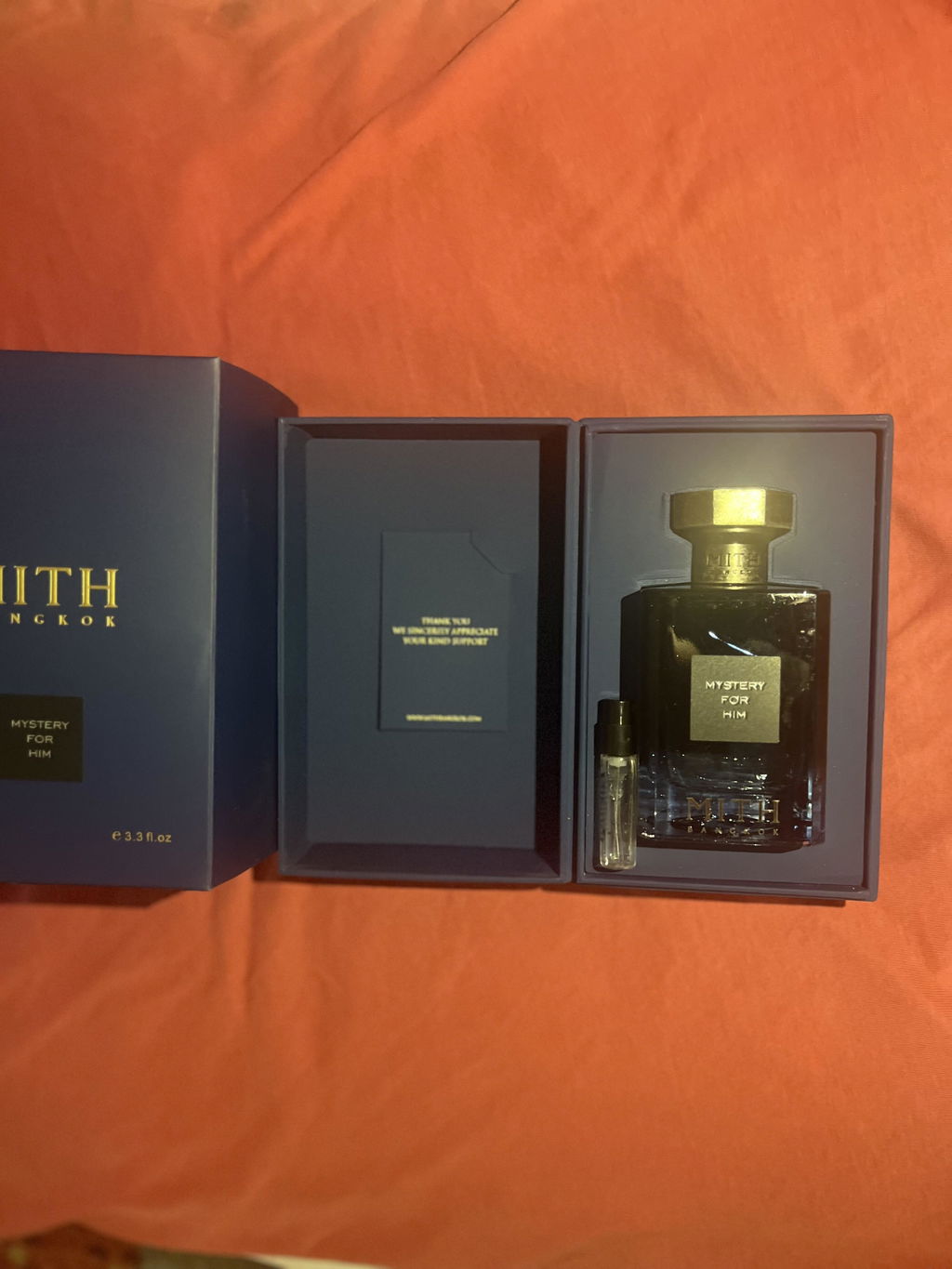
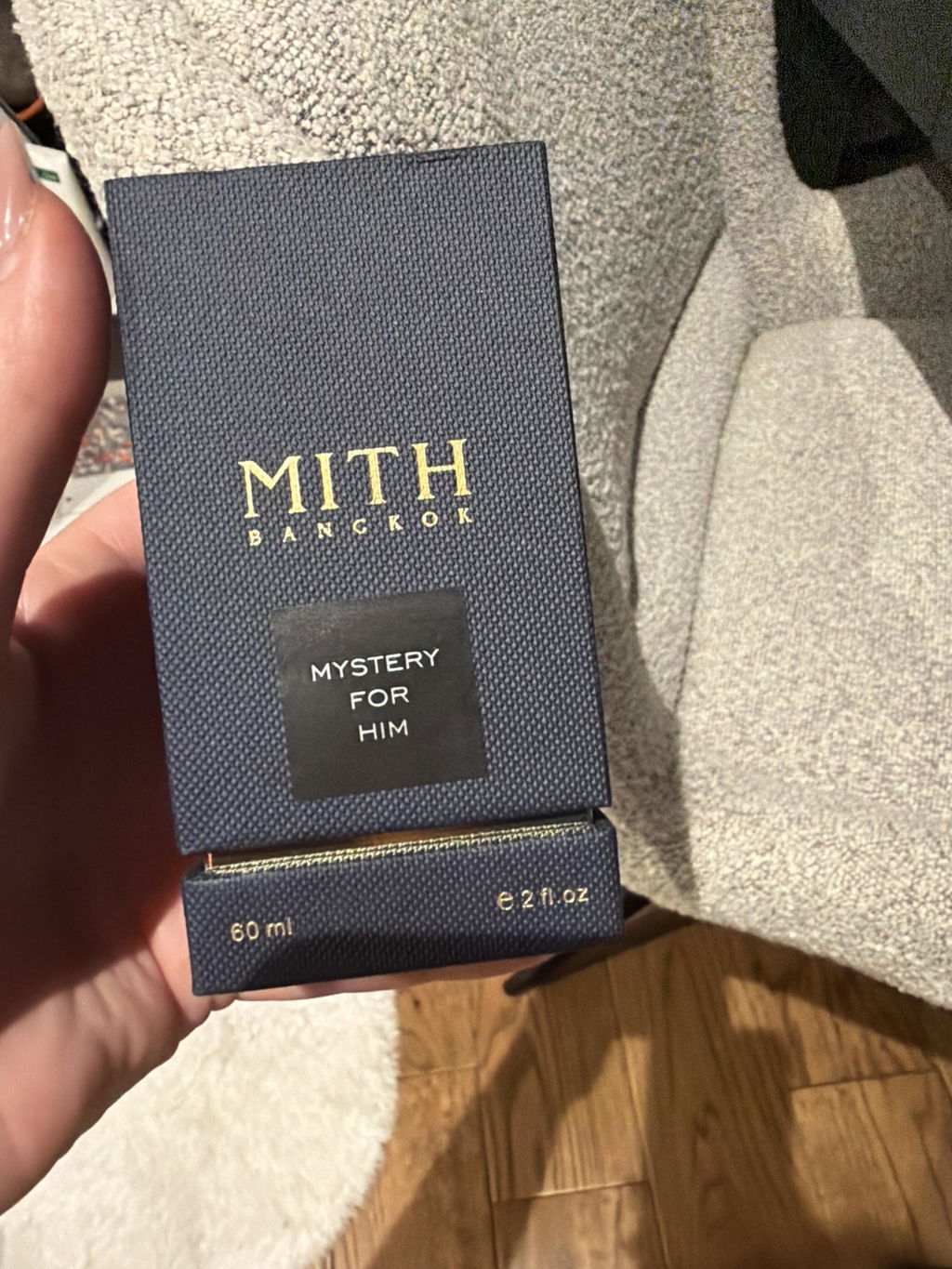
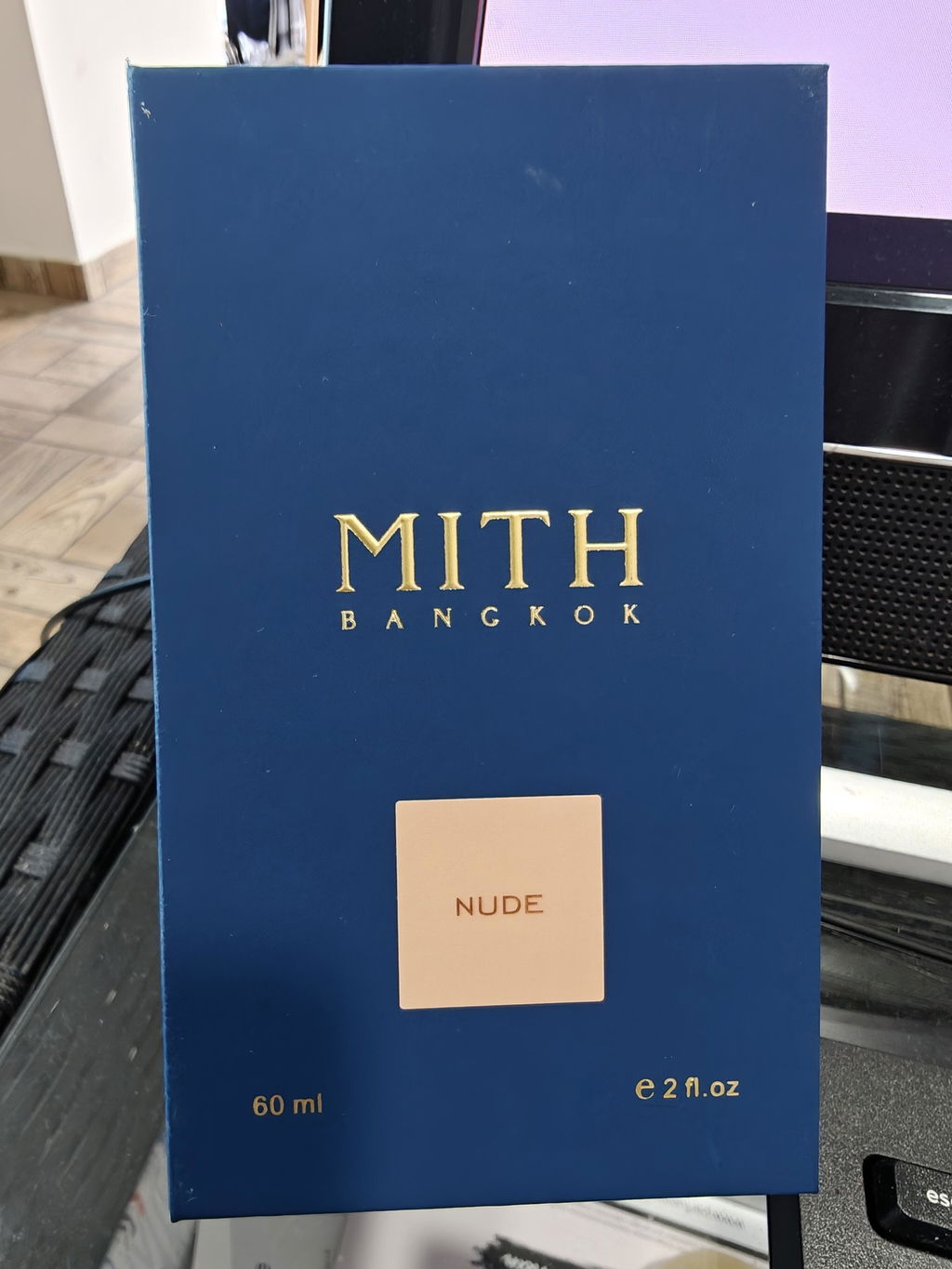
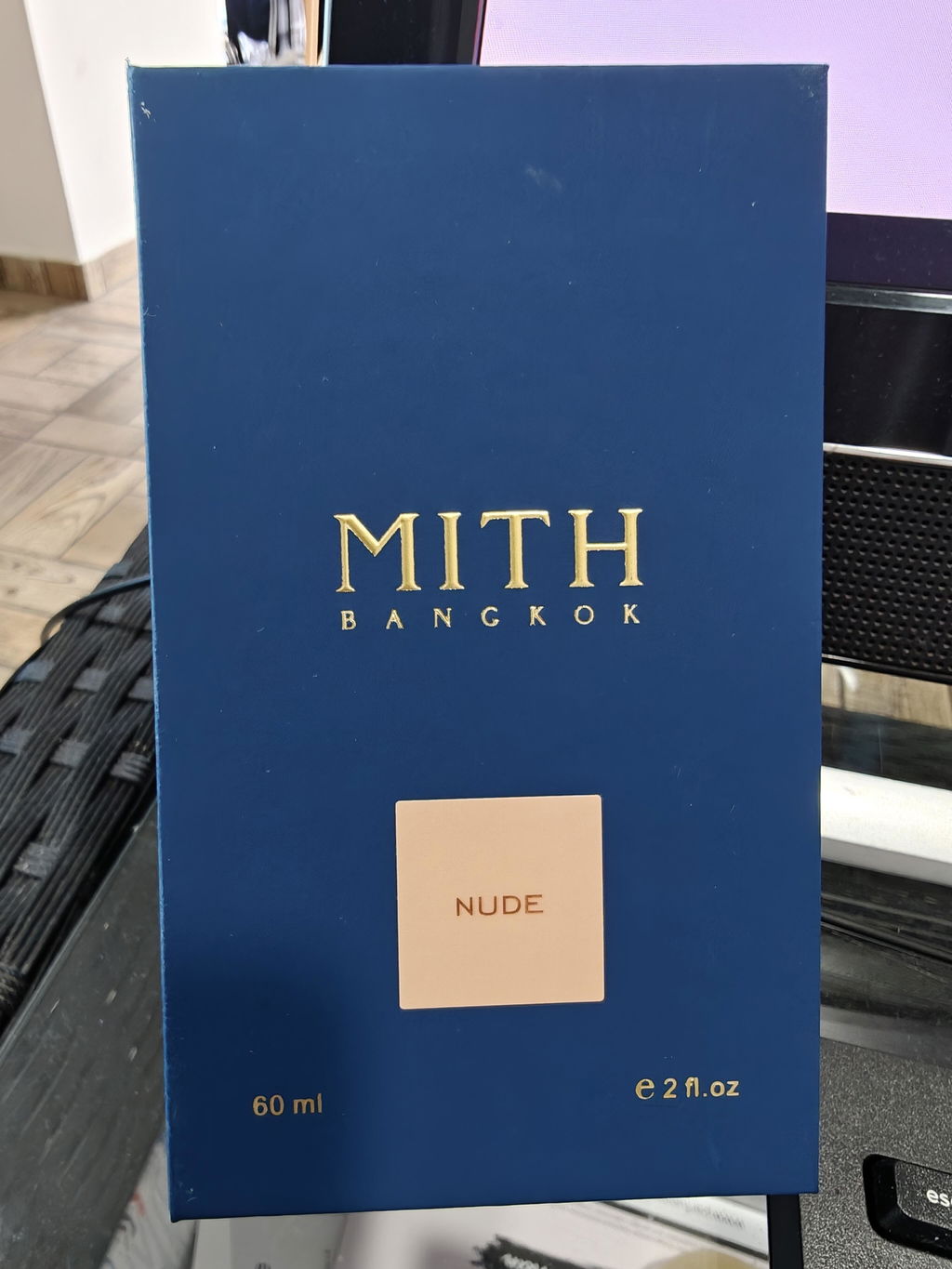
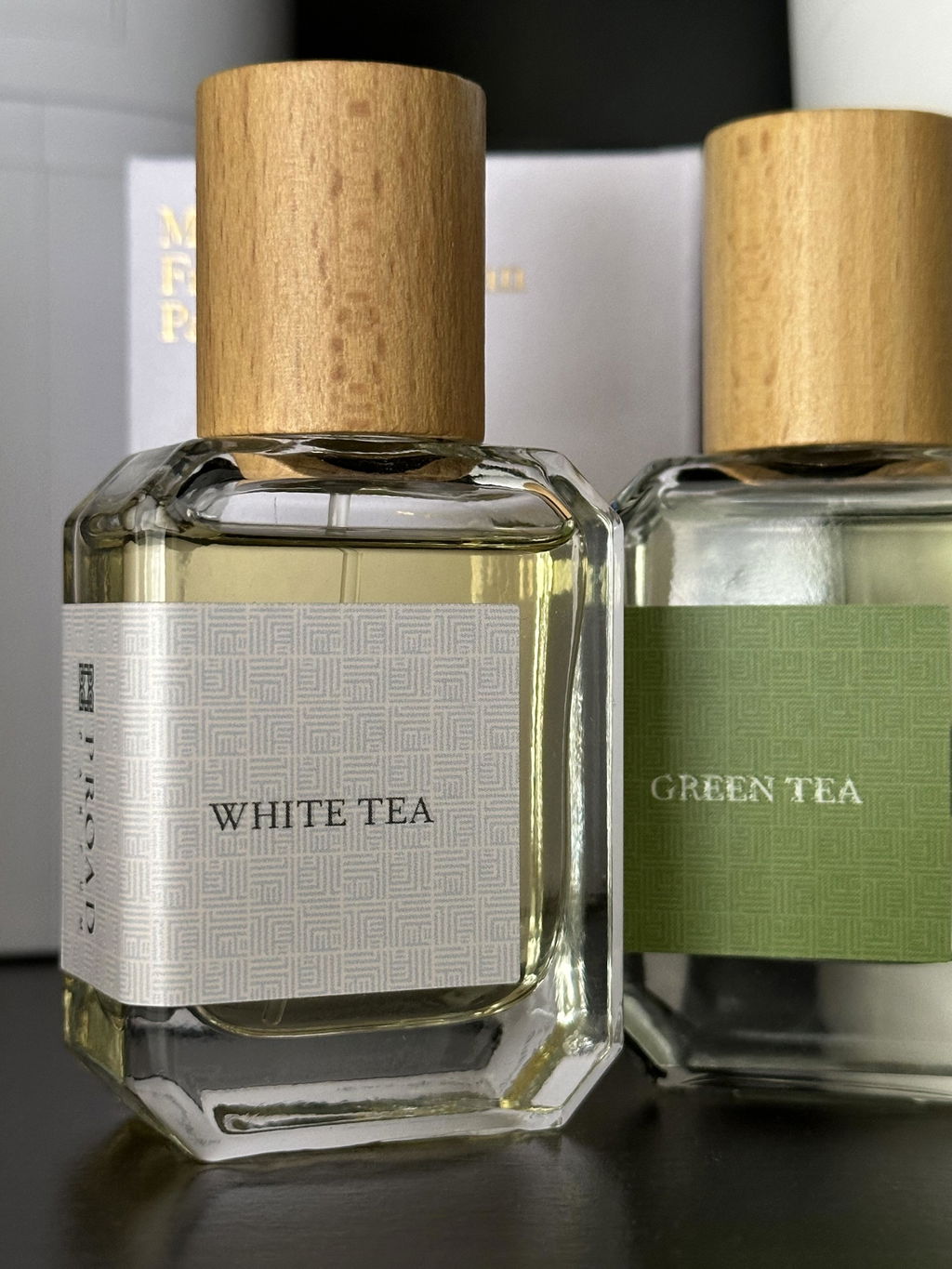
You smell it before you identify it. Not a familiar cloud of citrus-musk from a department store entrance, but something more particular - smoky tea, wet stone, ripe fig leaf, saffron on warm skin. That moment often leads to the same question: what is a niche fragrance, exactly, and why does it feel so different from mainstream perfume?
In simple terms, a niche fragrance is a perfume created with a stronger focus on artistic direction, distinctive composition and brand identity than mass appeal. Niche houses tend to specialise in fragrance rather than treating perfume as one category inside a wider fashion or beauty business. The point is not to please everyone. The point is to say something specific.
That difference matters, especially if you have reached the stage where many designer scents begin to blur together. For fragrance lovers, collectors and style-conscious shoppers, niche perfumery offers a more individual way to wear scent. It can feel more intimate, more expressive and, at its best, far more memorable.
What is a niche fragrance in practice?
The term gets used loosely, so it helps to separate image from substance. A niche fragrance is not simply an expensive perfume in a minimalist bottle. It is usually part of a brand built around perfumery as an art form, with a clear aesthetic point of view and less pressure to follow broad commercial trends.
That often gives perfumers more room to work with unusual contrasts, richer textures or themes that would be considered too unconventional for the mainstream market. A niche scent may centre on leather, incense, salted plum, rain-soaked woods or a delicate rice note. It may evolve quietly rather than announce itself in the first ten seconds. It may also be more divisive, and that is part of the appeal.
Niche does not always mean better. It means more intentional. There is usually more emphasis on concept, materials, composition and sensory identity than on celebrity campaigns or sheer recognisability.
How niche fragrance differs from designer perfume
Designer perfumes are typically released by fashion houses or beauty conglomerates with broad audiences in mind. They are often polished, appealing and easy to wear, which is exactly why many people enjoy them. There is nothing inherently lesser about that approach.
The difference lies in priorities. Mainstream launches are usually designed for scale. They need to work across age groups, markets and retail environments. That can lead to familiar structures - bright opening, clean florals, soft woods, sweet amber - because those styles are widely liked and easy to sell.
Niche fragrance houses can afford to be narrower in focus. They may produce smaller collections, tell more specific stories and build a following through taste rather than visibility. Instead of asking, will this sell to millions, they often ask, does this smell like us?
This is why niche perfume can feel more characterful. You are not only buying a scent profile. You are buying into a creative direction.
The signs of a true niche perfume
Not every brand that uses the word niche fully belongs in that category, so a little discernment goes a long way. A genuine niche fragrance house usually shows consistency in three areas: perfumery first, clear authorship and a recognisable mood.
Perfumery first means scent is the core business, not an accessory to handbags, ready-to-wear or cosmetics. Clear authorship means the fragrances feel guided by a point of view, whether minimalist, opulent, experimental or emotionally narrative. A recognisable mood means the collection has identity, even when the scents differ from one another.
Packaging can be beautiful, but it should not be doing all the work. If the bottle is saying more than the juice, that is usually a warning sign.
Why niche fragrances often smell more distinctive
Part of the answer is composition. Niche perfumers may take more risks with proportion, texture and pacing. They are often less concerned with making a fragrance instantly agreeable and more interested in how it unfolds over time.
Part of it is also selection. If a brand is curating a scent around a very specific emotional or cultural reference, the result is less likely to resemble the standard fragrance brief. A niche house may draw from architecture, travel, memory, cuisine, night air, tropical botanicals or ceremonial materials. The perfume becomes a form of storytelling rather than a generic signifier of freshness or seduction.
This is where niche perfumery becomes especially compelling. A fragrance can carry atmosphere. It can suggest place, style and personality without becoming loud or obvious.
Are niche fragrances made with better ingredients?
Sometimes yes, but not always in the simplistic way people imagine. Higher price does not automatically mean every raw material is rarer or more luxurious. Perfumery is more complex than that.
What niche brands often do invest in is a more considered formula, a more distinctive balance of materials, or a quality of texture that feels smoother, deeper or less generic. They may use beautiful naturals, interesting modern aroma molecules or combinations that feel more refined on skin. The result can be more nuanced, even if the wearer cannot identify every note.
It also depends on the brand. Some niche houses lean heavily into exceptional materials. Others focus more on concept and composition. The most exciting perfumes usually manage both.
What is a niche fragrance worth paying for?
This is the practical question, and the honest answer is that it depends on what you value.
If you want a perfume that smells pleasant, gets compliments and fits easily into everyday wear, a designer fragrance may suit you perfectly. If you want something with more personality, less familiarity and a stronger sense of authorship, niche is often where the search becomes interesting.
What you are paying for is not only juice concentration or packaging. You are often paying for curation, smaller distribution, aesthetic originality and a fragrance profile you are less likely to smell on everyone else. For many wearers, that exclusivity is part of the pleasure. For others, it is irrelevant.
The smarter way to think about price is not whether niche is expensive, but whether it feels specific enough to justify its place in your wardrobe.
Who niche fragrance is really for
Niche perfume is often associated with collectors, but it is not reserved for experts. It is for anyone who wants scent to feel more personal than standard.
That might be someone building a fragrance wardrobe instead of relying on one signature bottle. It might be a gift buyer looking for something with taste and character. It might be someone who has outgrown the repetitive sweetness and polished sameness of many mainstream launches.
It also suits people who enjoy discovery. Niche fragrance asks for a little curiosity. Sometimes the first spray is not instant love. Sometimes a scent becomes compelling after an hour, or after the third wear, when the structure begins to make sense. That slower burn is part of the culture around niche perfumery.
How to choose a niche fragrance well
Start with your own taste, not with hype. If you already know you enjoy iris, woods, tea, neroli or soft skin scents, use that as a guide. Niche does not require abandoning your preferences. It simply offers more imaginative versions of them.
Pay attention to development on skin. A fragrance that opens dramatically may dry down into something entirely different. In niche perfumery, the dry down often matters more than the first minute. Wear it, leave it, come back to it.
It also helps to think about mood rather than note pyramids alone. Do you want something polished, atmospheric, intimate, radiant, offbeat or elegant? The best niche perfumes often communicate feeling more clearly than formula.
If you are exploring modern houses from outside the usual European circuit, that can be especially rewarding. Some of the most exciting brands working today bring a fresh visual language, unexpected ingredients and a different cultural lens to fragrance creation. For shoppers in the EU, curated access matters here, because many standout houses are still not widely distributed.
The appeal of niche now
There is a reason niche fragrance has moved from insider obsession to broader cultural interest. People are becoming more selective about what they wear. They want products with point of view. They want beauty that feels edited rather than overexposed.
Perfume sits perfectly inside that shift. It is personal, visible only in its effect, and capable of saying something subtle but lasting. A niche fragrance does not need to shout status. Often, its confidence comes from not smelling immediately familiar.
That is why the category continues to resonate. In a crowded market, distinction has value.
A good niche fragrance leaves room for interpretation. It does not just smell nice. It creates a presence, and if you keep thinking about it after you have left the room, that is usually a sign you have found something worth wearing again.