A signature scent should not feel like a costume. It should feel like the olfactory equivalent of excellent tailoring - recognisable, considered and entirely your own. If you have been wondering how to pick a signature scent, the answer is rarely to chase whatever is trending or buy the bottle everyone else already knows.
The better approach is more selective. A signature fragrance is not simply the one you like on a paper strip for thirty seconds. It is the one that still feels compelling on your skin after several hours, suits the rhythm of your life, and says something precise about your taste without trying too hard.
What a signature scent really needs to do
There is a difference between a perfume you enjoy and one you want to return to again and again. A signature scent earns its place through repetition. It should be versatile enough to wear often, but distinctive enough that it does not disappear into the background of every other perfume in circulation.
That balance matters. If a scent is too safe, it may smell pleasant but forgettable. If it is too theatrical, you may admire it in theory yet rarely reach for it before work, dinner or a weekend away. The ideal signature sits in the middle - polished, memorable and easy to inhabit.
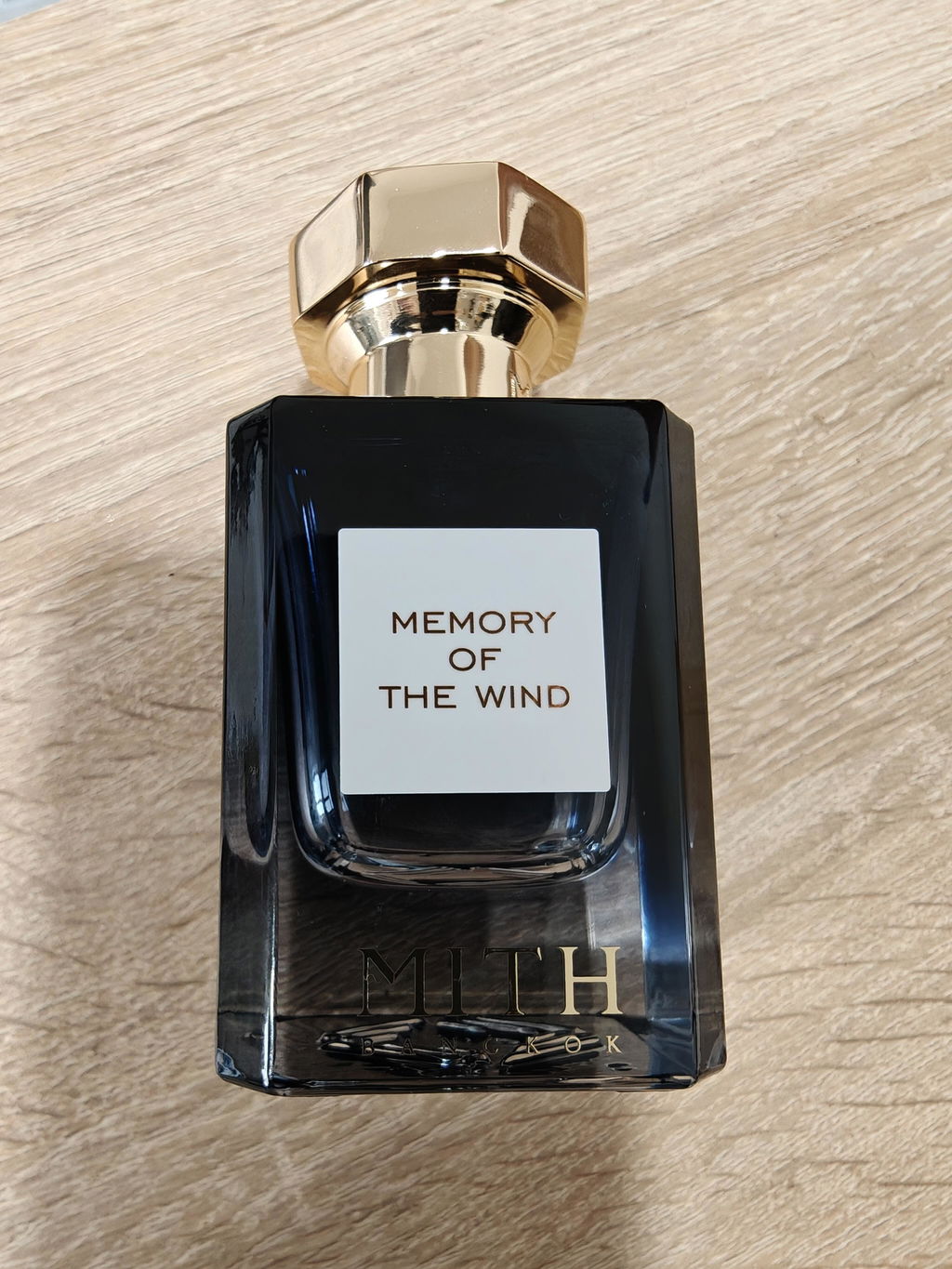
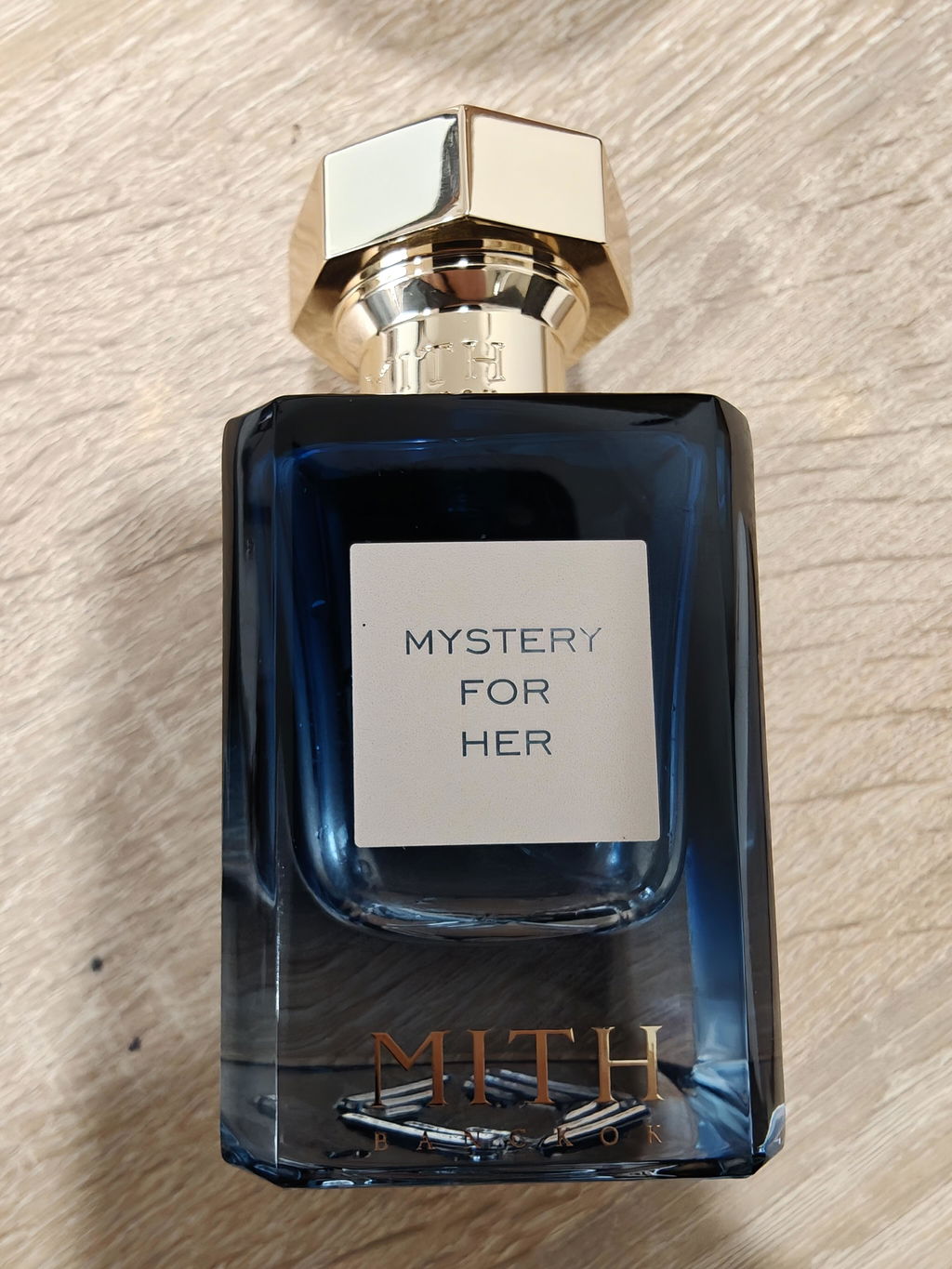
This is why niche perfumery appeals to so many fragrance-conscious shoppers. It often offers more character, more texture and a clearer point of view than mainstream launches built for maximum broad appeal. A signature scent should feel edited, not generic.
How to pick a signature scent by lifestyle, not fantasy
One of the quickest ways to make the wrong choice is to buy for an imagined version of yourself. The smoky, nocturnal extrait that feels thrilling in store may not be what you want at 8.30 on a Tuesday morning. Equally, something impeccably clean and minimal may suit the office yet leave you cold on evenings out.
Start with your actual habits. Think about where you spend most of your time, how formally you dress, and whether you want your fragrance to announce itself or draw people in more discreetly. Someone who works in close quarters may prefer a refined skin scent, soft woods or an airy floral musk. Someone with a more expressive style may feel at home in resinous amber, textured leather, green fig or a spicy floral with real lift.
Season matters too, though not in a rigid way. Fresh citrus, aromatic herbs and sheer florals can feel especially right in warmer weather, while woods, spices, vanilla, incense and balsamic notes often come into their own in colder months. But personal chemistry can overturn all of that. The point is not to follow rules. The point is to notice what feels coherent in your life.
Start with scent families, then narrow your taste
If you struggle to articulate what you like, begin with fragrance families. This gives shape to your search and saves you from testing blindly.
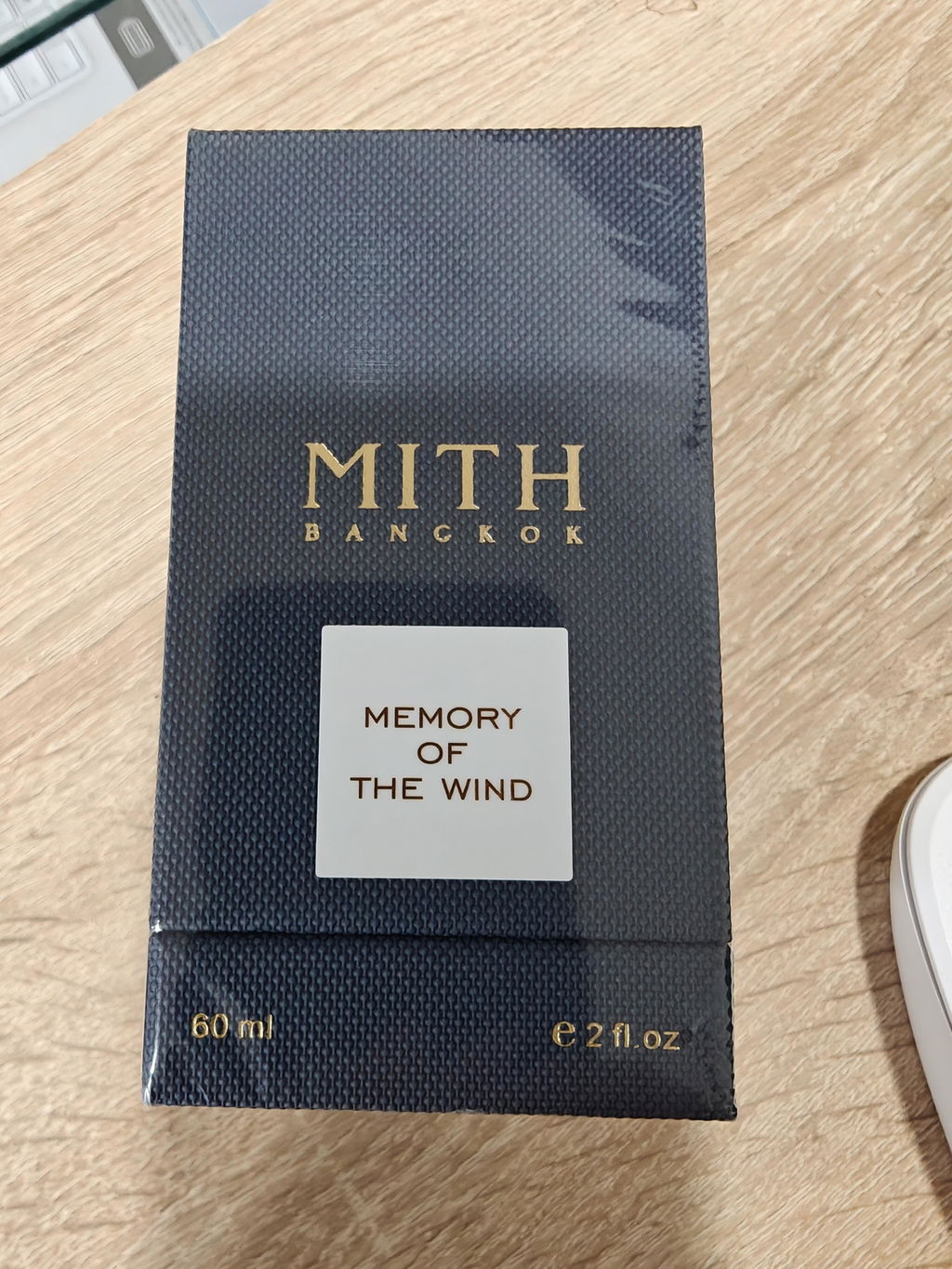
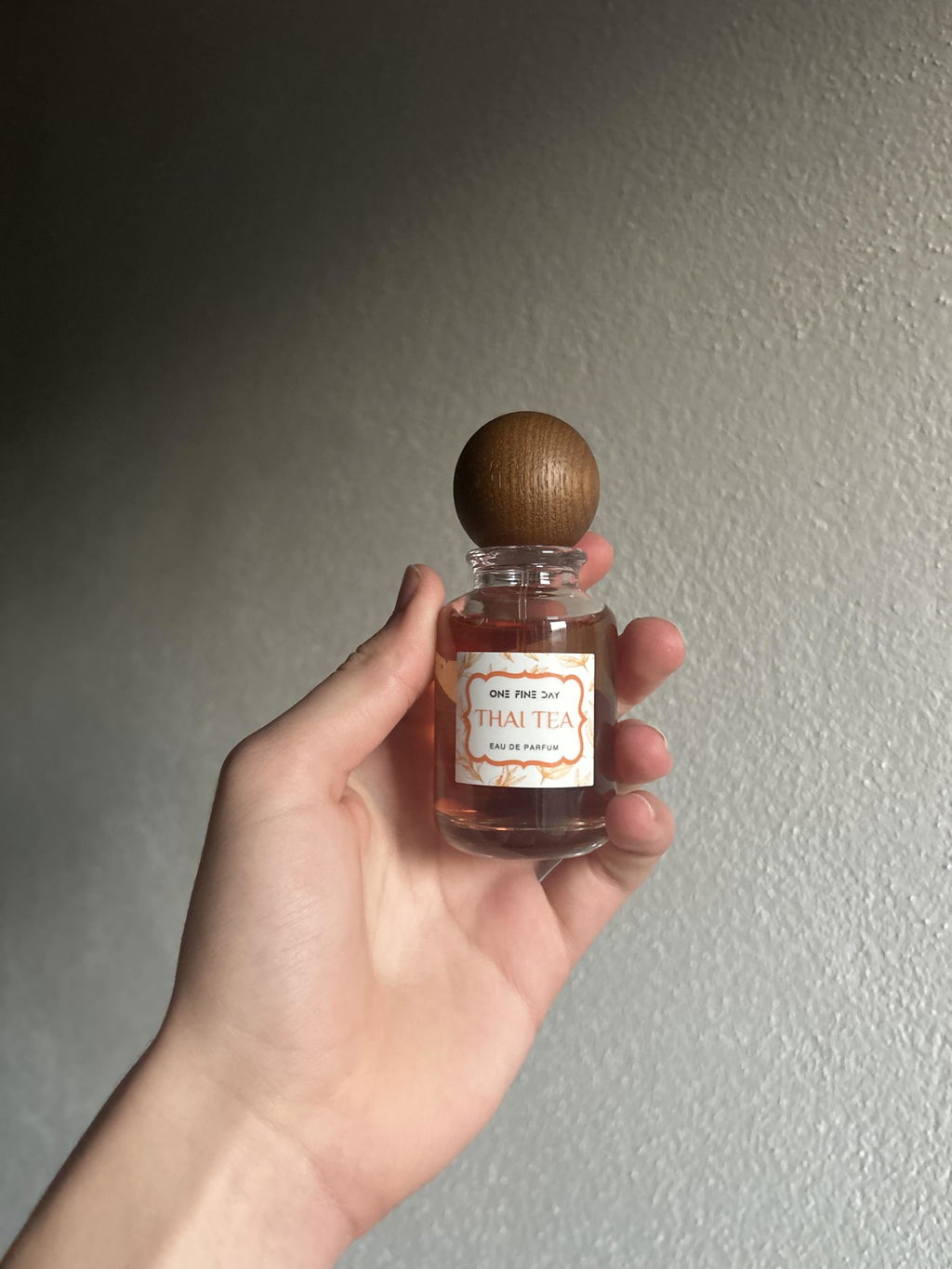
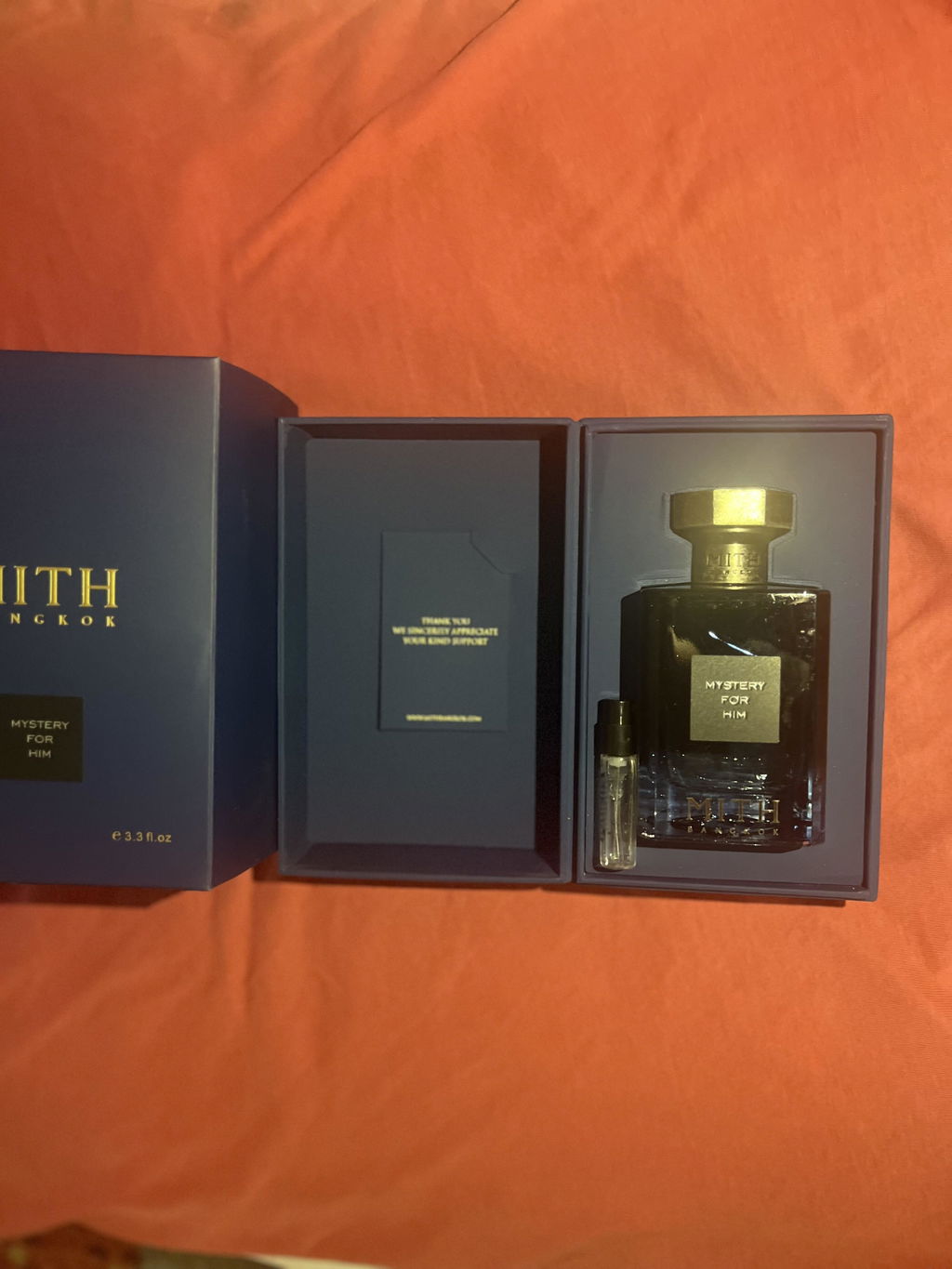
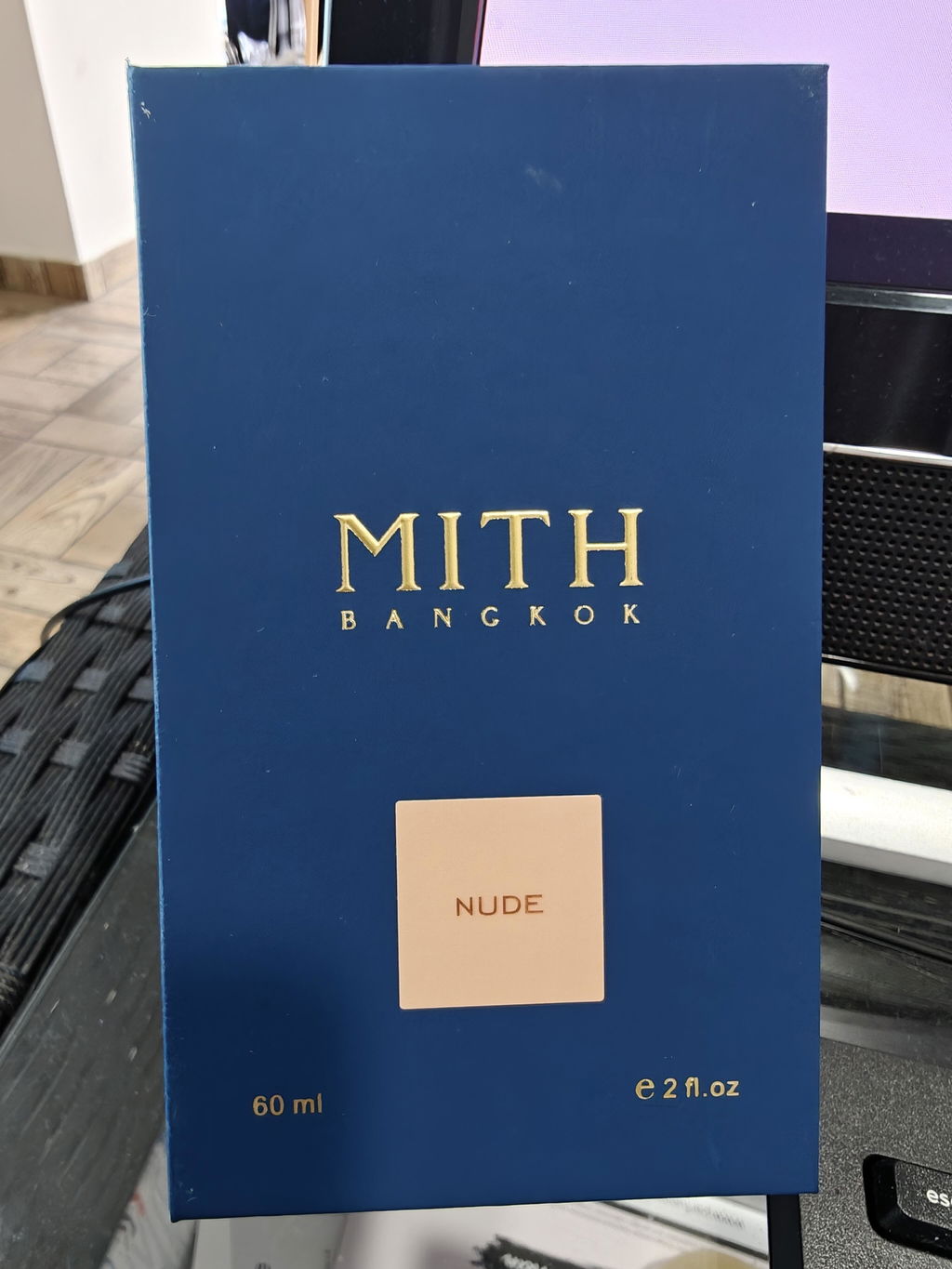
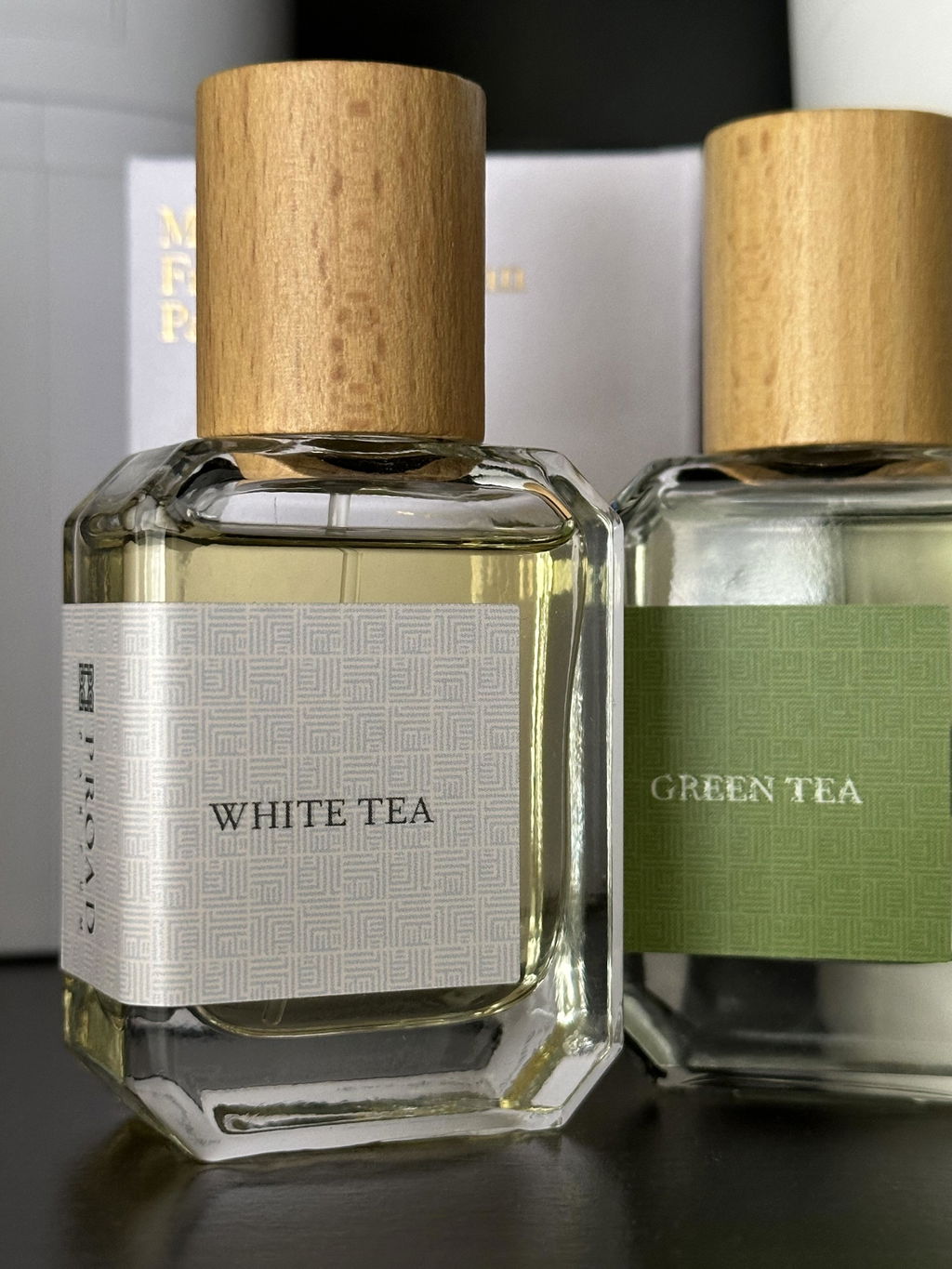
If you enjoy crispness and clarity, you may gravitate towards citrus, neroli, tea, green notes or transparent musks. If you prefer softness and sensuality, white florals, powdery iris, creamy sandalwood and skin-like musks may feel more natural MITH Nude. If you want depth, look towards amber, oud, patchouli, incense, tobacco or leather. Gourmands can be elegant too, especially when vanilla, cacao or tonka are balanced by woods, spice or salt rather than pushed into sweetness alone.
Try to identify not just what you love, but what you tire of. Some people admire rose on others yet do not want to wear it themselves. Others enjoy vanilla in body care but find it cloying in fine fragrance. That distinction is useful. Taste becomes clearer when you define your limits as well as your preferences.
Test on skin, not only on paper
This is where many purchases go wrong. Blotters are useful for first impressions, but they only show a perfume in abstraction. Skin reveals the real shape of a scent - how it warms, diffuses and settles over time.
Apply one fragrance on each wrist and leave them alone for a few minutes. The opening can be beautiful, but it is often the heart and dry-down that determine whether a perfume deserves a permanent place in your wardrobe. Citrus may sparkle at first and vanish too quickly. A floral may become unexpectedly creamy. Woods can turn velvety, smoky or slightly sour depending on skin chemistry.
Give it a full wear. Go outside, have lunch, come back to it later. A signature scent should survive ordinary life elegantly. If it only impresses in the first ten minutes, it is probably not the one.
Pay attention to the dry-down
The dry-down is where commitment begins. This final phase is what lingers on skin, scarves and shirtsleeves. It is also what people are most likely to associate with you.
When deciding how to pick a signature scent, ask yourself a simple question a few hours in: do I still want to smell like this? Not whether the perfume is technically well made. Not whether it feels fashionable. Whether you genuinely want that trail to become part of your presence.
Some perfumes open with drama and end in something flat. Others seem almost understated at first, then become magnetic after an hour. Experienced fragrance lovers know that patience is part of discernment.
Think in terms of identity, not gender labels
Traditional fragrance marketing still leans heavily on gender, yet many of the most compelling perfumes resist those boundaries. A refined iris can feel cool rather than overtly feminine. Leather can be elegant rather than aggressively masculine. Fig, tea, vetiver, saffron, orange blossom and suede often sit beautifully in that more fluid middle ground.
It is more useful to ask what kind of mood or silhouette you want your perfume to create. Clean and architectural? Warm and intimate? Bright and social? Dark and tailored? Fragrance is often closer to fashion than to function. The right scent should fit your aesthetic vocabulary.
One signature scent or a small signature wardrobe?
There is no rule that says you must wear one perfume for every occasion. For some people, a true signature is a single bottle worn year-round. For others, it is a closely edited trio: one for daytime, one for evening, one for warmer weather.
That does not dilute your identity. If the choices share a common sensibility - perhaps luminous florals, polished woods or modern amber compositions - they still read as unmistakably yours. In fact, this can be the more realistic approach if your days shift between office settings, dinners, travel and weekends.
The mistake is collecting at random and calling it a signature. Consistency matters more than quantity.
How to avoid expensive mistakes
A beautiful bottle, persuasive notes list or social media hype can all distort judgement. Sampling first is almost always the wiser move, especially with niche fragrance. Artistic compositions are often more nuanced than mainstream perfumes, but they can also be more challenging, which is precisely why they deserve proper wear time.
Avoid testing too many scents at once. Three is usually enough before your nose begins to blur details. Smell coffee if you like, but fresh air is often better. Step outside, reset, and return.
It also helps to test fragrance in the context you actually live in. Wear it to work, on the Tube, to dinner, on a rainy afternoon. Perfume behaves differently across temperature, fabric and mood. What feels exquisite in a quiet boutique may feel overwhelming in a crowded carriage.
A good signature scent should feel slightly inevitable
The best perfume choice often arrives with less drama than expected. It may not be the loudest or strangest scent you test. It is simply the one that keeps pulling you back. The one you miss when you wear something else. The one that makes your coats, knitwear and evening shirts smell better by association.
For fragrance lovers drawn to less obvious houses, this is where curation matters. A well-chosen niche perfume can give you exactly what a signature scent should offer - distinction without cliché, beauty without banality, and a sense that your fragrance has been selected rather than inherited from the crowd.
If you are still deciding, slow down. Wear more samples. Trust your skin over the marketing copy, and your instinct over anyone else's top ten list. The right signature scent does not just smell good. It feels like a line you have been trying to write about yourself, finally said properly.