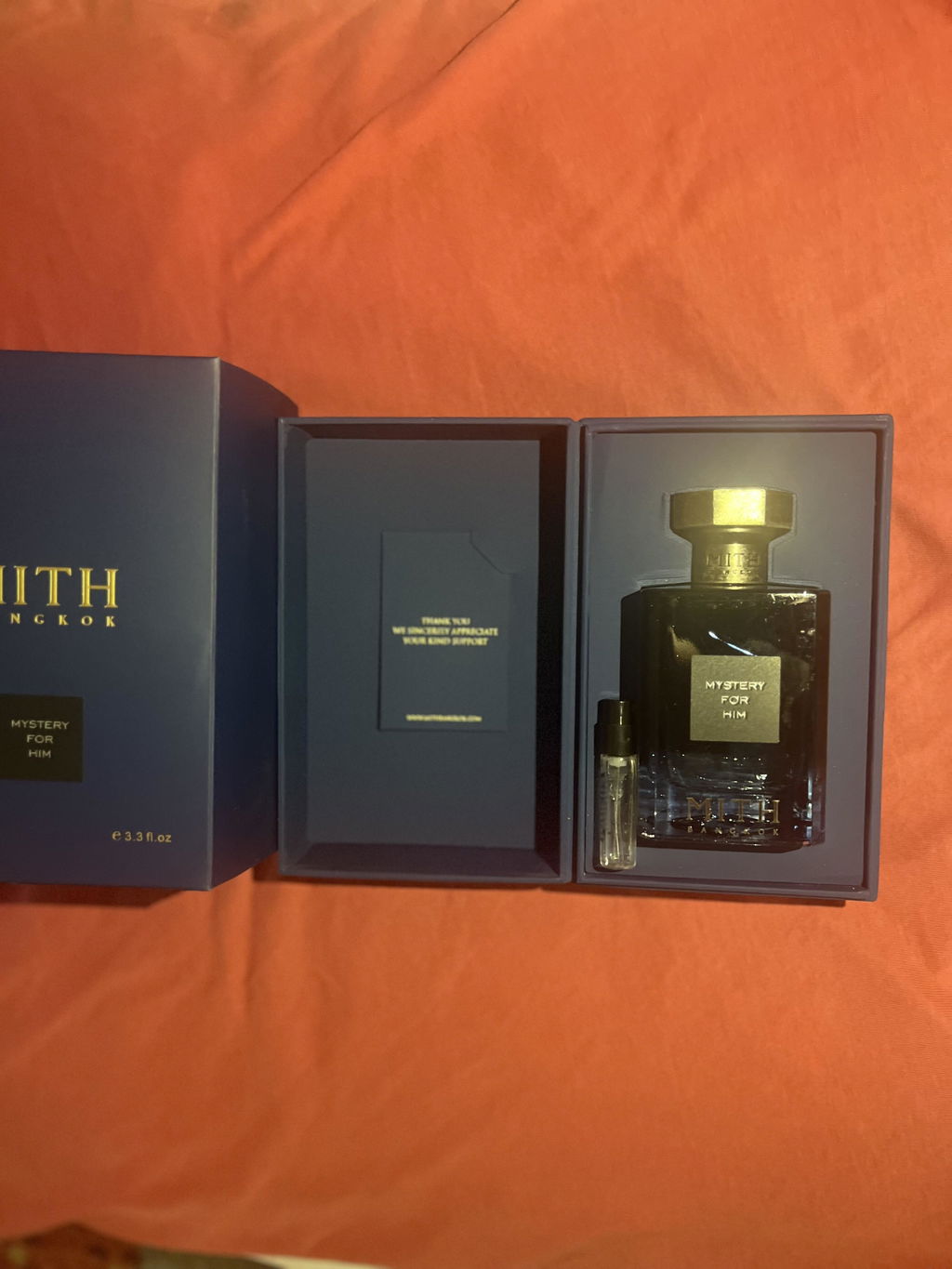
You spray a perfume in a boutique, fall for it instantly, and then wear it at home only to wonder what changed. If you have ever asked why does perfume smell different from one day to the next, or from your skin to someone else’s, the short answer is that perfume is never static. It is a living composition shaped by chemistry, temperature, air, concentration, and the way each note unfolds over time.
That is part of its fascination. Fine fragrance is not meant to smell like a fixed object. It behaves more like fabric in changing light - the structure remains, but the texture shifts depending on where, when, and how you encounter it.
Why does perfume smell different on skin?
Skin is the first variable, and often the most decisive one. Perfume does not sit on every person in the same way because skin is not a neutral surface. Its warmth, moisture level, natural oil production, and even daily skincare routine all influence how notes evaporate and project.
On warmer skin, top notes tend to lift quickly. Citrus, herbs, aldehydes, and airy florals can feel vivid at first and then disappear faster than expected. On cooler skin, the same fragrance may seem quieter, slower, and sometimes denser. Neither version is wrong. You are simply seeing a different side of the formula.
Skin chemistry matters too, though this phrase is often used too vaguely. What people usually mean is the combination of sebum, pH balance, perspiration, and the residue of products already on the body. An amber fragrance can turn softer and creamier on one wearer, while reading sharper or sweeter on another. White florals may glow on moisturised skin yet feel thinner on dry areas.
This is why sampling on paper only tells part of the story. A blotter reveals the construction. Skin reveals the personality.
Dry skin, oily skin, and fragrance longevity
Dry skin tends to absorb and diffuse fragrance more quickly, which can make a scent seem lighter or shorter-lived. Oily or well-moisturised skin usually holds perfume better, allowing notes to linger and transition more gradually.
That does not mean one skin type is better for fragrance. It simply changes the experience. If a scent seems faint on you, applying an unscented lotion first can help. If it feels overpowering, fewer sprays or placement further from the neck may give a more elegant result.
Why the same perfume smells different in the bottle, on a blotter, and in the air
Perfume is perceived through context as much as formula. In the bottle, you smell a concentrated liquid through a narrow opening. On a blotter, the alcohol disperses quickly and leaves the structure exposed in a relatively clean way. On skin, warmth and natural oils shape the diffusion. In the air, projection and movement come into play, which can make a fragrance smell smoother, more radiant, or more abstract than it does up close.
This is one reason people become convinced a perfume has changed when they buy it. Often, what changed was the setting of the first encounter. Department stores, boutiques, homes, taxis, cold streets, heated rooms - each space edits the scent.
Ambient smell matters more than many people realise. If you test perfume in a room filled with candles, coffee, paper strips, and other fragrances, your nose is already working through interference. Later, in a quieter environment, the same composition may appear more transparent, greener, sweeter, or woodier.
Why does perfume smell different throughout the day?
Because it is built to. Most perfumes are structured in stages, even if the transitions are subtle. The opening gives the first impression, the heart develops the main identity, and the base provides depth and persistence. When someone says a perfume smelled different after an hour, they are usually noticing this evolution rather than a fault.
Top notes are made of more volatile materials, so they evaporate first. That flash of bergamot, pink pepper, or pear is not meant to stay in full force for six hours. As it fades, florals, spices, resins, musks, woods, and gourmand notes begin to occupy more space.
In niche perfumery especially, this progression can be quite dramatic. A fragrance may open with polished brightness and settle into smoke, suede, rice powder, tea, incense, or warm skin musk. That movement is often where the artistry lives.
Your nose changes during wear too
There is also the question of perception. Olfactory fatigue can make you think a perfume has vanished or altered when your nose has simply adjusted. This happens often with musks, ambers, and woody molecules. You may stop noticing them directly while others still smell them clearly.
This is worth remembering before deciding a fragrance lacks longevity. Sometimes it is less about disappearance and more about becoming part of your personal atmosphere.
Weather, season, and environment all change the scent
Heat expands fragrance. Cold contracts it. Humidity can amplify sweetness and floral volume, while dry air may sharpen woods, spices, and citrus edges. The same perfume worn in August and again in November can feel almost like two related creations.
This is why seasonality in fragrance is not mere marketing. It has a practical basis. Dense amber, leather, oud, and gourmand compositions often feel smoother in cooler weather. In high heat, they can become louder, syrupier, or more diffusive than intended. Likewise, transparent florals, tea notes, green accords, and saline musks may feel restrained in winter yet beautifully lifted in spring.
Indoor climate matters too. Central heating, air conditioning, city pollution, sea air, and even what you are wearing can subtly alter your impression. Wool scarves, cotton shirts, and silk collars each hold scent differently, adding another layer of variation.
Formula, batch, and reformulation
Sometimes the perfume really is different. Raw materials vary from harvest to harvest, particularly naturals such as jasmine, vetiver, patchouli, neroli, and sandalwood. Regulations also change, which can lead brands to reformulate. A beloved perfume may become softer, cleaner, less mossy, or less animalic over time.
Batch variation can exist too, though it is often overstated in online fragrance culture. With well-made perfume, differences between batches are usually nuanced rather than dramatic. What people read as a major shift may come from memory, expectation, or changes in their own nose.
Still, if an older bottle smells richer or darker than a recent one, that does not automatically mean you are imagining it. Formula adjustments happen, especially with materials that face cost, sourcing, or regulatory pressure.
Storage can change how a perfume smells
Perfume does not like excess heat, direct sunlight, or frequent temperature swings. Poor storage can affect colour, freshness, and balance. Citrus notes may dull. Delicate florals can flatten. Resinous or sweet elements may start to dominate, making the fragrance feel heavier than it once did.
This tends to happen gradually, not overnight. A bottle kept in a steamy bathroom or on a sunny windowsill will usually age faster than one stored upright in a cool, shaded place.
Ageing is not always negative, though. Some compositions become rounder and more integrated with time, particularly richer orientals, woods, and resin-driven scents. The line between maturation and degradation depends on the formula and storage history.
Why a perfume smells different on someone else
This is perhaps the hardest lesson in fragrance shopping. The perfume you admired on a colleague, partner, or stranger may not smell identical on you. Their skin, their climate, their laundry detergent, and even the number of sprays all shaped what you noticed.
Projection changes perception as well. A fragrance that smells magnetic in someone’s wake may feel more challenging when you smell it closely on your own wrist. Distance edits perfume. It softens rough edges and lets the composition blur into something more alluring.
That is why chasing someone else’s exact scent experience rarely works. The better approach is to ask whether the fragrance becomes compelling on your own skin, in your own rhythm of wear.
How to test perfume more accurately
If you are trying to understand why does perfume smell different every time you wear it, test with more control. Wear it on clean skin without strongly scented body products. Give it several hours, not ten minutes. Try it in different weather, and avoid judging immediately after spraying.
It also helps to compare placement. Wrist, inner elbow, chest, and clothing can all tell slightly different stories. One fragrance may bloom beautifully on fabric, while another needs skin warmth to reveal its depth.
For anyone drawn to more characterful perfumery - the sort that favours texture, atmosphere, and a distinct point of view - this variation is not a flaw. It is often the very reason a scent feels memorable. Houses with a strong artistic identity tend to create fragrances that evolve, rather than sit politely in one register from start to finish.
Perfume smells different because it is alive to context, and that is what keeps it interesting. The best way to choose one is not to ask whether it stays perfectly consistent, but whether its changes still feel beautiful when they become yours.