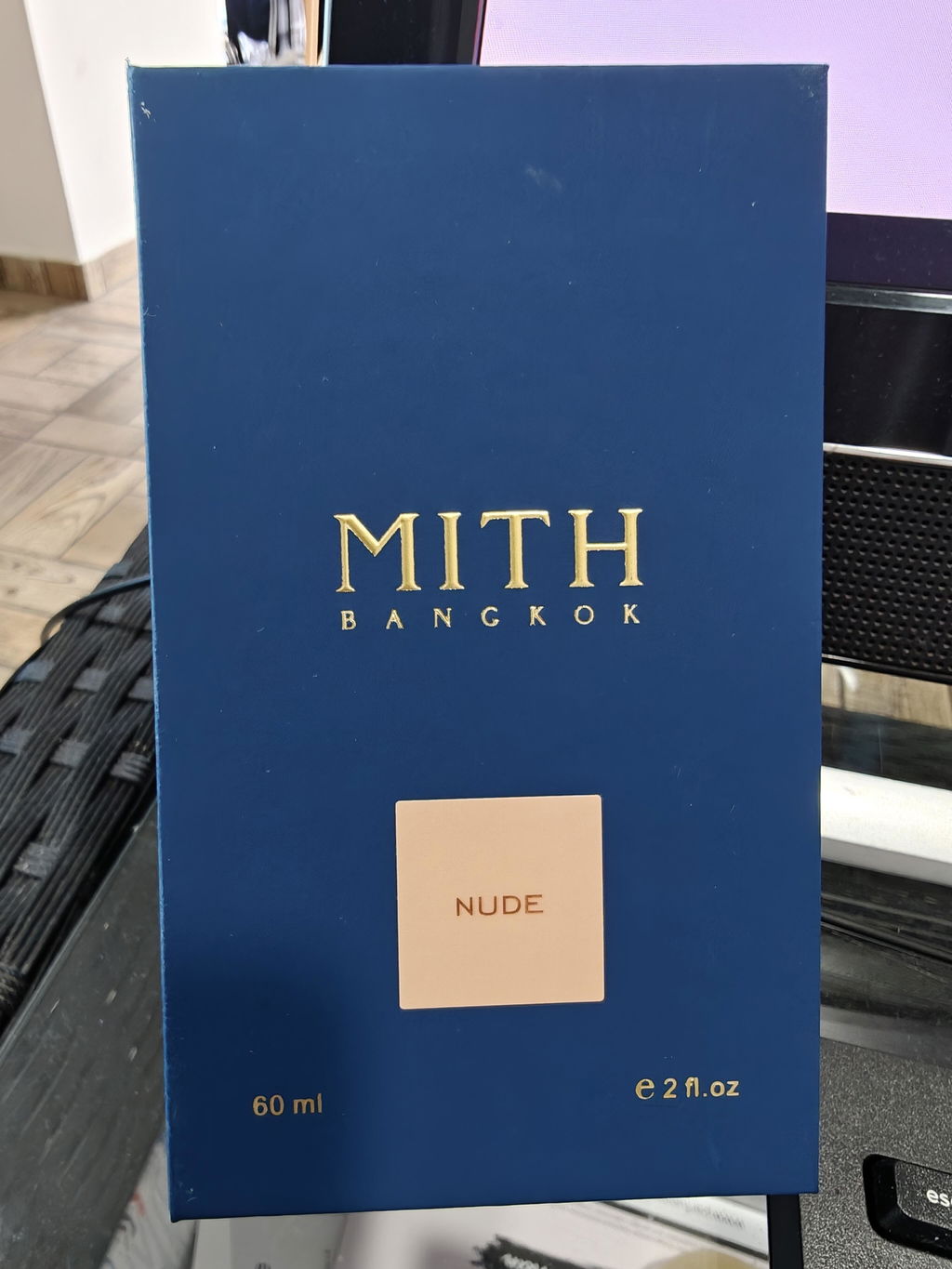
A French-style rose may arrive with polished petals, soft musk and a familiar trail of elegance. A Thai rose can feel brighter, wetter, spiced with tropical air, or set against incense, tea and creamy woods. That is the real interest in Thai perfume versus French perfume: not a contest for superiority, but two different ways of turning memory, materials and atmosphere into scent.
For fragrance lovers accustomed to the Parisian canon, contemporary Thai perfumery offers a compelling change of perspective. It can be refined, highly wearable and technically sophisticated, while retaining a sense of place that mainstream releases often smooth away.
Thai Perfume Versus French Perfume: Two Creative Languages
French perfumery has shaped much of the modern fragrance vocabulary. Its legacy includes the classic structure of top, heart and base notes; the grand floral bouquet; the chypre; the fougère; and a rigorous approach to balance, diffusion and composition. Even when a French perfume is experimental, there is often an instinct for architecture. Ingredients are arranged to create a recognisable silhouette, with a carefully judged progression on skin.
Thai perfume is not one uniform style, nor should it be treated as an exotic category. Thailand has deep traditions of aromatic ritual, flower garlands, herbal remedies, incense and scented personal care. Contemporary Thai fragrance houses draw from these references in individual ways, combining them with international perfumery training, modern aroma materials and a sharp awareness of global niche tastes.
The distinction is therefore cultural rather than absolute. A Thai perfumer may compose a beautifully restrained iris scent; a French house may create an extravagant tropical floral. What changes is the starting point. French perfume often speaks through established genre and technical lineage. Thai perfume may begin with a lived sensory scene: rain on concrete in Bangkok, chilled fruit at a night market, temple smoke caught in silk, jasmine at dusk, or the green bitterness of a local herb.
Materials That Change the Mood
French fragrance traditions are closely associated with rose, jasmine, iris, orange blossom, lavender, oakmoss, patchouli, vetiver and amber accords. These materials are not exclusively French, of course, but they have been developed into a recognisable luxury language through Grasse craftsmanship, Parisian fashion and decades of influential perfumery.
Thai creators can work with that same palette, then turn the emphasis elsewhere. White florals may feel more humid and radiant. Citrus may become greener, sharper or more aromatic. Woods can carry a creamy, smoky or resinous depth rather than simply functioning as a smooth base. Notes such as pandan, rice, pomelo, mango, coconut, Thai tea, basil, lemongrass, galangal and incense may appear directly or inspire an abstract accord.
The most successful examples do not smell like a literal food stall or a souvenir interpretation of travel. They use familiarity and contrast with restraint. A rice accord might lend softness to a musky floral; tea can temper a sweet fruit note; a flash of chilli-like spice can make a tropical composition feel alive rather than sugary. This is where contemporary Thai perfume is especially exciting for collectors: it makes room for unexpected textures without abandoning elegance.
Climate, Skin and Sillage
Climate influences fragrance culture more than many people realise. In warmer, humid conditions, heavy sweetness can become tiring quickly, while freshness, luminosity and a clean but persistent trail take on greater value. Thai perfume frequently reflects this reality. You may find compositions that open with impressive clarity, retain air around the notes and avoid the dense, opaque dry-down associated with some colder-weather European styles.
That does not mean Thai perfumes are always light. Incense, amber, oud, sandalwood and gourmand accords have a place in the category. The difference is often in the handling. A resinous scent may be lifted by citrus or airy florals; a creamy coconut may be framed by salt, leaves or woods; a rich white floral may be cooled by tea. The result can feel vivid rather than weighty.
For British wearers, this has practical appeal. A luminous Thai floral or aromatic woody scent can bring character to a grey weekday without overwhelming the office. In summer, these compositions often feel particularly at home on warm skin. Yet it depends entirely on the fragrance and your skin chemistry. Some French extrait-style scents last all day with a single spray, while a sheer Thai eau de parfum may invite more generous application. Concentration alone does not predict performance.
Storytelling Without Cliché
French perfume storytelling has long been intertwined with couture, romance, heritage and the mythology of Paris. It can be magnificent when done well: a fragrance becomes a world of its own, expressed through material quality, bottle design and a precise emotional register.
Thai fragrance storytelling often feels more immediate and sensory. Rather than presenting a distant ideal of luxury, it may capture a particular gesture or setting: morning steam, sun-warmed fruit, a green garden after rain, polished wood, fabric, skin or a familiar drink. The strongest houses avoid reducing Thai culture to a decorative backdrop. They translate specific experiences into compositions that remain open enough for the wearer to make their own.
This matters because niche perfume is increasingly valued for personality. Many shoppers have already owned the polished amber, clean musky floral or blue aromatic that dominates department-store counters. They are not necessarily looking for a louder perfume. They are looking for one with a point of view.
Which Style Should You Choose?
Choose French perfume when you want the reassurance of established forms, classical materials or the ritual of a recognisable perfume wardrobe. A French-style iris, rose, vetiver or amber can offer immense sophistication, especially for formal evenings, tailored dressing and those who enjoy a fragrance with a clearly defined structure.
Choose Thai perfume when you want a scent that feels less expected but still considered. It is a natural direction for anyone drawn to unusual gourmand facets, radiant florals, aromatic freshness and fragrances that suggest a place without becoming literal. Modern Thai houses are particularly rewarding if you enjoy discovering notes beyond the standard European rotation.
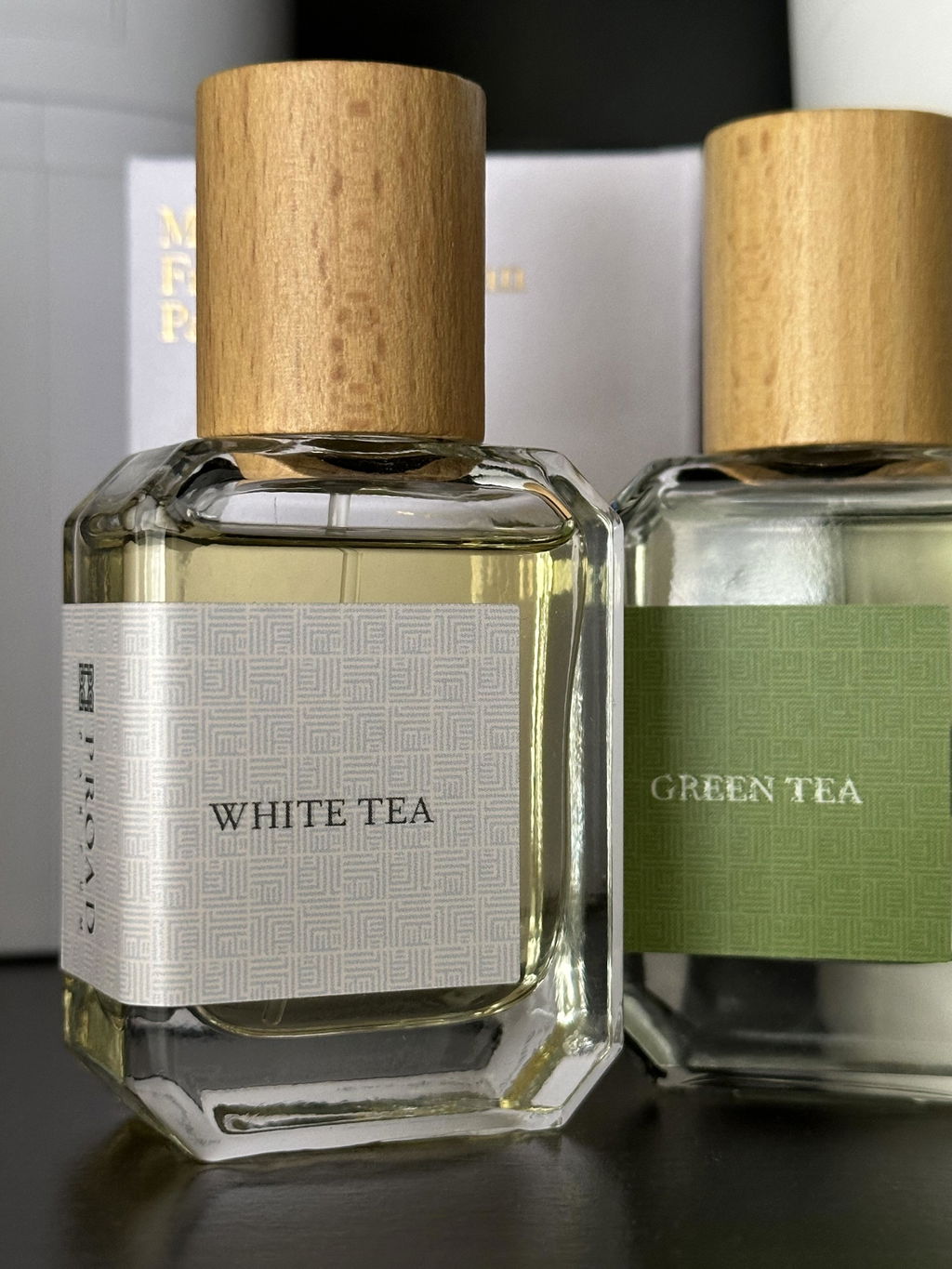
There is no need to choose a side permanently. A perfume collection is more interesting when it holds different climates, moods and aesthetics. You might wear a powdery French iris for a gallery dinner, then reach for a green tea, rice and floral composition when you want something more intimate and contemporary.
How to Test Thai and French Perfume Properly
Avoid deciding from the first spray alone. The opening can be deceptive, especially with bright citrus, tropical fruit and aromatic notes that settle quickly. Give each perfume at least an hour on skin, and return to it after several hours to understand the base. Notice not only whether you like it, but how it moves: does it become warmer, cleaner, sweeter, woodier or more transparent?
Test on separate days if possible. Comparing too many scents at once blurs the very differences you are trying to notice. A French composition may reveal its sophistication through gradual refinement, while a Thai fragrance may surprise you with a contrast that only becomes coherent once the heart notes emerge.
When buying niche fragrance online, read note lists as clues rather than promises. Coconut can mean fresh flesh, milky cream, suntan-lotion nostalgia or a dry woody effect. Jasmine can be crisp, indolic, dewy or almost tea-like. The house’s style and the perfume’s story often tell you as much as the individual notes.
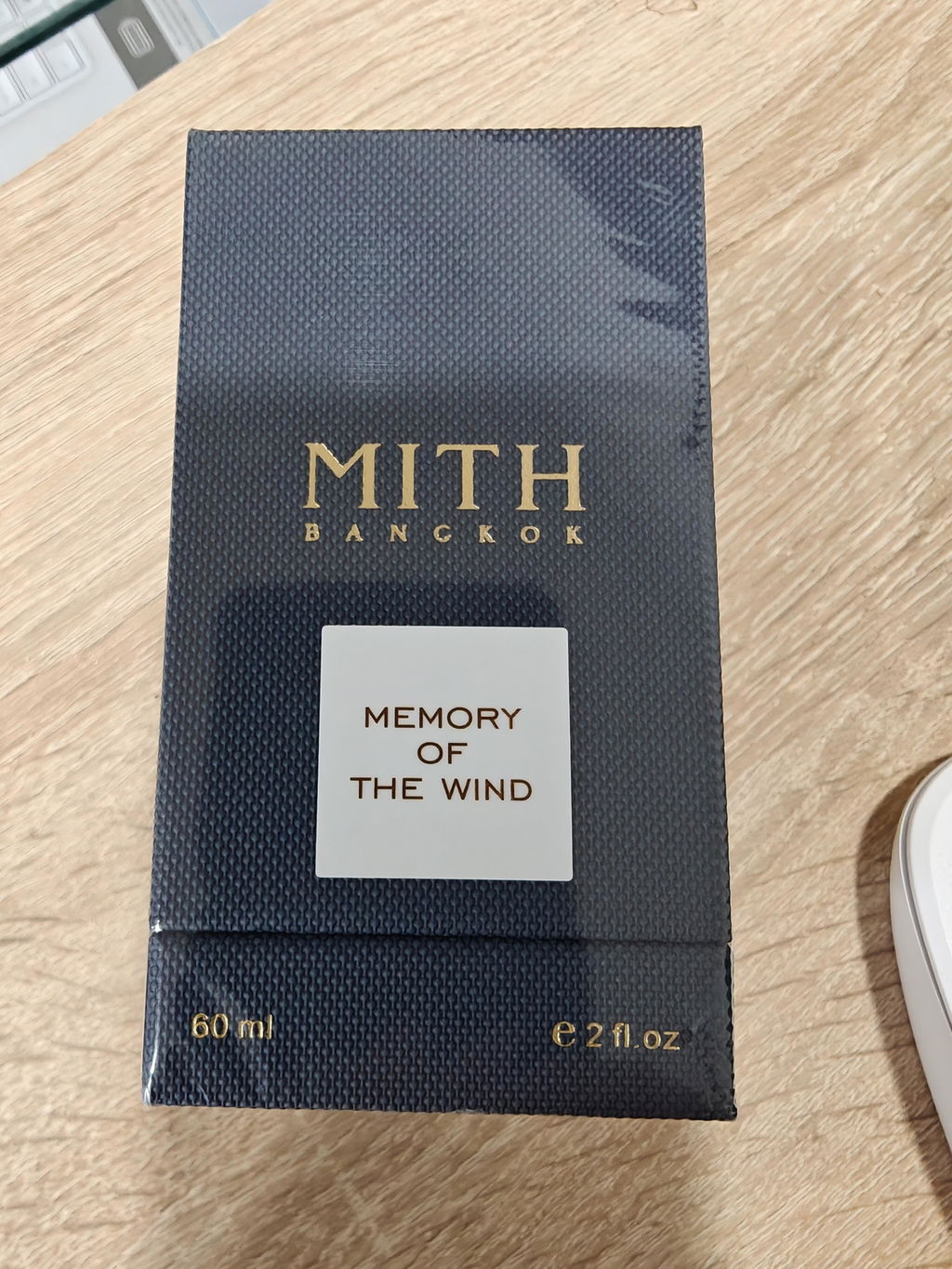
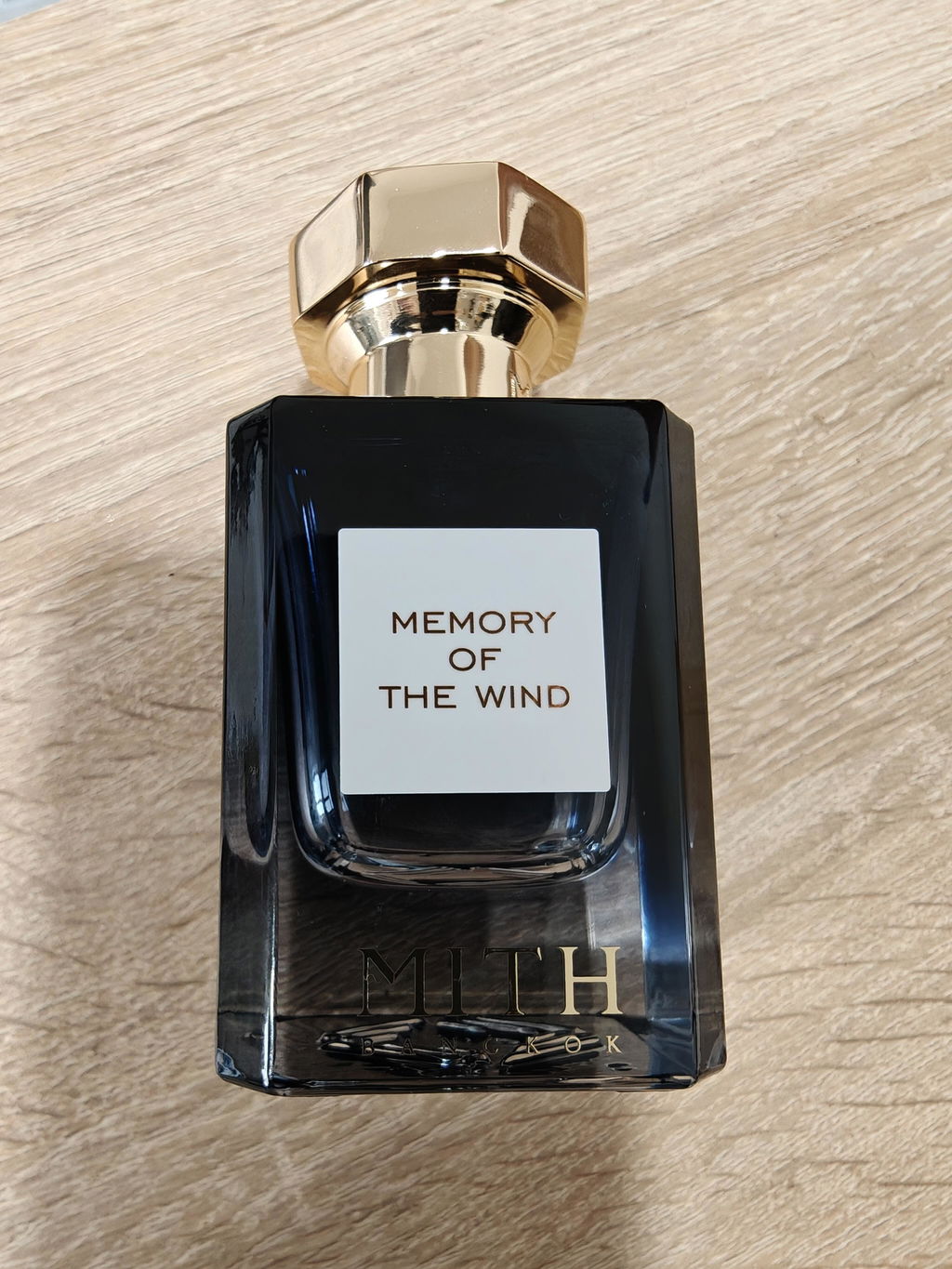
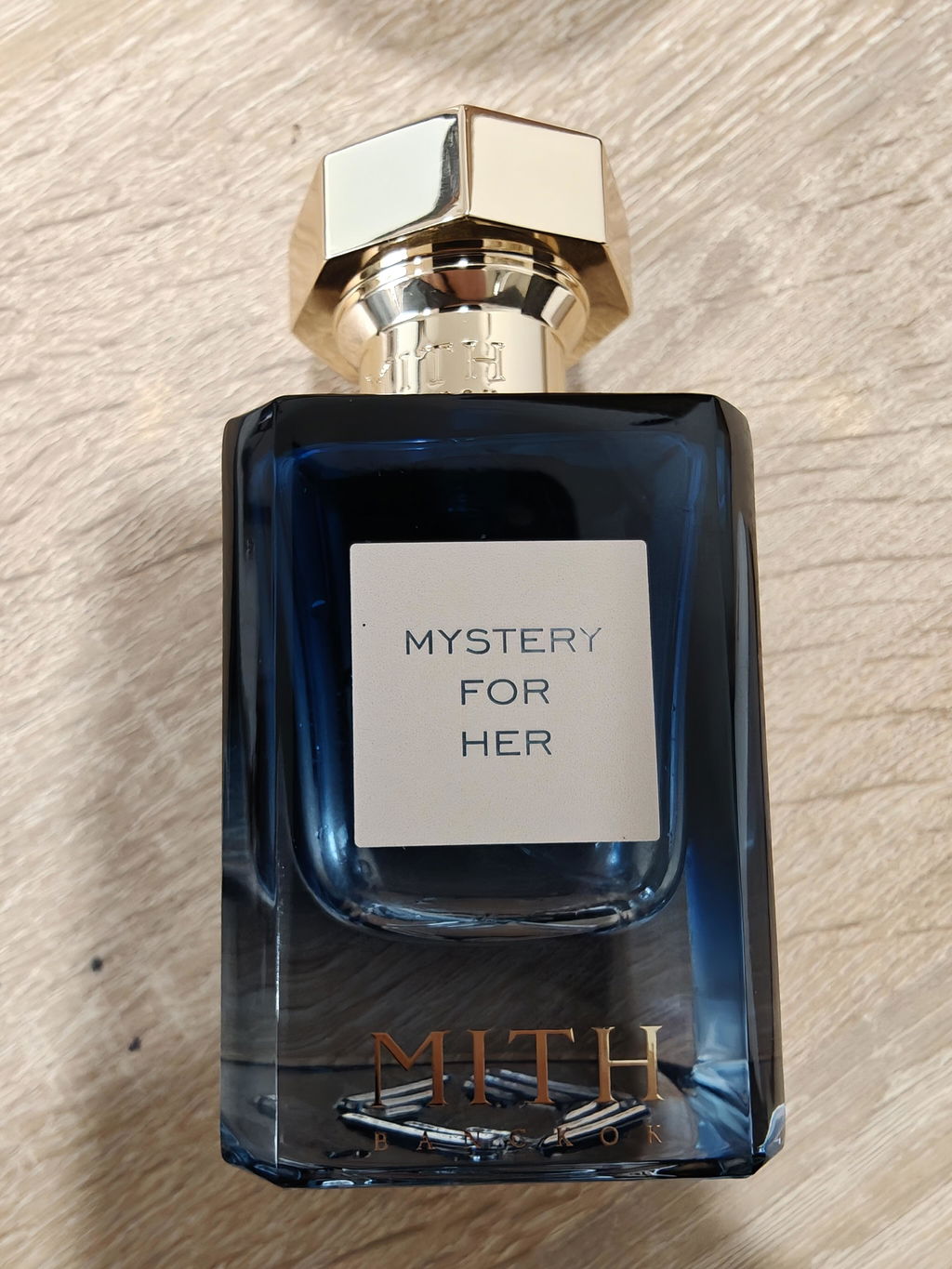
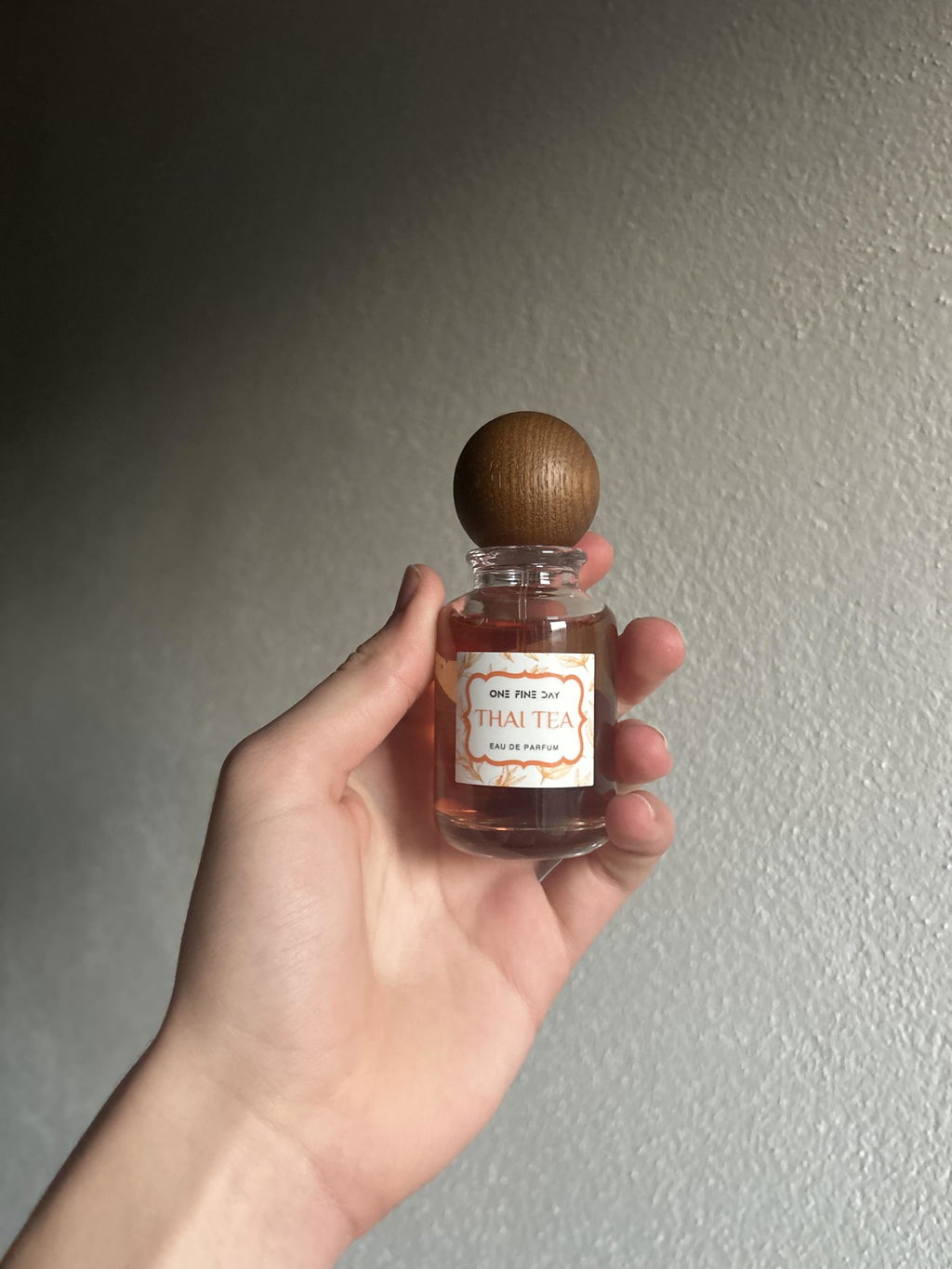
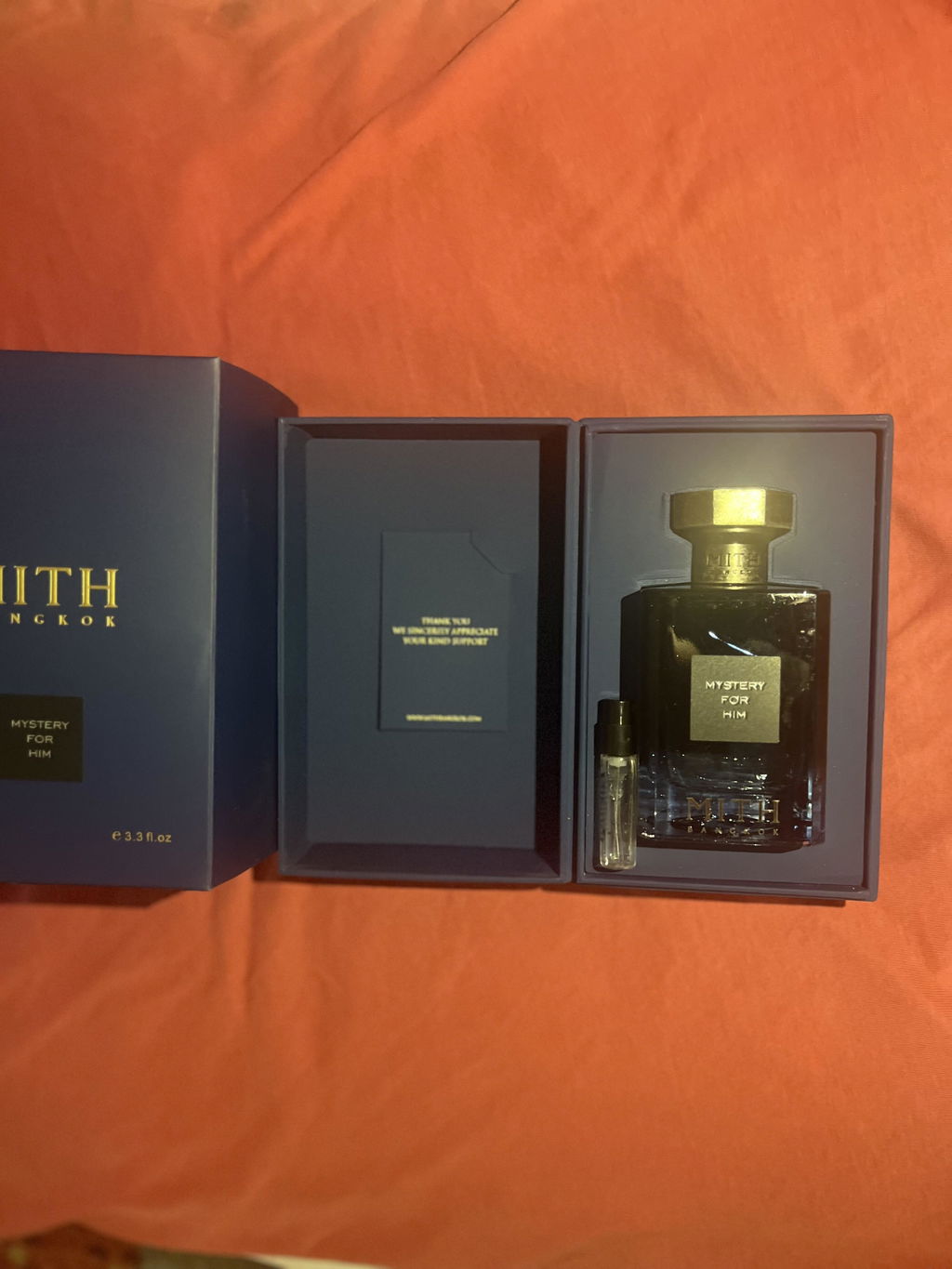
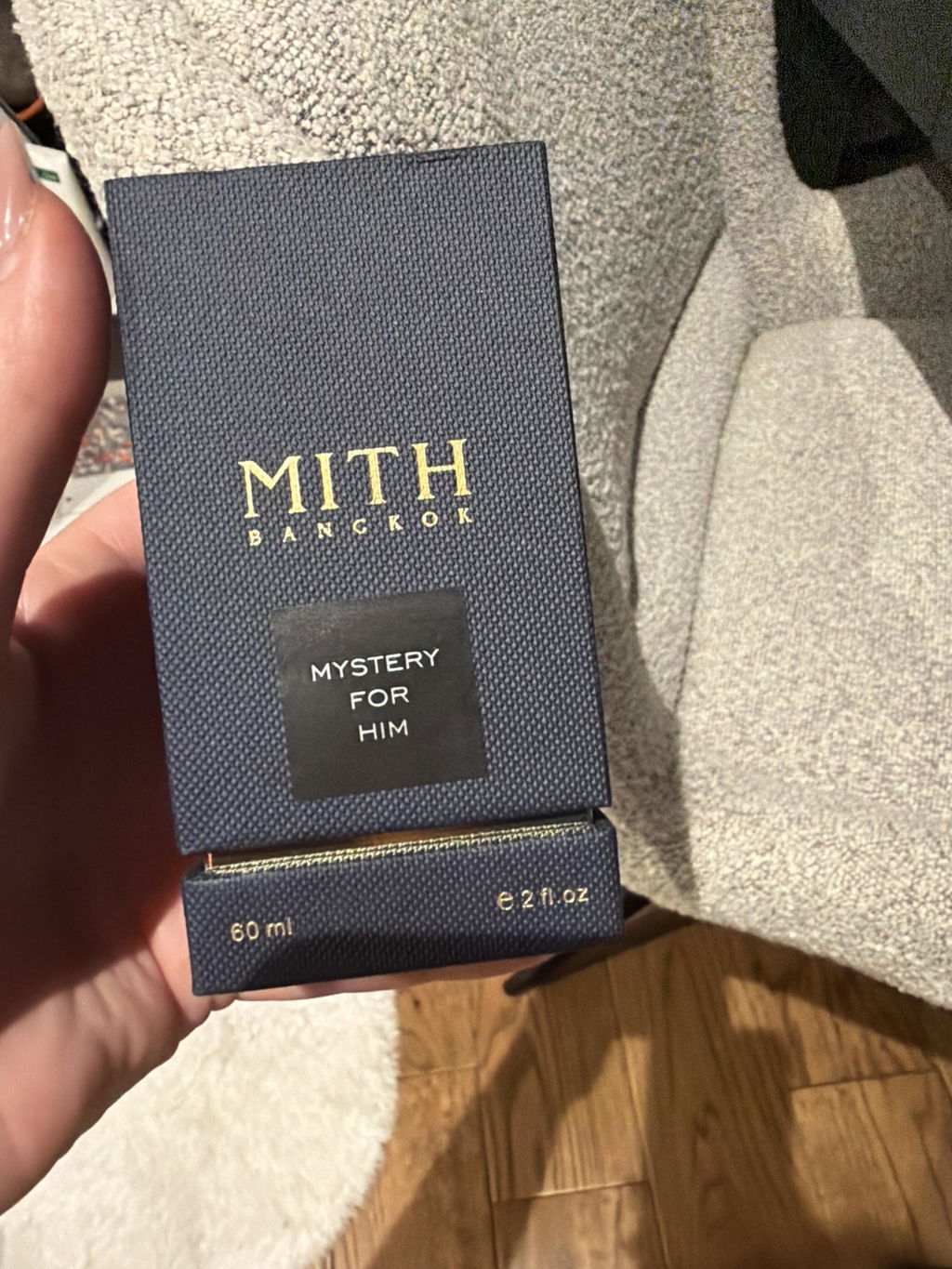
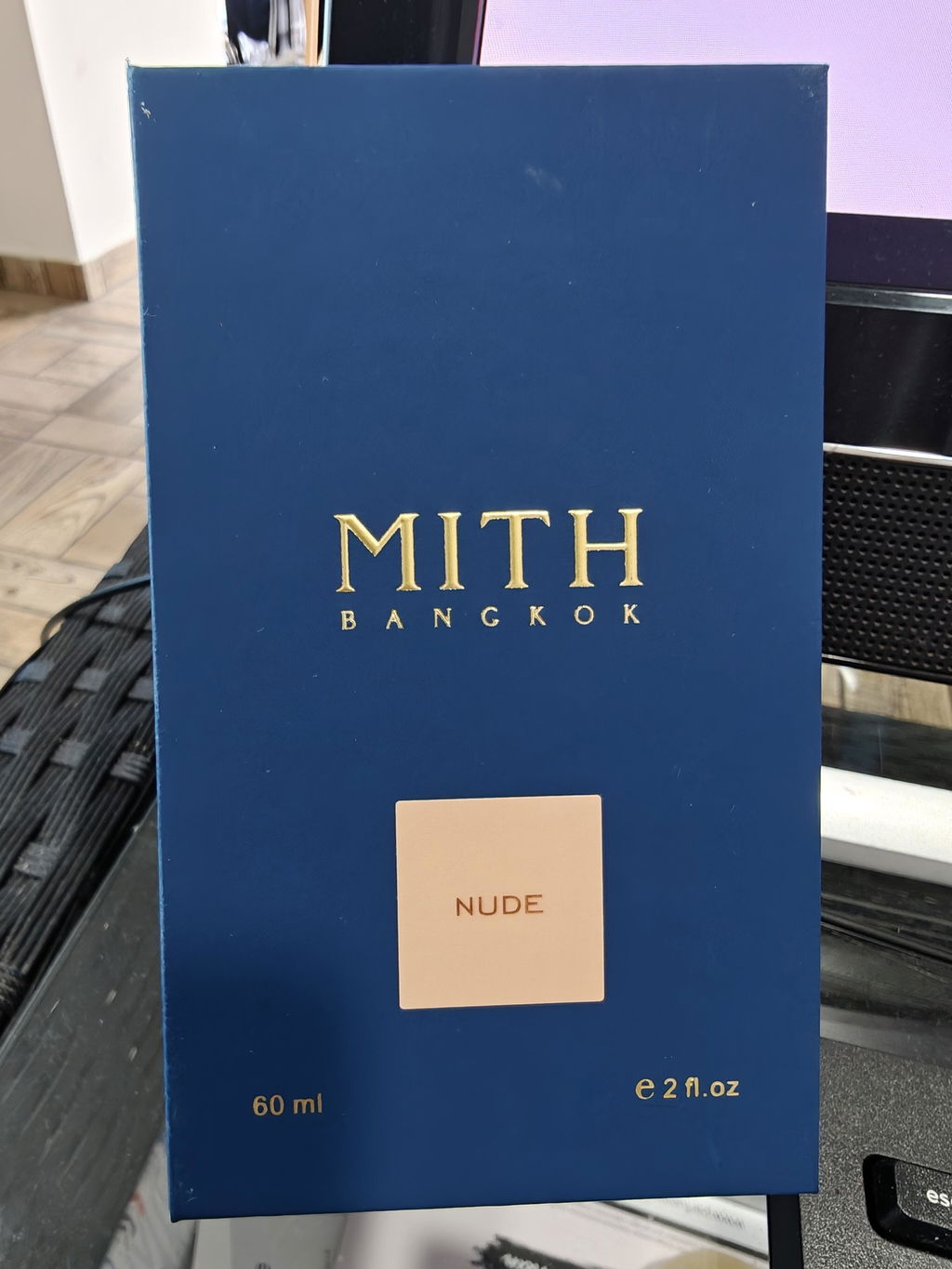
Villenel Fragrances curates contemporary Thai houses for precisely this kind of discovery: scents with a distinct artistic identity, presented for people who have moved beyond the predictable. Start with the fragrance scene that speaks to you most clearly, whether that is rain, flowers, tea, woods or skin, and let the dry-down make the final introduction.