Some fragrances enter the room before you do. Others sit closer to the skin, drawing people in. That contrast sits at the heart of oud perfumes vs gourmand - two families that can both feel indulgent, yet speak in completely different accents.
If you are choosing between them, the real question is not which is better. It is which kind of presence you want to create. Oud can read dark, polished, resinous and commanding. Gourmand often leans edible, soft, playful or enveloping. Both can be luxurious. Both can be sophisticated. But they project different ideas of self.
Oud perfumes vs gourmand: the core difference
At a glance, oud and gourmand may seem easy to separate. Oud is typically associated with woods, resins, smoke, leather and spice. Gourmand is linked with notes that suggest dessert or confectionery - vanilla, caramel, cocoa, coffee, praline, almond and cream. In practice, the line is more nuanced.
Oud is not one smell. Depending on how it is treated, it can feel medicinal, inky, dry, animalic, velvety or almost rose-like. Modern compositions often soften oud with amber, saffron, patchouli, musk or florals to make it more wearable. That means an oud fragrance can be austere and architectural, or smooth and highly polished.
Gourmand is equally varied. Some gourmand perfumes are overtly sweet and nostalgic, with a dessert-counter richness. Others are more refined, using vanilla, tonka or roasted facets to add texture rather than sugar. A coffee note can feel urban and chic. A cacao accord can turn smoky and elegant. A lactonic note can feel intimate rather than sugary.
The core distinction is emotional and structural. Oud tends to build around depth, contrast and gravitas. Gourmand tends to build around comfort, pleasure and immediacy.
What oud says on skin
There is a reason oud remains such a magnetic category in niche perfumery. It carries drama without always needing sweetness, and it can make a fragrance feel composed rather than merely pretty. On skin, oud often gives the impression of texture - lacquered wood, warm resin, polished smoke, dark fabric, old paper, saffron heat.
That does not mean every oud fragrance is heavy. Some contemporary versions are remarkably clean, even airy. Rose-oud combinations can feel elegant and tailored. Citrus-oud blends can come across brighter than expected. Still, oud usually keeps a certain seriousness. Even when softened, it rarely feels casual in the same way as a vanilla-led gourmand.
This is why oud often appeals to people who want a scent with shape and authority. It can feel evening-appropriate, culturally rich and slightly enigmatic. It also tends to suit wearers who enjoy fragrance as an aesthetic statement rather than background decoration.
There is a trade-off, of course. Oud can be divisive. What one person reads as refined and expensive, another may find too intense or too formal. If you work in very close office settings or prefer fragrances that feel instantly approachable, some oud scents may ask for a lighter hand.
Oud & Black Tea
What gourmand says on skin
Gourmand perfumes work through desire of a different kind. They suggest warmth, softness and familiarity. A well-made gourmand can feel as comforting as cashmere and as polished as a beautifully finished lipstick. The best examples avoid becoming sticky or juvenile. Instead, they use sweetness with restraint, letting spice, woods, tobacco, salt or musk create balance.
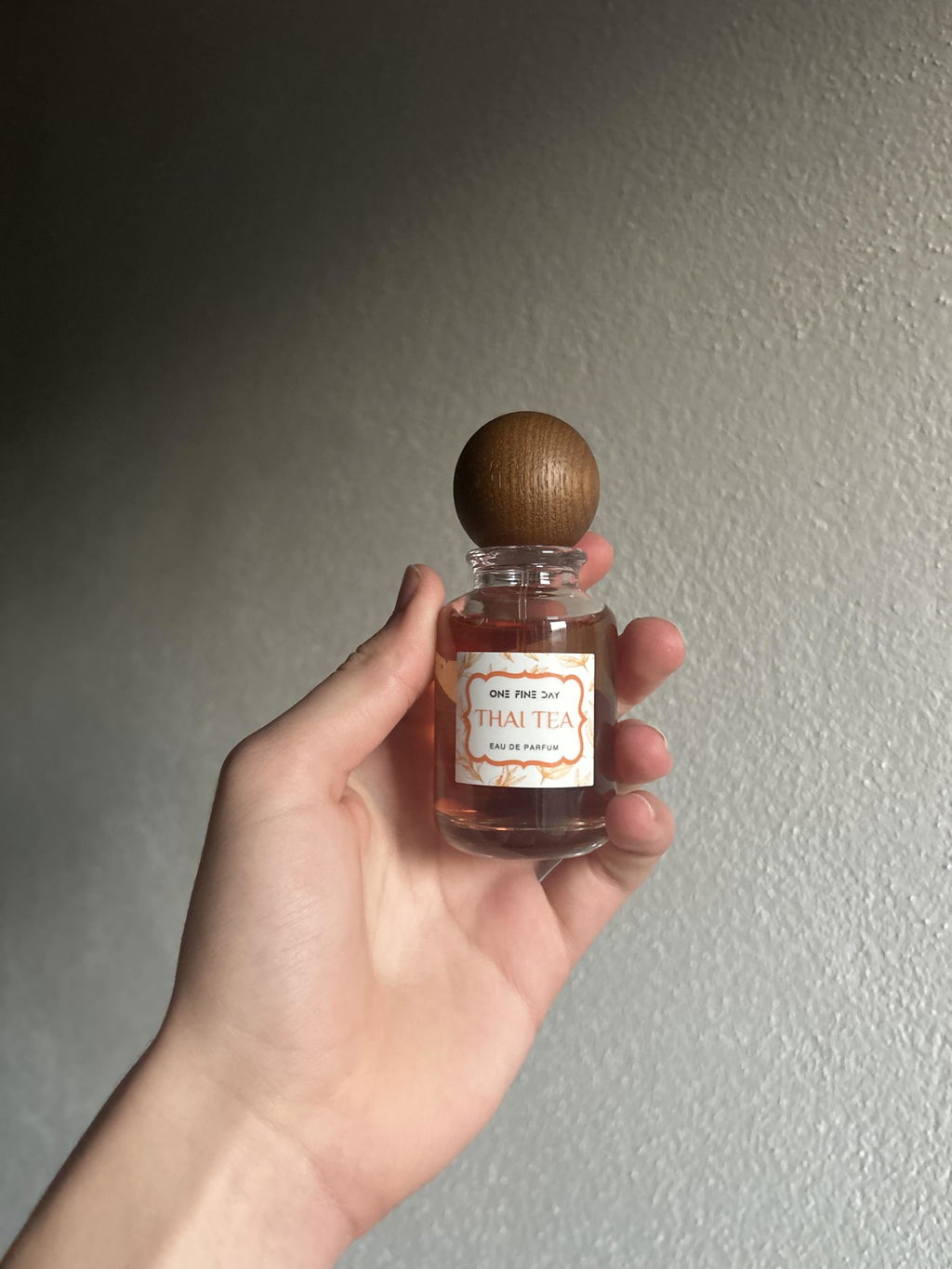
Vanilla is often the anchor, but gourmand is much broader than vanilla alone. Think toasted nuts, dark chocolate, burnt sugar, milky tea, cherry liqueur, chestnut, cinnamon or espresso. These notes can feel cosy in winter, but they can also be surprisingly sensual at night.
Gourmands are often easier to love on first spray. They feel legible. People understand them quickly because the references are familiar. That makes them excellent for gifting and for anyone building a fragrance wardrobe beyond fresh florals or standard designer woods.
The trade-off is that sweetness can become tiring if the composition lacks contrast. In warm weather, dense gourmands may feel cloying. On certain skin types, caramel or vanilla can amplify dramatically over time. If you enjoy a fragrance that stays crisp, dry or abstract, gourmand may feel too literal unless it is handled with a lighter touch.
Pistachio & Vetiver
Oud perfumes vs gourmand for different moods
This is where the choice becomes more personal than technical. Oud often suits moments when you want definition - dinners, events, gallery evenings, autumn dressing, black tailoring, rich fabrics. It pairs naturally with a more deliberate mood. Even a soft oud usually carries a sense of intention.
Gourmand is stronger in moods built around warmth and ease. It suits relaxed luxury, winter weekends, candlelit spaces, knitwear, date nights and festive settings. Yet it should not be reduced to comfort alone. A dark gourmand with coffee, rum or tobacco can feel every bit as seductive as oud, just with a softer entry point.
For some wearers, the answer is seasonal. Oud for colder months, gourmand for transitional weather and evenings in. For others, it is about identity. If you gravitate towards sharp silhouettes, rich woods and fragrances that feel composed, oud may fit more naturally. If you prefer sensuality with softness, gourmand often lands better.
Which lasts longer?
Many people assume oud always outlasts gourmand, but longevity depends on construction, concentration and skin chemistry. Oud-based fragrances often have excellent staying power because they are built on dense materials - woods, resins, amber and musk. They can also project more noticeably in the early hours.
Gourmand perfumes can last just as well, especially when anchored by vanilla, tonka, benzoin, patchouli or amber. A strong vanilla-amber base can cling to scarves and knitwear for days. What differs is the sensation of wear. Oud may feel more linear in its presence, while gourmand often shifts from an expressive opening into a softer, creamy dry-down.
If performance matters to you, sampling is more useful than relying on category alone. A translucent oud may wear closer than a powerhouse gourmand. The label tells part of the story, not the whole thing.
How to choose between oud and gourmand
The best way to choose is to think about what you want your fragrance to do for your wardrobe. If you want contrast, atmosphere and a more sculpted profile, start with oud. Look for compositions paired with rose, saffron, amber or soft musk if you want something modern rather than confrontational.
If you want comfort, sensuality and immediate appeal, start with gourmand. Choose styles balanced by spice, woods or smoke if you are wary of overt sweetness. A gourmand with coffee, incense or dry vanilla can feel far more refined than the category stereotype suggests.
It also helps to consider your tolerance for sweetness and density. Some people love rich scent trails but dislike sugary notes. They often do well with oud. Others want warmth but find smoky or leathery accords too stern. They tend to prefer gourmand. Neither preference is more advanced. It is simply a matter of taste.
For collectors, the real answer is not oud or gourmand. It is oud and gourmand, each worn when the mood is right. A rounded fragrance wardrobe benefits from both registers: one for depth and intrigue, one for comfort and seduction.
When oud and gourmand meet
Some of the most interesting modern perfumes blur the line entirely. Oud with praline, rose and vanilla can feel plush rather than austere. Gourmand compositions touched by incense, woods or resin can acquire a darker, more architectural shape. This middle ground is especially appealing if pure oud feels too severe and pure gourmand too sweet.
Niche perfumery has been particularly strong here, using familiar gourmand cues but refining them with texture and contrast. That is often where fragrance becomes more memorable - not by choosing the obvious interpretation, but by allowing sweetness and shadow to coexist.
If you are shopping with a more curated retailer such as Villenel Fragrances, this is usually the advantage. You are more likely to encounter scents that do not flatten themselves into clichés. An oud may be silkier than expected. A gourmand may have enough structure to feel elegant rather than edible.
A final way to think about it
Choose oud when you want your fragrance to leave an outline. Choose gourmand when you want it to leave a glow. And if you find yourself drawn to both, trust that instinct - the most interesting perfume wardrobes are rarely built around one mood alone.
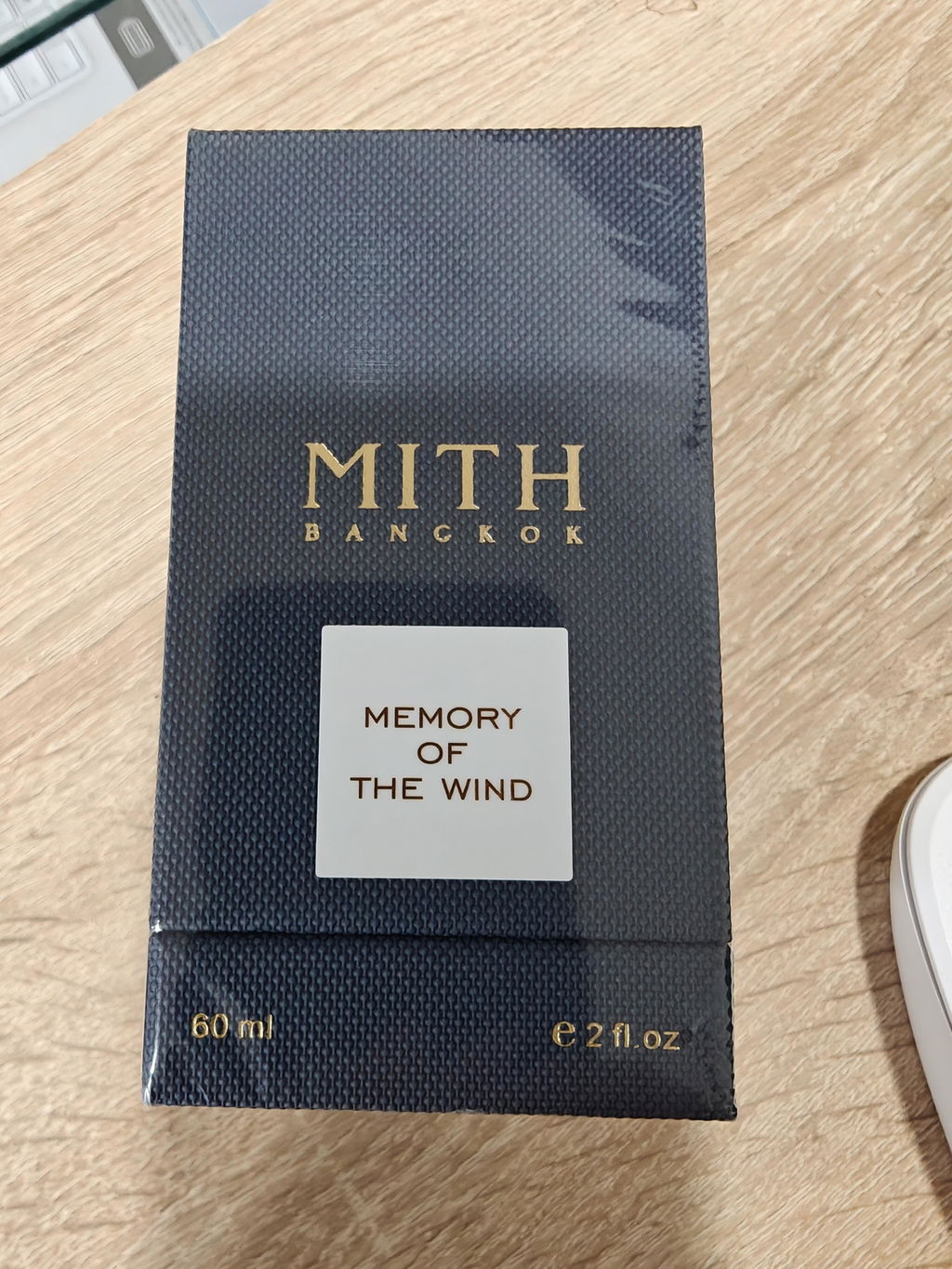
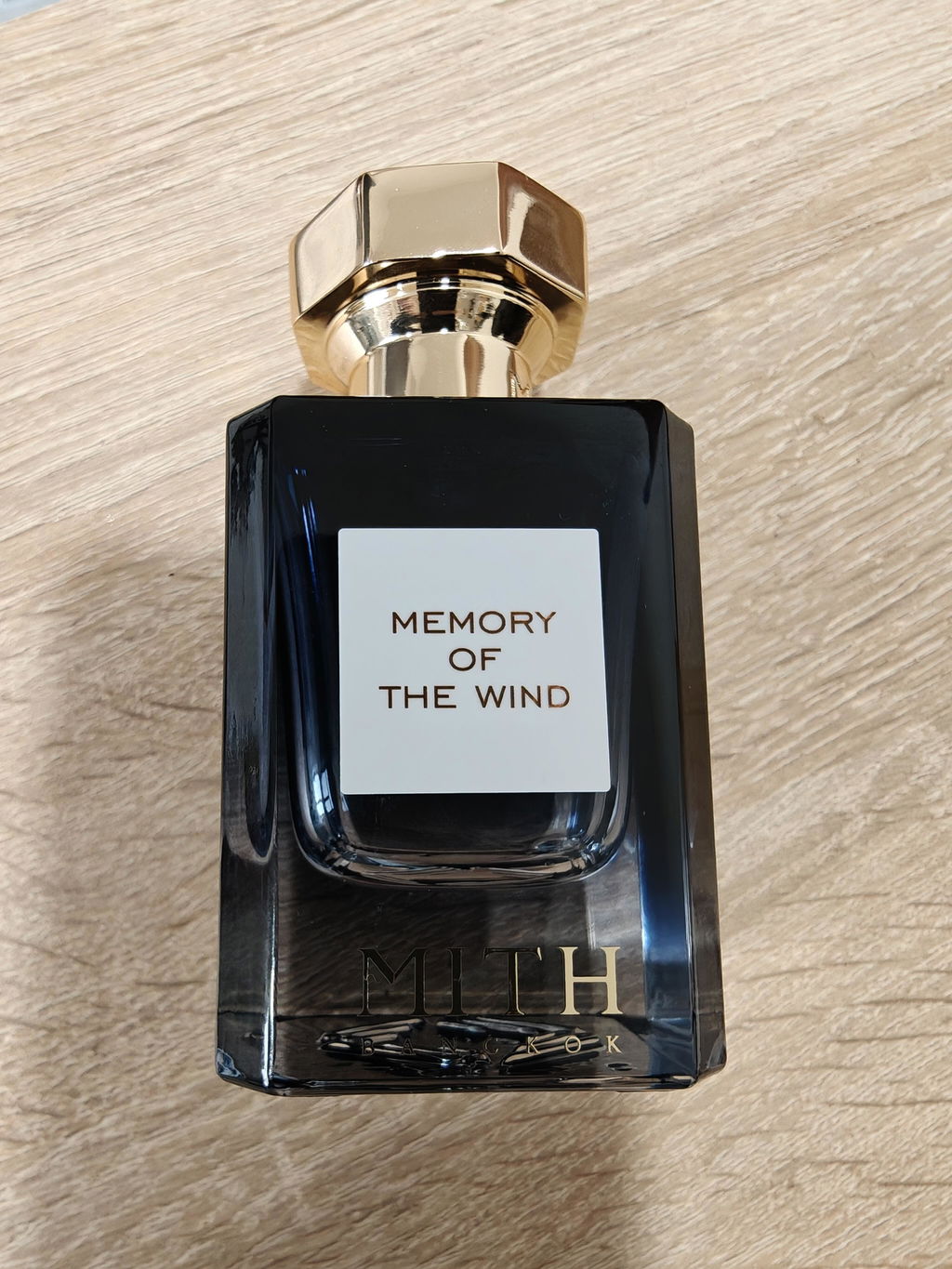
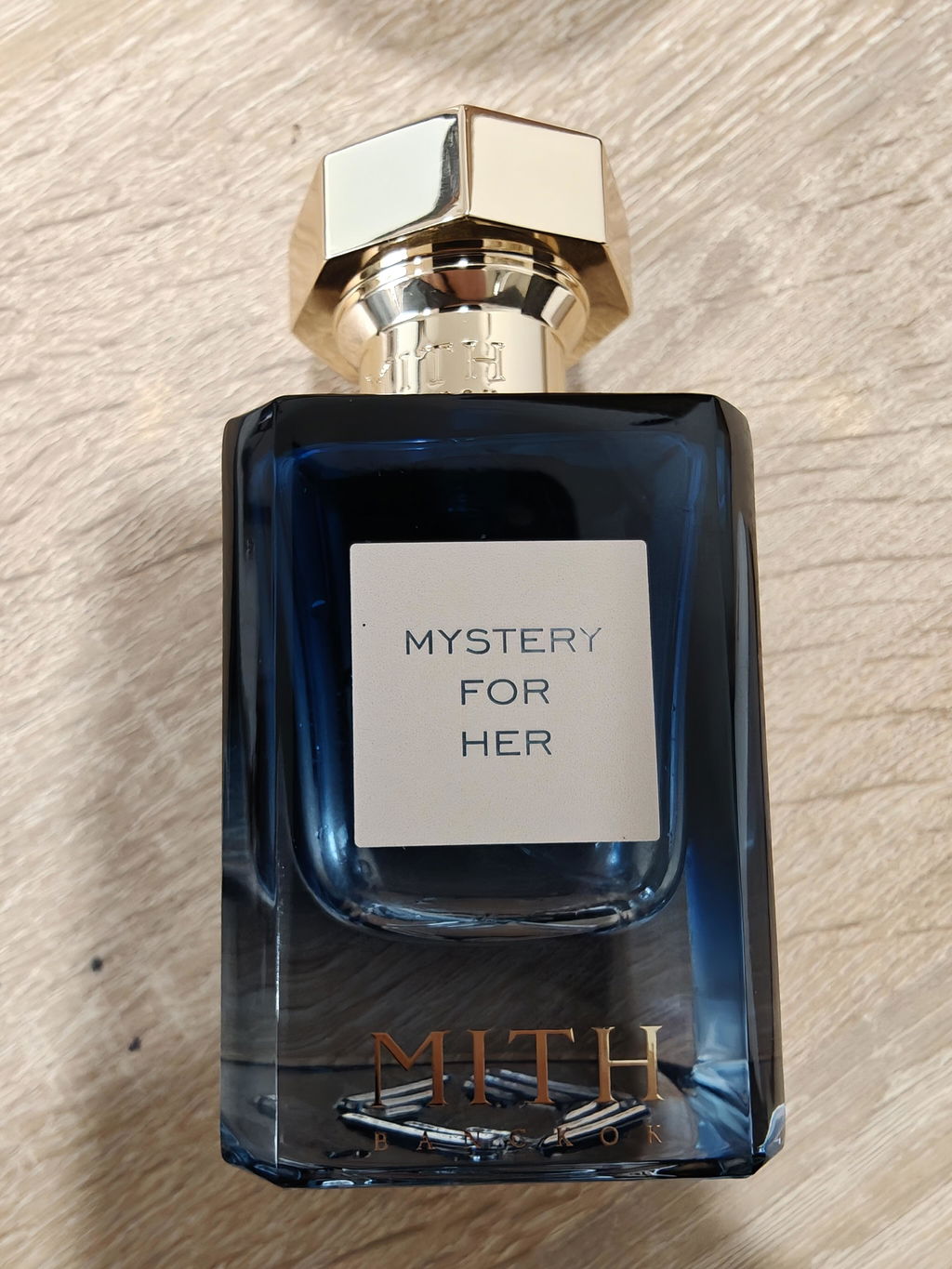
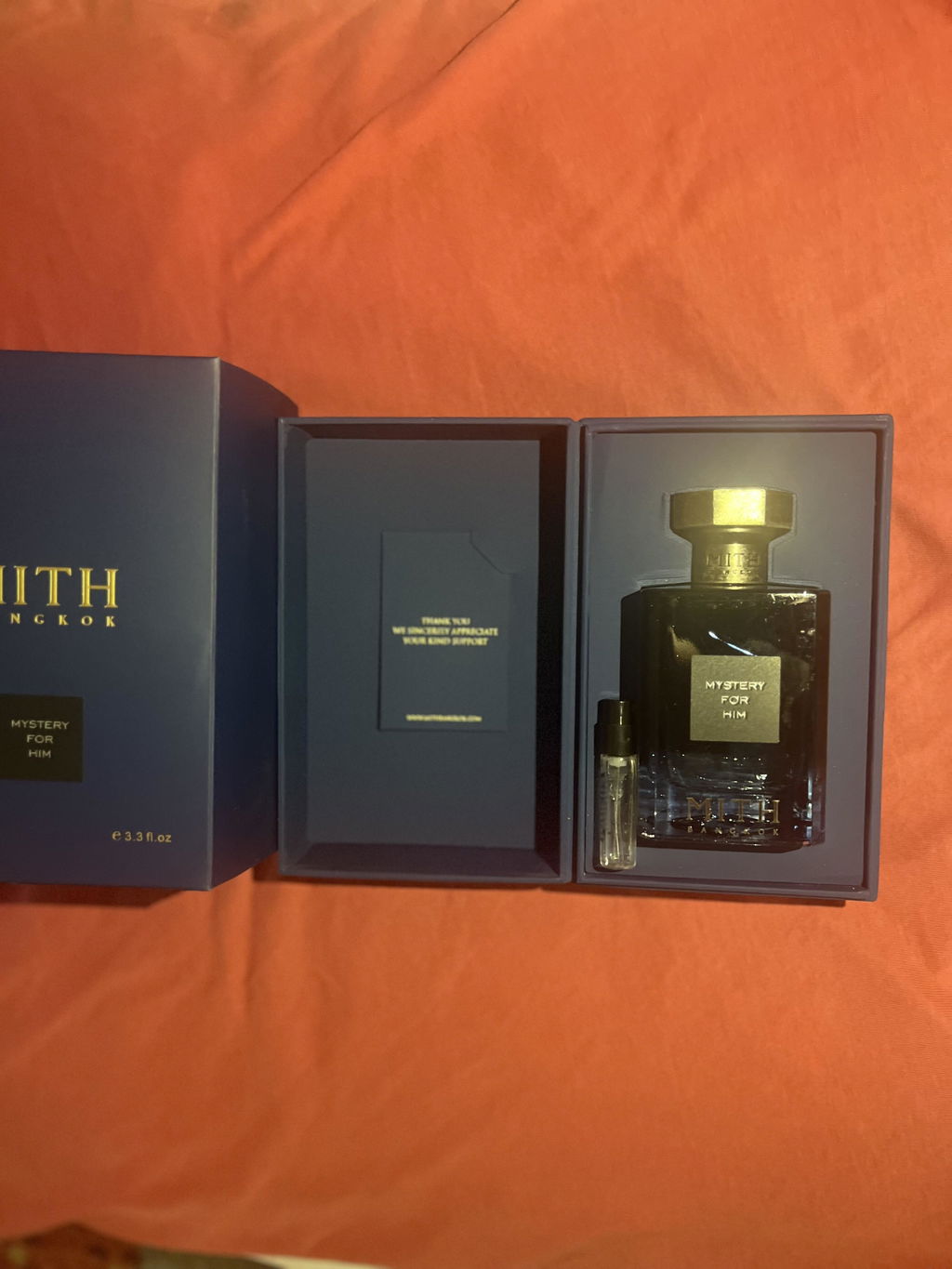
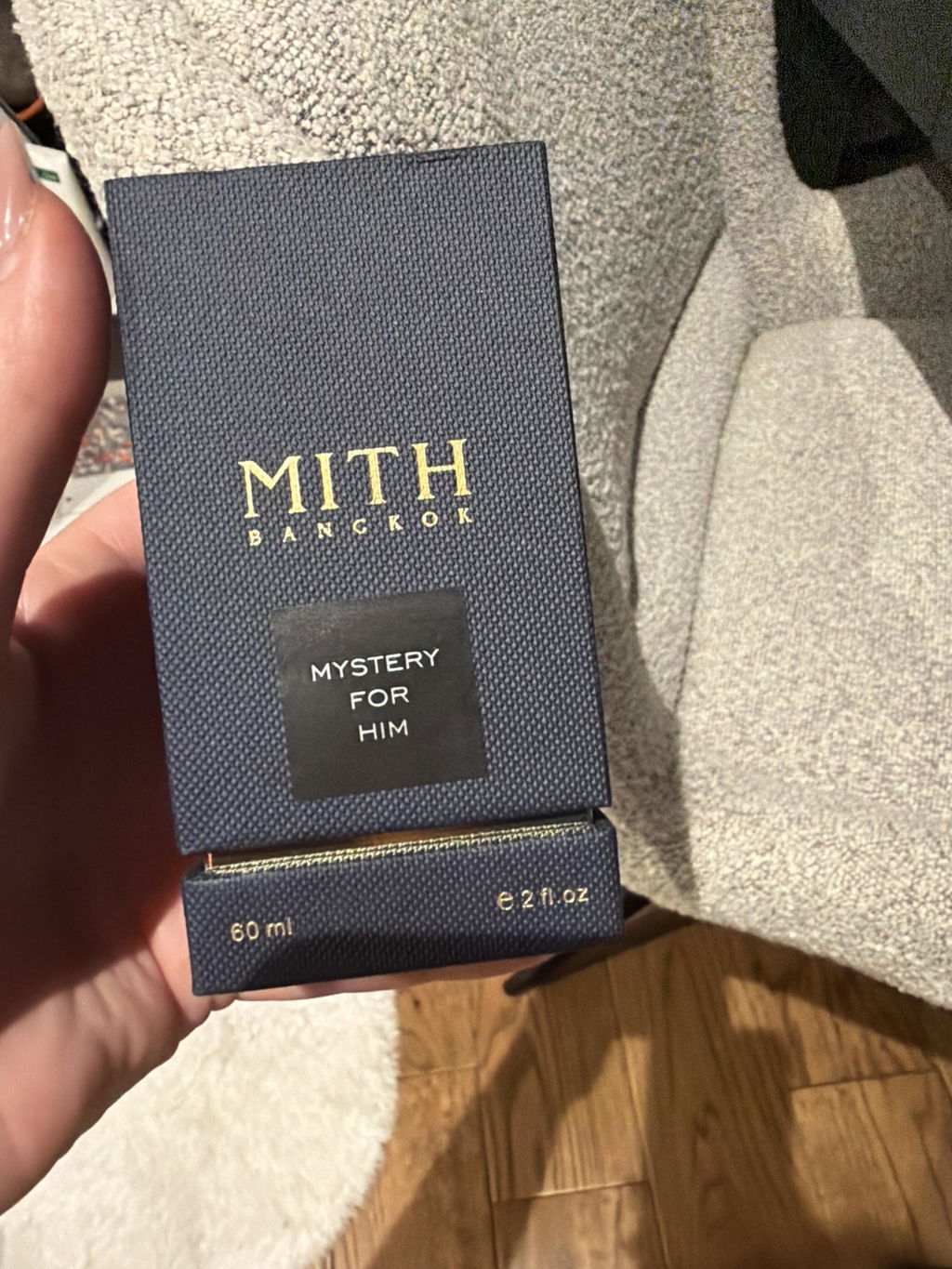
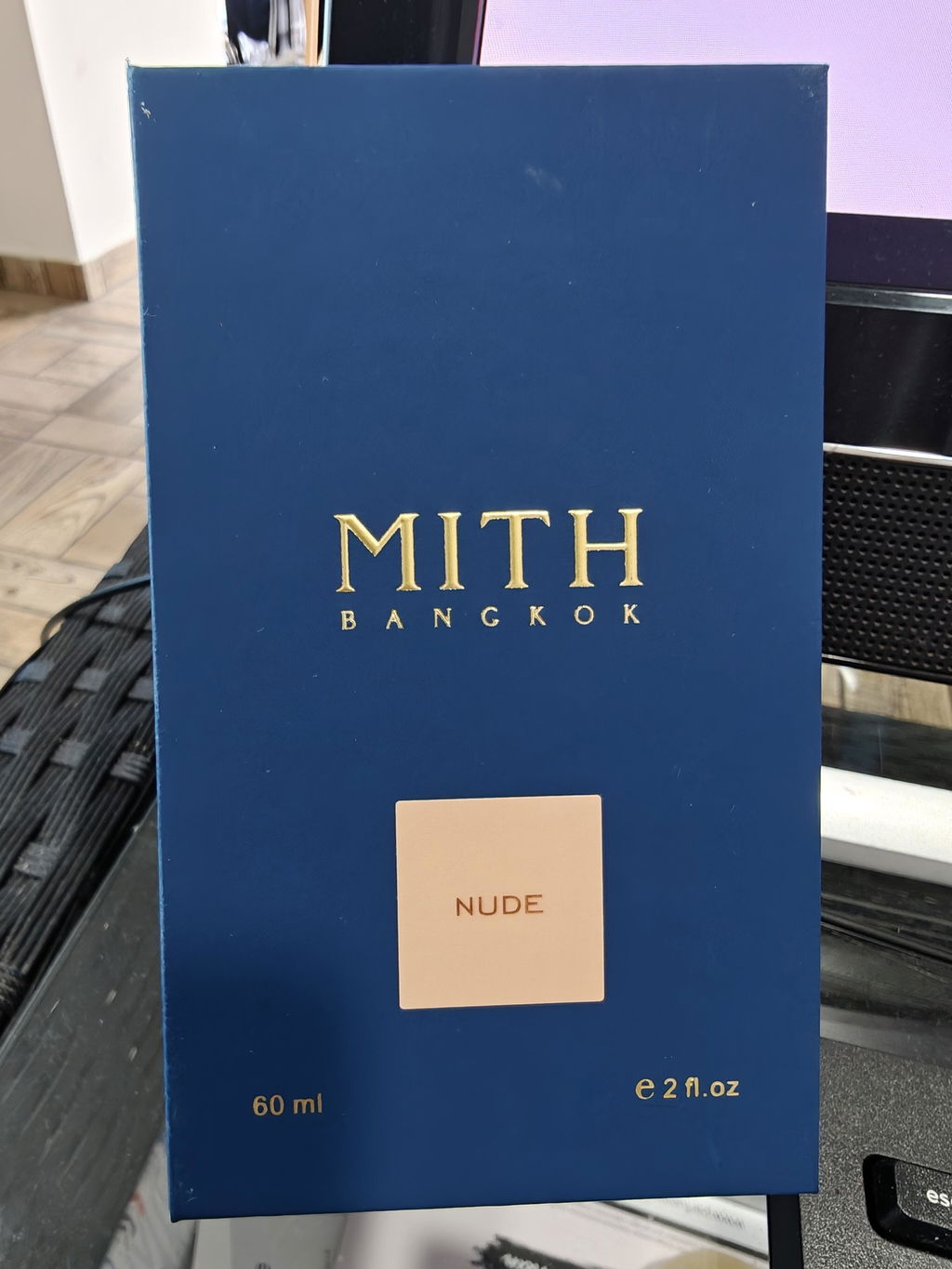
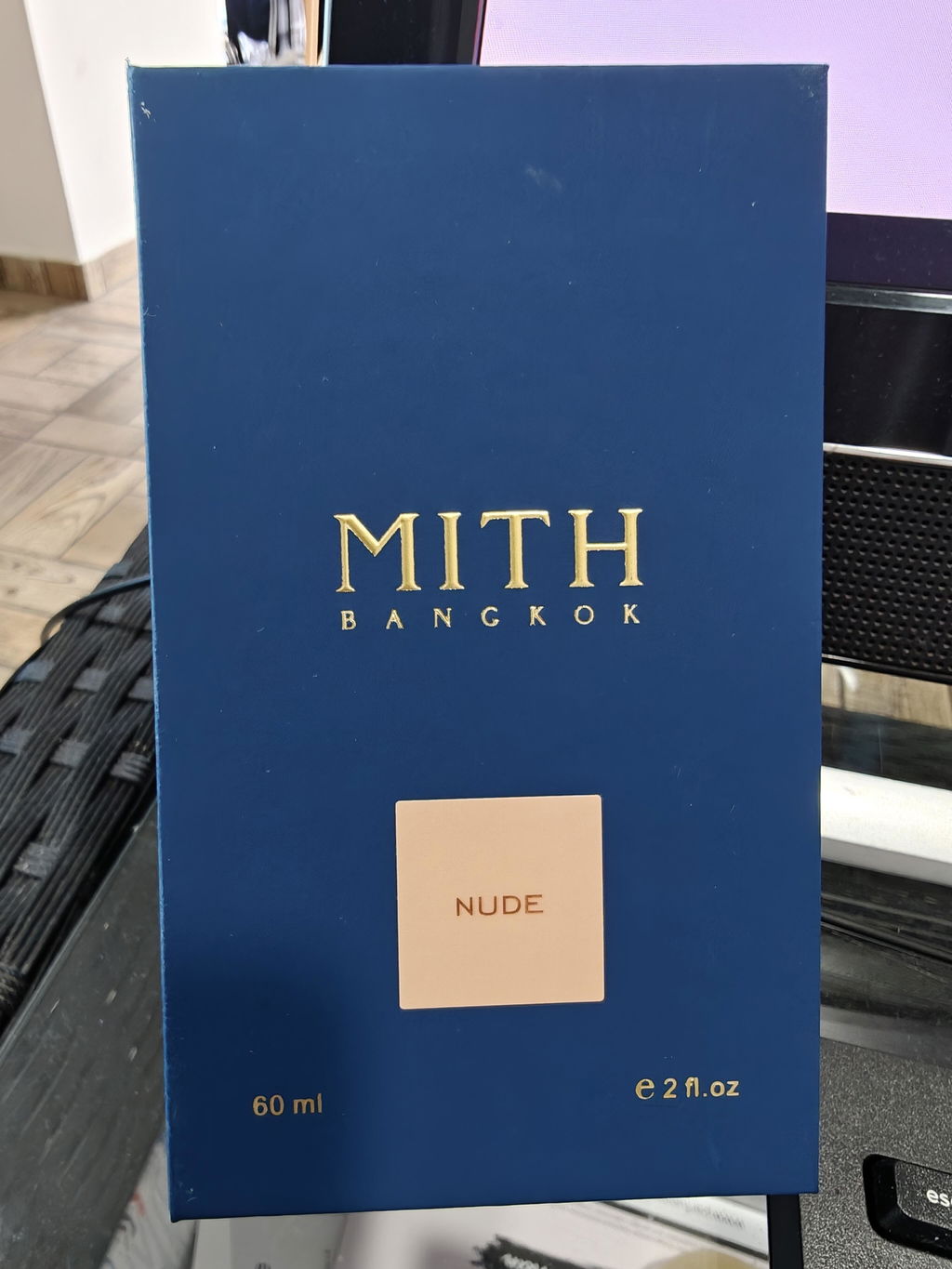
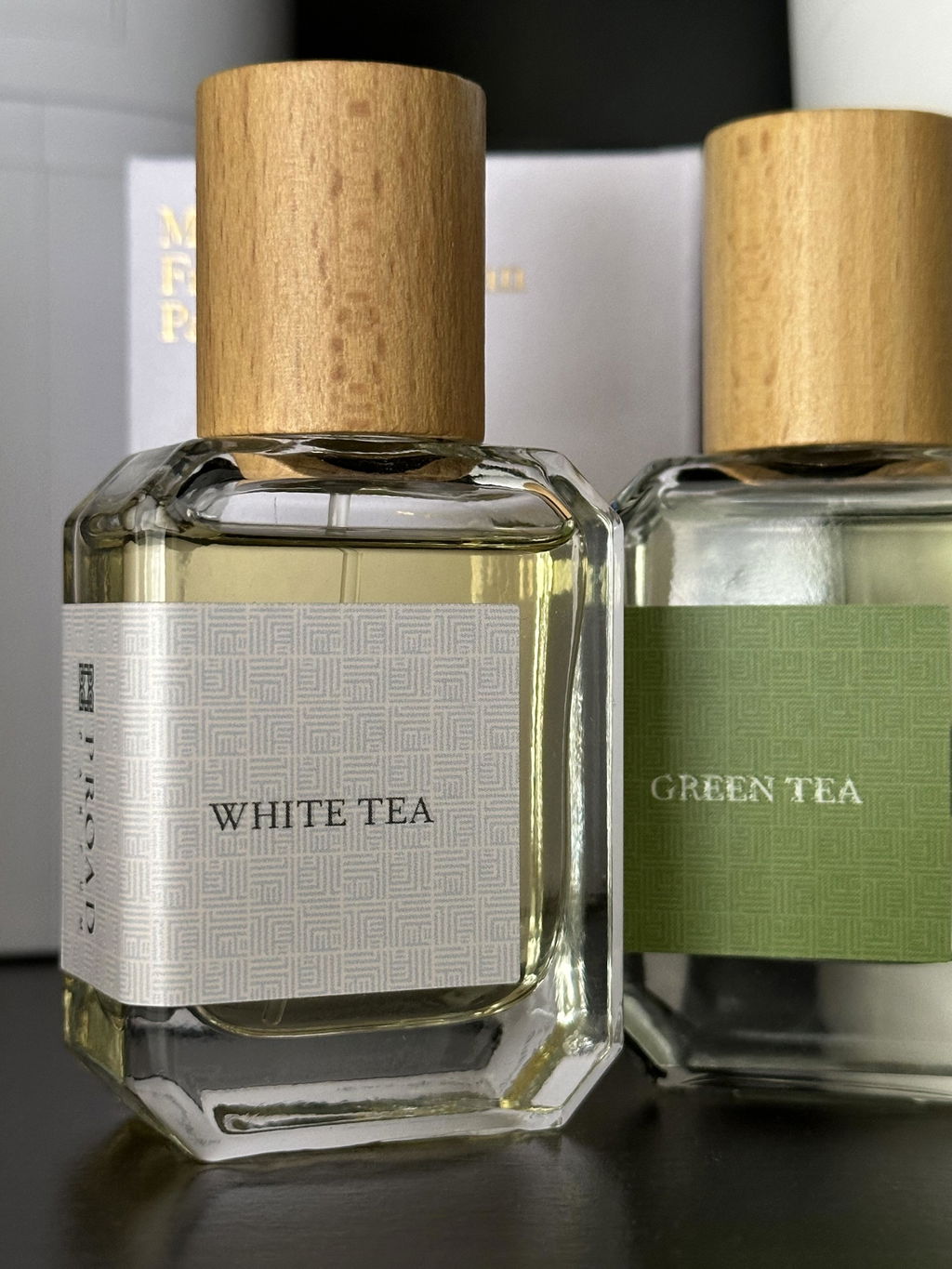
MITH Collection