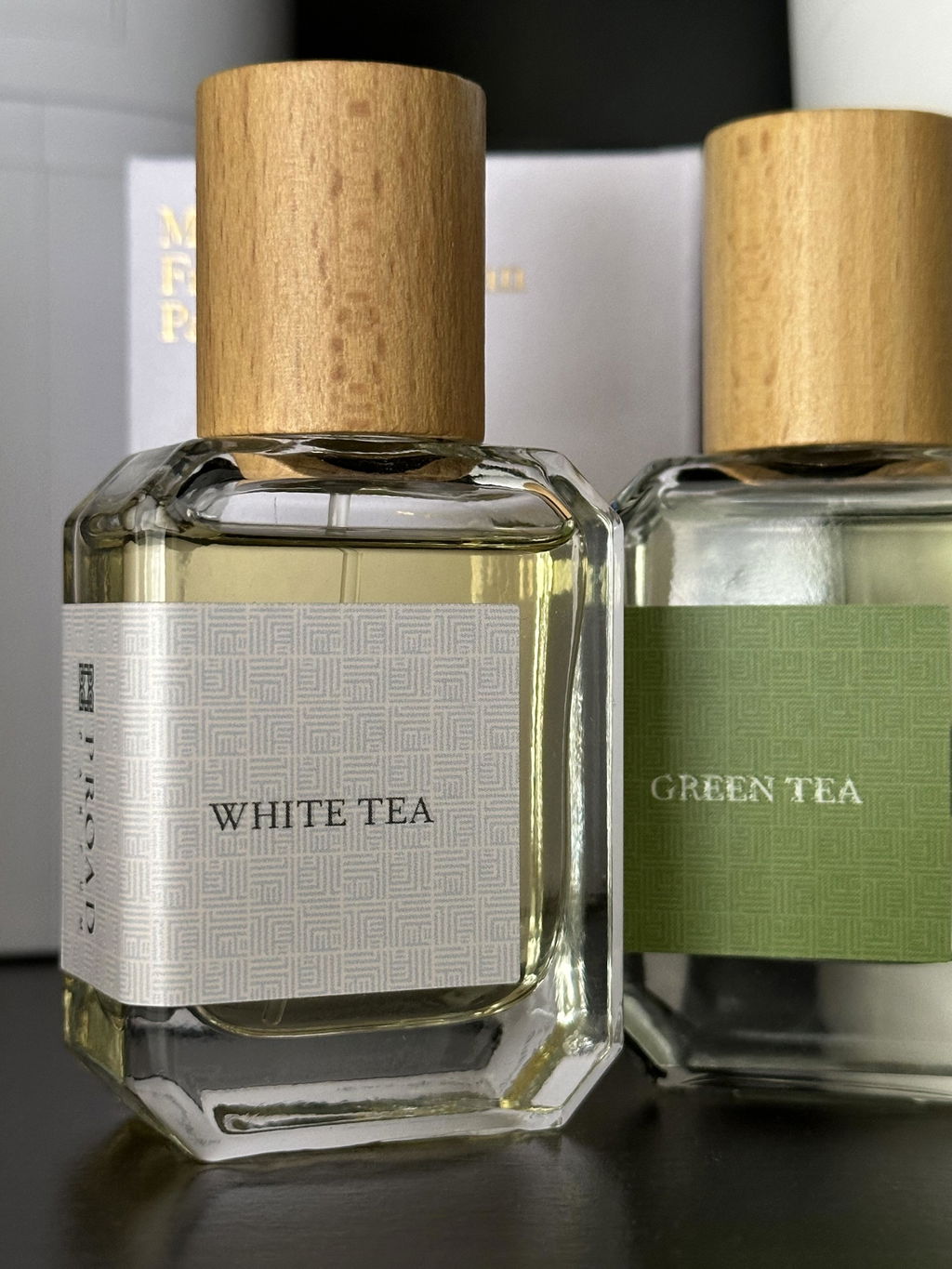
A great perfume does not need to shout to feel new. Often, it only needs a different point of view - one that has not been flattened by department store trends, seasonal flankers, or the familiar architecture of mainstream launches. That is precisely why modern Thai fragrance houses have become so compelling to niche fragrance lovers who want something more characterful on the skin.
What makes them stand out is not novelty for novelty’s sake. The most interesting Thai brands are balancing atmosphere, wearability and artistic clarity in a way that feels strikingly current. They understand visual culture, contemporary luxury and the emotional pull of scent, but they are not trapped by the conventions that shape larger Western perfume markets. The result is a category that feels fresh without being eccentric for show.
What sets modern Thai fragrance houses apart
There is no single Thai perfume style, and that is part of the appeal. Some houses lean into polished woods, musks and florals with a clean modern finish. Others favour richer, more dramatic compositions built around incense, leather, spice or gourmand tension. Across the category, though, there is often a strong sense of edit. These are fragrances with a point of view.
That clarity matters. In a crowded niche market, many brands can produce beautiful bottles and cinematic campaigns, yet still smell strangely interchangeable. Modern Thai fragrance houses tend to feel more intentional than that. Their launches often carry a tighter narrative and a more recognisable mood, whether the inspiration is urban nightlife, private memory, contemporary romance or a sharply drawn aesthetic concept.
There is also a confidence in how these brands approach beauty. They are not trying to imitate Parisian heritage, and they do not need to. Instead, they often present fragrance as part of a broader design language - visual, tactile and emotionally styled. For consumers who buy perfume as an extension of taste, not simply grooming, that makes a difference.
A different kind of fragrance storytelling
Storytelling in perfumery can easily become overwrought. Every brand claims emotion, artistry and craftsmanship. The stronger Thai houses avoid that trap by keeping the story close to the scent. Their concepts often feel vivid rather than abstract, which gives the perfumes a more immediate identity.
This can show up in the way notes are framed. A floral is not merely pretty, but polished to feel cool, urban or intimate. A gourmand may be less about dessert and more about texture, contrast or mood. Even when the note pyramid looks familiar, the treatment often feels more image-led and contemporary.
That is especially attractive for fragrance-conscious shoppers who are tired of perfumes that smell technically competent but emotionally blank. A distinctive scent does not need to be challenging. It needs to leave an impression. Many modern Thai releases understand that balance unusually well.
Craft, style and wearability
One reason these brands travel well beyond their home market is that they are often highly wearable. This may sound like faint praise, but in niche perfumery it is a real advantage. A fragrance can be original and still fit naturally into everyday life.
The best Thai houses tend to handle this trade-off with sophistication. They know how to create presence without turning every composition into an endurance test. Projection, sweetness, smoke and spice are generally used with control. For the wearer, that means a perfume can feel expressive without becoming difficult at close quarters, in the office or over the course of a long evening.
Of course, it depends on the house and on the collection. Some lines are deliberately bold and styled for impact, while others are more transparent and refined. That variation is healthy. It shows a market maturing beyond one-note exoticism and moving into a broader, more modern fragrance vocabulary.
Why they resonate with European niche perfume buyers
For many buyers in Europe, access has long been part of the problem. Plenty of fragrance enthusiasts want something outside the usual rotation of French, Italian and Middle Eastern names, yet they also want reassurance around authenticity, curation and ease of purchase. Thai niche perfumery answers the first part beautifully, but until recently the second part was less straightforward.
What has changed is not just availability, but appetite. Today’s fragrance audience is more visually literate, more brand-aware and more open to discovering houses with strong identities, even if they are not household names. A scent no longer has to come from an old heritage address to feel desirable. In many cases, the opposite is true. Collectors and style-led shoppers are actively seeking newer houses that still feel selective.
This is where modern Thai fragrance houses have found a natural audience. They offer distinction without the tired signals of prestige. For a gift buyer, that means something memorable. For a collector, it offers a new chapter to explore. For someone simply bored of the same crowded bestseller lists, it can feel like a reset.
The houses worth watching closely
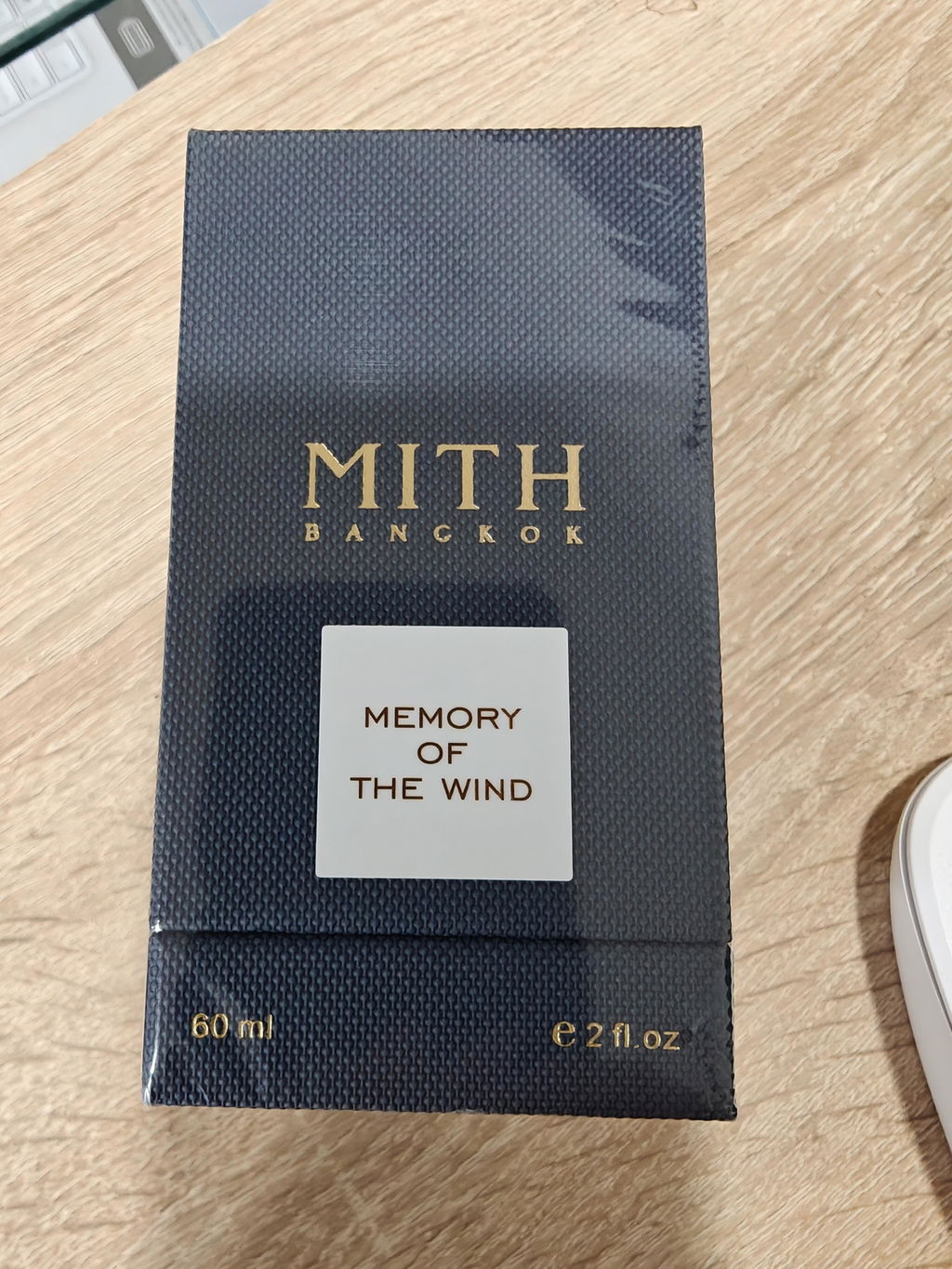
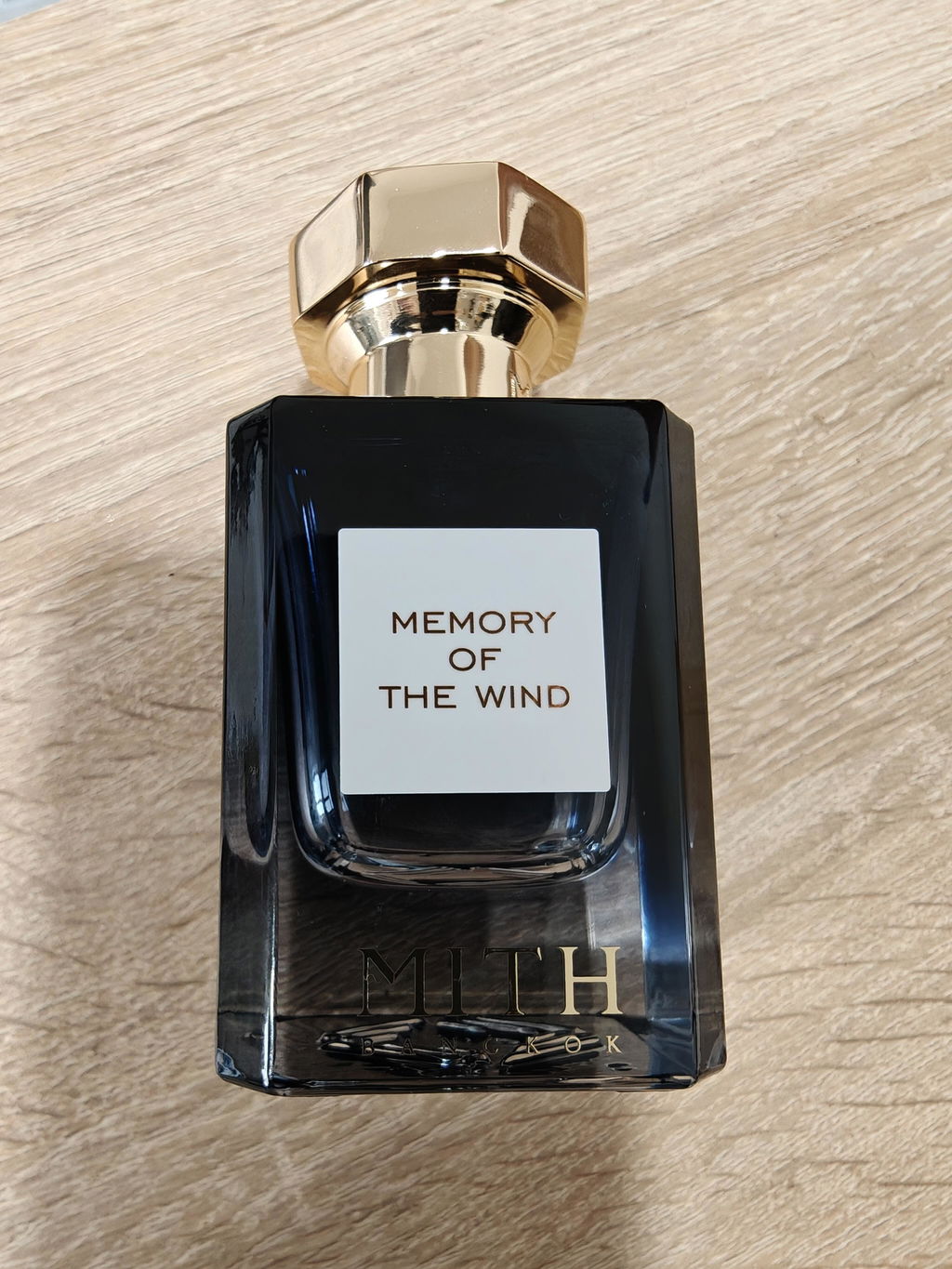
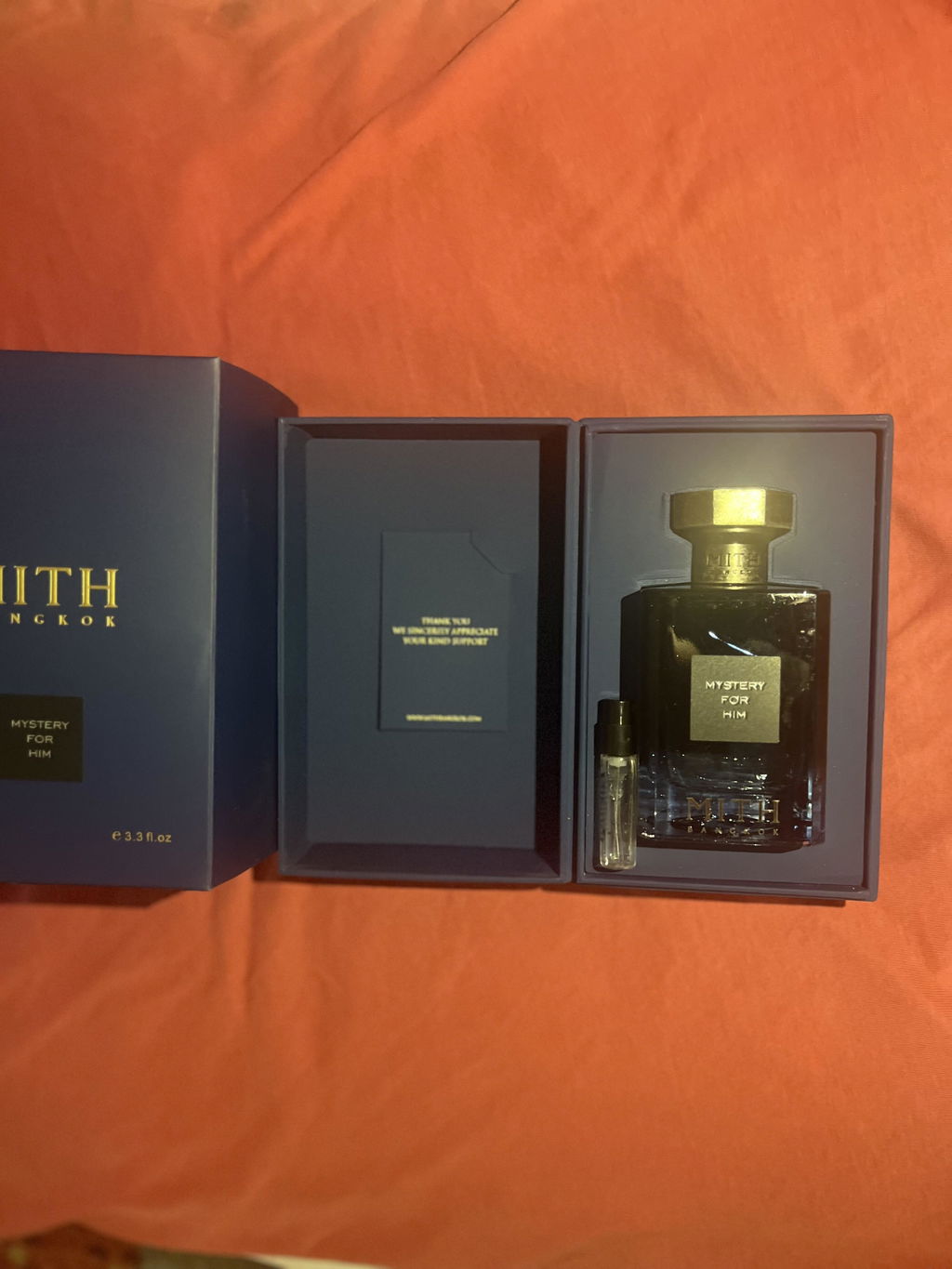
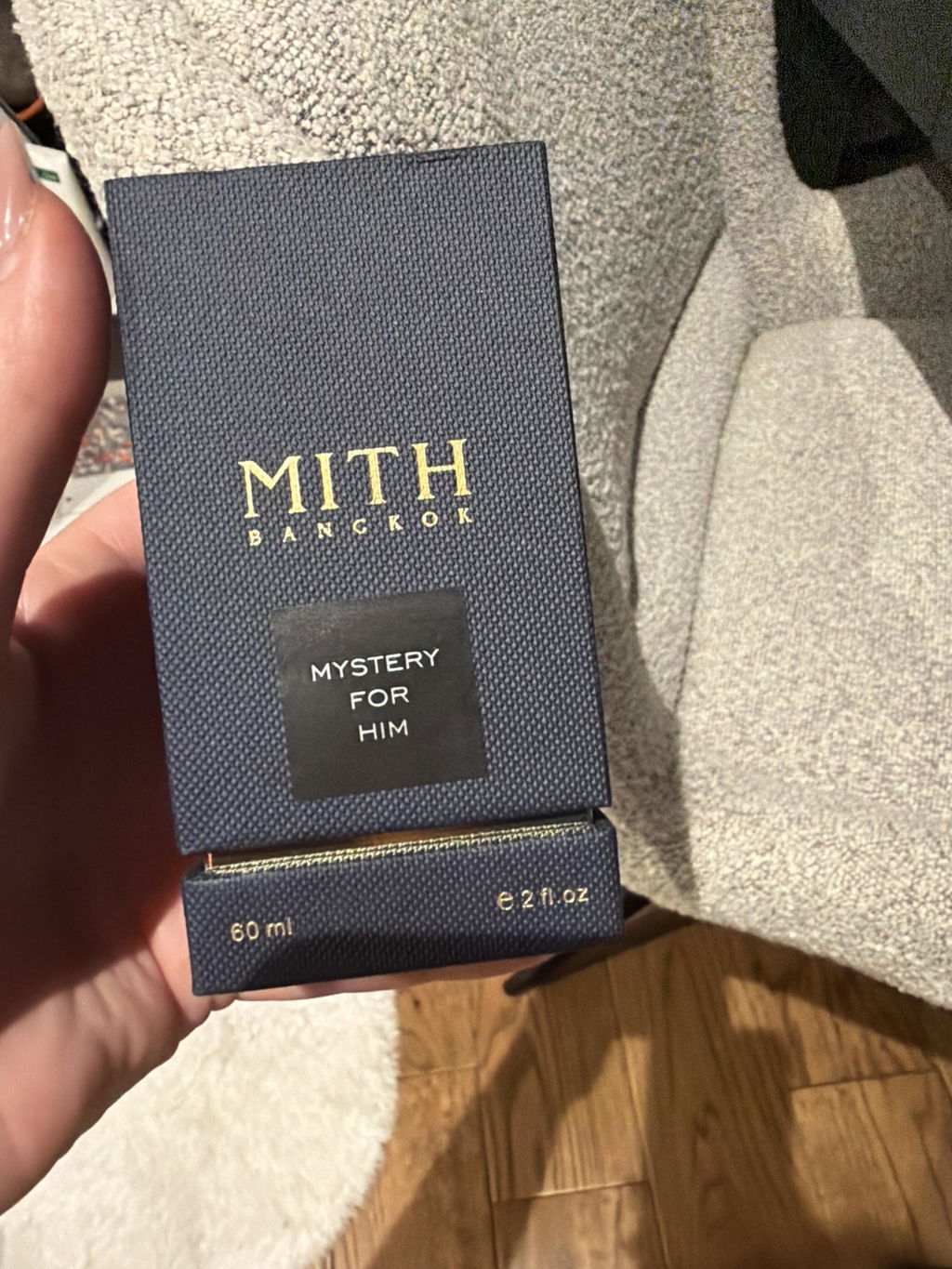
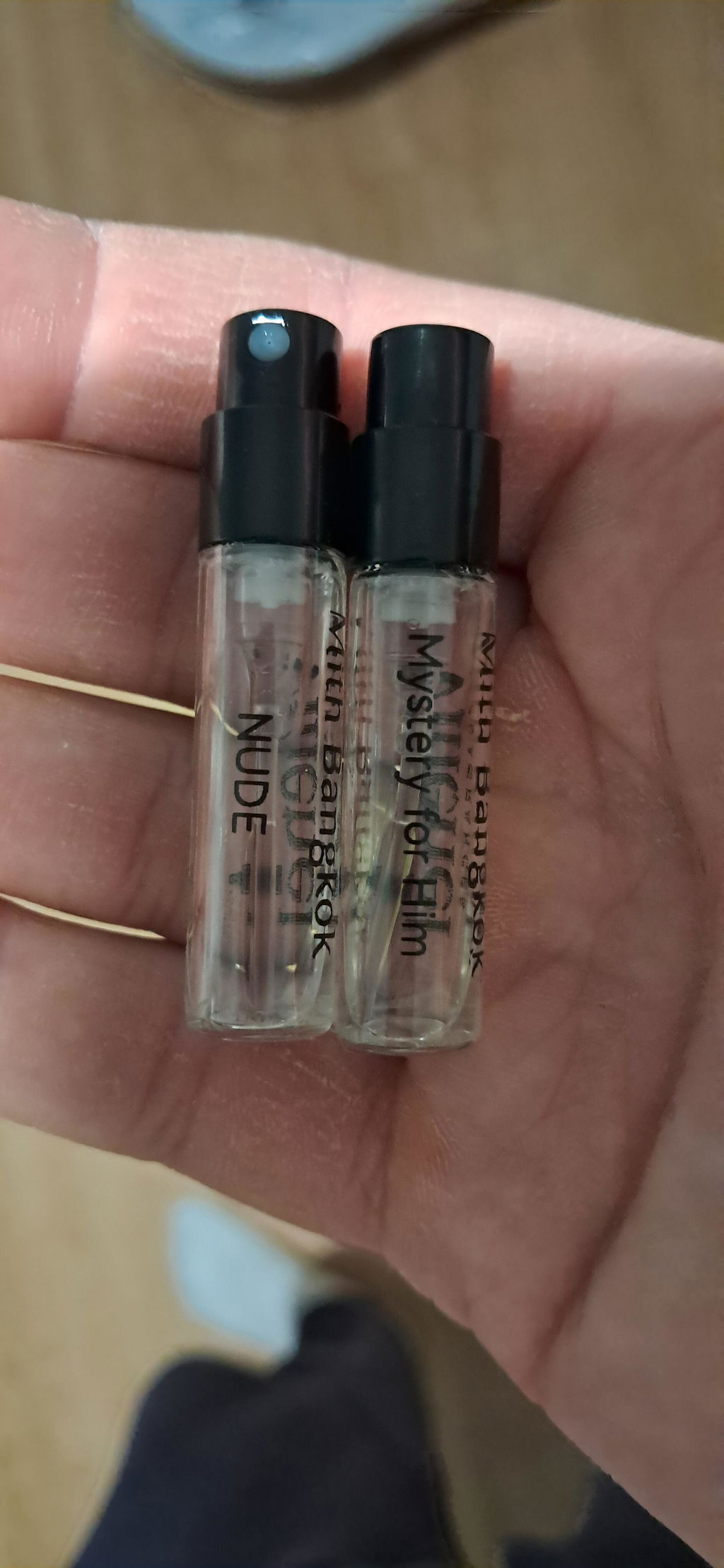
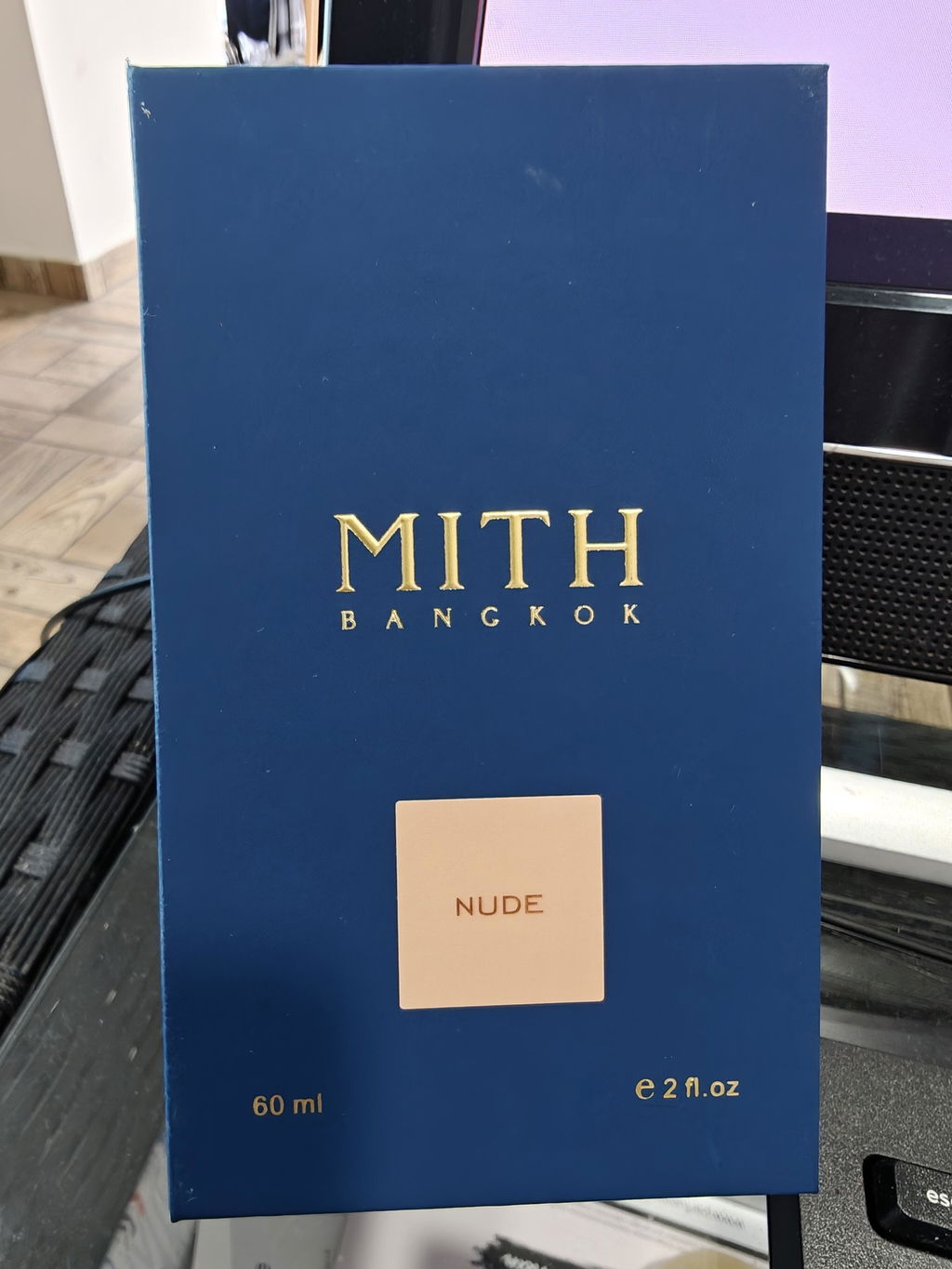
A few names have helped define what contemporary Thai perfumery looks like in practice. MITH Bangkok has drawn attention for a style that feels sleek, trend-aware and emotionally legible, with compositions that speak clearly to a modern niche audience. PROAD Perfume brings a more authored sensibility, where the perfume identity is often shaped with an artistic precision that fragrance collectors appreciate. PRANN Perfume, meanwhile, shows how Thai fragrance can move through body care and scented ritual with the same care for aesthetic coherence.
These houses are not interchangeable, and that is exactly the point. Together, they suggest a wider movement rather than a single formula. If you are exploring the category for the first time, it helps to think less about national style and more about brand character. Ask what mood the house returns to, how it handles texture, and whether its scents are built for intimacy, drama or polished versatility.
That approach will tell you more than a simple note list. Plenty of perfumes contain rose, vanilla, oud or sandalwood. The question is how those materials are directed - crisp or creamy, restrained or lush, glossy or shadowed. The better Thai houses know how to turn familiar notes into a recognisable signature.
How to approach modern Thai fragrance houses as a buyer
If your wardrobe already includes niche staples, the temptation is to look for the strangest or most exclusive bottle first. Usually, that is the wrong place to begin. Start with the house whose visual and emotional language feels closest to your taste. With newer fragrance brands, identity often runs consistently across the collection.
Then pay attention to finish. This is often where quality reveals itself. Does the fragrance become muddy after the opening, or does it maintain shape? Does sweetness stay polished, or turn heavy? Does a woody base feel elegant, or merely loud? These details matter more than whether a scent is categorised as floral, woody or gourmand.
It is also worth being honest about wear context. Some perfumes are brilliant in a sample and less useful in real life. Others seem understated at first and become favourites because they fit so many moments. Modern Thai fragrance houses often excel at this second category, which is one reason they reward repeat wear.
For shoppers who want trusted access to these brands in the EU, curation matters almost as much as the perfumes themselves. A specialist retailer such as Villenel Fragrances does more than list bottles - it frames discovery, narrows the noise and helps these houses be understood on their own terms.
More than a trend
There is always a risk that emerging fragrance regions get reduced to a moment. A handful of successful launches appear, buyers rush in, and the conversation becomes lazy. That would be a mistake here. The appeal of modern Thai fragrance houses is not that they are suddenly fashionable. It is that they are producing genuinely desirable perfumes with a clear sense of self.
That distinction matters. Trends fade when the aesthetic is thin. Houses endure when the work has depth, discipline and identity. Thai niche perfumery is increasingly proving it has all three, along with the visual sophistication and product sensibility that today’s fragrance audience expects.
For anyone building a fragrance wardrobe with more personality, this is a category worth taking seriously. Not because it is obscure, and not because it is new, but because some of the most refined and memorable scent storytelling right now is coming from Bangkok and beyond. The real pleasure is that once you notice it, your usual perfume shortlist starts to look a little less inevitable.