A perfume that smells of pistachio cream, dark cocoa, sticky caramel or warm rice can feel wonderfully personal - then suddenly rather exposed when you step into a crowded lift. Learning how to wear gourmand scents confidently is less about making a sweet fragrance behave and more about choosing the right scale for the setting. The best gourmands do not merely smell edible. They create texture, memory and presence.
Gourmand perfumery has moved far beyond the sugary novelty scents many people still imagine. Modern compositions may pair vanilla with woods, coffee with smoky resins, milk with clean musk, or tropical fruit with a translucent floral accord. These contrasts are what give a gourmand scent polish. Worn with intention, it can be as elegant at a gallery opening as it is comforting on a quiet Sunday.
Start with the gourmand family that suits you
Not all sweetness projects in the same way. Confidence begins with recognising which type of gourmand feels like an extension of your style rather than a costume.
A creamy gourmand, built around vanilla, coconut, lactonic notes, tonka or white chocolate, often reads soft and intimate. It works beautifully with knitwear, cashmere textures and low-key evening plans, but can become dense in overheated rooms. A coffee, cacao or nut-based fragrance tends to feel darker and more tailored, especially when it has a dry woody or amber base. Fruity gourmands - think mango, pear, berry or citrus folded into sugar - bring more brightness and can be easier to wear in daylight.
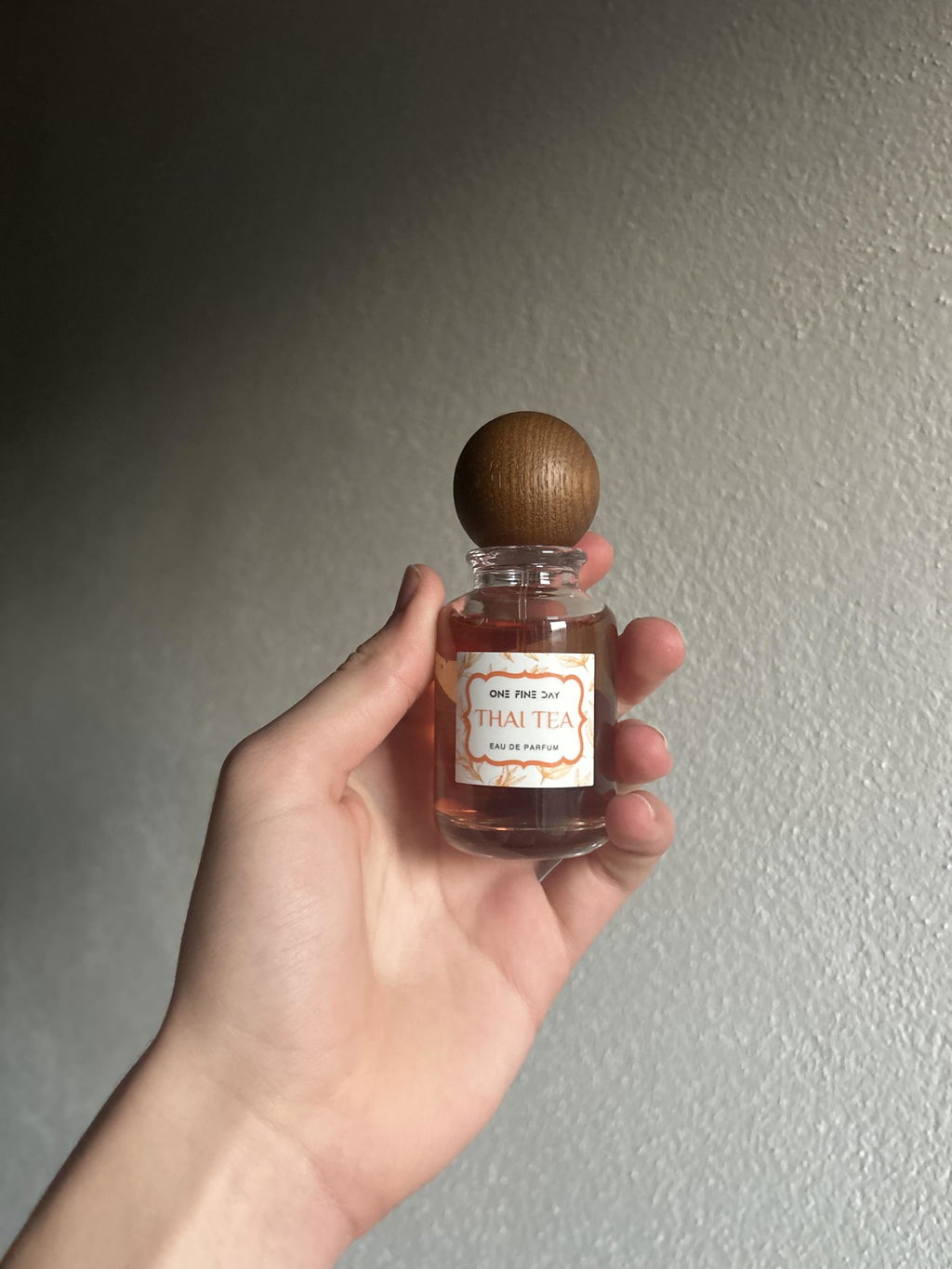
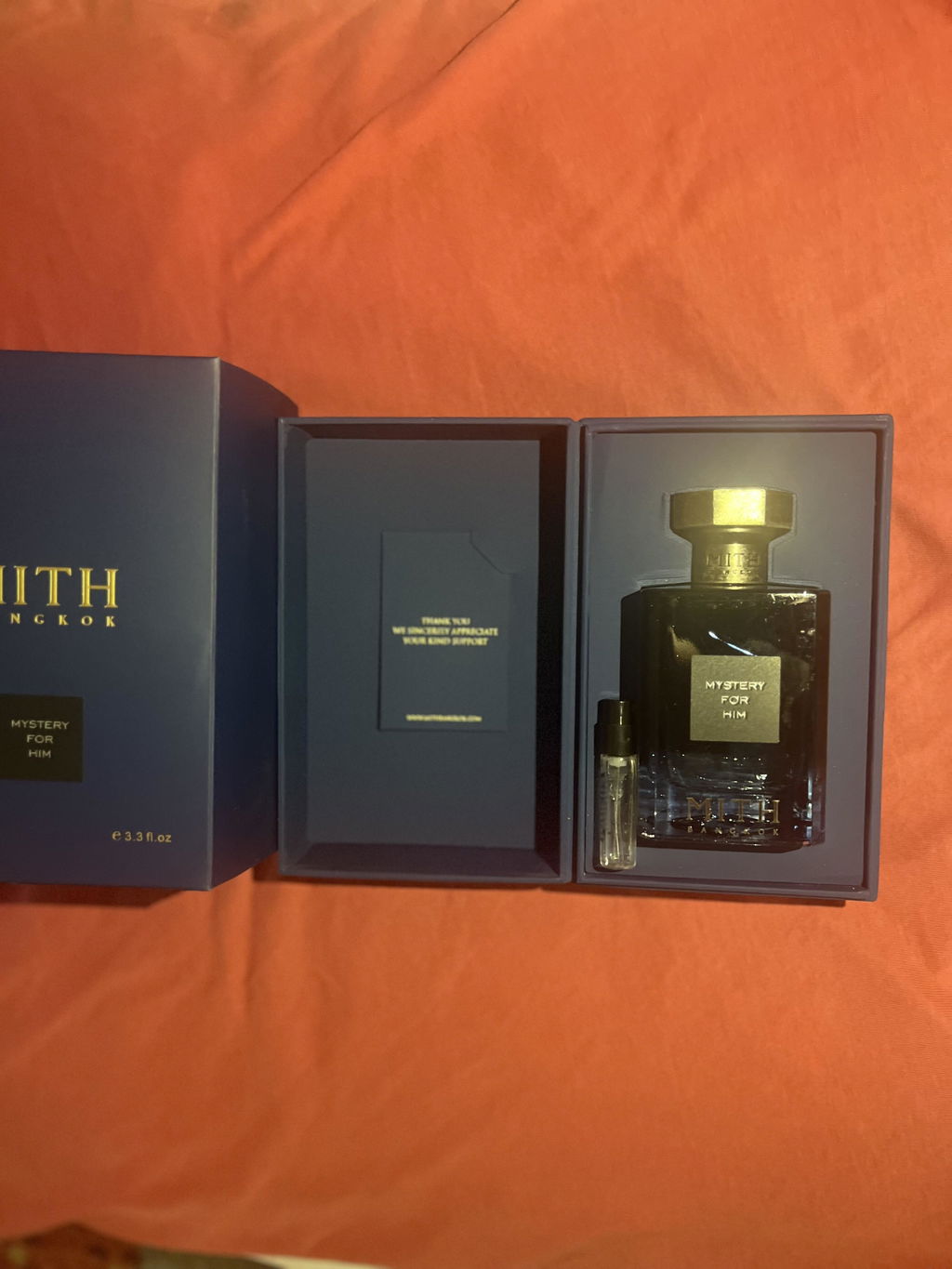
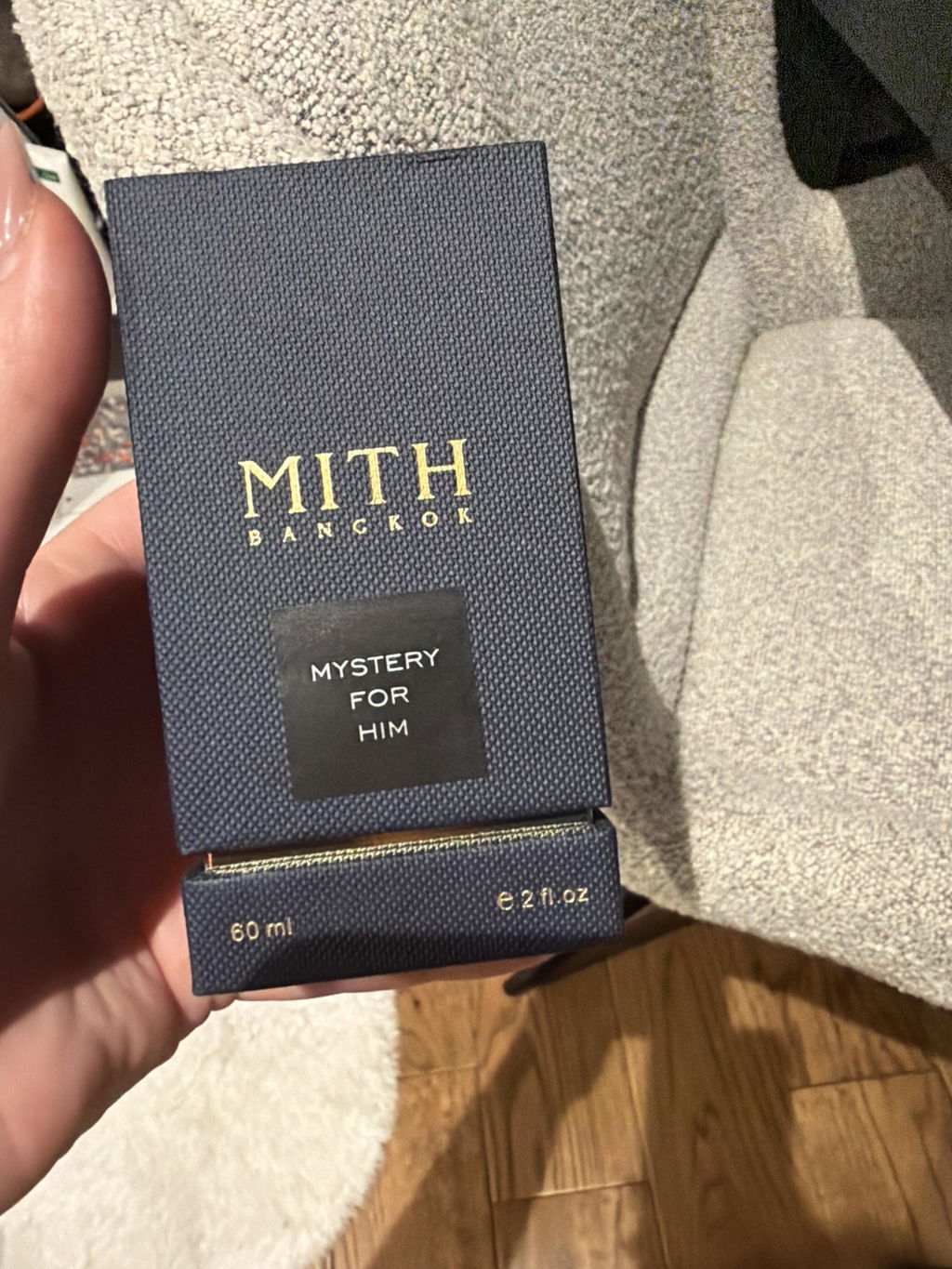
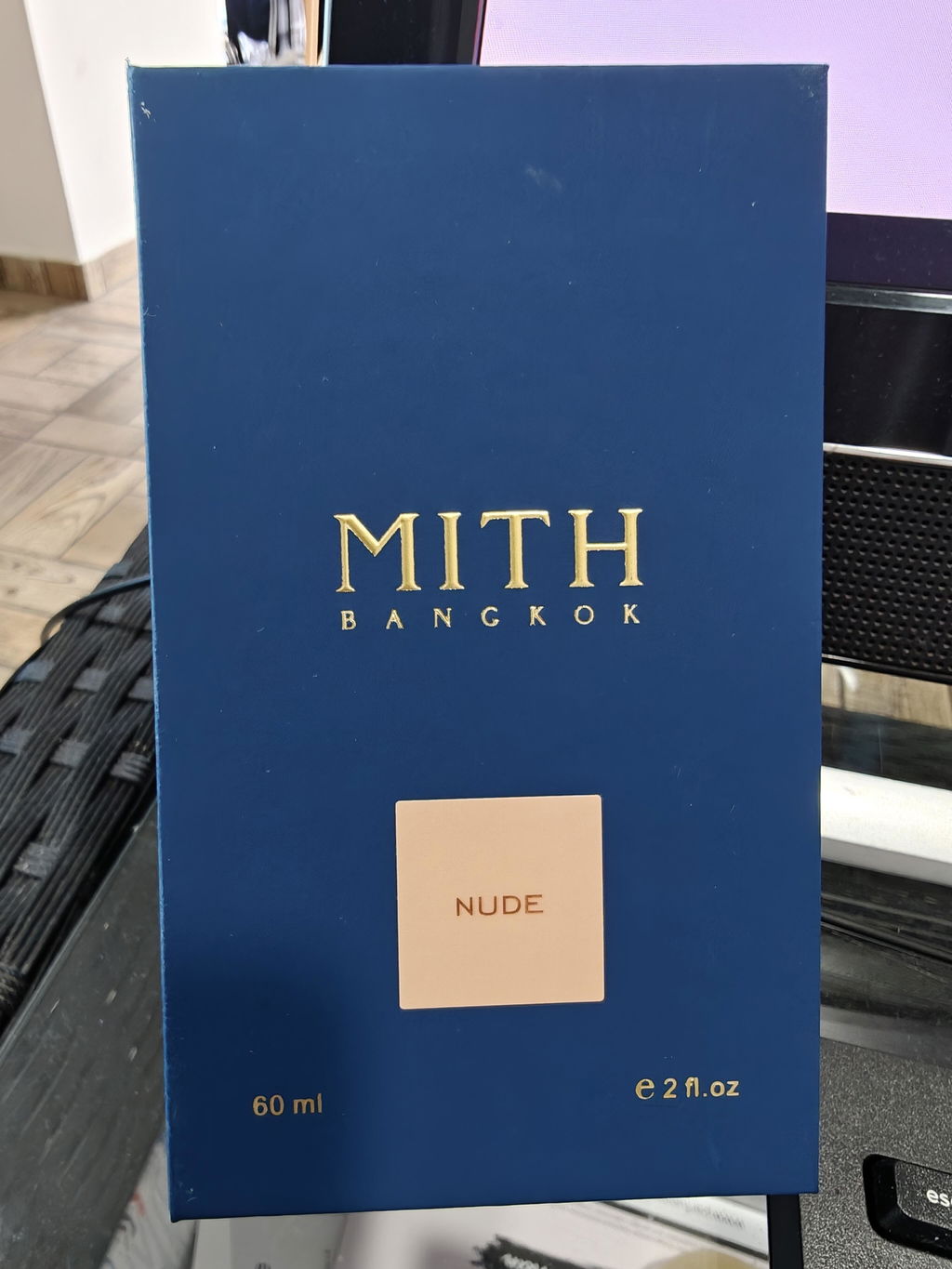
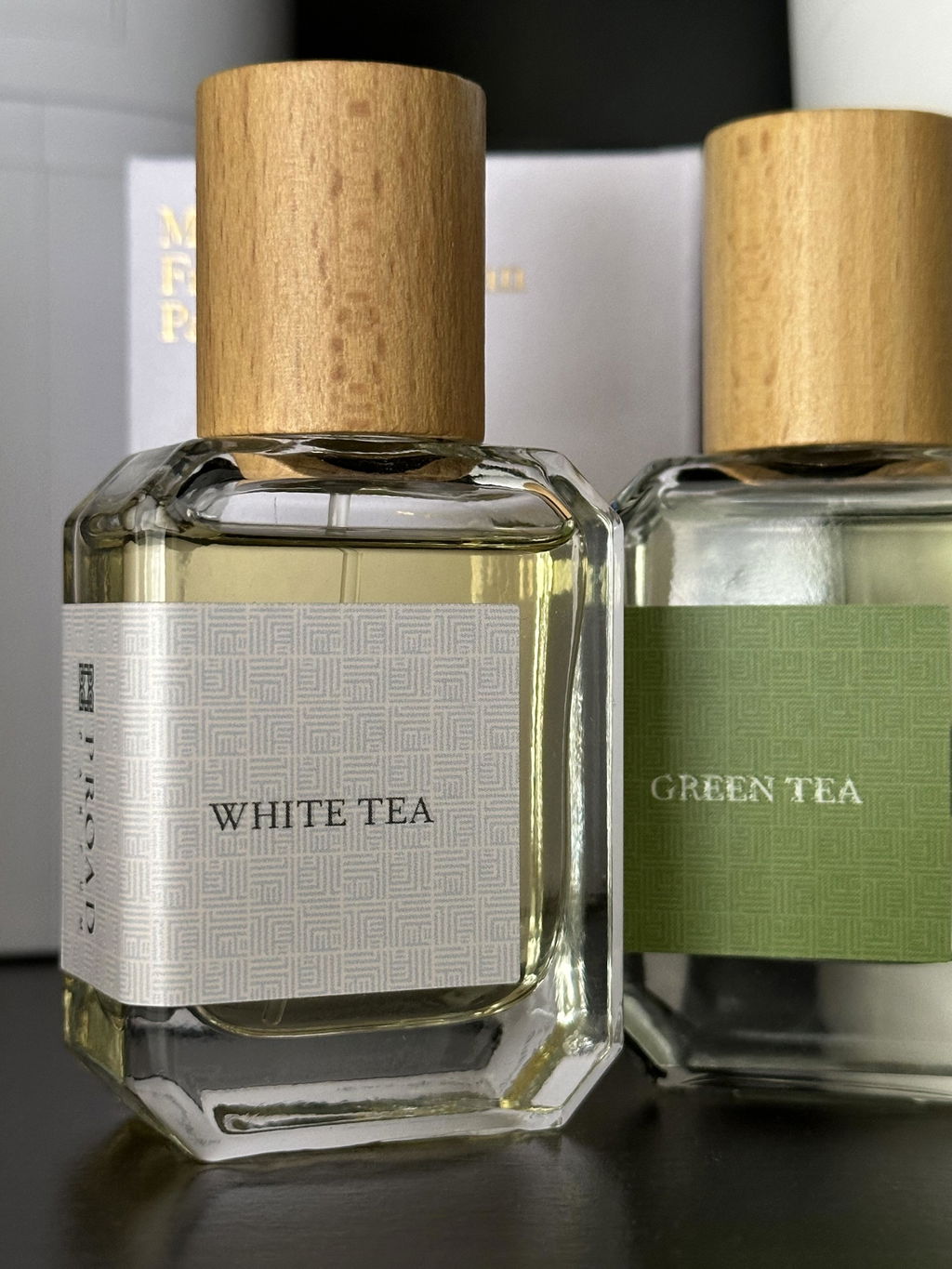
Then there are the more savoury-leaning creations: sesame, tea, rice, salt, spice or a gentle toasted note. These are often an excellent entry point for someone who likes the idea of gourmand perfume but does not want to smell conventionally sweet. Contemporary Thai perfumery is particularly compelling here, with a natural affinity for balancing tropical richness, aromatic ingredients and airy warmth.
The question is not whether a scent is sweet. It is whether its sweetness has contrast. A vanilla cut with incense will wear differently from a vanilla cushioned by marshmallow. Both can be beautiful; one may simply feel more at home in your wardrobe.
How to wear gourmand scents confidently at the right volume
With gourmands, application changes the whole character of the fragrance. A scent that feels quietly delicious from one spray can become syrupy after six, particularly if it is an extrait or has a strong amber, musk or woody base.
Start with two sprays on skin, ideally one at the sides of the neck and one on the chest or inner elbow. Give it at least 20 minutes before deciding whether it needs more. The opening is often the loudest and sweetest part; the dry-down is where the fragrance reveals its real shape. If you want a closer, more private aura, spray the torso beneath clothing rather than the wrists. Fabric holds scent for longer, but it can also amplify vanilla, caramel and fruity notes, so test carefully on a discreet area first.
Weather deserves equal attention. Cold air makes a warm gourmand feel inviting, allowing woods, spice and balsamic notes to bloom slowly. In humid or high summer heat, the same perfume may feel much richer. This does not mean retiring every gourmand until autumn. Choose fresher structures instead: citrus with vanilla, tea with fruit, coconut with salt, or a sheer floral gourmand. Apply less, and favour skin over scarves and coats.
For the office, shared transport or a close dinner table, aim for a fragrance that is noticed only when someone is near you. Projection is not proof of taste. A well-chosen gourmand at a restrained volume often feels more luxurious because it asks people to lean in.
Build a polished scent profile through layering
Layering can make a gourmand more personal, but it should edit the perfume, not bury it. Start with unscented body lotion on dry skin. Hydrated skin helps fragrance last and prevents you from over-spraying in pursuit of longevity.
If you enjoy scented body care, select a texture that supports the perfume's base rather than competing with its main accord. A light vanilla body lotion can soften a woody coffee scent. A clean musky cream can make a fruity gourmand feel less confectionary. A dry oil may add beautiful warmth beneath amber, pistachio or cocoa notes, though it is best used sparingly on days when temperatures rise.
Avoid combining several sweet products at once: a coconut shower gel, caramel lotion, vanilla oil and a strong perfume may sound indulgent, but it can flatten the composition into a single sugary impression. Contrast is more convincing. Pair a dense fragrance with crisp cotton, a citrus hand cream or a clean skin scent on pulse points. Let one product lead.
Try a fragrance wardrobe, not a signature scent rule
Gourmands are especially rewarding when treated as part of a wardrobe. You may want an airy, fruit-led scent for daytime, a creamy vanilla for relaxed evenings, and something darker with spice, coffee or resin for after dark. This approach removes the pressure to find one perfume that must suit every meeting, season and mood.
It also lets you wear richer scents without apology. A smoky chocolate perfume may not be your Monday morning choice, but it could be exactly right for a winter dinner, a theatre night or a weekend when you want your fragrance to feel more cinematic. Confidence comes from matching the perfume to the moment, not forcing every moment to suit the perfume.
Style the scent with your presence in mind
A gourmand scent becomes more sophisticated when the rest of your presentation gives it a clear context. This is not about rigid rules or dressing for perfume. It is about creating a deliberate impression.
Creamy, skin-close gourmands suit relaxed refinement: soft tailoring, wool, silk, brushed cotton and neutral tones. A dark coffee or liqueur fragrance can sit brilliantly beside sharp black tailoring, polished leather or a minimal evening look. Bright fruit and dessert notes have a playful edge, so they pair well with clean lines and a little colour rather than an overly literal, sugary aesthetic.
There is also a useful social cue in wearing these fragrances: they tend to invite conversation. If someone asks what you are wearing, you do not need an elaborate explanation. Describe the note you love most - the toasted sesame, the dark vanilla, the juicy mango - and let the perfume remain a small pleasure rather than a performance.
Let the dry-down make the decision
A common mistake is judging a gourmand fragrance from the first minute. Many open with a vivid burst of fruit, sugar or cream before settling into woods, amber, spice or soft musk. Wear a sample through a full day before deciding it is too sweet, too youthful or too bold.
Pay attention to how it behaves on your own skin. Skin chemistry is not magic, but warmth, moisture, skincare and climate all affect diffusion. Keep a simple note of when you wore it, how many sprays you used, the weather and how it made you feel after a few hours. You will quickly learn whether a perfume is better as a cool-weather comfort scent, an evening choice or an all-year signature.
If you are exploring artistic gourmands for the first time, Villenel Fragrances offers a useful lens: look for compositions with an idea behind the sweetness. A fragrance inspired by a familiar ingredient, a place or a tactile memory often has more dimension than one designed only to smell like dessert.
Give yourself permission to be memorable
Some fragrance advice still treats sweetness as something to temper, excuse or reserve for a particular age. That misses the point of contemporary gourmand perfumery. A beautifully made gourmand can be sensual, clever, serene, mischievous or deeply elegant. It depends on its construction and on how you choose to wear it.
Begin lightly, wear it in the conditions that flatter it, and allow the fragrance time to settle into your skin. The right gourmand should not make you feel as though you have entered the room before your body has. It should feel like a warm detail people remember after you have left.