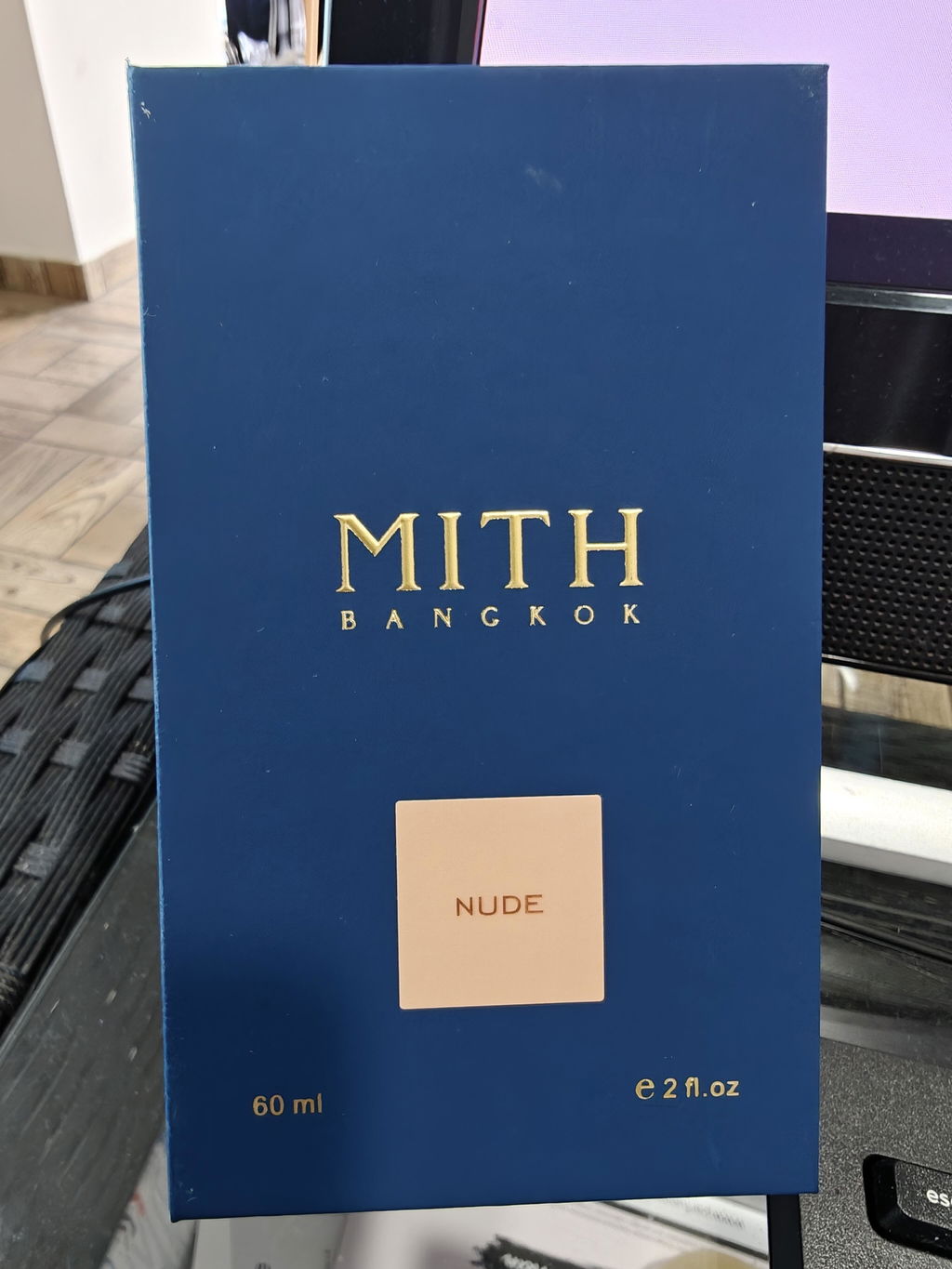
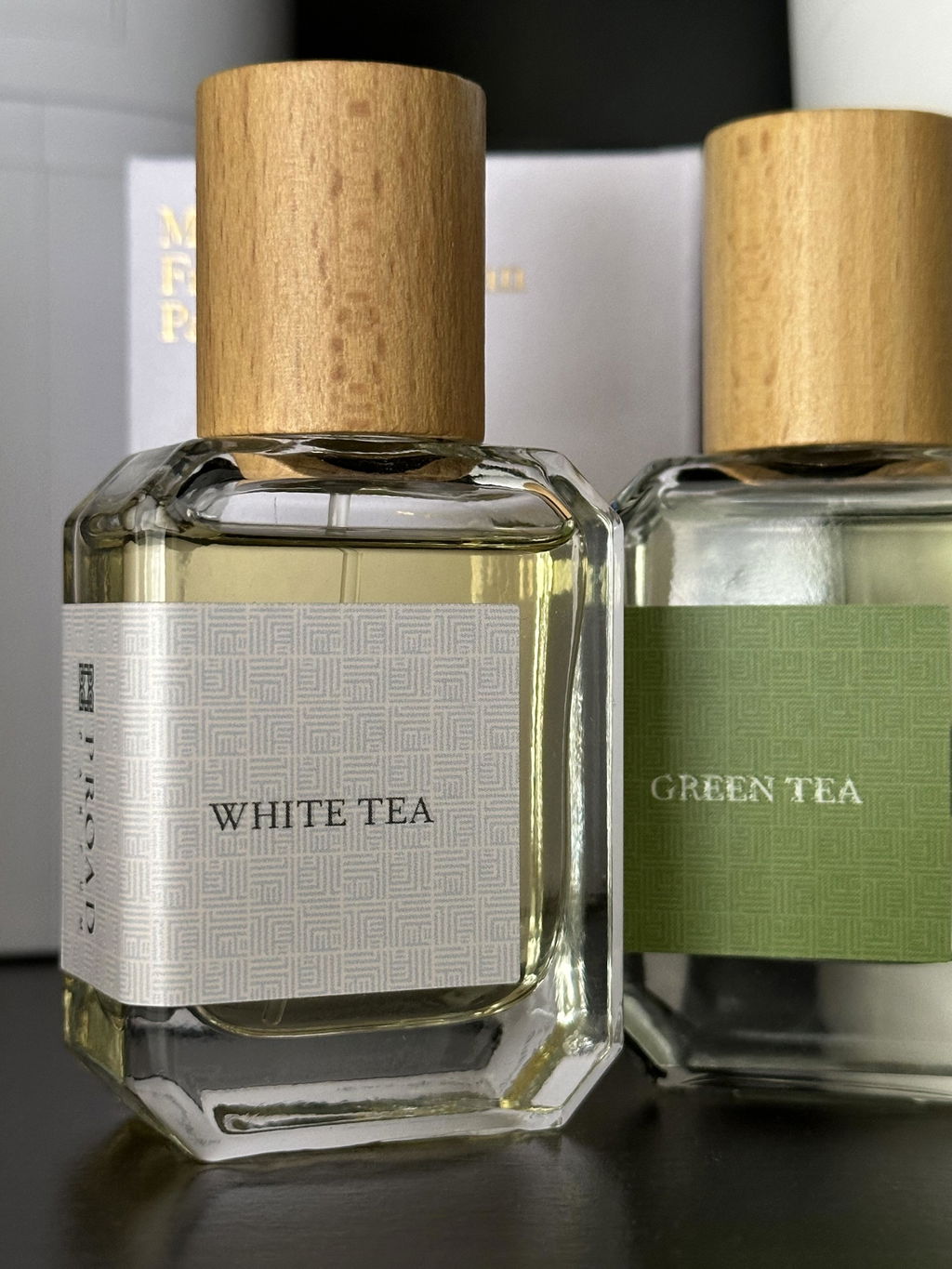
A fragrance can smell luxurious before you know a single note. It may have the cool, polished lift of bergamot over clean woods, the soft density of iris and musk, or a floral accord that feels more like silk than sweetness. But what makes a fragrance smell luxurious is rarely one expensive ingredient or an impressive concentration. It is the way materials, texture, contrast and restraint are composed into something that feels complete.
Luxury in perfumery is not always loud. In fact, many of the most refined scents feel effortless at first, then reveal their detail slowly on skin. They have presence without turning every room into a perfume counter, and character without relying on familiar shortcuts.
What Makes a Fragrance Smell Luxurious? It Starts With Materials
Fine raw materials matter, but their role is more nuanced than a simple price tag. Natural ingredients such as rose, jasmine, sandalwood, vanilla and orris can bring remarkable depth, variation and tactile beauty. A well-made rose may smell petal-soft, green, peppery and faintly honeyed all at once. High-quality sandalwood can feel creamy, dry and warm rather than merely sweet or woody.
Yet naturals alone do not guarantee sophistication. Modern perfumery relies on carefully selected aroma molecules to create clarity, radiance and texture that natural extracts cannot always provide. Musks can give a scent a clean, skin-like finish. Amber materials can create warmth without heaviness. Airy woody notes can make a composition feel spacious and contemporary.
The distinction lies in selection and dosage. A luxurious fragrance usually avoids the rough edges of low-grade materials: a shrill citrus note, a syrupy fruit accord, a harsh synthetic wood, or a flat vanilla that smells more like confectionery than perfumery. This does not mean every note must be delicate. Leather, smoke, indolic florals and animalic musks can be deliberately challenging, but they need to feel intentional and finely balanced.
A Luxurious Scent Has Shape, Not Just Notes
Most people recognise notes on a fragrance description - pear, tea, tuberose, incense, cashmere wood. What separates a memorable perfume from a pleasant blend is its architecture. The notes need to speak to one another.
A polished composition has movement. Its opening creates an immediate impression, perhaps sparkling, mineral, aromatic or fruity. The heart adds its emotional identity, while the base gives the scent a lasting frame. As the perfume develops, each stage should feel related to what came before. You should not feel as though the citrus opening has vanished and left an unrelated cloud of sweet amber behind.
This sense of progression is one reason certain niche perfumes feel expensive even when they are not conventionally opulent. They are edited. There may be fewer obvious notes, but each one has a purpose. A transparent tea fragrance can feel more luxurious than a crowded gourmand if its bitterness, steam-like freshness, soft florals and woods are placed with precision.
Contrast is equally valuable. A dark resin becomes more compelling with a flash of citrus. A creamy floral gains modernity from a mineral or salty facet. A clean musk feels more sensual when grounded by a trace of skin-like warmth. These tensions prevent a perfume from becoming predictable.
Texture Is the Quiet Signal of Quality
Texture is difficult to capture in a note list, yet it is one of the clearest markers of luxury. Think of the difference between a glossy, thick vanilla and one that feels dry, suede-like and softly luminous. Both may contain vanilla, but they create entirely different impressions.
Perfumers build texture through accords and materials that influence how a scent seems to sit in the air and on skin. Powdery iris can suggest velvet. Ambrette and soft musks can create the effect of warm cotton or bare skin. Incense may feel sheer and smoky, or dense and church-like. A well-made woody base can be creamy, pencil-shaving dry, polished, salty or almost cashmere-soft.
Luxury often lives in this physical illusion. The fragrance feels rounded rather than jagged, dimensional rather than flat. Even when it has a dramatic character, there is a certain finish to it: edges are controlled, transitions are smooth, and the dry-down remains interesting after the first bright impression has passed.
Concentration Helps, But It Is Not the Whole Story
Eau de parfum, extrait and perfume oil are often associated with luxury because they can offer richness and longevity. However, a higher concentration does not automatically make a fragrance more refined. Some materials become blunt or cloying when pushed too far, while others need space to diffuse beautifully.
A light eau de toilette can smell exceptionally expensive if it has clarity, natural-looking freshness and an elegant dry-down. Equally, an extrait can feel overly dense if sweetness, woody amber or musks are not carefully controlled. Performance should suit the idea of the scent. A crisp citrus cologne may be intended to glow for a few hours close to the body. A smoky amber made for evening may develop slowly and remain for far longer.
The most considered fragrances balance projection, longevity and intimacy. They offer enough sillage to be noticed, but not so much that their detail becomes a blur. On skin, they should retain their identity rather than collapsing into a generic sweet base after an hour.
Restraint Makes Opulence More Convincing
There is a common assumption that luxury must smell rich, sweet, dark or intense. Those qualities can be beautiful, but they are not requirements. A fragrance built around crisp neroli, green fig leaves or clean white tea can feel just as elevated as one centred on oud and rose.
Often, restraint is what makes opulence credible. Instead of adding more sugar, more fruit and more amber, a skilled perfumer may leave a little air around the main accord. This gives the wearer room to notice the quality of the floral, the bitterness of the leaf, the saltiness of the wood or the warmth of the musk.
This is particularly relevant for contemporary niche perfumery. Many collectors are drawn to scents that are distinctive without feeling overworked. They want a perfume that carries an idea - a rain-washed garden, an old library, a sunlit hotel lobby, a night market after dark - while still behaving beautifully as something worn on skin.
The Dry-Down Is Where Luxury Proves Itself
The opening of a perfume is designed to charm, but the dry-down reveals its real quality. After several hours, the most compelling fragrances still have texture and nuance. A floral may become softly musky rather than disappearing. A woody scent may reveal creamy, mineral or spicy facets. An amber may settle into a warm glow instead of a sticky sweetness.
This is why testing on skin matters. Paper strips are useful for comparing openings, but body warmth, skin chemistry and time change a fragrance’s character. A scent that feels austere on a blotter may become addictive on the wrist. Another that initially smells glamorous may prove too loud, too sugary or too one-dimensional once its base notes take over.
Wear a fragrance for a full day before deciding whether it feels luxurious to you. Notice not only whether it lasts, but how it lasts. Does it become more intimate and beautiful? Does it retain a recognisable signature? Do you want to smell it again, or are you simply aware that it is still there?
Luxury Is Also Personal
There is no universal formula for a luxurious smell. For one person, it is an immaculate iris with cool, powdery elegance. For another, it is a saffron-rose composition with dark woods, or a transparent tropical floral that feels modern rather than sugary. Associations matter: a material may recall a treasured garment, a particular city, a hotel, a celebration or a person who wore perfume with confidence.
The best fragrance does not merely signal expense. It gives you a point of view. It feels considered, distinctive and comfortable enough to become part of your presence. That is the pleasure of exploring artistic scent houses: you are not searching for the loudest bottle on the shelf, but for the composition that feels as though it was made with discernment.
At Villenel Fragrances, the most rewarding discoveries are often the perfumes that reveal their luxury quietly - through a beautifully judged accord, an unexpected textural detail, and a dry-down that stays with you long after the first spray.