If jasmine, vanilla and clean musk no longer surprise you, a rare perfume notes guide becomes less of a curiosity and more of a useful filter. Unusual notes can turn a fragrance from pleasant to magnetic, but they can also read challenging, abstract or deeply personal on skin. Knowing how they behave helps you choose with more precision, especially when you are looking beyond the familiar rhythm of mainstream perfumery.
What makes a note feel rare?
A note is not necessarily rare because the raw material is scarce, expensive or difficult to source, although that can be part of the story. In perfume, rarity often comes from perception. Some notes are uncommon because they sit outside popular taste. Others appear rarely because they require a more confident formula, a more experimental brief, or an audience willing to wear something with texture rather than easy sweetness.
There is also a difference between a note that is genuinely unusual and one that is simply less talked about. Rice steam, pandan, ink, salt, mineral facets, papyrus, tea smoke and metallic accords may all feel rare to someone whose reference point is designer floral-amber perfumery. In niche fragrance, however, these notes are exactly where much of the excitement lives.
Rare perfume notes guide: what to expect on skin
The first mistake people make with rare notes is to imagine them too literally. A fig leaf note does not smell like biting into a fig. Ink does not smell like a fountain pen cartridge. Leather is rarely just leather. Perfumers translate an idea, an atmosphere or a texture, then shape it with supporting materials so it becomes wearable.
That means two things matter. First, context changes everything. Saffron paired with suede and rose feels opulent, while saffron with mineral woods and incense can feel drier and more architectural. Second, your own skin chemistry can push a note in one direction or another. A salty accord might become airy and transparent on one person, but more mineral and almost warm on another.
If you are testing an unusual perfume, give it time past the opening. Rare notes often arrive with sharper edges, then soften into something more coherent after twenty minutes. A note that feels strange on blotter can become unexpectedly elegant once it settles.
Texture matters as much as scent
When people describe unusual perfume notes, they often reach for visuals or touch before smell. They call a fragrance silky, inky, humid, chilled, dusty or lacquered. That is not evasive language. It is often the most accurate way to describe a composition built around uncommon materials.
A rice accord, for example, may smell softly creamy, but its real effect is often textural - steamed, airy, almost weightless. A metallic note may not smell of metal in a literal way, but it can make a floral feel cold, polished or electrically bright. This is why niche fragrance lovers return to rarer notes. They add shape and mood, not just aroma.
The rare notes worth knowing
Rice, pandan and other soft gourmand alternatives
If traditional gourmand perfumery feels too sugary, softer food-adjacent notes can be far more interesting. Rice often gives a fragrance a serene, steamed warmth. It can feel skin-close, comforting and quietly elegant rather than edible. Pandan offers a greener, creamier character, with a gentle nuttiness that sits somewhere between dessert and leaf.
These notes suit anyone who likes intimacy in scent. They rarely project in a loud way, but they can create an addictive halo. The trade-off is that they may feel subtle if you prefer bold trail and immediate impact.
Ink, paper and bookish accords
Ink has become a favourite in artistic perfumery because it instantly creates atmosphere. Depending on the blend, it can feel cool, mineral, slightly bitter or almost smoky. Paired with iris, woods or soft leather, it gives a fragrance a cerebral, polished edge.
Paper and parchment-style accords tend to be drier and quieter. They often appeal to people who want something intellectual rather than conventionally sensual. If your taste leans towards clean ambers or woody musks, these notes can be an elegant step into more unusual territory.
Salt, seaweed and mineral notes
Marine perfumes have existed for years, but salt and mineral accords belong to a more refined branch of the family. Instead of the bright aquatic style many people remember from the 1990s, these notes can feel stony, windswept and almost tactile. Seaweed adds darkness and natural salinity, while mineral notes create the impression of wet rock, skin after swimming, or sun on stone.
These compositions are often excellent in warmer weather, but not always easy-going. Some wearers find seaweed slightly austere or bracing. If you enjoy freshness with structure, they can be deeply rewarding.
Saffron, cumin and spice with tension
Not all spice notes are festive or cosy. Saffron can be leathery, radiant and dry, while cumin can introduce a warm, skin-like sensuality that some people adore and others avoid. These are notes with personality. They ask for confidence from both perfumer and wearer.
Here, dosage matters. A trace of cumin can make a floral feel intimate and alive. Too much, on the wrong skin, can read overly animalic. Saffron is generally easier to wear, but its medicinal or metallic facets can surprise those expecting something soft and sweet.
Tea smoke, incense and temple woods
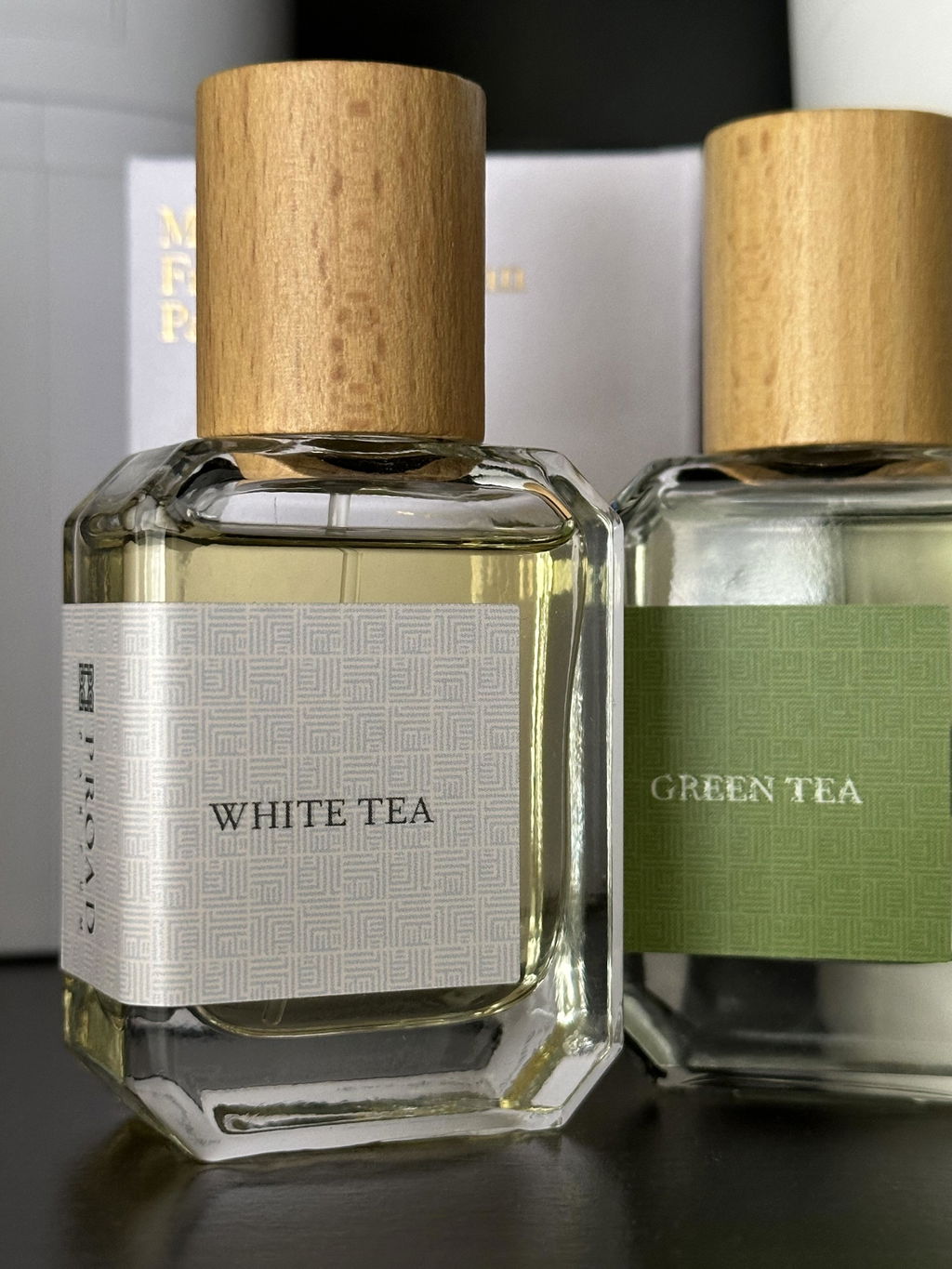
Smoked tea, incense resins and dry woods are among the most compelling rare-note families because they create depth without relying on sugar. Black tea can feel tannic and elegant. Green tea can be bitter, translucent and quietly herbal. Smoked tea adds shadow.
Incense is even more varied. Frankincense can feel lemony and luminous, while darker incense effects can lean balsamic, peppered or ecclesiastical. Paired with cedar, sandalwood or papyrus, these notes create fragrances that feel composed rather than loud. They suit evenings, colder months, and anyone drawn to atmosphere over obvious sweetness.
Fig leaf, tomato leaf and green bitterness
Green notes are often misunderstood because they are not conventionally pretty. Fig leaf combines coconut-like creaminess with a bitter green snap. Tomato leaf can smell sharply aromatic, slightly peppered and vividly alive. Both add tension, which is usually what makes a perfume memorable.
If you like neroli, vetiver or aromatic herbs, these greens may fit naturally into your wardrobe. If you usually prefer soft floral musks, they can feel abrupt at first. That does not make them difficult - just more angular.
How to choose rare notes without buying blindly
The smartest approach is to work from what you already enjoy. If you love iris, powder and suede, you may appreciate ink, parchment and soft leather accords. If woody ambers feel too predictable, mineral woods, papyrus and tea smoke can offer a drier, more distinctive alternative. If vanilla gourmands feel overdone, rice and pandan may give you comfort with far more nuance.
It also helps to separate admiration from wearability. You can be fascinated by a seaweed-heavy perfume and still not want to smell of it every week. Likewise, a cumin note may be thrilling in small doses but too intimate for office wear. Rare notes are not automatically better. They are simply more specific.
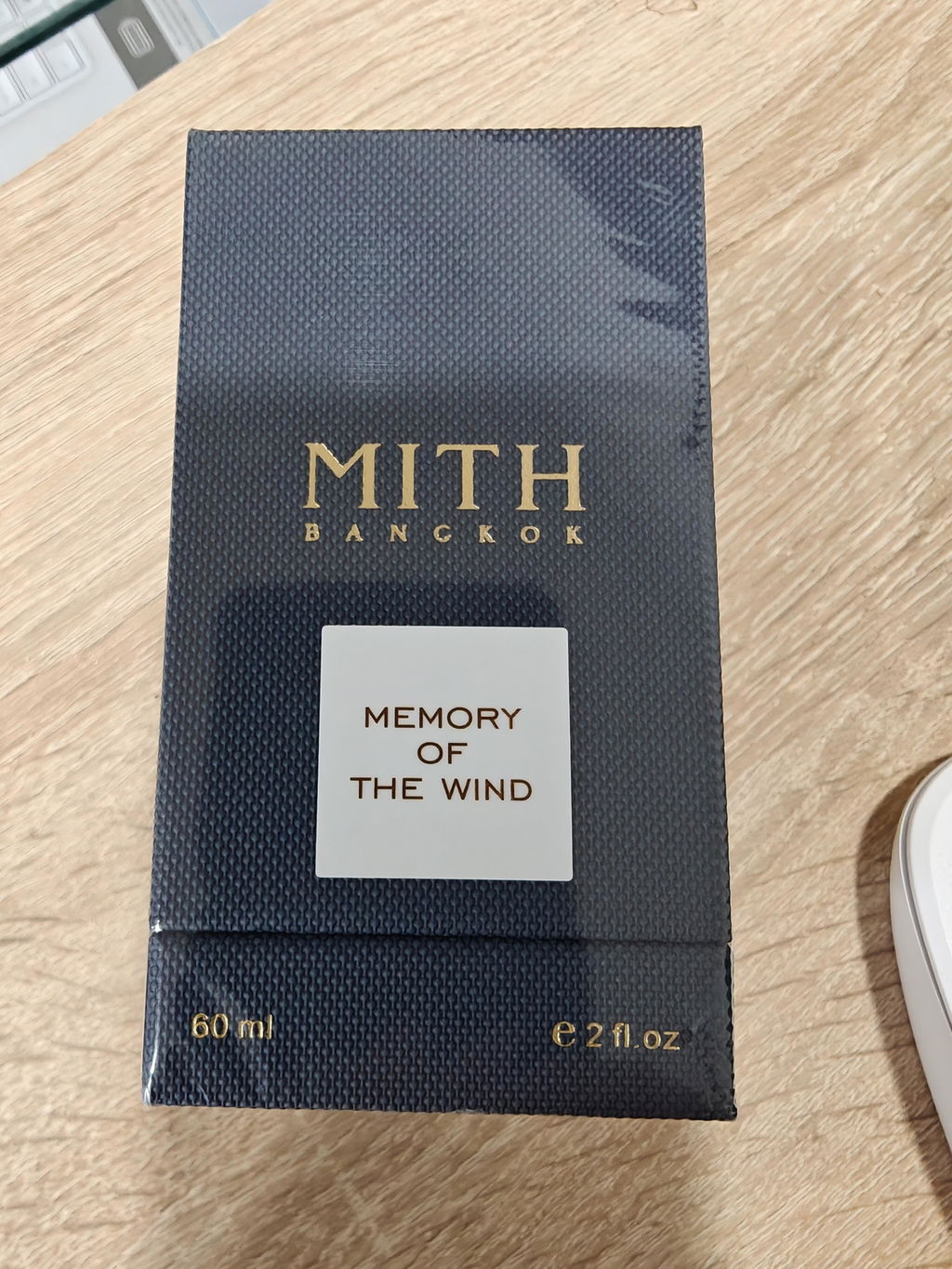
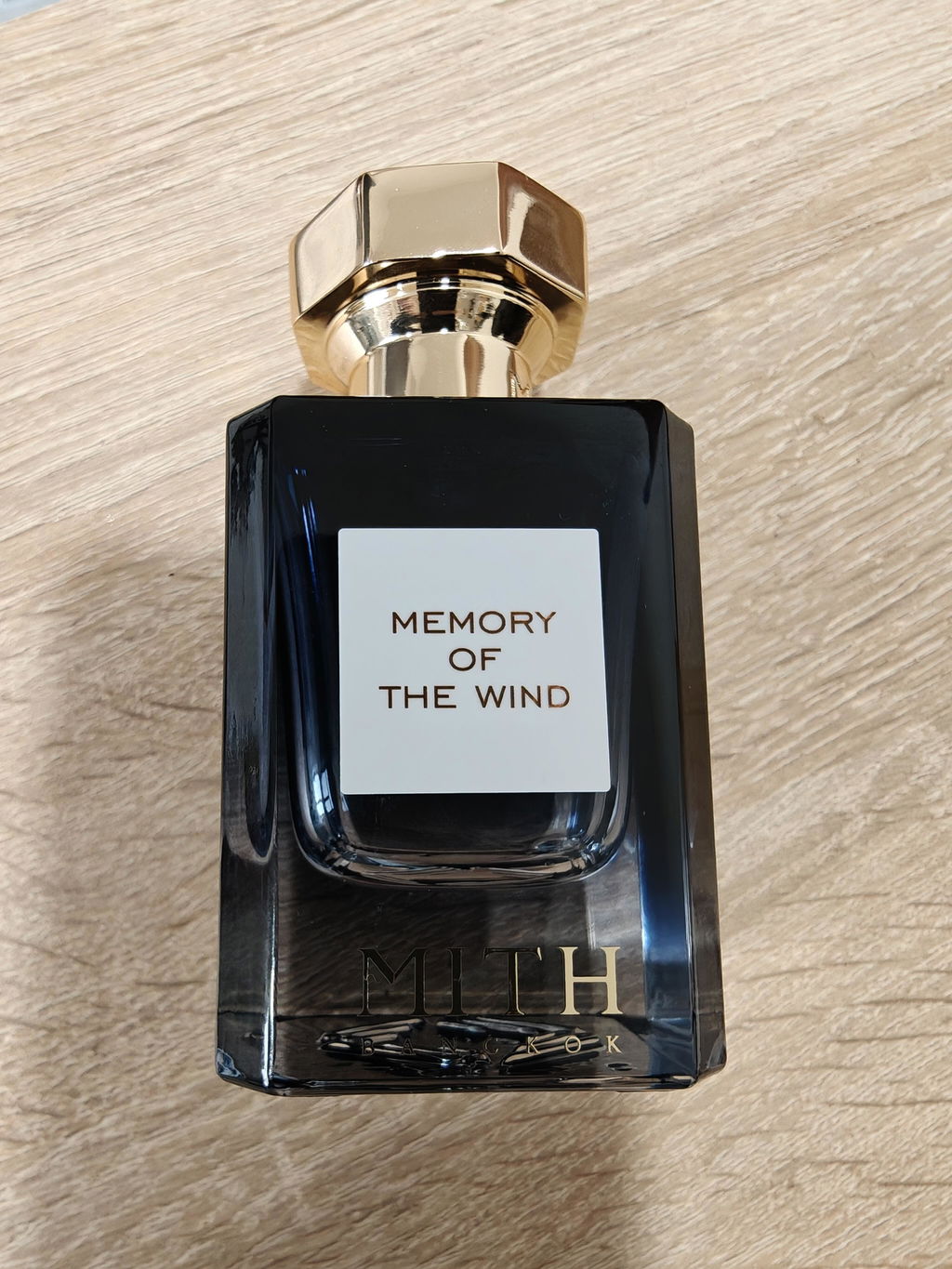
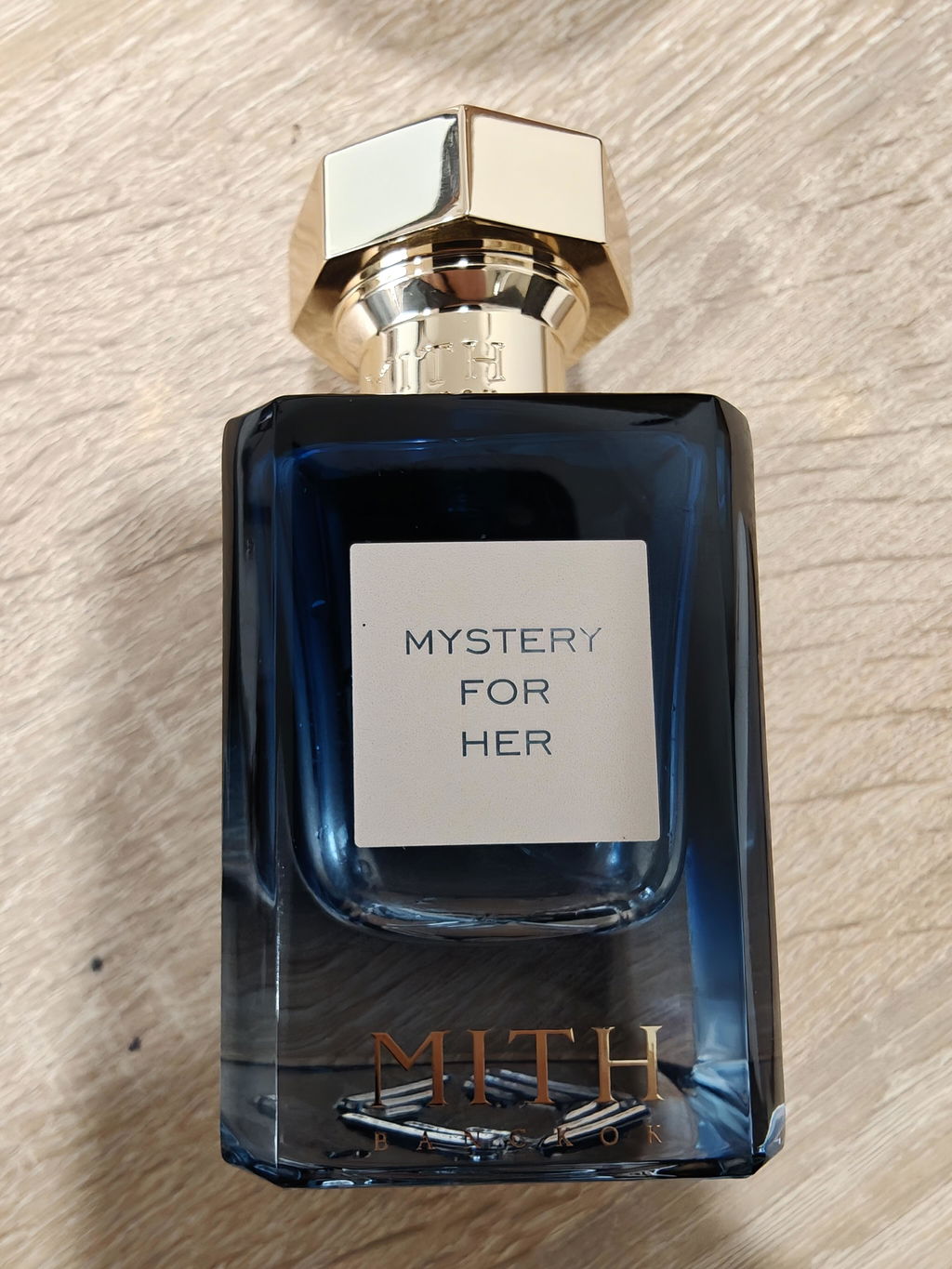
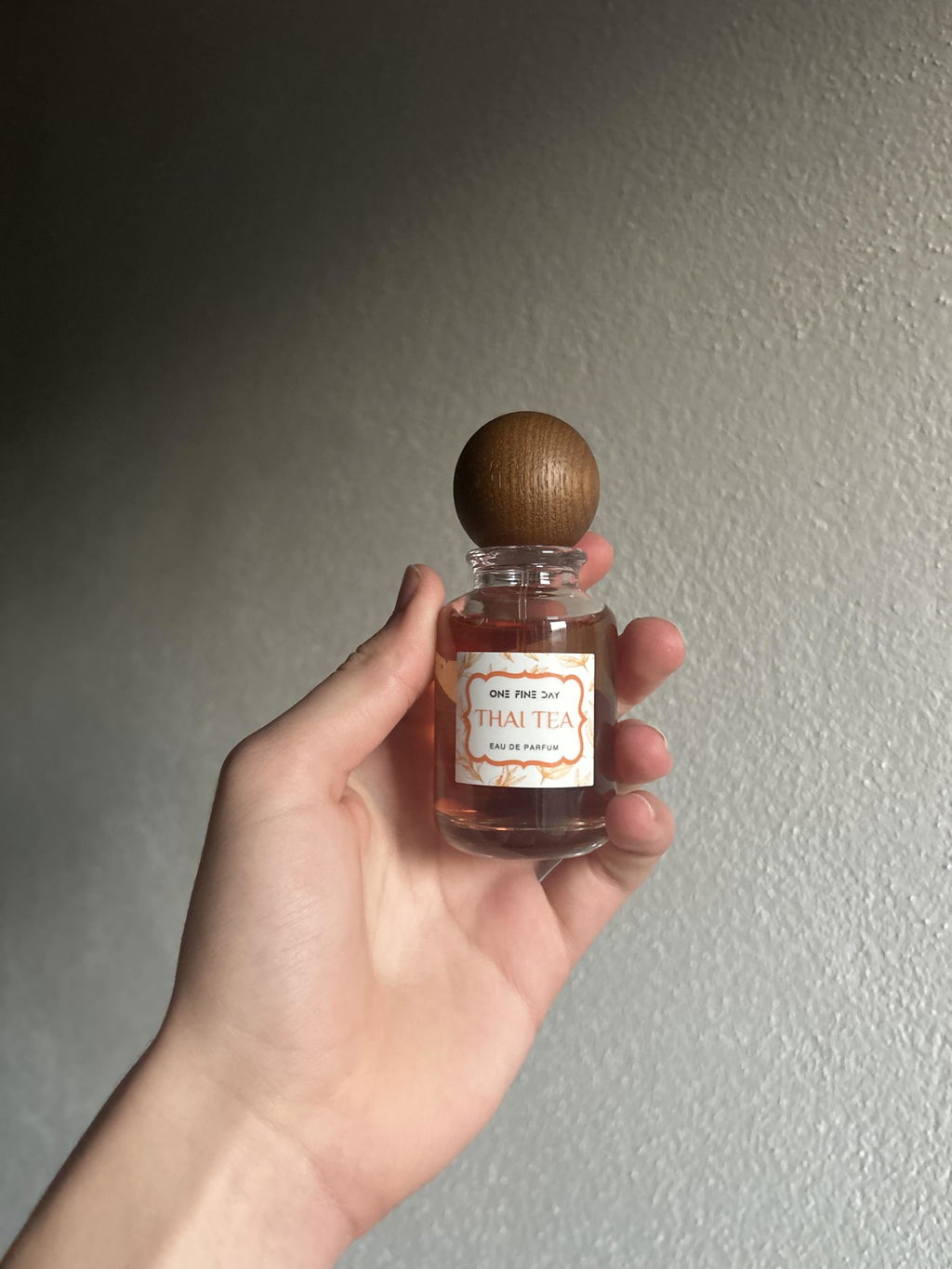
Sampling is essential, particularly with niche houses that build around story and texture rather than crowd-pleasing familiarity. This is where a curated retailer earns its place. When a collection has been selected with clear taste, unusual notes feel less random and more legible. For European fragrance lovers seeking access to contemporary Thai perfumery, that curation can open a more original scent vocabulary without the guesswork.
Rare perfume notes guide: when unusual becomes wearable
A rare note works best when it is balanced by something recognisable. Ink with iris. Salt with citrus. Rice with musk. Fig leaf with sandalwood. Even the most conceptual perfume usually offers one familiar thread to hold on to.
This is worth remembering if you are worried that uncommon notes will feel too avant-garde. Wearability does not come from making a fragrance ordinary. It comes from tension being managed well. The strange note should sharpen the composition, not overwhelm it.
There is also a seasonal question. Some rare notes bloom in heat, while others need cool air. Salt, mineral accords and green leaves often shine in spring and summer. Incense, saffron and smoked tea tend to feel richer in autumn and winter. That said, personal style matters more than rules. If a perfume feels like you, season becomes a secondary detail.
The pleasure of rare notes lies in the way they shift your expectations. They make you pay attention. They give scent a point of view. And once you learn the difference between unusual for effect and unusual with purpose, choosing your next fragrance becomes far more interesting.