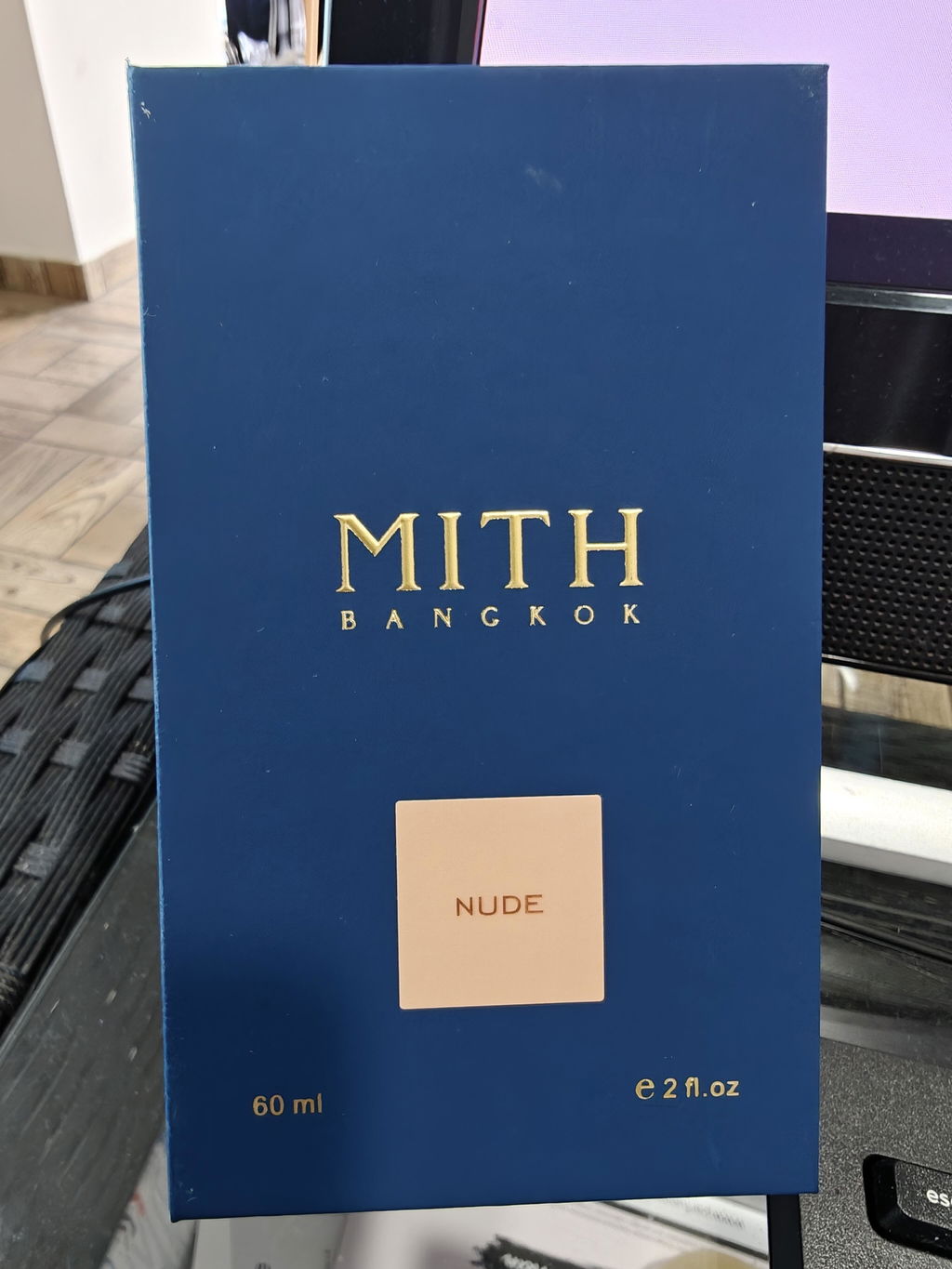
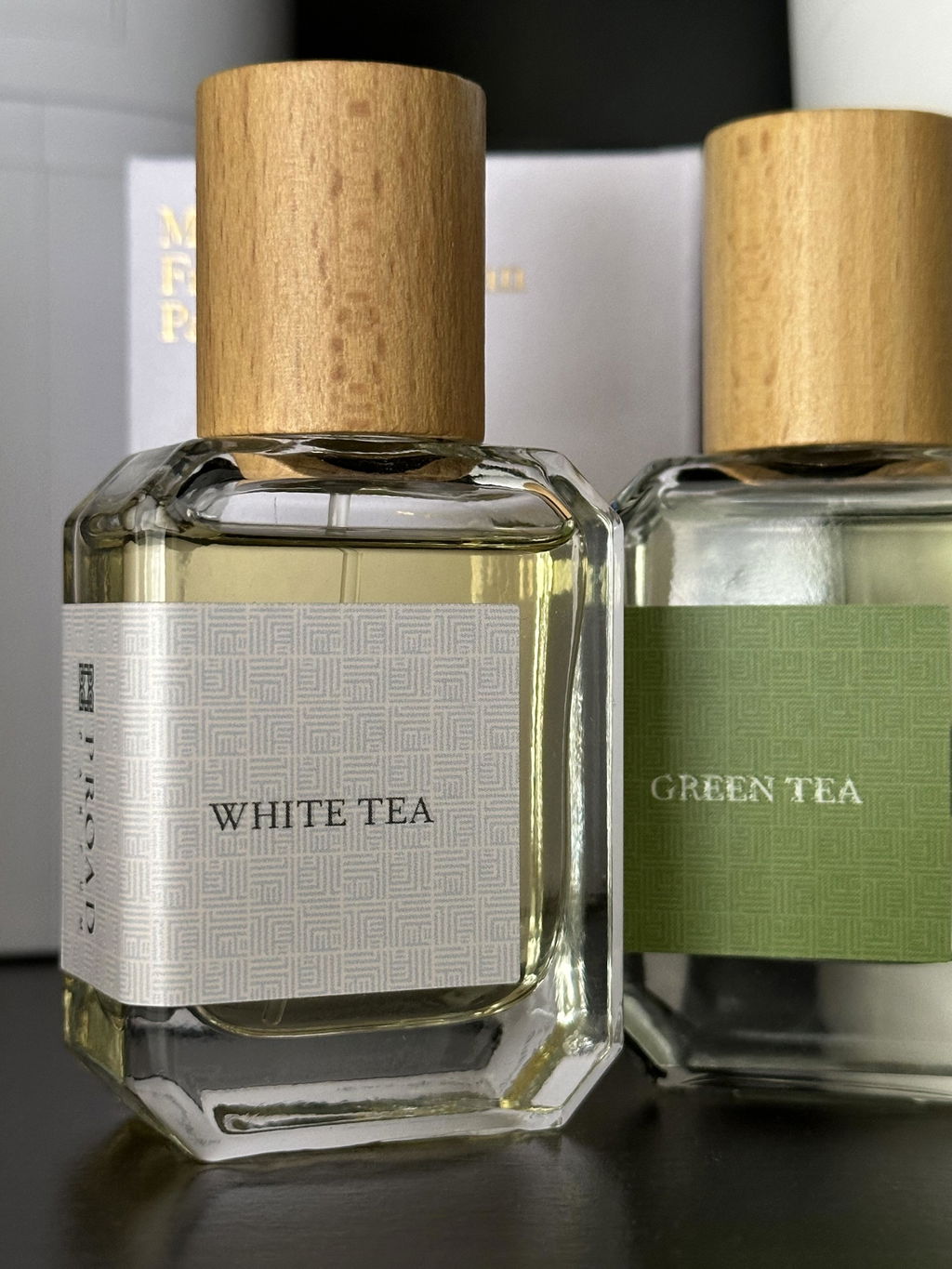
A perfume can cost very little and still smell beautiful. Equally, a high price does not automatically guarantee refinement. So, what makes perfume smell expensive is rarely one loud note or a recognisable ingredient. It is the feeling of considered composition: materials that have depth, a structure that evolves gracefully, and a finish that seems to sit naturally on skin rather than simply announce itself.
For fragrance lovers, this distinction matters. An expensive-smelling scent does not have to be formal, heavy or traditionally luxurious. It may be a clean tea musk, a sheer tropical floral or an unusually realistic fruit. The common thread is polish. Every element has a purpose, and nothing feels accidental.
What makes perfume smell expensive in practice?
The first impression is often texture. Think of the difference between a flat cotton shirt and beautifully cut silk: both are fabric, but one catches the light, moves differently and feels more considered. In fragrance, texture comes from how raw materials and accords are layered. Creamy woods can soften bright citrus; transparent musks can give florals an airy, skin-like halo; a trace of spice can prevent sweetness from becoming predictable.
A polished perfume also has contrast. It might pair a cool, mineral note with warm amber, or a crisp green opening with a plush white-floral heart. The point is not complexity for its own sake. Some exceptional fragrances are built around only a few clear ideas. What matters is that the transitions feel intentional, with each note supporting the next rather than competing for attention.
1. Materials with nuance, not just volume
Natural materials can be extraordinarily beautiful, but their presence alone is not a measure of quality. Synthetic ingredients are central to modern perfumery and can create the clean musks, radiant woods and abstract florals that give contemporary niche scents their distinctive character.
What often reads as luxurious is nuance. A rose accord that suggests petals, stem and a faint peppery shadow feels more convincing than one that is merely sweet. Vanilla can smell expensive when it carries facets of wood, rum, smoke or soft suede, rather than resembling a dessert candle. Citrus gains sophistication when its sparkling peel is grounded by tea, herbs, dry woods or mineral notes.
Quality is also felt in clarity. Each material should remain recognisable enough to create an impression, yet be integrated enough to belong to the whole composition. This is why a scent may feel costly even when you cannot identify every note.
2. A smooth journey from top notes to dry-down
Many fragrances are charming in the first ten minutes. The more revealing test arrives later, when the bright opening has faded and the base begins to speak. An expensive-smelling perfume usually develops rather than collapses. It changes pace, reveals new facets and retains a coherent identity from first spray to final trace.
This does not necessarily mean it must last all day. Longevity and quality are related only up to a point. Delicate citrus, tea and aquatic compositions are naturally more fleeting than resinous ambers or dense woods. A refined light fragrance may offer four close-to-skin hours and still feel more elegant than an overpowering scent that clings to a scarf for days.
The key is the dry-down. Look for a base that feels clean, dimensional and connected to the opening. Smooth sandalwood, soft amber, cashmere-like musks, refined patchouli and subtly sweet woods often create this impression. A rough, overly sharp or abruptly generic dry-down can make even an intriguing opening feel less considered.
3. Restraint is often more convincing than excess
Luxury in perfume is frequently quiet. It is not always a blast of oud, amber or sugar. Overloading a formula with dense notes can create impact, but it can also blur the details that make a scent memorable. The most elegant compositions know where to stop.
This is particularly relevant with notes that have become shorthand for opulence. Oud can be magnificent, but a perfume does not smell expensive simply because it is dark and smoky. Saffron, leather, rose, vanilla and amber work in the same way: they need shape, air and contrast. A measured use of one rich material can feel far more luxurious than a formula that pushes every lavish note to maximum volume.
Restraint also makes fragrance more wearable. A beautifully composed scent leaves room for movement, fabric, weather and skin chemistry. It becomes part of a personal presence rather than filling every room before its wearer arrives.
4. A believable sense of place or material
The fragrances that invite a second smell usually have specificity. They do not simply say “white flowers” or “warm woods”; they suggest a scene, a texture or a particular atmosphere. Perhaps it is steamed rice with a milky floral veil, sun-warmed tropical fruit sharpened by green leaves, or incense caught in the folds of clean linen.
This is where artistic niche perfumery can feel especially compelling. A clear point of view gives perfume character, and character is often mistaken for expense because it feels rare. The best compositions make an unusual idea feel effortless, not gimmicky. They capture a mood without relying on a novelty effect that fades after the first few wears.
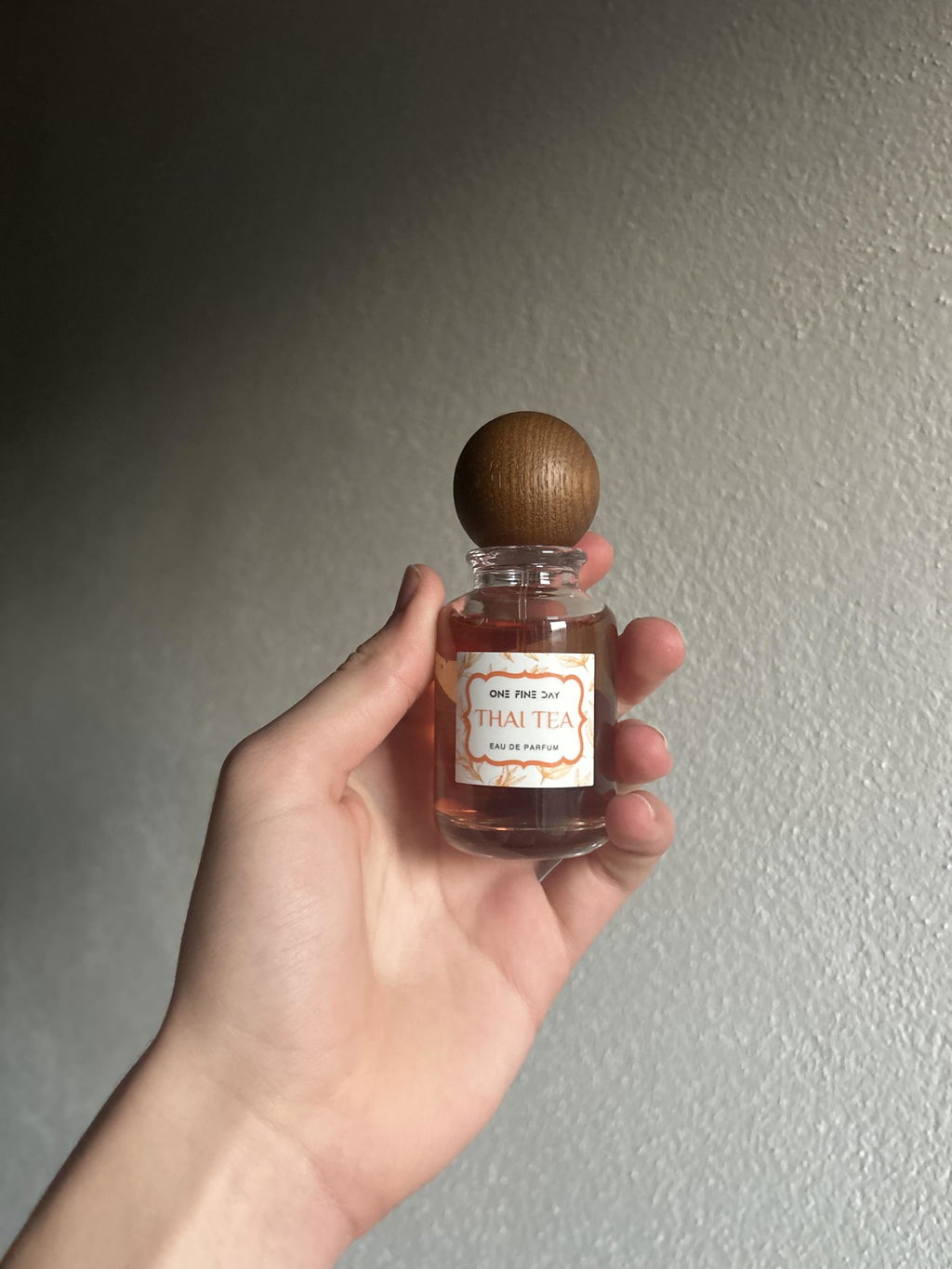
For modern Thai fragrance houses, this can mean drawing on familiar regional references with a contemporary perfumer’s eye: tropical ingredients, ceremonial florals, tea, fruits, woods and gourmand textures reframed with precision. The result need not be traditionally “luxury” in a European sense to feel exquisitely made.
5. The perfume feels complete from every distance
A sophisticated scent has more than one register. Up close, it may reveal pepper, creamy wood, skin musk or a delicate floral detail. At arm’s length, it gives a coherent aura. Further away, it should leave an impression without becoming a cloud of indistinct sweetness.
This balance is sometimes called diffusion or sillage, but volume is not the whole story. A perfume with moderate projection can feel beautifully expensive if its trail is textured and recognisable. Conversely, an extremely strong scent can feel less refined when every note arrives at once.
Test this by wearing fragrance in ordinary life rather than judging it only on a blotter. Notice it while walking outside, sitting in a warm café or putting on a jumper later in the day. Temperature, fabric and skin all reveal whether the perfume has a graceful presence.
6. It avoids obvious shortcuts
There is nothing wrong with sweetness, fruitiness or familiar fragrance families. The question is whether they have been given a twist. A perfume can use caramel, pear, coconut or clean musk and still feel highly polished when there is an unexpected balancing detail: salt, bitter citrus, green tea, soft spice, dry timber or a slightly mineral accord.
The shortcuts that can make a scent feel less expensive are not individual notes but one-dimensional effects. Sugar without contrast can become sticky. Loud woody molecules without softness can feel scratchy. An aquatic accord without texture may read as functional rather than atmospheric. These are not fixed rules, however. Some people genuinely want a bold, uncomplicated statement scent, and there is pleasure in that too.
Taste matters. A fragrance that smells expensive to one wearer may feel too restrained to another. If you enjoy dramatic projection and rich sweetness, seek a composition that delivers those qualities with a smooth base and a clear evolution, rather than abandoning them in pursuit of someone else’s idea of refinement.
7. Packaging supports the experience, but does not create it
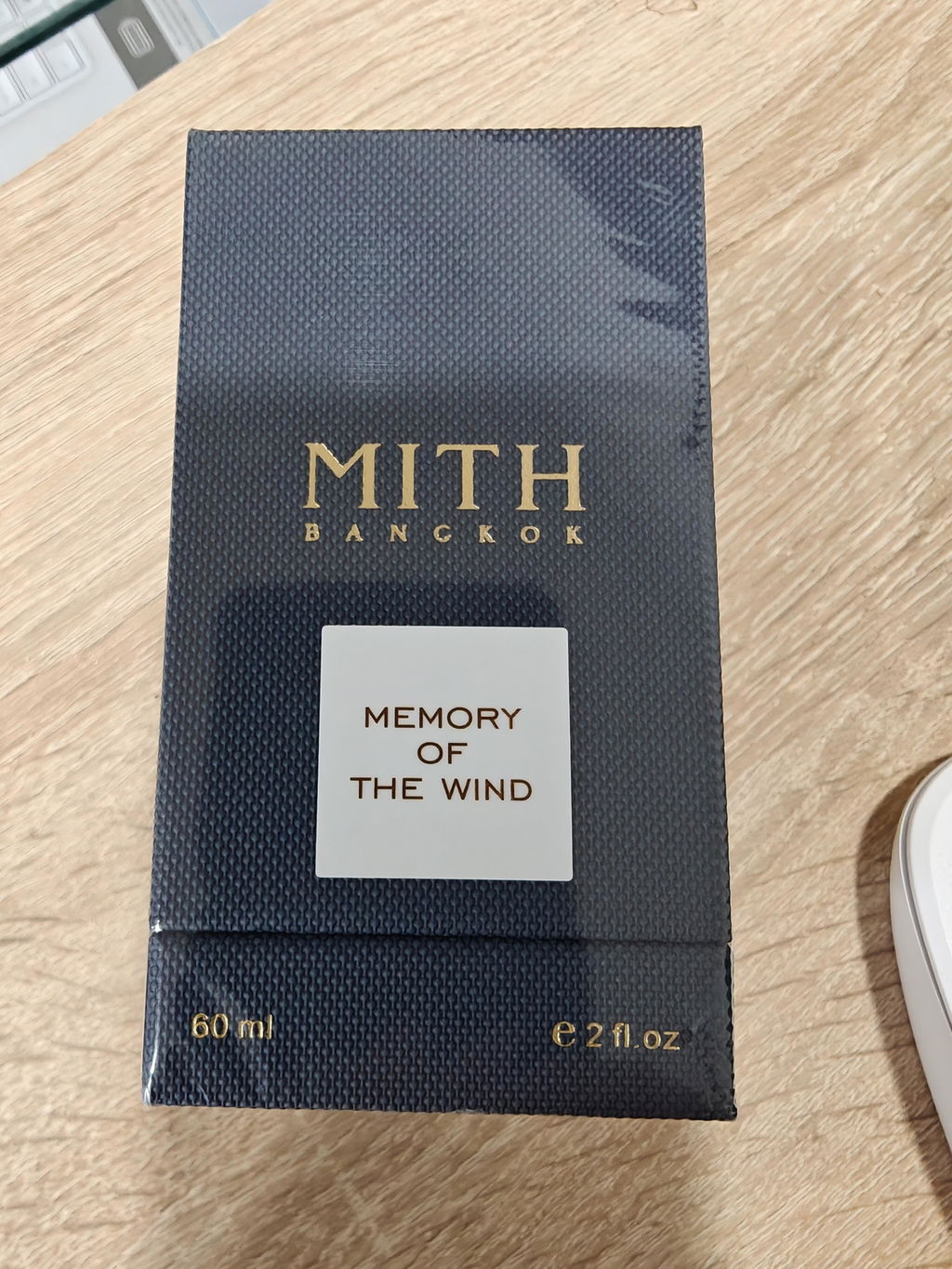
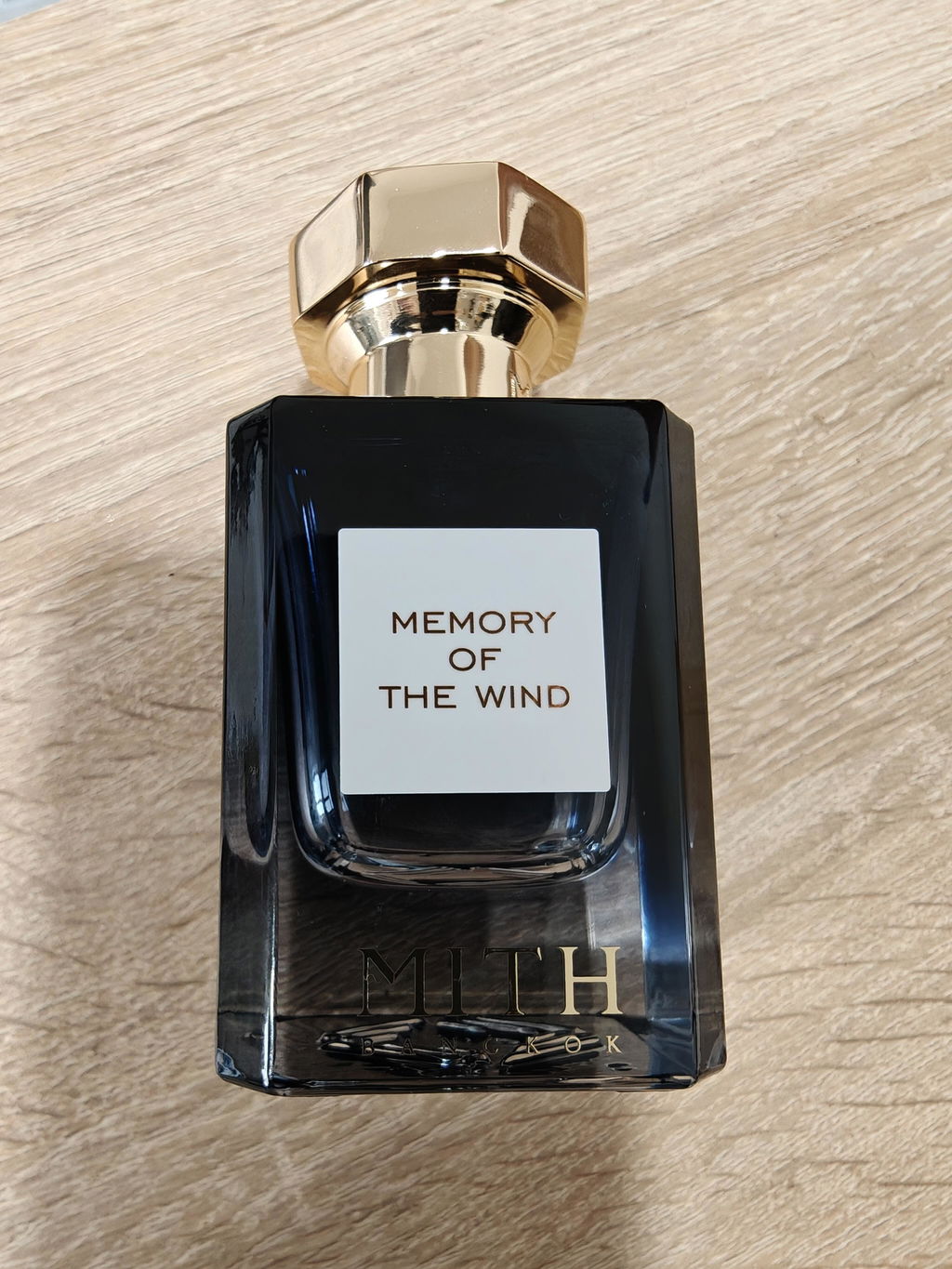
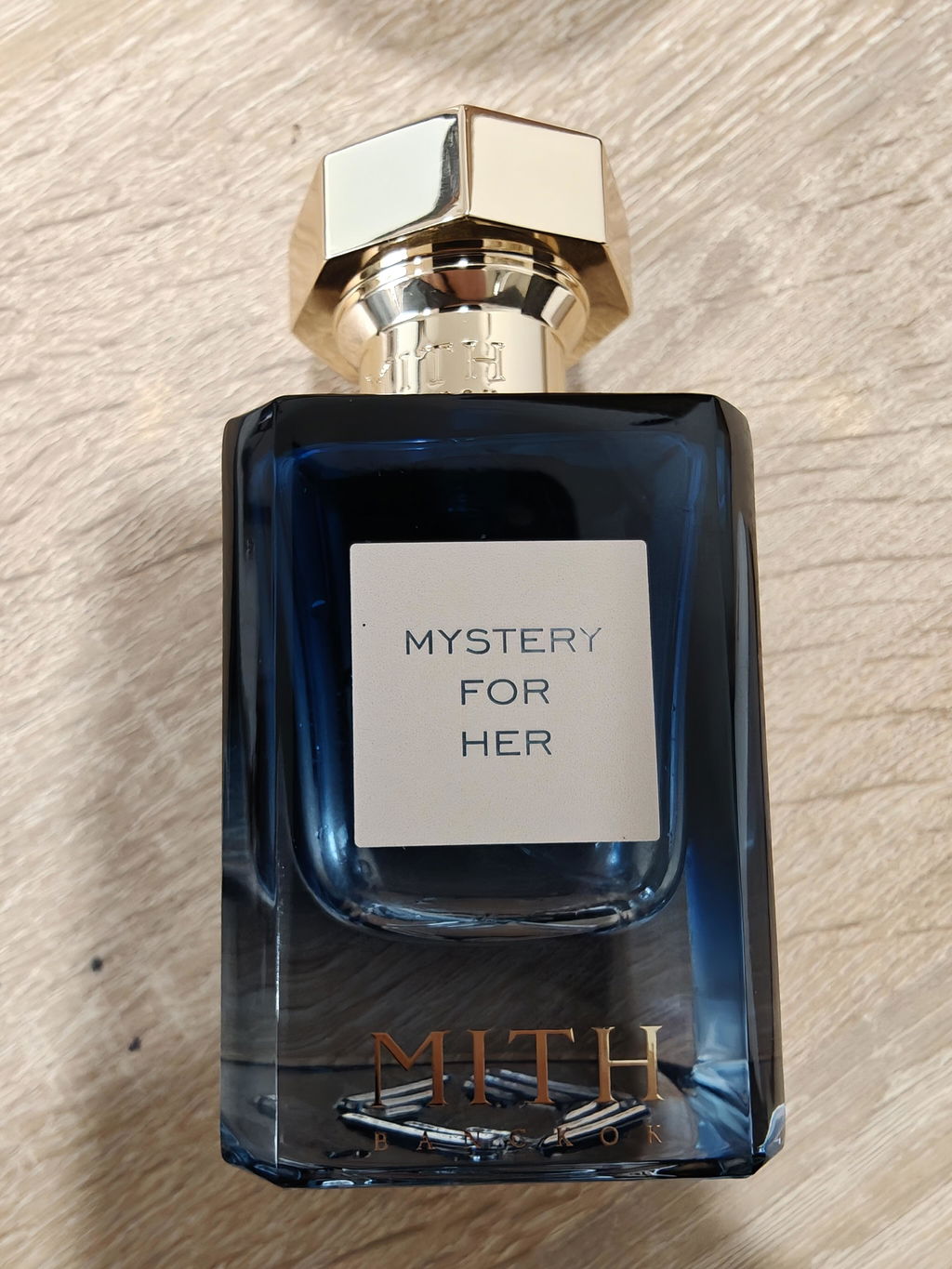
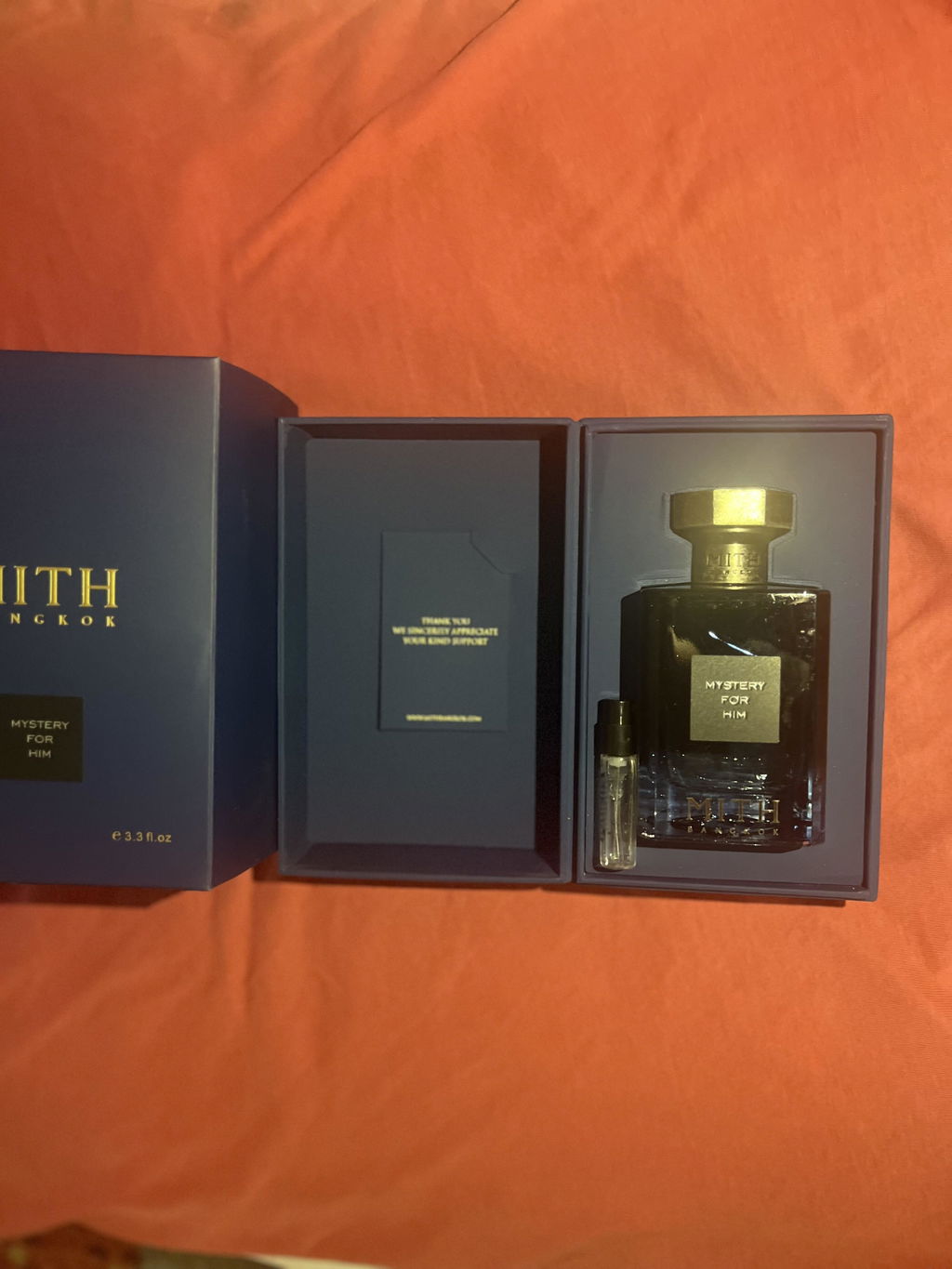
A weighty cap, textured label and elegant bottle can make a fragrance feel special before it is sprayed. Presentation is part of perfume culture, especially for gifting, but it is not proof of a superior formula. The scent itself should carry the experience once the box is put away.
That said, visual identity can deepen a perfume’s story when it reflects the composition. A modern bottle, thoughtful naming and a coherent collection can signal that a house understands its point of view. For collectors, this connection between object and scent is part of the pleasure.
How to find a perfume that feels luxurious to you
Start by moving beyond the word “expensive”. Ask what kind of refinement appeals to you. Do you want the polished freshness of citrus and tea, the enveloping softness of musks and sandalwood, the drama of resin and smoke, or the sensuality of fruit and flowers with an unexpected edge?
Then give the perfume time. Spray it on skin, wear it for several hours and return to it on a different day. A fragrance that feels compelling after the novelty of the opening has passed is usually one worth knowing better. The most convincing luxury is not a status signal. It is the small, precise pleasure of finding a scent that continues to reveal itself, and feels unmistakably your own.