A year in fragrance is rarely defined by one note. It is shaped by mood, by culture, by what people want to project when the room is oversaturated with familiar perfumes. Fragrance trends Europe 2026 are already moving in a clear direction: away from loud sameness and towards scent with texture, personality and a stronger point of view.
For a European fragrance buyer with niche tastes, that shift matters. The market is not becoming quieter so much as more selective. People still want presence, but they want it expressed through better materials, more distinctive accords and stories that feel less manufactured. The result is a more interesting landscape for anyone who is tired of the same polished amber-vanilla formula appearing in different bottles.
Fragrance trends Europe 2026 are becoming more selective
The biggest change is not simply about ingredients. It is about editing. Consumers are buying with more intention, often choosing fewer bottles but expecting each one to do more emotionally and aesthetically. That puts pressure on brands to offer a genuine signature rather than a trend-chasing imitation.
In practice, this means the middle ground is shrinking. Generic fresh scents still sell, and blockbuster gourmands are not disappearing, but the strongest momentum sits with fragrances that feel recognisable yet surprising. A polished sandalwood with a mineral edge. A floral that opens airy, then turns creamy and almost tactile. A tea scent with structure rather than spa-like softness. Familiarity helps, but predictability does not.
This is especially relevant in niche retail, where the audience is not simply looking for a pleasant fragrance. They want curation. They want a bottle that suggests taste, travel, memory or design sensibility. In 2026, the brands that understand this will stand apart from those still relying on marketing language to do the work of the juice.
The notes and styles set to define fragrance trends Europe 2026
Skin scents with more character
The clean skin category is maturing. For several seasons, the market leaned heavily on soft musks, laundry-clean accords and barely-there compositions. That appetite remains, but it is evolving into something more nuanced. The strongest skin scents for 2026 will not smell anonymous. They will have salt, rice steam, iris, warm paper, soft woods or a faint metallic glow.
This matters because consumers increasingly want intimacy without blandness. A skin scent should feel personal, not absent. The trade-off, of course, is projection. Some buyers still equate value with trail and longevity, so quieter perfumes must earn their place through texture and memorability rather than sheer force.
Gourmands, but less sugary and more styled
Gourmand is still central, but the profile is becoming more refined. Instead of loud caramel overload, expect to see pistachio with green facets, milk notes balanced by woods, sesame, toasted rice, chestnut, cacao husk and darker vanillas that carry a smoky or resinous undertone.
This is a useful correction. European consumers have shown they will embrace edible themes, but only up to a point. Many want comfort without smelling like a dessert counter. The sweet spot is a gourmand that feels dressed rather than juvenile. When done well, these fragrances are irresistible because they combine pleasure with polish.
Green notes are returning with polish
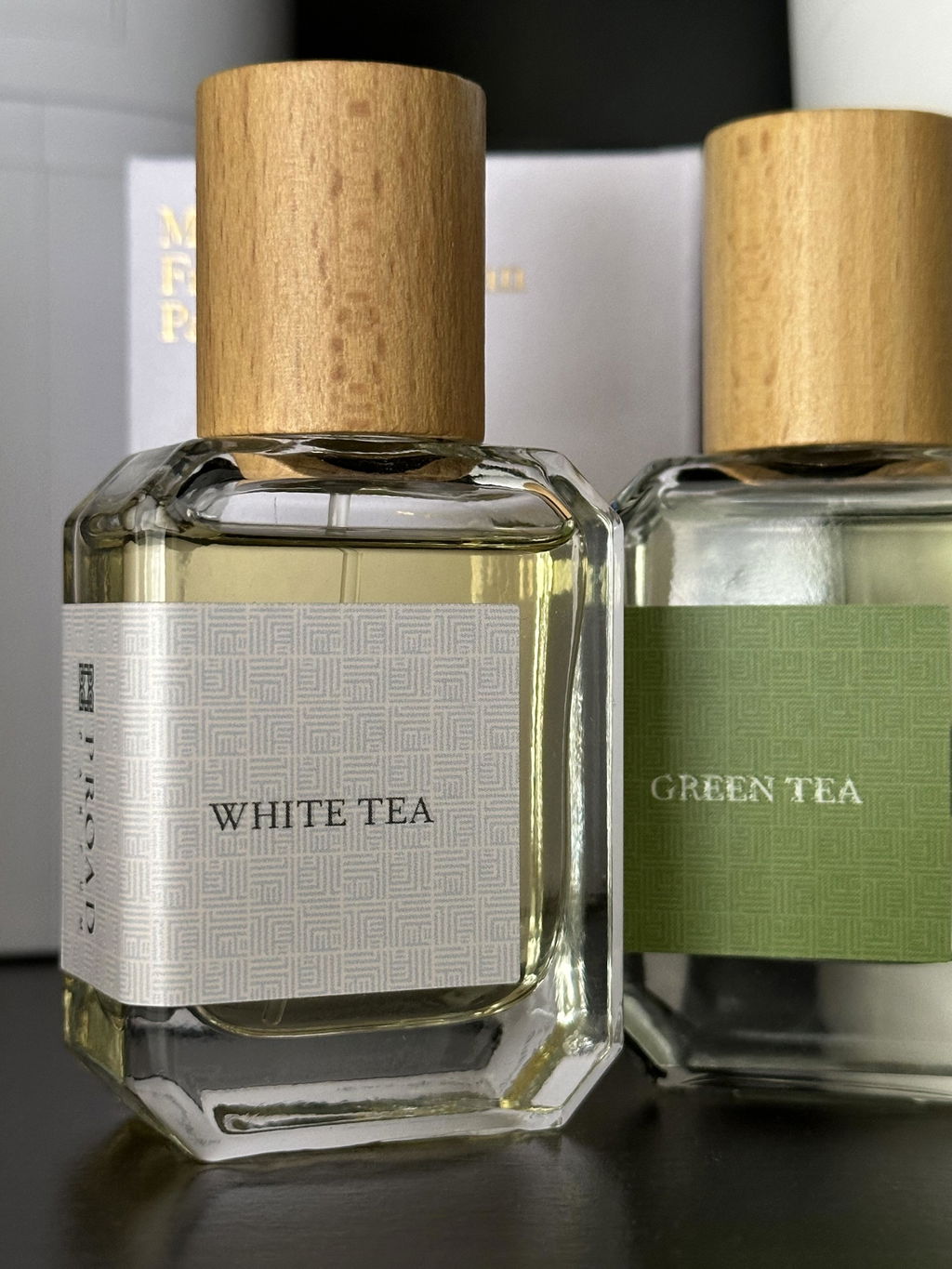
Green fragrances are back, though not in the severe, sharply galbanum-heavy style that can feel too retro for some wearers. The 2026 version is clearer and more fluid: fig leaf, tea leaf, crushed herbs, basil, shiso, mate, stemmy rose and damp vegetal effects layered over soft woods or transparent musks.
Part of the appeal is psychological. After years dominated by dense amber and sugar, green notes read as intelligent and modern. They create lift without reverting to generic citrus freshness. They also wear well in urban settings, where a fragrance that feels composed and breathable often gets more use than something overtly dramatic.
Woods are getting creamier, softer and more architectural
Woody fragrances are not leaving, but the style is shifting. Harsh dry woods are giving way to creamy sandalwood effects, suede-like cedar, pale guaiac, cashmere textures and musks that create structure without weight. These fragrances feel designed rather than simply blended.
There is a reason they work so well right now. They layer beautifully, they suit different wardrobes, and they bridge the gap between statement and subtlety. A well-made woody scent can feel minimal on first wear, then reveal remarkable depth over time. For consumers building a wardrobe rather than chasing novelty, this category has obvious appeal.
Florals are becoming less formal
Floral perfumery is loosening up. Instead of bouquet-style compositions or overly polished white florals, expect more transparent rose, osmanthus, violet, orange blossom, peony and jasmine used in ways that feel airy, creamy or lightly frayed at the edges.
This gives florals broader relevance. They no longer have to read traditionally feminine or occasion-specific. A rose with tea and pepper, or a jasmine softened by rice and musk, feels easier to wear and easier to claim as a signature. That shift is especially important for younger niche consumers who want beauty without stiffness.
Story-led perfumery is gaining ground
One of the most significant fragrance trends Europe 2026 will be the continued rise of narrative-driven perfume. This does not mean every scent needs a theatrical backstory. It means the concept must feel coherent, from the composition to the bottle to the visual world around it.
Consumers have become more sceptical of empty luxury signals. They can recognise when a fragrance has been positioned expensively but says very little. By contrast, story-led niche houses create a more complete experience. The scent feels attached to a mood, a city, an artwork, a memory, a season or a cultural reference point. That gives people a reason to choose it beyond performance claims alone.
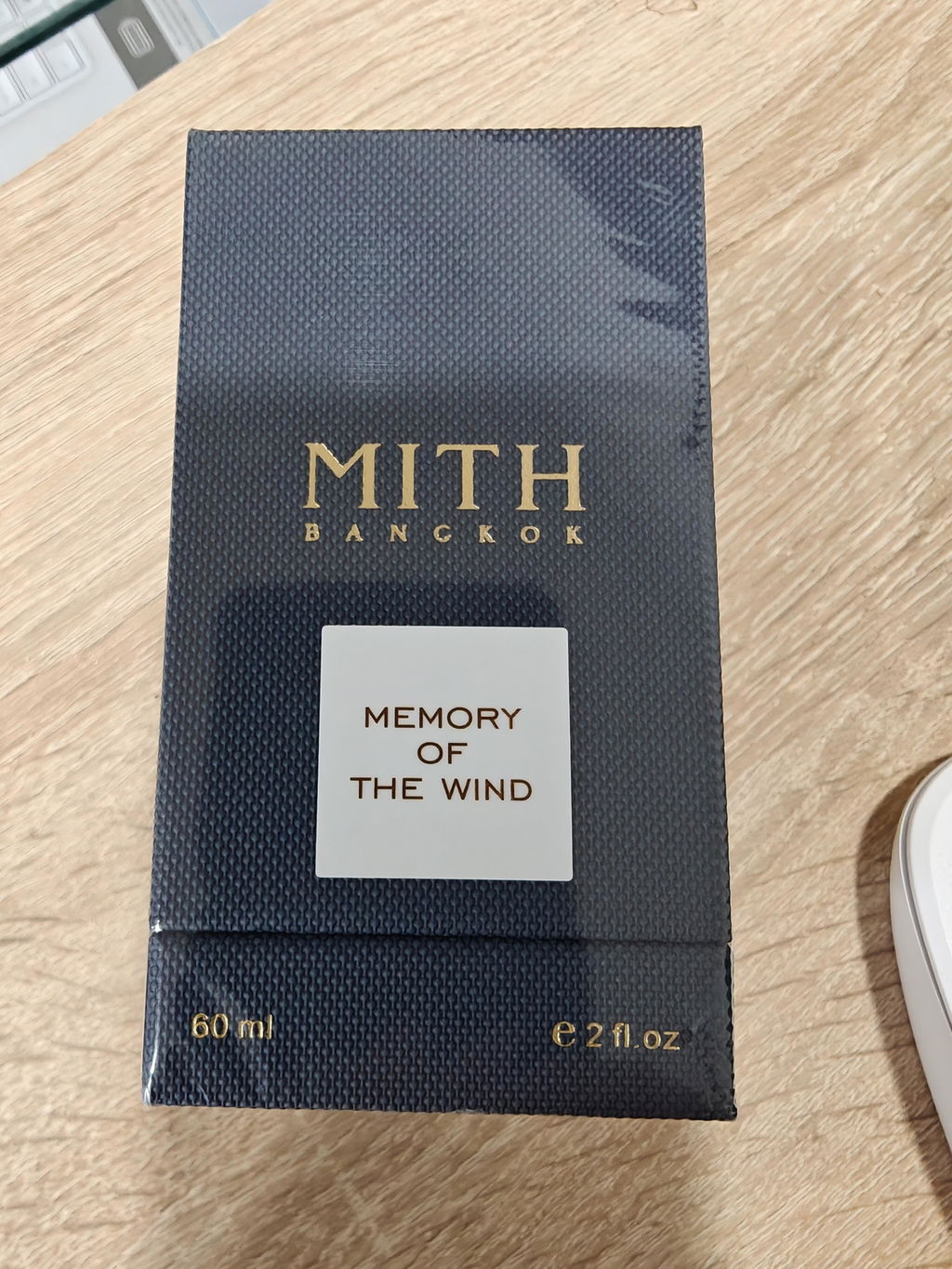
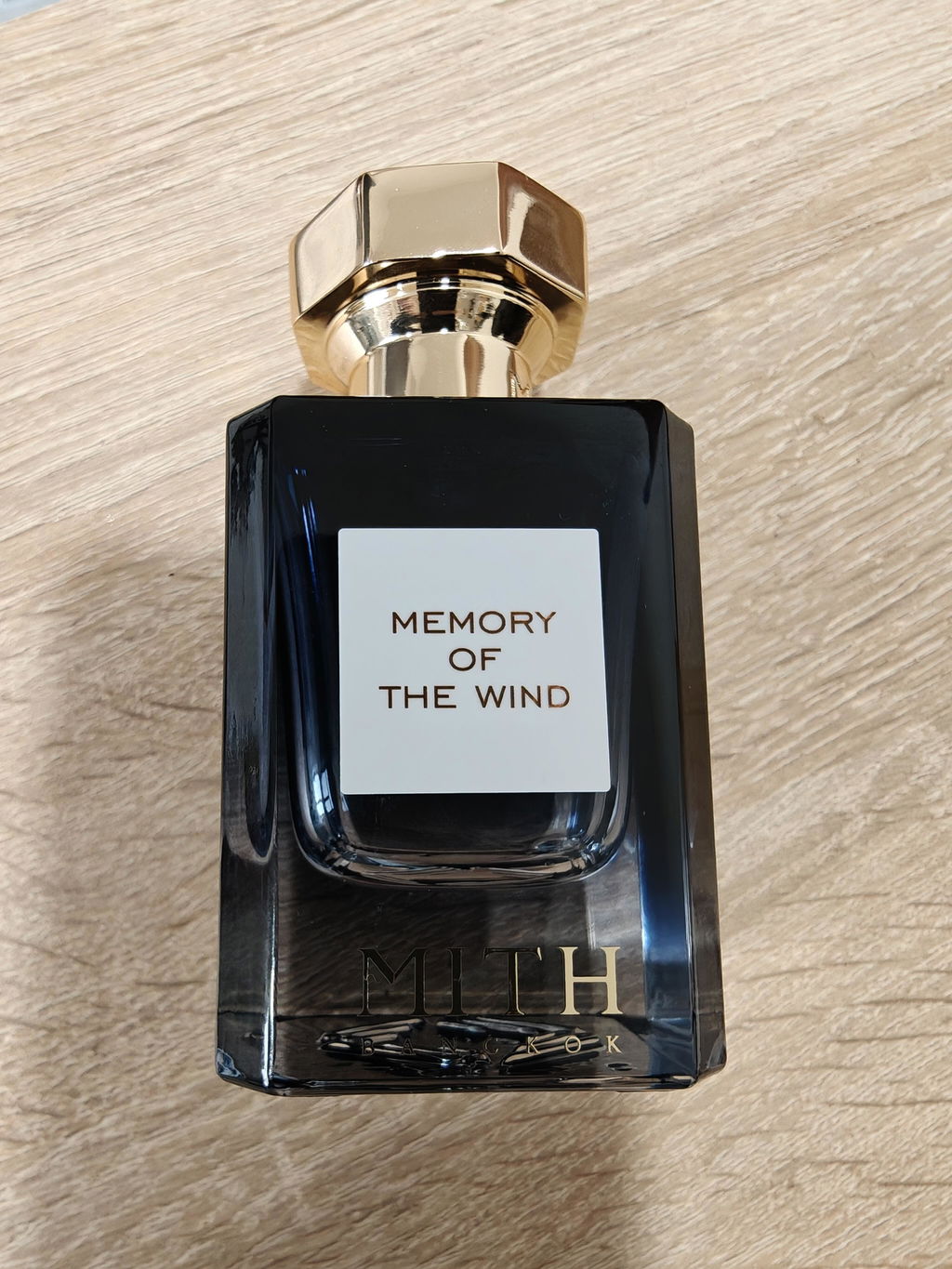
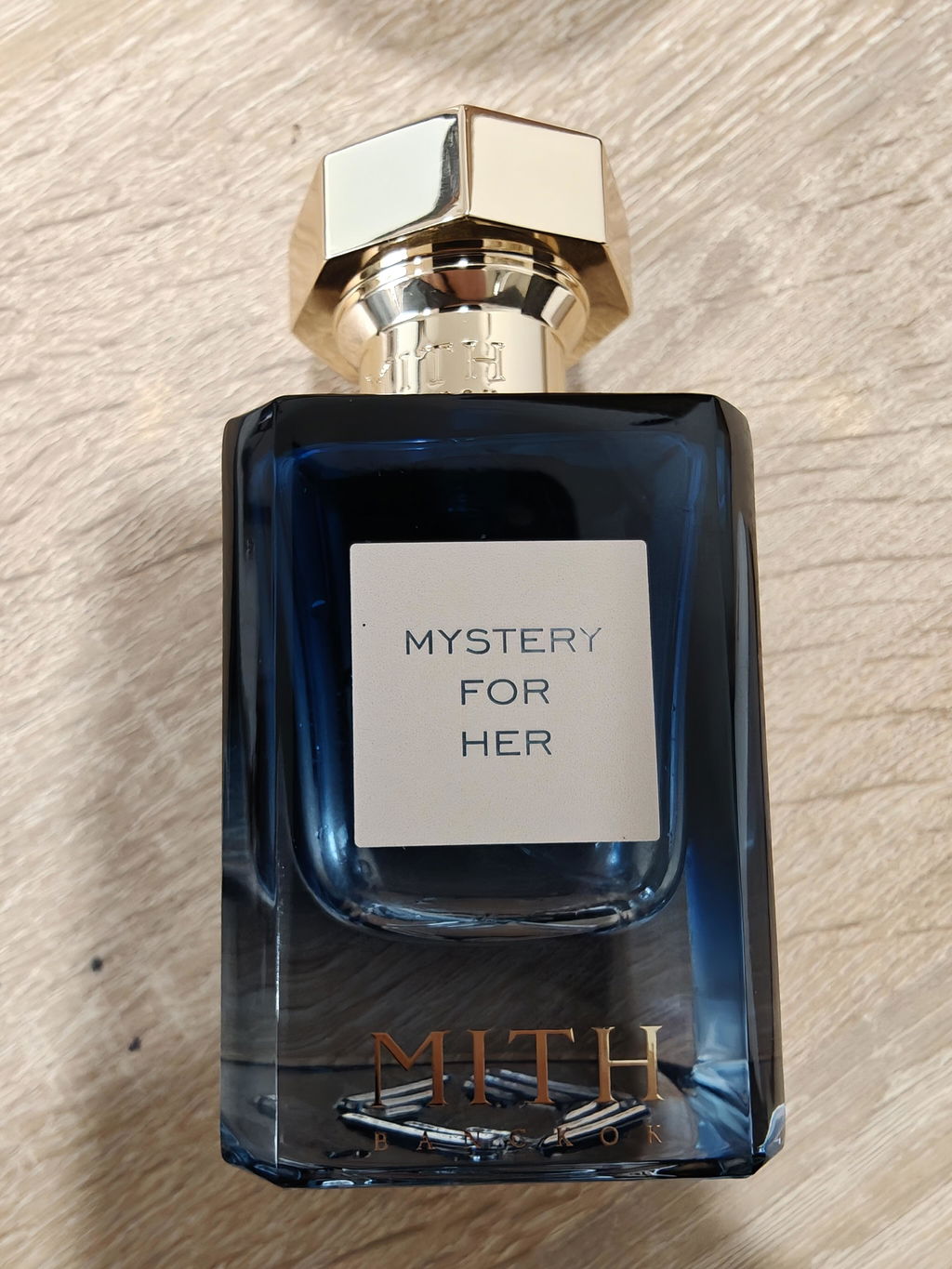
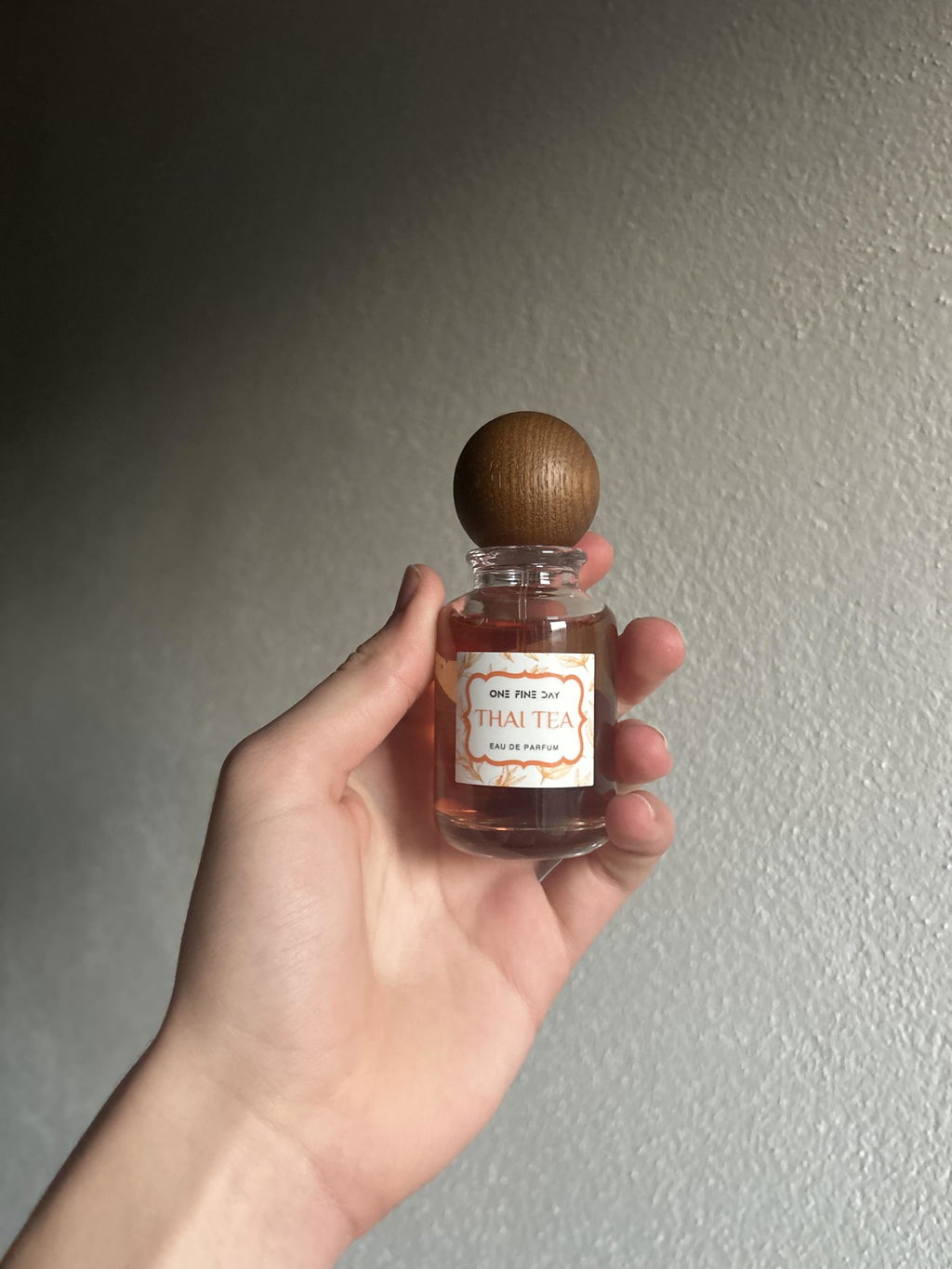
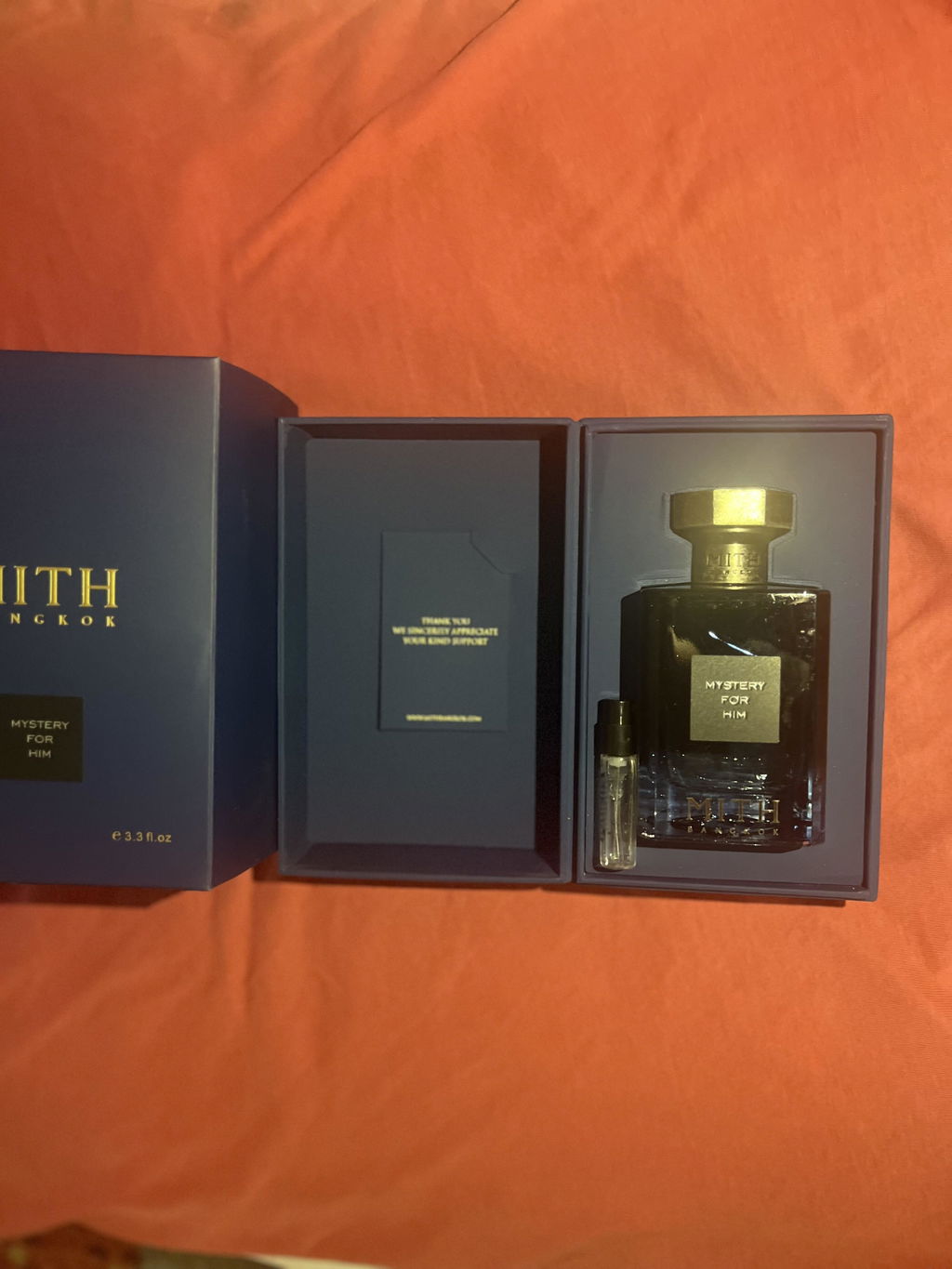
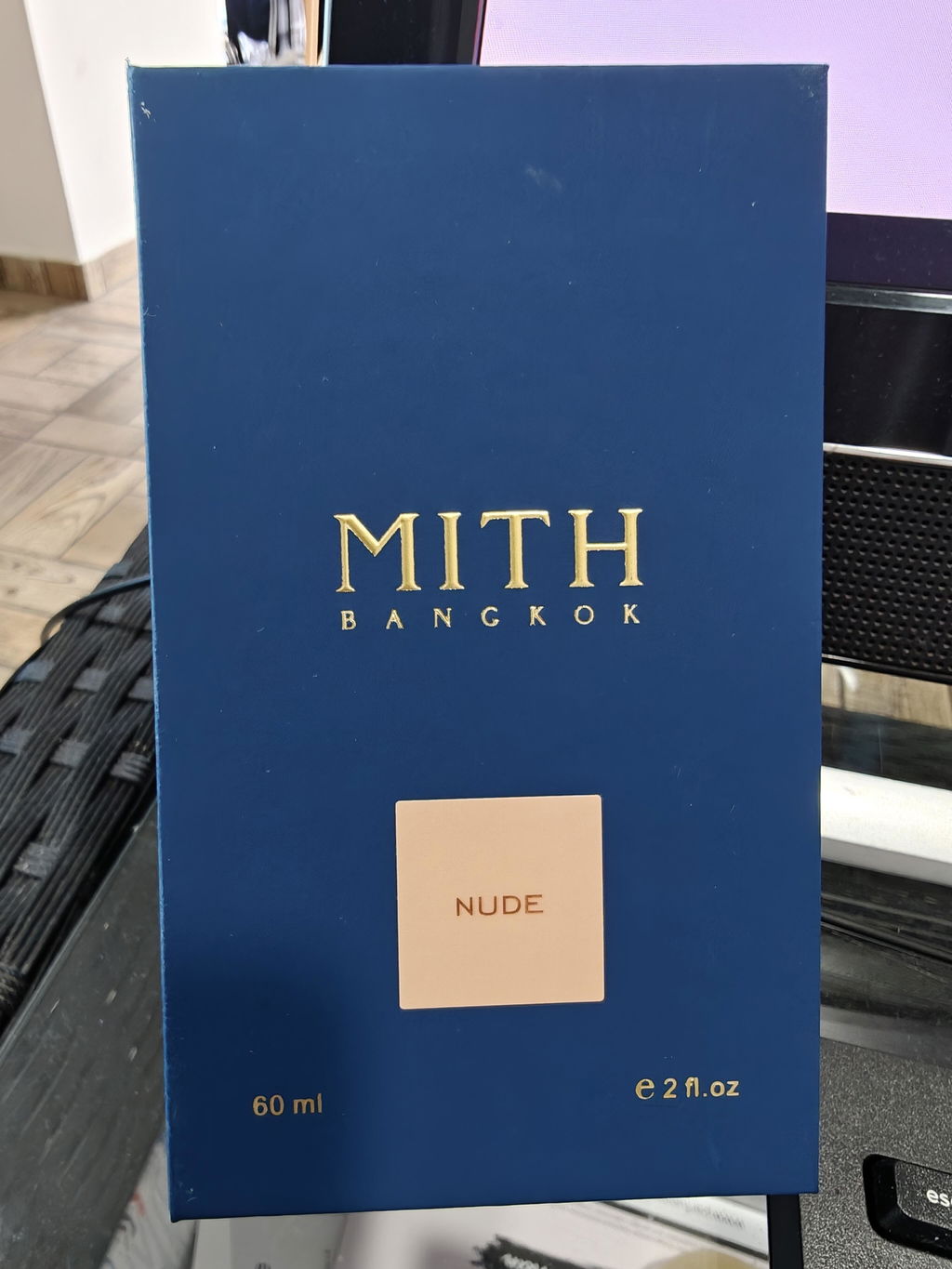
This is also where emerging fragrance regions gain real relevance. European buyers are increasingly curious about perspectives outside the traditional French and Italian canon, provided the quality is there. Distinctive Thai fragrance houses, for example, are attracting attention because they often bring a different use of texture, atmosphere and emotional pacing. There is a freshness in that point of view, especially for customers who feel they have already smelt every mainstream variation on oud, amber and vanilla.
The consumer mood behind the shift
Fragrance trends do not emerge in isolation. They reflect how people want to feel. In 2026, there is a clear appetite for scent that feels expressive but controlled. Consumers still enjoy indulgence, but they are less interested in obvious status and more interested in identity.
That creates a market for perfumes that can hold contradiction. Clean yet sensual. Sweet yet dry. Floral yet airy. Woody yet soft. This balance is exactly what makes a fragrance feel expensive now. It is no longer about how much it announces itself in the first five minutes, but how elegantly it unfolds over a day.
There is also a practical side. Many buyers are shopping online, often from curated specialist retailers rather than broad beauty platforms. That changes how brands must communicate. If a fragrance is to succeed without a department store counter, it needs a distinct profile that can be understood through notes, imagery and reputation. Vague descriptions and trend language are not enough.
What this means for fragrance wardrobes in 2026
For collectors and style-led buyers, the idea of the fragrance wardrobe remains useful, but the categories are changing. The old divisions of office scent, date scent and summer scent feel slightly blunt. Instead, wardrobes are becoming more mood-led.
A soft woody skin scent for close settings. A green aromatic for daytime clarity. A sculpted gourmand for evening warmth. A transparent floral for lightness without innocence. These are not rigid slots, but they reflect how people actually wear fragrance now. Versatility matters, yet so does emotional distinction.
This is where curation becomes more valuable than volume. A retailer with a strong eye can help customers move beyond trend fatigue and towards bottles they will genuinely finish. That matters more than ever in a crowded market. One carefully chosen fragrance with a precise identity will often outperform three impulse buys that smell broadly familiar.
For niche shoppers, this is encouraging. The market is rewarding taste again. It is making space for houses with a clear aesthetic, for unusual but wearable compositions, and for brands that treat perfume as design rather than content.
If you are choosing with 2026 in mind, look for fragrances that feel specific. Not louder for the sake of it, not sweeter because the market says sweet sells, and not minimalist to the point of invisibility. The most convincing perfumes next year will be those that know exactly what they are trying to say - and say it with composure.