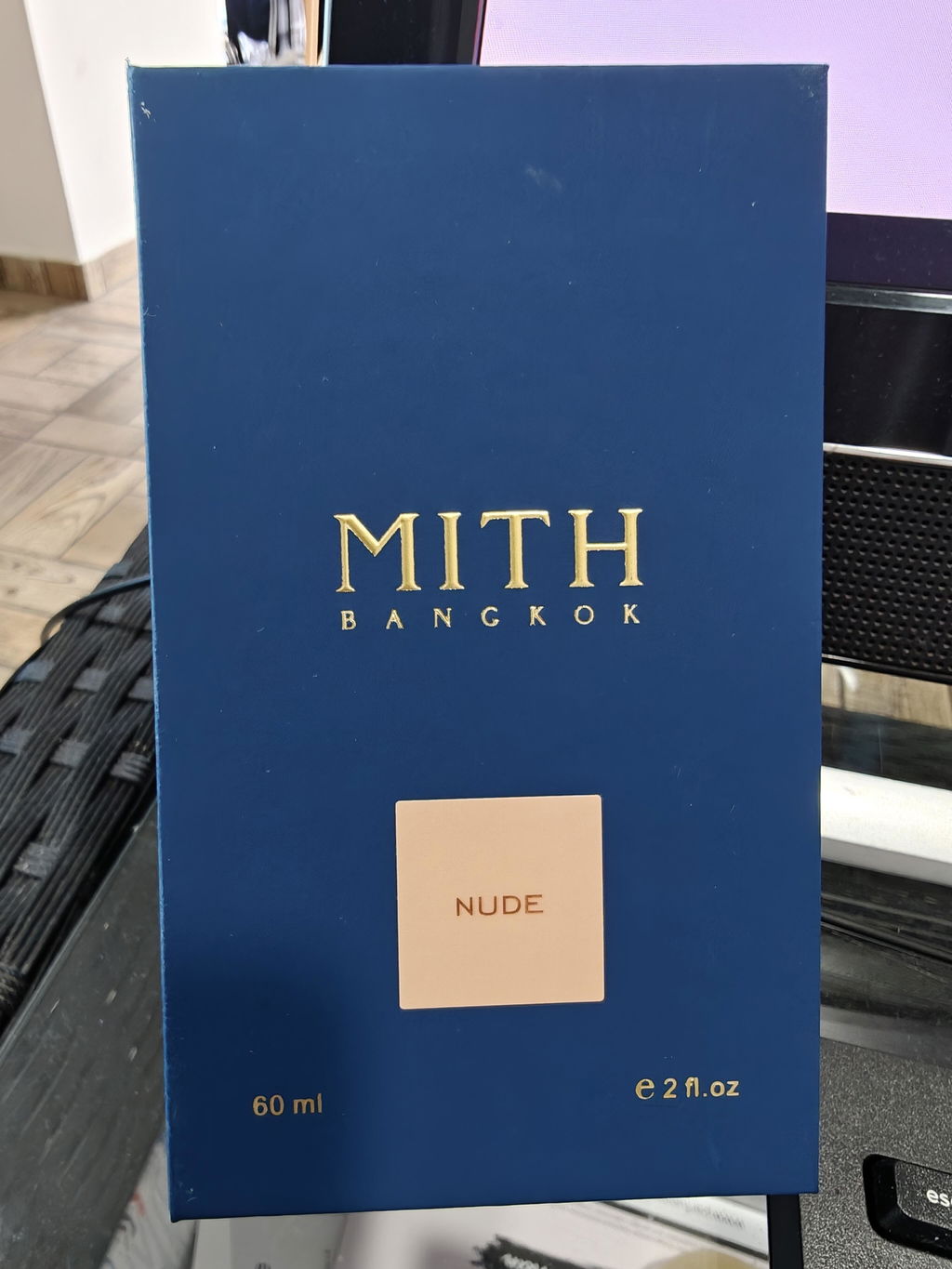
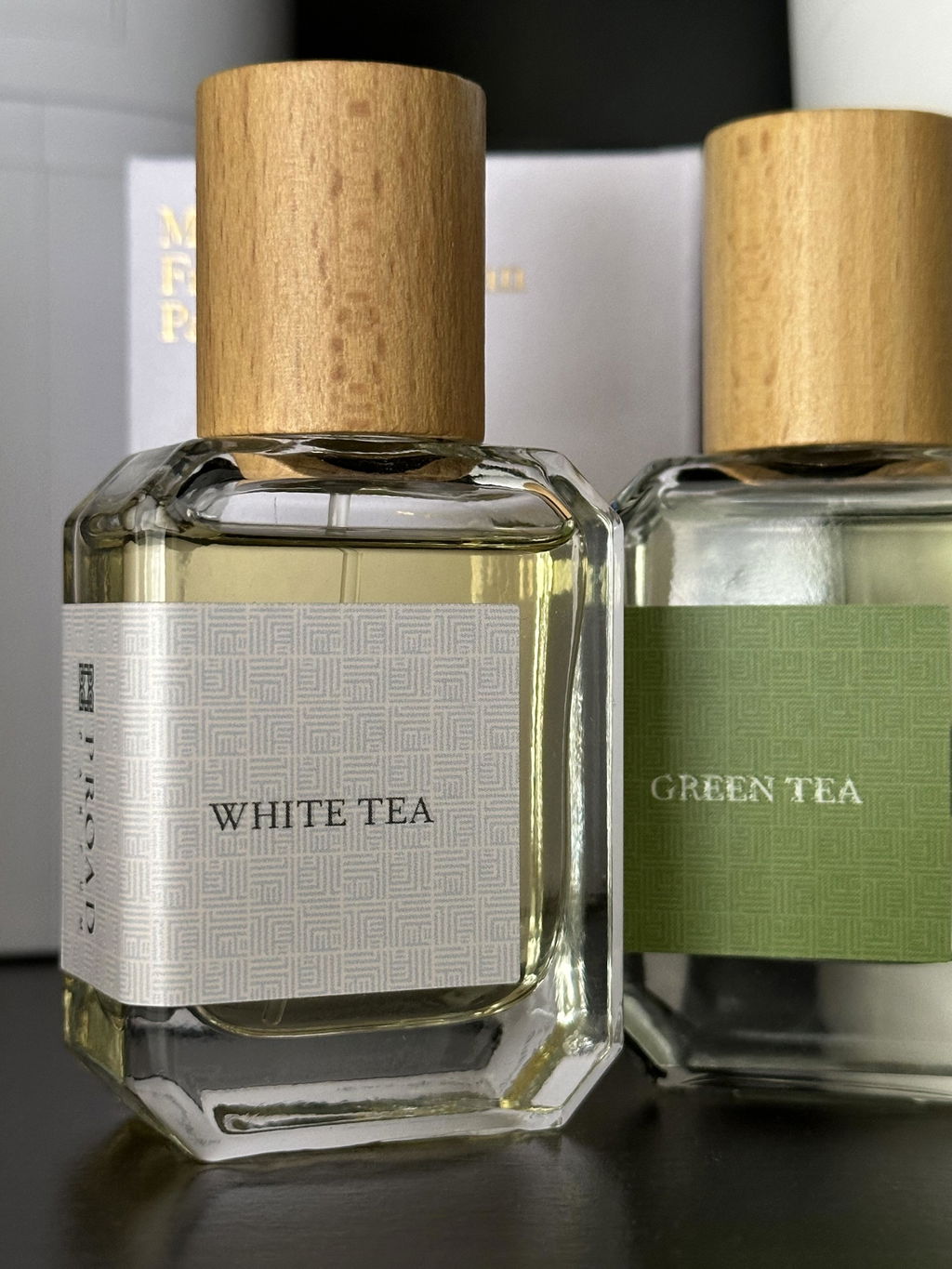
A signature fragrance rarely announces itself on first spray. More often, it lingers in your mind after a crowded sampling session, or returns to you hours later on a cuff, a scarf, or the back of your wrist with a quiet sort of certainty. The right scent does not simply smell good. It feels aligned - with your taste, your habits, your wardrobe, even the way you like to enter a room.
For anyone tired of predictable perfume counters and the same familiar bestseller trail, the search for a signature fragrance is less about finding what suits everyone and more about recognising what feels unmistakably yours. That is where niche perfumery becomes especially compelling. It offers more character, more nuance, and often a stronger point of view.
What a signature fragrance really means
A signature fragrance is not necessarily the perfume you wear every single day. For some, it is. For others, it is the scent family, mood, or olfactory profile that keeps reappearing across different bottles. You may rotate between a luminous iris in spring, a soft suede in autumn, and a polished woods fragrance in winter, yet all of them still feel connected by a shared sensibility.
That distinction matters, because many people abandon the idea too quickly. They assume a signature scent must be fixed, rigid, almost uniform-like. In reality, a signature fragrance is more often a consistent aesthetic than a single formula. It is the thread people begin to associate with you.
The best examples have presence without feeling costume-like. They do not wear you. They sharpen your identity.
Why mainstream perfume can make the search harder
There is nothing inherently wrong with widely loved fragrances. Some are beautifully composed and deservedly popular. The difficulty is saturation. When the same sweet amber, clean musk, or blue aromatic profile appears across countless launches, it becomes harder to identify your own preference beneath the noise.
This is one reason more fragrance-conscious shoppers drift towards niche houses. Smaller brands often take greater creative risks. They may emphasise texture over volume, unusual raw material pairings, or storytelling that feels more intimate than trend-driven. That shift can be useful when you are trying to identify a signature fragrance, because it exposes you to perfumes with sharper contours and clearer personalities.
It also helps you avoid choosing a scent simply because it is familiar. Familiarity is not the same as connection.
Start with your taste, not just notes
Most people begin by asking whether they like vanilla, rose, oud, neroli, or vetiver. That can help, but notes on their own are an incomplete way to shop. Two rose fragrances can feel entirely different. One may be sheer and airy, almost petal-like. Another may be jammy, spiced, or wrapped in leather. If you only tell yourself that you do or do not like rose, you miss the more revealing question.
What kind of atmosphere do you enjoy wearing?
Do you prefer a fragrance that feels pressed shirt crisp, sunlit and clean? Something with velvet warmth and a late-evening mood? A polished skin scent that sits close and elegant? Or something architectural and distinct, with enough edge to start a conversation? Your answers say more about your future signature fragrance than any single note list.
Style offers clues too. Someone drawn to tailored silhouettes, monochrome dressing, and discreet luxury may not want the same perfume profile as someone who leans towards saturated colour, bold jewellery, and expressive layering. Neither instinct is better. The point is coherence.
Test on skin, then wait longer than you think
Perfume on paper is only a preview. The real decision happens on skin, and often much later than expected. Top notes can be charming, sparkling, and persuasive, but they are not the whole performance. The heart and dry-down reveal the fragrance you will actually live with.
If you are searching seriously, test one or two scents at a time rather than covering both arms in six competing compositions. Wear them through a normal day. Notice whether they become more beautiful, flatter, stranger, or simply disappear. Ask yourself whether you keep bringing your wrist back to your nose out of pleasure rather than analysis.
This is especially important with niche perfumery. More artistic compositions can unfold in stages, showing their best facets after an hour or two. A signature fragrance often earns your attention gradually. It may feel less obvious at first, but more compelling with time.
Skin chemistry matters, but not in a mystical way
It is true that perfume smells different from person to person, though this is sometimes overstated. Skin temperature, oil levels, climate, and application style all affect how a fragrance develops. A resinous scent may bloom richly on warm skin. A transparent floral may read almost weightless on someone else.
That is not a reason to overcomplicate the process. It is simply a reminder not to buy based solely on someone else's description. A perfume praised as creamy and smooth might turn sharper on you. One described as dark and intense may become unexpectedly soft.
The practical answer is patience. Try the fragrance in the conditions you actually live in. Your signature fragrance should make sense in your real life, not only in ideal testing conditions.
Think about repetition, not novelty
Many perfume lovers enjoy novelty. There is pleasure in discovery, in chasing a new accord, a new perfumer, a new mood. But a signature fragrance asks a different question: what do you want to return to?
That can be more revealing than asking what impresses you in the moment. Some perfumes are thrilling once, then too much on the fifth wear. Others seem understated initially, then become indispensable. Signature scents usually belong to the second group.
A useful test is whether a fragrance still feels desirable after a few wears in close succession. If it begins to irritate, bore, or feel mismatched, it may be an excellent perfume, just not your perfume.
Should your signature fragrance change with the seasons?
Sometimes yes. Sometimes no. It depends on how narrowly you define the idea.
If you want one bottle that works year-round, aim for balance. Woods, musks, tea notes, soft florals, translucent amber, and refined spice often wear well across seasons without becoming too heavy in heat or too thin in cold weather. These are often the fragrances that feel polished and adaptable.
If you prefer a wardrobe approach, your signature fragrance may become a signature style instead. Perhaps every scent you choose has a creamy sandalwood base. Perhaps you consistently gravitate towards transparent florals with mineral freshness. Perhaps your collection always returns to elegant gourmands that are textured rather than sugary. That continuity is enough.
There is no virtue in forcing one bottle to perform every role. The better question is whether your choices still sound like you.
The role of memory and identity
Fragrance is unusually personal because it moves through memory so quickly. A certain fig note may recall a holiday evening. A powdery iris may remind you of a cashmere scarf or a dressing table. A green neroli may feel like the version of yourself you are most confident being.
This emotional layer is not sentimental excess. It is often the reason a perfume becomes a signature fragrance rather than just another attractive option. Scent attaches itself to identity with remarkable force. That is why the right bottle can feel intimate almost immediately.
It is also why copying someone else's signature rarely satisfies for long. Admiration is one thing. recognition is another. Your signature fragrance should reflect how you want to be remembered, not simply what happens to smell expensive, fashionable, or widely approved.
When niche fragrance makes the difference
For shoppers looking beyond the obvious, niche fragrance offers a more precise route to personal style. You are more likely to encounter distinctive structures, unexpected contrasts, and scent stories that do not flatten themselves for mass appeal. That does not guarantee a better perfume, but it often creates a more interesting selection.
This is where a well-curated retailer becomes valuable. Rather than presenting fragrance as an endless shelf, a specialist edit helps narrow the search towards houses with a clear artistic voice. For those in the EU who want access to less widely distributed scent profiles, particularly from contemporary Thai perfumery, Villenel Fragrances represents a more considered way to explore what a signature fragrance could look like beyond the mainstream script.
How you know you have found it
Usually, the sign is not drama. It is ease.
You stop second-guessing. You reach for it without needing a special excuse. It works with your pace, your clothes, your evenings out, your ordinary mornings. It feels present, but never forced. And when people notice it, the compliment tends to sound less like praise for a perfume and more like recognition of a person.
That is the real appeal of a signature fragrance. It turns scent from an accessory into part of your language. Take your time with it. The right one should feel less like a purchase and more like a form of self-editing.