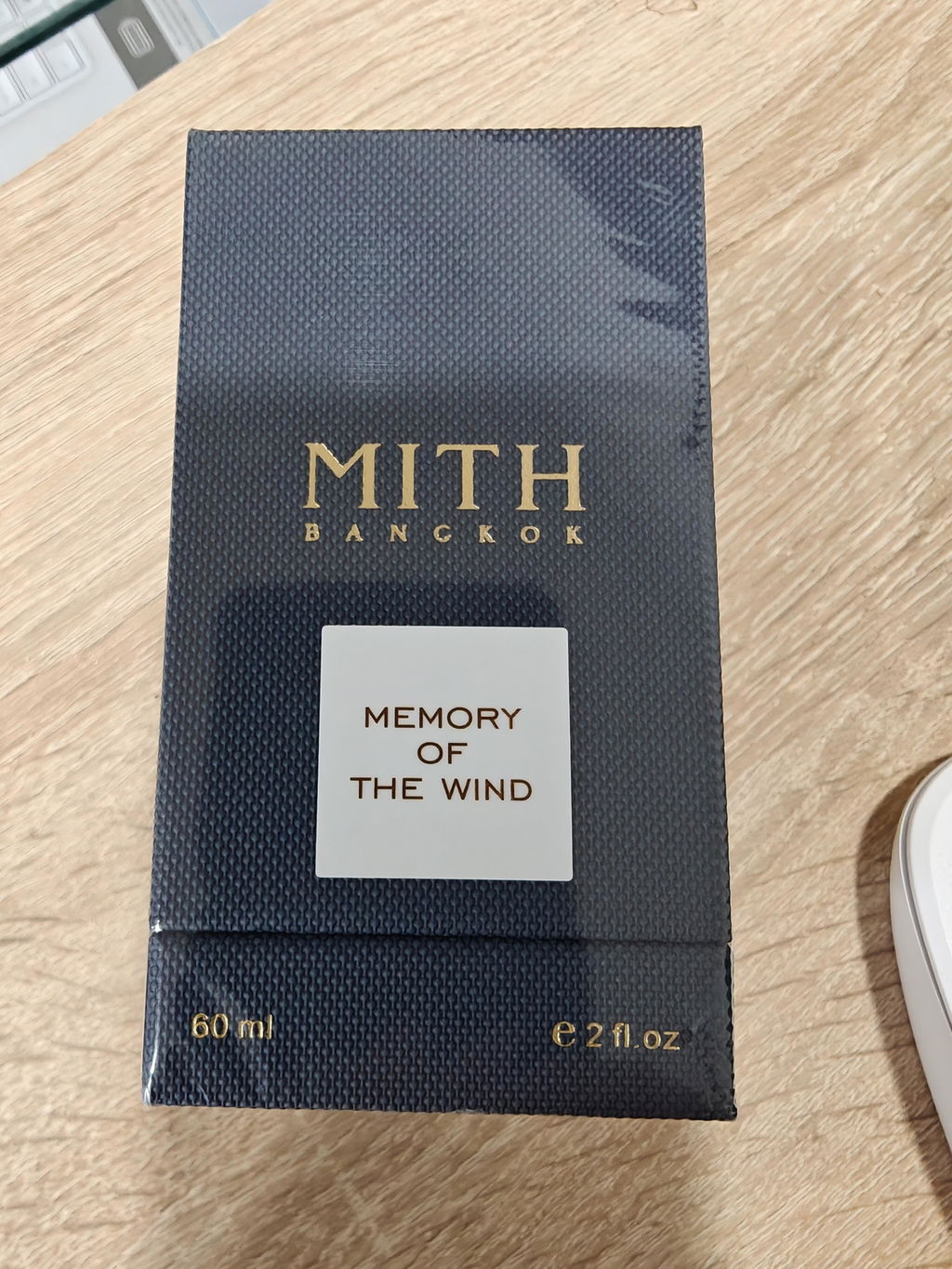
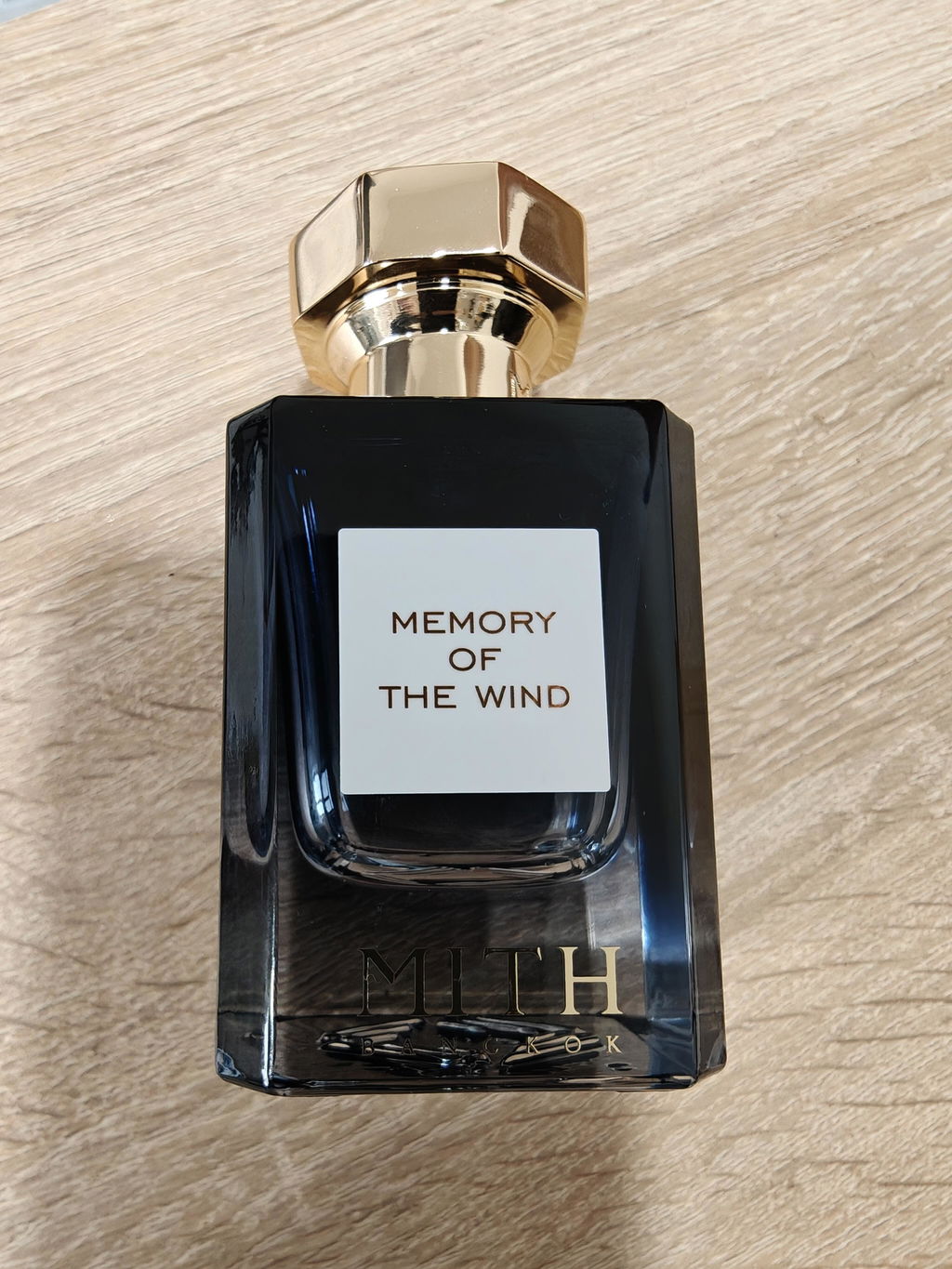
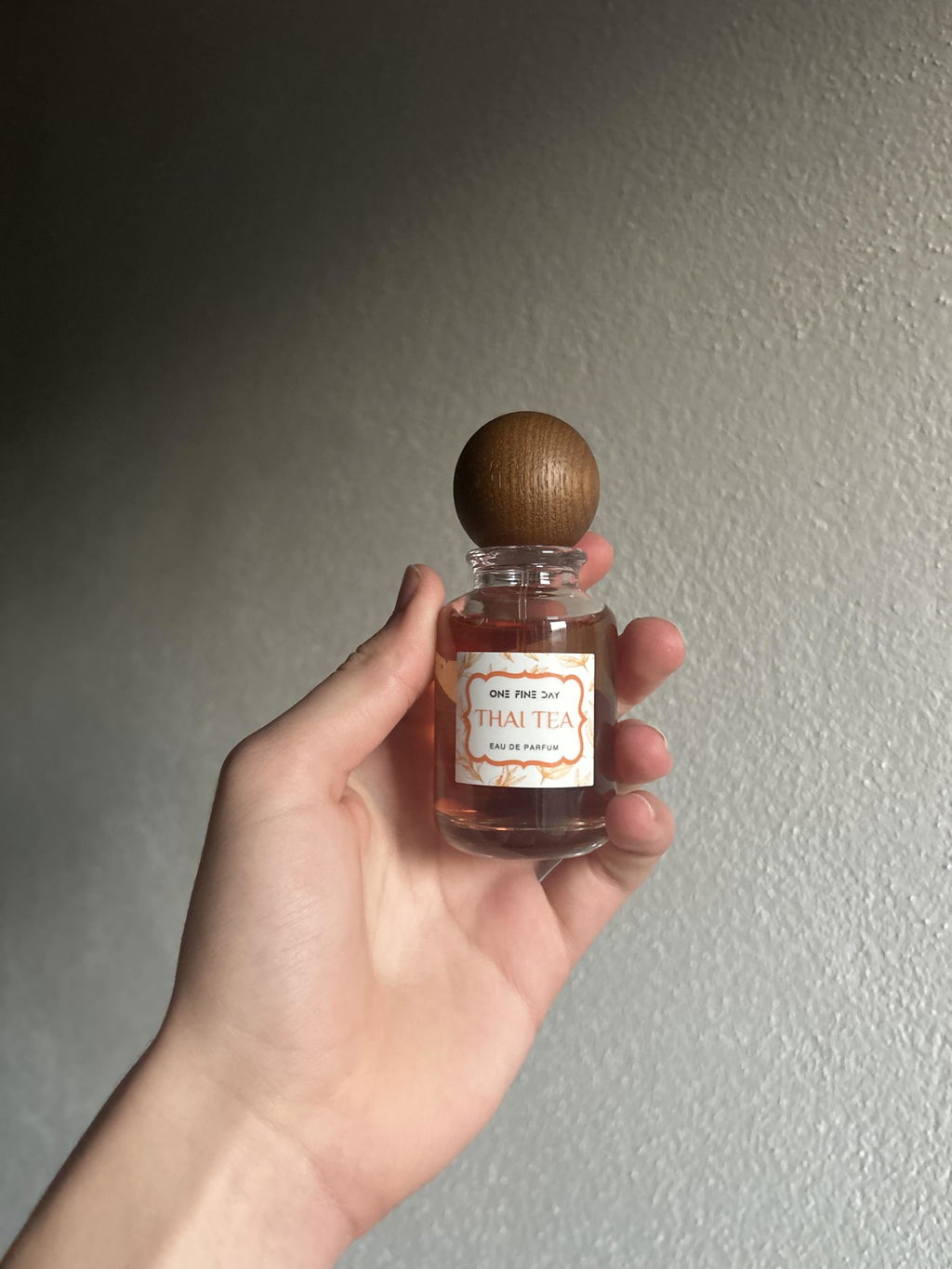
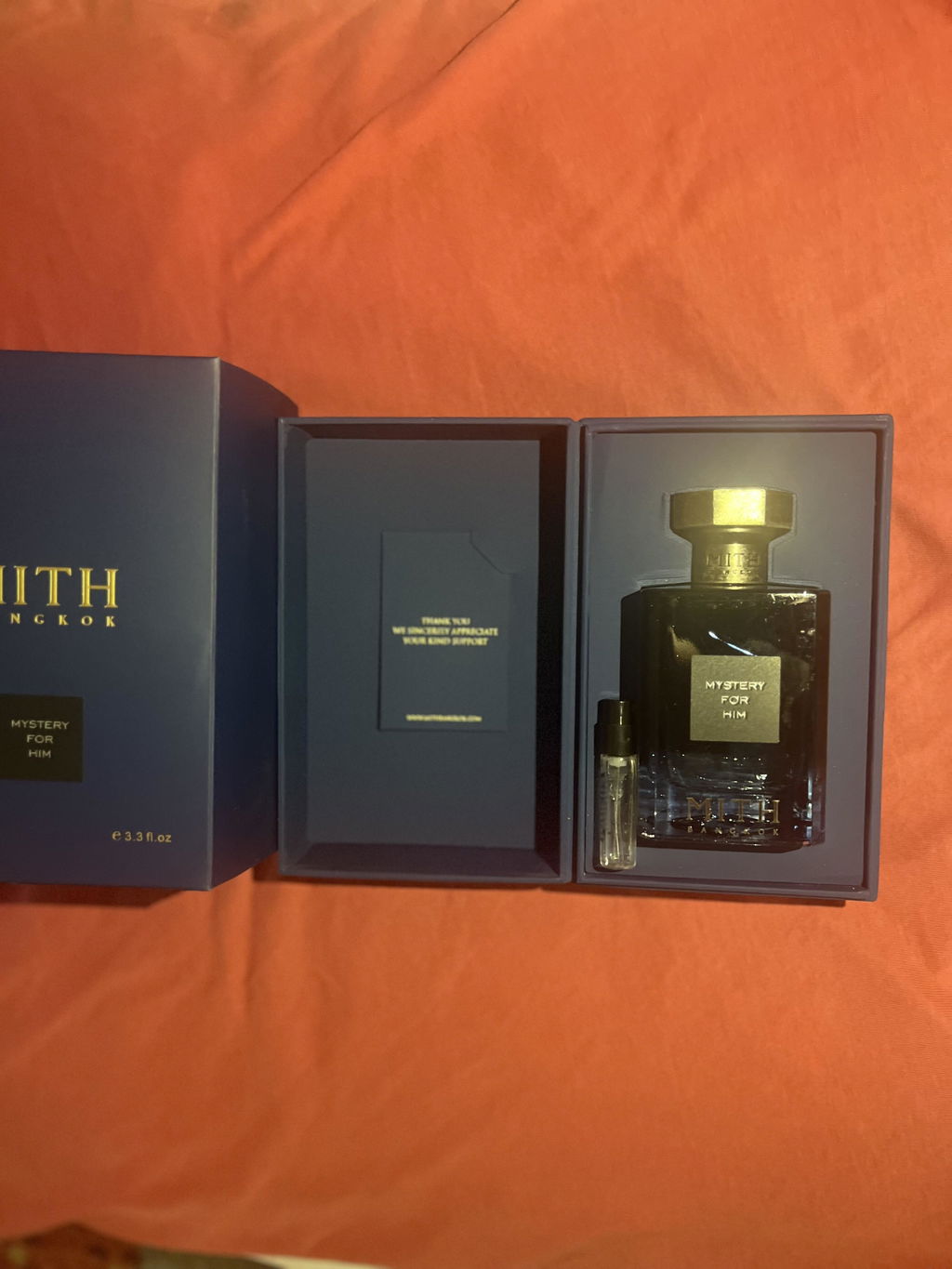
A great coat changes how clothes sit. Fragrance does the same for personal style. A scent wardrobe for every season is not about owning dozens of bottles for the sake of it - it is about choosing fragrances that feel right against shifting light, temperature, fabric and mood.
The mistake is assuming one signature scent can do everything equally well. Some perfumes bloom beautifully in cold air and feel dense by July. Others sparkle in heat but disappear when the weather turns sharp. Building a more considered wardrobe gives each fragrance the setting it deserves, and it makes what you already own feel more intentional.
What a scent wardrobe for every season actually means
Think of it as editing rather than accumulating. You are not trying to cover every note family or trend. You are creating a small, versatile fragrance rotation that responds to climate, occasion and the version of yourself you want to present at that time of year.
For most people, that means looking beyond simple labels like floral for spring or woody for winter. Season matters, but so does texture. A bright citrus can suit spring, yes, but so can a soft iris, a green fig or a sheer tea composition. Winter is not limited to heavy oud and amber either. Sometimes a cool incense or elegant leather feels more modern than sweetness.
A good wardrobe usually includes contrast. One polished daytime scent, one more atmospheric evening option, and one wildcard that breaks the rules can take you much further than a shelf full of near-duplicates.
Spring - clarity, lift and soft texture
Spring fragrance works best when it captures movement. The air feels lighter, wardrobes lose their heaviness, and scent tends to sit more beautifully when it has transparency. This does not mean weak or simplistic. It means balance.
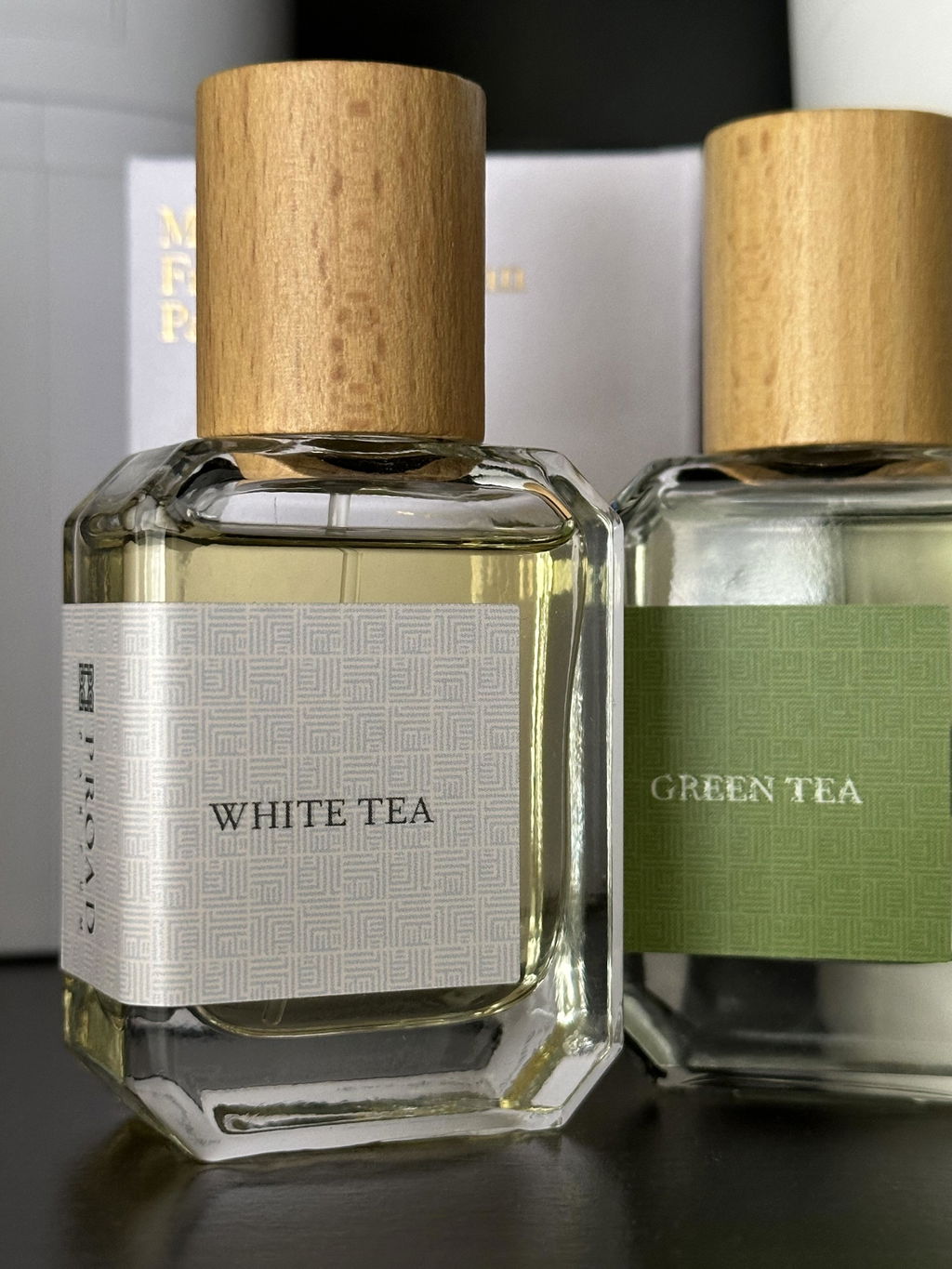
Look for notes such as neroli, petitgrain, green tea, violet leaf, peony, iris, magnolia and delicate musks. These profiles can feel tailored rather than sugary. Green florals and airy woods are especially useful if you want something with freshness but not the sharpness of a classic citrus cologne.
This is also the season for perfumes that feel freshly pressed rather than overtly sensual. A spring scent should suggest clean lines, natural light and a little optimism. If your winter favourites are resinous or smoky, spring is often the moment to reach for something with more brightness at the top and a quieter dry-down.
There is, however, a trade-off. Some very sheer spring fragrances can vanish quickly on cooler or rainy days. If longevity matters, choose compositions with soft woods, musk or tea notes in the base so the fragrance remains elegant without becoming loud.
Summer - freshness with substance
Heat changes everything. Notes that seem restrained in March can become expansive in August. That is why summer scent is less about choosing the lightest possible perfume and more about choosing one that remains composed in warmth.
Citrus, salt, aquatic notes, aromatic herbs, transparent jasmine, coconut done sparingly, fig, white musk and mineral woods tend to perform well. The most sophisticated summer fragrances keep their freshness but avoid the obvious shower-gel effect. They feel luminous rather than merely clean.
If you enjoy sweeter profiles, summer is the season to be selective. Vanilla, tropical florals and fruit can be beautiful in warm weather, but they need lift. A vanilla with coconut milk may feel radiant on holiday; a dense dessert vanilla on a crowded train is another matter entirely.
Application matters here too. In high heat, less is often more. A fragrance with good diffusion can feel far more luxurious at two sprays than six. Summer style is about ease, and your scent should leave a trail, not a cloud.
Autumn - depth, contrast and atmosphere
Autumn is where many fragrance lovers come alive. Fabrics gain weight, evenings arrive earlier, and perfume can become more textured. This is the season for notes that create shape - woods, spice, suede, plum, incense, tobacco, amber, saffron and patchouli used with restraint.
What makes autumn special is contrast. You can still wear brightness, but now it works best when anchored by something darker. Think pear against cedar, rose against leather, fig against smoke. These pairings feel sophisticated because they mirror the season itself - warmth and coolness meeting at once.
Autumn scents often carry a more editorial quality. They suit sharper tailoring, knitwear and evenings that begin in daylight and end after dark. If spring is about clarity, autumn is about character. It invites fragrance with a point of view.
This is also a useful time to revisit perfumes that felt too serious in summer. Many compositions reveal their best structure once the heat drops. Notes like incense and amber stop shouting and start unfolding.
Winter - richness, comfort and presence
Cold air gives perfume room to glow. Winter allows for greater density, stronger projection and more dramatic materials. Amber, vanilla, labdanum, oud, leather, tonka, cacao, balsams, rum, coffee and smoky woods often feel at home here.
Yet richness should still be edited. The best winter fragrances are not simply sweet or strong. They have architecture. A resinous perfume with dry woods can feel more expensive than a sugar-heavy gourmand. Likewise, a clean leather can be more compelling than an overly crowded oriental.
Winter is also the season where skin scent can be surprisingly effective. A musky, creamy fragrance worn under cashmere can feel intimate and polished, especially for daytime. Not every cold-weather perfume needs to announce itself from across the room.
For evenings, though, this is where statement scents earn their keep. Dense florals, spiced amber and darker woods hold beautifully in low temperatures and feel entirely natural against winter dressing. If you own one truly dramatic bottle, this is probably when it belongs.
How to build your wardrobe without overbuying
The most stylish fragrance wardrobes are usually tightly edited. Start by looking at what you already wear most often. If you own five sweet woody perfumes, another one with a slightly different vanilla accord is probably not filling a gap.
Instead, map your collection by function. Ask yourself what you wear to work, on weekends, for evenings out, for travel, and during very warm or very cold weather. You may notice that one season is overrepresented while another is barely covered.
Then think in families, not marketing categories. A green floral and a salty citrus may both serve summer, but they create very different impressions. One feels crisp and polished; the other feels relaxed and sunlit. Both can deserve space if they support different moods.
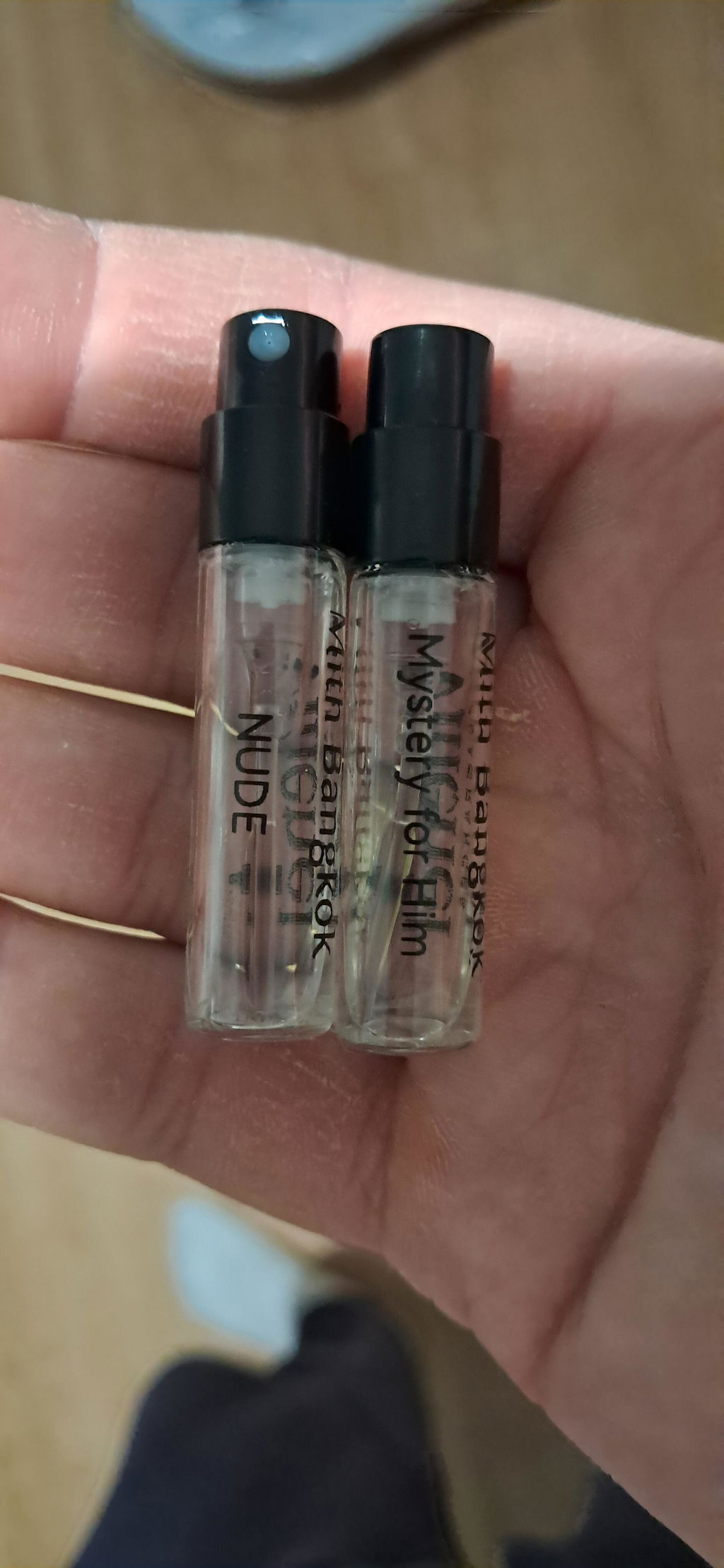
Sampling is essential in niche perfumery because quality often lives in nuance. A fragrance that sounds perfect on paper may pull too sweet, too smoky or too powdery on skin. Wear it across different temperatures before committing. Season is not just a theme in the name - it materially changes how perfume behaves.
A few note combinations worth seeking out
If you want a wardrobe with range, pay attention to note pairings that create tension. Orange blossom with woods feels cleaner and more modern than orange blossom with sugar. Rose with incense reads differently from rose with patchouli. Fig with tea has a softer elegance than fig with coconut.
This is where curated niche houses stand apart from mainstream repetition. They often build more distinctive balances - freshness cut with mineral texture, florals framed by smoke, sweetness sharpened by spice. For anyone shopping in the EU and looking beyond obvious department store profiles, that level of composition makes seasonal dressing far more interesting.
When to ignore the rules
Seasonal fragrance guidance is useful, but it is not law. Some people wear smoky oud in August and make it convincing. Others prefer neroli all year and simply adjust the number of sprays. Skin chemistry, environment and personal style matter as much as any seasonal framework.
If your wardrobe leans monochrome and minimal, a crisp woody musk may suit every season better than a rotating cast of statement perfumes. If you dress with more drama, you may enjoy stronger seasonal shifts. The point is not compliance. It is coherence.
A scent wardrobe should make choosing perfume easier, not more anxious. Build around wearability, pleasure and identity, then let the weather refine your choices rather than dictate them.
The most memorable wardrobes do not chase every season equally. They recognise when a fragrance feels perfectly placed, and they leave room for that rare bottle that somehow works all year without ever becoming ordinary.