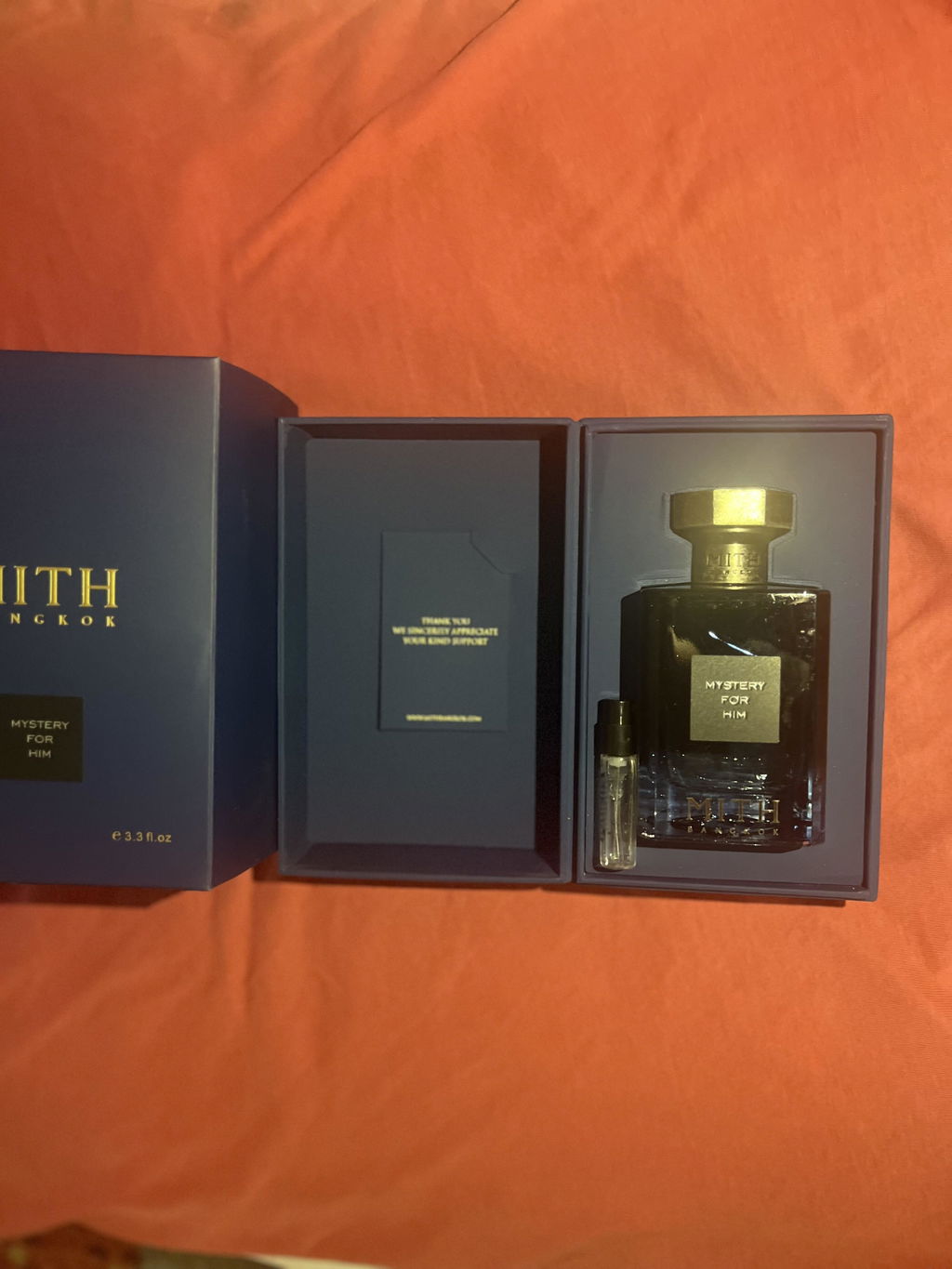
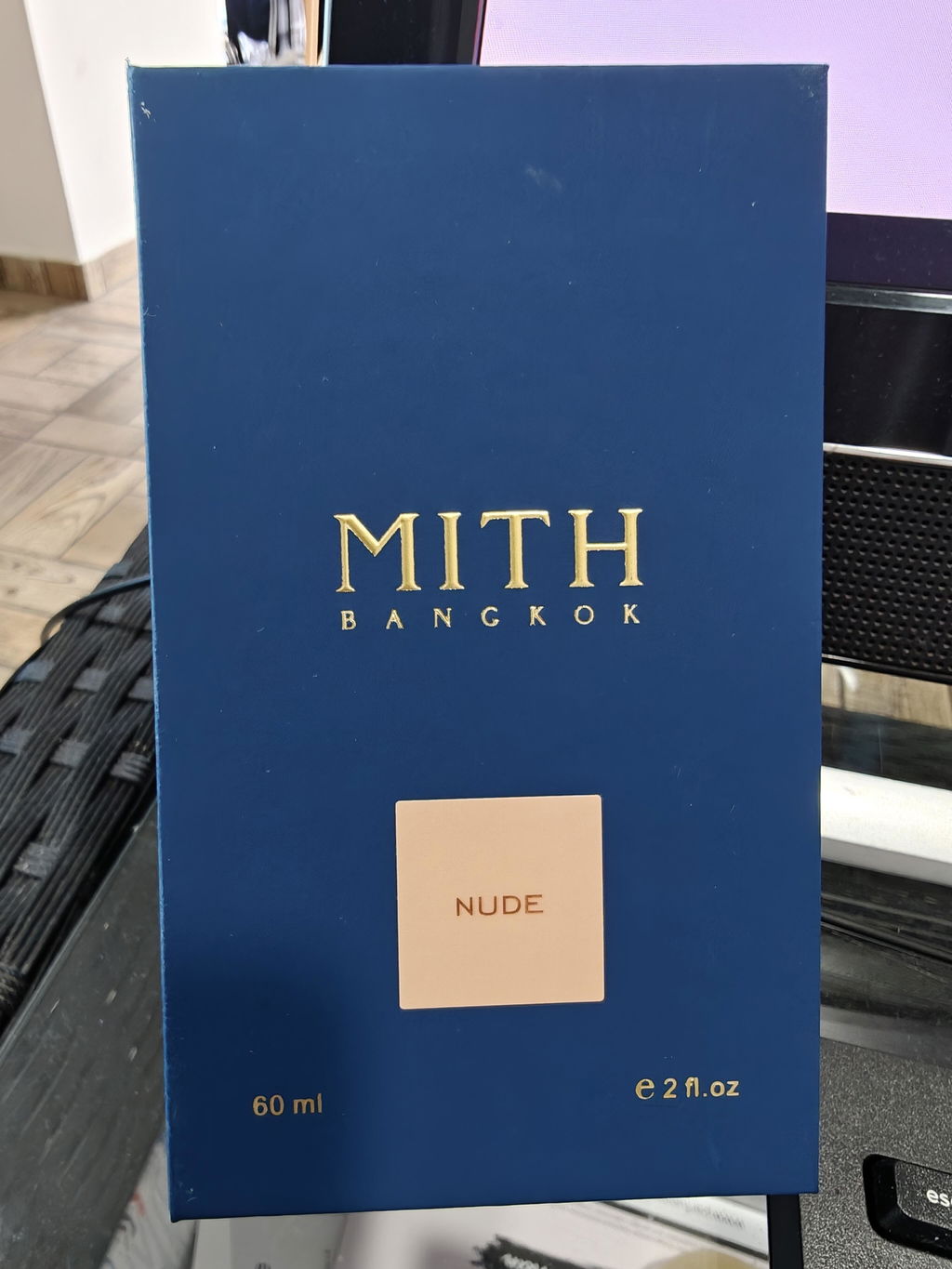
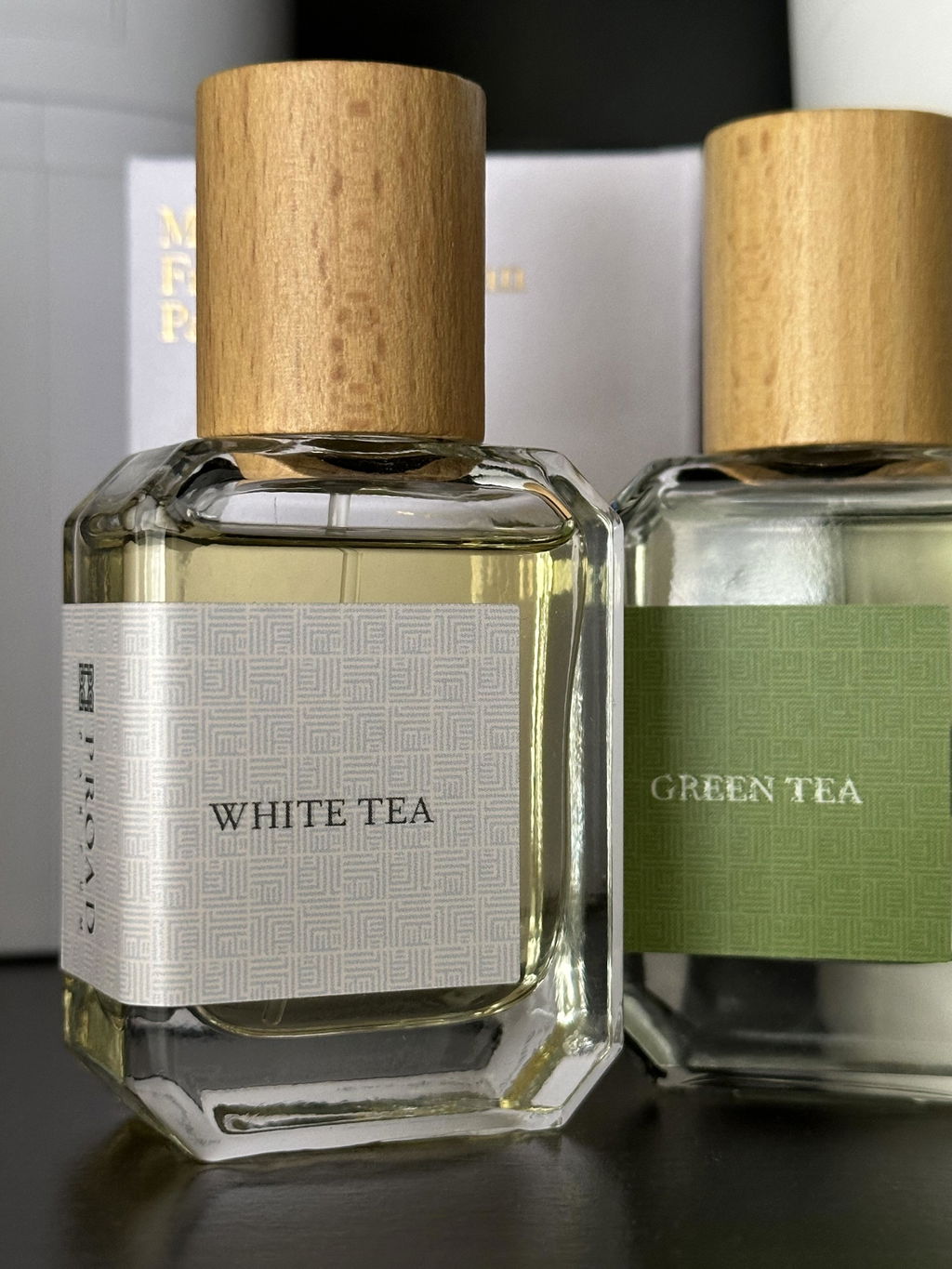
A perfume can smell exquisite and still leave no mark. You wear it, admire it, and forget it by evening. Story driven fragrances work differently. They stay with you because they offer more than a polished accord or a fashionable note - they give shape to a mood, a place, a character, or a private feeling you recognise before you can fully explain it.
For fragrance lovers who have grown tired of predictable launches and familiar structures, this matters. The appeal of niche perfumery has never been only about rarity. It is about perspective. A well-made scent with a point of view feels more intimate, more deliberate, and often more memorable than a technically competent perfume designed to please everyone at once.
What makes story driven fragrances different
Not every perfume with an evocative name is narrative-led. The distinction is subtler than packaging or marketing copy. Story driven fragrances are built around an idea that shapes the composition itself. The notes are not selected simply because they are commercially appealing or trend-relevant. They are arranged to suggest atmosphere, tension, contrast, or progression.
That can mean a fragrance that opens with a bright, almost cinematic lift before settling into something shadowy and close to the skin. It can mean an accord that recalls lacquered wood, humid air, pressed linen, tropical fruit, leather-bound books, or the polished coolness of a gallery space. The story is not always literal. Often, the strongest perfume narratives are suggestive rather than descriptive.
This is where artistic perfumery separates itself from mainstream formula. In mass fragrance, the brief often begins with audience fit. In niche fragrance, the brief more often begins with a world. That difference changes everything.
Why narrative matters in modern fragrance
Perfume is already emotional, but narrative gives that emotion edges and depth. Instead of asking whether a scent is fresh, woody, floral, or sweet, you begin asking different questions. What kind of person would wear this? What hour of the day does it belong to? What texture does it bring to the room? Does it feel sharp, languid, intimate, theatrical?
Those questions invite a more personal kind of wearing. A scent becomes part of self-styling, not merely grooming. For collectors, that is one reason narrative-led perfumery is so compelling. You are not simply buying another bottle. You are acquiring another mood, another frame of reference, another chapter in a wardrobe that reflects taste rather than habit.
There is also a cultural reason for this shift. Fragrance consumers are more visually literate, more design-aware, and more selective than they were a decade ago. They respond to brands with identity. A perfume house that knows its own language - whether minimalist, romantic, futuristic, tropical, nocturnal, or sharply urban - is easier to trust than one that follows every market swing. Story creates coherence.
Story does not excuse weak perfumery
Of course, concept alone is not enough. A beautiful backstory cannot save a flat composition. Some perfumes read well on paper and feel thin on skin. Others present themselves as artistic but rely on familiar structures with a more elaborate press release.
That is the trade-off with narrative-heavy fragrance. The idea may draw you in, but construction decides whether the bottle earns a place on your shelf. The best story driven fragrances marry both. They have a clear point of view and the technical finesse to carry it from opening to dry down.
This is why curation matters. A specialist retailer with a strong edit is not simply offering more choice. It is removing weak interpretations and highlighting houses where concept and craft are aligned. For anyone exploring newer niche brands, especially those not widely distributed across Europe, that edit is often what makes discovery feel exciting rather than overwhelming.
How to recognise a genuinely narrative fragrance
The easiest test is to wear it without reading the note list again. Forget the official description for a moment and pay attention to what the scent suggests on its own. Does it create a distinct atmosphere, or does it collapse into a generic family profile? Does it shift in a way that feels intentional? Does it have texture and character, or merely polish?
A strong narrative fragrance usually has contrast. It may pair luminous top notes with a darker base, or weave softness through something mineral, resinous, smoky, creamy, or green. That tension is often what gives it personality. A linear perfume is not automatically inferior, but stories tend to need movement.
Names and visuals can help, but they should not do all the work. If a fragrance claims to evoke a moonlit garden, a Bangkok evening, an artist's studio, or a coastal storm, there should be some trace of that world in the wearing experience itself. The wearer should feel invited in, not merely sold a caption.
Why niche fragrance audiences are drawn to stories
For many fragrance-conscious shoppers, mainstream perfume has become too legible. You can smell the brief immediately - crowd-pleasing sweetness, cleaned-up woods, the expected amber base, a flash of fruit designed for easy appeal. There is nothing wrong with accessibility, but there is a point where predictability dulls pleasure.
Story-driven niche houses offer a different kind of reward. They ask for attention. Sometimes they are immediately seductive. Sometimes they take two or three wearings before their appeal becomes clear. That slower unfolding is part of the charm. It creates a more involved relationship between wearer and scent.
It also makes fragrance easier to gift well. When a perfume carries a strong identity, it is simpler to match it to someone with taste, habits, and style in mind. You are no longer buying a safe floral or a pleasant woody amber. You are choosing a scene, a sensibility, a feeling. Done well, that feels more generous and more precise.
The rise of regionally distinctive perfume stories
One of the most interesting developments in niche perfumery is the growing visibility of fragrance houses shaped by place rather than by globalised sameness. This does not mean every perfume must smell overtly local or folkloric. Often the distinction appears in mood, colour, ingredient handling, or aesthetic restraint.
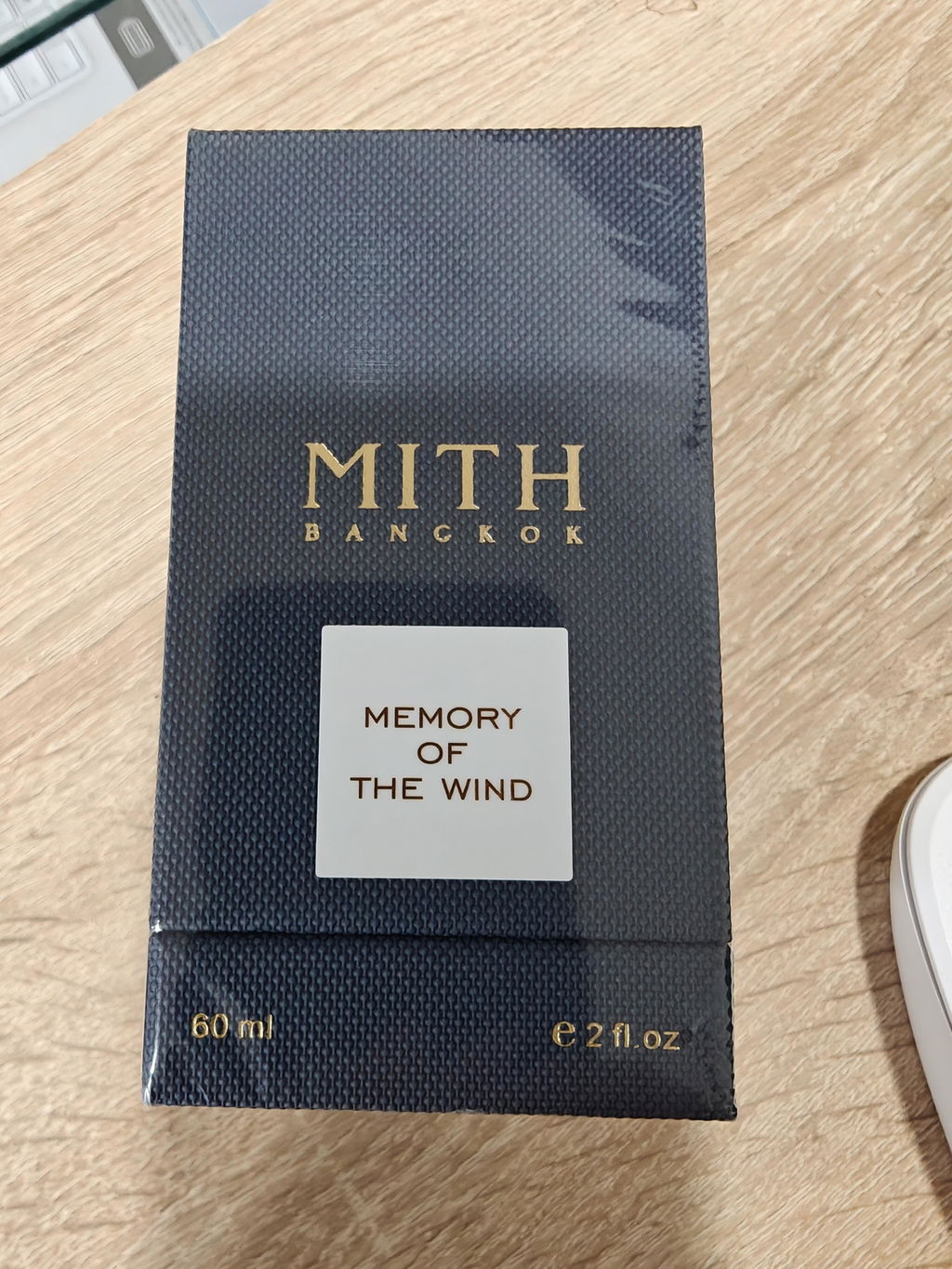
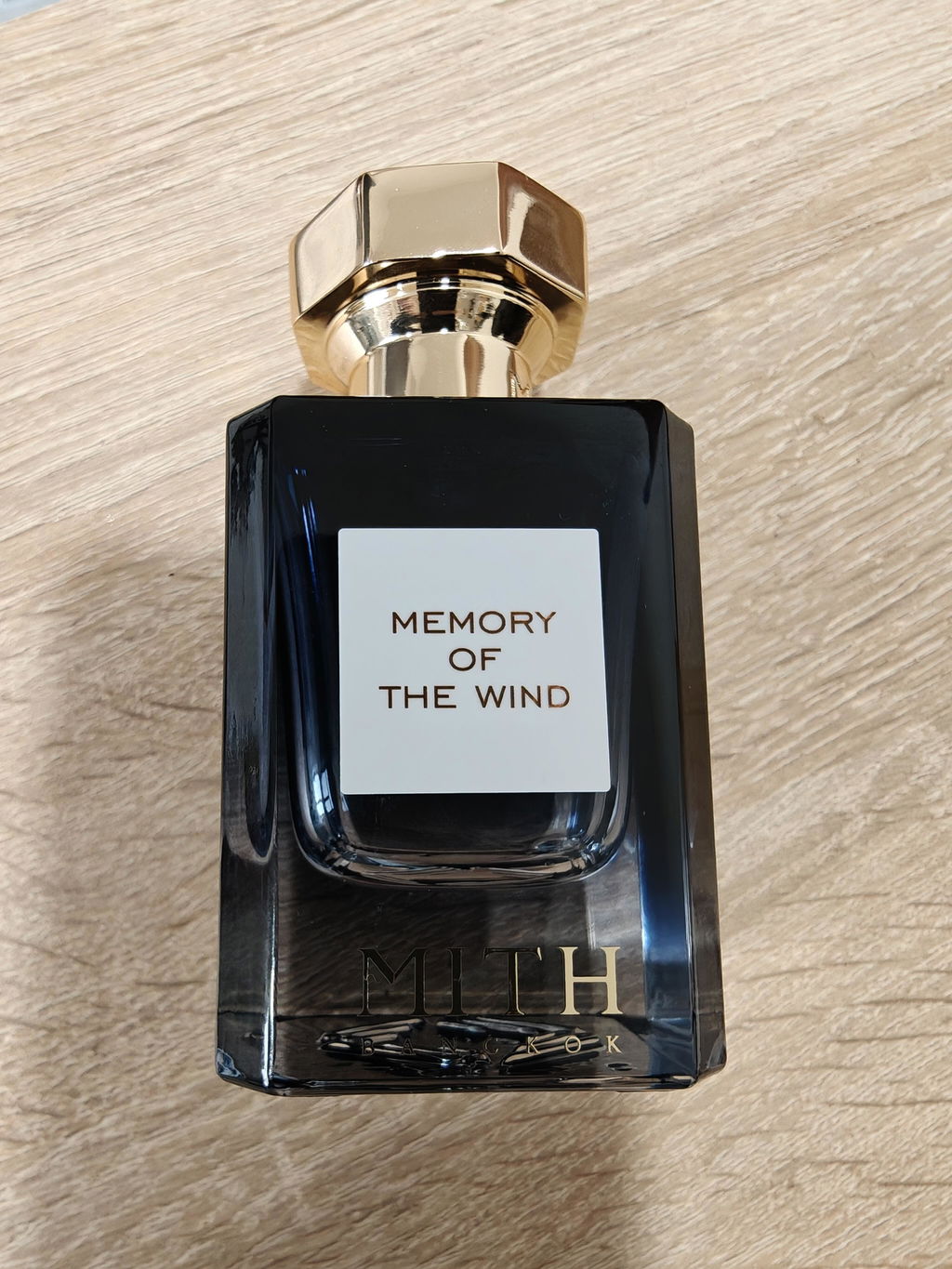
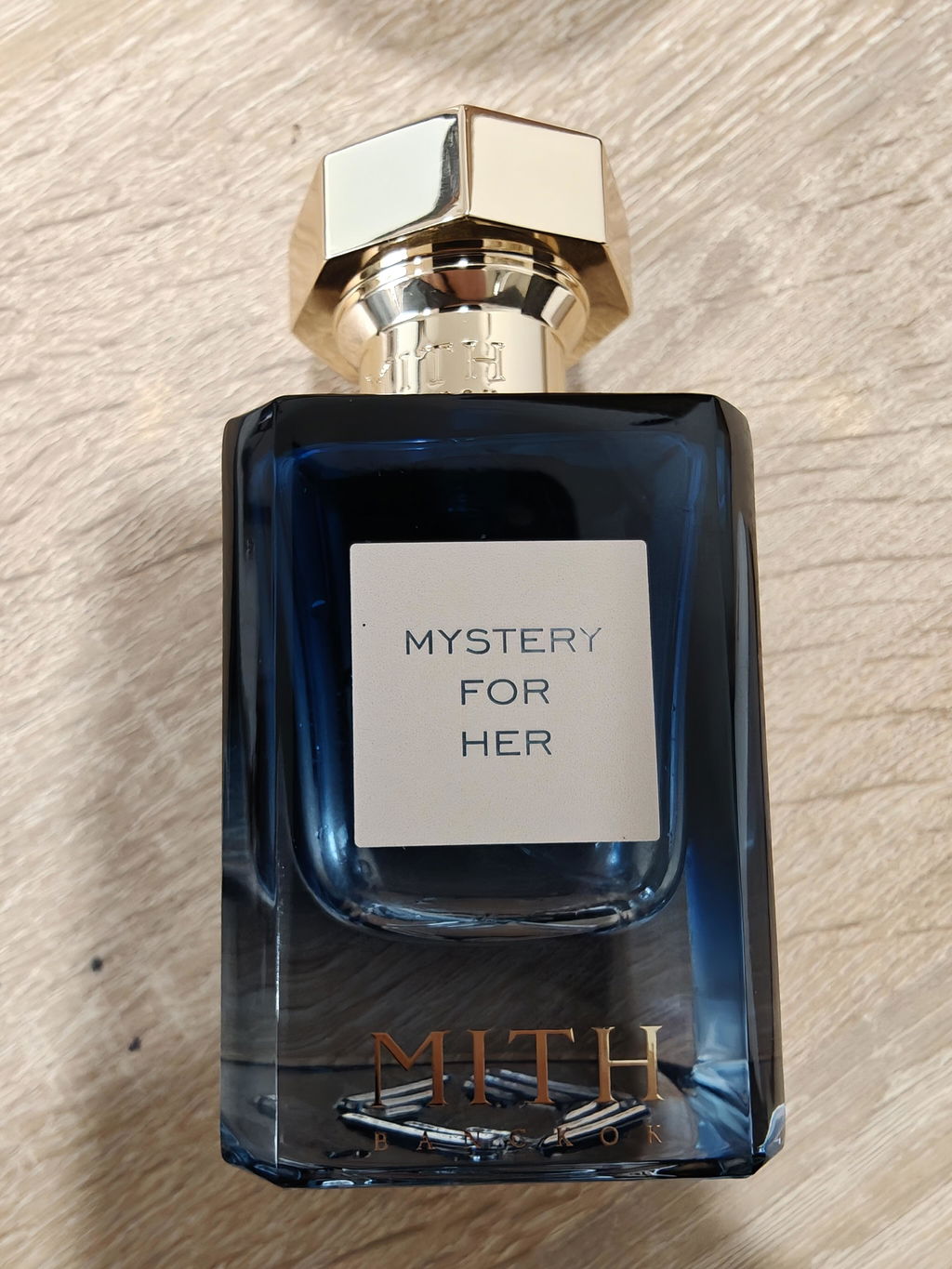
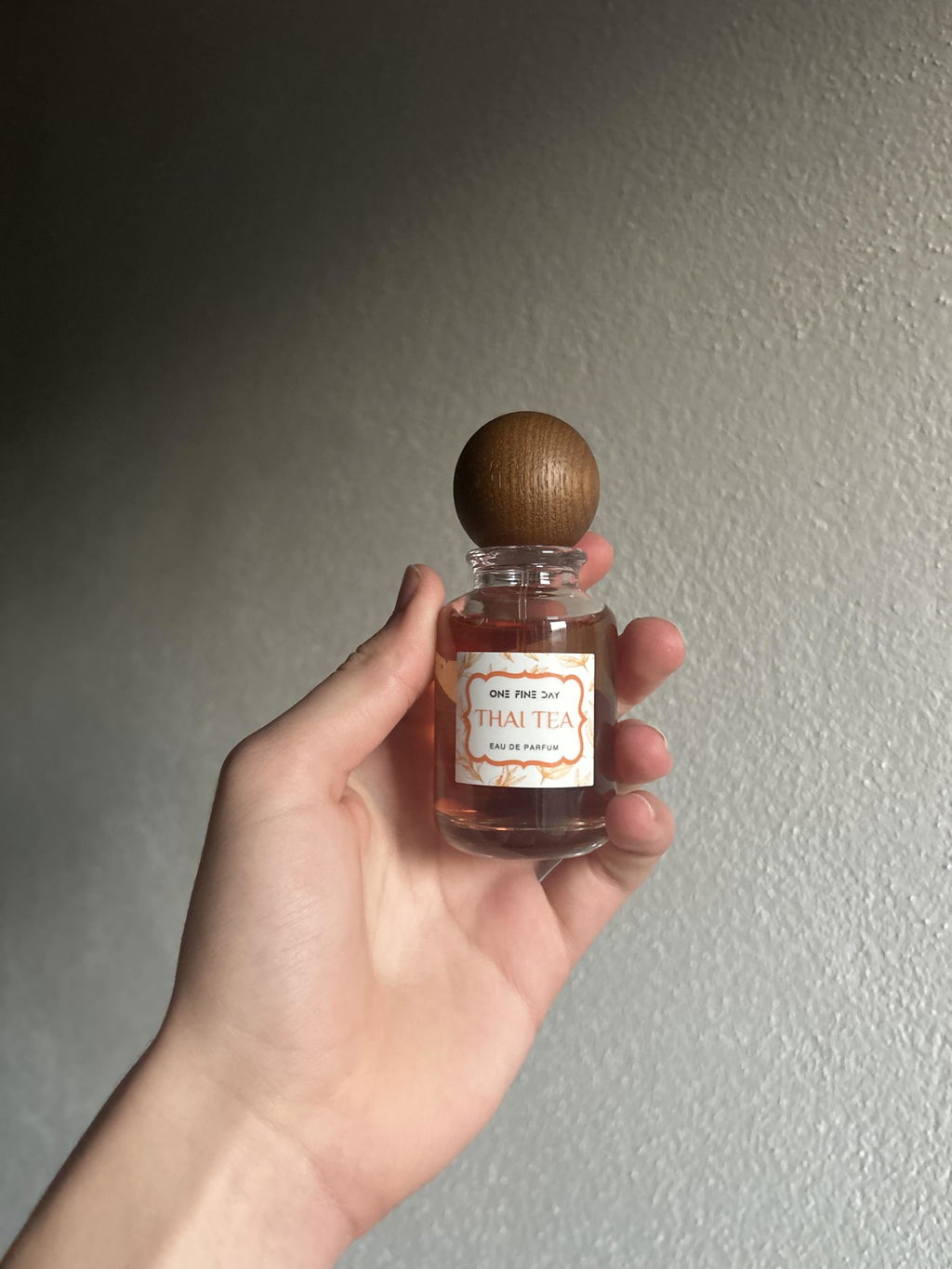
Thai niche perfumery is a particularly compelling example. There is often a vividness to the storytelling - polished yet expressive, contemporary yet emotionally detailed. Rather than imitating established French codes too closely, the strongest brands present a more individual visual and olfactive language. That makes them especially appealing to collectors who want something beyond the usual circuit of heavily discussed Western niche houses.
For European shoppers, access has historically been part of the problem. Distinctive scent houses can remain under the radar simply because distribution is limited. That is where a focused platform such as Villenel Fragrances becomes useful - not just as a shop, but as a point of access to fragrance brands with a clear narrative identity and a more selective presence in the market.
Wearing fragrance as narrative, not costume
There is a misconception that story-led perfume must be theatrical. In reality, the most elegant examples are often highly wearable. They do not feel like costume unless that is the intention. Instead, they sharpen what is already there. A tailored scent can make minimal dressing feel more deliberate, soften a severe look, or add intrigue to something otherwise understated.
That said, it depends on what you want from perfume. If your priority is easy daily use and guaranteed compliments, some narrative fragrances may feel too nuanced, too unusual, or too quiet. If your priority is distinction, memory, and self-expression, those same qualities become strengths. Taste always involves preference, and niche perfume is no exception.
The key is not to confuse complexity with difficulty. A fragrance can be accessible and still feel rich with atmosphere. It can be modern, polished, and commercially viable while retaining a clear artistic centre. The best bottles manage that balance with ease.
Where story becomes value
Premium fragrance justifies itself when it offers more than concentration, bottle weight, or branding. Story adds value because it changes how a perfume is experienced over time. The bottle on your shelf becomes associated with specific evenings, conversations, outfits, seasons, and versions of yourself. That is why certain scents feel irreplaceable even when their note profile can be imitated.
A memorable perfume does not only smell good. It creates recognition. You reach for it when you want to feel composed, magnetic, reflective, sunlit, elusive, or quietly extravagant. It becomes part of your language.
That is the real appeal of story driven fragrances. They remind us that scent is not only about smelling pleasant. It is about choosing a world you want to inhabit for a few hours, and finding one that feels uncannily like your own.