A well-made tea collection perfume does not smell like a flavoured candle or a sweet café fantasy. At its best, it captures the quiet lift of steam from a cup, the dry texture of leaves, the faint bitterness that keeps freshness interesting, and the polished softness that makes the scent easy to wear from morning into evening. That balance is exactly why tea-led fragrances have become so compelling for niche perfume lovers who want something refined rather than obvious.
Tea in perfumery has a rare flexibility. It can read airy and translucent, smoky and meditative, green and crisp, or silky and floral depending on how the note is built. For anyone who has grown tired of loud gourmand trends or interchangeable clean musks, a tea fragrance offers something more composed. It has character, but it rarely feels overstated.
Why tea collection perfume feels so modern
Tea notes suit the way many people want to wear fragrance now. They give freshness without relying on sharp aquatic accords, and they offer elegance without becoming powdery or formal. In practice, that means a tea scent can feel polished at work, intimate on skin, and distinctive enough for a dinner out.
There is also a cultural richness to tea as a perfume theme. It carries ritual, travel, craftsmanship and memory in a way that feels broader than a single floral or fruit note. A tea collection perfume can move between East Asian tea traditions, British afternoon references, spiced blends, herbal infusions and darker black tea interpretations. The idea is familiar, but the finished scent can be surprisingly varied.
For collectors, that variety is the appeal. Tea is not one smell. Green tea has brightness and a faint leafy snap. Black tea tends to feel deeper, brisker and more textured. White tea often leans soft, clean and almost weightless. Oolong can suggest creaminess, woods or gentle roasted facets. Matcha introduces a more vegetal, powdery density. When a perfume house builds a collection around tea, it gives perfumers room to explore these differences rather than flattening them into a generic fresh note.
What to expect from a tea collection perfume
The best tea fragrances are usually built around contrast. Tea on its own can feel too sheer if it is not anchored properly, so perfumers often pair it with citrus, woods, florals, spices or musk. That structure matters because it shapes whether the fragrance feels crisp, comforting, sensual or minimalist.
Green tea styles
Green tea perfumes tend to open with lift. Bergamot, petitgrain, yuzu or neroli often sit naturally here, sharpening the leafy quality and giving the scent a bright first impression. These fragrances suit anyone who wants cleanliness with more personality than a standard soapy fresh perfume.
The trade-off is longevity. A very transparent green tea composition can fade quickly or sit close to the skin. That is not always a flaw - many people prefer a subtle fragrance for daytime - but it is worth knowing before you buy.
Black tea styles
Black tea perfumes generally have more depth. They often bring in fig, tobacco, leather, woods, amber or spice to echo the tannic warmth of brewed tea. This style can feel smoother and more dressed than green tea, while still avoiding the heaviness of overtly resinous scents.
For evening wear, black tea can be especially effective because it has structure without shouting. It gives the impression of polish and thoughtfulness, not volume.
White tea and soft tea musk styles
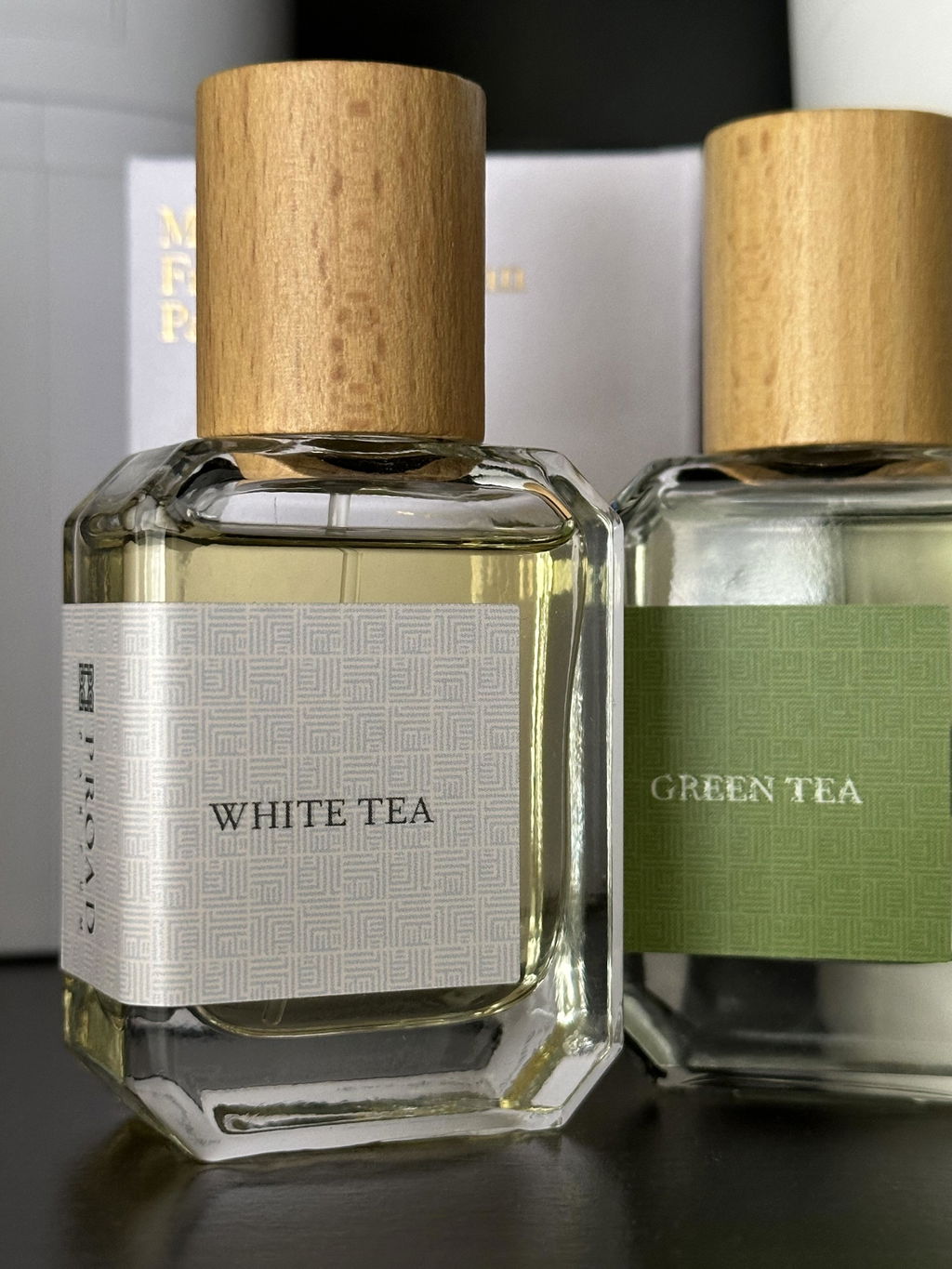
White tea compositions usually appeal to those who like a cleaner, skin-close signature. They lean sheer, soft and quietly elegant, often supported by musks, pale florals and light woods. If you want a fragrance that feels expensive but understated, this is often where to look.
The risk is that some white tea perfumes become too abstract and lose the tea idea altogether. If tea is the reason you are shopping the collection, look for descriptions that mention leaf, steam, infusion or tannic nuance rather than only cotton-clean softness.
How to choose the right tea fragrance for your taste
If you are browsing a tea collection perfume range, start with texture rather than note lists alone. Ask yourself whether you want something crisp, creamy, smoky, floral or dry. Tea can support all of those directions, but they wear very differently.
If your wardrobe already leans towards citrus colognes, linen shirts and understated tailoring, green tea and white tea styles will probably feel intuitive. If you prefer woods, amber, incense or darker florals, black tea or oolong-inspired scents may give you more depth without losing refinement.
Season matters too, though not in a rigid way. Green tea shines in warmer weather because it feels lifted and breathable. Black tea comes into its own in autumn and cooler evenings, when its tannic warmth feels especially elegant. White tea works almost all year, particularly if you want a signature scent that never overwhelms.
Skin chemistry can shift the result more than people expect. On one person, a tea perfume may read crisp and leafy. On another, the same scent may turn musky, floral or softly sweet. That is why sampling is still the most reliable way to shop niche fragrance, especially with notes like tea that can be subtle and highly nuanced.
Tea collection perfume and layering
Tea fragrances are some of the most useful scents to layer, but restraint is essential. Because tea already carries transparency, layering with something overly dense can erase its character. The goal is to amplify texture, not bury it.
A green tea perfume works beautifully with a soft neroli, a fresh fig, or a very light woody musk. Black tea can take a little more weight - think gentle leather, iris, dry cedar or a restrained amber. White tea layers best with skin musks or delicate florals that keep the composition airy.
Body care can also change the way a tea perfume wears. An unscented lotion will usually improve longevity without distorting the note profile. A strongly perfumed body cream, on the other hand, can turn a precise tea scent into something muddled. With tea, clarity is part of the luxury.
What separates a memorable tea scent from a forgettable one
A forgettable tea perfume often relies on the idea of freshness and little else. It smells pleasant for ten minutes, then becomes generic citrus musk. A memorable one preserves the texture of tea through the heart and dry-down. You should sense something brewed, leafy, tannic or gently aromatic after the opening has passed.
This is where niche perfumery has an advantage. Smaller houses often allow more room for mood, contrast and unusual materials, rather than smoothing everything into immediate mass appeal. Tea can then become more than a clean top note - it becomes the emotional centre of the fragrance.
That emotional quality is part of tea’s enduring appeal. It can suggest calm without being sleepy, sophistication without formality, and intimacy without obvious sweetness. Few perfume themes manage that balance so well.
Who should wear a tea collection perfume
Tea scents suit far more people than their understated reputation suggests. They are excellent for fragrance minimalists who want something polished and easy, but they also satisfy collectors looking for subtle complexity. They make strong gift choices too, especially when you are buying for someone with elegant taste who may not enjoy louder vanilla, oud or syrupy floral profiles.
They are also among the easiest niche styles to wear in shared spaces. If you work in an office, travel often, or simply prefer fragrance that invites people closer rather than announcing itself across a room, tea is a persuasive choice.
For shoppers seeking something curated rather than obvious, a specialist retailer matters. A collection-led approach, such as the one at Villenel Fragrances, makes it easier to navigate tea perfumes by mood, house and composition instead of getting lost in a wall of indistinct launches.
The lasting appeal of tea collection perfume
Tea has a discipline to it. It asks for precision from the perfumer and a little attention from the wearer. That is exactly why it remains so rewarding. A great tea fragrance does not try to impress through excess. It wins through texture, balance and the feeling that every note has been edited with care.
If you are ready for a perfume wardrobe that feels more considered, tea is a beautifully intelligent place to begin - or a quietly addictive category to keep collecting.