A summer evening changes the rules of perfume. The heat has softened, skin is still warm from the day, and a fragrance has room to unfold slowly rather than announce itself across a crowded pavement. This is where gourmand scents for summer evenings come into their own: not as dense winter comforts, but as polished, edible-leaning compositions with air, texture and a little after-dark allure.
The misconception is that gourmand perfume belongs exclusively to cold weather. Certainly, an over-sprayed caramel, syrupy vanilla or dense chocolate accord can feel cloying in July. Yet gourmand is not a single scent profile. It is a family of sensations - steamed rice, coconut milk, iced tea, citrus peel, toasted sesame, soft woods, salted skin and restrained vanilla - and many of its most compelling interpretations feel made for twilight.
Why Gourmands Work After Sunset
In full midday sun, sweetness can become loud. Warmth intensifies volatile notes, and a rich perfume that felt elegant in an air-conditioned room may quickly lose its shape outdoors. Evening brings a gentler temperature and a more intimate setting. A gourmand accord can sit closer to the skin, revealing its creamy, roasted or sugared facets with greater control.
There is also an emotional reason. Summer nights invite contrast: the coolness of a drink against warm hands, city lights after a bright afternoon, linen shirts carrying a trace of sunscreen and sea air. A well-chosen gourmand adds softness to that atmosphere. It should feel less like dessert after a formal dinner and more like a detail you notice when leaning closer.
For fragrance collectors, this is an opportunity to look beyond familiar vanilla. Contemporary niche perfumery often treats edible notes as materials for texture rather than obvious sweetness. A rice accord may be powdery and clean. Pistachio can read green, creamy or lightly toasted. Coffee can become dry and woody. Even caramel may be balanced with salt, amber or bitter citrus to create depth without heaviness.
The Best Notes in Gourmand Scents for Summer Evenings
The most successful summer gourmand fragrances usually have a point of freshness, contrast or transparency. Consider the composition as a whole rather than choosing by one note on a list.
Coconut, but with structure
Coconut is a natural choice for warm weather, though it can move in very different directions. The sun-lotion style is playful and beachy; coconut water feels cleaner and more mineral; coconut milk is softer, creamier and more sensual. For evening, look for coconut given definition by sandalwood, white musk, lime, cardamom or a lightly salty accord. These pairings keep the note sleek rather than overly tropical.
Vanilla with shadow rather than sugar
Vanilla does not need to smell like icing. In a refined summer composition, it can bring warmth without taking centre stage. Vanilla paired with tea, citrus, aromatic herbs, pale woods or tobacco-like facets feels more dimensional. The result is often quietly addictive: a golden skin scent rather than a sugar cloud.
A useful distinction is between vanilla-forward perfumes and fragrances where vanilla acts as a base material. The former may be perfect for a late dinner or a cooler night. The latter is more versatile for a rooftop drink, gallery opening or holiday evening by the water.
Tea, fruit and a touch of sweetness
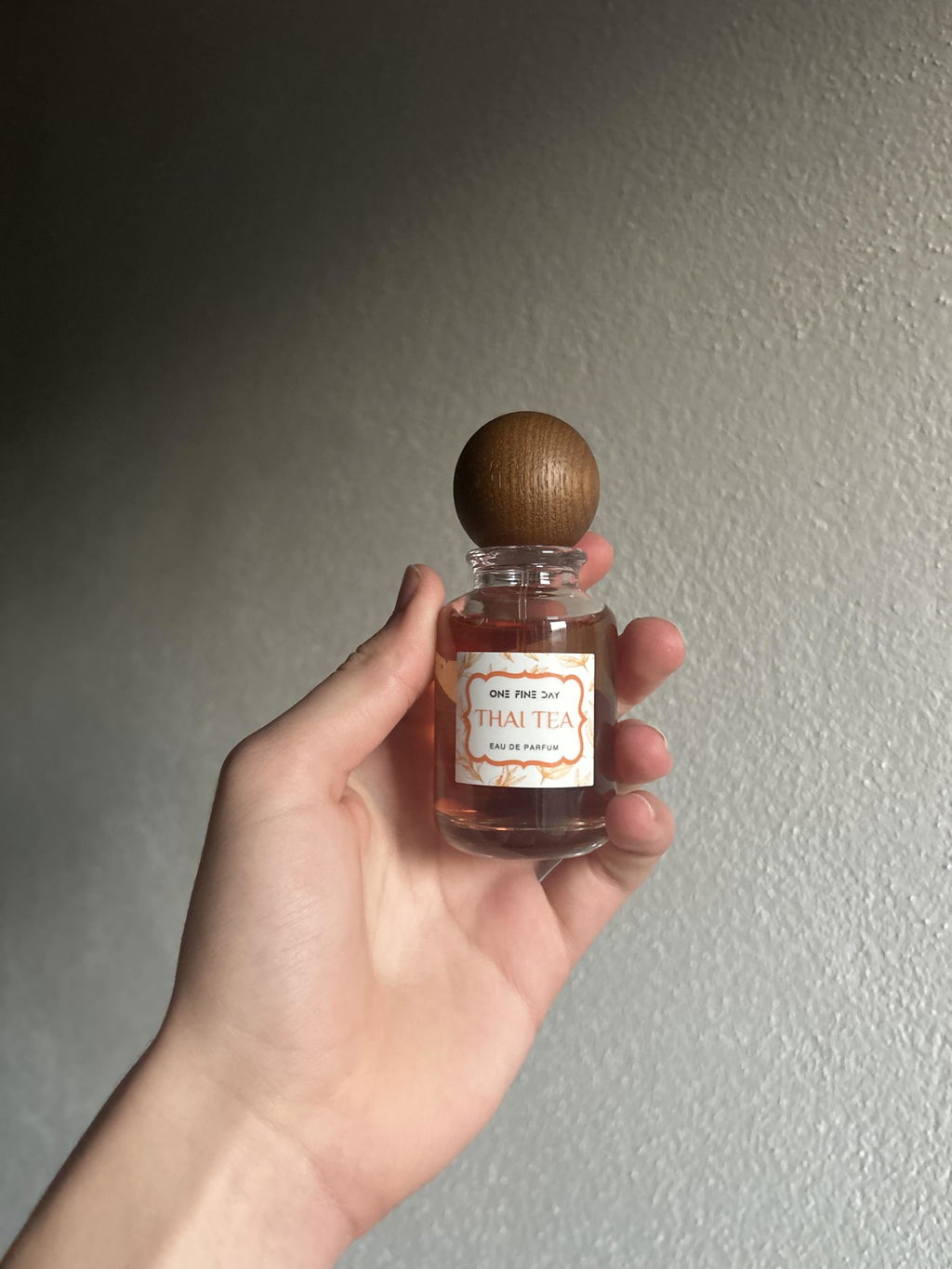
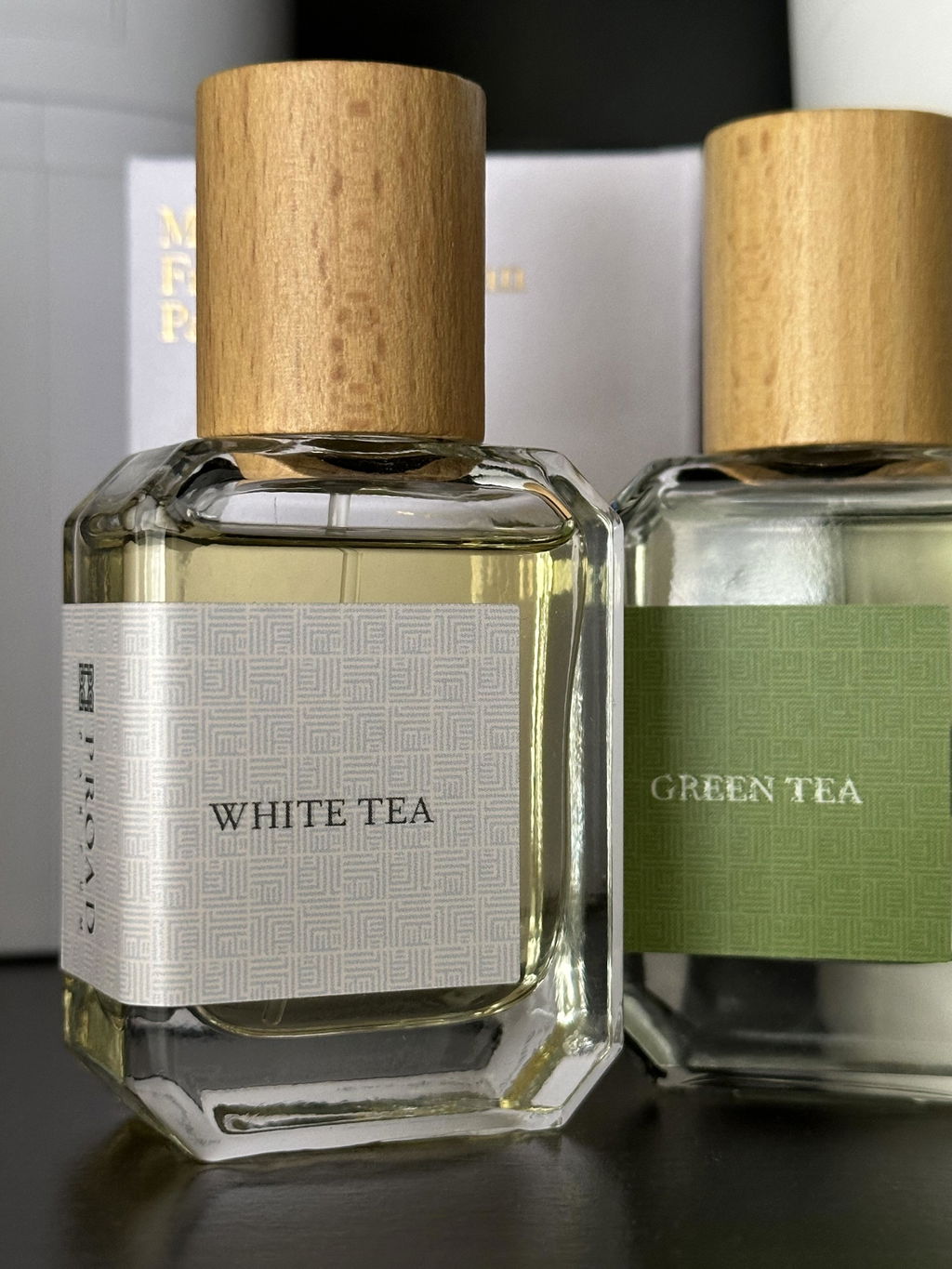
Tea accords are especially graceful in summer. Green tea, black tea and oolong can introduce dryness and gentle bitterness, giving fruit, honey or vanilla a more grown-up frame. Fig, pear, peach and mango also work beautifully when their juicy character is restrained by woods, musks or spice.
This balance matters. A fruit gourmand can be exuberant, but it should retain a certain clarity in the heat. Think chilled peach tea, a fig leaf warmed by the sun, or citrus zest scattered over a creamy dessert rather than a bowl of fruit syrup.
Rice, sesame and softly toasted accords
Some of the most intriguing modern gourmands are built around familiar ingredients interpreted with restraint. Rice can feel milky, airy and gently powdery. Sesame brings a nutty, almost savoury warmth. Hazelnut and pistachio may offer creaminess without the full density of praline. These notes have a tactile quality that feels particularly compelling on warm skin.
They also suit the fragrance wearer who wants something distinctive but not theatrical. A softly toasted accord can be recognisable without becoming literal, giving a perfume the kind of detail that prompts someone to ask what you are wearing.
Choose by Occasion, Not Just by Season
“Summer evening” covers more than one setting. The perfume that excels on a humid terrace at 8pm is not necessarily the right choice for a cool coastal dinner or a dance floor after midnight.
For early evening, choose a bright gourmand with citrus, tea, watery fruit or aromatic notes. These fragrances preserve the freshness of day while adding a warmer base as the light fades. For dinner, a creamy sandalwood, cardamom-vanilla or coconut-wood composition can feel elegant and close. Later on, when the air cools, you may prefer a deeper scent with amber, coffee, tonka or a toasted nut accord.
It depends, too, on how you want to be perceived. A clean rice or tea gourmand can read understated and considered. A pistachio, whipped-cream or caramel note is more playful and expressive. Neither is inherently more sophisticated. What matters is whether the formula has enough contrast to hold its character in warm air.
How to Wear a Summer Gourmand Well
Application is part of the composition. In high temperatures, start with less than you would wear in autumn. Two or three sprays are often enough, particularly with extrait-strength fragrances or perfumes built around amber, vanilla and musk. Apply to pulse points, then give the fragrance time before deciding it needs more.
Clothing can alter the experience. On bare shoulders and wrists, a gourmand may feel creamy and immediate. On cotton or linen, it can develop more slowly and retain its base notes longer. If you like a softer trail, spray once at the back of the neck or into the air and walk through lightly. This is not about making a fragrance disappear; it is about allowing its detail to remain legible.
Layering can be beautiful, but it needs a light hand. An unscented body lotion gives perfume more grip without changing its profile. If using a scented body product, pair like with like: coconut with pale woods, vanilla with musk, or citrus with tea. Too many sweet layers can turn an otherwise nuanced perfume into something blunt.
Test for the dry-down
A blotter is useful for first impressions, but summer gourmands should be tested on skin whenever possible. The opening may be sparkling and restrained, while the dry-down reveals the real personality: lactonic, woody, smoky, salty or musky. Give it at least an hour, and ideally wear it through an actual evening.
Notice not only projection but mood. Does the sweetness remain luminous? Does the base become sticky or overly powdery? Does it suit your skin once the warmth of the day has settled? These questions will tell you more than a note pyramid ever can.
Looking Beyond the Familiar Dessert Accord
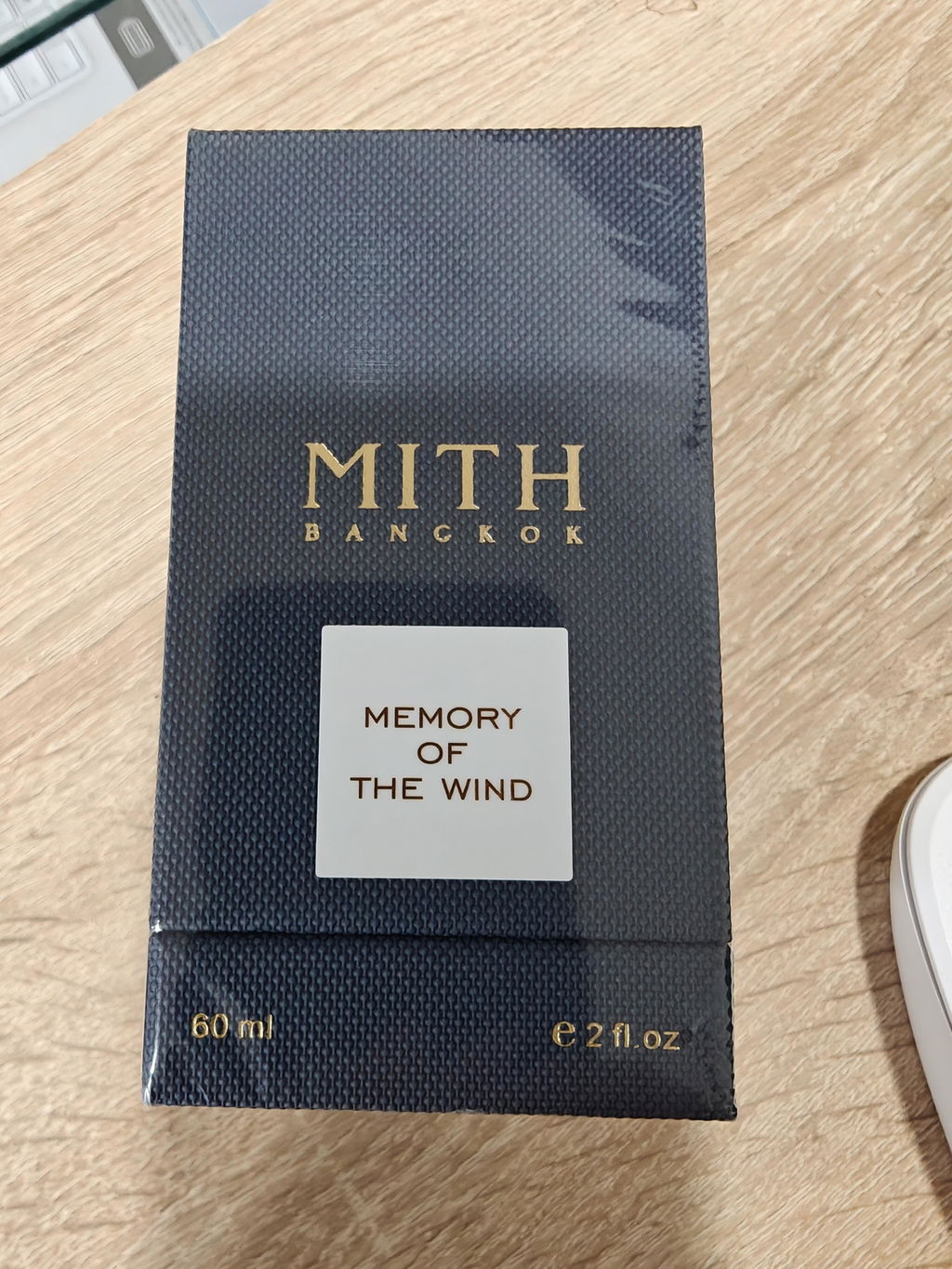
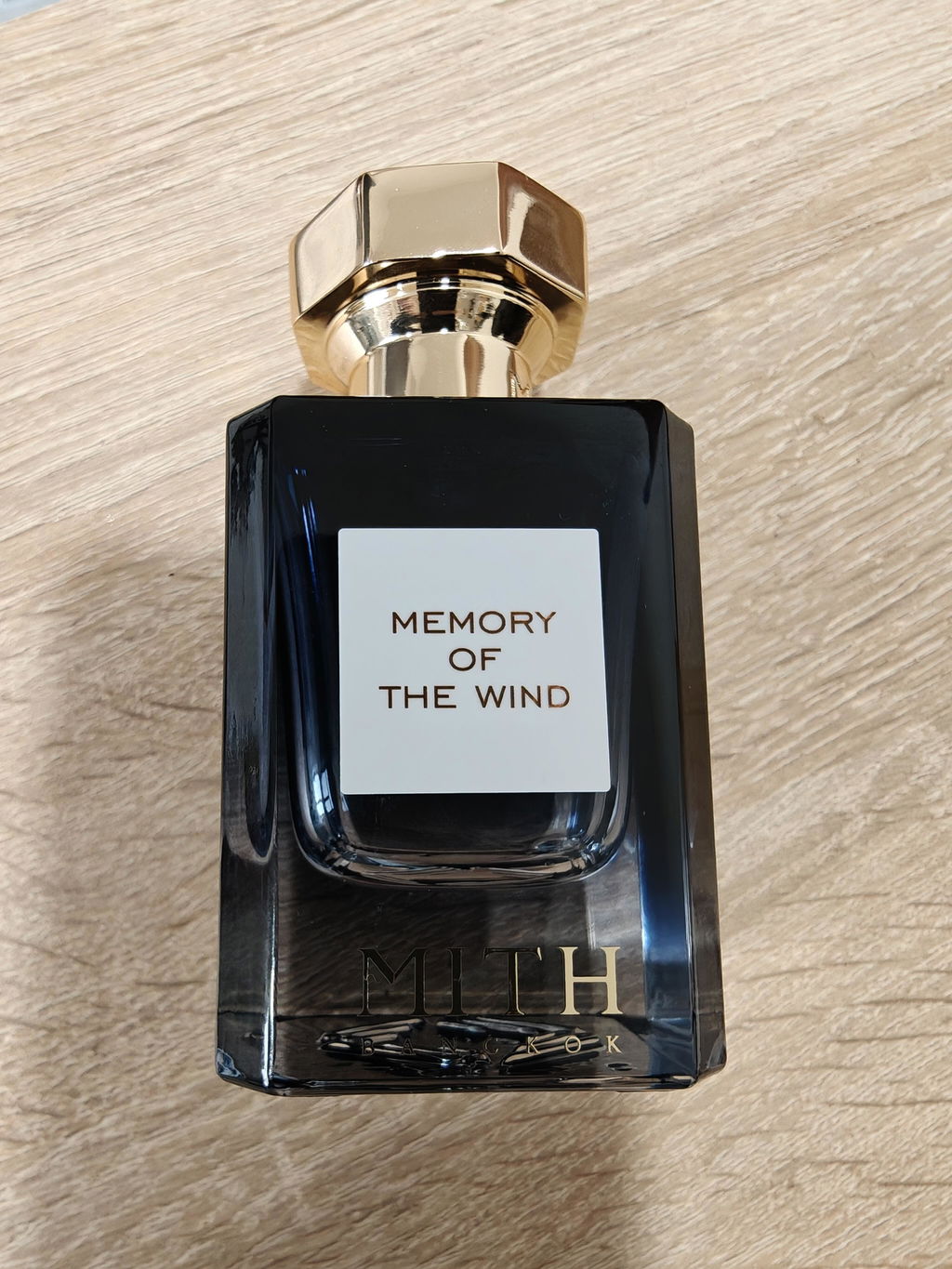
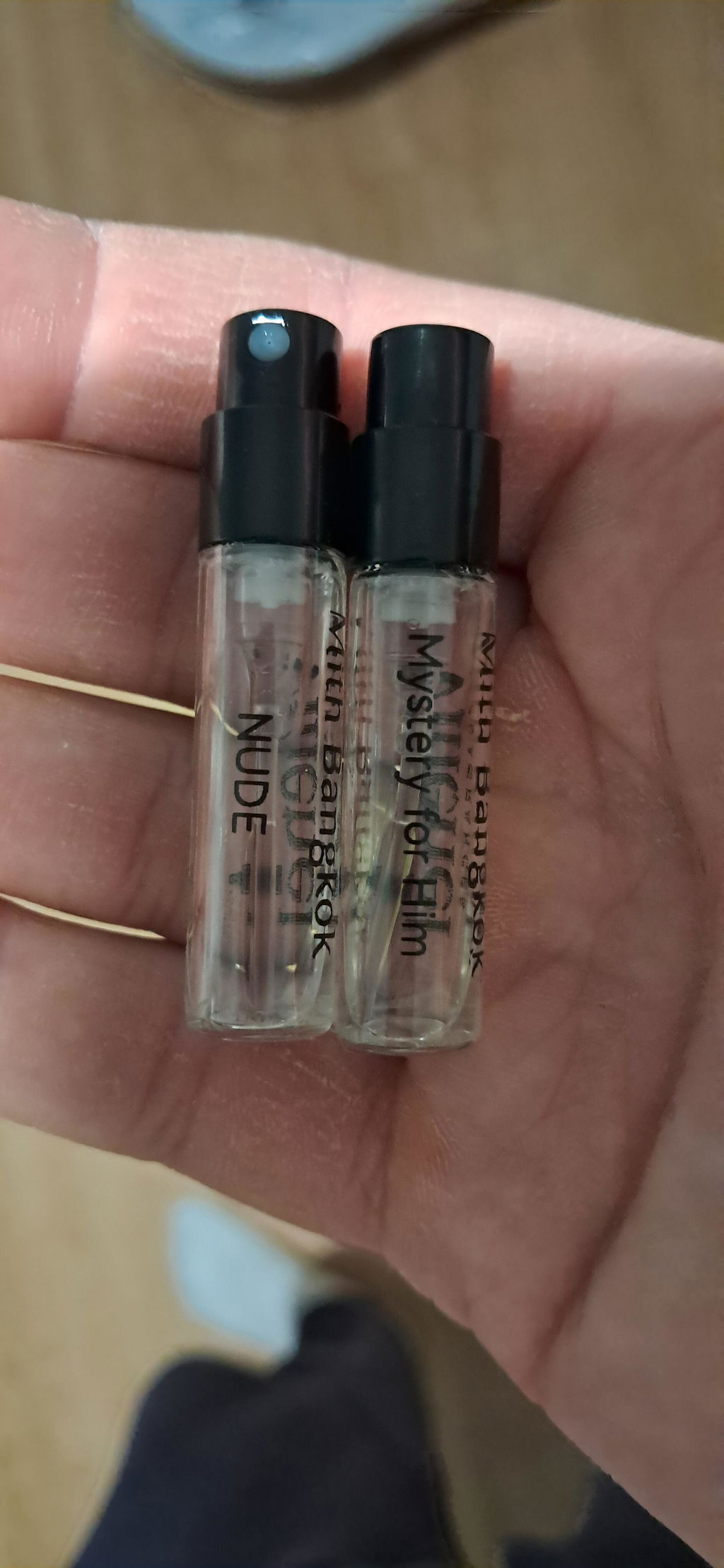
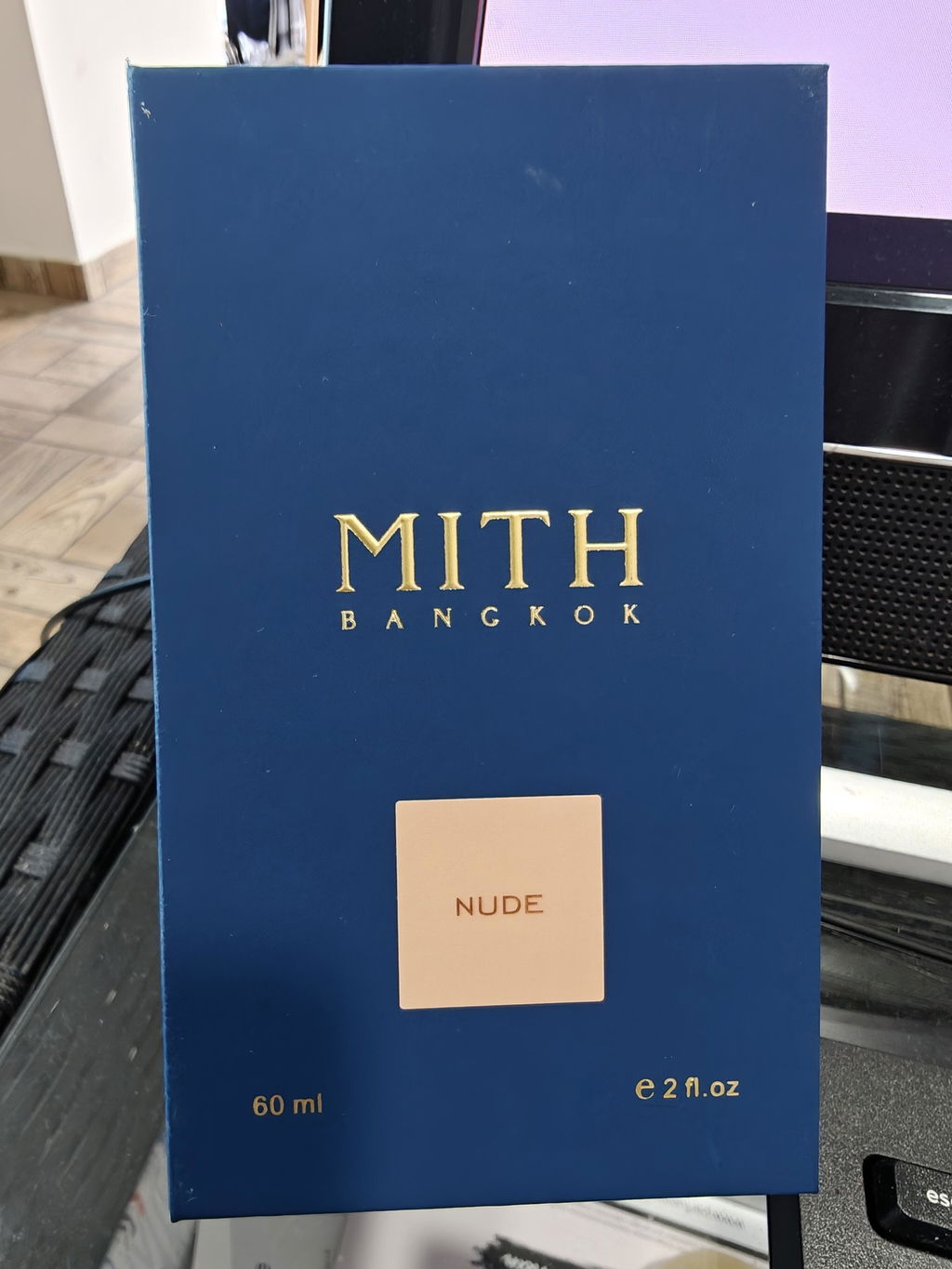
Niche perfume is particularly exciting here because it refuses the narrow idea that gourmand means cake, chocolate or confectionery. Modern Thai fragrance houses, including those curated by Villenel Fragrances, often approach warmth through ingredients and memories that feel vivid, textural and culturally specific. The result can be creamy, fruity or sweet, yet still elegant enough for a close summer night.
Seek compositions that create tension: sweetness against spice, fruit against woods, cream against salt, or vanilla against smoke. That friction is what keeps a gourmand fragrance interesting after the first five minutes. It also makes it easier to wear in heat, where a perfume without contrast can feel flat.
A summer gourmand should leave a trace, not take over the room. Choose the one that makes warm skin, evening air and your own sense of style feel a little more deliberate - then let the night do the rest.