A decade ago, many fragrance counters still relied on familiarity - polished bottles, recognisable names, and compositions calibrated not to offend. The future of artistic perfumery looks rather different. It belongs to scent houses with a point of view, to perfumers willing to take aesthetic risks, and to wearers who no longer want their fragrance to smell like everyone else’s.
That shift is not simply about niche becoming more visible. It is about a more discerning fragrance culture. Today’s customer is better informed, visually literate, and far more interested in authorship. They want to know what a perfume is trying to say, not just which notes appear on the card. In artistic perfumery, story matters, but so does execution. A concept alone is never enough.
Why the future of artistic perfumery feels different now
The market has matured beyond the old binary of designer versus niche. That distinction still matters commercially, but creatively it explains less and less. Some large houses now borrow niche codes, while independent brands have become far more polished in presentation, distribution, and olfactory construction. What separates artistic perfumery now is not scale. It is intent.
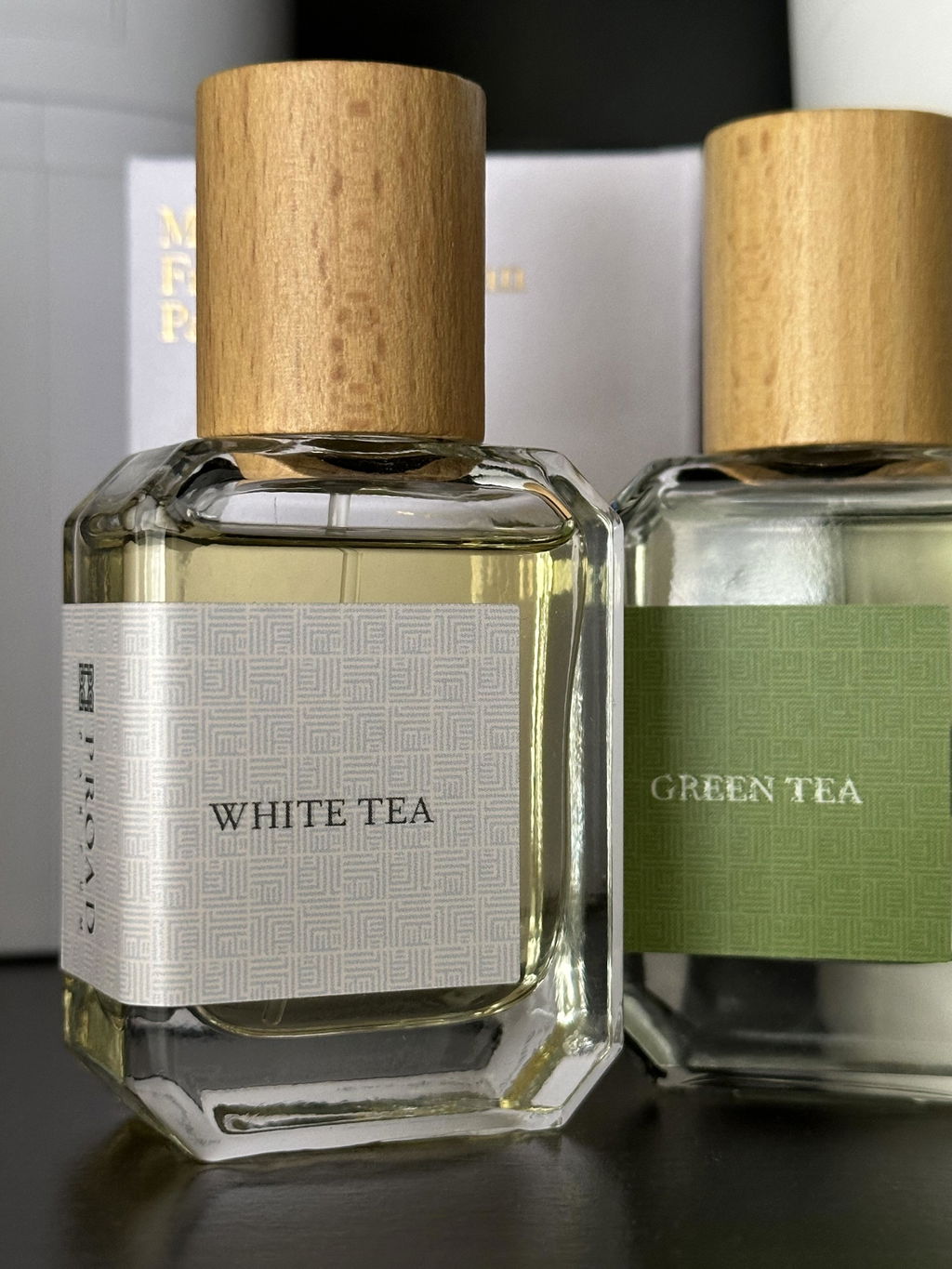
The most interesting fragrances are no longer trying to chase universal approval. They are designed to create atmosphere, identity, and memory. Sometimes that means unusual textures - mineral, steamed rice, lacquered wood, chilled tea, wet stone, tropical florals rendered with restraint. Sometimes it means reworking familiar genres so they feel culturally specific rather than generic. A rose can smell opulent, but it can also smell urban, transparent, spiced, or humid.
This is why the next phase of artistic perfumery will likely be less about shock value and more about precision. Consumers still enjoy the bold and the eccentric, but novelty without refinement rarely earns long-term affection. The perfumes that endure tend to balance surprise with wearability. That balance is difficult, and it is where genuine craftsmanship shows.
Regional identity will matter more
For years, niche perfumery was often filtered through a relatively narrow European and Middle Eastern lens, with certain styles dominating the conversation. That is changing. The future of artistic perfumery will be shaped by more regional voices entering the global stage on their own terms.
This matters because geography influences aesthetic choices. Climate changes how fragrance is worn. Local ingredients shape texture and freshness. Cultural memory affects what feels comforting, sensual, ceremonial, playful, or luxurious. When brands from Bangkok, Seoul, Mexico City, or São Paulo build fragrances around their own visual and sensory references, the result is usually more distinctive than another interchangeable amber-woods release.
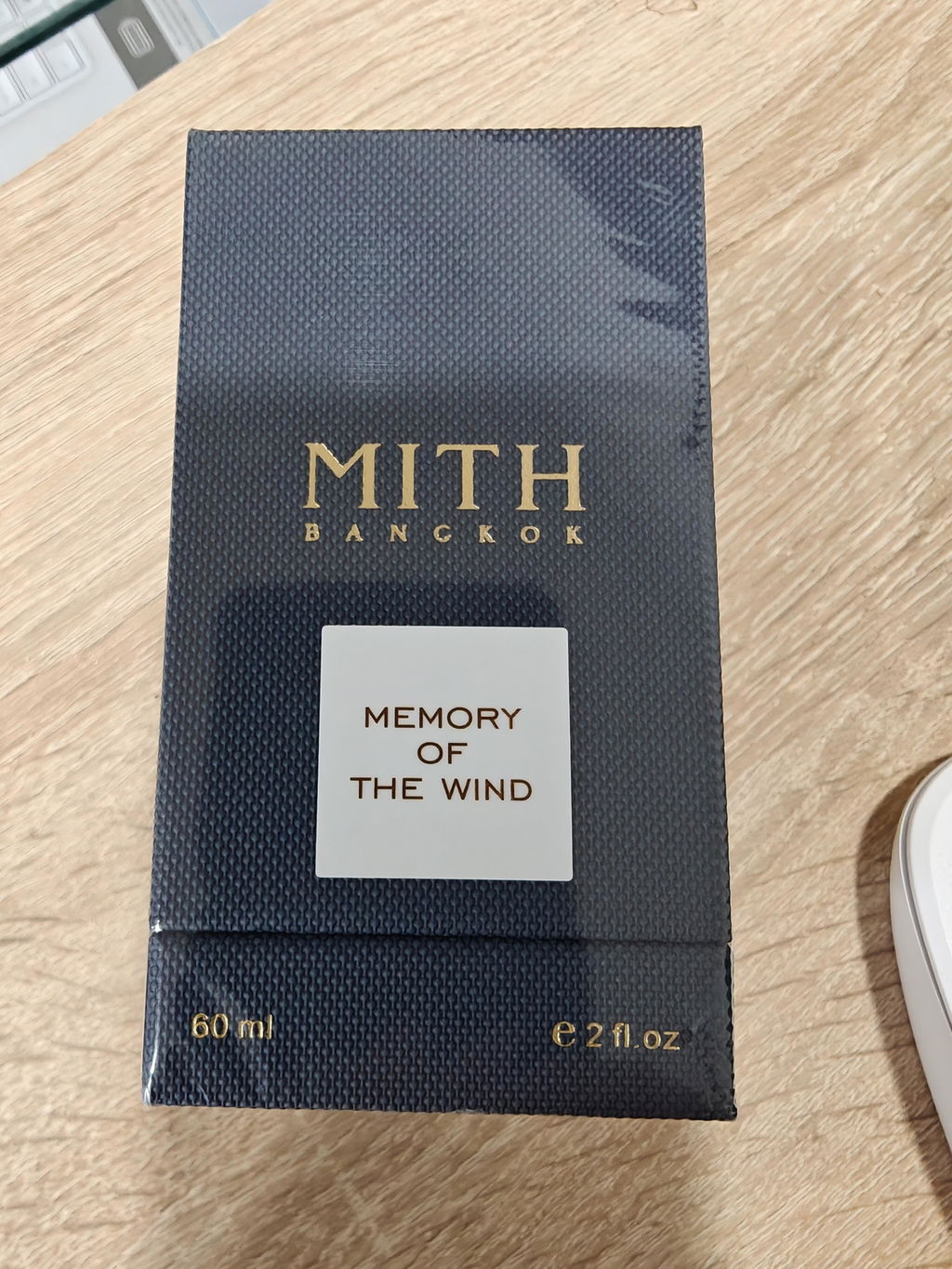
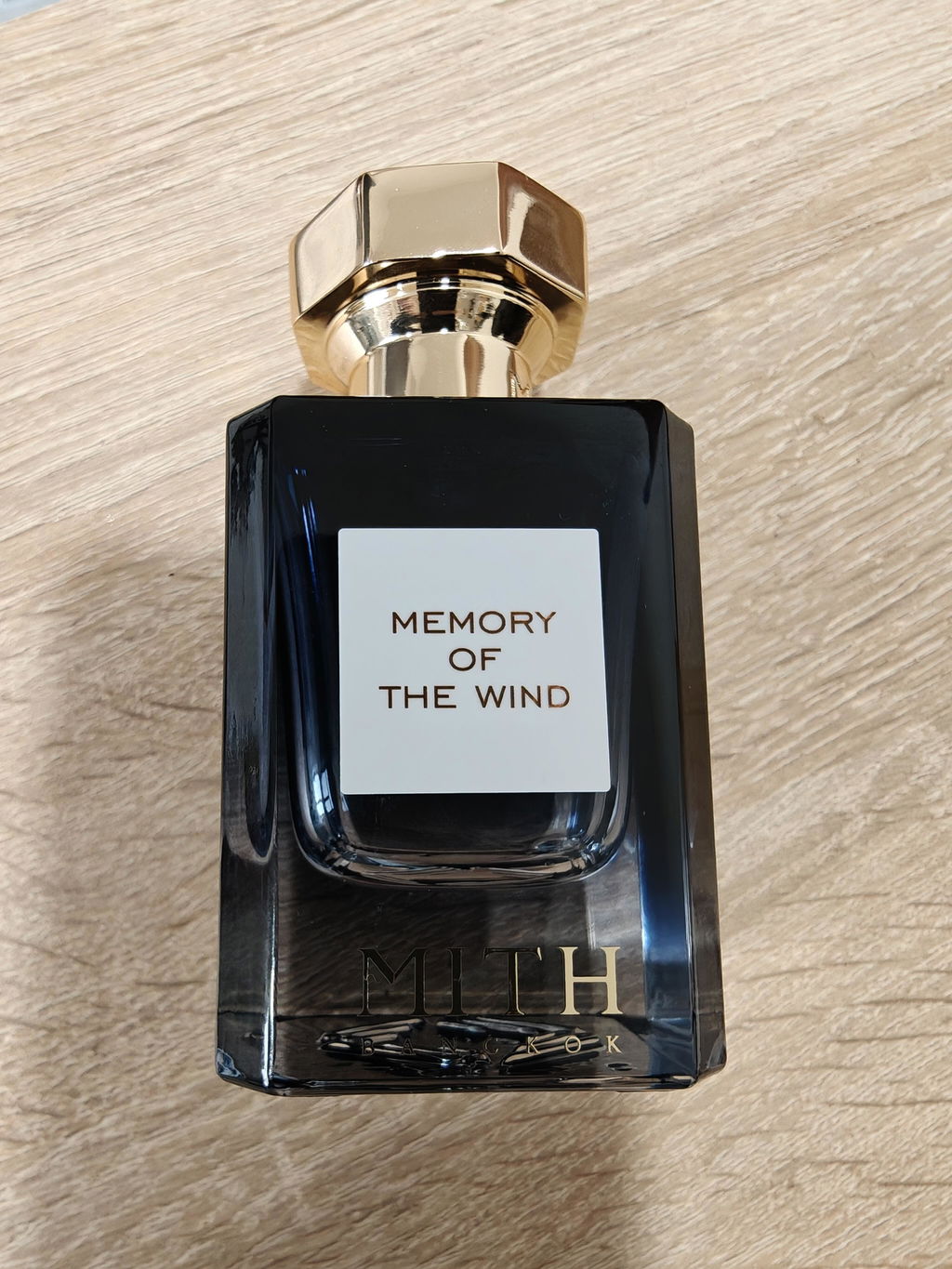
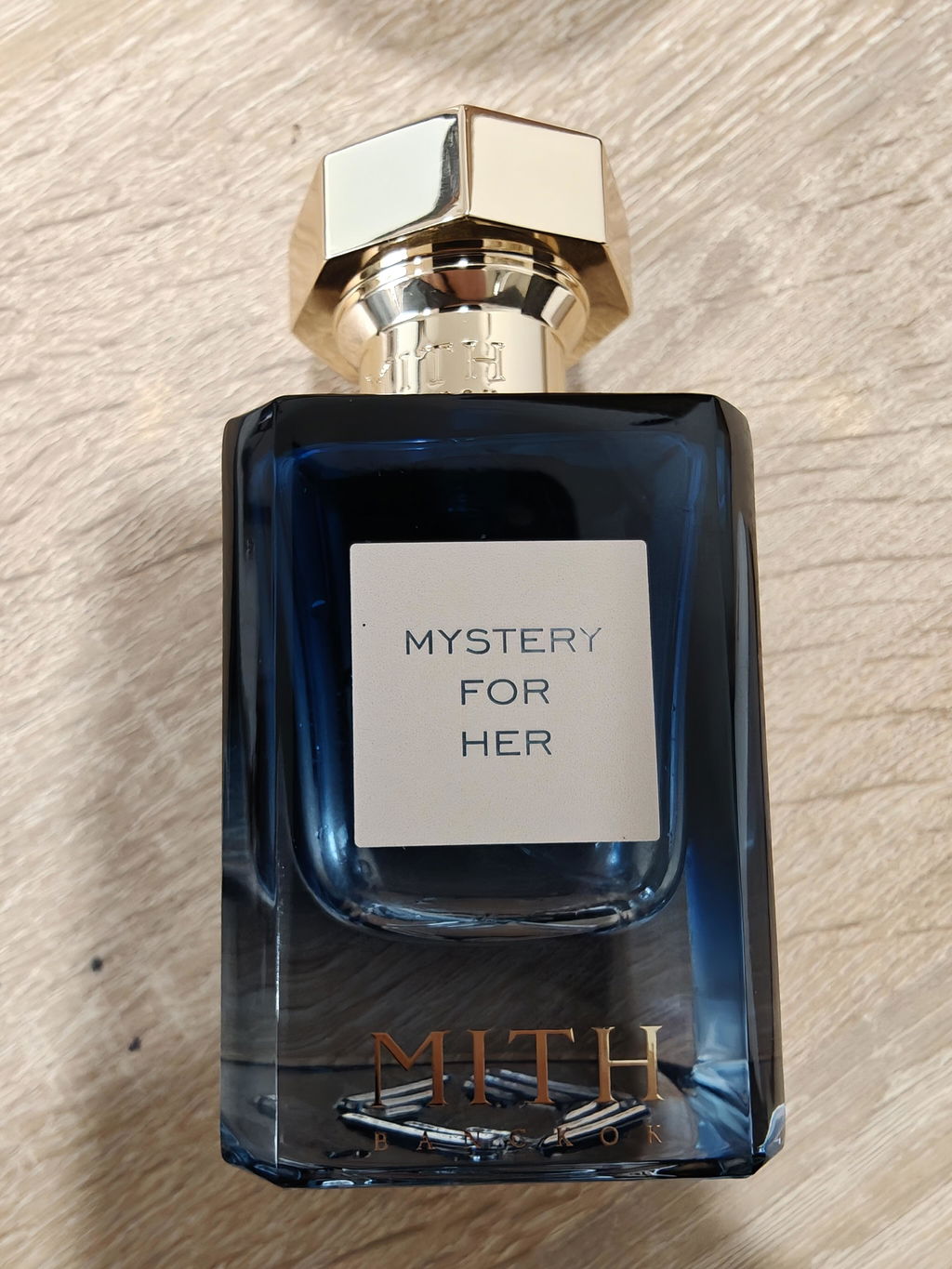
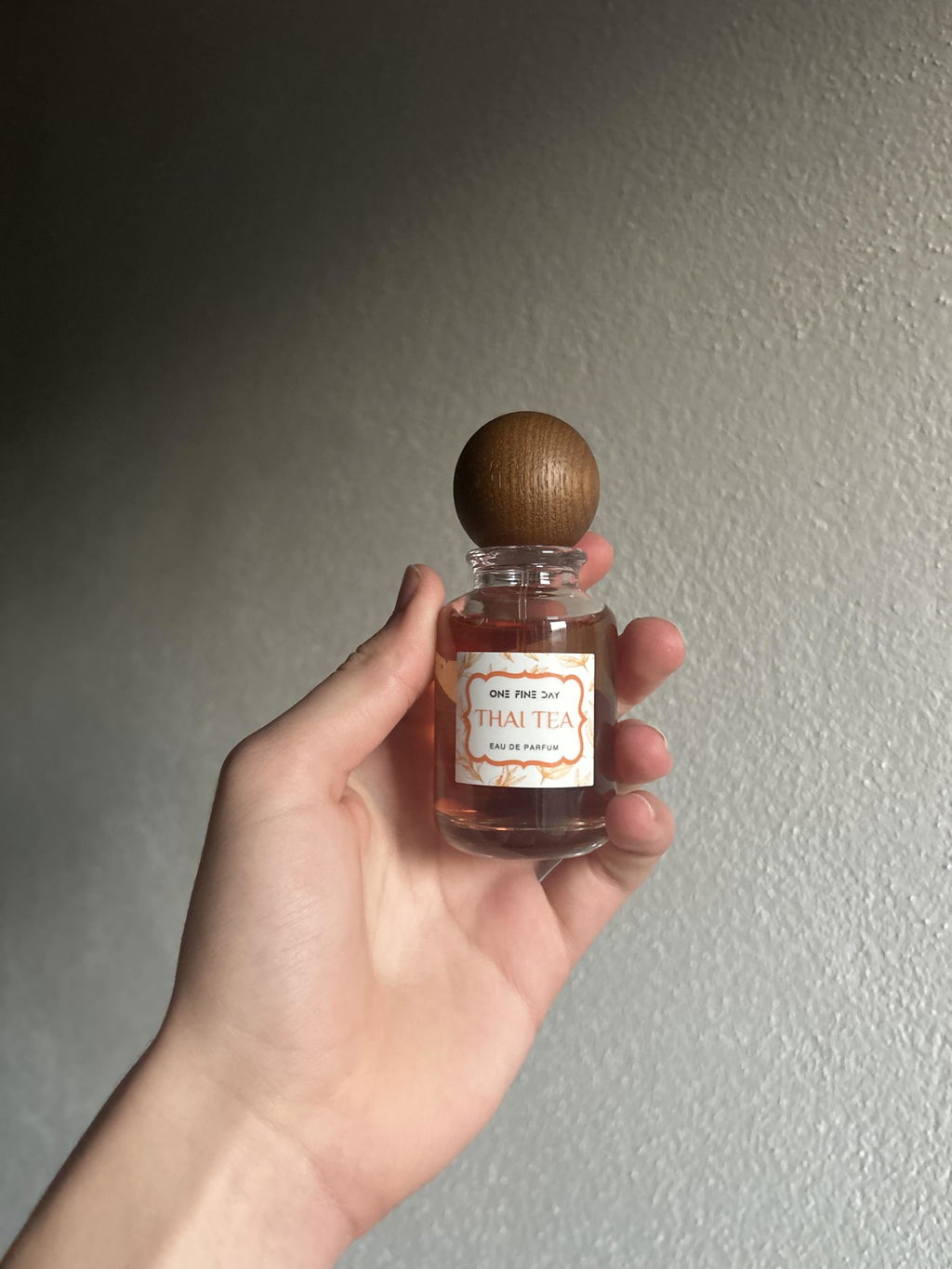
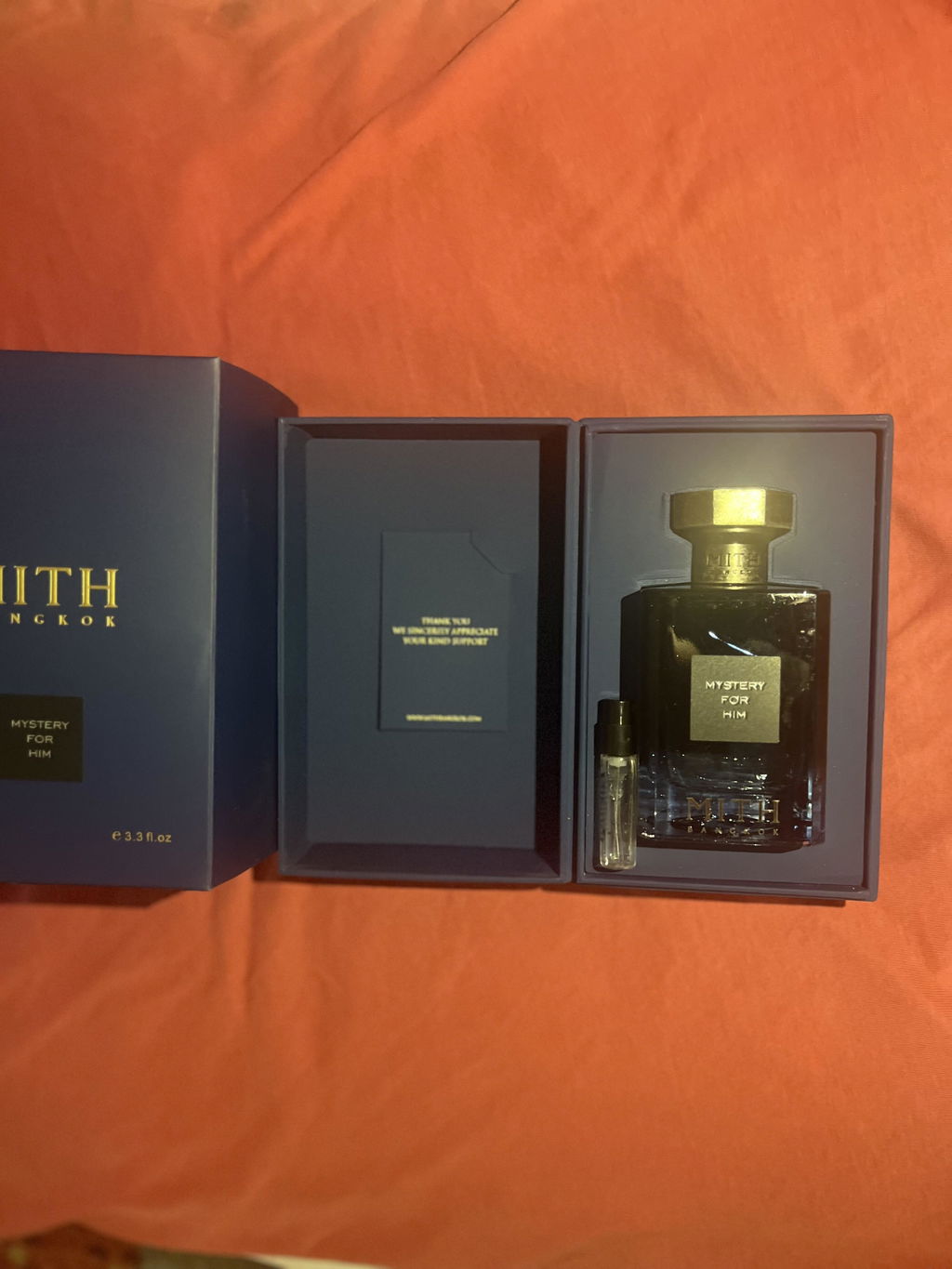
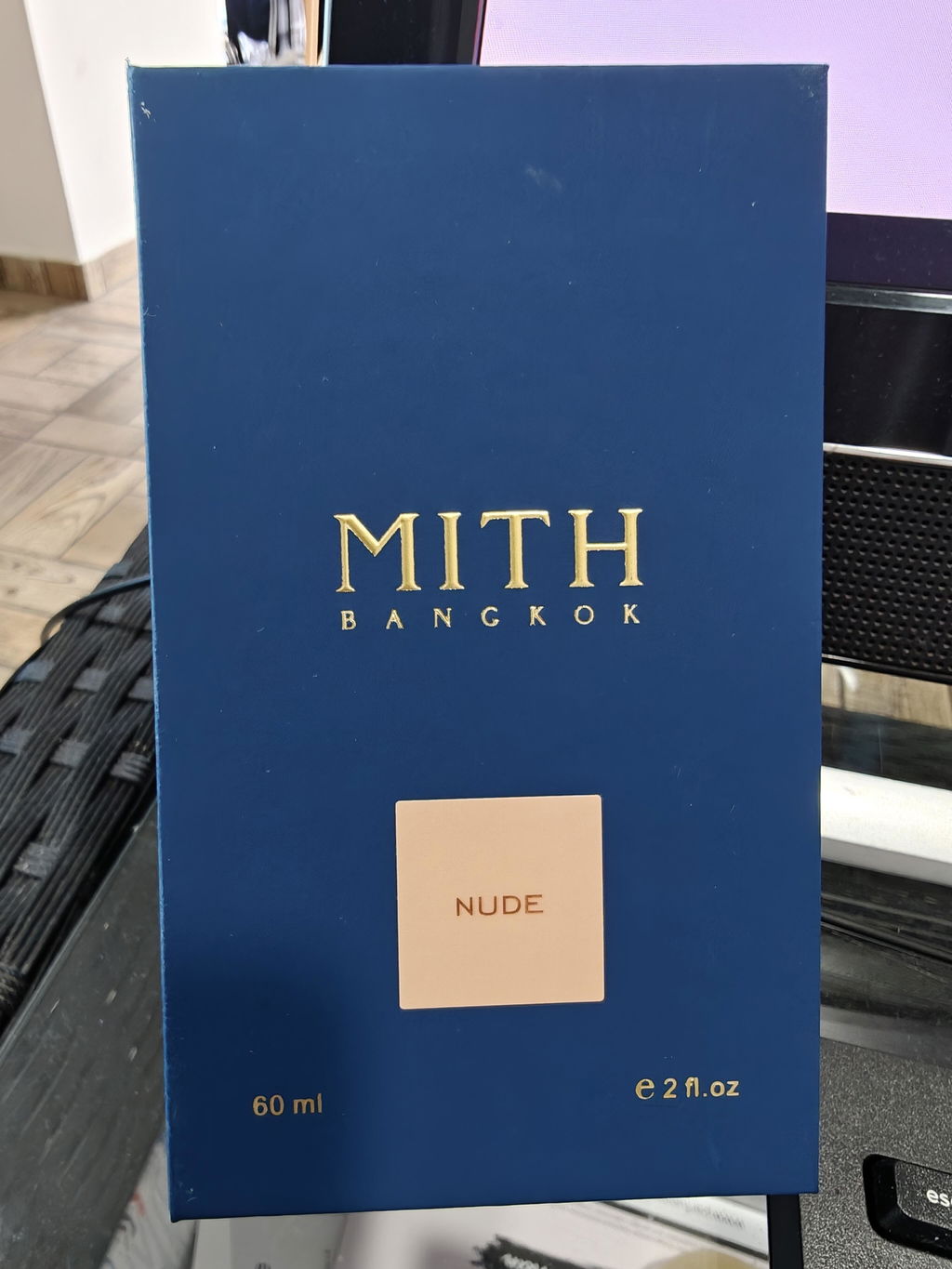
Thai artistic perfumery is a particularly compelling example. There is often a modern lightness to it, but not a lack of character. You may find lush florals handled with clarity, gourmand effects kept elegant rather than heavy, and a confident use of mood and storytelling without tipping into excess. That sensibility feels very current for a European audience that wants personality without fatigue.
As access improves, fragrance lovers will become less loyal to traditional capitals of perfumery and more interested in curation. They will follow taste, not just heritage.
Materials will become more expressive, not just more ethical
Sustainability is now part of the conversation around fine fragrance, and rightly so. But artistic perfumery will not move forward on ethics alone. Consumers may care how materials are sourced, yet they still expect beauty, complexity, and performance. The challenge for brands is to create fragrances that are responsible without becoming sterile or didactic.
New aroma materials and extraction methods will play a growing role here. They offer perfumers different ways to shape transparency, diffusion, and texture. Some allow for cleaner effects, some for better consistency, and some for novel tonalities that did not exist in the traditional palette. This does not mean naturals will lose their prestige. Quite the opposite. Natural ingredients with strong provenance will remain desirable because they bring irregularity, depth, and emotion.
The trade-off is cost and limitation. Rare naturals can be expensive, unstable, or difficult to source at scale. Synthetics can broaden creative freedom, but if used lazily they flatten a composition into something overly familiar. The strongest artistic brands will be the ones that treat materials as part of their signature language, not as a marketing exercise.
The customer is becoming a sharper editor
One reason artistic perfumery has a strong future is that the audience has changed. Fragrance buyers are no longer passive recipients of whatever is placed on the front table. They compare batches, discuss drydowns, study perfumers, and understand the difference between a trend and a house style. Even newer enthusiasts tend to have a more developed vocabulary than they did ten years ago.
That sophistication raises the standard. Beautiful packaging still matters, and so does a compelling launch story, but neither can rescue a forgettable formula. Customers are quicker to spot when a fragrance is derivative, overhyped, or built more for social media than for repeated wear. They may still buy for aesthetics, but they return for substance.
This also affects how brands should think about bestseller culture. Viral success can create visibility, yet it can also pressure houses into producing variations of the same theme. Artistic perfumery rarely thrives under too much repetition. A collection should feel coherent, but not trapped by its own best-performing accord.
Retail curation will become more valuable
As more independent brands enter the market, selection becomes its own form of expertise. That is especially true online, where customers cannot rely on a quick blotter test at a counter. In that environment, curation matters almost as much as composition.
Retailers with a clear point of view will shape the future of artistic perfumery by helping customers navigate abundance. The most trusted boutiques will not try to stock everything. They will edit sharply, present brands with context, and create confidence around discovery. That is particularly valuable when introducing emerging fragrance cultures to a wider audience.
For a customer in Europe, access has often been the obstacle. Distinctive houses may exist, but practical availability, shipping, and trust can be inconsistent. This is where specialist retailers such as Villenel Fragrances have genuine cultural value beyond commerce. They shorten the distance between a compelling perfume scene and the customer ready to wear it.
Artistic perfumery will keep moving towards atmosphere
For a long time, fragrance marketing revolved around taxonomy: floral, woody, citrus, oriental. Those categories still have use, but they describe less than they once did. Many of the most interesting contemporary perfumes are better understood as atmospheres. They smell like a late-night hotel lobby, monsoon air, ironed linen, temple smoke, sun-warmed skin, chilled fruit, polished leather, or rain on concrete.
This atmospheric approach suits modern artistic perfumery because it aligns fragrance with image, fashion, travel, interiors, and personal identity. People are not only choosing a scent profile. They are choosing a world they want to inhabit.
There is, however, a risk. Conceptual perfumes can become too abstract, with beautiful language doing more work than the fragrance itself. The best artistic houses understand that atmosphere must still translate on skin. A perfume can be intelligent, but if it never becomes pleasurable to wear, its audience will remain narrow.
Will performance still matter?
Absolutely, but the conversation is becoming more nuanced. Not every artistic fragrance needs to announce itself across a room. Some are meant to stay close, revealing themselves in movement rather than projection. For many customers, especially those wearing fragrance in shared urban spaces, that restraint is part of the appeal.
What matters is coherence. If a perfume is built as an intimate skin scent, it should feel intentional rather than weak. If it is rich and diffusive, the structure should support that presence rather than collapse into noise. Strength alone is a blunt measure of quality.
Will artistic perfumery become too commercial?
Some of it will. That is the price of success. As niche aesthetics become profitable, more brands will borrow the language of artistry without the discipline behind it. Yet that does not weaken the category as a whole. It simply makes discernment more important.
The strongest houses will continue to stand apart through composition, visual identity, and consistency of taste. They will know when to follow appetite and when to resist it. That tension is healthy. Without commercial reality, many brands cannot grow. Without creative conviction, they are forgettable.
The future of artistic perfumery will not be built by trying to please everyone. It will be built by houses that know exactly who they are, retailers that curate with confidence, and wearers who choose fragrance as an expression of character rather than habit. For anyone tired of the predictable, that is a very promising direction.