A beautiful perfume can turn sour surprisingly quickly when it is tested badly. One spray too close to the skin, five competing scents on the wrist, or an impulsive blind application before a long day out, and even an exceptional composition can feel harsh, muddy or overwhelming. Knowing how to sample perfume safely is not just about avoiding irritation. It is how you give a fragrance the conditions to reveal its real character.
For anyone drawn to niche perfumery, this matters even more. Artistic fragrances often develop with more texture, contrast and personality than a typical department store scent. They deserve patience, clean testing habits and a little restraint.
How to sample perfume safely without ruining the experience
The first rule is simple: test on clean, calm skin. If you have just applied body lotion, shower gel with a strong scent, SPF or another fragrance, you are not smelling the perfume alone. Even elegant formulas can clash with residue already on the skin, and that can distort your impression.
Choose one small area, usually the wrist or inner forearm, and apply sparingly. One spray is enough for a first skin test. More than that rarely gives clarity. It only amplifies the top notes and increases the chance of irritation, especially if your skin is sensitive or already dry.
Avoid rubbing the fragrance in. It is a common habit, but not a helpful one. Rubbing warms the skin quickly and can make the opening feel more volatile than it should. Let the perfume settle naturally and give it time to move through its stages.
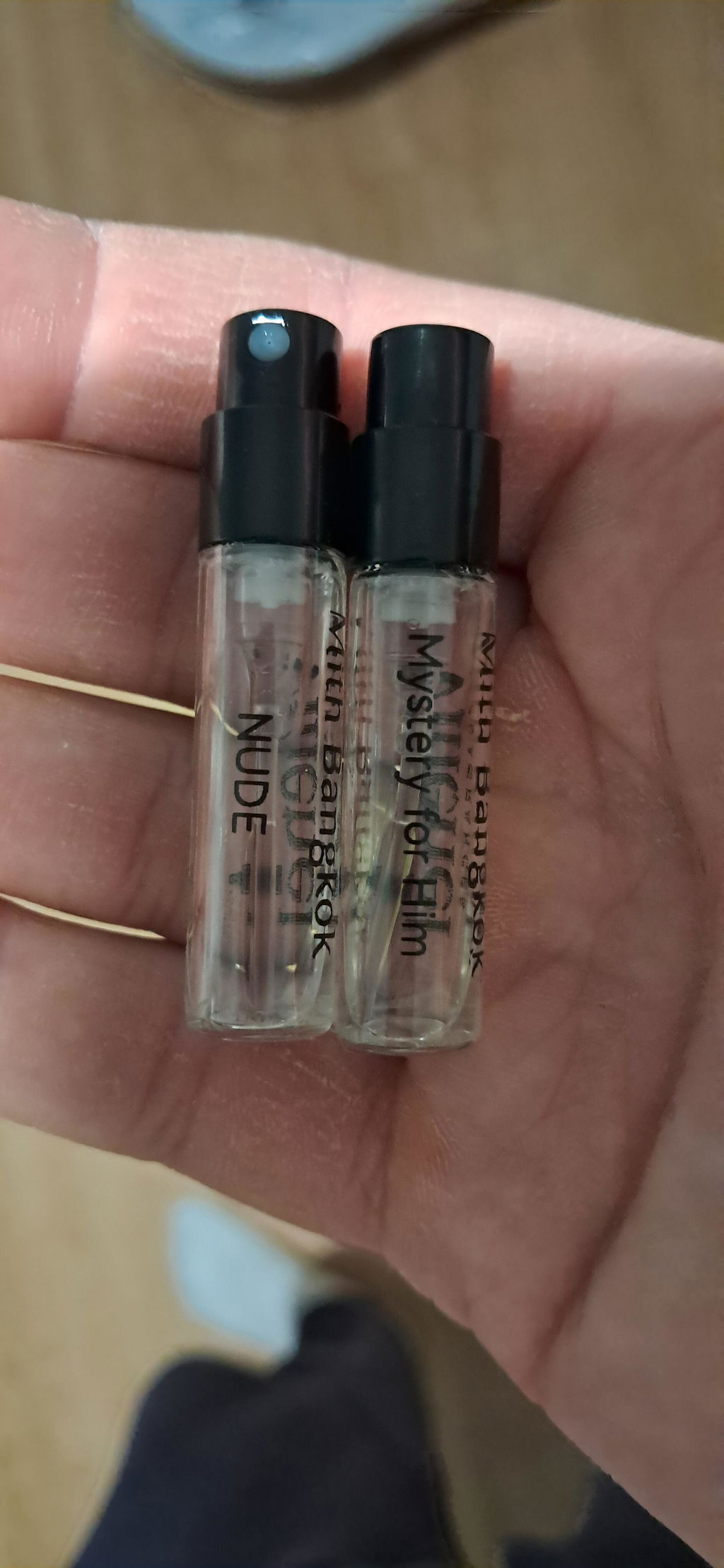
If you are testing several scents in one sitting, start on paper blotters before moving to skin. Blotters are not a perfect substitute for wear, but they let you screen compositions with far less risk. A fragrance that feels sharp, cloying or simply uninteresting on paper does not need to go straight onto your skin.
Start with blotters, then graduate to skin
Sampling well is a matter of sequence. Blotters first, skin second, full wear later. That order protects both your nose and your skin.
On a blotter, spray once from a short distance and allow the alcohol to disperse for a few seconds before smelling. If you inhale immediately, you are often catching the alcohol burst rather than the fragrance itself. Hold the strip a little away from the nose rather than pressing it directly against it. You want a measured impression, not olfactory overload.
Once a scent stands out, test it on skin and leave it alone for at least half an hour. Many people decide too early. The opening can be bright, peppery, citrus-led or unexpectedly green, then soften into something far more nuanced. Equally, a fragrance that feels charming in the first five minutes may become dense or powdery later on. Safe sampling is partly physical caution and partly good judgement.
If you are comparing multiple perfumes, keep enough distance between them. One fragrance on each wrist is usually the limit. If you need to test more, use the inner elbows or return on another day. There is no prize for trying eight perfumes in twenty minutes and remembering none of them clearly.
Watch for skin sensitivity and fragrance triggers
Most people can sample perfume without any issue, but fragrance is still a cosmetic product applied to the skin. That means caution is sensible, especially if you are prone to eczema, contact dermatitis, migraines or general skin reactivity.
A patch test is the safest place to begin if you are trying a new brand, a highly concentrated extrait, or a formula with a note profile you know can bother you. Spray once on a small area of the inner arm and wait. If redness, itching, burning or raised bumps appear, wash it off gently and do not continue wearing it.
This is also where concentration matters. Eau de parfum, extrait and perfume oils can be beautiful, but they may feel more intense on sensitive skin than a lighter eau de toilette or body mist. Stronger does not always mean better for sampling. It often means slower, smaller and more deliberate.
The same applies if you are testing in a boutique setting. Fragrance counters can be saturated environments. If you are sensitive to scent clouds, step outside between tests or sample at home instead. A composed environment gives a more truthful read than a perfumed room full of ambient interference.
Where to apply perfume when sampling
Pulse points are traditional for a reason, but not every area behaves the same way. Wrists are convenient and easy to monitor, though they tend to be exposed to washing, clothing friction and habitual movement. Inner forearms are often better for a quieter, cleaner test because the scent is less likely to transfer.
Avoid broken, freshly shaved or irritated skin. Perfume on compromised skin can sting and can make a harmless formula feel aggressive. It is also best not to spray directly onto the neck if you are trying something unfamiliar, particularly before work, a meal out or travel. The neck creates warmth and projection, which can make a perfume feel much stronger than expected.
Hair and clothing can be useful later, but they are not ideal for a first safety test. Hair can hold scent beautifully, yet alcohol-heavy sprays may dry it out if used often. Fabric can preserve a perfume for days, but it may also stain delicate garments or trap a note you later realise you dislike. Skin first, scarf later.
How to sample perfume safely if you are testing at home
Home sampling is often the most intelligent approach, especially with niche fragrances. You control the pace, the air, the lighting, your mood and the rest of your routine. That makes it easier to notice the architecture of a scent rather than just its opening effect.
Test one fragrance in the morning and live with it through the day. Notice how it behaves after fresh air, after coffee, and after your skin warms naturally. Does it become creamier, woodsier, saltier or more translucent? Does it stay close, or does it announce itself across the room? These are not small details. They are often what separates a perfume you admire from one you actually want to wear.
Keep your skin bare apart from the fragrance itself. Scented body products, detergent-heavy knitwear and even hand cream can all interfere. If you want a precise result, simplify the surroundings.
This slower method is especially useful when you are exploring more distinctive houses. A modern floral with tropical facets or a resinous woody scent with leathery undertones can feel unfamiliar at first encounter. Given space, those details often become the reason you fall for it.
Common mistakes that make perfume sampling unsafe or unreliable
The most common mistake is overspraying. People often think more perfume means a better test, when in reality it creates fatigue and confusion. Fragrance should unfold, not hit all at once.
Another mistake is judging too quickly. Niche perfumes, in particular, may open with contrast before settling into something elegant and highly wearable. If you dismiss a scent at the first sharp edge, you may miss the part that matters.
There is also the habit of stacking scents unintentionally. If you have remnants of another perfume on a coat cuff, bracelet or sleeve, they can interfere with what you are trying to assess. This sounds minor, but scent memory is easily skewed.
Finally, do not ignore your body’s response just because the fragrance smells expensive or beautifully composed. A perfume can be artistically impressive and still not suit your skin or tolerance level. Taste matters, but comfort does too.
A more refined way to find your next signature
Safe sampling is really a form of respect - for the perfume, for your senses and for your skin. It gives each composition a fair introduction and helps you spot the fragrances with genuine staying power in your wardrobe, not just quick charm on first spray.
If you are exploring newer niche houses, a disciplined sampling routine is the surest way to appreciate their craftsmanship properly. At Villenel Fragrances, that philosophy sits at the heart of discovery: scent should feel personal, considered and beautifully chosen, never rushed.
Take your time with perfume. The right one rarely shouts first.