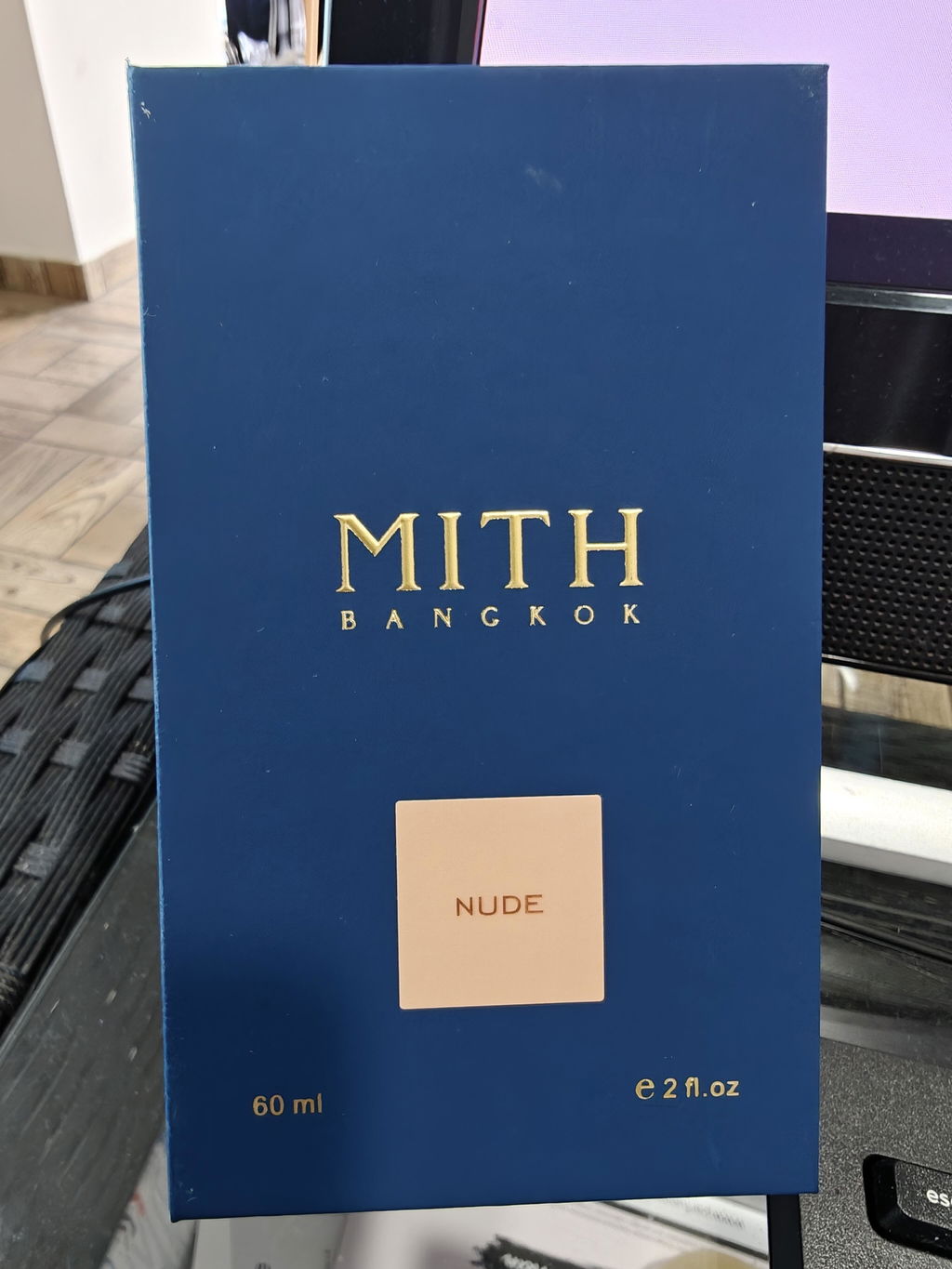
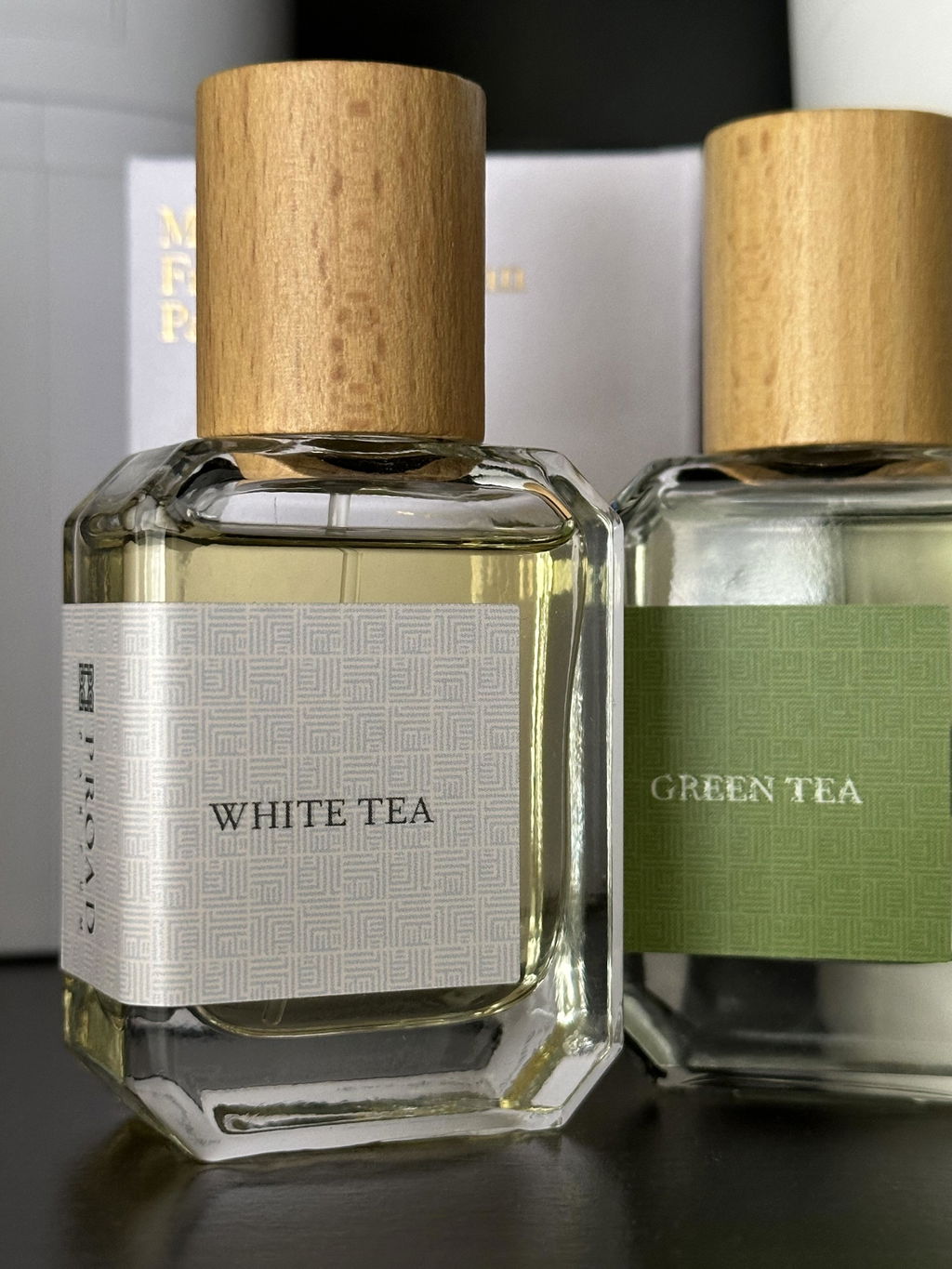
The wrong niche perfume rarely smells bad. It simply smells like someone else. That is usually the real problem, especially when you are moving beyond designer fragrance and into houses with a stronger point of view. If you are wondering how to choose niche perfume, the goal is not to find the most unusual bottle or the boldest note list. It is to find a scent that feels precise on you.
What niche perfume should do for you
A niche fragrance should add character, not costume. The best ones do not just announce themselves across a room. They create a mood, leave an impression at close range, and give you something more individual than the familiar signatures found everywhere.
That does not mean niche automatically equals difficult. Some niche perfumes are airy, polished and easy to wear. Others are more abstract, textured or challenging. Knowing which side of that spectrum appeals to you is the first useful filter. If you like clean woods, soft musks and elegant florals, you do not need to force yourself into smoke, leather or animalic accords simply because they sound more artistic.
The smartest way to approach niche is to separate admiration from wearability. You might admire an incense-heavy composition the way you admire a fashion editorial, but still prefer to wear citrus tea, suede or skin musk in daily life. Both reactions are valid.
How to choose niche perfume without guessing
Most people start with notes. That makes sense, but it is not enough. A note list can tell you direction, not texture. Rose can read as dewy, powdered, jammy, metallic or dark. Vanilla can feel translucent and salted or dense and almost edible. Oud can be polished and modern or medicinal and raw.
A better starting point is to think in scent atmospheres. Ask yourself what you actually enjoy wearing and what you want your fragrance to project. Fresh linen after a late shower. A crisp white shirt. Tropical fruit under heat. Velvet, spice and candlelight. A niche perfume often communicates through mood before it communicates through ingredients.
Once you have that mood in mind, consider three practical questions. When will you wear it most often? How noticeable do you want it to be? And do you want comfort, drama or contrast? These questions narrow the field far more effectively than chasing a fashionable note.
Start with your current fragrance habits
Your existing preferences are useful, even if you want something less mainstream. Look at the fragrances you finish, not just the ones you praise. Patterns usually appear quickly. Perhaps you reach for iris and musk in colder months, neroli in spring, or woods with a dry amber base in the evening.
If you already know you dislike syrupy sweetness, there is little point sampling a gourmand-led niche scent because its concept sounds interesting. Equally, if your collection is full of bright citrus and sheer florals, a richer resinous perfume may be exactly the contrast you are missing. It depends whether you are refining your signature or expanding your wardrobe.
Learn the difference between style and note
Many shoppers say they are looking for sandalwood, fig or jasmine when they are really looking for a style. Fresh sandalwood is very different from creamy sandalwood. Green fig is different from milky fig. Jasmine can be indolic and heady or luminous and almost soapy.
This is where niche perfumery becomes more rewarding. Houses with a clear creative identity often interpret familiar materials in less expected ways. A tropical accord may feel sleek rather than sugary. A floral may feel architectural rather than romantic. A gourmand may be dry, mineral or woody enough to remain sophisticated.
Skin chemistry matters, but not in a mystical way
People often treat skin chemistry as if it changes a perfume beyond recognition. Usually the effect is simpler. Your skin may amplify sweetness, flatten citrus, warm up spices or make musks sit closer. That is enough to affect your choice.
Try fragrance on skin, not just paper, and give it time. The opening can be persuasive but brief. Niche compositions often reveal their real shape after twenty minutes, once the top notes settle and the base begins to breathe. If you judge too early, you may end up buying a perfume for an opening you never really wear.
Pay attention to development. Does the fragrance become smoother, sharper, sweeter, drier, louder? A perfume that begins as polished bergamot may dry down to creamy woods, smoky resin or a soft skin scent. That drydown is what stays with you through the day, on your scarf, or on the collar of a coat.
Performance is not the same as quality
One of the easiest mistakes in niche fragrance is assuming that stronger means better. Projection and longevity matter, but they are not the only measures of excellence. Some beautifully made perfumes are intentionally close-wearing. They create intimacy rather than impact.
Ask yourself how you want a fragrance to behave in real life. For the office, travel or everyday wear, something refined and controlled may be more useful than a scent with a huge trail. For evening, events or colder weather, you may want more presence. Neither is superior. The right choice depends on context.
This is particularly important if you are buying your first niche perfume. A more versatile scent often gives you a better entry point than the most dramatic option on the shelf.
How to choose niche perfume for your lifestyle
Your wardrobe, routine and social habits should influence your decision. Fragrance is personal, but it is also situational. A scent that feels perfect at an evening gallery opening may not be what you want before a morning train commute.
If your style is tailored, minimal and precise, you may gravitate towards crisp woods, iris, tea, incense or understated leather. If your aesthetic is warmer, softer or more sensual, amber, creamy florals, vanilla, suede and sunlit fruit may feel more natural. If you dress with contrast and enjoy statement pieces, you may want fragrance with the same tension - green notes against sweetness, metallic florals against musk, smoke against citrus.
There is also seasonality to consider, although not as rigidly as people suggest. Dense perfume can still work in warmer weather if it is applied lightly. Fresh fragrance can be beautiful in winter if it has enough texture. Think less in rules and more in balance.
Occasion helps narrow the choice
If you are choosing for daily wear, look for something with enough personality to feel distinct, but enough restraint to remain easy. If it is for evenings, occasions or gifting, the brief changes. You may want more mood, more contrast and more memorability.
For gifts, avoid choosing purely by your own taste. The most successful fragrance gifts are specific but not extreme. They still feel special, just not impossible to wear.
Sampling is the elegant route, not the cautious one
In niche perfumery, sampling is not hesitation. It is discernment. A fragrance can be beautifully composed and still wrong for your skin, your pace of life or your taste after a full day of wear.
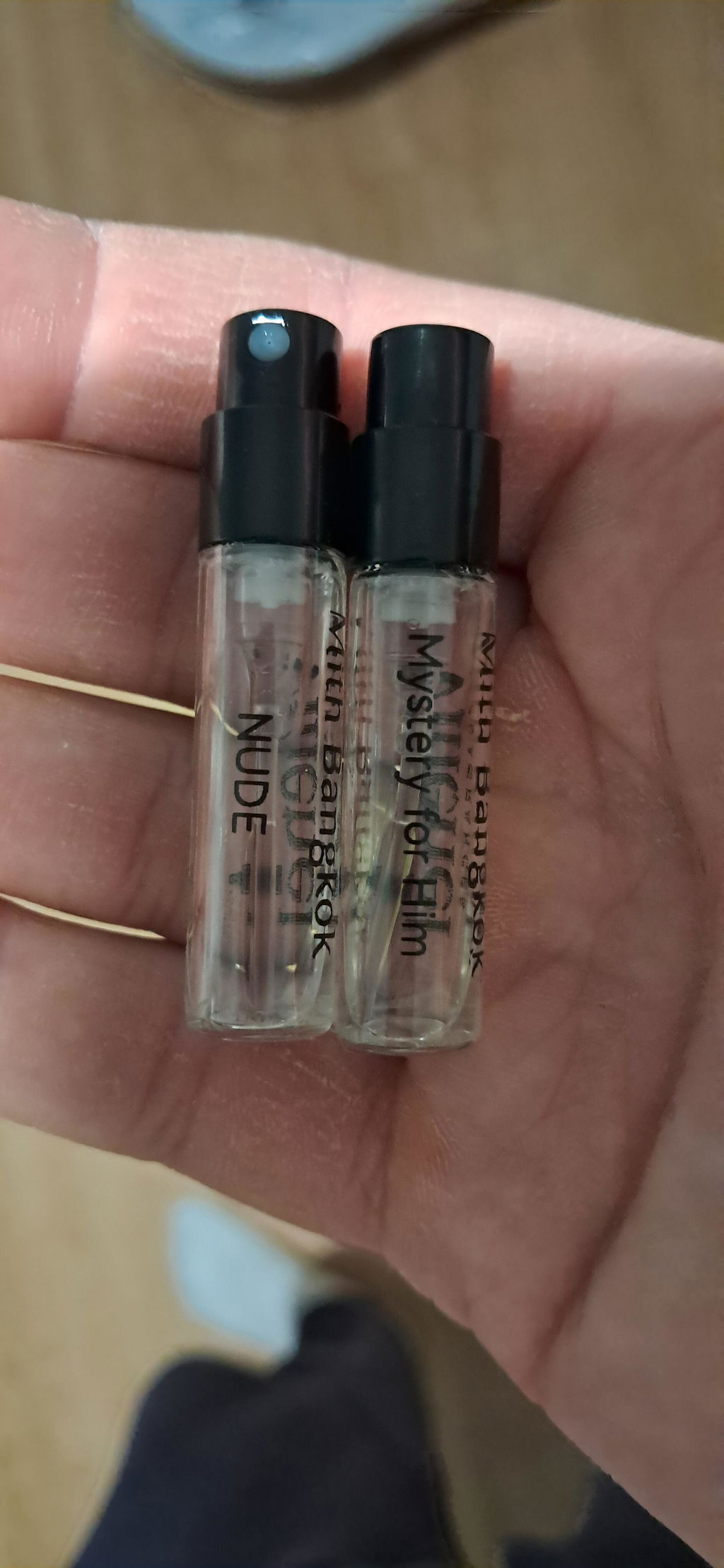
Try a few options within a clear scent family rather than ten unrelated perfumes at once. When you compare too broadly, your nose gets overwhelmed and everything blurs into a vague impression of nice, too much, or not for me. A tighter edit makes differences easier to spot.
Wear each sample more than once if possible. Mood, weather and even what you wore that day can change your perception. The fragrance you dismissed on a rushed weekday may feel exceptional on a quiet evening. Equally, the one that impressed immediately may become tiring after several hours.
A curated retailer such as Villenel Fragrances can make this process easier because selection itself becomes part of the service. When the assortment is already filtered through taste and craft, you are not searching blindly through endless releases.
Signs you have found the right one
The right niche perfume usually becomes clear in a subtle way. You want to smell your wrist again. You notice details as it develops. It feels like an extension of your style rather than a performance. Other people may compliment it, but that is not the main signal. The real signal is that you want to wear it again tomorrow.
There is also a practical test. If a fragrance only works with one outfit, one season and one very specific mood, it may still be worth owning, but it is not always the best first choice. A strong addition to a collection should either fill a clear gap or serve a meaningful purpose.
If you are still deciding between two perfumes, choose the one you can describe more clearly. That often means you have connected with it more deeply. Vague appreciation tends to fade. Precise attraction tends to last.
Niche perfume is at its best when it feels edited rather than excessive. Choose with curiosity, but also with honesty. Your most memorable fragrance will not be the one that tries hardest. It will be the one that feels unmistakably yours.