Some perfumes are technically beautiful and still feel wrong by 8.30 in the morning. Others seem almost too quiet on paper, then become exactly what you want on a rainy commute, a late dinner, or a slow Sunday at home. That is why fragrance collections by mood make so much sense. They reflect how people actually wear scent - not by season alone, not by occasion alone, but by feeling.
For anyone drawn to niche perfumery, this approach is especially useful. Artistic fragrances rarely behave like generic wardrobe staples. They carry texture, atmosphere and point of view. A collection built around mood gives those qualities room to matter, and it often leads to better choices than buying according to hype, trend or a neatly labelled scent family.
Why fragrance collections by mood work
Mood-led collecting is not about treating perfume as a quick emotional fix. It is about recognising that scent changes the tone of a day. A crisp citrus with green facets can sharpen your focus. A skin scent with musks and soft woods can create ease without asking for attention. A resinous floral or dense amber can make an evening feel more intentional before you have even left the house.
This is also a more realistic way to build a wardrobe. Most fragrance lovers do not need fifteen variations on the same polished office scent. They need range. They need a fragrance for days when they want clarity, one for days when they want comfort, one for when they want presence, and another for when they want to disappear into something intimate and understated.
There is, however, a trade-off. Shopping by mood can sound vague if you skip the structure. The key is to link each mood to recognisable scent behaviours - brightness, softness, diffusion, warmth, freshness, density. Once you do that, mood stops being abstract and becomes a practical way to curate.
How to build fragrance collections by mood
Start with your real life rather than an imagined fragrance persona. If your week moves between office hours, gallery openings, dinners, trains, crowded streets and quiet evenings in, your collection should follow that rhythm. You are not building a display. You are building choices you will genuinely wear.
It helps to think in four or five emotional lanes rather than dozens of micro-categories. Too much granularity can make the collection feel precious. A concise edit is usually more elegant and more wearable.
The focused mood
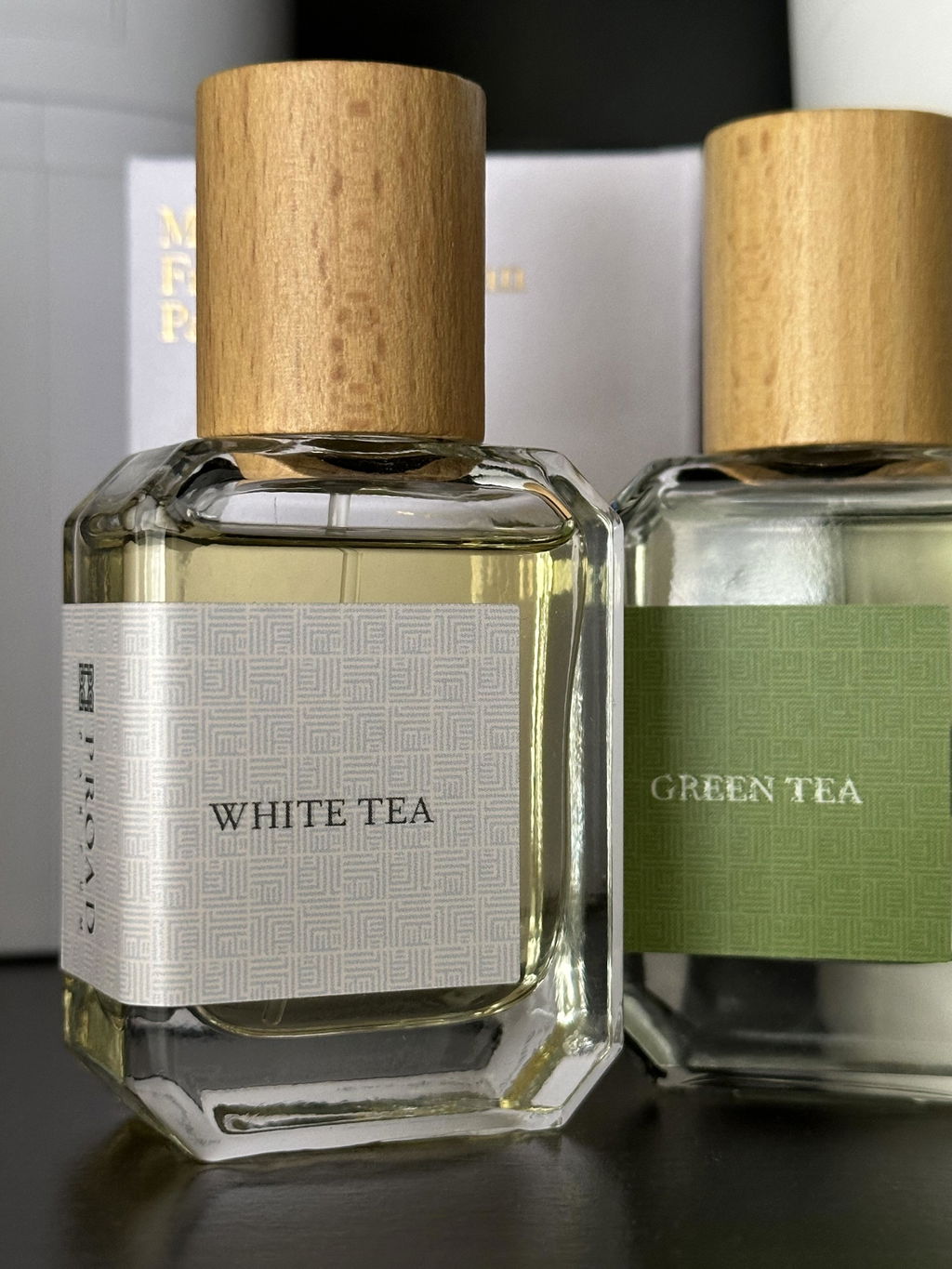
This is the scent for clarity, movement and clean edges. It suits work, travel, daytime appointments, or any moment when you want to feel composed rather than decorated. In fragrance terms, this mood often lives in citrus, green notes, transparent woods, tea accords, aromatic herbs and mineral musks.
The best focused fragrances are not merely fresh. They have lift without becoming sharp, and structure without turning severe. A bergamot opening can work beautifully here, but so can fig leaf, shiso, neroli, vetiver or polished cedar. If you are sensitive to projection in professional spaces, keep an eye on airy compositions that stay close to the skin after the opening. A bright scent with discipline will usually do more for this mood than a loud aquatic or a sugary fruit accord.
The comfort mood
Comfort in perfumery is more varied than people think. It is not just vanilla. Sometimes comfort is creamy sandalwood, steamed rice, soft iris, clean musk, coconut milk, cashmere woods or a gentle powder effect. Sometimes it is a lotion-like floral that feels familiar without being old-fashioned.
This is the category you reach for on low-energy days, long evenings, or weekends when you want sensory ease. The trick is to avoid equating comfort with blandness. A niche fragrance can be soothing and still retain personality. In fact, the most memorable comfort scents often have one unexpected detail - a touch of salt, a sheer incense note, a cool metallic floral accord - that keeps them from feeling flat.
If you tend to overapply in search of cosiness, choose compositions that have warmth built into the base. They will feel enveloping with less effort.
The confident mood
This is not necessarily the strongest fragrance in your wardrobe. Confidence in scent is about definition. You want something with shape, signature and a little tension. Leather, spices, rose with depth, smoky woods, patchouli, saffron, labdanum and darker florals often sit well here.
A confident fragrance should feel self-possessed rather than aggressive. That distinction matters. In close social settings, overwhelming projection can read as impatience rather than style. A better choice is a scent with clear architecture - one that enters the room with polish, then reveals complexity as it settles.
This mood works particularly well for evenings, events and moments when you want your perfume to participate in your look. If your clothing is minimal, this can be the category that adds character. If your wardrobe is already expressive, a more edited confident scent may create better balance.
The romantic mood
Romantic does not have to mean overtly sweet or conventionally floral. It can be velvety, luminous, tender or quietly sensual. Rose is an obvious anchor, but jasmine, peony, orange blossom, osmanthus, suede, soft amber and warm musks can all shape this mood in very different ways.
The question to ask is not whether a fragrance smells pretty. It is whether it creates closeness. Some perfumes flirt through radiance, others through softness. A sparkling floral-fruit may suit daylight romance and warmer weather, while a musky floral or smoky vanilla might feel more convincing after dark.
This is also where personal chemistry becomes crucial. Notes associated with sensuality can turn too powdery, too syrupy or too abstract depending on the wearer. Skin testing matters more here than note pyramids.
The playful mood
A mood-led wardrobe needs at least one fragrance that exists for pleasure rather than practicality. This may be your vivid fruit note, your lacquered gourmand, your fizzy floral, your sunlit tropical composition or your eccentric green. It should feel alive.
Playful scents are often the easiest to dismiss as fleeting purchases, yet they serve a real purpose. They prevent a collection from becoming overly serious. They also make excellent bridge fragrances for social afternoons, holidays, creative work and spontaneous plans.
The only caution is longevity versus charm. Some of the brightest, happiest perfumes have a lighter structure. If you love that style, accept that reapplication may be part of the experience rather than a flaw.
Choosing the right scent for the mood, not just the label
Brands often describe perfume in emotional terms, but not every marketing description translates cleanly on skin. “Comforting” may mean milky and soft, or it may mean thick tonka and sugared amber. “Fresh” may mean elegant citrus, or it may mean sharp laundry musk. The mood matters, but the construction matters more.
Pay attention to three things when curating. First, the opening. Does it create the feeling you want within the first ten minutes? Second, the drydown. Does the mood stay coherent after an hour, or does it drift into something unrelated? Third, the scale. Some moods need intimacy. Others benefit from presence.
This is where curated niche retail has a real advantage. Houses with a strong point of view tend to build fragrances with clearer identities, which makes mood-based selection more precise. You are not simply choosing between “nice” perfumes. You are choosing between atmospheres.
Avoiding the common mistakes
The most common error is buying several scents for the same emotional lane because the note lists differ slightly. Three variations of soft vanilla musk may look versatile on a shelf and feel redundant in practice. If two fragrances create the same mood on your skin, keep the one with the better texture or wearability.
Another mistake is forcing yourself to own a scent for every imaginable state of mind. Not everyone needs a dramatic nocturnal amber or a sparkling daytime citrus. It depends on your habits, your social life and how often fragrance is part of your self-presentation.
It is also worth remembering that mood and season still interact. A plush gourmand that feels comforting in November may feel oppressive in June. A sheer green floral that feels energising in spring may disappear entirely in winter. Flexibility is more useful than rigid categories.
A more personal way to collect
The appeal of fragrance collections by mood is that they bring perfume closer to lived experience. They make room for instinct without sacrificing discernment. Instead of asking whether a scent is masculine or feminine, trendy or timeless, office-safe or date-night approved, you ask a better question: how do I want to feel, and does this composition genuinely support it?
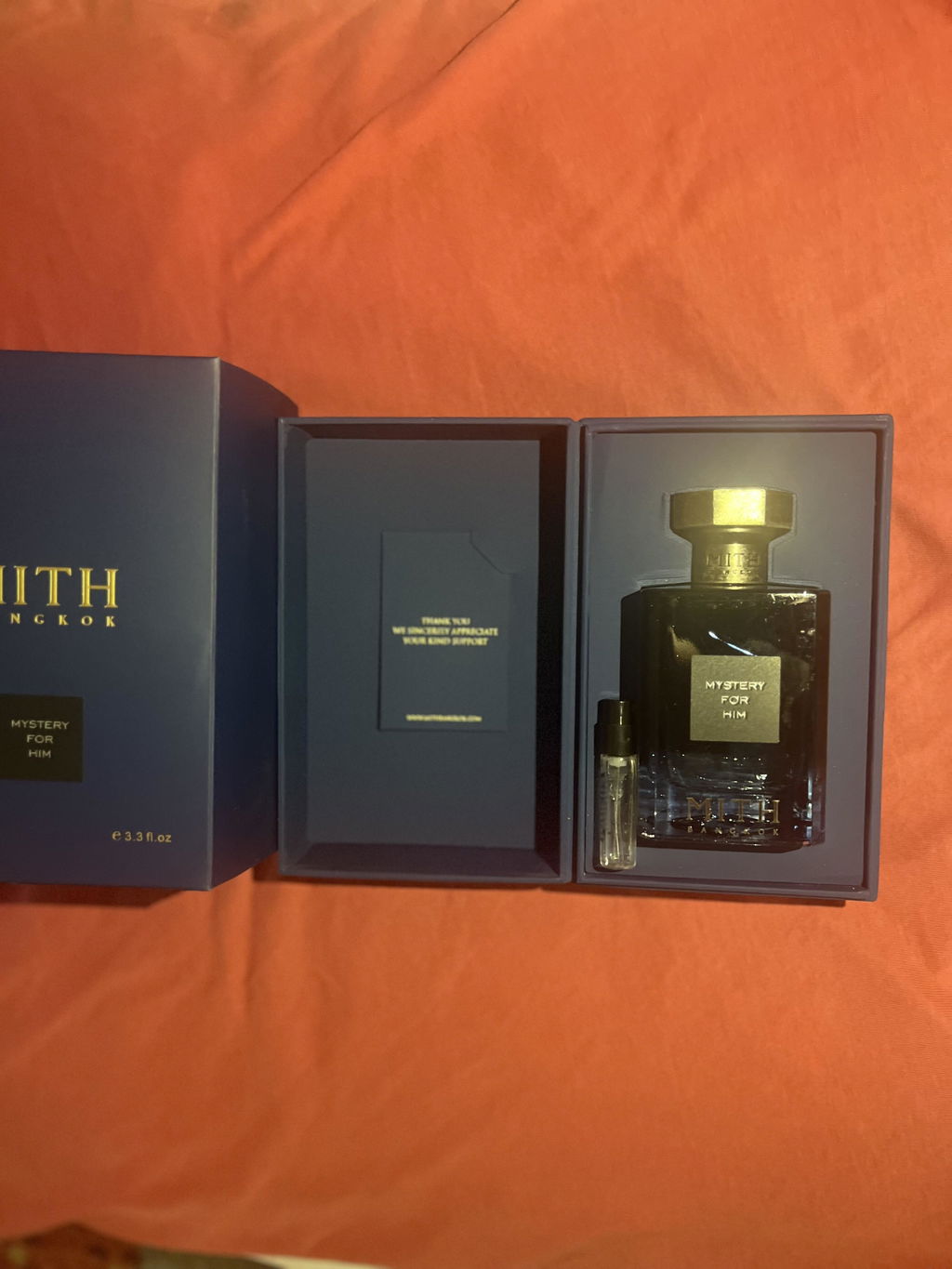
For a retailer with an editorial eye, this way of curating feels especially relevant. It allows distinctive houses, including modern Thai perfumery with its vivid storytelling and nuanced materials, to be appreciated on emotional terms rather than squeezed into generic fragrance categories.
A good collection does not cover every possibility. It gives you the right language for the moments that matter, and leaves enough space for surprise.