A gourmand niche fragrance can smell like far more than dessert. In the right hands, vanilla turns velvety rather than sugary, cacao gains a dark, almost powdered elegance, and caramel can read as polished skin scent instead of confectionery. That distinction is exactly why gourmand remains one of niche perfumery’s most compelling families - it offers comfort, sensuality and personality, but with far more shape than the mainstream category often suggests.
For fragrance lovers who want sweetness without predictability, gourmand is rarely a single style. Some compositions lean creamy and intimate. Others sharpen edible notes with woods, resins, spice or smoke. The result can feel cocooning, seductive, playful or quietly luxurious depending on how the perfumer builds the structure.
What makes a gourmand niche fragrance feel truly niche
The difference usually starts with restraint. A mass-market gourmand often aims for instant appeal: bright sugar, obvious vanilla, soft praline, a clean musky dry-down. There is nothing inherently wrong with that formula, but it can flatten quickly and blur into familiarity.
A gourmand niche fragrance tends to approach sweetness more compositionally. Instead of asking how to smell edible, it asks what sweetness can do inside a scent. It may create contrast with incense, suede, dry patchouli or saffron. It may focus on texture - steamed milk, toasted nuts, burnt sugar, rice, cream, coffee grounds - rather than simple sweetness. It may also be less concerned with crowd-pleasing brightness and more interested in mood.
That is often why niche gourmand perfumes feel more memorable on skin. They are not just sweet. They have tension, character and often a point of view.
The gourmand notes worth knowing
If you are shopping this category with intention, it helps to separate the notes you enjoy from the effect you want. Two fragrances may both feature vanilla and still wear completely differently.
Vanilla, but not always soft
Vanilla is the anchor of the gourmand family, yet it is one of the most flexible materials in perfumery. It can smell airy and clean, thick and boozy, dry and woody, or creamy and almost skin-like. If you say you like vanilla, the more useful question is which kind.
A smoky vanilla suits evenings and cooler weather. A milky vanilla feels smoother and more understated. A spiced vanilla brings lift and movement. In niche perfumery, vanilla often works best when it is not left alone.
Chocolate, coffee and cacao
These notes attract people who want a richer, more atmospheric gourmand. Chocolate in perfume can turn dusty, bitter or syrupy depending on the composition. Coffee can feel chic and urban or dark and roasted. Cacao often offers the most refinement because it introduces bitterness as well as warmth.
If your concern is that gourmand perfumes smell juvenile, these are often the notes that shift the category into something more grown and textural.
Praline, caramel and sugar accords
These notes bring the plush, indulgent side of gourmand. They can be beautiful, but they are also where balance matters most. Too much sweetness without contrast can feel heavy, especially in central heating, on a crowded commute or during warmer months.
When praline or caramel is paired with woods, spice or amber, the fragrance usually feels more polished. When paired with fruit and soft musk alone, it may lean more playful.
Pistachio, almond and nutty accords
Nutty notes have become especially desirable because they give gourmand perfume a modern texture. Pistachio can feel creamy, slightly salted and unexpectedly airy. Almond often brings a marzipan softness, though in some compositions it turns powdery. These notes work particularly well for those who enjoy sweetness with a smoother, more fashion-led finish.
How to choose the right gourmand niche fragrance for your style
The best approach is not to ask whether you like gourmand in general. Ask what role you want the fragrance to play in your wardrobe.
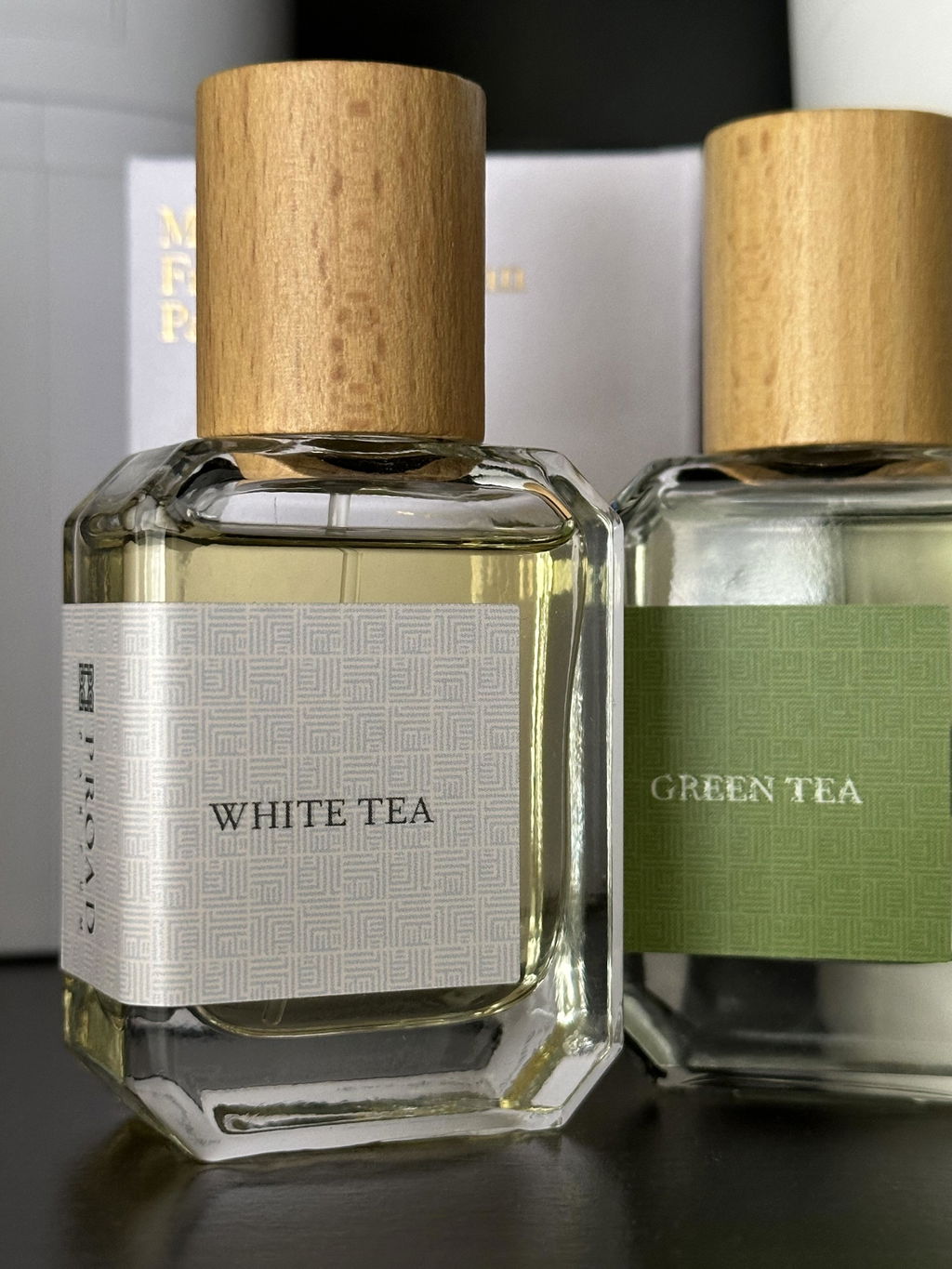
If you want an everyday scent, look for a gourmand built around vanilla, soft woods, musk or tea. Those structures tend to sit closer to the skin and feel more adaptable from office to evening. A dense caramel or chocolate scent may be beautiful, but it is not always the easiest daily companion.
If you want a statement fragrance, contrast becomes more interesting. Notes such as tobacco, leather, liquor, incense and patchouli can give a gourmand composition more definition and projection. These scents often feel richer, more dressed, and better suited to evenings or colder weather.
If you tend to wear floral or clean fragrances, start with a gourmand that has lift. Orange blossom, neroli, cardamom, bergamot and pink pepper can all stop sweetness from feeling too enclosed. This is often the easiest entry point for someone curious about the family but wary of smelling overly edible.
Season, setting and skin chemistry matter
Gourmand is one of the categories where context changes everything. A fragrance that feels sumptuous on a cold evening can become cloying in summer. Likewise, a delicate milky vanilla that feels elegant on one person may disappear quickly on another.
Skin chemistry matters because sweet notes can amplify with body heat. If your skin tends to pull fragrances warmer, test before committing to a full bottle. What starts as toasted sugar may become much sweeter after an hour. On drier skin, the same perfume may read softer and more powdery.
Setting matters too. In close environments, a strong gourmand can feel more assertive than expected because these notes have emotional familiarity - people notice them. For work, many prefer a scent with a drier base or lower projection. For evening wear, richness is easier to carry.
Why balance is everything in gourmand perfumery
The best gourmand fragrances rarely smell like a bakery from top to base. They evolve. This is what gives them elegance.
A bright opening can stop the scent feeling dense from the start. Spices can create lift and sophistication. Woods provide structure. Resins add shadow. Musks soften the edges. Without those elements, sweetness risks becoming one-dimensional.
This is also why blind buying in the gourmand category can be tricky. The note list may look irresistible, but listed notes do not tell you proportion, texture or development. Vanilla with cedar and iris can be quietly chic. Vanilla with bubblegum fruit and whipped sugar can be something entirely different.
For collectors, this is part of the appeal. Gourmand is no longer a narrow category. It stretches from translucent rice and milk compositions to dark café-like orientals and polished amber vanillas.
Gourmand niche fragrance trends worth noticing
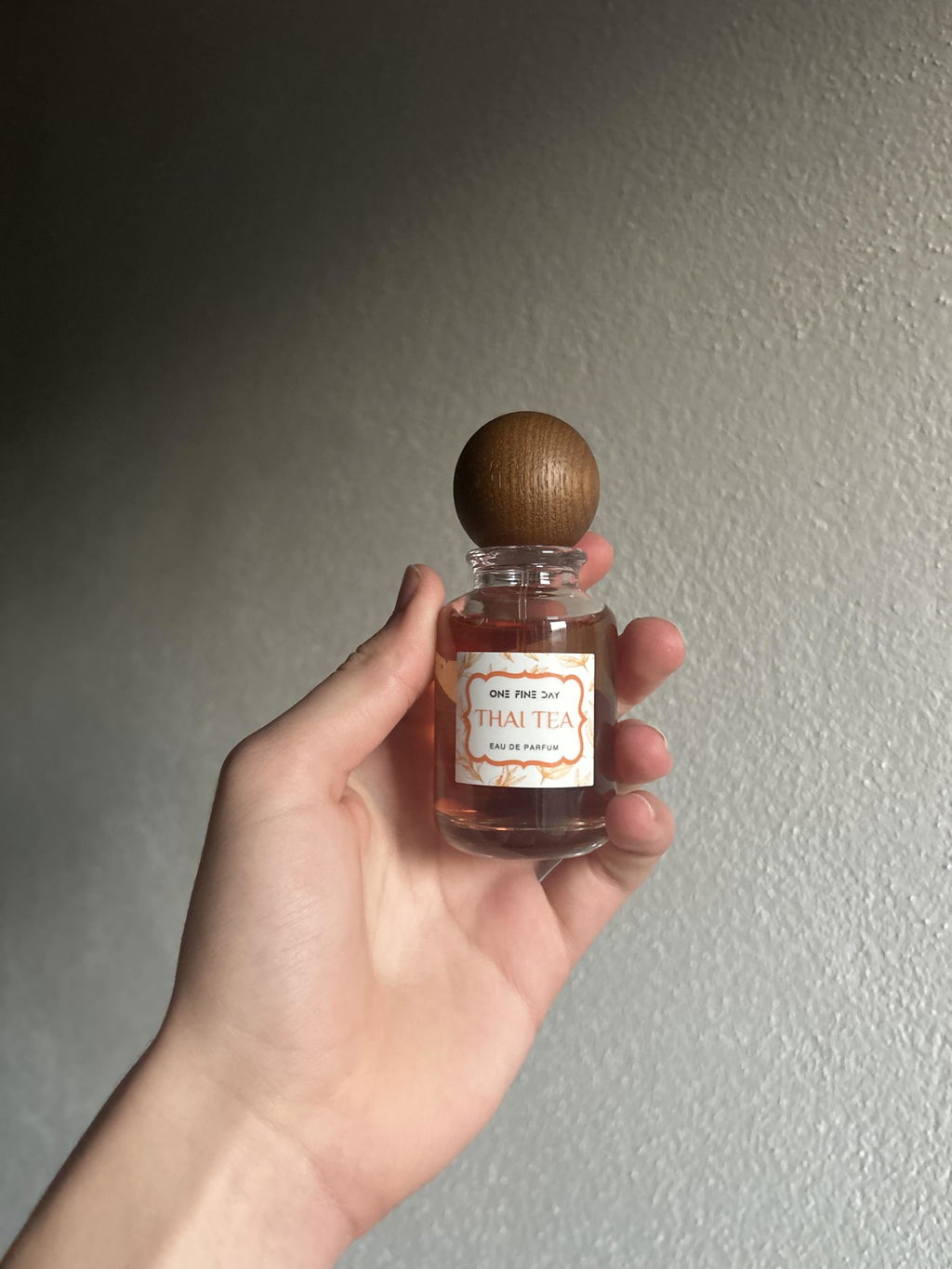
One of the strongest shifts in recent years is the move away from obvious sugar towards more nuanced edible textures. Rice, sesame, steamed milk, chestnut, pandan, black tea and salted nuts all offer a more contemporary interpretation of comfort. They feel less literal and often more wearable.
There is also growing interest in cross-cultural gourmand ideas. Rather than repeating the familiar vanilla-praline formula, many niche houses are drawing on regional desserts, spices and ingredients with a clearer sense of place. That matters because gourmand can become far more expressive when it carries memory, ritual or culinary identity.
For a retailer with a curated eye, this is where discovery becomes genuinely exciting. Distinctive perfume houses are reshaping what sweet fragrance can be, especially when they bring different cultural references and a stronger artistic signature to the category.
Buying well instead of buying sweet
When choosing a gourmand, resist the urge to chase the most dramatic first impression. The opening can be beautiful, but gourmand lives or dies in the dry-down. Give it time to settle. Notice whether the sweetness becomes richer, flatter, dustier or more refined.
It is also worth considering how many sweet fragrances you already own. If your wardrobe already includes several amber vanillas, perhaps what is missing is a greener gourmand, a spiced one, or something with coffee, woods or powder to create contrast. Collecting well is often less about finding more and more sweetness, and more about finding different expressions of it.
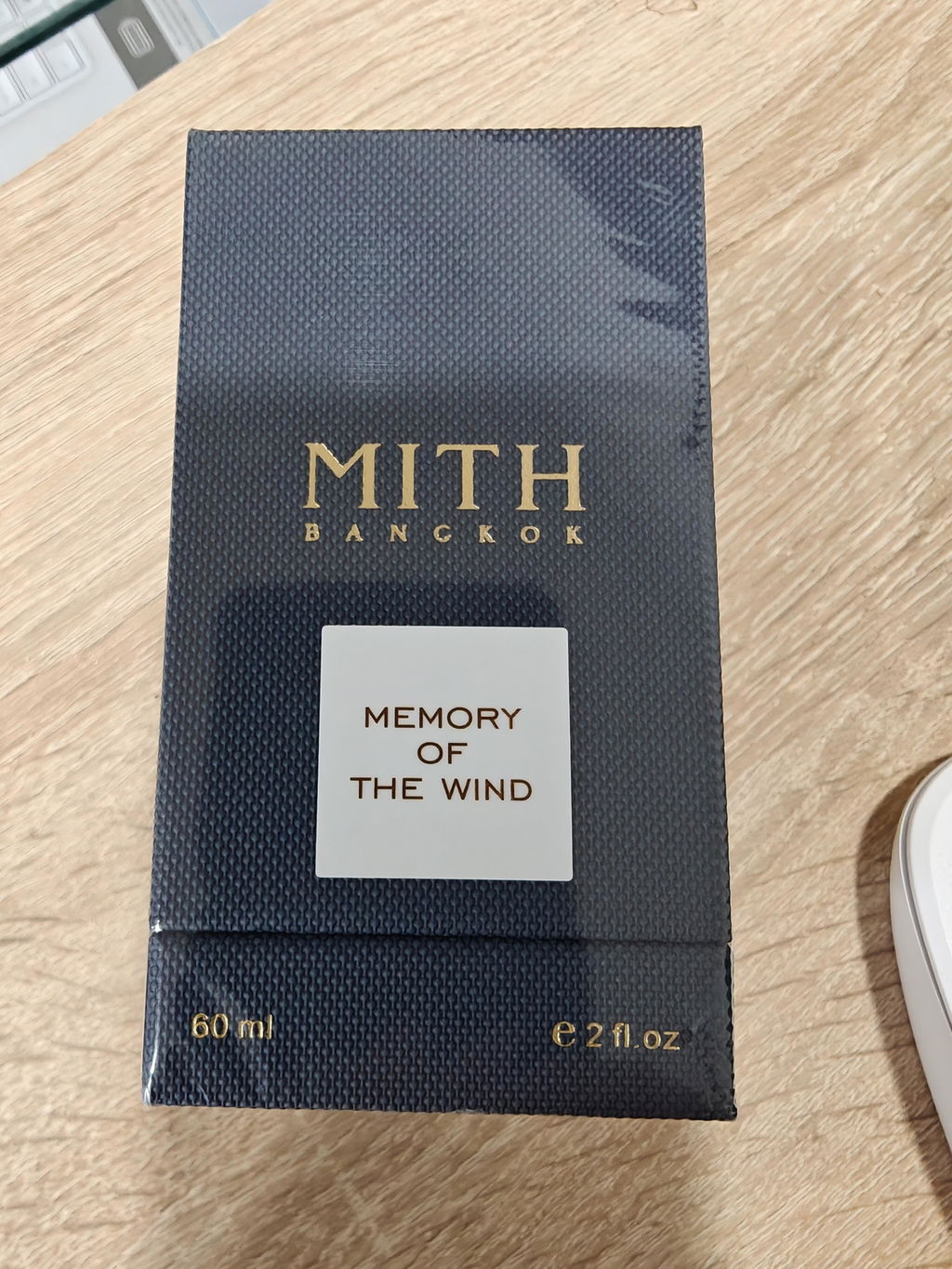
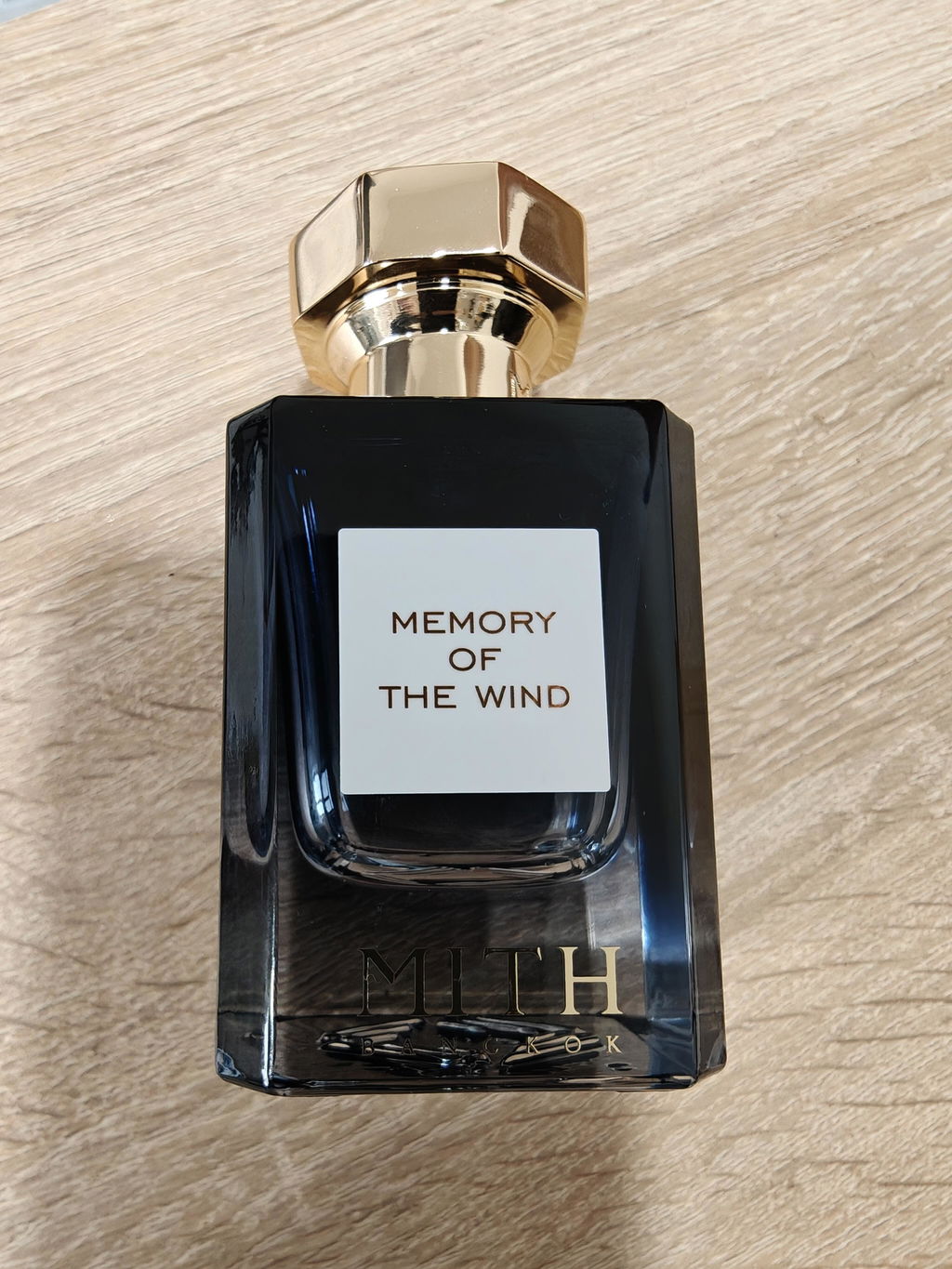
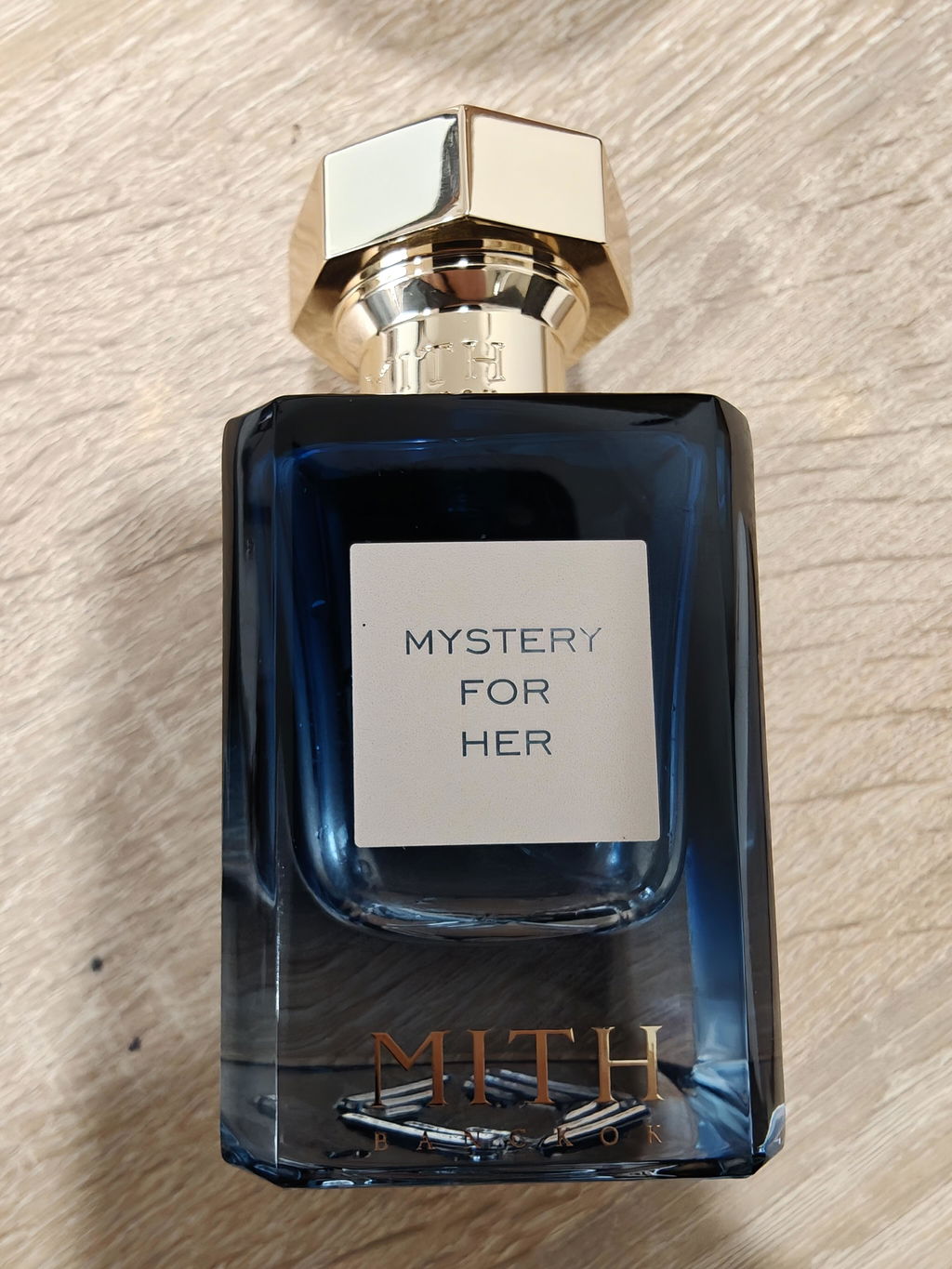
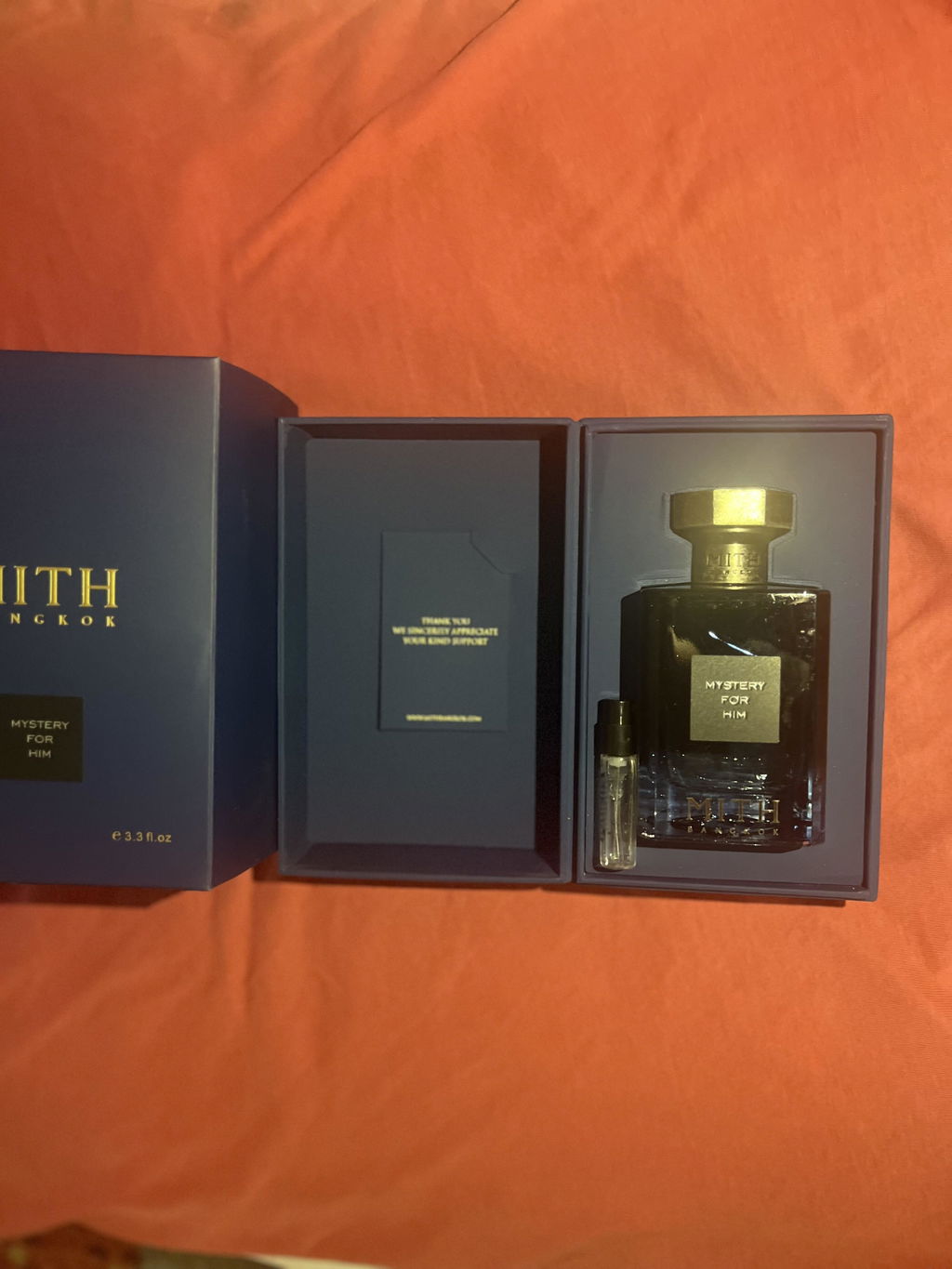
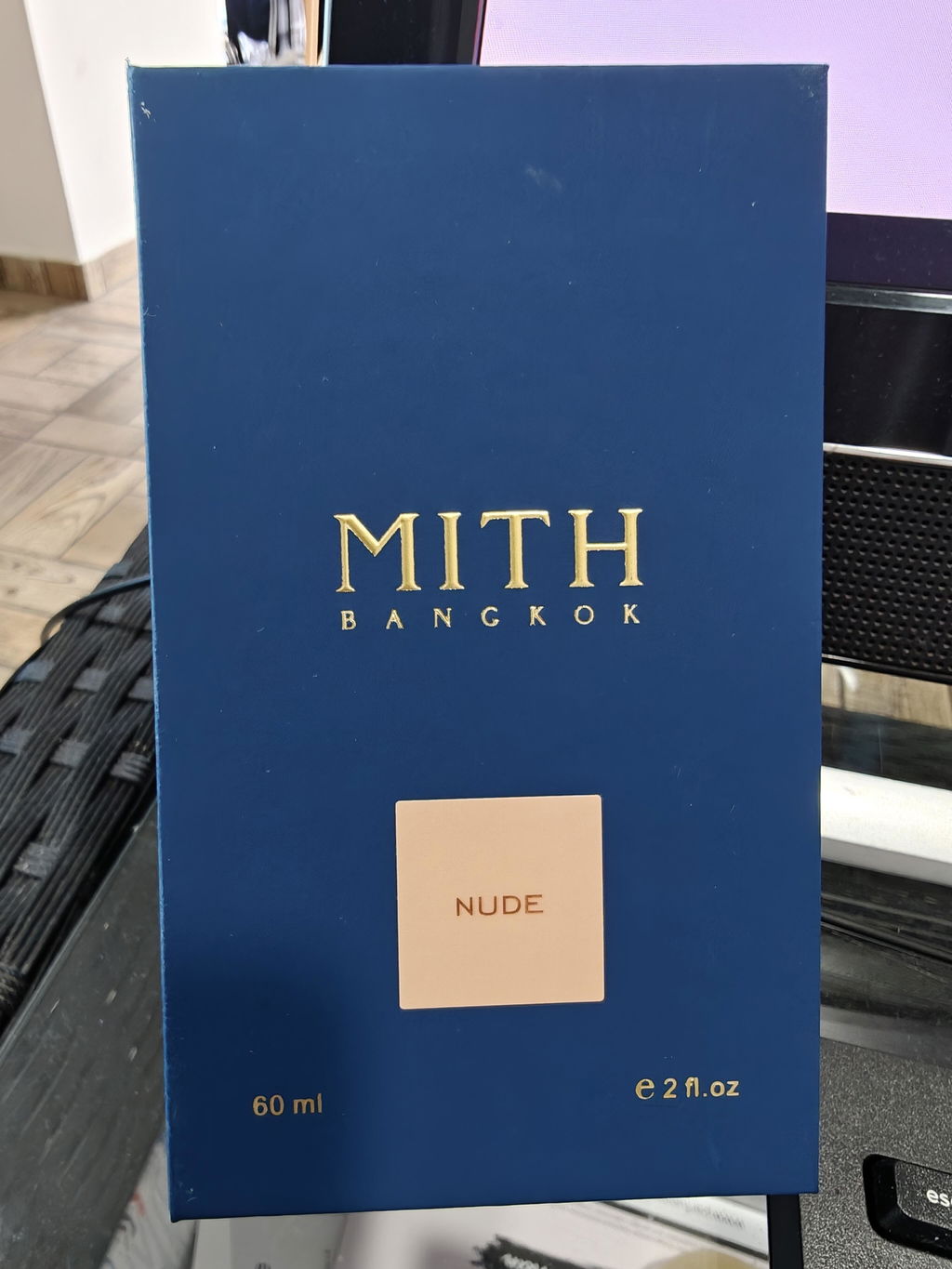
For those seeking a more curated route into this category, Villenel Fragrances offers access to niche perfume houses that bring a fresher perspective to gourmand and beyond, with a particular strength in distinctive Thai brands rarely seen across the wider European market.
The most satisfying gourmand fragrance does not just smell delicious. It feels composed, intentional and unmistakably your own - the kind of scent people remember because it leaves an impression of taste, not just sweetness.