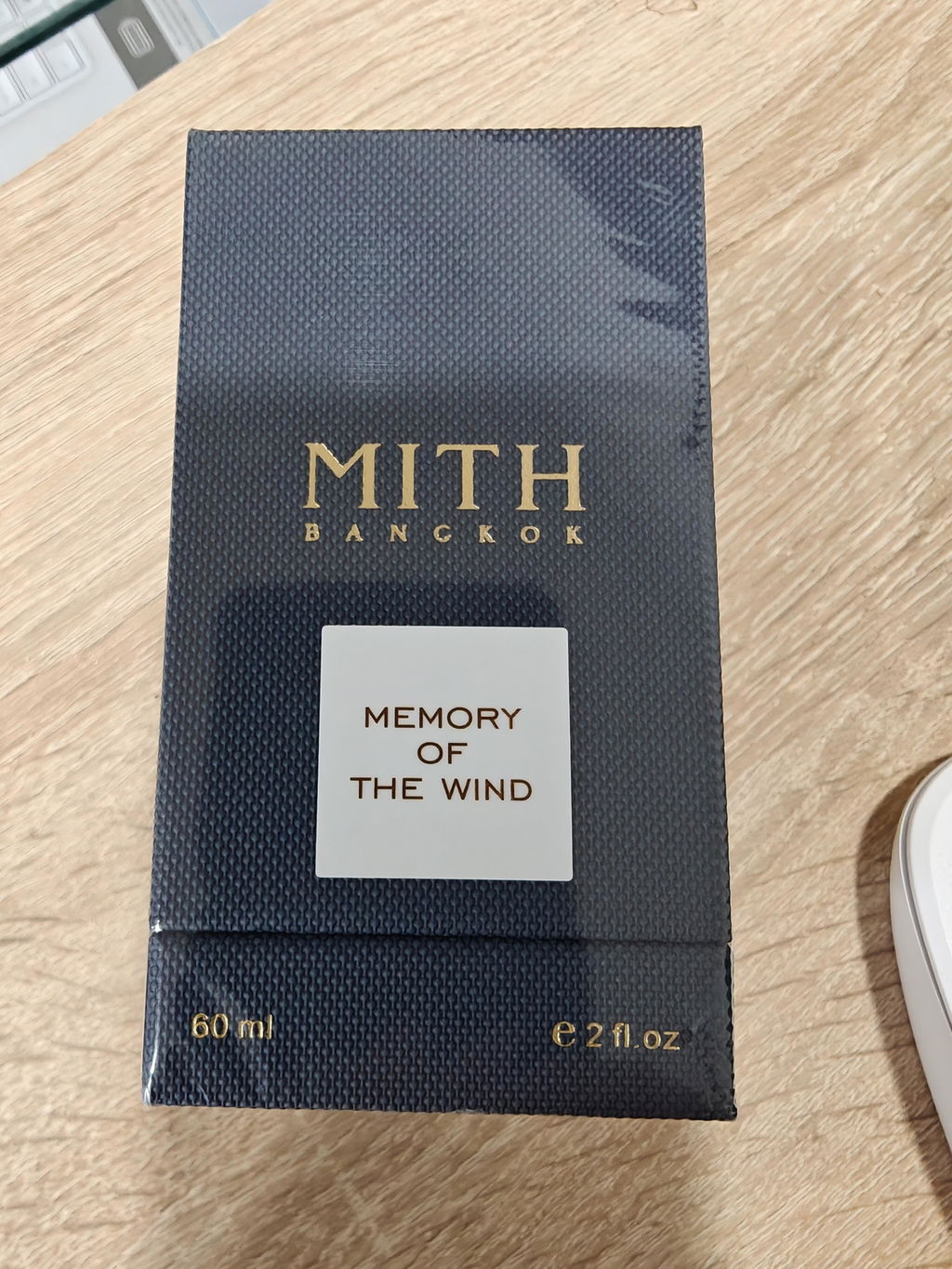
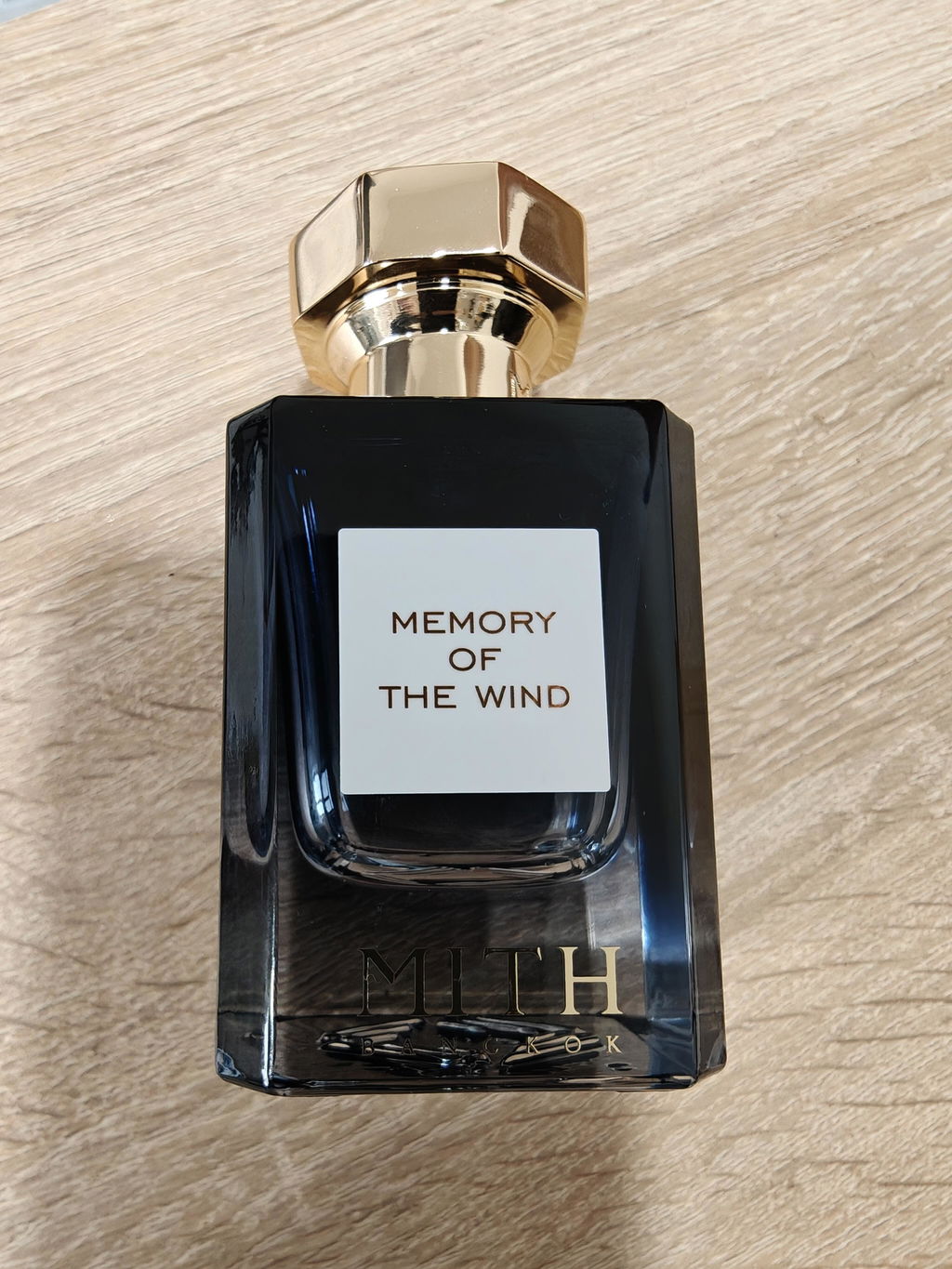
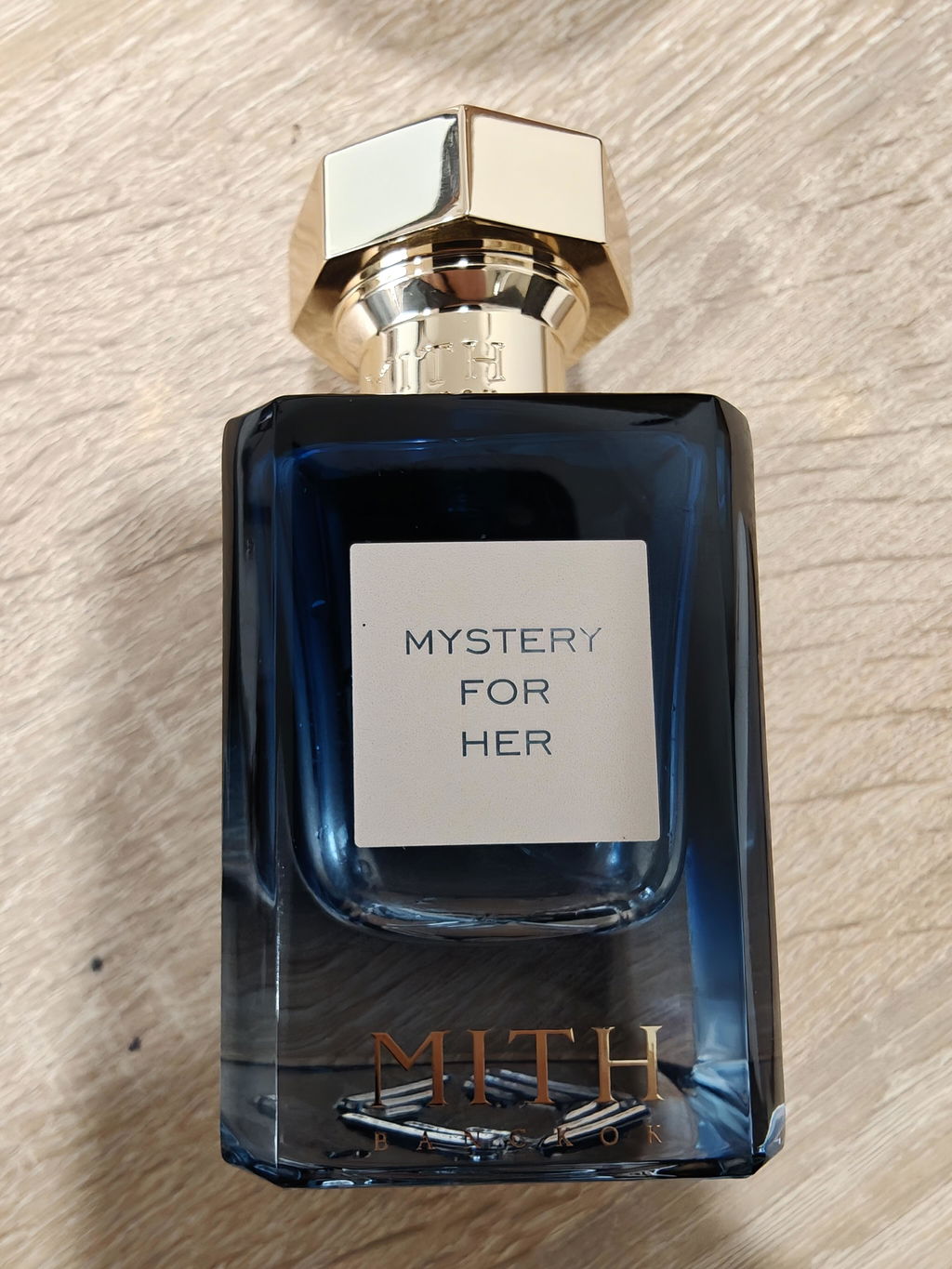
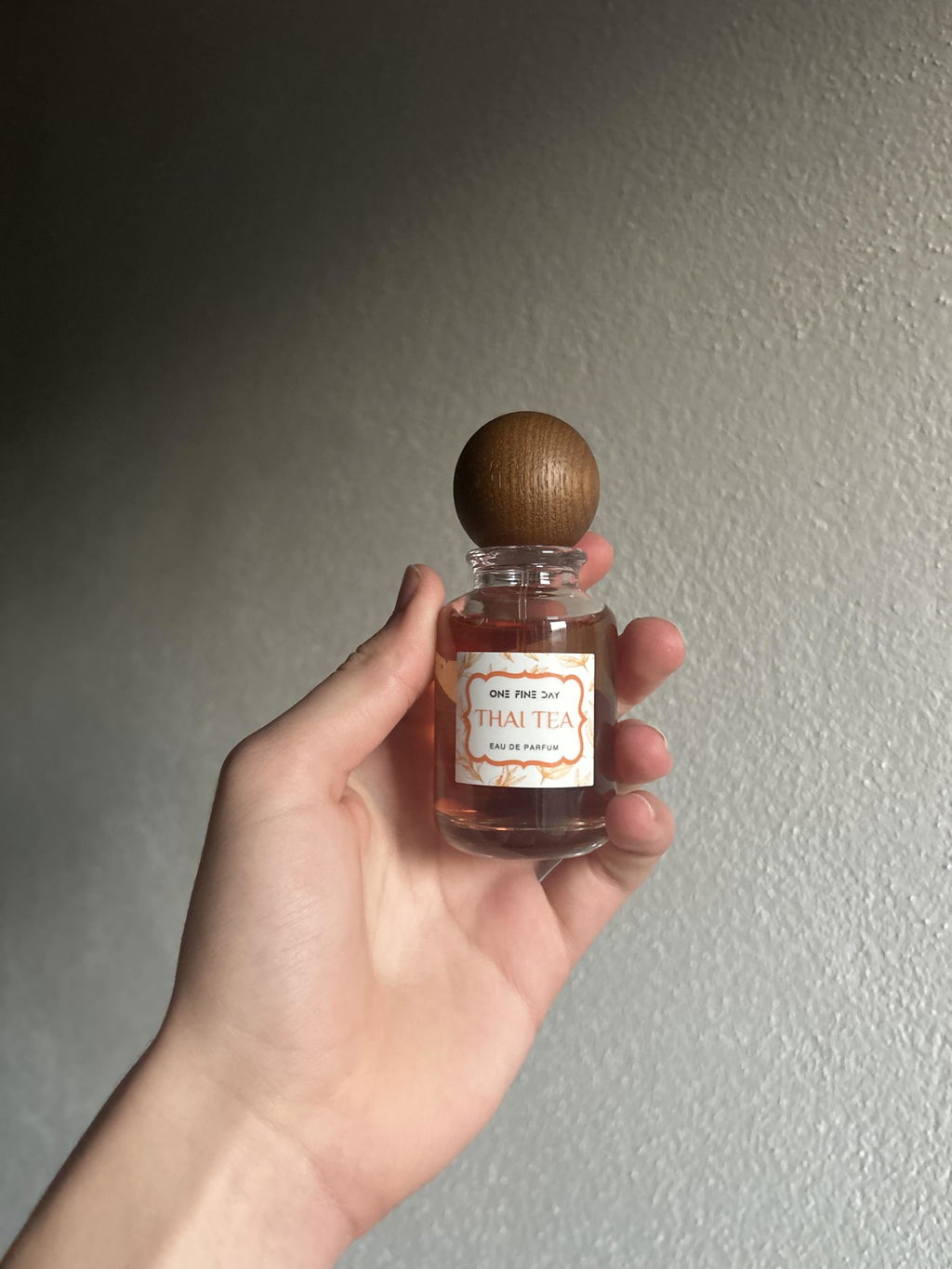
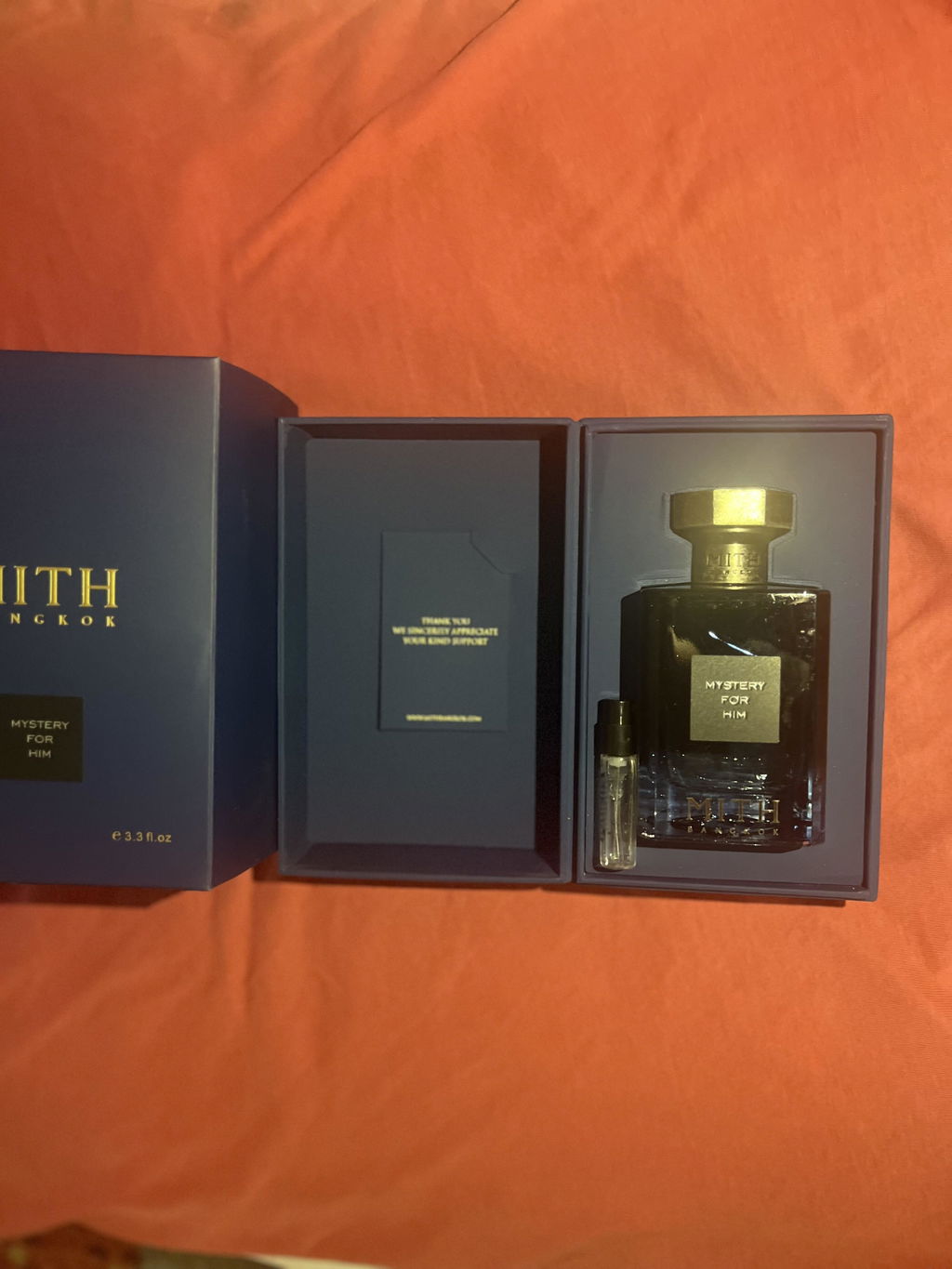
There is a particular challenge in dressing for work when you care about fragrance. Your tailoring may be sharp, your knitwear considered, your watch restrained, yet one over-projecting scent can undo the entire impression. That is exactly why tea perfume for workwear has such lasting appeal. It brings freshness, structure and character, but rarely feels loud.
Tea notes occupy a refined middle ground in perfumery. They are not as transparent as classic citrus colognes, not as sterile as some so-called clean musks, and not as assertive as woods, leather or syrupy florals. A well-made tea fragrance suggests composure. It smells cultured, neat and self-possessed, which is often far more useful from nine to six than something dramatic.
Why tea perfume for workwear makes sense
Tea accords have an almost tailored quality. They tend to sit close enough to feel appropriate in shared spaces, yet they still carry texture. Depending on the composition, tea can lean green and airy, smoky and elegant, softly floral or gently spiced. That range matters because office environments are not all the same.
If you work in a creative studio, you may have room for something more textured - black tea, fig leaf, dry woods, perhaps a veil of incense. In a conservative office, a cleaner green tea or white tea direction is usually the wiser choice. Neither is better. The right choice depends on proximity, dress code and how fragrance is read in your workplace.
Tea also performs well because it rarely fights with fabric. Crisp shirting, wool suiting, cotton poplin, cashmere, trench cloth - these materials seem to suit the quiet grain of tea notes. The effect is less about seduction and more about finish. Fragrance becomes part of grooming rather than the headline.
What makes a tea fragrance feel office-appropriate
Not every tea scent works for professional wear. Some are built around sugary fruit, dense amber or prominent smoke, with tea serving as little more than a decorative label. For workwear, balance is everything.
The best options usually open with clarity. Bergamot, neroli, petitgrain or a delicate citrus note can give tea a freshly pressed effect. Green facets such as violet leaf, mate or soft herbs can sharpen the outline. Florals can work beautifully too, especially jasmine, osmanthus or iris, but they need restraint. When the bouquet becomes creamy or heady, the fragrance can slip from polished to perfumed very quickly.
The base matters just as much. Musk, pale woods, cedar, vetiver and subtle ambergris-style accords often give tea perfume its longevity without turning it heavy. Gourmand bases are trickier for work. Vanilla can soften a tea accord beautifully, but too much sweetness can make it feel less like intelligent workwear and more like evening comfort.
Projection is another consideration that fragrance lovers sometimes underestimate. A scent may smell exquisite at the wrist yet still be wrong for meetings, lifts and open-plan desks if it radiates too aggressively. Tea fragrances are often safer here, though concentration and application still matter.
The different tea profiles worth knowing
Green tea is the obvious starting point, but it is not the only route. If you are choosing a tea perfume for workwear, it helps to think in profiles rather than simple labels.
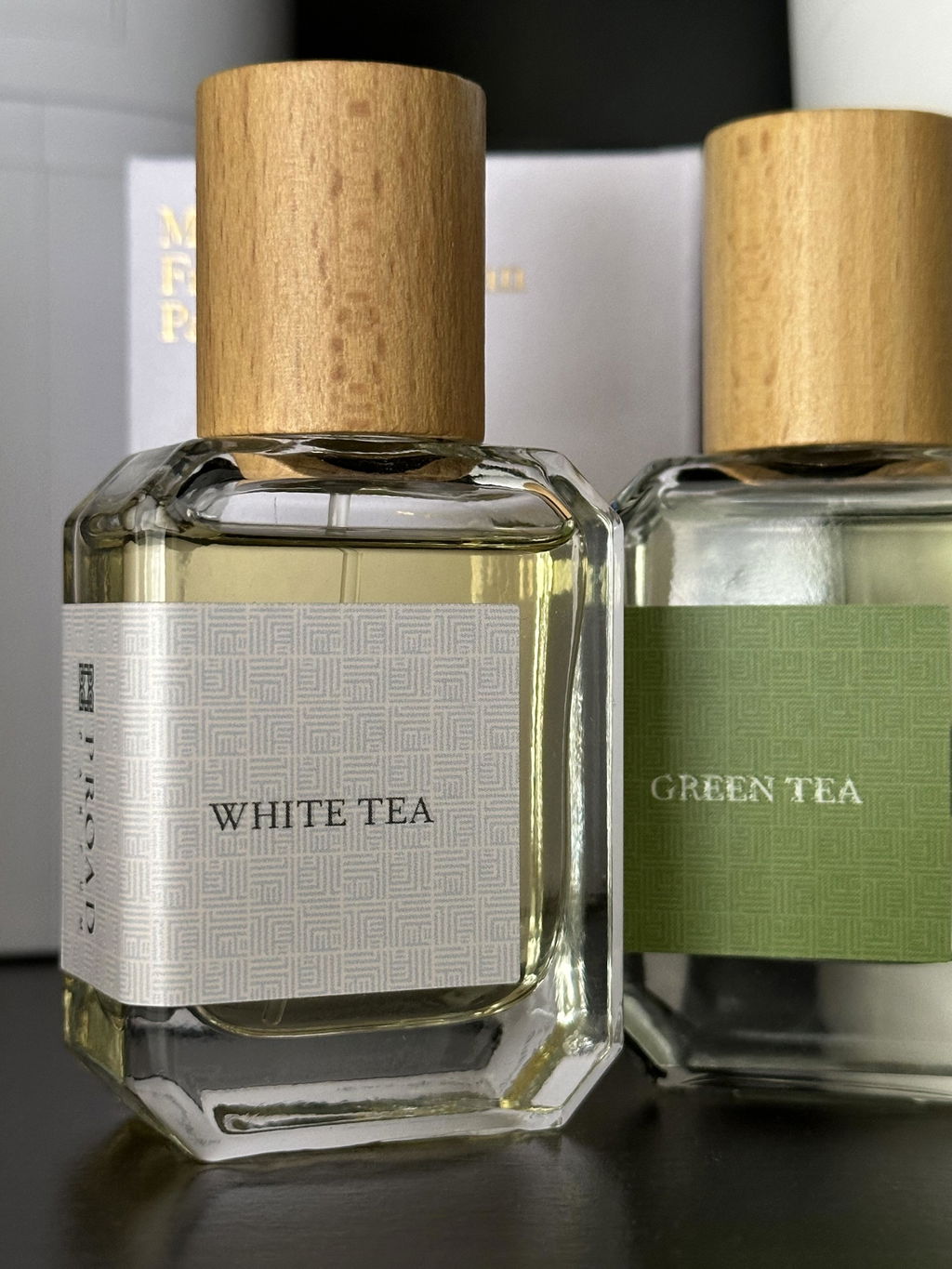
Green tea tends to feel brisk, translucent and easy to wear. It suits warmer months, bright office lighting and minimalist wardrobes. When paired with citrus and soft musk, it can feel freshly laundered without becoming bland.
White tea usually reads even quieter. It often carries a soft, musky cleanliness with a faint floral haze. This is ideal if you want something discreet and elegant, especially in close professional settings where scent should be discovered rather than announced.
Black tea has more depth. It can bring tannic dryness, gentle bitterness and, in some compositions, a subtle smokiness. This profile works especially well with autumn workwear - wool, deeper neutrals, polished leather accessories. It feels composed and intelligent, though very smoky black tea can edge too far into evening territory.
Oolong and jasmine tea styles can be especially chic. They often combine airy floral facets with a slightly creamy, nuanced tea character that feels expensive rather than obvious. These are excellent for people who want femininity or softness without defaulting to standard floral office scents.
Matcha-inspired scents are more contemporary. Some are vivid and green, with almost milky or powdery effects. These can be beautifully modern, but they are not always the easiest for office use. If the lactonic note is too pronounced, the result can feel more casual than sharp.
How to wear tea perfume with workwear
The key is proportion. Workwear fragrance should support your presence, not dominate it. Two sprays are often enough for Eau de Parfum strength, especially if one is placed under clothing. A light mist at the chest and one at the back of the neck usually creates a cleaner aura than spraying wrists repeatedly through the day.
Seasonality changes the equation. In summer, tea scents can bloom more than expected, particularly those with jasmine, citrus or musk. In winter, black tea and woody tea compositions become more persuasive because they hold their shape better against coats, scarves and central heating. If you rotate fragrances, tea is one of the easiest families to adapt across seasons simply by changing the style of tea.
It is also worth matching the fragrance to the texture of your wardrobe. Crisp green tea scents work beautifully with white shirts, lightweight suiting and neat cotton layers. Darker tea perfumes suit charcoal tailoring, fine merino, suede accessories and richer fabrics. This may sound intuitive, but it is often the difference between wearing a perfume and styling one.
When tea perfume is not the right choice
Tea is versatile, but not universal. If your skin tends to swallow sheer compositions, some tea fragrances may disappear too quickly to justify them as an all-day work option. In that case, look for tea blended with woods, musk or mineral notes for more structure.
There is also the question of mood. Tea scents are often calm and considered, which is exactly their charm. But if you want your fragrance to project power, glamour or sensuality, tea may feel too restrained. On days when you need more edge, an iris-wood, spice-cedar or dry amber composition might serve you better.
And while tea usually reads as safe, some interpretations are surprisingly idiosyncratic. Smoky lapsang accords, earthy mate and heavily aromatic green blends can be magnificent, but they are not always crowd-pleasers. If your workplace is scent-sensitive, subtlety should win over originality.
A more niche way to approach office scent
This is where tea fragrances become especially interesting for those who are tired of mainstream office perfume. The usual choices in professional settings tend to fall into two camps - aquatic freshness or polite florals. Both can feel generic. Tea offers a more cultivated alternative.
In niche perfumery, tea is often treated with greater precision. You notice the tannic dryness, the steam, the petal nuance, the mineral edge of hot water over leaves. That attention to detail makes a fragrance feel thoughtful rather than simply clean. For a wearer who wants distinction without spectacle, it is an ideal category.
This is also why curated fragrance houses are often more rewarding than broad commercial launches when you are searching for workwear scent. A specialist retailer such as Villenel Fragrances tends to present perfume through composition and character, not just trend language. That matters when your goal is to find something polished enough for daily wear but individual enough to feel like yours.
Choosing the right tea perfume for workwear
Start with your workplace, then move to your wardrobe, then your taste. That order saves a great deal of disappointment. A brilliant perfume that does not suit your environment will simply stay on the shelf.
If your office is formal, look for green tea, white tea or soft jasmine tea styles with restrained projection. If your setting is more creative, black tea, fig, woods and subtle smoke can work beautifully. If you wear fragrance mainly for yourself, choose texture over performance. If you need it to carry through a long day, prioritise a tea scent with a musky or woody base.
Finally, be honest about what you want your fragrance to communicate. Tea perfume can suggest intelligence, ease, discretion and excellent taste. It can also feel aloof if worn too sparsely, or bland if the composition lacks contrast. The best examples avoid both extremes. They feel clear but not cold, elegant but not stiff.
That is the real appeal of tea at work. It does not try too hard. It simply leaves the impression that every detail, including scent, has been chosen with care.