A perfume can feel immaculate on a blotter and entirely wrong once it becomes part of your day. That is often the real question behind cocktail perfumes vs fresh florals: not which style is better, but which one feels more convincing on your skin, in your wardrobe, and in the life you actually lead.
These two fragrance families often attract the same wearer at different moments. One offers texture, glamour and a composed sense of drama. The other brings lift, clarity and a cleaner kind of ease. Both can be sophisticated. Both can be modern. The difference lies in how they create presence.
What cocktail perfumes vs fresh florals really means
In fragrance terms, cocktail perfumes are not simply sweet or boozy scents, and fresh florals are not merely light flower perfumes. Each category has its own structure and attitude.
A cocktail perfume usually feels blended like a well-made drink - layered, polished, and slightly indulgent. You may notice fruits, liqueur effects, spices, polished woods, amber, musks or velvety florals arranged to feel dressed up rather than transparent. These fragrances often suggest evening light, glassware, lacquered surfaces, and a deliberate sense of style.
Fresh florals move in another direction. They emphasise air, petals, stems, wateriness, green facets and brightness. Instead of richness, they pursue clarity. Instead of a bar at dusk, they evoke daylight through linen curtains, crisp shirts, cut flowers in cold water, or skin just after a shower. The artistry here is restraint. A fresh floral has to feel alive without turning thin or forgettable.
That is why cocktail perfumes vs fresh florals is less about formal categories and more about aesthetic preference. Do you want your perfume to enter the room with contour and polish, or to sit closer to the skin with a natural, luminous freshness?
The character of cocktail perfumes
Cocktail perfumes are often chosen by people who enjoy fragrance as an accessory with intention. These are scents that can complete an outfit in the same way as jewellery, heels or a sharply cut blazer. They tend to feel composed rather than spontaneous.
Many cocktail-style compositions are built around contrast. A tart fruit note may be softened by vanilla. Rose may be wrapped in cognac-like warmth. White flowers can be given a glossy, almost cosmetic texture through musk and woods. The result is not always heavy, but it is usually styled.
This is where they become especially appealing to niche perfume lovers. In a crowded market, a cocktail fragrance can offer personality quickly. It announces taste. It carries an atmosphere. It often feels social, a little flirtatious, sometimes cinematic.
The trade-off is wearability. Some cocktail perfumes are so polished and expressive that they can overwhelm a quiet setting or feel too deliberate for someone who prefers understatement. If your routine leans minimal - office, gym bag, white tee, early meetings - a fragrance that opens like a liquid dessert or a velvet evening gown may feel mismatched, even if you admire it.
Still, the best examples avoid becoming dense or sugary. They keep movement in the composition, often through sparkling top notes, aromatic accents or a dry, elegant base.
When cocktail perfumes make the most sense
They excel when you want perfume to read as part of your styling rather than background. Dinner, events, date nights, galleries, city weekends, travel, and colder weather all suit them naturally. They also work for anyone whose skin tends to absorb delicate scents too quickly. Richer compositions often leave a more legible trail.
The appeal of fresh florals
Fresh florals can be deceptive. Because they feel easy to wear, they are often underestimated. In practice, they can be among the most difficult perfumes to compose well. Too much green and they turn sharp. Too much wateriness and they vanish. Too much soapiness and they lose elegance.
When handled with precision, fresh florals feel effortless in the best possible way. They capture the beauty of petals, leaves and light without becoming old-fashioned or overly romantic. Think of jasmine with a cool breeze running through it, rose stripped of jamminess, orange blossom made cleaner and more radiant, lily of the valley with a contemporary transparency.
For many wearers, fresh florals are the closest thing to a signature scent. They integrate easily into daily life, rarely compete with clothing, and often feel appropriate across age, gender presentation and season. They suggest good taste without insisting on attention.
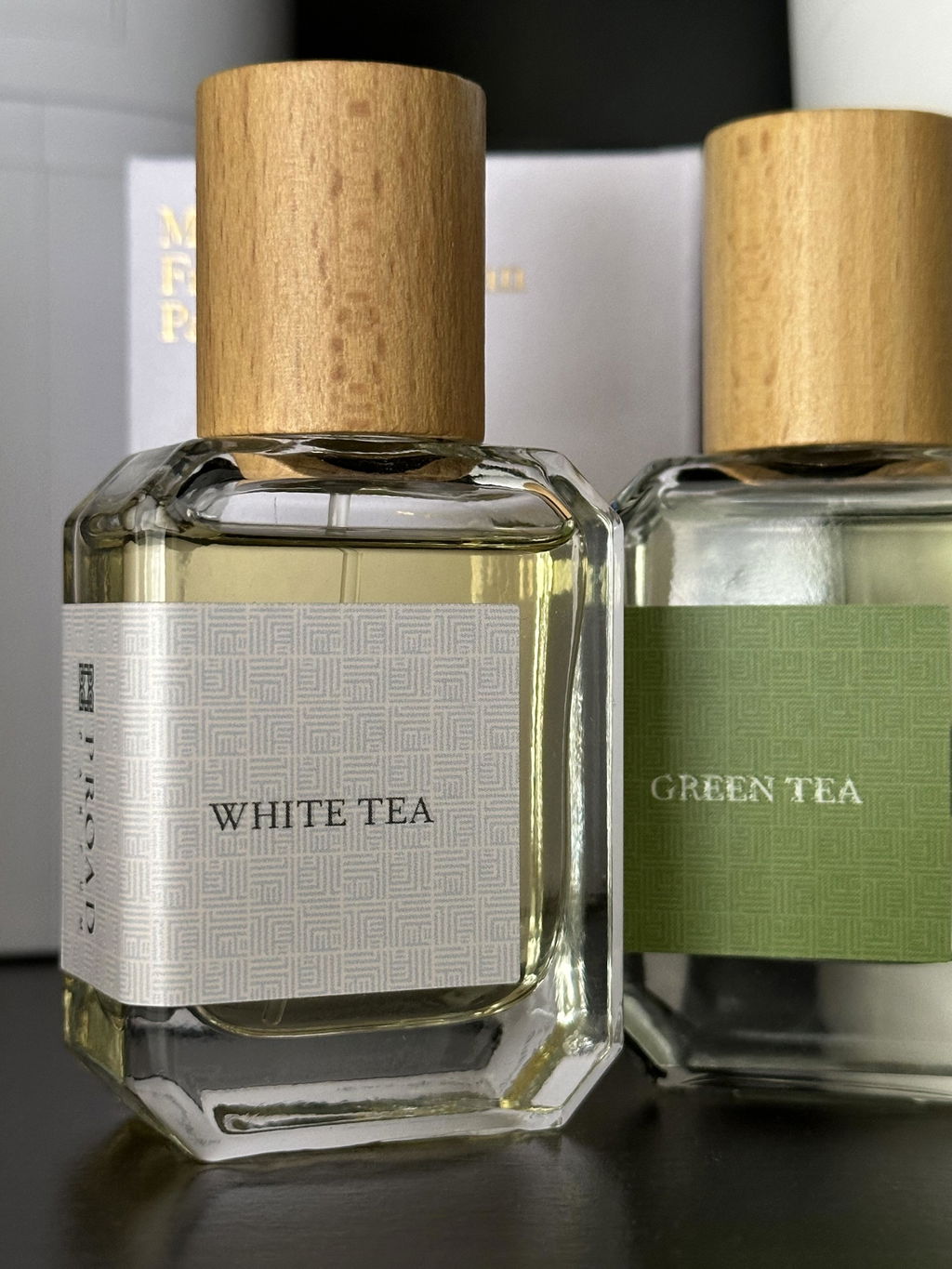
That does not mean they are plain. In niche perfumery, fresh florals can be remarkably nuanced. A green tea accord, a mineral musky base, a pear note with crisp edges, or a watery stem effect can push a floral from familiar to quietly distinctive.
Where fresh florals win
They are especially persuasive in professional settings, warm weather, daytime wear and gift buying. If you are unsure what someone else will enjoy, a beautifully made fresh floral is often easier to live with than a plush cocktail perfume. It feels generous without becoming too personal too quickly.
Cocktail perfumes vs fresh florals on skin
Skin chemistry matters more here than many people expect. Cocktail perfumes often bloom on warm skin, where their sweeter, resinous or textured facets gain softness and diffusion. On cooler skin, some can sit a little sharply at first before settling.
Fresh florals behave differently. On some people they remain airy and refined for hours. On others, especially dry skin, they may disappear fast or flatten into a generic clean scent. This is one reason fragrance collectors often own both styles. The same wearer may need freshness in summer and a more rounded cocktail composition when skin, weather and clothing call for something fuller.
Projection is another point of difference. Cocktail perfumes usually have more obvious sillage, though not always. Fresh florals tend to wear closer, which some people prefer. There is a luxury in that intimacy. Not every excellent perfume needs to leave a trail down a corridor.
Which style feels more modern?
Both can. The old stereotype says cocktail perfumes are glamorous but potentially loud, while fresh florals are elegant but safe. That is too simple.
Modern cocktail perfumes are often edited with greater precision than their predecessors. They may reference champagne, aperitif fruits, spiced florals or ambered woods, but they avoid the syrupy excess that once dominated evening scent. They can feel sleek rather than opulent.
Modern fresh florals have also evolved. They are less powdery, less overly pretty, and more architectural. Green notes, sheer musks, transparent woods and mineral accords give them shape. They feel designed rather than merely pleasant.
What reads modern today is balance. A fragrance with a clear point of view, but no wasted gesture, feels current whether it leans cocktail or floral.
How to choose between them
Start with mood, not notes. Ask yourself how you want to feel when you wear perfume. If you want confidence with a visible edge, cocktail perfumes are often the stronger candidate. If you want poise, freshness and an easy elegance, fresh florals may suit you better.
Then think about wardrobe and setting. A fragrance should not match your clothes literally, but it should make sense beside them. If your style is tailored, evening-oriented or expressive, a cocktail scent may feel coherent. If you favour clean lines, natural fabrics and understated polish, fresh florals often sit more naturally.
You should also consider your tolerance for sweetness. Many cocktail perfumes include sweetness, even when it is subtle. Fresh florals may include fruity or musky softness, but they usually read cleaner overall. For some wearers, that single distinction decides everything.
If you are building a collection rather than buying one signature, the smarter choice is not either-or. It is contrast. A fresh floral for mornings, meetings and warmer months. A cocktail perfume for evening, social plans and the moments when you want fragrance to feel more dressed.
Why collectors often keep both
Fragrance wardrobes work best when they reflect shifts in light, mood and pace. A single perfume rarely covers every version of you. The person heading to brunch on a bright Saturday is not choosing scent for the same emotional register as the person dressing for dinner at eight.
That is where these two styles complement each other so well. Fresh florals provide lift and clarity. Cocktail perfumes bring texture and allure. Together, they create range without redundancy.
For a retailer with a curatorial eye, this distinction matters. The most compelling perfume selections do not separate scents into rigid camps of day and night, masculine and feminine, safe and bold. They present fragrance as atmosphere. Villenel Fragrances leans naturally into this way of thinking, where the value lies not in following mainstream categories but in discovering compositions with a sharper identity.
If you are deciding between the two, trust the version of yourself you want perfume to amplify. The right bottle should not only smell beautiful. It should make your presence feel more exact.