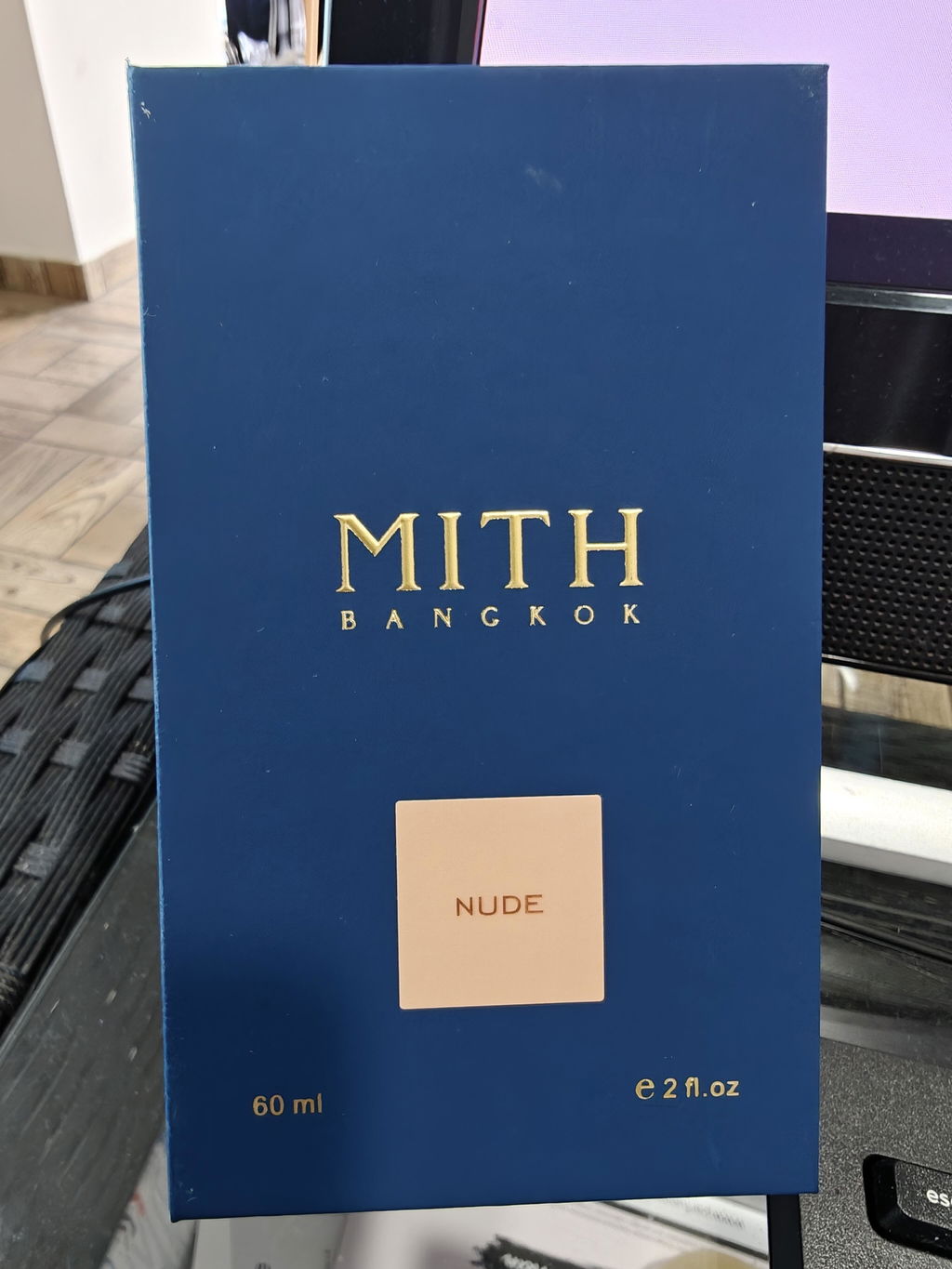
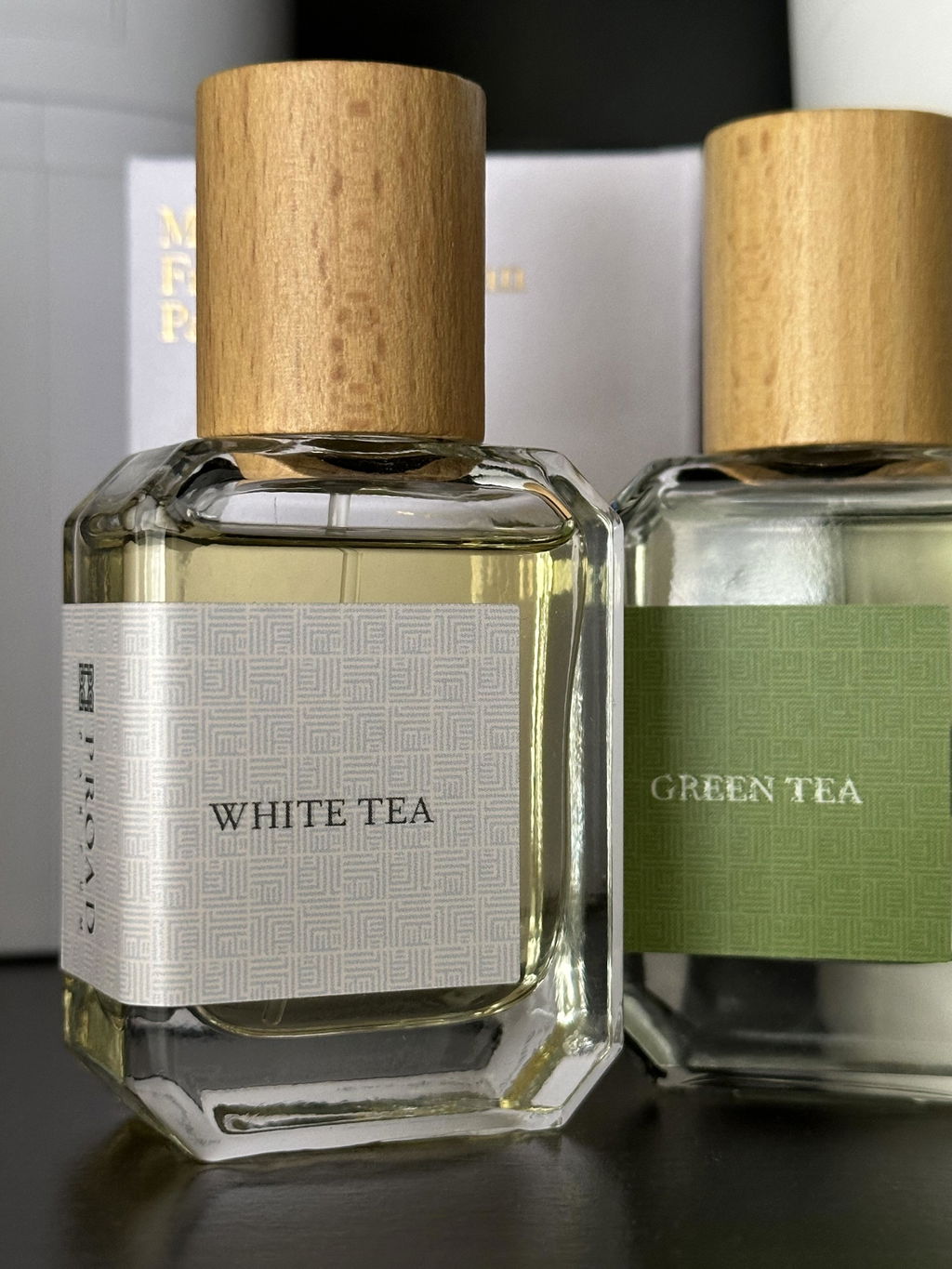
Buying perfume for someone else can feel either brilliantly thoughtful or slightly reckless. That is exactly why learning how to choose perfume gifts matters. A great scent gift feels intimate without being intrusive, distinctive without being difficult, and generous without suggesting that you simply picked the first bottle with attractive packaging.
Perfume is not a generic luxury. It sits close to identity. The best gift choices recognise that fragrance is both aesthetic and personal, which means the right approach is less about guessing a single note and more about reading taste, mood and lifestyle with a little precision.
How to choose perfume gifts without guessing wildly
The safest way to buy badly is to focus only on what you like. The smarter way to buy well is to notice what they already gravitate towards in fashion, interiors, beauty and even travel habits. Someone who wears clean tailoring, keeps their space minimal and prefers understated jewellery is unlikely to want a syrupy, theatrical gourmand. Someone drawn to colour, texture and expressive style may find a soft skin scent a little too quiet.
Think of perfume as an extension of personal editing. Does the recipient usually favour polished simplicity, romantic softness, bold statements or something more artistic and unexpected? Those cues tell you more than a gift guide ever could.
It also helps to separate admiration from wearability. You may personally admire challenging incense, smoky leather or dense white florals, but if the recipient tends to wear airy, bright fragrances, a dramatic composition may end up displayed rather than worn. There is nothing wrong with gifting a showpiece, but only if you know they enjoy fragrance as an object as much as a daily ritual.
Start with fragrance families, not individual notes
If you are wondering how to choose perfume gifts in a more informed way, start broad. Fragrance families are easier to match than single ingredients, and they give you a more realistic sense of overall character.
Fresh and citrus
These are often the easiest gifts when you know someone enjoys lightness, clarity and versatility. Citrus, green notes, aromatic herbs and sheer musks tend to feel polished and easy to wear. They suit people who like crisp shirts, natural fabrics and fragrances that never overpower a room.
The trade-off is longevity and impact. Some fresh scents are beautiful but intentionally subtle. If your recipient prefers a perfume that announces itself or lasts into the evening, a very transparent citrus may feel too fleeting.
Floral
Floral does not mean old-fashioned, nor does it automatically mean sweet. A modern rose can feel tailored and cool. Orange blossom can be luminous. Tuberose can be creamy and dramatic. Iris can be powdery, elegant and almost architectural.
This category works well if the recipient appreciates classic femininity, romantic styling or soft refinement. The nuance lies in the style of floral. A dewy peony is very different from an opulent jasmine, so pay attention to whether they prefer freshness or richness.
Woody and musky
These are often excellent gifts for someone with understated but sophisticated taste. Sandalwood, cedar, vetiver and soft musks create a skin-close elegance that feels expensive without trying too hard. They can also be wonderfully gender-fluid, which makes them useful when you want to avoid anything too traditionally coded.
The only caution is that subtle woods and musks can read as too restrained for someone who loves playful sweetness or obvious sensuality.
Amber, gourmand and spice
These fragrances feel warmer, richer and more enveloping. Vanilla, resins, tonka, cacao, cinnamon and amber accords often appeal to people who like depth, comfort and presence. They make especially good evening gifts or winter gifts.
Here, season matters. A dense amber may feel exquisite in cold weather and a little too much in July. If you are buying for year-round wear, choose warmth with lift rather than something heavy from start to finish.
Match the perfume to the person’s life
A good fragrance gift should suit not just the recipient’s taste, but also how they actually live. Someone working in a formal office may need something refined and contained. Someone who spends weekends at galleries, restaurants and late dinners may enjoy a scent with more texture and projection.
Ask yourself where they are likely to wear it. Daily wear, evening wear and special occasion fragrance are different purchases. If they already own several perfumes, you can be more adventurous and choose a scent with a strong point of view. If they own only one or two, versatility becomes more valuable.
Age matters less than style. A 28-year-old may adore incense and leather. A 42-year-old may prefer transparent citrus and neroli. Taste rarely follows neat demographic lines, especially in niche perfumery. Look at the person, not the stereotype.
Pay attention to the bottles they already own
If you have access to their dressing table or bathroom shelf, that is your best research. You do not need to recognise every perfume immediately. Just look for patterns.
Are the bottles mostly pale and minimal, suggesting fresh musks, citrus or soft woods? Are they dark, lacquered or dramatic, hinting at richer ambers and orientals? Do they own several from the same olfactive mood, or does their collection move widely between clean daytime scents and more expressive evening options?
Repeated notes are useful clues, but repeated feeling is even more useful. Perhaps they always choose fragrances described as creamy, radiant, smoky or airy. That recurring texture will guide you better than fixating on rose versus jasmine.
When to play safe and when to choose something distinctive
There is a difference between safe and dull. A well-made, beautifully balanced perfume with broad appeal can still feel luxurious and discerning. If the gift is for a colleague, newer partner, in-law or anyone whose fragrance taste you only partly understand, staying in the fresh, floral-woody or soft amber space is usually wise.
Distinctive scents work best when the recipient already appreciates perfume as a form of expression. If they speak about notes, collect bottles or enjoy discovering under-the-radar houses, then a more characterful composition can be a pleasure rather than a risk. In that case, originality becomes part of the gift.
This is where a curated niche retailer can make the difference. Rather than choosing a scent everyone has smelled before, you can give something with a stronger identity, clearer craftsmanship and a story worth telling.
Presentation matters more than people admit
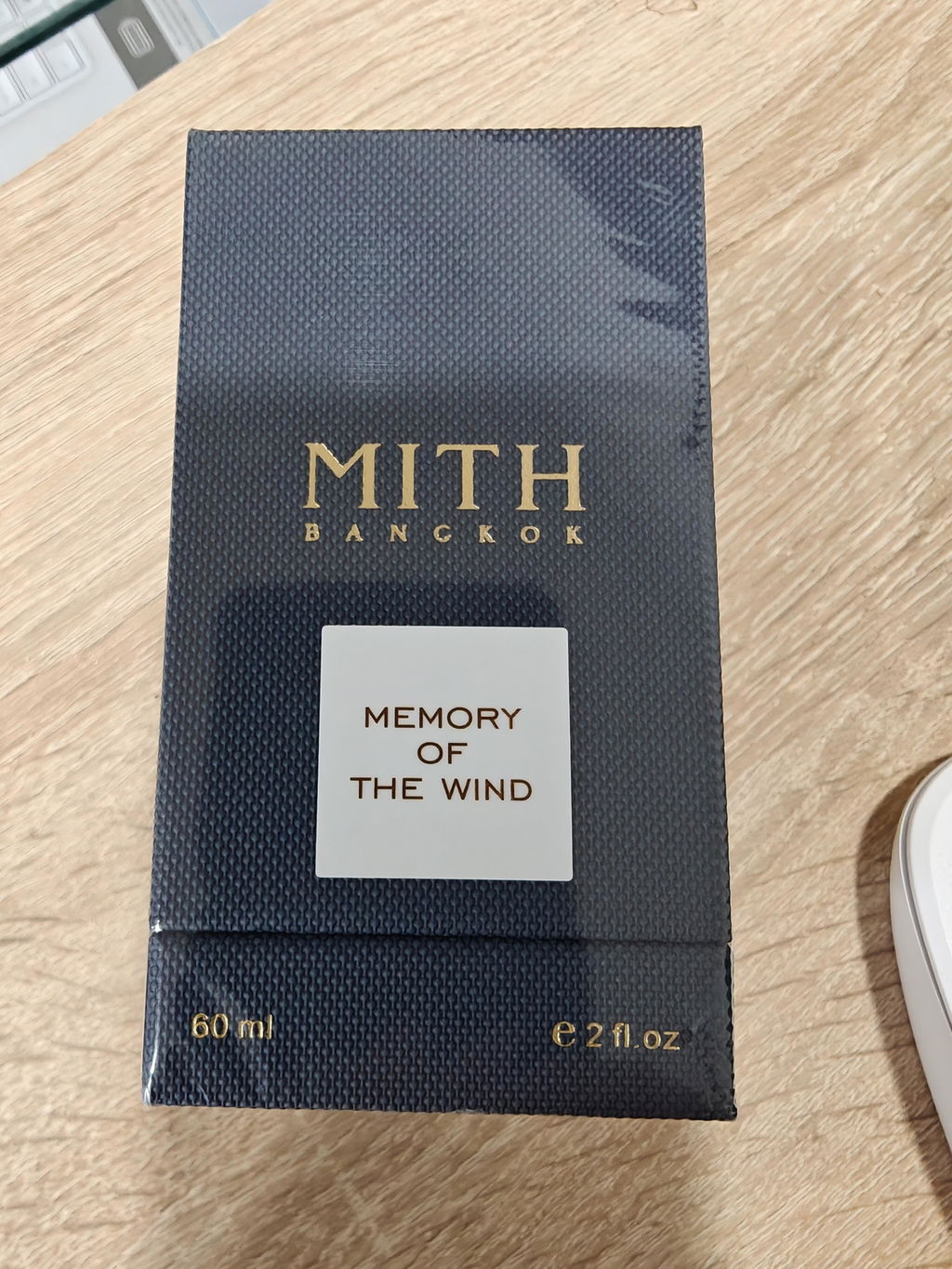
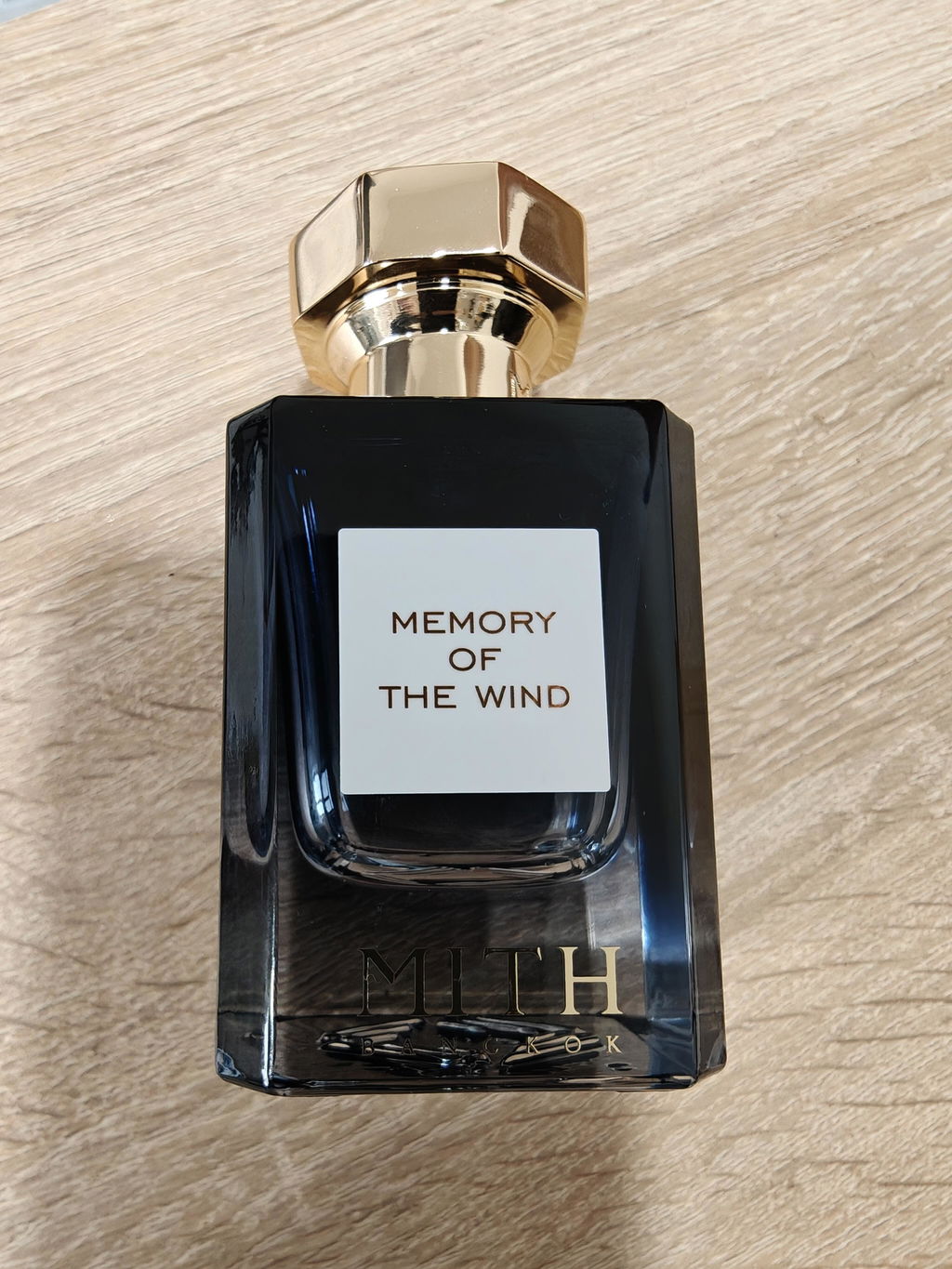
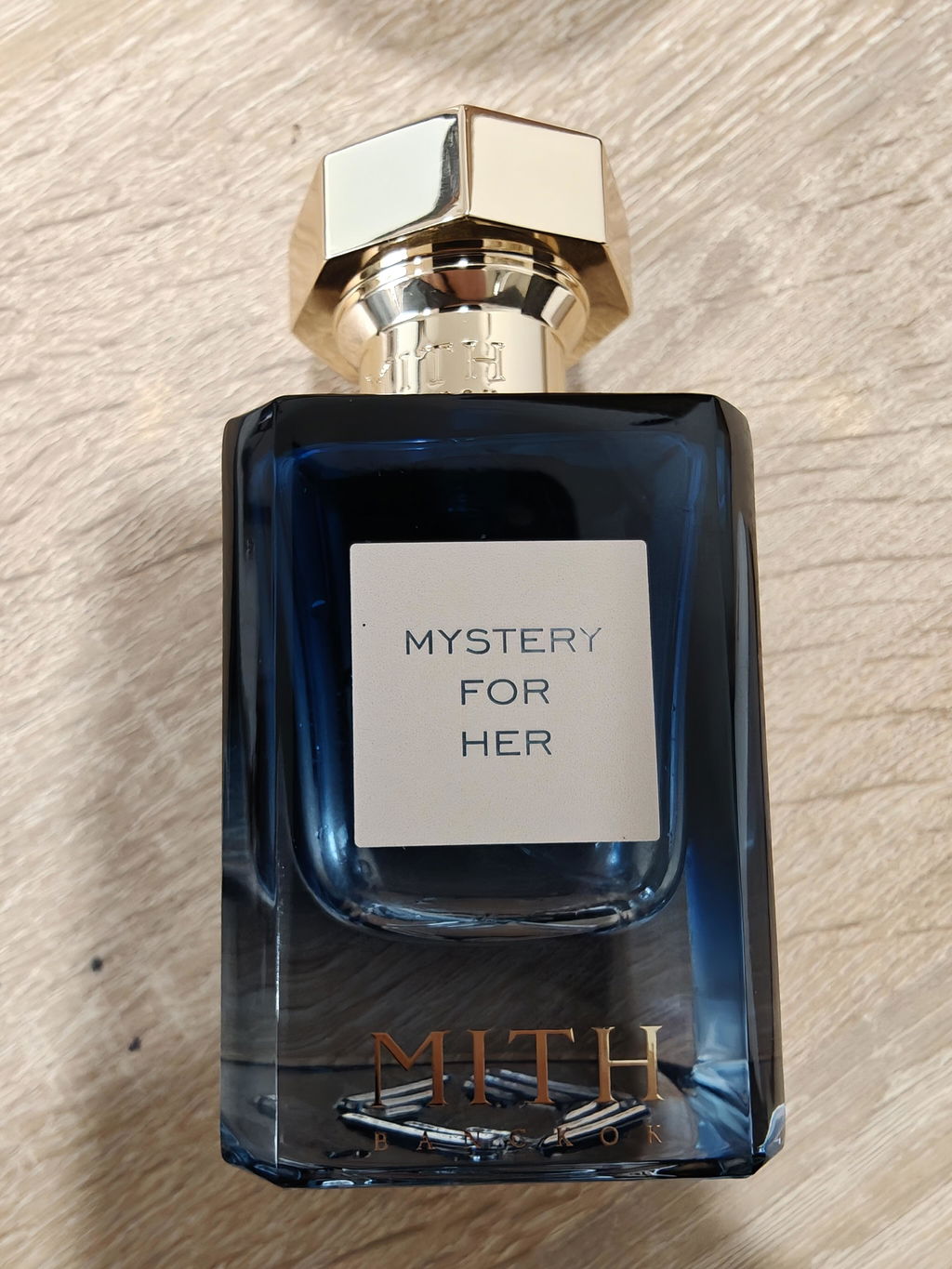
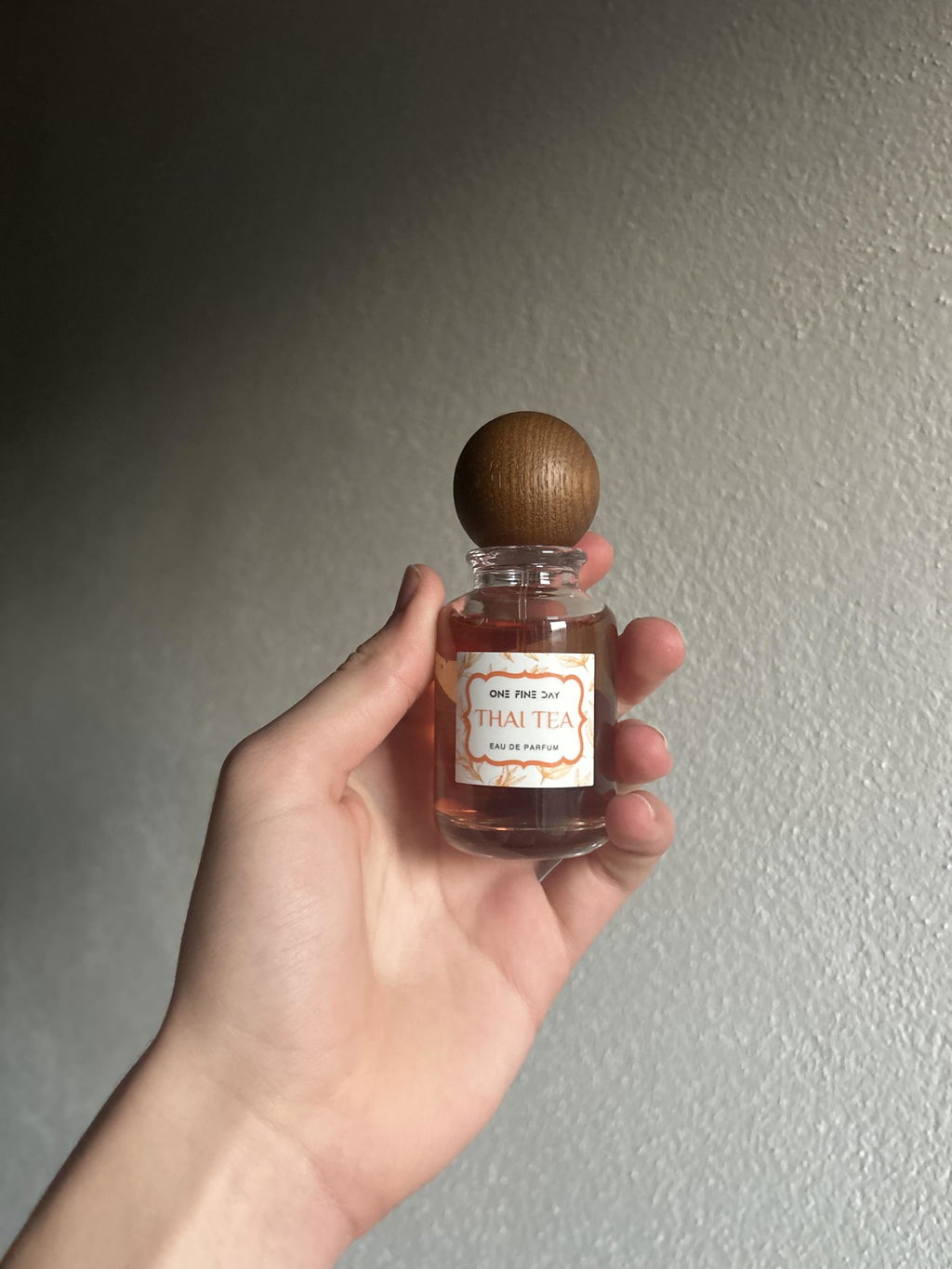
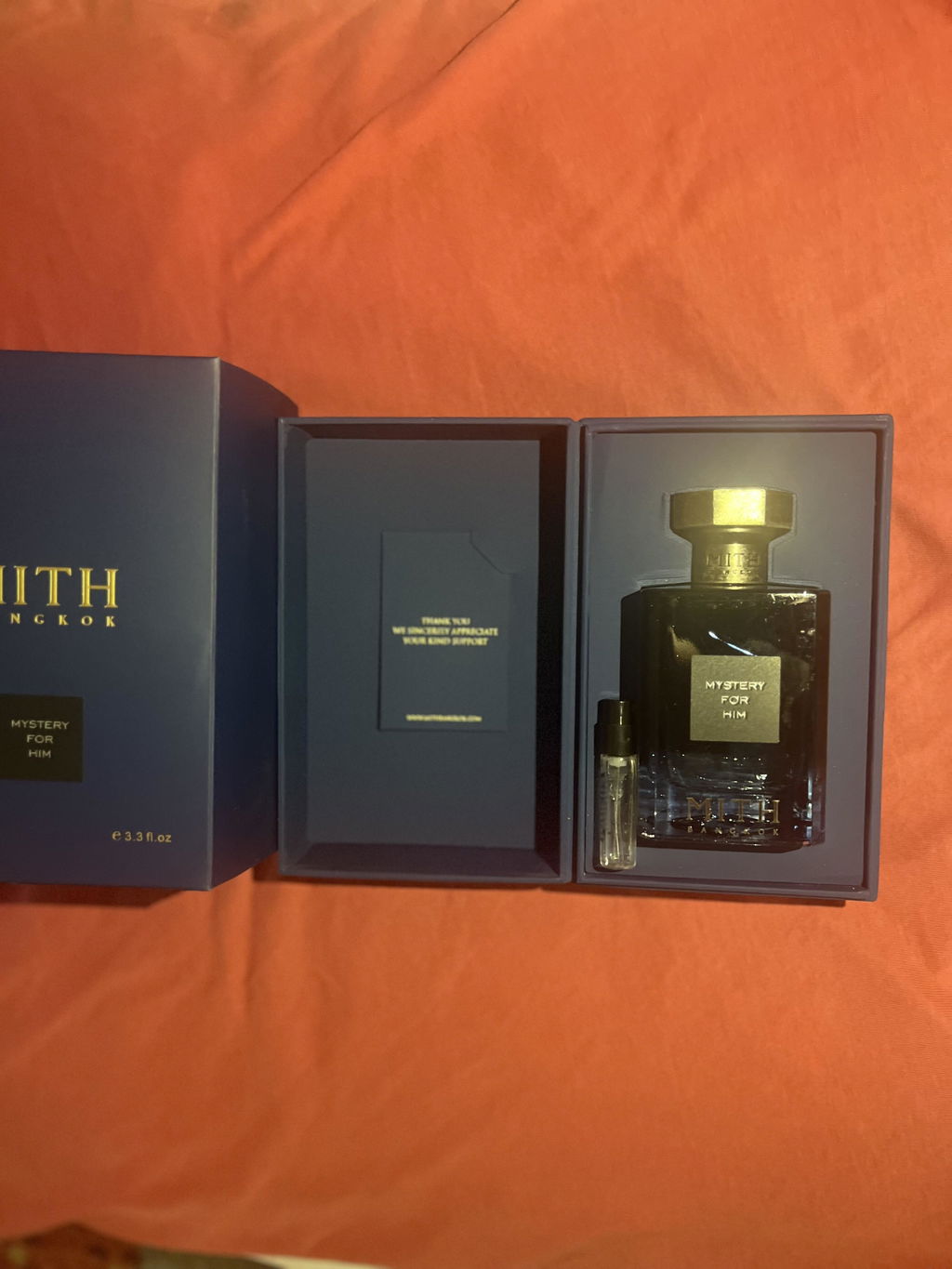
Perfume is a sensorial gift before the cap is even lifted. The bottle, box and overall presentation shape the experience. If the recipient values design, the visual language of the gift matters almost as much as the fragrance family.
Choose packaging that aligns with their aesthetic. Sleek and modern, romantic and decorative, or artistic and editorial - each sends a different message. Niche perfume often excels here because the object feels considered, not merely branded.
If you are uncertain about the scent itself, elevated presentation helps carry the gesture. It tells the recipient that the gift was chosen with care, not picked up in a hurry at the airport.
Sets, body products and smaller formats can be smarter gifts
A full bottle is not always the most thoughtful option. Sometimes the better choice is a perfume set, a discovery format or a matching body product such as lotion or hand cream. These options feel generous while reducing the pressure of committing someone to 100ml of a scent they may wear only occasionally.
This approach works particularly well for recipients who enjoy fragrance but are selective. A layered body product offers daily pleasure with lower risk. A discovery-style gift suits someone who enjoys exploration and may prefer to fall in love gradually.
For this reason, gifting in niche fragrance does not always mean making the boldest choice. Often it means making the most considered one.
A quick test before you buy
Before you commit, describe the perfume in one sentence without using any notes. If you cannot, that is a warning sign. Phrases like clean and intelligent, warm and enveloping, luminous and dressed-up, or quiet luxury with a woody base are far more revealing than simply saying bergamot, jasmine and vanilla.
If your sentence sounds like the person, you are on the right track. If it sounds like your own taste, step back and reassess.
One final consideration is confidence. The best perfume gifts are not chosen by trying to predict a fantasy version of the recipient. They are chosen by noticing who they already are, then selecting a scent that feels slightly elevated from there. That is where a gift stops being pleasant and starts feeling memorable.