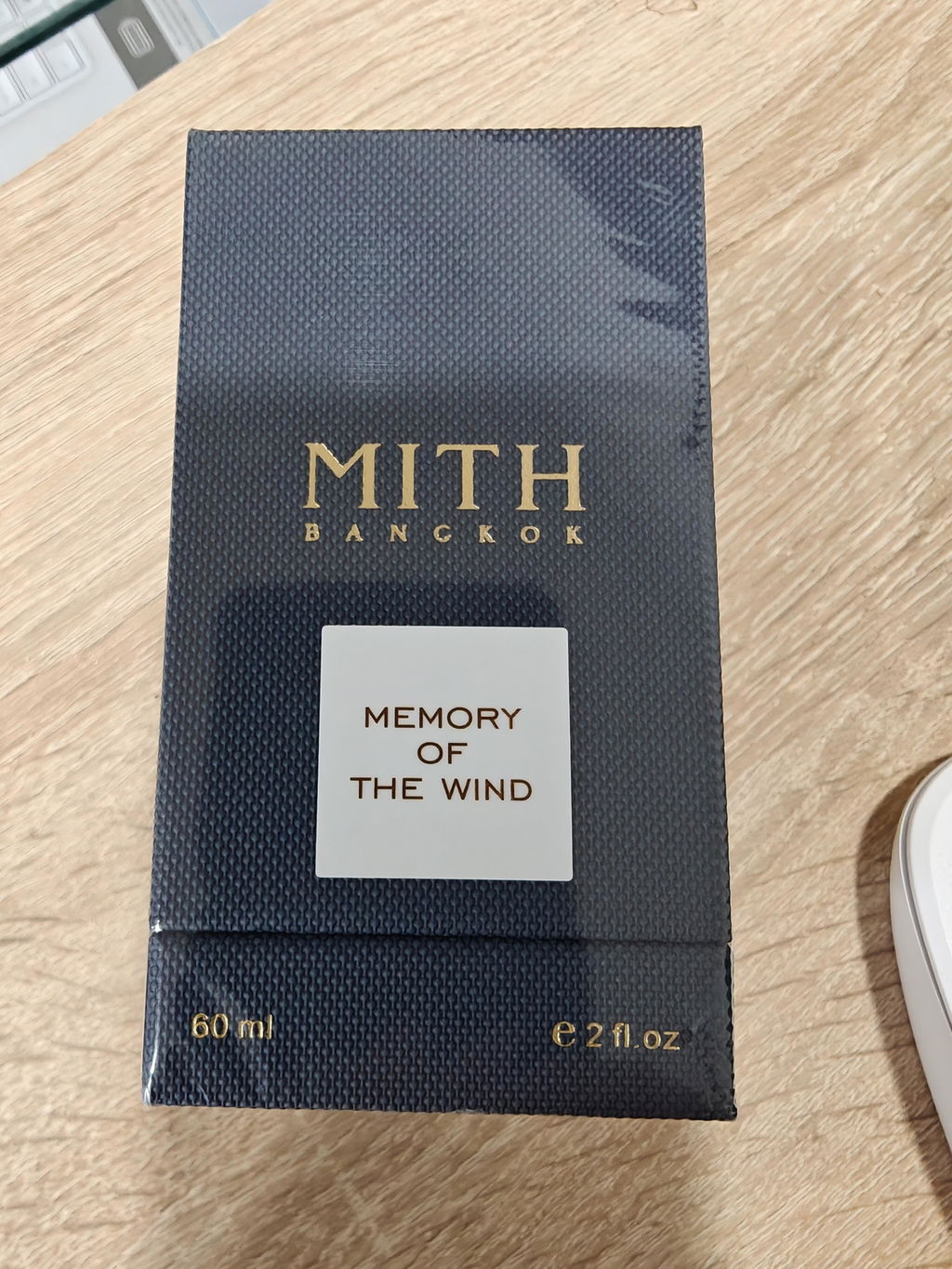
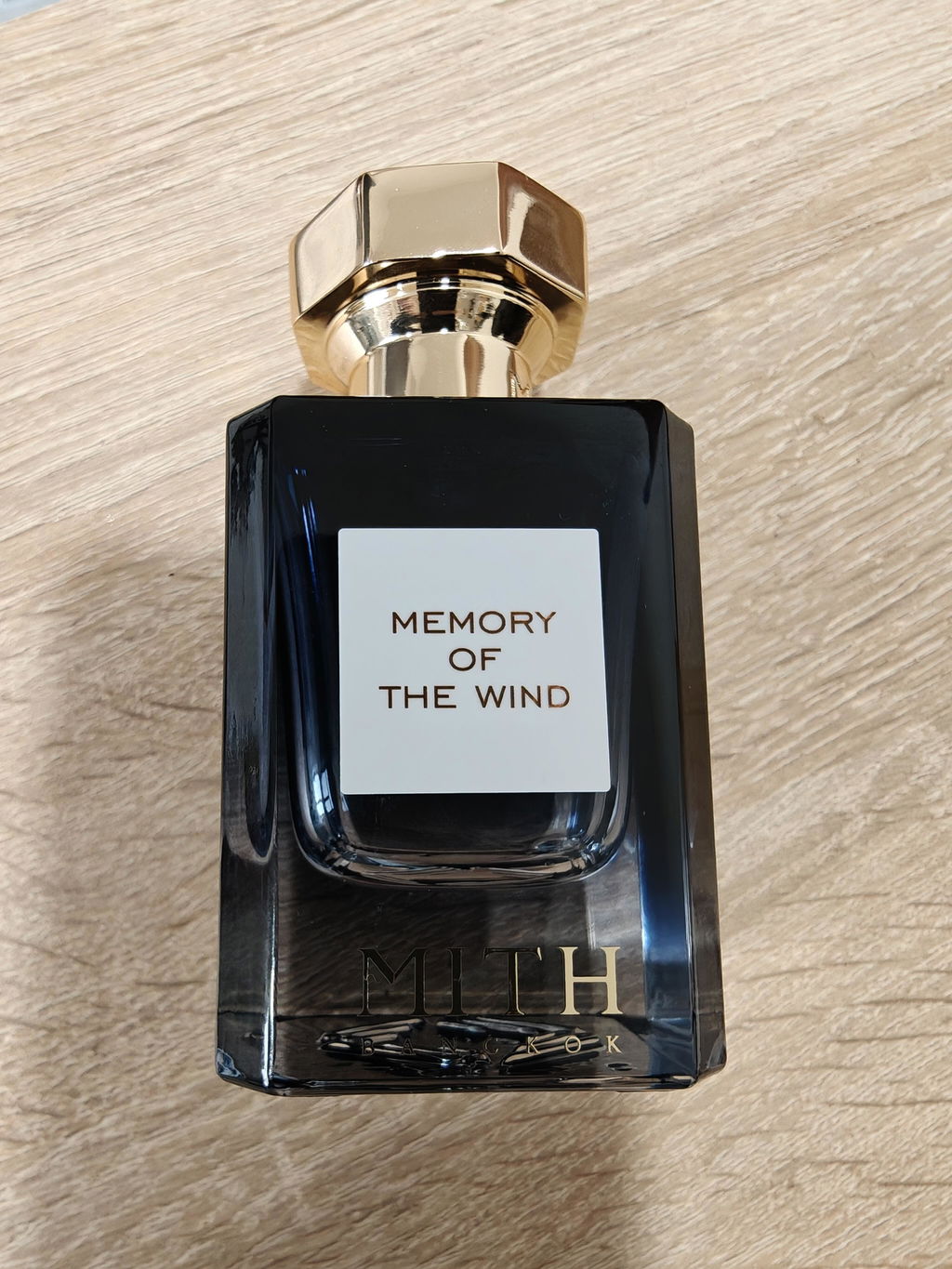
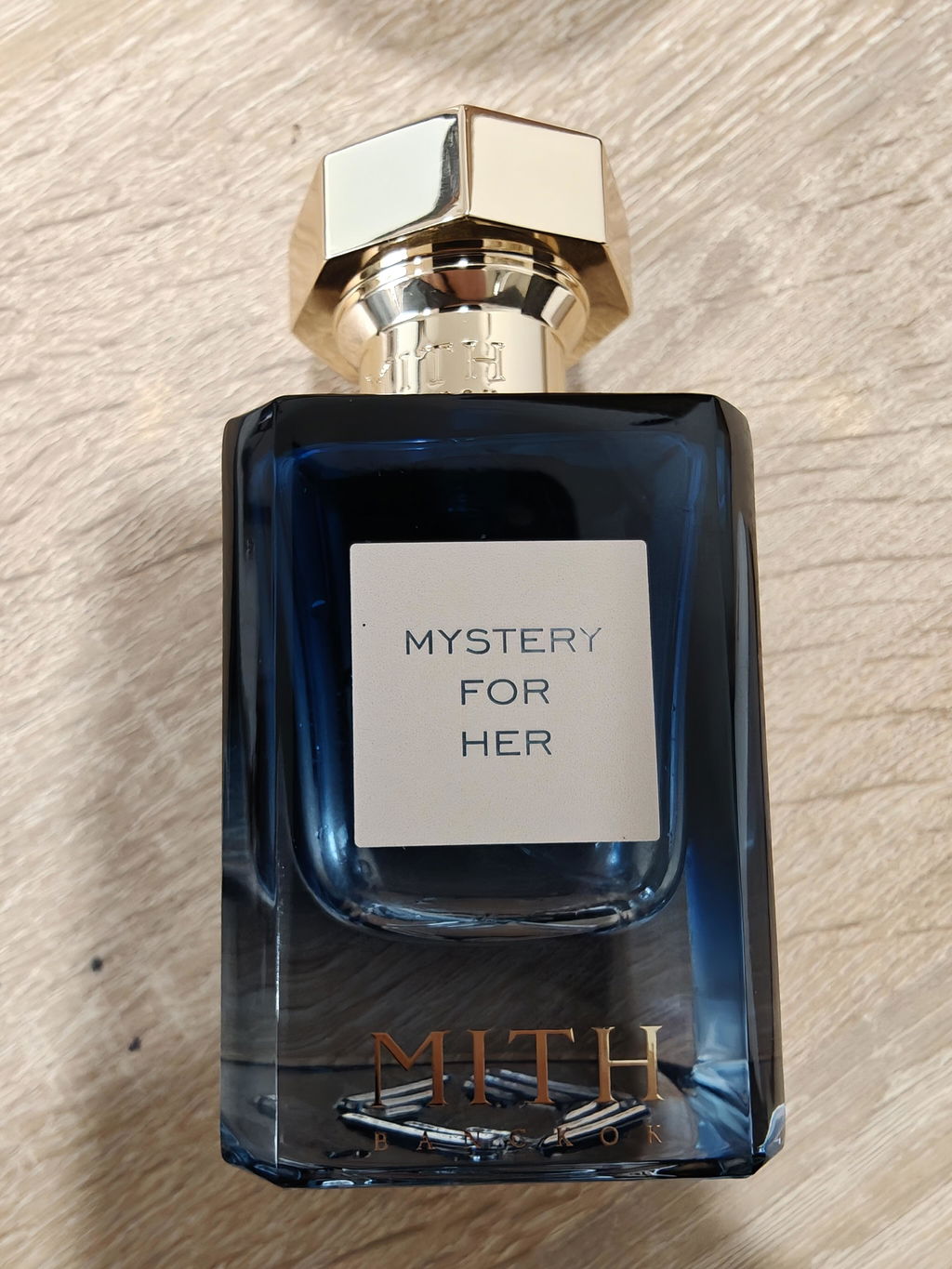
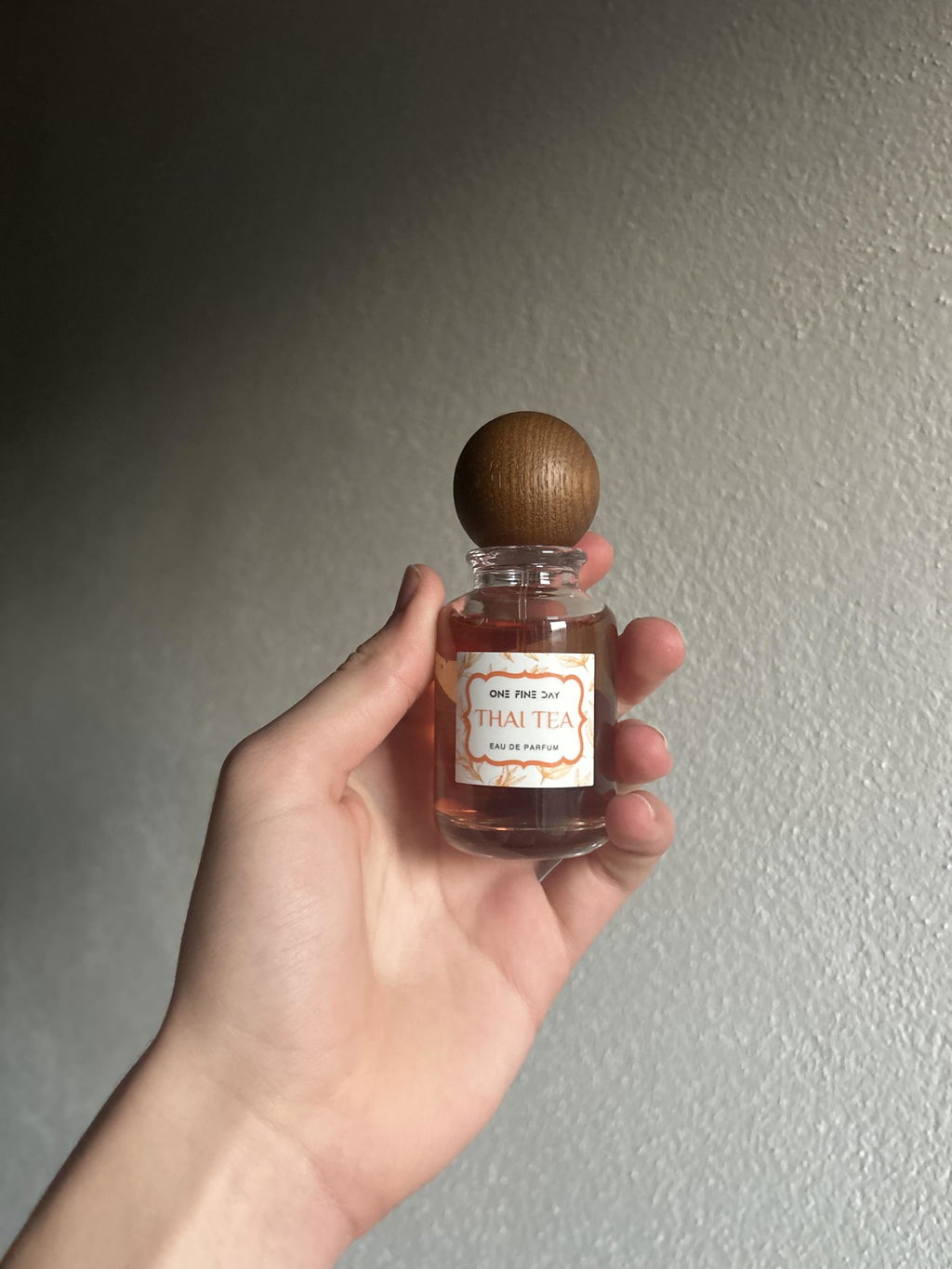
A dry martini is not merely gin, vermouth and a twist of lemon. It is cold glass, a sharply cut suit, the first quiet minutes of an evening that may go anywhere. Cocktail inspired niche fragrances understand that a drink is a mood as much as a formula. Their aim is not to make you smell like the bar menu. It is to translate that particular sense of anticipation, brightness or late-night warmth into perfume.
For fragrance lovers tired of predictable sweetness and familiar designer accords, this is a particularly rewarding category. Cocktail scents often use recognisable materials in more unexpected proportions: bitter orange beside aromatic herbs, fizzy citrus against polished woods, a boozy amber softened with vanilla, or a green mint note sharpened by spice. The result can be playful, but the best compositions remain considered, textural and fully wearable.
Why cocktail inspired niche fragrances feel so distinctive
A cocktail gives a perfumer an immediate framework: balance. Every successful drink works through contrast - sweetness against bitterness, spirit against dilution, garnish against base. Niche perfumery can apply the same logic with far greater freedom than a literal food-inspired scent.
Take the idea of a negroni. Its character comes from bitter citrus peel, herbal depth, red fruit facets and a dark, almost medicinal edge. In fragrance, that might become grapefruit, orange, angelica, saffron, aromatic herbs and resinous woods. It need not reproduce the drink faithfully. What matters is retaining its poised tension: glossy, bitter, warm and slightly dangerous.
That distance from realism is what separates a compelling cocktail fragrance from a novelty. A scent may open with the sparkle of champagne, for example, but its lasting impression could be musky skin, iris or pale cedar rather than a sugary impression of prosecco. The drink is a cultural reference point, not a limitation.
There is also an emotional appeal. Cocktails are social rituals, often tied to place and time: an aperitif on a terrace, a hotel bar after dark, a celebratory toast, a quiet nightcap. Perfume can hold those associations without requiring a reservation or a special occasion. One spray can bring a little ceremony to an ordinary Tuesday.
The notes behind the glass
The language of cocktail perfume is broad, and not every bottle labelled as boozy will feel the same. Learning the key families helps you choose with more confidence.
Citrus, bubbles and aperitif brightness
Citrus-led cocktail scents are usually the easiest entry point. Bergamot, grapefruit, lemon, yuzu and mandarin bring the brisk lift associated with a gin and tonic, spritz or chilled sparkling wine. Pink pepper, juniper, ginger and aromatic herbs can create a convincing feeling of effervescence, even though perfume contains no actual fizz.
These scents tend to suit daytime, warmer weather and anyone who wants freshness with more character than a standard cologne. Their trade-off is longevity. Bright top notes naturally fade sooner, so look for a base of vetiver, clean musk, ambergris-style accords or woods if you want the freshness to stay present beyond the opening.
Bitters, herbs and gin-bar cool
Juniper is a central note in the world of gin-inspired fragrances, but it rarely works alone. It becomes more refined alongside coriander, cardamom, clary sage, basil, rosemary or angelica root. These materials give a scent its chilled, aromatic quality - crisp rather than loud, botanical rather than conventionally floral.
This profile often feels beautifully unisex. It can appeal to someone who finds sweet perfumes too obvious, yet does not want the severity of a purely woody scent. A gin-inspired composition is especially effective when it develops into soft woods or warm skin musks, allowing the initial coolness to settle into something more intimate.
Dark spirits and after-hours warmth
Whisky, rum, cognac and liqueur-inspired fragrances usually explore richness rather than literal alcohol. Oakwood, dried fruit, tobacco, vanilla, cacao, coffee, amber, balsam and spice can suggest the depth of a dark spirit resting in a heavy tumbler.
These are often the most dramatic cocktail references, with a natural affinity for autumn, winter and evening wear. Still, richness does not automatically mean heaviness. A well-made rum accord can be airy when paired with lime or tropical fruit; a whisky theme may gain elegance from iris, leather or smoky tea. If you are wary of overtly gourmand perfume, favour a composition where woods, spice or resins lead the dry-down rather than caramelised sugar.
Creamy indulgence, done with restraint
Espresso martinis, amaretto sours and dessert cocktails have inspired a wave of coffee, almond, vanilla and creamy accords. This is an enticing area, but it is also where personal taste matters most. On one wearer, coffee can feel like a dark, sophisticated roast; on another, it may turn sweet, milky or almost praline-like.
The difference lies in structure. Coffee with patchouli, cedar, pepper or cardamom can feel urbane and dry. Coffee with tonka bean, vanilla and cocoa is softer, warmer and more edible. Neither is inherently better. The key is deciding whether you want the atmosphere of an intimate café, a velvet-upholstered bar, or a celebratory dessert course.
How to choose a cocktail scent that wears well
Start with the mood you want from the fragrance, rather than the drink you usually order. Loving an old fashioned does not guarantee that a syrupy, bourbon-heavy perfume will suit your skin. You may be drawn instead to its orange peel, spice and wood - elements that appear in a fresher composition.
Consider the setting too. A sparkling citrus fragrance can sharpen a workday or make a warm evening feel lighter. A tobacco-rum perfume may be more suited to dinner, theatre or a cold-weather walk. The most versatile choices often sit in the middle: aromatic citrus over woods, or spice lifted by a clean musky base.
Skin chemistry deserves more than a passing mention. Boozy accords can become sweeter on warm skin, while bitter herbs may turn greener or more medicinal. Give a fragrance time. The opening is often the garnish - brilliant, immediate and gone quickly. The dry-down is where the perfume reveals whether it has the lasting polish you want.
Sampling is particularly valuable in this category because the notes can sound more literal than they wear. A perfume described as champagne may feel like pear and white musk. One built around mojito may register as minty lime, fresh laundry or a green cocktail garden depending on its construction. Let the fragrance develop for several hours before making a judgement.
Wearing cocktail fragrances without making them a costume
The finest cocktail references are stylish because they are not confined to evening. A citrus-and-juniper scent with a white shirt has an easy, composed effect. A soft coffee fragrance can feel excellent with knitwear on a grey morning. Amber and dark rum notes add depth to simple tailoring, particularly when you want your scent to arrive before the room becomes too formal.
Application should reflect the density of the formula. Bright aromatic scents often tolerate a more generous hand, while rum, tobacco, vanilla and resin accords can project strongly from only a few sprays. Fabric can preserve a scent beautifully, but test carefully first, especially with richer formulas that may leave marks on delicate materials.
Layering can work, although it is rarely necessary. If you do experiment, keep it edited. A clean body lotion beneath a citrus aperitif scent can extend its polished effect. A lightly woody base beneath a coffee or liqueur perfume can make it feel less sweet. Adding several competing fragranced products, however, risks losing the very balance that makes the cocktail idea persuasive.
A modern route into scent discovery
Cocktail perfumery speaks to a wider shift in niche fragrance: people want perfumes with a point of view. They want references they can recognise, but not formulas they have smelled repeatedly. This is one reason contemporary Thai fragrance houses have earned such interest. Their compositions frequently approach familiar themes with a more vivid sense of contrast, climate and texture.
At Villenel Fragrances, that appetite for distinctive storytelling shapes the selection. The pleasure is not only in finding a new note, but in finding a fragrance that changes the atmosphere around you - from bright aperitif energy to a darker, more private nightcap.
Choose the scent that captures the part of the drink you remember most: the cold citrus peel, the aromatic snap, the polished wood of the bar, or the warmth that remains after the last sip. That is where a cocktail-inspired fragrance becomes more than a clever idea. It becomes yours.