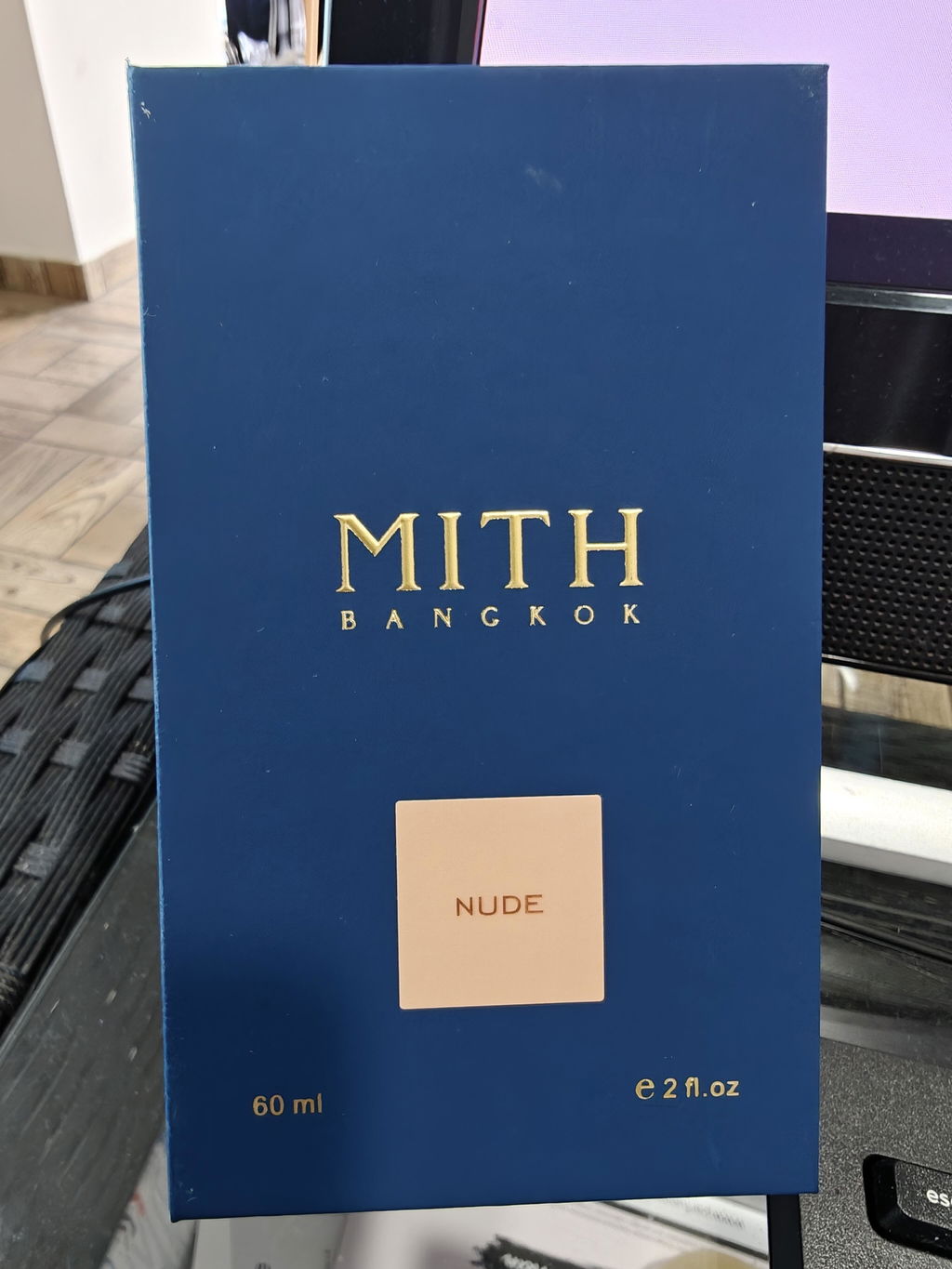
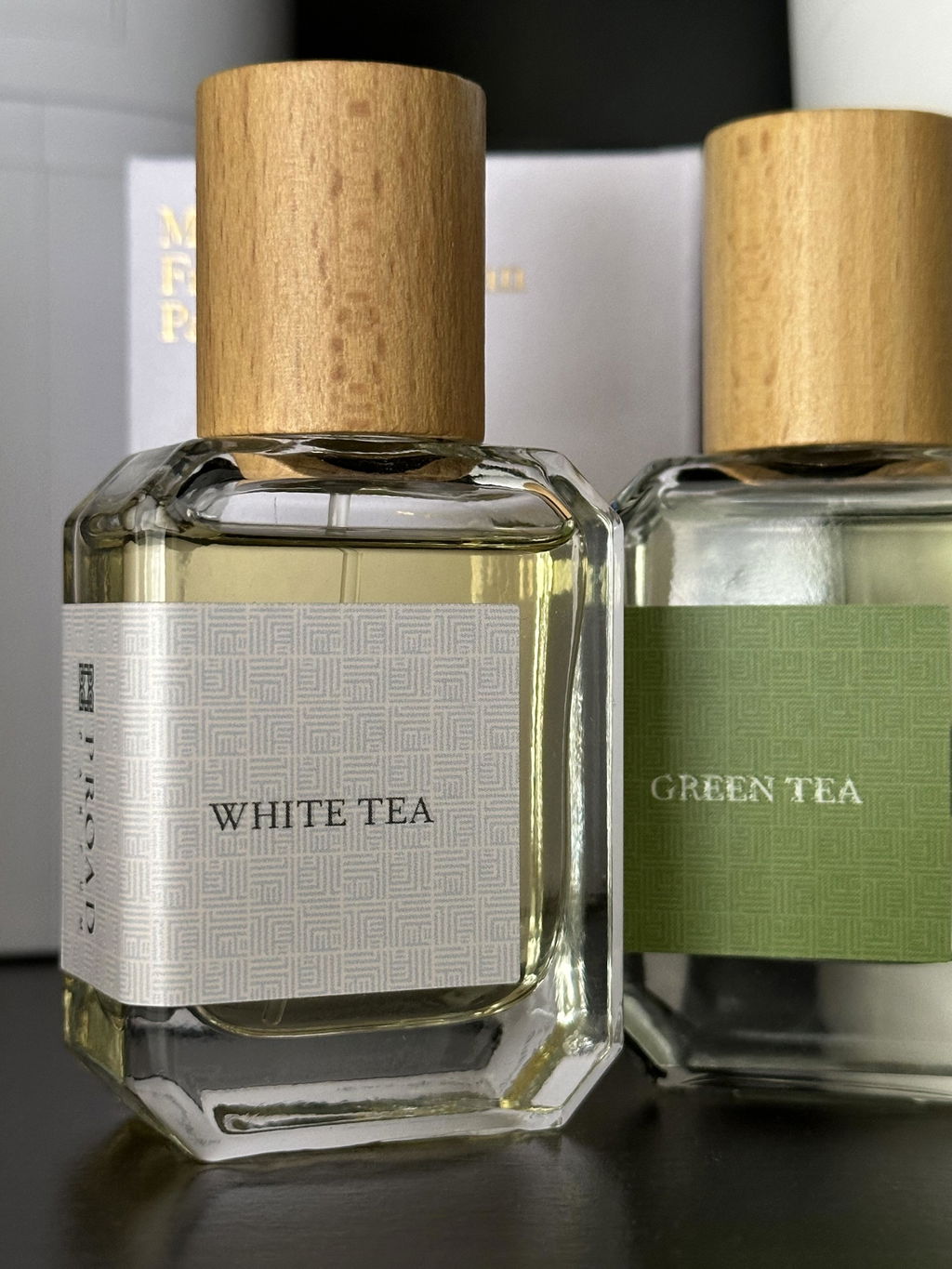
You spray a fragrance you love, turn the bottle over, and realise the name on the front tells only part of the story. The more deeply you move into niche scent, the more one idea starts to make sense: follow the perfumer not a brand. Brands shape image, packaging and positioning, but the perfumer shapes the smell itself.
For anyone tired of the same polished launches and familiar marketing language, this shift changes how you discover fragrance. It makes your choices sharper, more personal and often more rewarding. Instead of buying into a logo, you begin recognising a creative hand.
What it means to follow the perfumer not a brand
A fragrance house may have a clear identity, but many brands work with multiple perfumers across different collections. That means the scent you adore from one line may have very little in common with another bottle from the same name. The house remains constant on the shelf, yet the olfactory voice can change dramatically.
Following the perfumer means paying attention to who composed the fragrance and noticing recurring signatures. Some perfumers work with radiant transparency. Others favour texture, shadows, spice, creaminess or striking contrast. Once you learn those tendencies, fragrance shopping becomes less random.
This approach is especially useful in niche perfumery, where creative direction often matters more than mass appeal. If you loved a perfume because of its tactile iris, mineral freshness or beautifully controlled oud, there is a fair chance the perfumer behind it has explored similar ideas elsewhere.
Why brands can mislead fragrance discovery
Brand identity is not meaningless. In good niche perfumery, it can be a real asset. It gives context, visual language and a point of view. But branding can also flatten complexity. A house may present itself as dark and avant-garde, clean and modern, or romantic and nostalgic, while the perfumes inside vary far more than the aesthetic suggests.
That is one reason shoppers sometimes feel oddly disconnected after buying a highly praised bottle. They fell for the house story, not the actual style of composition. The fragrance may be well made, even beautiful, yet still not feel like them.
Perfumer-led discovery is often more precise. It asks a better question. Not, do I like this brand? But, do I respond to this perfumer's way of building a scent? That distinction matters.
The creative signature is often the real point of continuity
In fashion, people learn to recognise a cut, a silhouette, a certain line. Perfume has its equivalent, though it is less obvious at first. A perfumer may return to specific materials, balances and emotional effects. One might create florals with exceptional air and lift. Another may excel at smoky woods that stay elegant rather than heavy. Another may have a gift for making gourmand notes feel polished instead of sugary.
This does not mean every perfume by the same nose smells alike. Good perfumers are versatile, and briefs vary. A commercial brief for broad appeal is not the same as an artistic brief for a more distinctive house. Still, habits of structure and touch tend to remain.
If you begin noticing those patterns, your fragrance wardrobe becomes more intentional. You stop chasing hype and start building taste.
How to start following perfumers
The easiest place to begin is with fragrances you already love. Look up who created them and write down the names that recur. If two or three favourites share a perfumer, that is not a coincidence worth ignoring.
Then compare the perfumes themselves. Are they luminous rather than dense? Dry rather than syrupy? Do they have a certain movement on skin, perhaps a smooth transition from opening to base, or a sharp contrast that feels dramatic? You are not just identifying notes. You are noticing technique.
Over time, your own language improves. You may find that what you thought was a love of rose is actually a love of rose handled in a clean, contemporary way. Or that what you call woody is really a preference for velvety woods with soft spice rather than austere cedar. These distinctions save money and reduce blind buying mistakes.
Follow the perfumer not a brand - but keep context
There is one caveat. Perfumer worship can become as limiting as brand worship. A great nose working under a restrictive brief may produce something competent rather than thrilling. Conversely, an unfamiliar perfumer paired with a strong creative director can deliver a masterpiece.
So yes, follow the perfumer not a brand, but keep the full context in view. The formula, the brief, the budget, the target audience and even regulatory limits all shape the final result. Perfume is art, but it is also collaboration.
That is why it helps to think in layers. The brand sets the world. The perfumer composes the scent. Your skin and preferences decide whether it becomes part of your life.
Why this matters more in niche fragrance
In mainstream perfume, launches are often built to address broad taste and strong recognition. There is nothing inherently wrong with that, but the experience can feel repetitive if you are seeking personality. Niche fragrance tends to reward a more discerning eye and nose.
When you follow perfumers, you begin to trace ideas across houses, styles and markets. You notice how one creator interprets tea, leather, tropical florals or amber in different contexts. That opens the door to quieter discoveries, including brands that may not have the loudest presence but offer exceptional composition.
For collectors and curious wearers alike, this is where fragrance becomes richer. You are no longer shopping only by family or trend. You are following authorship.
This is also part of what makes emerging fragrance scenes so compelling. In regions where niche perfumery is still gaining broader visibility, the perfumer's role can reveal the true depth of the work more quickly than branding alone. A beautifully made scent from a less familiar house often becomes easier to trust when you understand the creative hand behind it.
The difference between taste and tribalism
There is a certain social comfort in becoming loyal to a brand. You know the bottle shapes, the campaigns, the mood. It feels coherent. But coherence is not the same as discernment.
Following perfumers encourages taste over tribalism. It helps you avoid becoming the person who insists a house can do no wrong, or dismisses another because it does not fit a preferred aesthetic. Fragrance deserves better than that. So do you.
A more sophisticated approach is to allow for inconsistency. A beloved brand can release something underwhelming. A house you rarely consider can produce a fragrance of remarkable finesse. The same applies to perfumers. Some works will move you more than others. That is normal.
The point is not to become loyal to names on a technical sheet. The point is to become more alert to quality, style and authorship.
How this changes the way you shop
Once you adopt this mindset, product pages read differently. You care less about whether a perfume is trending and more about whether it fits a line of work you already admire. You read note pyramids with a touch more scepticism, because notes alone do not explain texture or structure.
You also become more open to discovery across categories. If a perfumer has impressed you in extrait, eau de parfum and even perfumed body care, that consistency may be worth following. The signature can travel, even when the format changes.
For a curated retailer, this way of shopping feels especially natural. A strong edit is not just about stocking attractive brands. It is about recognising craftsmanship and helping customers move towards fragrance with genuine point of view. That is where specialist curation earns its place, particularly when introducing lesser-known houses to a European audience that wants something rarer than the usual department store circuit.
When brand still matters
None of this means brand should be ignored. Some houses commission brilliantly and maintain unusually high creative consistency. Others excel at building a world around the fragrance that genuinely deepens the experience. Presentation, storytelling and quality control matter, particularly when you are buying a premium scent.
For many people, the ideal approach is both. Start with the perfumer when you want precision. Trust the brand when it has earned your confidence through repeated excellence. The tension between the two is part of what keeps perfumery interesting.
And sometimes, quite simply, you fall for a bottle because everything aligns at once - the house, the perfumer, the mood, the material, the memory it leaves on skin. There is no need to over-intellectualise pleasure.
Still, if your fragrance journey has started to feel crowded, repetitive or too driven by packaging, this is a useful reset. Learn the names behind the compositions you love. Notice the signatures that keep returning. Let your taste become more exacting, not more narrow.
The bottle may catch your eye first, but it is the perfumer who gives you a reason to come back.