Walk through any department store fragrance hall and the pattern becomes familiar very quickly - polished bottles, broad appeal, and a great deal of sameness beneath the marketing. Artistic perfume brands appeal for the opposite reason. They are not built to please everyone at first spray. They are created to say something specific, sometimes quietly, sometimes with theatrical flair, but always with intent.
That difference matters if you have grown tired of fragrances that feel interchangeable. For many perfume lovers, the move towards niche perfumery is not about being obscure for the sake of it. It is about wearing scent that carries authorship, atmosphere and a stronger point of view.
What artistic perfume brands really offer
The term is often used loosely, but the best artistic perfume brands tend to share a few defining qualities. They place creative direction ahead of volume sales. They allow a fragrance to be unusual if the idea demands it. And they treat perfume not simply as grooming, but as composition - something built from memory, texture, contrast and emotion.
That does not mean every artistic brand is challenging or difficult. Some are luminous and easy to wear. Others are dark, intellectual or eccentric. The point is not intensity. The point is intention.
You can usually sense this in the structure of the fragrance itself. Mainstream launches often move in familiar arcs because they must satisfy large audiences quickly. Artistic perfumery is freer to linger in ambiguity. A rose may lean metallic rather than romantic. A vanilla may feel dry, smoky or almost mineral. A citrus may be framed with tea, salt or incense instead of polished musks.
This is also why artistic brands attract collectors. They reward repeat wear. The first impression may be beautiful, but the real pleasure often comes later, when the composition starts to reveal its architecture.
Why artistic perfume brands feel more distinctive
Distinctiveness comes from a series of choices rather than one grand gesture. Creative brands tend to care deeply about raw material character, dosage, balance and tension. They also tend to have a clearer editorial identity. Instead of releasing everything for everyone, they build worlds.
That world-building may centre on a perfumer's signature style, a city, a material, a literary reference, or a cultural perspective rarely seen in mass fragrance. This is where newer houses can feel especially exciting. They are not burdened by decades of legacy positioning, so they can present a fresher aesthetic language and a more contemporary sense of taste.
There is a commercial trade-off, of course. Artistic brands are often less immediately available, less heavily advertised and sometimes less straightforward to understand. But that is also part of their appeal. Finding the right one feels closer to discovering a gallery or an independent fashion label than buying another predictable release.
Craftsmanship is part of the story, not the whole story
People often assume artistic perfume is simply about higher quality ingredients. Quality matters, but it is only one part of the picture. A fragrance can use beautiful materials and still feel generic. What makes a brand artistic is the relationship between craftsmanship and concept.
The best houses know how to translate an idea into something wearable. That is harder than it sounds. A fragrance inspired by rain on concrete, lacquered wood, silk, tropical heat or an old library can easily become gimmicky. The skill lies in suggestion. You want atmosphere without costume.
This is where curation becomes useful for shoppers. Not every niche perfume house is automatically refined, and not every unusual concept is successful. A strong retailer with a clear point of view helps separate novelty from real authorship.
The rise of new fragrance capitals
For years, many European fragrance buyers looked first to France, Italy or Britain when searching for artistry in scent. Those traditions remain important, but the landscape is now far broader. Some of the most compelling work in perfumery comes from brands shaped by different climates, aesthetics and cultural references.
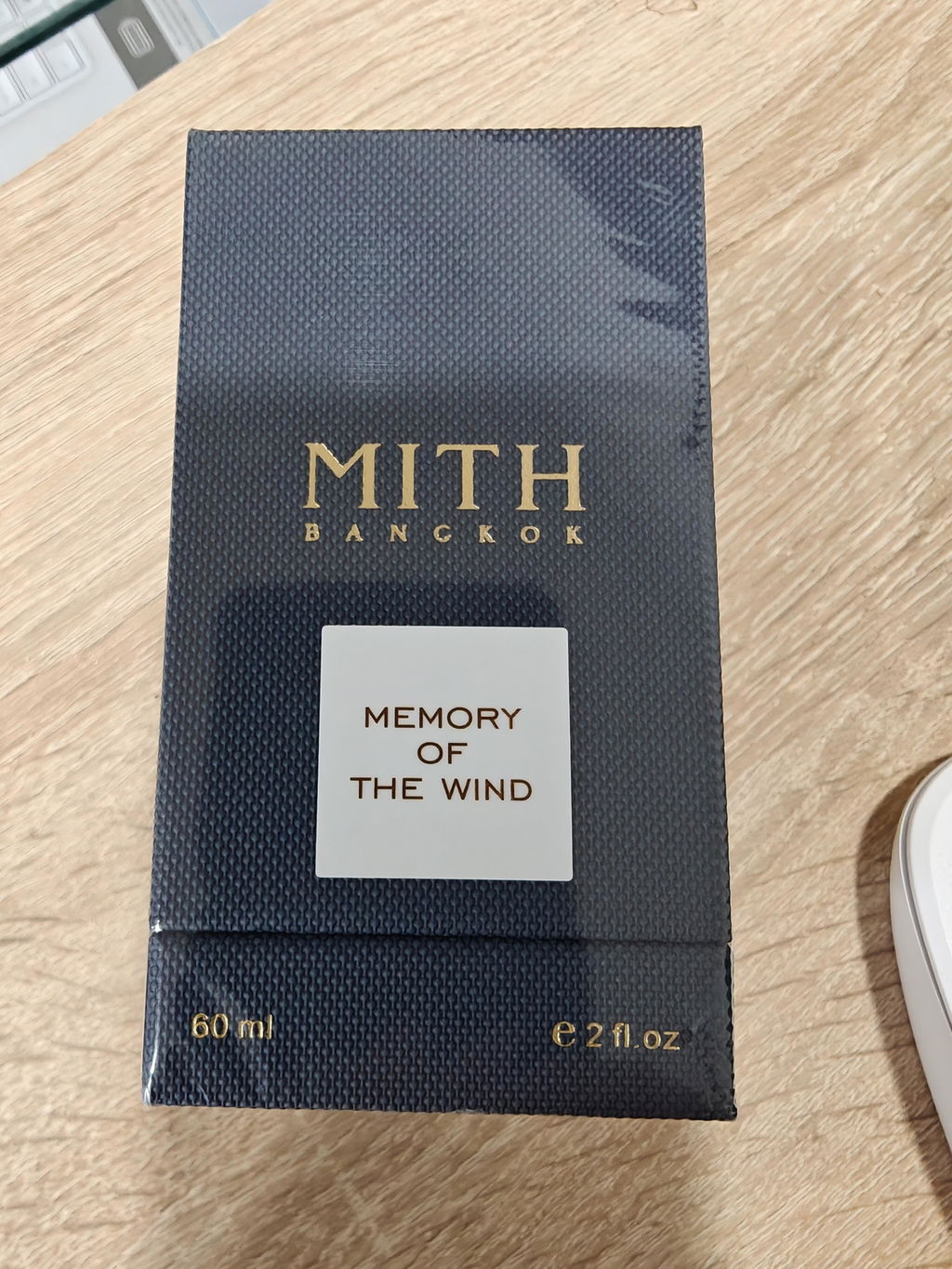
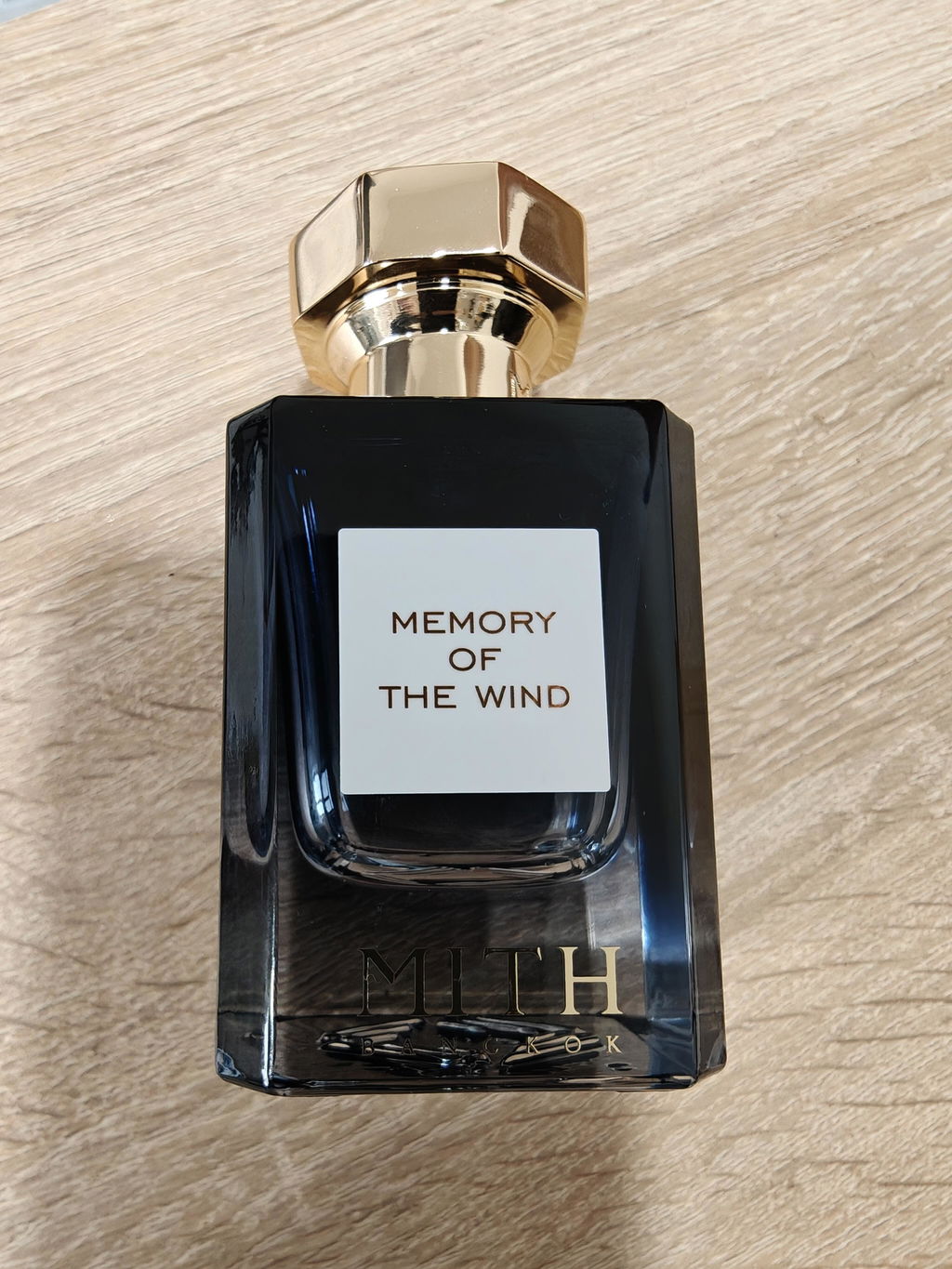
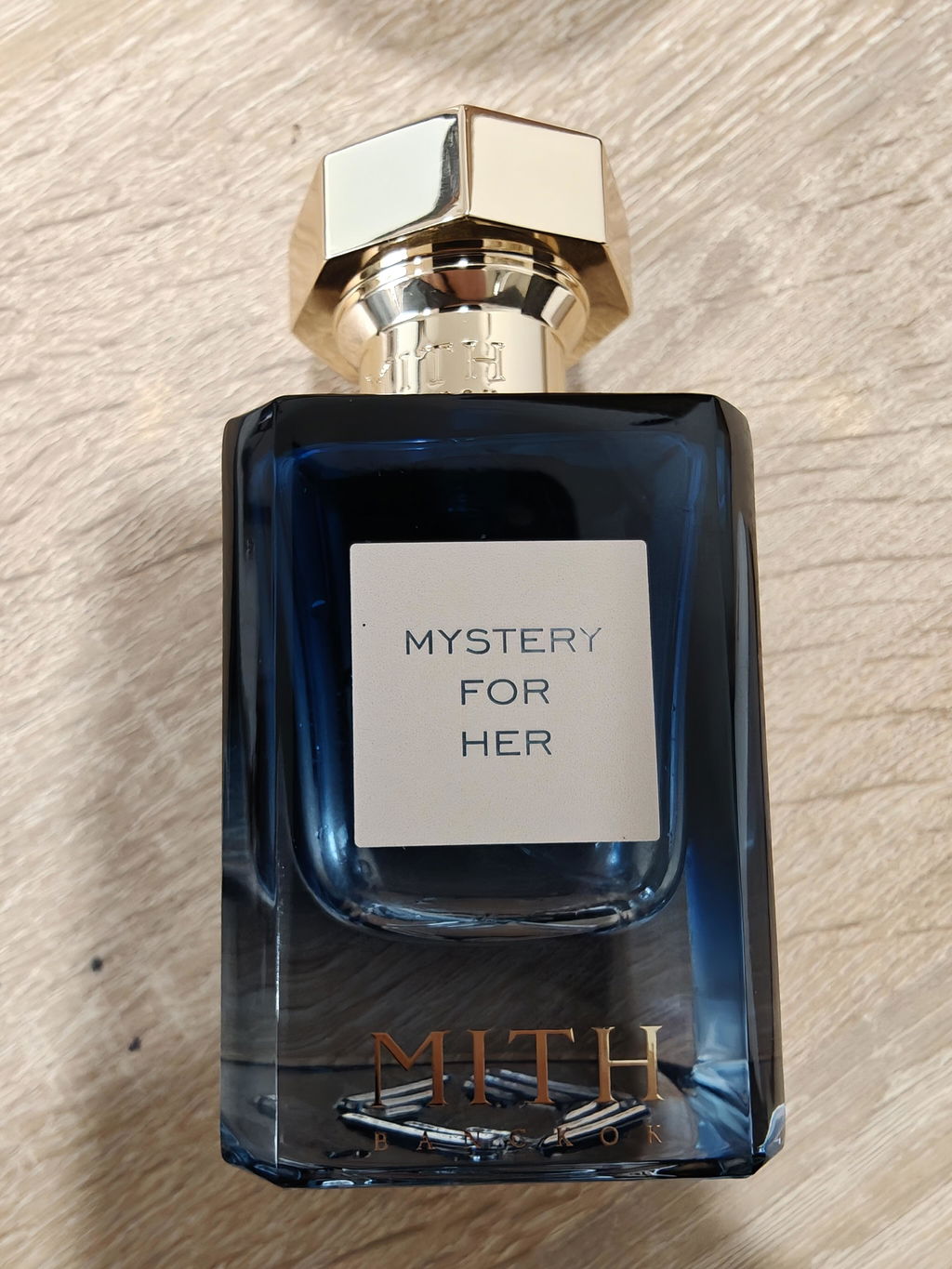
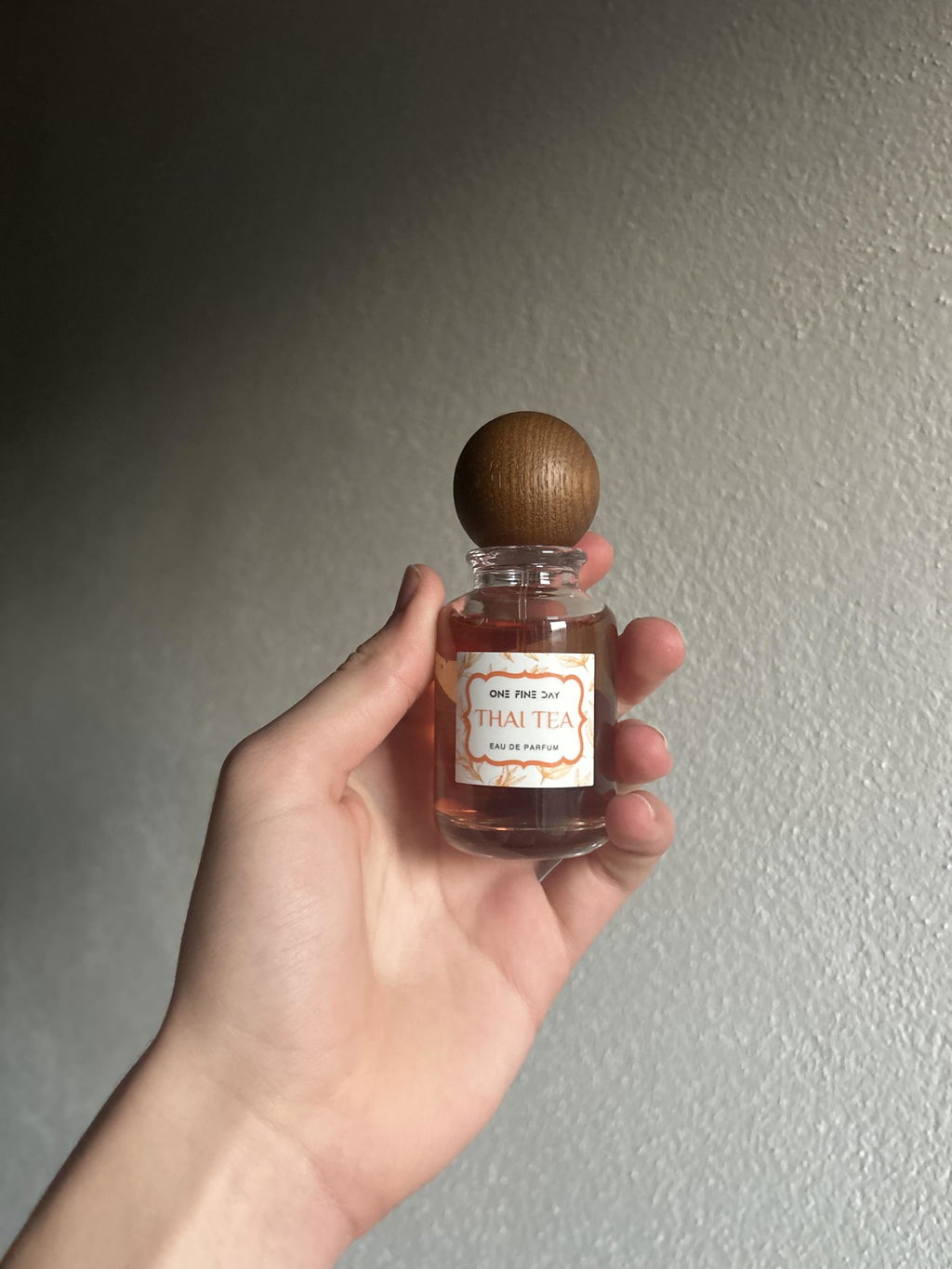
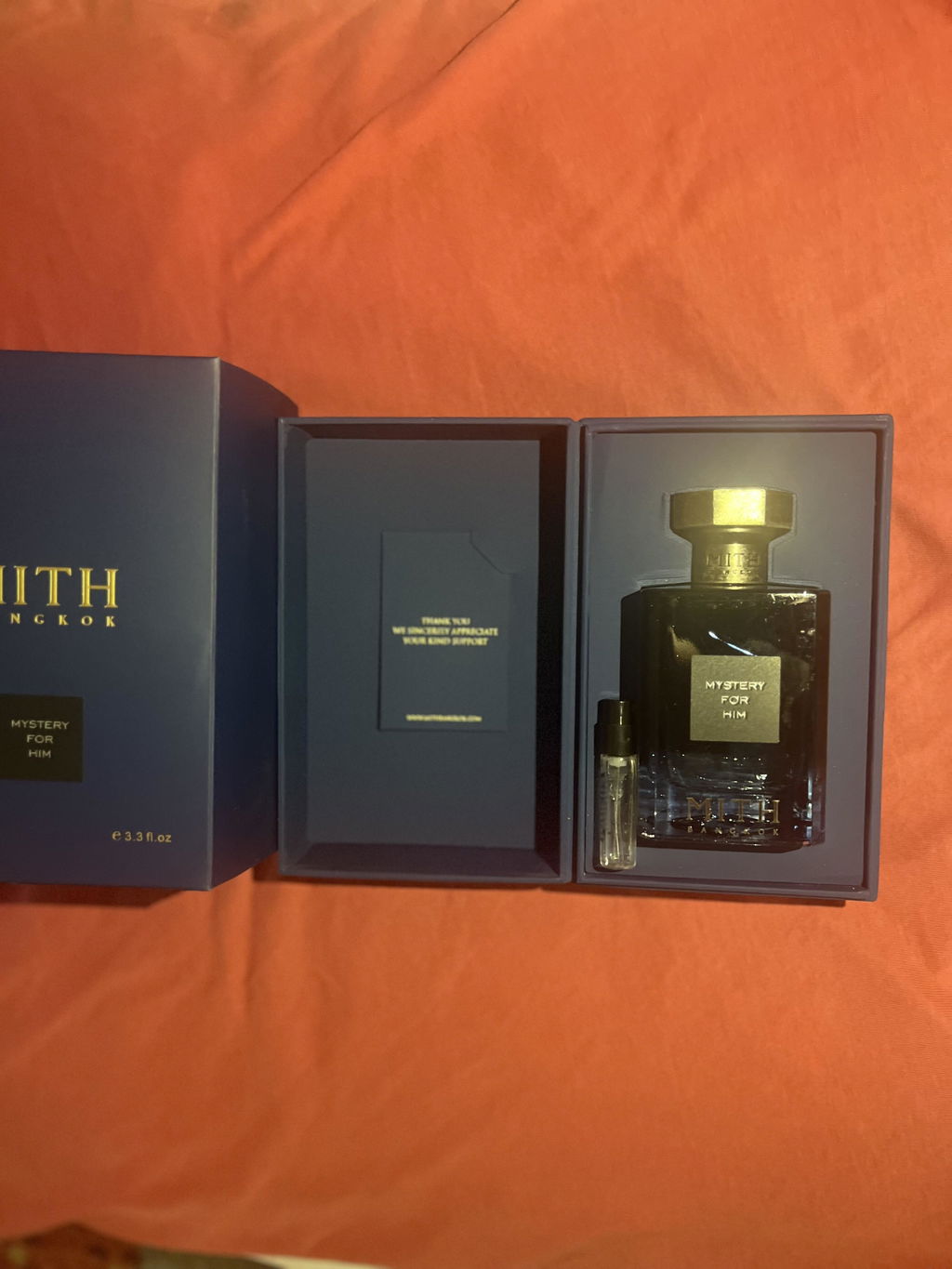
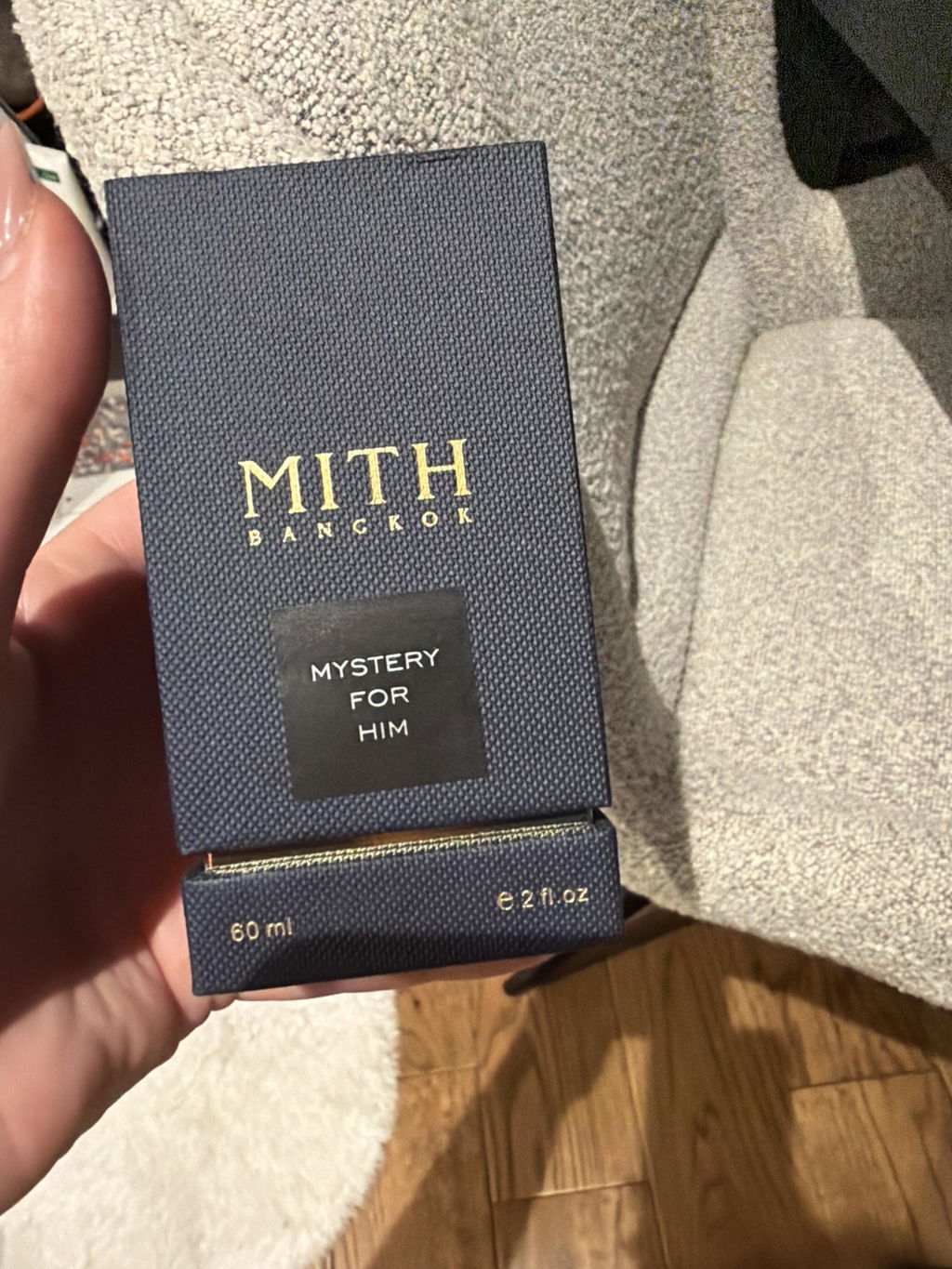
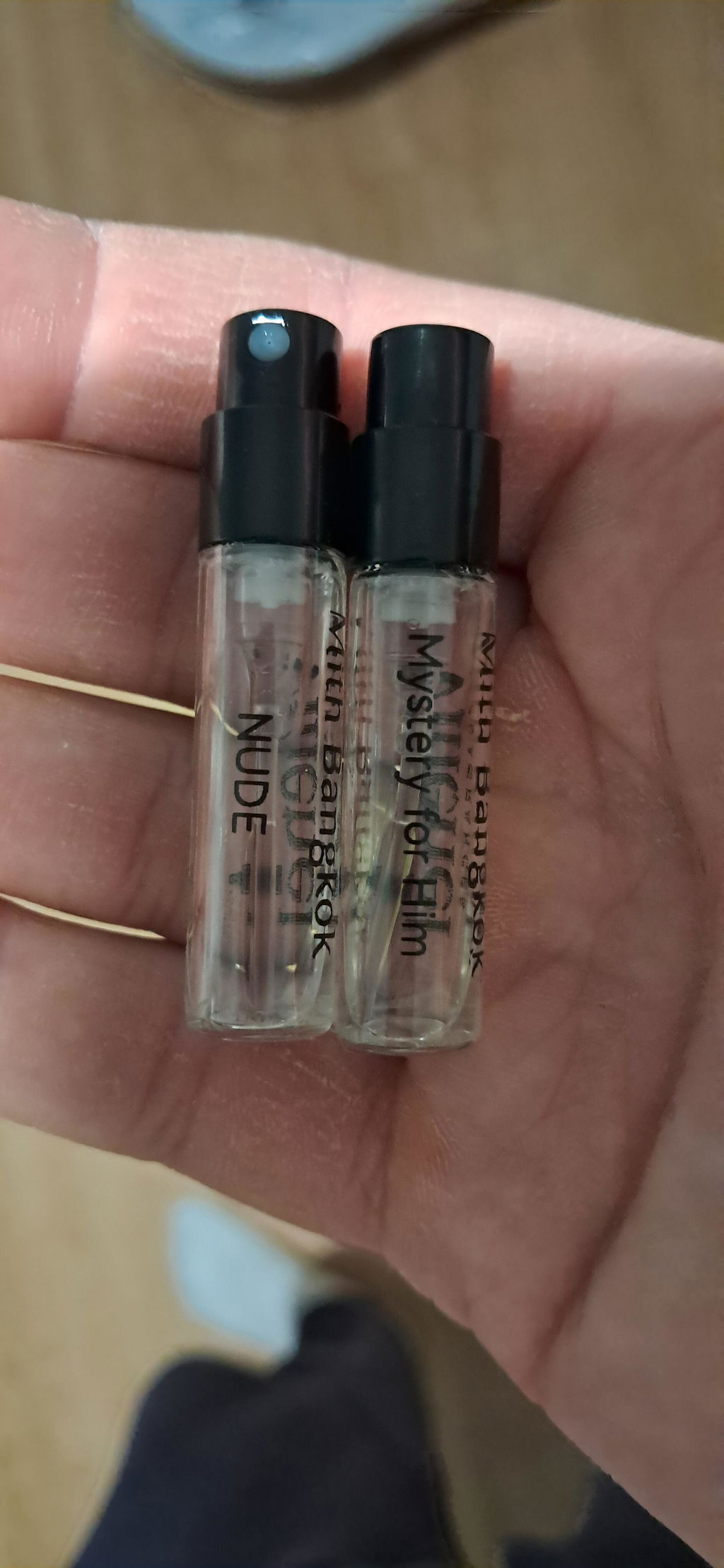
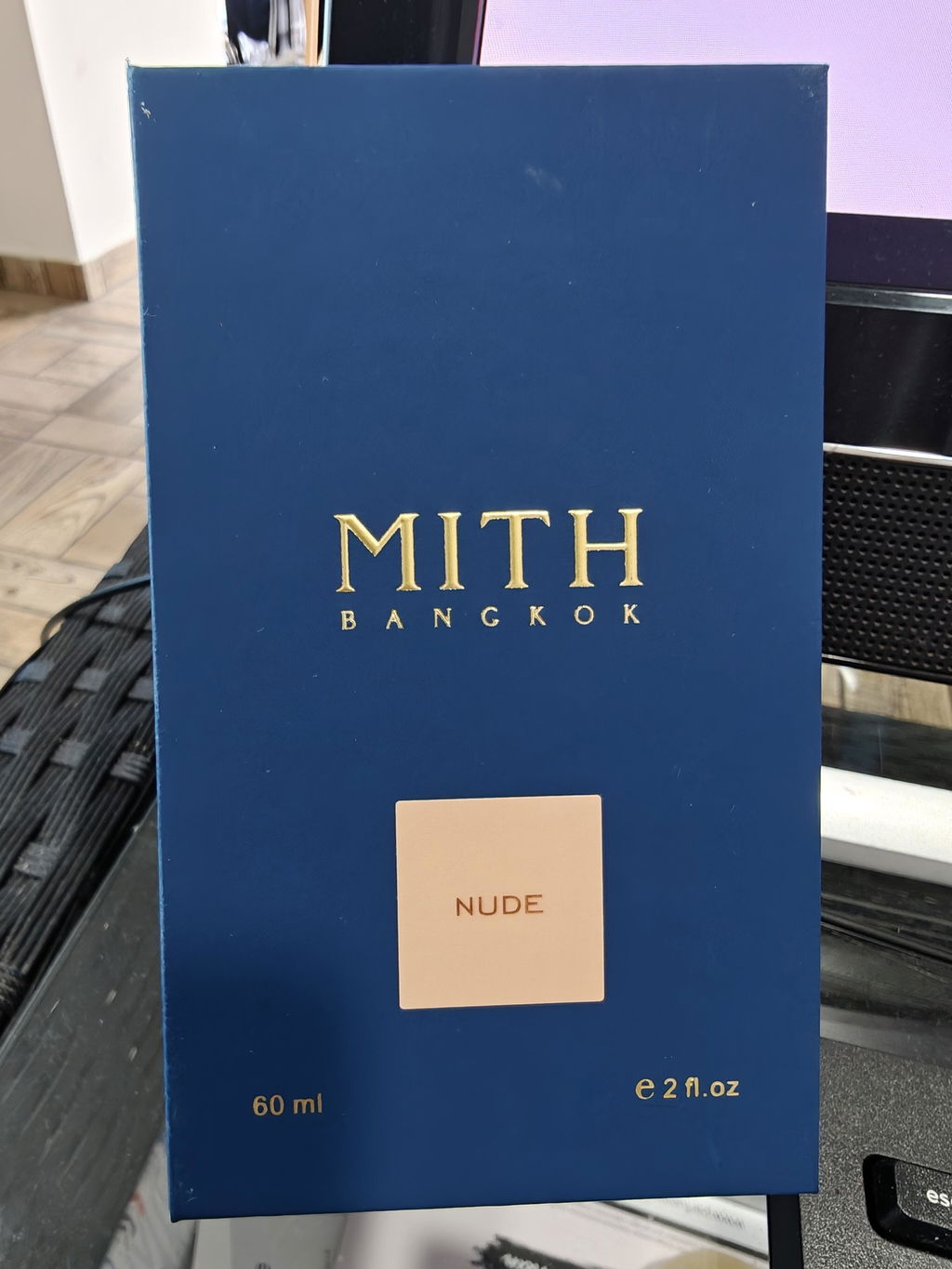
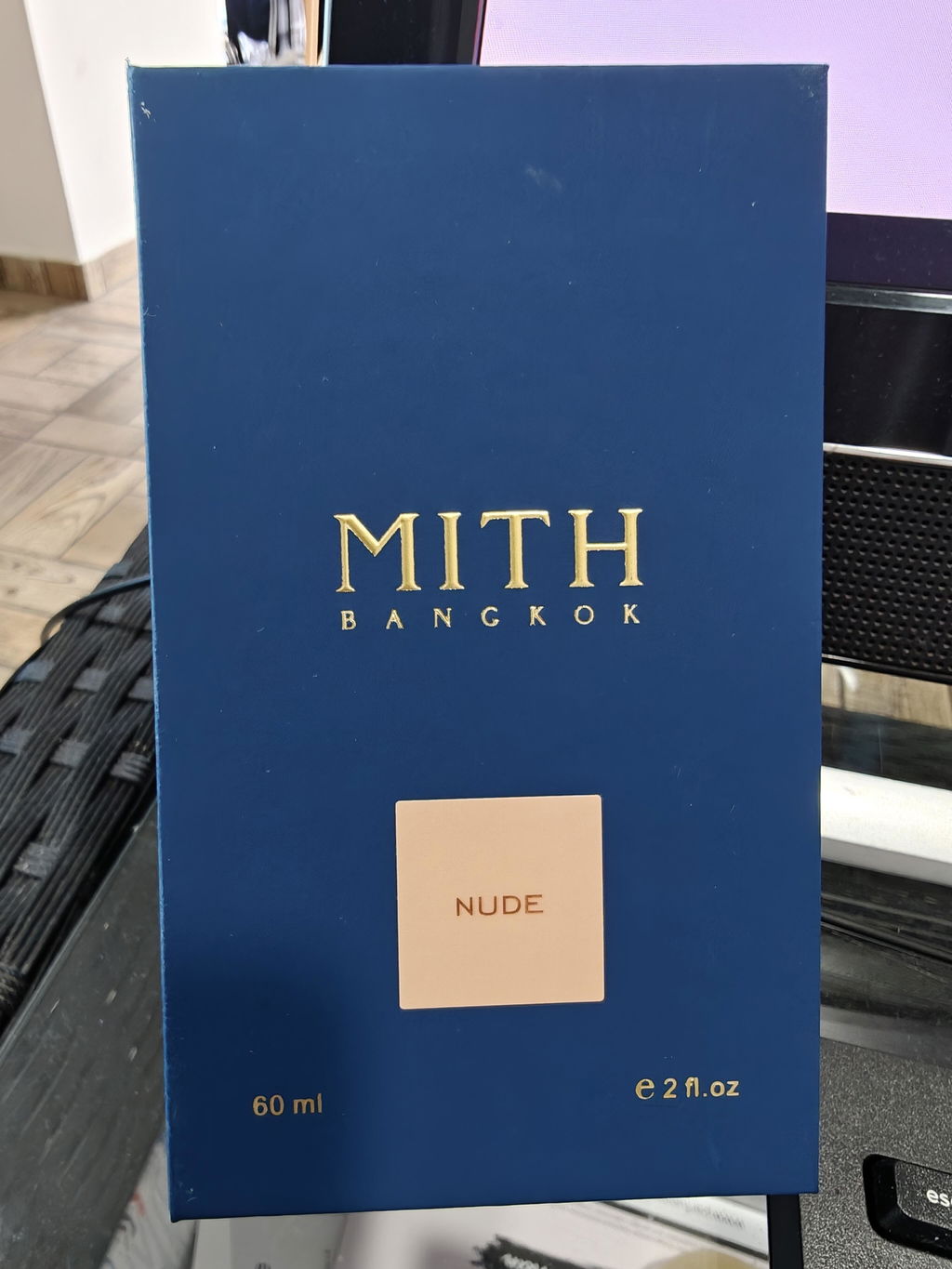
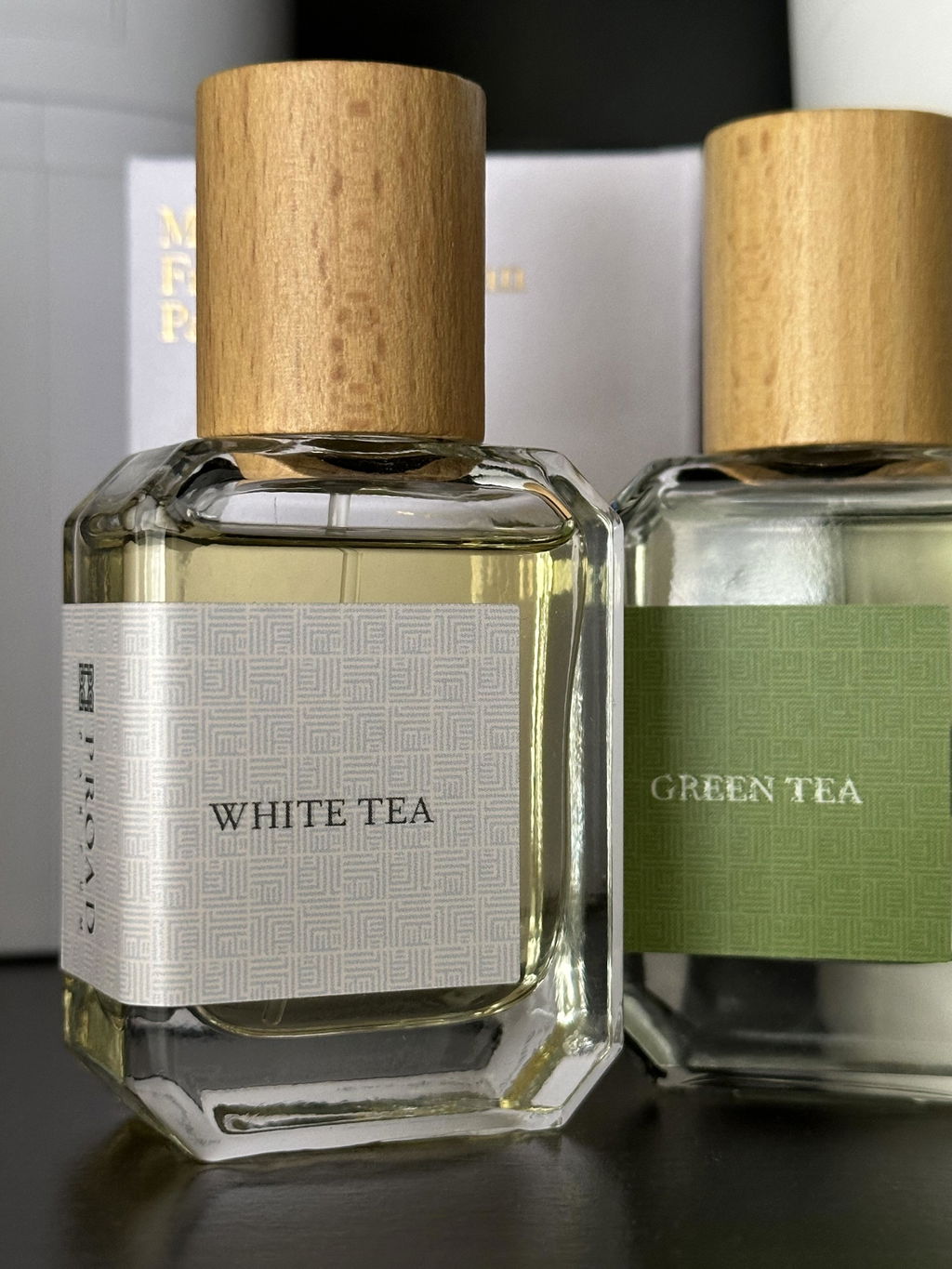
Thai fragrance houses are a particularly interesting example. They often bring a more vivid relationship to heat, florals, fruits, woods and texture, while presenting perfume in a way that feels modern rather than folkloric. The result can be highly polished yet unmistakably individual.
That matters for a customer who wants more than another variation on familiar Western luxury codes. It offers a new route into artistic perfumery - one that feels contemporary, expressive and less overexposed. For European shoppers, access has historically been the challenge rather than interest. This is precisely why selective curation has become so valuable.
How to recognise a brand with a genuine artistic identity
Packaging alone is not enough. Nor is a dramatic backstory. A genuine artistic identity usually appears across several layers of the brand.
First, there is coherence. The fragrances may differ in mood, but they belong to the same aesthetic universe. Secondly, there is restraint. Good brands do not need to explain everything at excessive length because the work carries its own confidence. Thirdly, there is risk. Not recklessness, but a willingness to leave the safest path and trust the wearer's taste.
It also helps to notice how a brand handles repetition. If every release leans on the same loud accord or fashionable note, the artistry may be thinner than it first appears. A more thoughtful house knows how to evolve while preserving its identity.
For buyers, that can make shopping more intuitive. Rather than chasing hype note by note, you begin to respond to a brand's sensibility. That is usually when perfume buying becomes more satisfying.
Wearing artistic perfume brands in real life
One misconception deserves retiring. Artistic perfume is not only for special occasions, gallery openings or people who speak in olfactory metaphors. Some of the most elegant artistic fragrances work beautifully for daily wear. The difference is that they tend to feel more specific on skin.
A mainstream office scent aims not to offend. An artistic one may still be perfectly polished, but perhaps it carries a sharper iris, a greener fig, a drier amber or a more tactile musk. It gives character without necessarily becoming loud.
That said, wearability depends on your setting. If you work in a conservative environment, a dense resinous extrait may not be your best Monday choice. If your social life leans creative and expressive, you may enjoy something more textured or unconventional. This is not a flaw in artistic perfumery. It is simply the reality of perfume having personality.
The same applies to gifting. Artistic brands can make memorable presents, but they reward a little thought. Buying for someone who loves style, design and subtle luxury is very different from buying for someone who wants a universally familiar scent profile.
Why curation matters more than quantity
A vast catalogue can be exciting, but it can also be noisy. In niche fragrance, more choice does not always lead to better choice. A carefully edited selection often serves the customer far better, especially when the houses on offer have a clear perspective and genuine creative merit.
This is where specialist retailers hold their value. A strong curation signals taste, not just stock. It suggests that each brand has been chosen for its place within a wider scent conversation - whether that means modern florals, atmospheric woods, conceptual compositions or houses with a strong cultural point of view.
For anyone looking to shop artistic perfume brands with more confidence, that editorial filter can make all the difference. At Villenel Fragrances, the focus on distinctive Thai and niche fragrance houses reflects exactly this kind of selection - not perfume for everyone, but perfume chosen with discernment.
A more personal way to buy fragrance
The lasting appeal of artistic perfume is simple. It makes fragrance feel personal again. Not personalised in the marketing sense, but personal in the deeper sense - tied to mood, memory, style and self-expression.
That may lead you towards clean compositions with quiet sophistication, or towards something more dramatic and shape-shifting. Either route is valid. The point is not to perform connoisseurship. It is to find scent that feels authored rather than manufactured for the broadest possible agreement.
If mainstream perfume has started to feel crowded, artistic perfumery offers a more interesting alternative: not louder, not necessarily stranger, just more considered. And once you begin to recognise that level of intention, it becomes very hard to settle for anything less.