A beautiful fragrance can feel perfectly composed at 9am and frustratingly faint by lunch. If you have ever wondered how to make perfume last longer, the answer is rarely more spray. Longevity usually comes down to formulation, skin condition, placement and a few small habits that change how a scent develops across the day.
In niche perfumery, this matters even more. Many artistic fragrances are designed with texture and movement rather than blunt force projection, so understanding wear can help you appreciate them properly instead of judging them too quickly. A perfume that sits close to the skin is not necessarily weak. Sometimes it is simply asking for better conditions.
How to make perfume last longer on skin
The first and most overlooked step is moisture. Perfume clings better to hydrated skin than to dry skin, which is why fragrance often disappears faster in winter, after a hot shower, or on naturally dehydrated areas such as the forearms. Applying an unscented body lotion before perfume gives the fragrance something to hold on to and slows evaporation.
If you enjoy a more considered ritual, layering within the same scent family can make a noticeable difference. A body lotion, hand cream or body oil in a compatible profile creates a soft base underneath the perfume rather than competing with it. Floral musks tend to sit well over clean skin creams, while woods, ambers and gourmands often wear beautifully over richer textures.
Timing also matters. Skin that is warm and freshly moisturised is ideal, but soaking wet skin is not. Apply fragrance once your lotion has settled and your skin is dry to the touch. This helps the perfume sit on the surface properly instead of diluting.
Where you spray changes everything
Pulse points are useful, but they are not the whole story. Wrists and neck remain classics because warmth helps diffuse scent, yet these areas are also exposed to washing, sunlight, collars and constant movement. If your perfume fades too quickly there, try adding less obvious points such as the chest, the back of the neck, behind the knees or the inner elbows.
Fabric can also hold scent longer than skin, especially with compositions built around woods, resins and musks. A light mist on a scarf, coat lining or jumper can extend the presence of a fragrance well beyond what skin alone can offer. That said, it depends on the perfume. Dark juices, oily formulas or particularly potent materials may mark delicate fabrics, so restraint is wiser than enthusiasm.
Hair is another effective carrier, but it deserves caution. Hair retains fragrance exceptionally well because of its texture, yet standard perfumes often contain enough alcohol to leave lengths feeling dry over time. The gentler approach is to mist your hairbrush once and brush through, or spray into the air and walk through the cloud rather than applying directly at close range.
Why your perfume may not actually be fading
A common mistake is assuming a fragrance has vanished when in fact your nose has simply adjusted to it. Olfactory fatigue happens quickly, especially with musks, ambroxan, clean woods and airy florals. You stop noticing the scent because your brain filters it out, but other people can still detect it.
Before deciding a perfume lacks staying power, test it more carefully. Spray it on the back of your neck or on clothing rather than directly under your nose. Then check again after a few hours. Better still, ask someone you trust whether they can still smell it. This is a more reliable measure than repeatedly sniffing your wrists every twenty minutes.
This distinction is particularly relevant in modern niche fragrance. Some perfumes are composed to radiate softly, creating a halo rather than a trail down the corridor. If you expect every scent to behave like a loud designer amber, you may miss the elegance of something more refined.
The formula matters more than the price
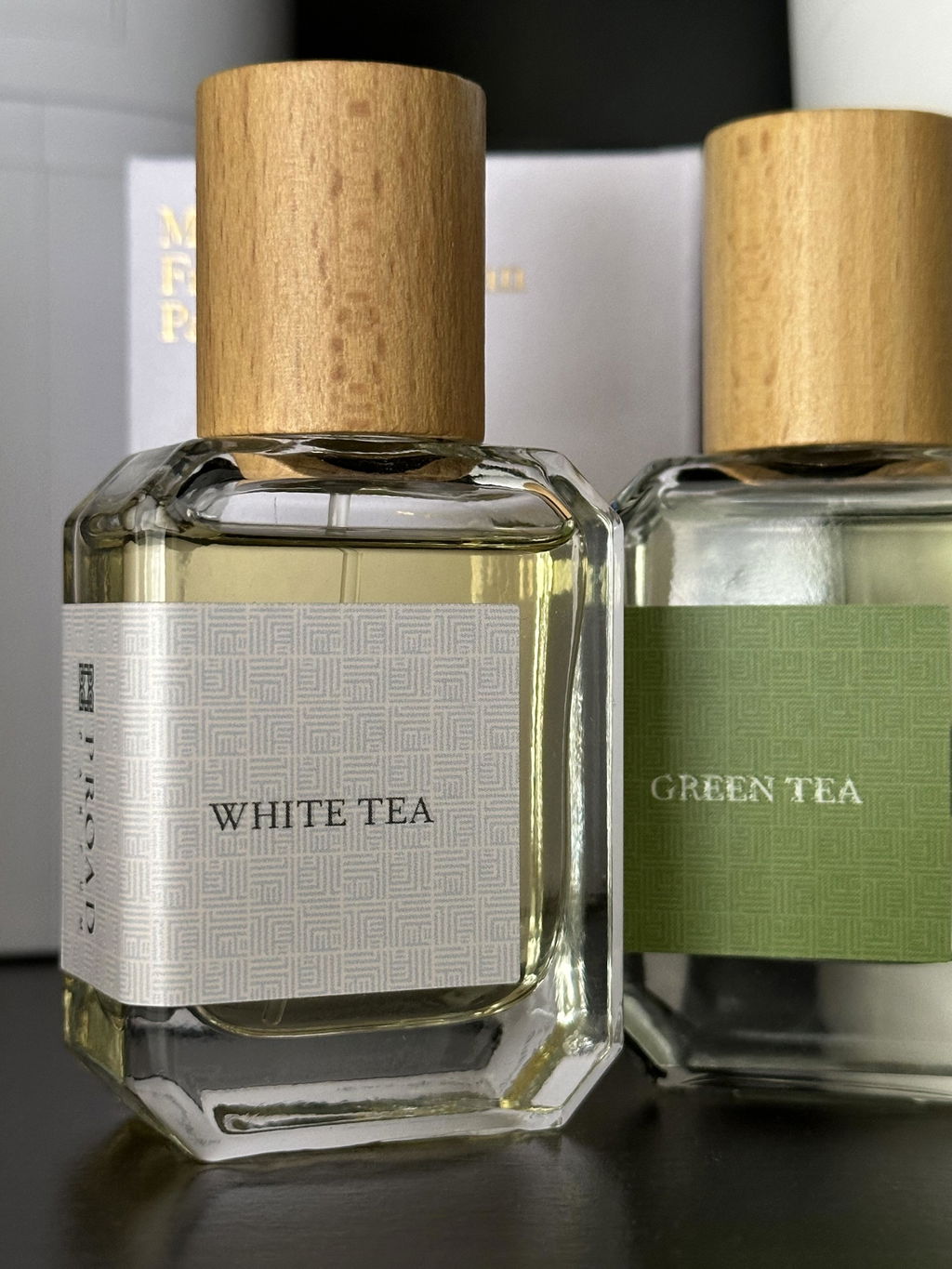
Not all perfumes are built for the same performance. Citrus-led eaux, green colognes and delicate tea notes tend to evaporate faster because the raw materials themselves are lighter and more volatile. By contrast, amber, vanilla, patchouli, oud, sandalwood and many musks usually persist for longer.
This is why one fragrance can feel eternal while another disappears by mid-afternoon, even if both are beautifully made. Longevity is not always a marker of quality. It is often just a reflection of composition. Freshness has a cost, and part of that cost is wear time.
Concentration can influence this too, though it is not a perfect rule. Extrait and eau de parfum concentrations often last longer than eau de toilette, but structure matters just as much as oil percentage. A sheer eau de parfum may still wear lightly, while a sharply constructed eau de toilette can surprise you.
If long wear is a priority, choose with intent. Look for notes with natural persistence and ask whether you want radiance, intimacy or endurance. These are related, but they are not identical.
Small application mistakes that shorten wear
Rubbing your wrists together is the classic habit to lose. It will not destroy a perfume completely, but it can disturb the opening and cause the top notes to burn off faster. A fragrance develops best when left alone.
Over-spraying can also backfire. It seems logical that more perfume should equal more longevity, yet too much fragrance in one place can become overwhelming at first and oddly flat later. A better strategy is distribution. Apply moderate sprays across two or three areas so the scent unfolds gradually.
Storage is another quiet culprit. Heat, direct sunlight and fluctuating temperatures can alter a perfume over time, making it smell thinner, sharper or less coherent. Keep bottles in a cool, dry cupboard rather than on a sunny dressing table or in a steamy bathroom. The bottle may look chic on display, but perfume prefers darkness.
How to make perfume last longer without making it louder
Many fragrance lovers want better longevity but do not want to announce their arrival from the lift. The good news is that lasting power and volume are not the same thing.
The most elegant approach is strategic layering. Start with moisturised skin, apply perfume to skin and one item of clothing, then top up only if needed later in the day. A travel spray is more useful than a heavy hand in the morning. This keeps the fragrance polished and controlled rather than dense.
You can also choose your placement according to the setting. For the office or daytime city wear, the chest and back of the neck create a close, refined aura. For evening, adding the wrists or clothing gives more lift. This is especially effective with distinctive niche scents that reveal different facets as body heat rises.
At Villenel Fragrances, this is often where the pleasure of a well-curated scent becomes most apparent - not in sheer loudness, but in the way it lingers with character.
When reapplication is simply the right answer
Sometimes the most sensible solution is to reapply. A sparkling neroli, transparent floral or citrus aromatic is not failing because it needs a refresh. It is behaving exactly as that style should. Expecting twelve hours from an airy composition is a bit like expecting silk to perform like leather.
If you know your perfume is delicate by nature, build reapplication into the day instead of fighting the formula. A small atomiser in your bag allows you to restore the top notes and enjoy the full arc of the scent again. This is especially useful before dinner, after commuting or ahead of an event.
Perfume should not feel like a test of endurance. The goal is not to force every fragrance into all-day intensity, but to help each one wear at its best.
The most lasting perfumes are not always the ones that shout the longest. Often, they are the ones applied with care, worn on well-prepared skin, and chosen with a clear sense of what kind of presence you want to leave behind.