A decade ago, many European fragrance buyers could name the usual niche capitals without hesitation, yet Bangkok rarely entered the conversation. That has changed. The most compelling Thai perfumer brand success stories are not built on novelty alone, but on something far more durable - clear aesthetic identity, disciplined composition, and a sophisticated understanding of how modern consumers want to wear scent.
For anyone who follows niche perfumery closely, Thailand’s rise feels less like a trend and more like a correction. These brands are proving that contemporary fragrance excellence is not confined to Paris, Milan or London. They are creating perfumes with polish, emotional intelligence and visual coherence, then pairing them with the kind of brand storytelling that makes people remember the house as much as the juice.
What Thai perfumer brand success stories reveal
The phrase Thai perfumer brand success stories can suggest a neat narrative of rapid ascent, but the reality is more interesting. Most successful Thai fragrance houses have not tried to imitate established European codes too closely. Instead, they have built brands that feel globally fluent while remaining specific in mood, styling and composition.
That balance matters. A house can lean too heavily on local identity and risk becoming decorative rather than desirable. It can also overcorrect and become anonymous, losing the character that made it worth discovering in the first place. The strongest Thai brands avoid both traps. They understand how to translate place, atmosphere and cultural confidence into fragrances that feel wearable in Berlin, Copenhagen or Paris without becoming generic.
Success in niche perfumery rarely comes from one factor. It is usually the convergence of scent quality, packaging, consistency and timing. Thai brands that are gaining traction have recognised that perfume buyers today are not only purchasing a smell. They are buying curation, point of view and belonging.
Why modern Thai fragrance brands are travelling well
There is a distinct sensibility running through many newer Thai houses. It is polished, image-aware and contemporary, but not cold. These brands often present fragrance as part of a wider lifestyle language - one that includes design, texture, mood and self-styling. That gives them a natural advantage with audiences who want more than a functional signature scent.
Packaging is one part of this. Bottles, campaign imagery and naming conventions often feel highly considered, with enough restraint to signal premium positioning. In niche retail, that visual coherence is not superficial. It prepares the customer for the olfactive experience and strengthens memory after the first wear.
The fragrances themselves also tend to reflect a modern wearing style. Rather than relying only on heavy statement formulas or overtly challenging structures, many Thai brands work in a space of elegance, smooth diffusion and emotional readability. That does not mean simplistic perfumery. It means understanding that a scent can be distinctive without becoming difficult.
For the European niche customer, this is a persuasive combination. There is artistry, but there is also ease. There is personality, but not unnecessary excess.
The anatomy of successful Thai perfumer brands
If you look closely at the houses that have moved beyond curiosity status, a few patterns become clear.
First, they tend to build around a recognisable brand world rather than isolated hero launches. A one-off viral fragrance may generate attention, but sustained success comes from coherence across the collection. When each release feels connected to a broader creative direction, customers are more likely to explore the house in depth.
Second, they know how to edit. In fragrance, restraint can be a sign of confidence. Too many launches too quickly can blur identity, especially for younger brands. The Thai houses earning long-term interest often release with intention, creating ranges that feel curated rather than crowded.
Third, they respect the customer’s intelligence. Niche consumers are alert to empty storytelling. If the narrative is lavish but the composition feels thin, the brand loses credibility fast. The most admired Thai perfume houses support their visuals with formulas that justify attention on skin, not only on social media.
Finally, they understand the role of accessibility within a premium framework. This is not about lowering standards. It is about creating fragrances that invite repeat wear, gifting and collection-building. A scent can still be refined and art-led while remaining easy to reach for on a Tuesday morning.
MITH, PROAD and PRANN as signs of a wider shift
Among the most visible Thai perfumer brand success stories are houses that have shown how different interpretations of Thai fragrance identity can all work, provided the execution is exact.
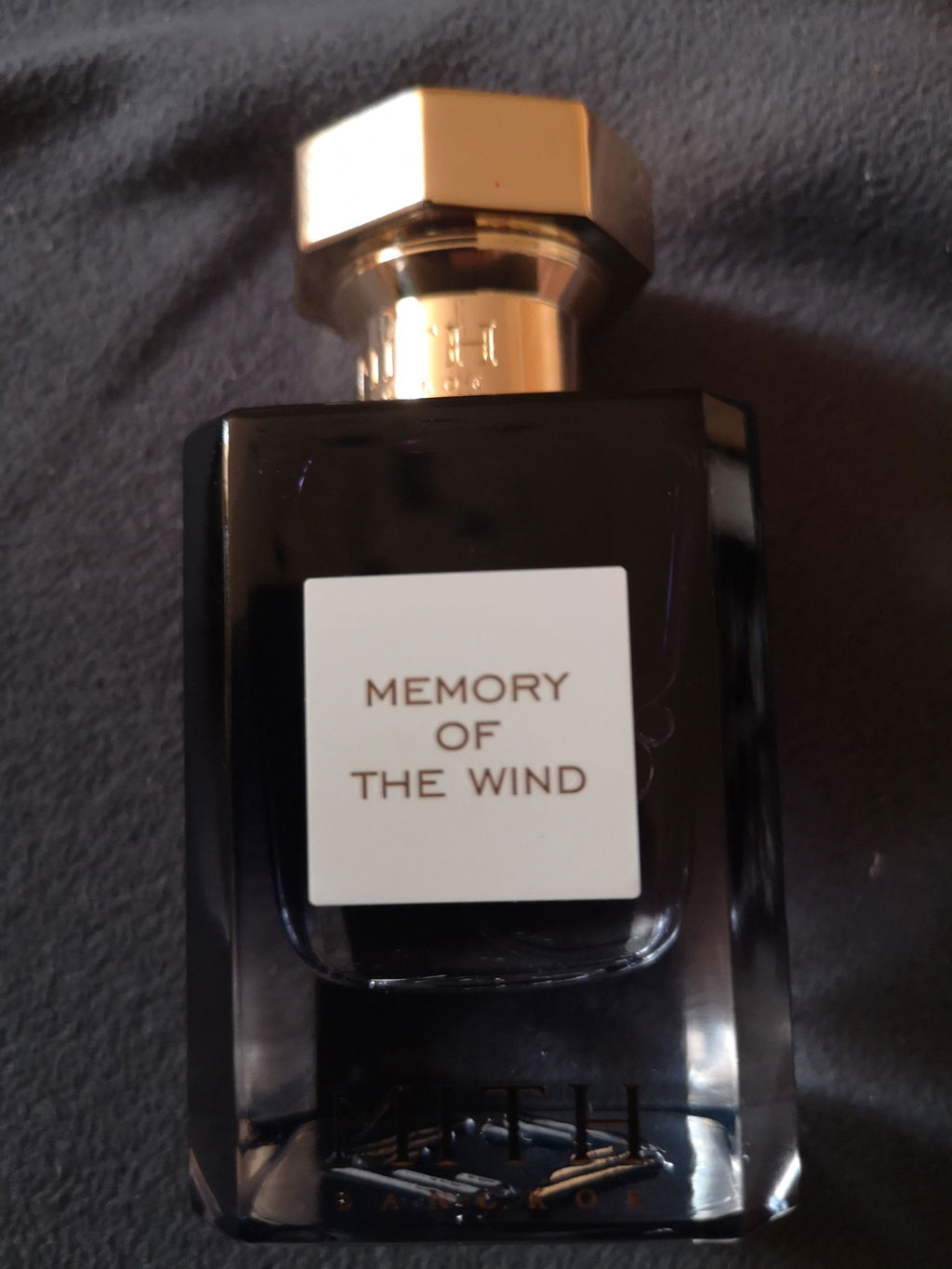
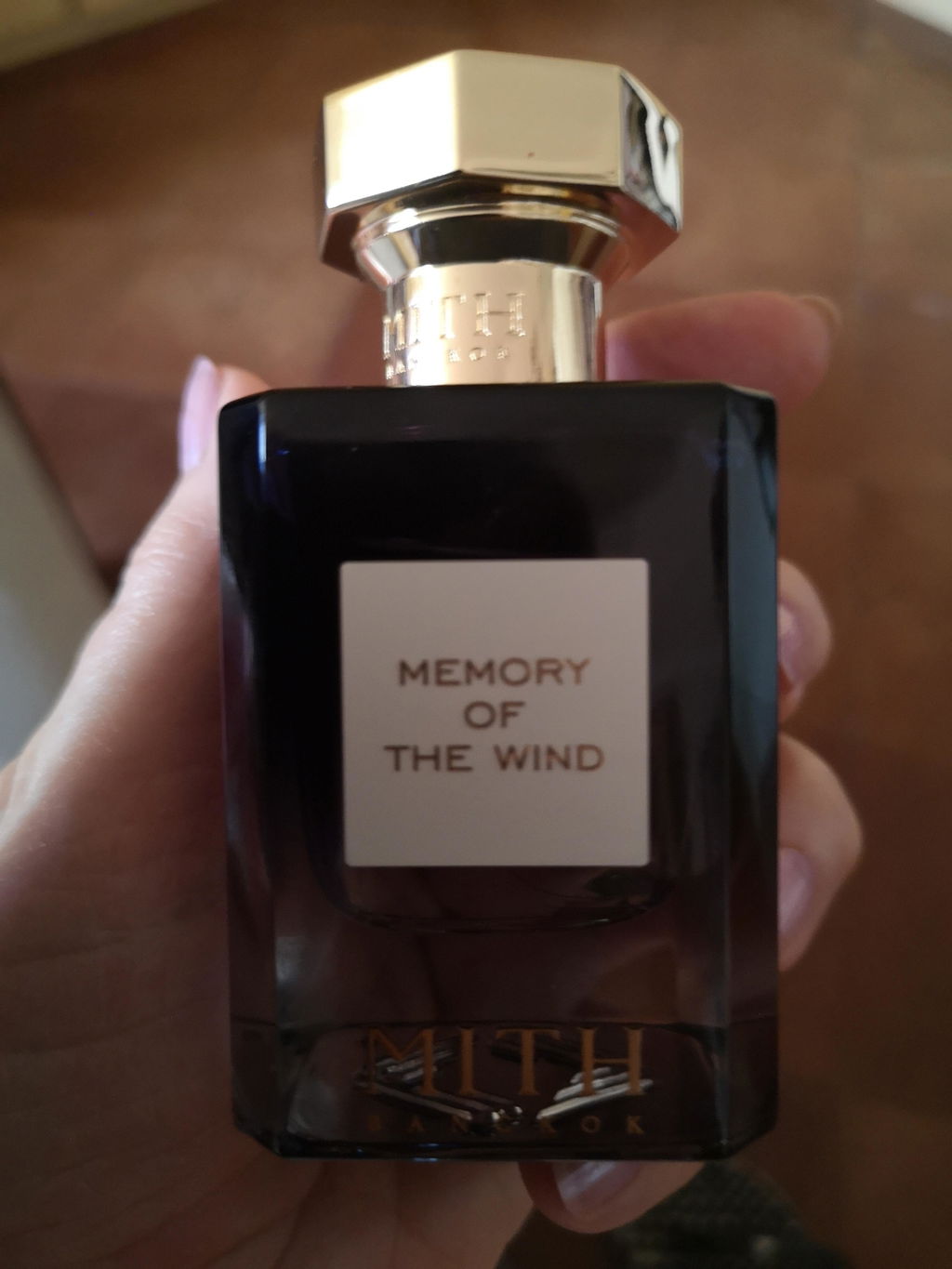
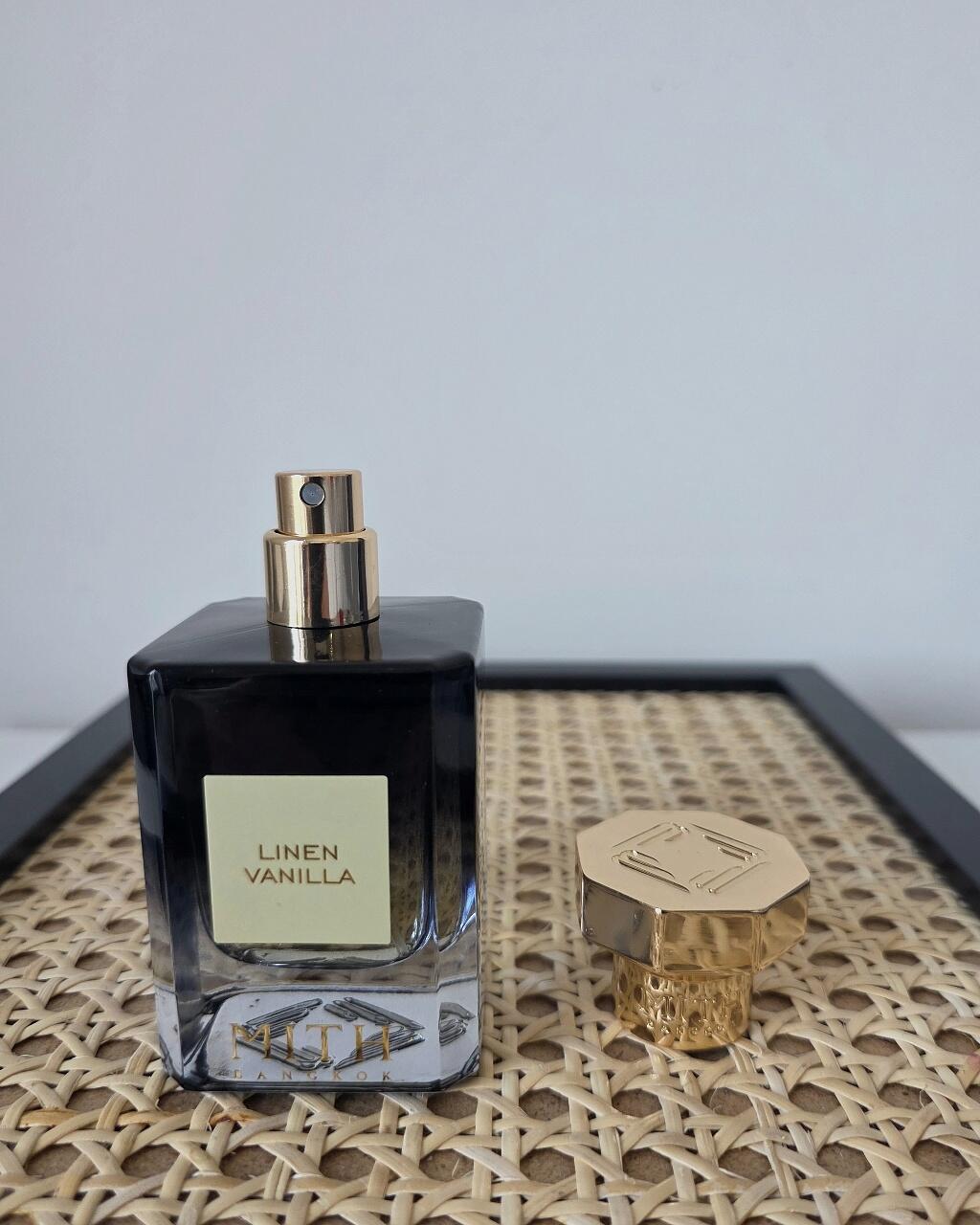
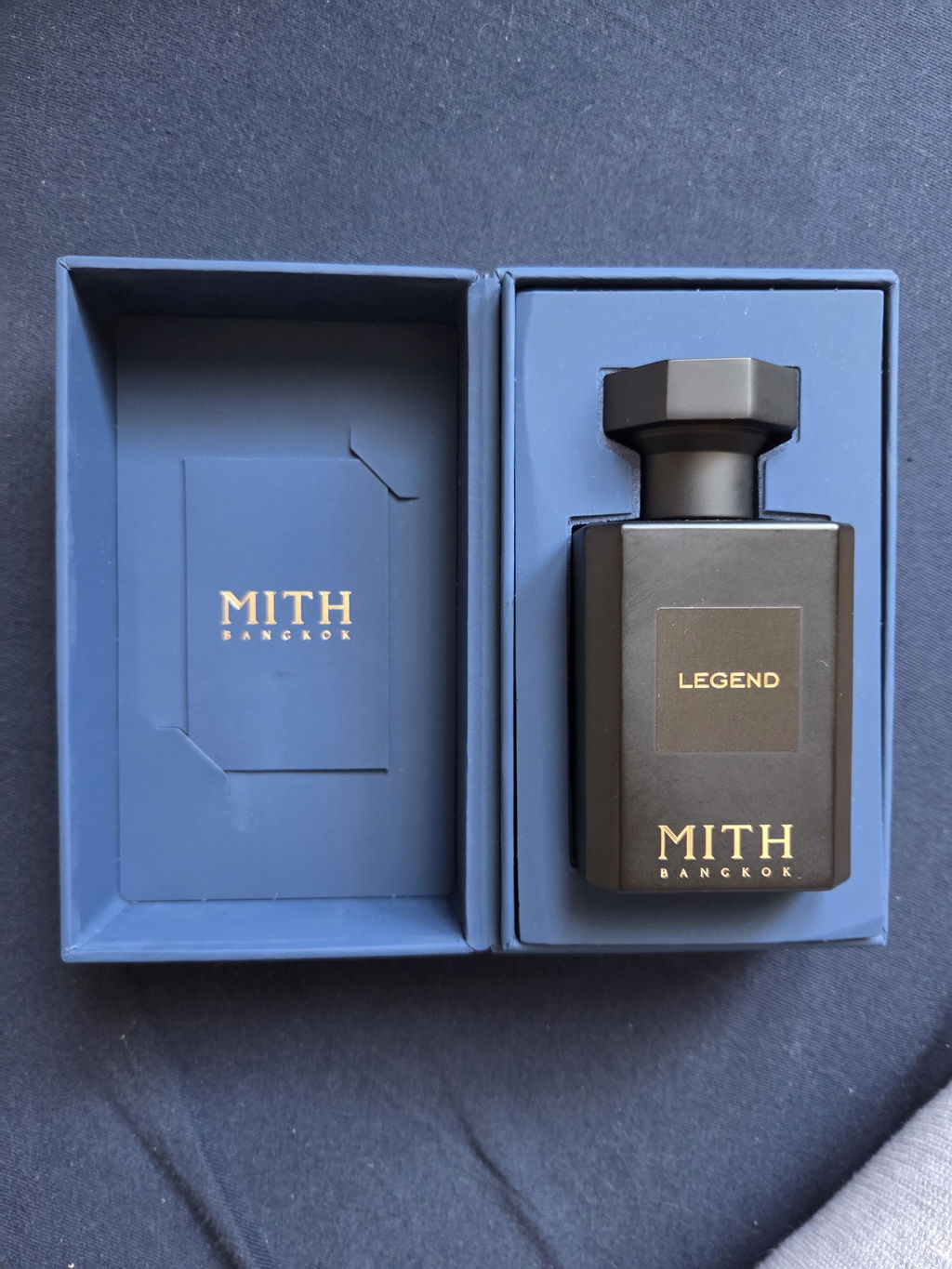
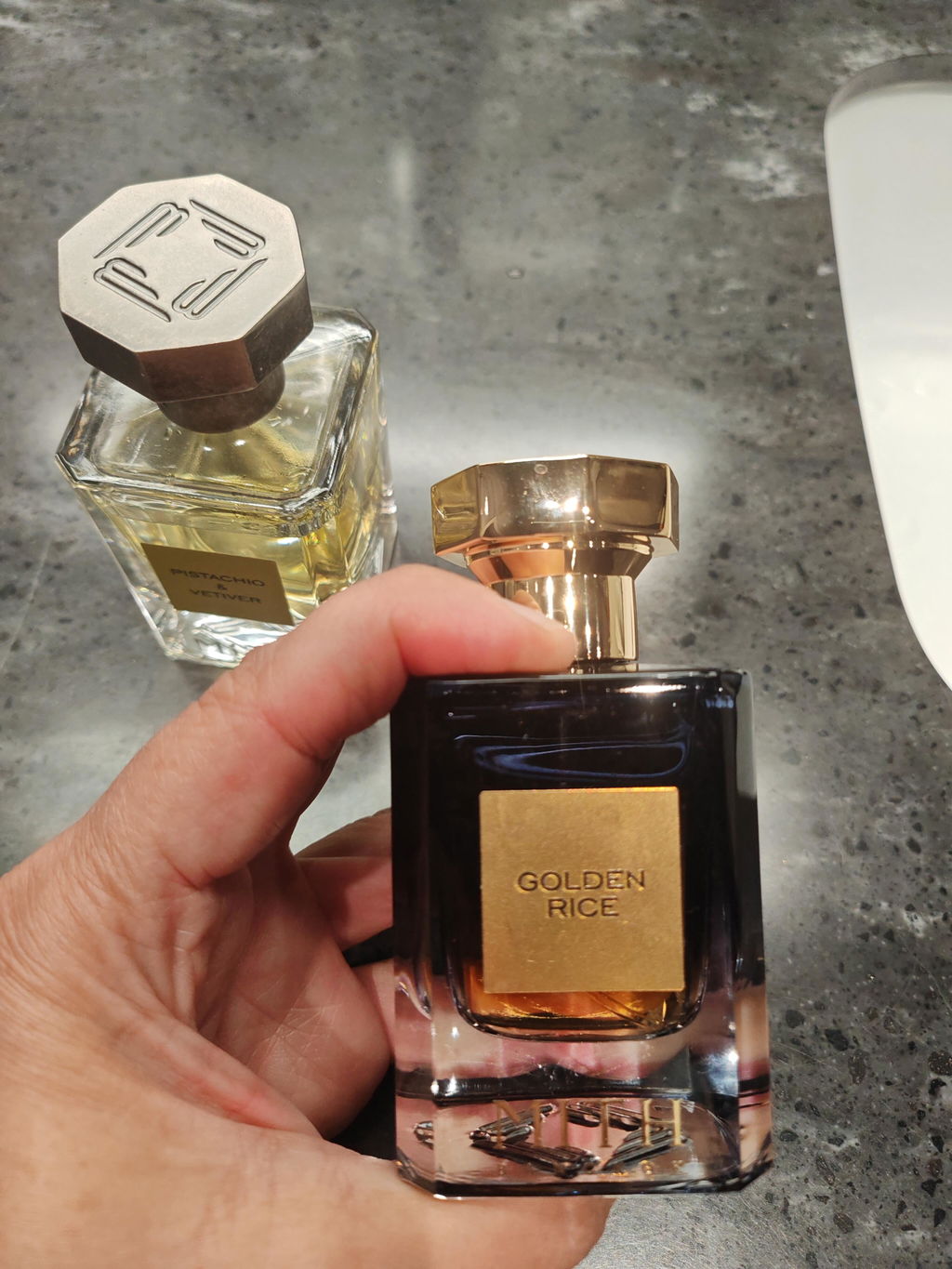
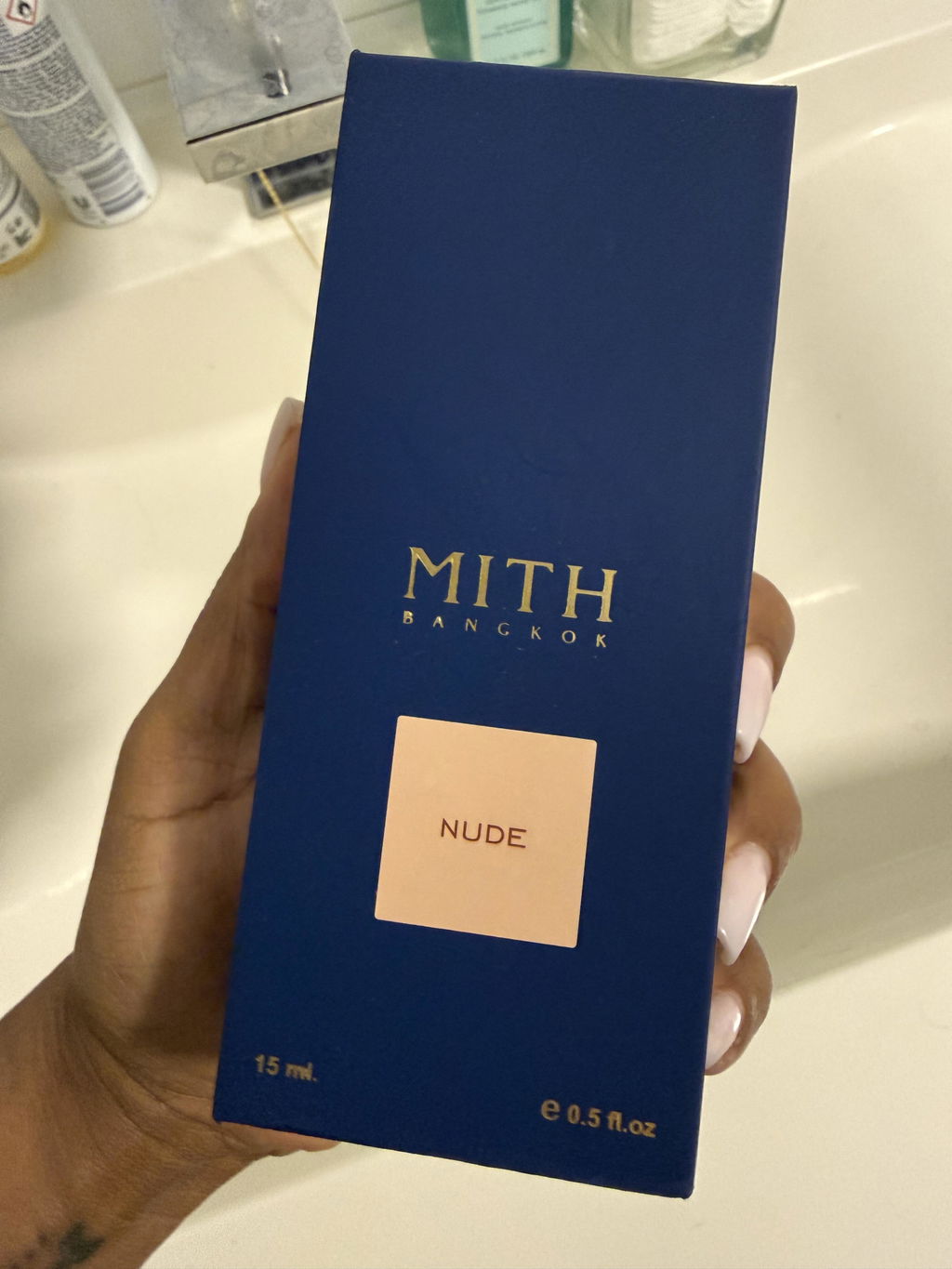
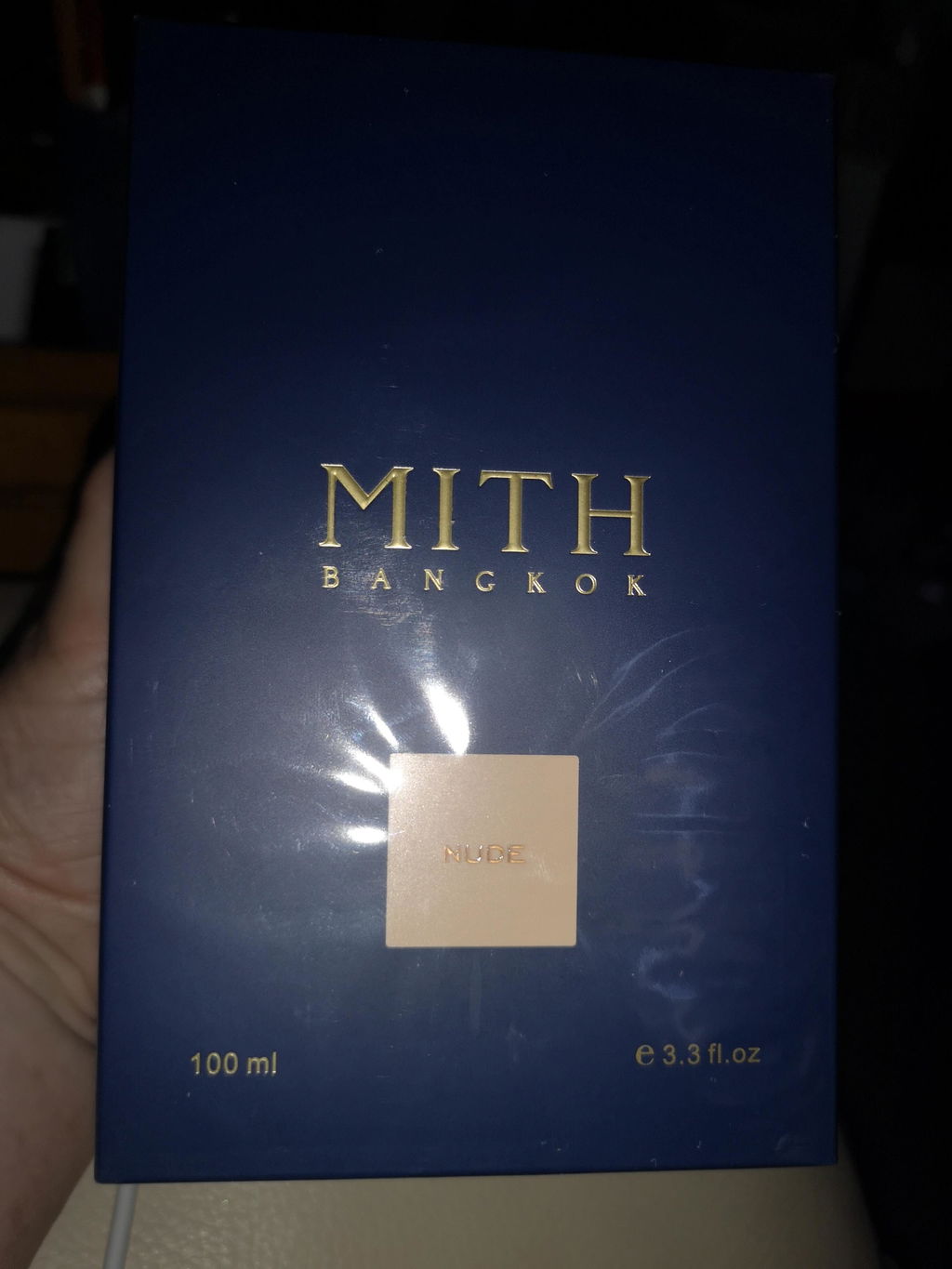
MITH Bangkok has drawn attention through a modern, style-conscious approach that feels immediately legible to contemporary niche consumers. There is a sharp understanding of branding here, but also an appreciation of wearability. That combination matters because customers often discover a brand through visual appeal yet stay for the scent itself. When presentation and perfumery move in step, the house becomes easier to trust.
PROAD Perfume speaks to another route to success: concept-driven perfumery with compositional clarity. The appeal of this kind of house lies in the way it transforms idea into atmosphere. A customer may first respond to the concept, but the fragrance has to hold its own once the bottle is in hand. That translation from story to skin is where serious niche brands separate themselves from mood-board brands.
PRANN Perfume demonstrates the continued value of a softer, more sensorial form of luxury. Not every successful fragrance brand needs to be loud or visually aggressive. Some of the most memorable houses build loyalty through finesse, comfort and textural beauty. In a market crowded with attention-seeking launches, subtle confidence can be commercially powerful.
These examples matter not because they are identical, but because they show the breadth of what Thai perfumery can be. There is no single formula for success. What unites them is clarity of authorship.
Why distribution shapes success as much as scent
A brilliant fragrance can still remain marginal if customers cannot access it with confidence. This is one of the less glamorous but decisive parts of brand growth. For Thai perfume houses entering European markets, trusted distribution is not a technical detail. It is part of brand perception.
Niche consumers are willing to seek out less common names, but they still want reassurance around authenticity, delivery, presentation and aftercare. When a brand is difficult to source, discovery can quickly turn into hesitation. On the other hand, when access feels reliable and curated, the customer is far more likely to sample, gift and repurchase.
This is where specialist retail matters. A selective stockist does more than move units. It frames the brand, places it among relevant peers and helps customers understand why the house deserves attention. For emerging fragrance regions, that curatorial context can accelerate trust far more effectively than broad, undifferentiated exposure.
The trade-offs behind fast visibility
Not every growth signal should be treated as proof of lasting success. Social buzz helps, but it can flatten nuance. A fragrance that photographs beautifully may travel quickly online, yet if the performance or structure disappoints, early momentum fades.
There is also a broader strategic question for Thai brands as they scale. The qualities that make a house exciting at launch - specificity, intimacy, a strong founder voice - can weaken if expansion becomes too aggressive. Wider distribution increases recognition, but it can also pressure brands into safer releases. That tension is not unique to Thailand, though it is especially relevant for houses built on distinct creative identity.
The strongest brands manage growth without sanding away their edges. They broaden the audience while keeping the internal standard high. That is harder than it sounds, particularly in a category where repetition is punished and inconsistency is remembered.
What European fragrance buyers are responding to
There is a reason these brands are finding resonance beyond their home market. European niche customers are tired of formulaic luxury language and predictable scent profiles presented as exclusivity. They want something with character, but they do not necessarily want theatrical excess.
Thai brands are entering this space with an appealing proposition: fragrances that feel expressive, visually refined and culturally self-assured. They often offer a freshness of perspective that more established markets struggle to deliver. The excitement lies not only in unfamiliarity, but in the sense that these houses are speaking in a current voice.
For buyers who care about curation, this is precisely the point. Discovery is most rewarding when it leads to a house with staying power, not just a passing novelty. That is why the most convincing Thai perfume success stories deserve attention. They represent a maturing segment of niche perfumery with the discipline to endure.
Villenel Fragrances has helped bring some of these names into clearer view for EU customers, but the broader story is bigger than any single retailer. Thai perfumery is establishing itself because the work is strong enough to travel.
The most exciting thing about these brands is not that they come from somewhere newly noticed. It is that they are giving fragrance lovers a sharper answer to a familiar question: what actually feels new now?