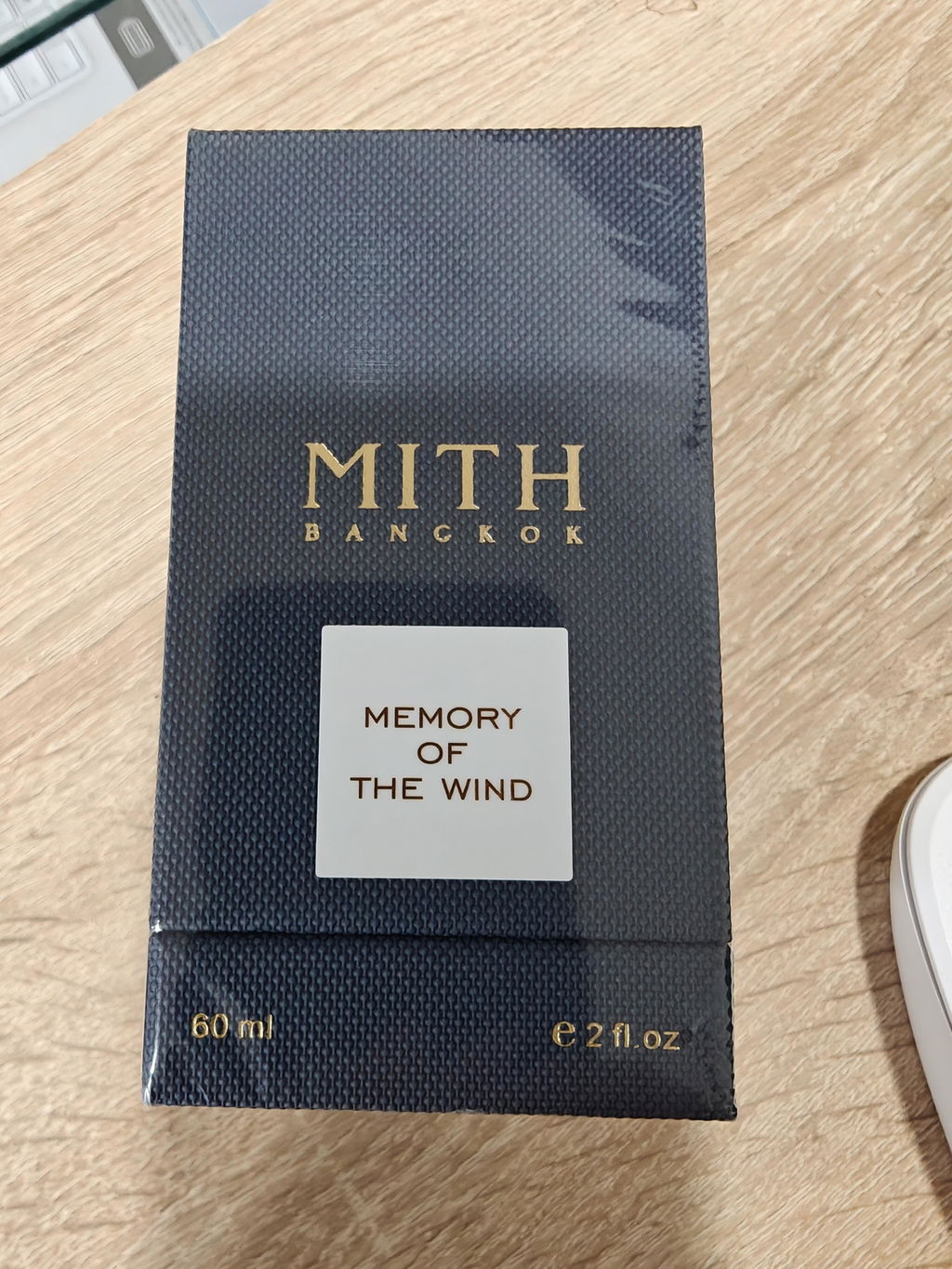
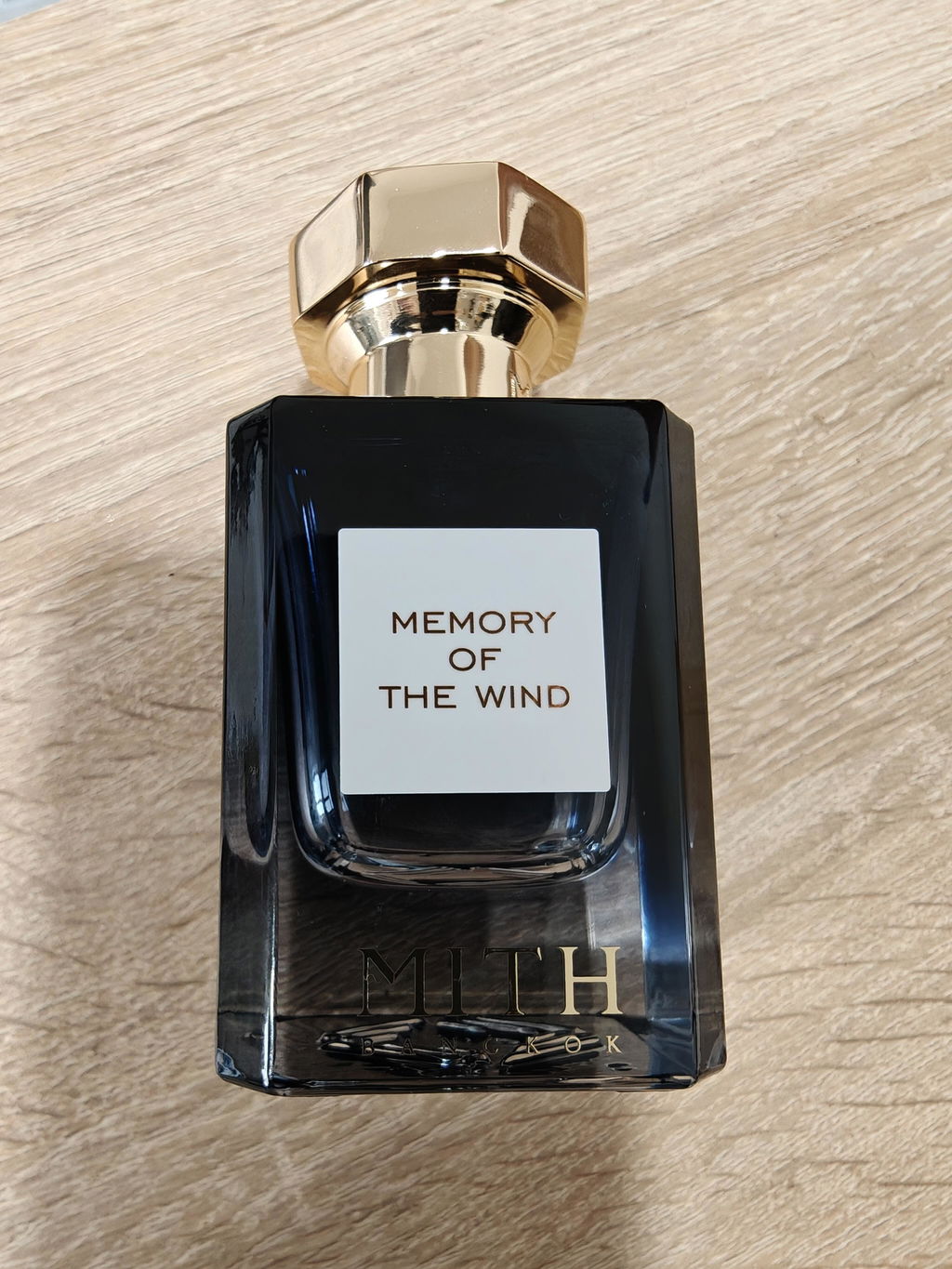
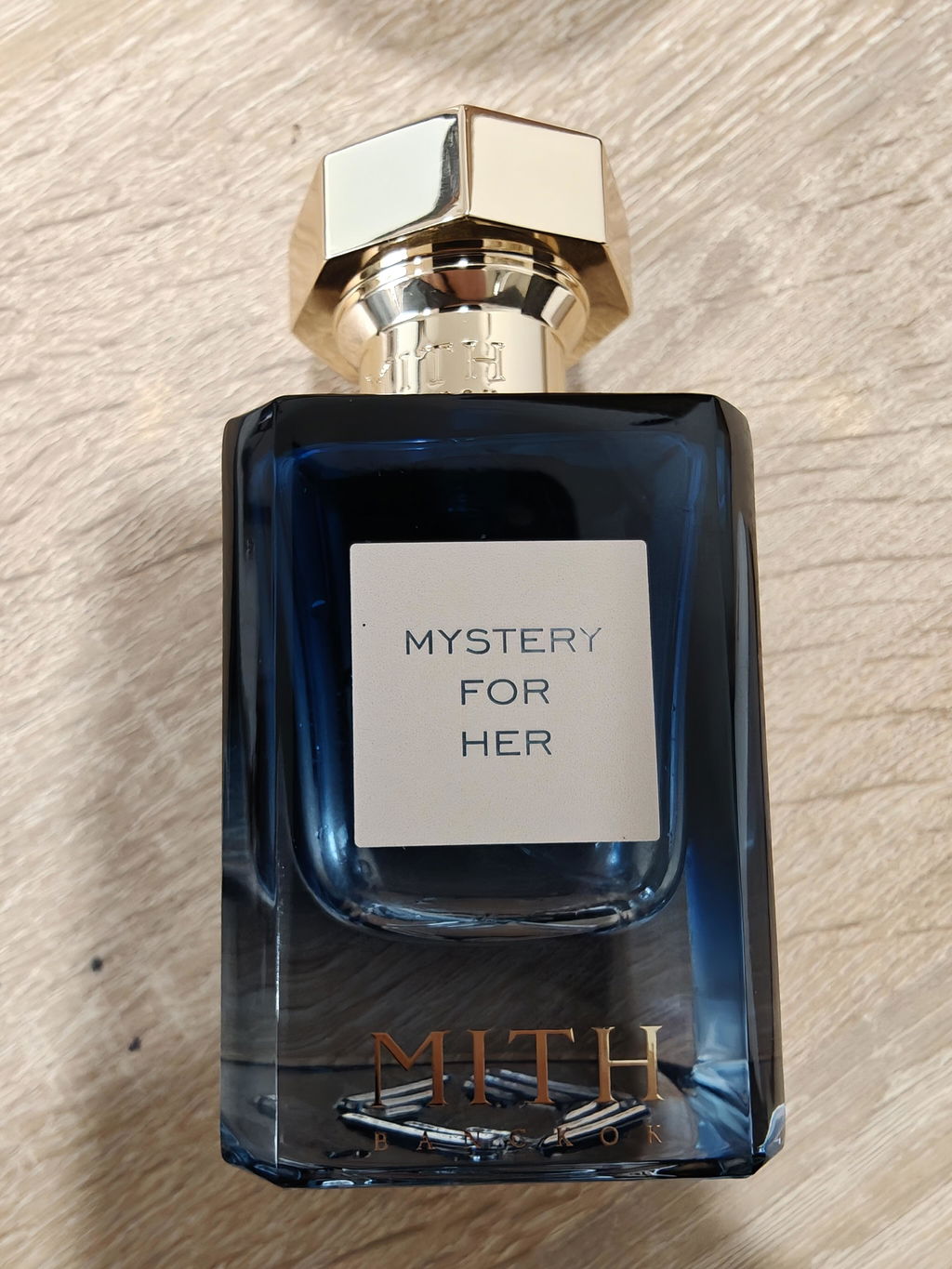
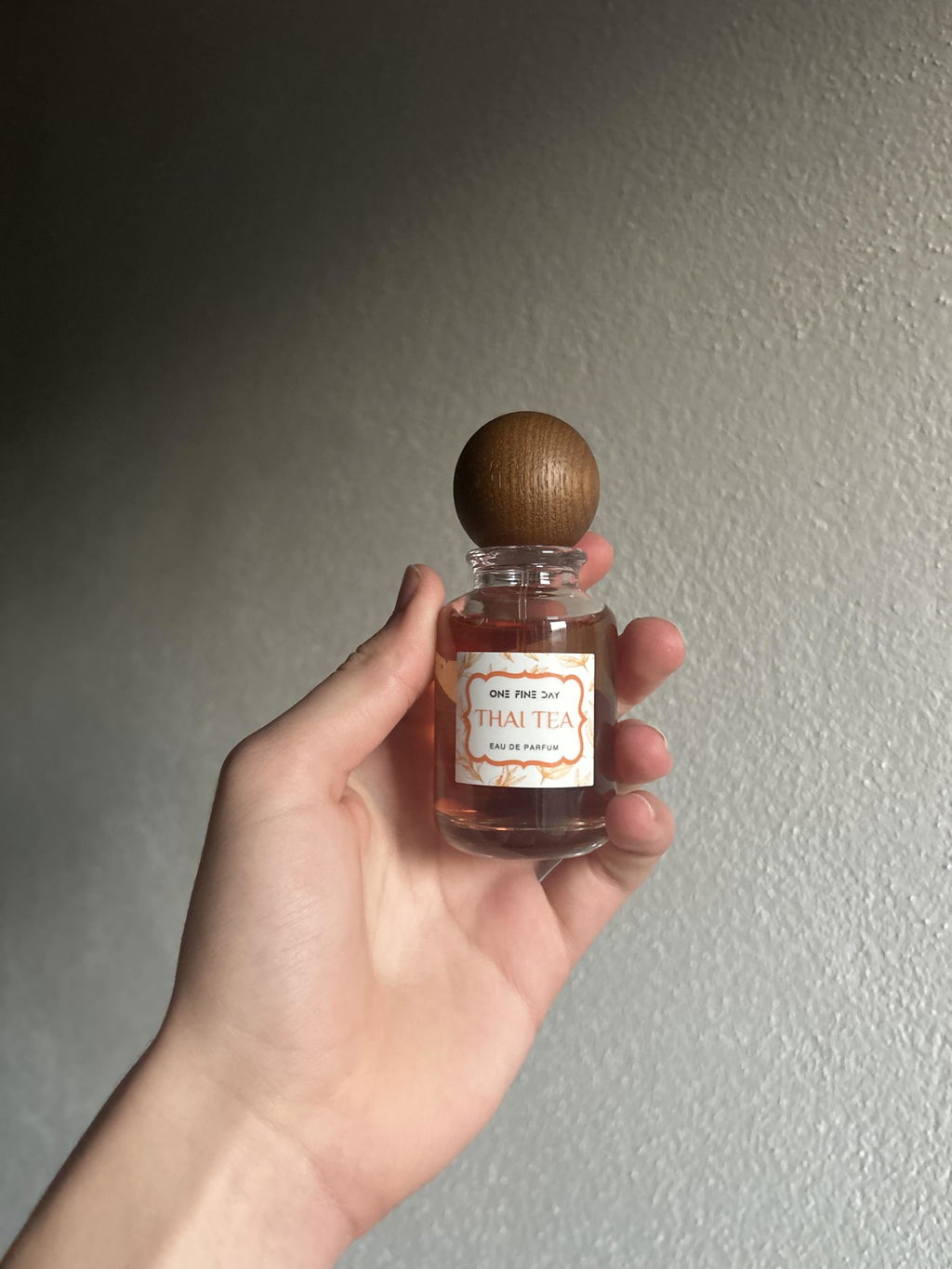
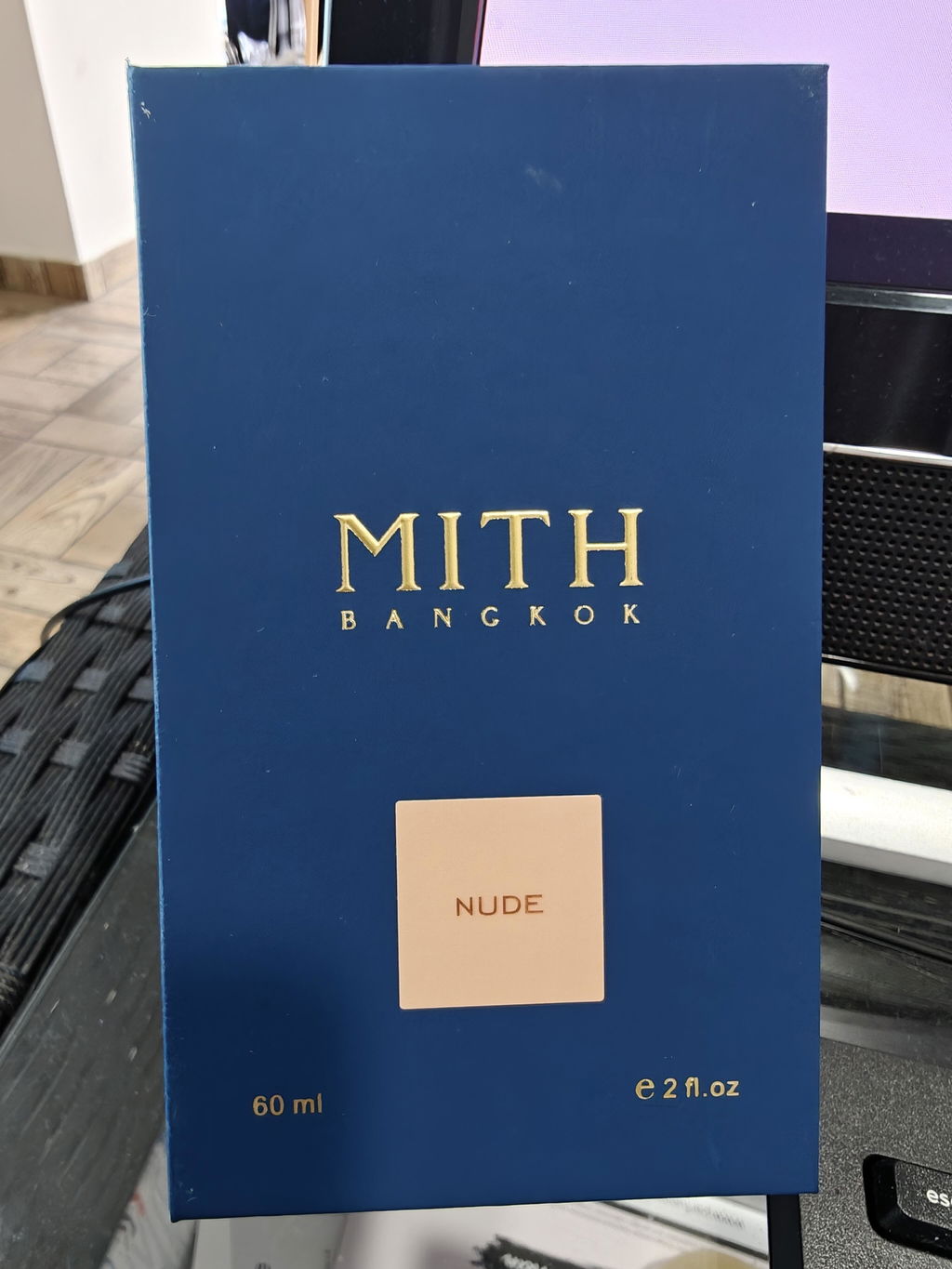
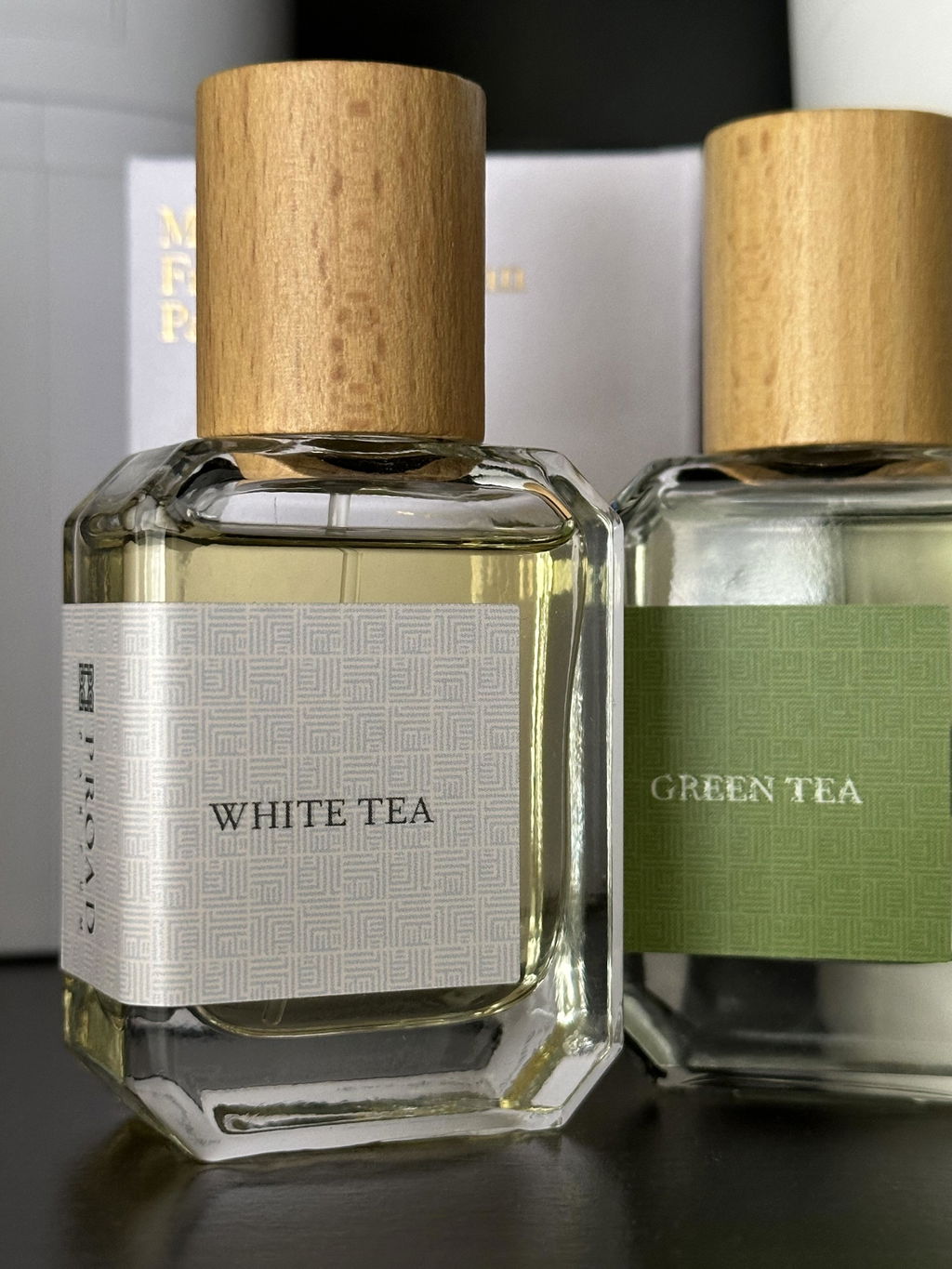
A perfume wardrobe can date surprisingly fast. Not because quality fades, but because the mood of fragrance shifts - sometimes quietly, sometimes all at once. The most interesting niche fragrance trends 2026 are moving away from obvious statement-making and towards something more textured: scent with character, but also with intimacy, polish and a sharper sense of place.
That shift matters if you are already selective about what earns space on your shelf. In niche perfumery, trends are rarely about copying a bestseller note for note. They show up in materials, in structure, in the way a fragrance wears on skin, and in the stories brands choose to tell. For 2026, the direction feels more confident and more edited. There is still creativity, but less noise.
Niche fragrance trends 2026 are getting more intimate
For several years, niche perfume leaned heavily into projection, density and instant impact. Those styles are not disappearing, but they are no longer the only marker of luxury. One of the clearest niche fragrance trends 2026 is the rise of intimacy - fragrances that sit closer to the skin, unfold in layers and reward attention rather than demand it.
This does not mean bland or minimal in a forgettable way. It means musks with warmth instead of laundry sharpness, woods that feel creamy rather than aggressively smoky, and florals softened by skin-like facets. These perfumes still feel composed and distinctive, but they leave room for the wearer. The effect is less about announcing yourself across a room and more about being remembered at close range.
For collectors, this creates an interesting trade-off. A quieter perfume can feel more modern and more versatile, especially for work, travel and evenings where overt sweetness or power would feel misplaced. But intimacy also asks more from the composition. If a scent sits closer, every detail has to be beautiful.
Tropical ingredients are becoming more refined
One of the more compelling developments for 2026 is the way tropical references are being handled. In mainstream perfumery, tropical often slips into predictably juicy territory - bright fruits, suntan lotion effects, sugary florals. Niche houses are taking a more sophisticated route.
Expect mango, coconut, pandan, banana leaf, tamarind and tropical white florals to appear in more polished structures. Instead of smelling like a cocktail, these notes are being balanced with tea, woods, spices, incense and mineral accords. The result is atmospheric rather than literal.
This matters because it opens the door to a broader scent geography. Fragrance lovers are increasingly drawn to brands that express a genuine cultural point of view rather than a generic luxury aesthetic. Thai perfumery in particular has a natural place in this movement, offering colour, sensuality and ingredient stories that feel fresh in a European market still overly reliant on familiar French and Italian codes. When tropical notes are handled with restraint, they feel modern, not gimmicky.
Green humidity over crisp cleanliness
Alongside this, there is a move towards what could be called green humidity. Think wet leaves, steamed rice nuances, airy florals, soft herbs and woods that feel warmed by rain rather than scorched by sun. These compositions have atmosphere. They suggest climate, texture and memory.
That is a more nuanced direction than the sterile freshness that dominated many launches in recent years. Clean scents are still popular, but 2026 clean is less shower gel and more skin after heat, cotton after humidity, blossom after rainfall.
Gourmands are growing up
Sweet perfumes are not going anywhere, but they are becoming more disciplined. One of the strongest niche fragrance trends 2026 is the evolution of gourmand from edible excess to tailored indulgence.
Instead of syrup, expect texture. Rice, toasted sesame, milk, hazelnut, cocoa husk, black tea, burnt sugar and soft spice are replacing the louder candy effects that peaked across social media fragrance culture. The mood is less dessert trolley, more beautifully plated course.
There is also a noticeable interest in savoury contrast. Salt, cereal notes, woods, smoke and aromatic herbs are being used to sharpen sweetness and stop it collapsing into heaviness. This is good news for anyone who likes gourmand ideas but finds many of them exhausting to wear.
The commercial appeal is obvious. Gourmands still sell because they are comforting and emotionally direct. But the niche customer often wants comfort with composition. The best 2026 gourmands will smell luxurious because they know when to stop.
Florals are becoming cooler and more architectural
Florals in niche perfumery are entering a cleaner, more structured phase. Rather than lush romantic bouquets, 2026 is likely to favour petals with shape: iris with a cosmetic chill, rose with metallic or peppered edges, jasmine framed by tea, osmanthus touched with suede, orange blossom stripped of excess sweetness.
This gives floral fragrances a more urban elegance. They feel dressed rather than decorative. For many wearers, that makes florals easier to claim as everyday signatures, particularly if classic powdery or heady profiles have never felt quite right.
There is also a broader move away from obvious gender coding. A floral with woods, leather, spice or mineral notes does not need to be marketed as feminine to find its audience. In 2026, niche perfumery looks set to continue treating floral composition as a matter of style rather than category.
The return of beautiful bitterness
Bitterness is becoming part of the floral conversation again. Neroli pith, green stems, gentian-like coolness and bitter tea accents bring lift and sophistication to otherwise smooth compositions. This will not suit every palate. Some wearers still prefer floral softness without friction.
But bitterness does something valuable in niche perfume - it creates contour. It keeps elegance from becoming bland.
Body care is no longer an afterthought
Fragrance is extending beyond the bottle in a more intentional way. Body lotion, hand cream and body oils have often been treated as secondary products, but 2026 points to a more integrated ritual. This is partly practical. Layering body care with perfume improves longevity and allows a fragrance to feel more complete without overspraying.
It is also aesthetic. Consumers increasingly want the whole sensory world around a scent: texture, packaging, application and the gradual build of fragrance through the day. A body gloss oil with a matching or complementary profile feels less like an add-on and more like part of the wardrobe.
For niche retail, this matters because it changes how people shop. They are not only looking for a signature perfume. They are building a fragrance mood around skin, season and occasion. Brands that curate these layers well will feel more relevant than those offering only a hero bottle.
Storytelling is becoming more specific
The era of vague luxury narratives is looking tired. One of the subtler niche fragrance trends 2026 is a demand for sharper storytelling - not louder marketing, but clearer identity. Fragrance buyers are still drawn to mood and emotion, yet they are increasingly sceptical of houses that all sound interchangeable.
The brands gaining attention are those with a recognisable point of view. That might come from geography, from a perfumer's signature, from unusual materials or from a distinctive visual universe. What matters is coherence.
This is where curation becomes essential. A strong retailer does more than stock products; it helps frame why a house matters and what kind of wearer it speaks to. For a customer navigating crowded niche launches, taste is part of the service.
What these trends mean for buying in 2026
If you are choosing a new fragrance next year, the smartest approach is not to chase every new note that appears on trend round-ups. It is to notice how these broader directions align with your own style.
If you have grown tired of loud perfumes, look at skin musks, soft woods and humid greens. If gourmand appeals but feels too obvious, seek compositions with grain, tea, spice or a dry finish. If florals have never quite worked, try cooler, more structured versions with less sweetness. And if you care about atmosphere, pay attention to houses that bring a genuine sense of place rather than a generic idea of luxury.
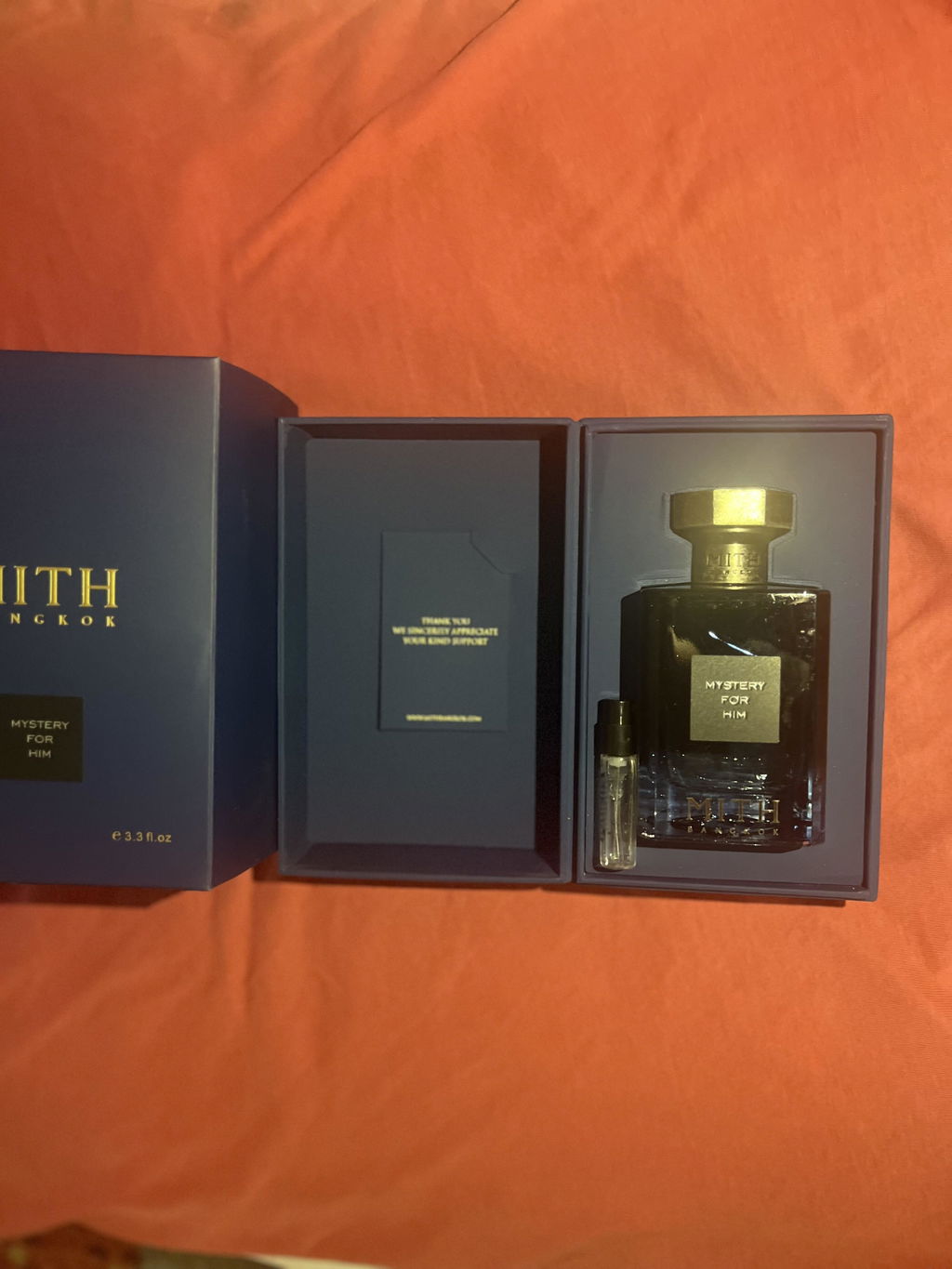
There is also a practical point here for European shoppers. As niche perfumery grows, access matters almost as much as taste. Smaller regional brands with strong identities are becoming more desirable precisely because they do not feel overdistributed. That makes careful selection more valuable than sheer abundance. Villenel Fragrances sits naturally within that shift, particularly for those looking towards contemporary Thai perfume houses with a more distinctive cultural signature.
The most exciting thing about 2026 is that niche perfume seems less interested in proving how different it can be, and more interested in being genuinely well made, well edited and worth wearing beyond a single season. That is a better future for fragrance - and a more rewarding one for anyone who wants their scent to feel personal, not just new.