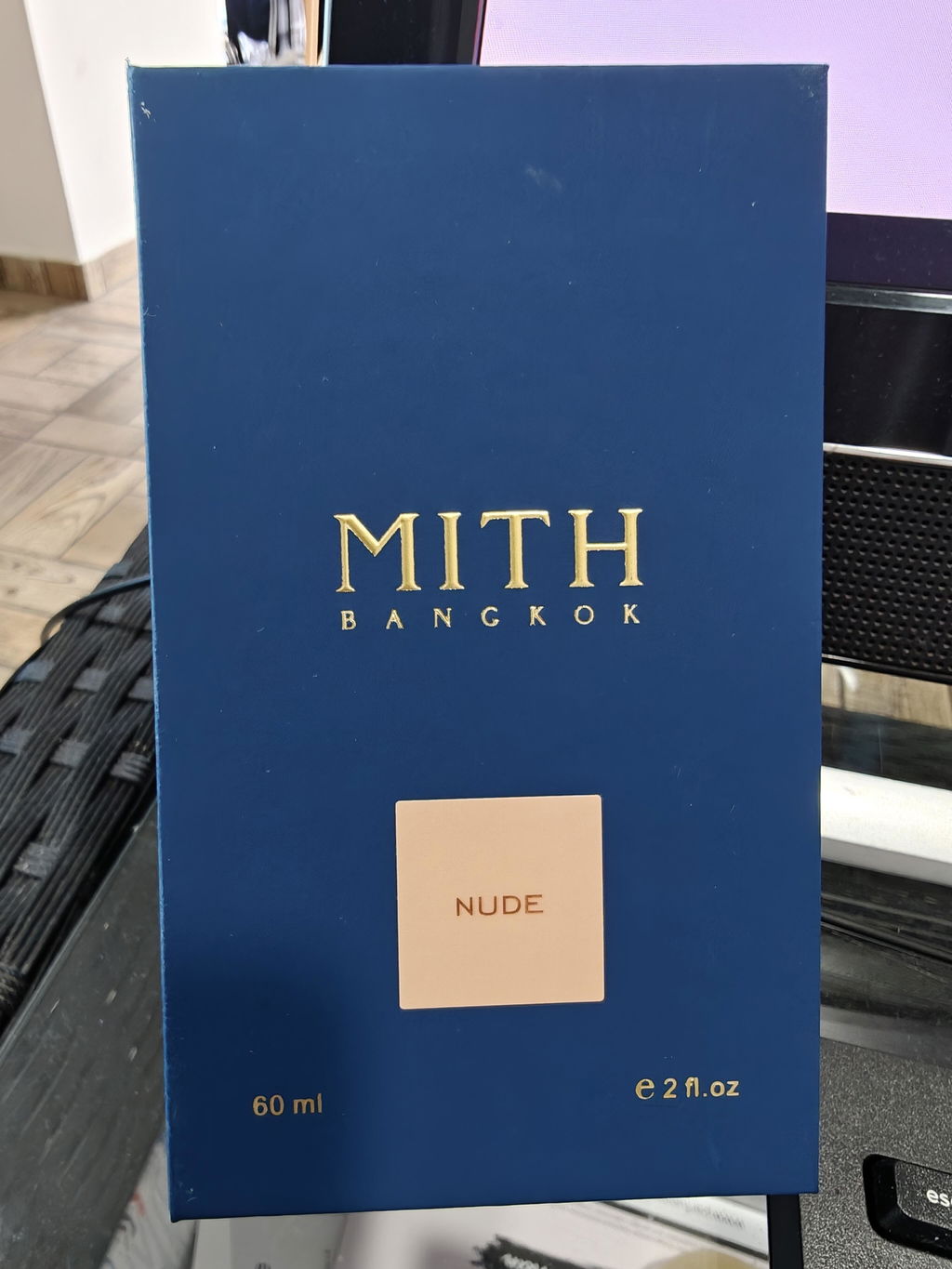
You notice it in the lift, at dinner, halfway through a gallery opening - three people are wearing variations of the same sweet woody amber. Perfectly pleasant, instantly familiar, and entirely forgettable. That is usually the moment the search for unique fragrances that don’t smell like everyone else begins in earnest.
The challenge is not simply finding something expensive or obscure. Plenty of perfumes are niche by distribution and still smell as though they were designed to offend no one and surprise no one. A truly distinctive fragrance has identity. It has a point of view, a texture, a memorable development on skin. It does not need to shout, but it should leave an impression that feels personal rather than algorithmic.
What makes unique fragrances that don’t smell like everyone else?
Originality in perfume rarely comes from one unusual note alone. Tomato leaf, steamed rice, ink, pandan, suede, salt, rain-soaked concrete - these can all be compelling, but novelty by itself is not enough. What matters is composition. The way brightness is balanced with depth, the way a floral is sharpened with mineral facets, or the way sweetness is restrained before it turns generic.
This is where niche perfumery tends to justify its appeal. Smaller houses often allow more room for tension, contrast and storytelling. A scent can feel airy and shadowed at once, polished but strange in the best possible sense. That complexity is often what separates a fragrance people compliment from a fragrance people remember.
There is also the matter of exposure. Mainstream launches are built for scale, so trends spread quickly. If every beauty counter is leaning into syrupy fruit, saffron-amber woods or clean musks, the market begins to smell increasingly uniform. Less widely distributed fragrance houses often feel fresher simply because they are not composed to satisfy the broadest possible audience.
The notes worth noticing if you want something more individual
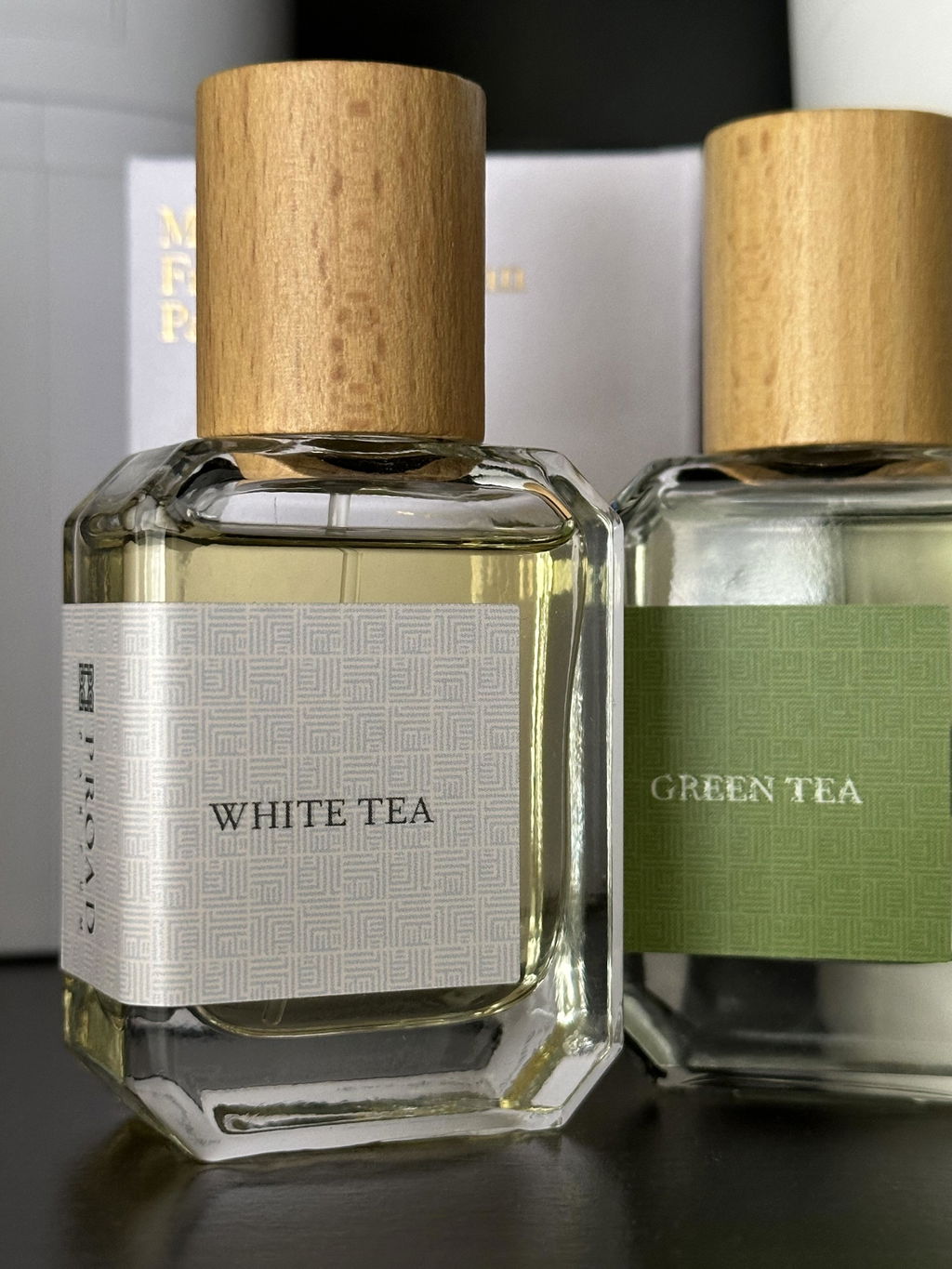
If you are trying to move beyond the familiar, it helps to look past perfume families you already know and focus instead on texture. Green notes can add snap, bitterness and realism that many commercial florals smooth away. Fig leaf, galbanum, basil, shiso and tea often create a composed, modern character without becoming austere.
Rice, sesame, milk, orris and soft powdery woods can also be surprisingly distinctive when handled with precision. They lend atmosphere rather than volume. Instead of announcing themselves from across the room, they create a scent trail that feels intimate and intelligent.
Then there are materials that introduce contrast. Incense can make florals feel architectural. Salt can strip sweetness back to something cleaner and more mineral. Leather, when used sparingly, gives shape and confidence without tipping into heaviness. Fruity notes are not off limits either. The difference lies in whether the fruit feels glossy and interchangeable, or tart, aromatic and specific.
For many fragrance lovers, the most rewarding perfumes sit in this space between beauty and peculiarity. They remain wearable, but they do not flatten themselves for easy approval.
Why skin chemistry and context matter more than hype
A perfume can smell thrilling on paper and entirely ordinary on skin. It can also do the opposite. This is one reason trend-led recommendations have limits, especially if your goal is to smell distinctive.
Heat, humidity, natural skin oils and even the fabrics you wear can shift a fragrance’s balance. A bright green composition may turn creamy. A smoky note may become softer and almost velvety. Musks are especially personal - some bloom dramatically, while others sit close and almost vanish.
That means the right unique fragrance is not necessarily the boldest one in the room. Sometimes the most individual choice is the scent that settles into your skin with unusual ease and creates a signature that feels difficult to replicate. Distinction is partly about formulation, but it is also about fit.
How to shop for a scent with personality
The smartest way to choose unique fragrances that don’t smell like everyone else is to stop asking whether a perfume is popular and start asking what story it tells. Does it lean polished and urbane, with cool iris, cedar and tea? Does it feel tropical, but in a refined way - green coconut, white florals, wet leaves and sun-warmed woods rather than suntan lotion sweetness? Does it suggest skin, fabric, spice, lacquer, temple smoke, citrus peel or fresh petals snapped from the stem?
Those questions are more useful than gender labels or season rules. They help you identify the moods and materials that genuinely interest you, rather than pushing you towards another version of what is currently selling well.
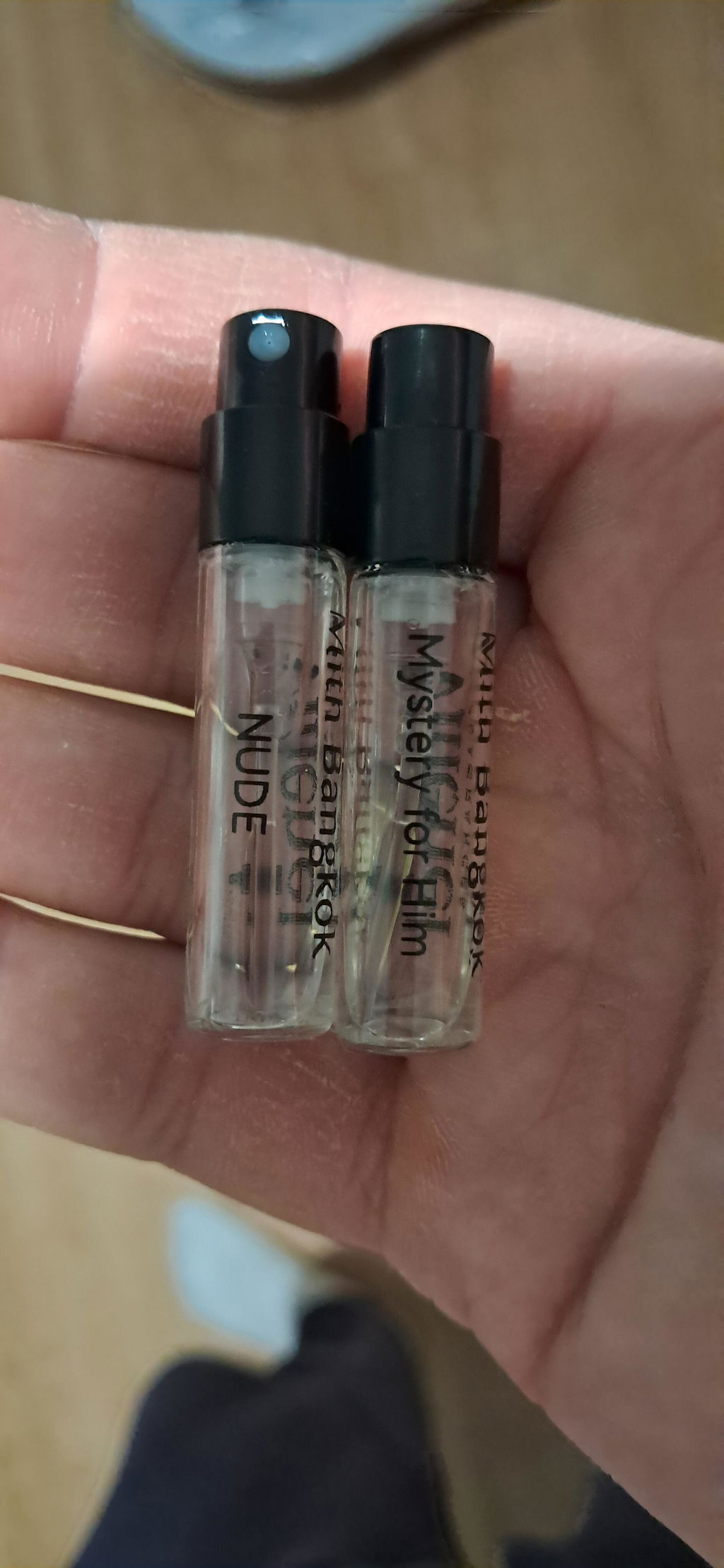
Sampling remains essential, but sampling with intention matters more. Try fragrances in pairs or trios, not in batches of ten. Compare two florals with very different structures. Wear one in the morning and another in the evening. Notice not only the opening, but the stage after three or four hours, when a perfume stops performing and starts revealing itself.
It is also worth paying attention to whether a scent feels complete on its own. Some perfumes impress in the first ten minutes, then collapse into a familiar sweet woody base. Others begin quietly and gain intrigue as they wear. If your aim is individuality, patience usually pays off.
The niche advantage - and the trade-offs
There is a reason serious fragrance buyers often move towards less conventional houses. Niche brands tend to be freer with materials, more confident in their references, and less dependent on broad market trends. They are often willing to create scents that are textural, atmospheric or culturally specific in a way mass-market launches rarely attempt.
That said, niche does not automatically mean better for everyone. Some compositions are challenging by design. Others prioritise concept over comfort. A perfume can be impeccably composed and still not suit your wardrobe, your office or your threshold for projection.
Price is another consideration. Distinctive perfumery often costs more, whether because of materials, smaller production runs or brand positioning. For some buyers, that investment is entirely justified by craftsmanship and rarity. For others, the better approach is selective - fewer bottles, worn more deliberately.
This is where curation matters. A retailer with a clear point of view can save you from paying premium prices for perfumes that are merely unusual, rather than genuinely beautiful.
Looking beyond the obvious fragrance capitals
One of the most interesting shifts in perfumery is that originality is no longer confined to the traditional centres of fragrance. Some of the most compelling contemporary work comes from houses shaped by different climates, materials and cultural references. That perspective can make a perfume feel immediately more vivid.
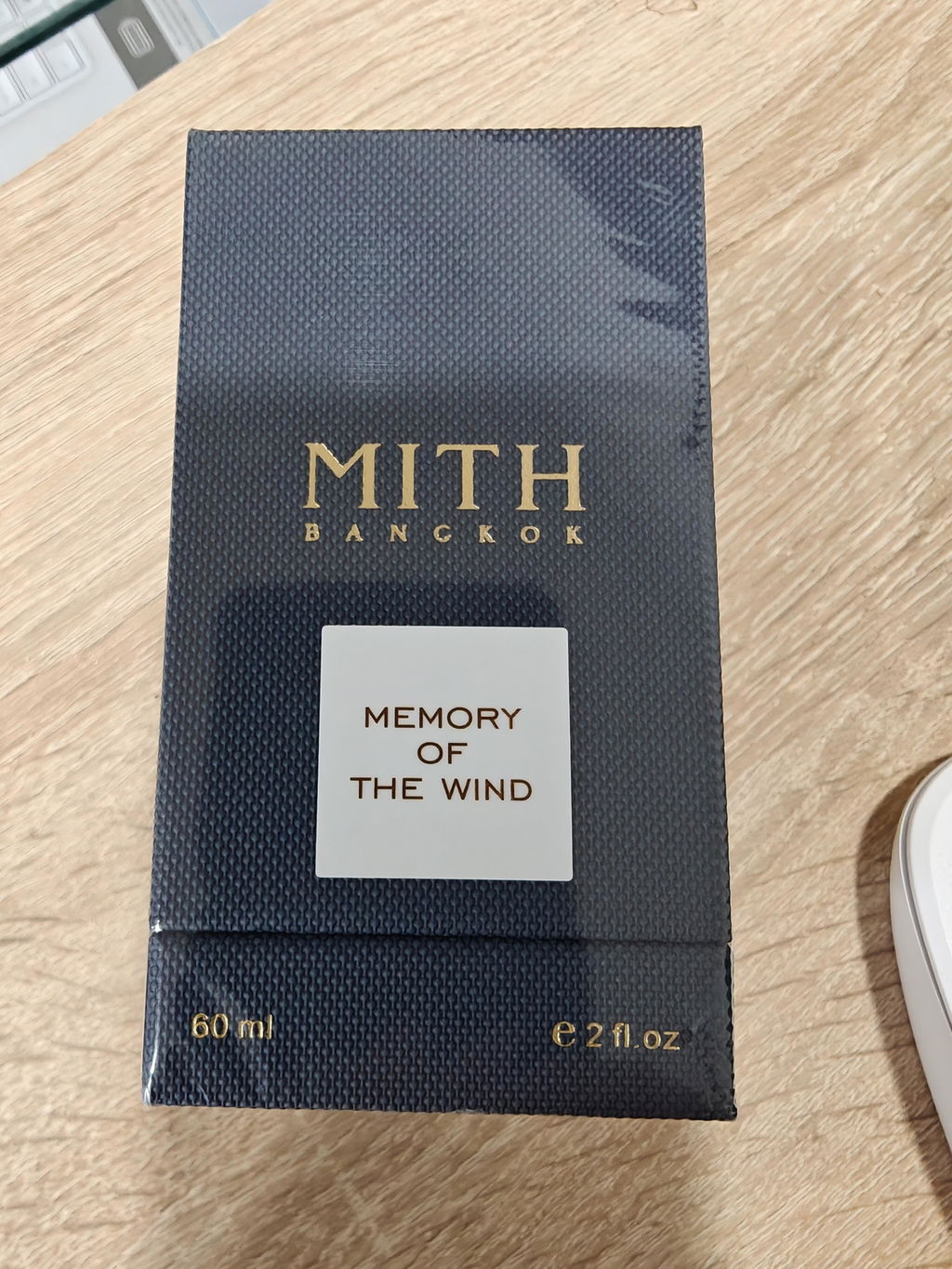
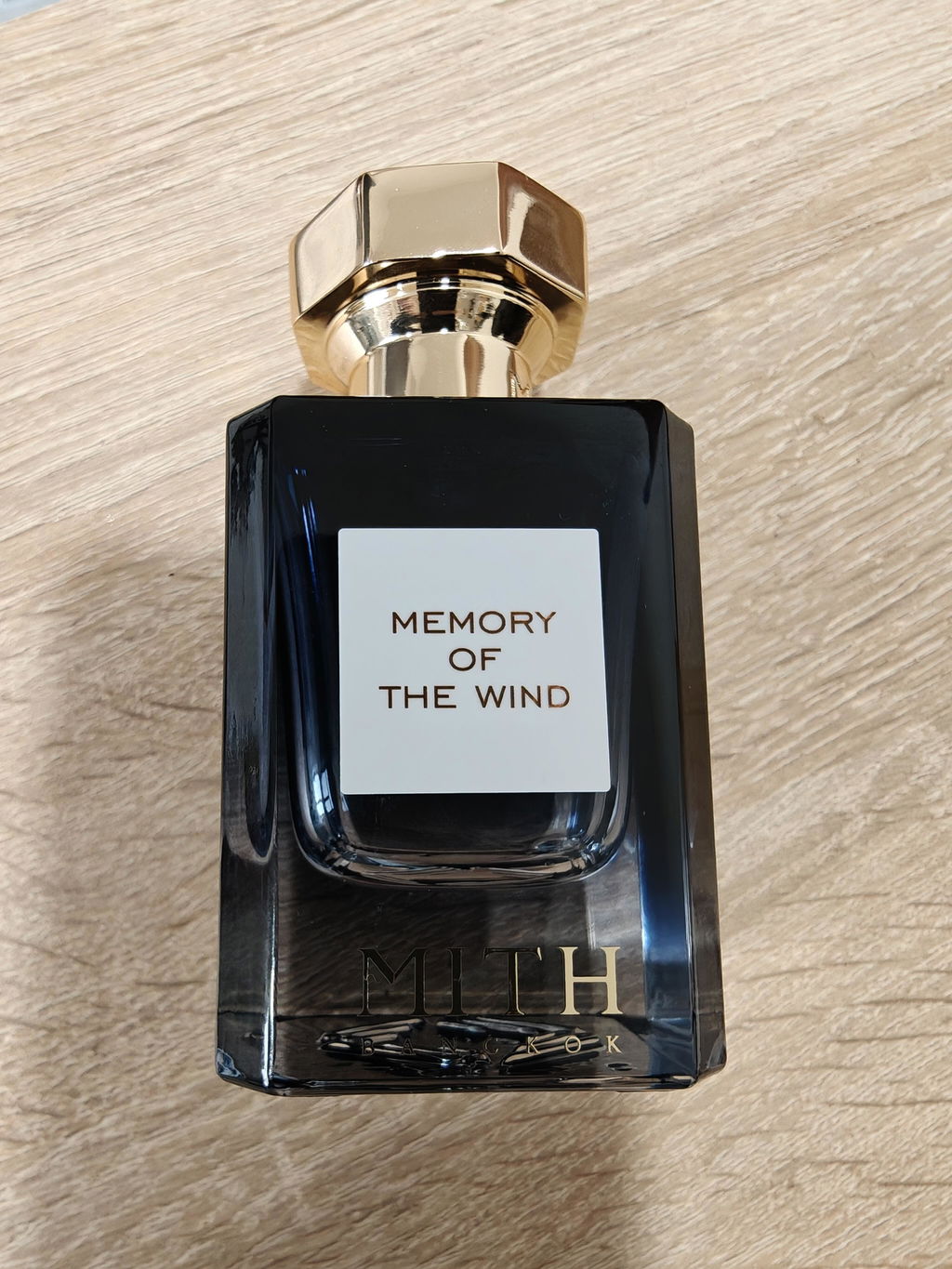
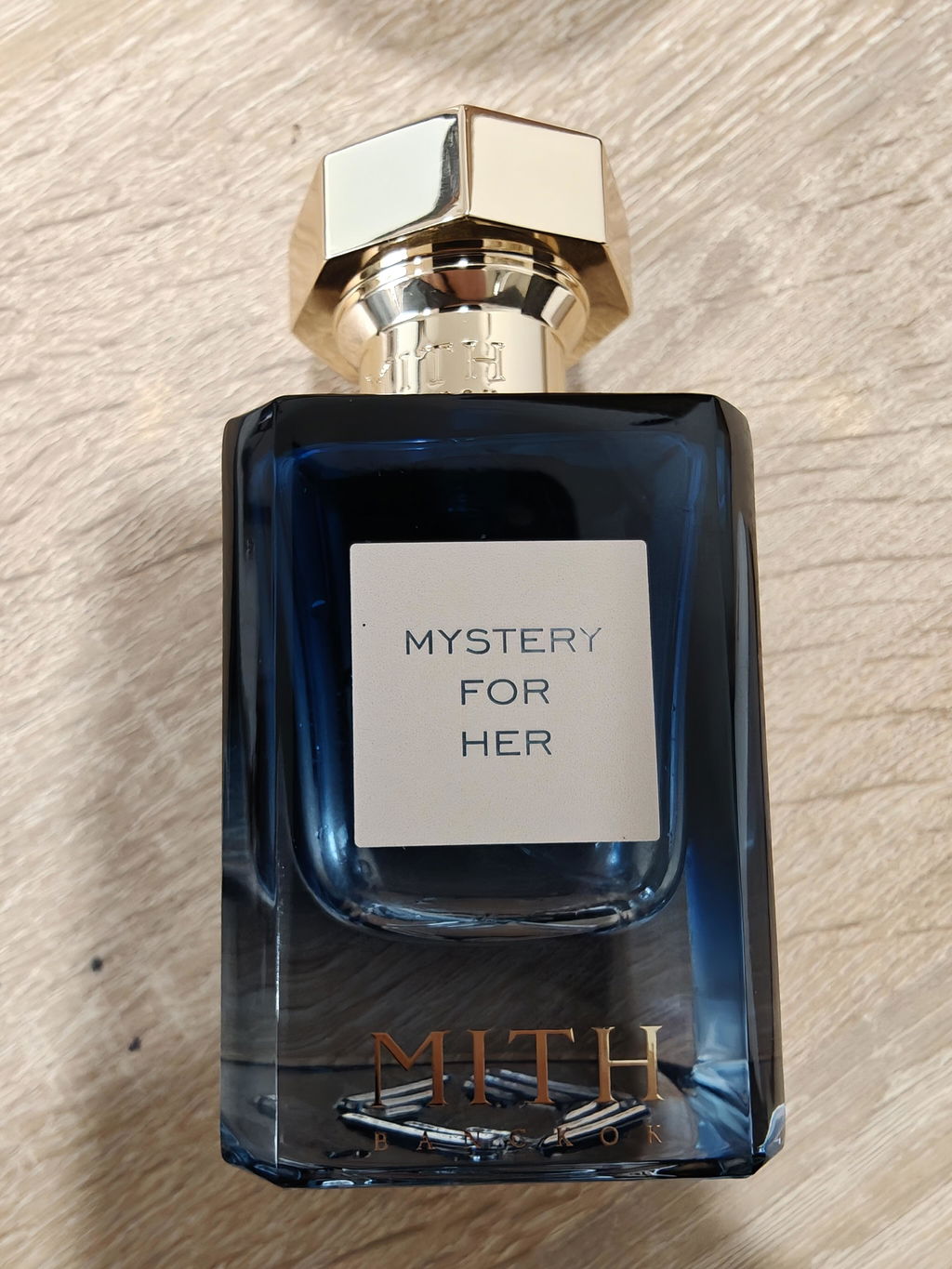
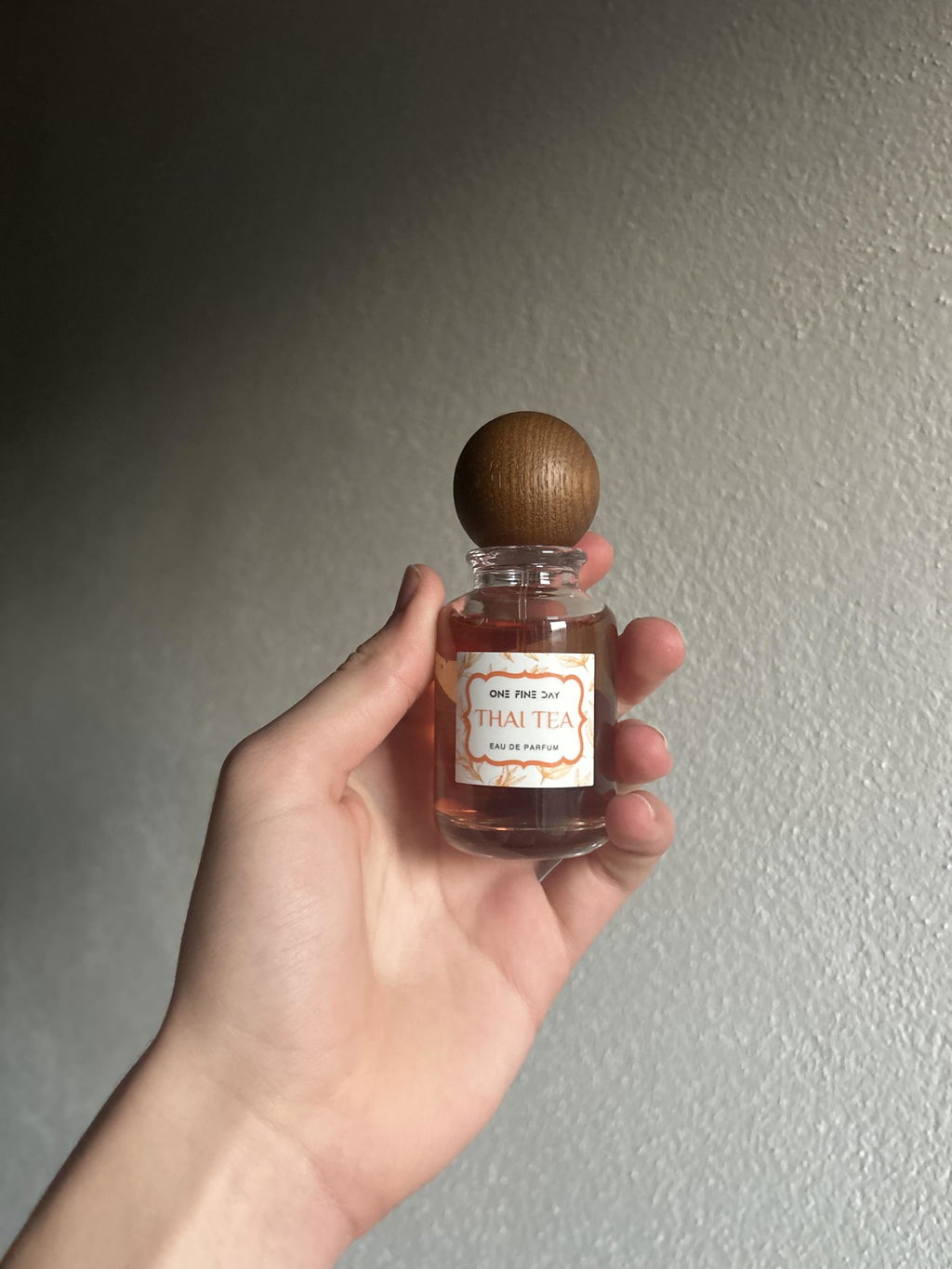
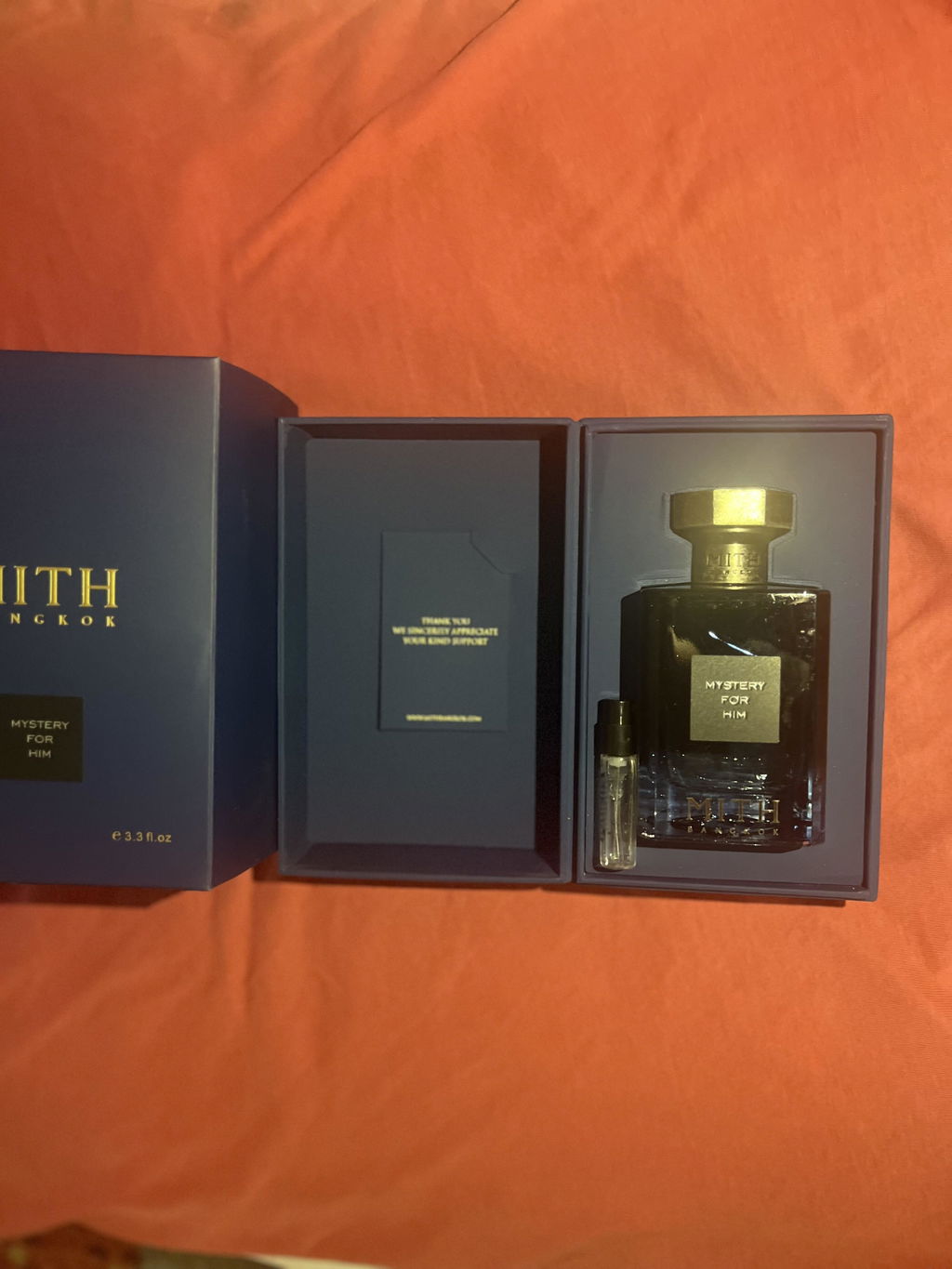
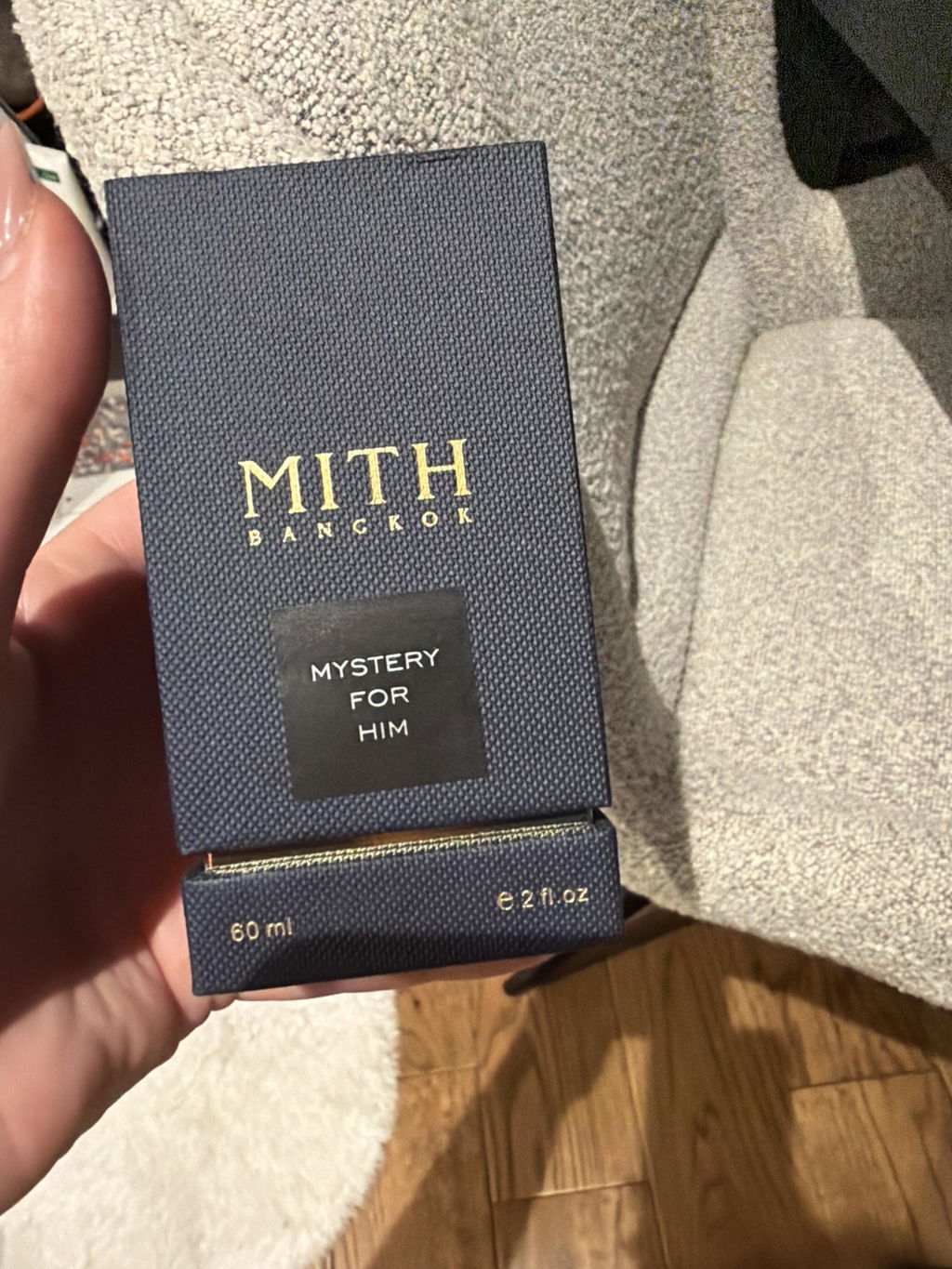
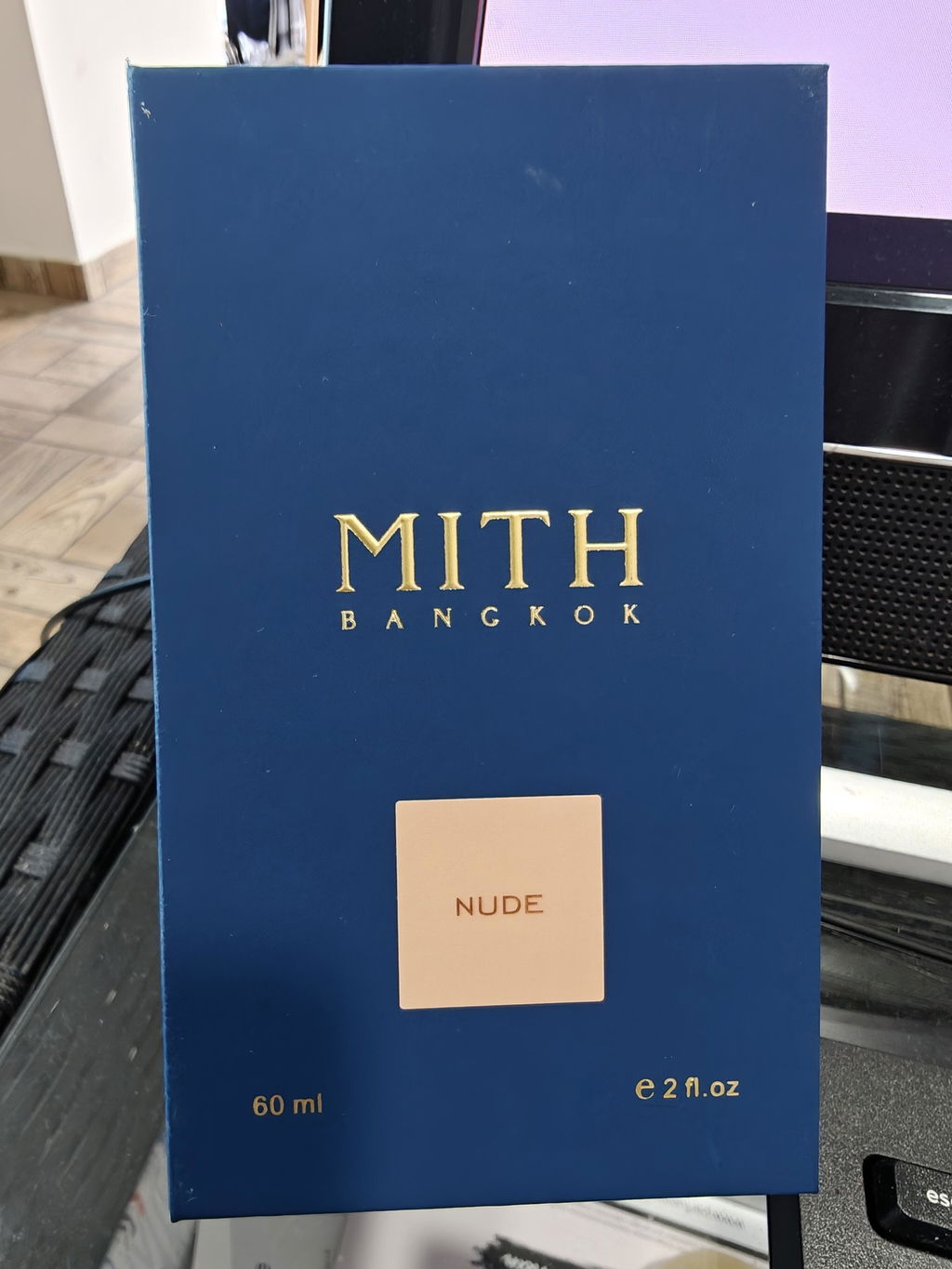
Thai niche perfumery is a particularly strong example. There is often a remarkable fluency in balancing luminosity with depth - tropical freshness against polished woods, delicate florals against spice, humidity against clean structure. The result can feel modern, transportive and unusually wearable at once.
For European fragrance lovers, this matters. Access to emerging scent houses has historically been limited, which means many wardrobes end up circling the same established names. Thoughtful curation changes that by bringing in brands with a more distinctive visual language and olfactory identity. Villenel Fragrances has built its selection around precisely this kind of discovery, which is part of why these houses stand out so clearly against an overcrowded mainstream market.
A more useful definition of signature scent
People often talk about a signature fragrance as though it should be one bottle for every occasion, every season, every version of yourself. That can feel elegant in theory, but restrictive in practice.
A more modern approach is to build a signature profile instead. Perhaps you return again and again to green florals, sheer incense, powdered woods or mineral musks. Perhaps your evening scents carry lacquered spice and suede, while your daytime choices stay closer to tea, citrus rind and soft skin notes. The common thread is not one perfume, but a recognisable taste.
That tends to feel more individual anyway. Rather than smelling the same every day, you smell consistently like yourself.
The best unique fragrance is rarely the strangest bottle on the shelf, nor the one everyone online is racing to call underrated. It is the perfume that makes you pause, then lean in again. The one with enough character to feel rare, and enough beauty to earn a place in your life long after novelty has worn off.