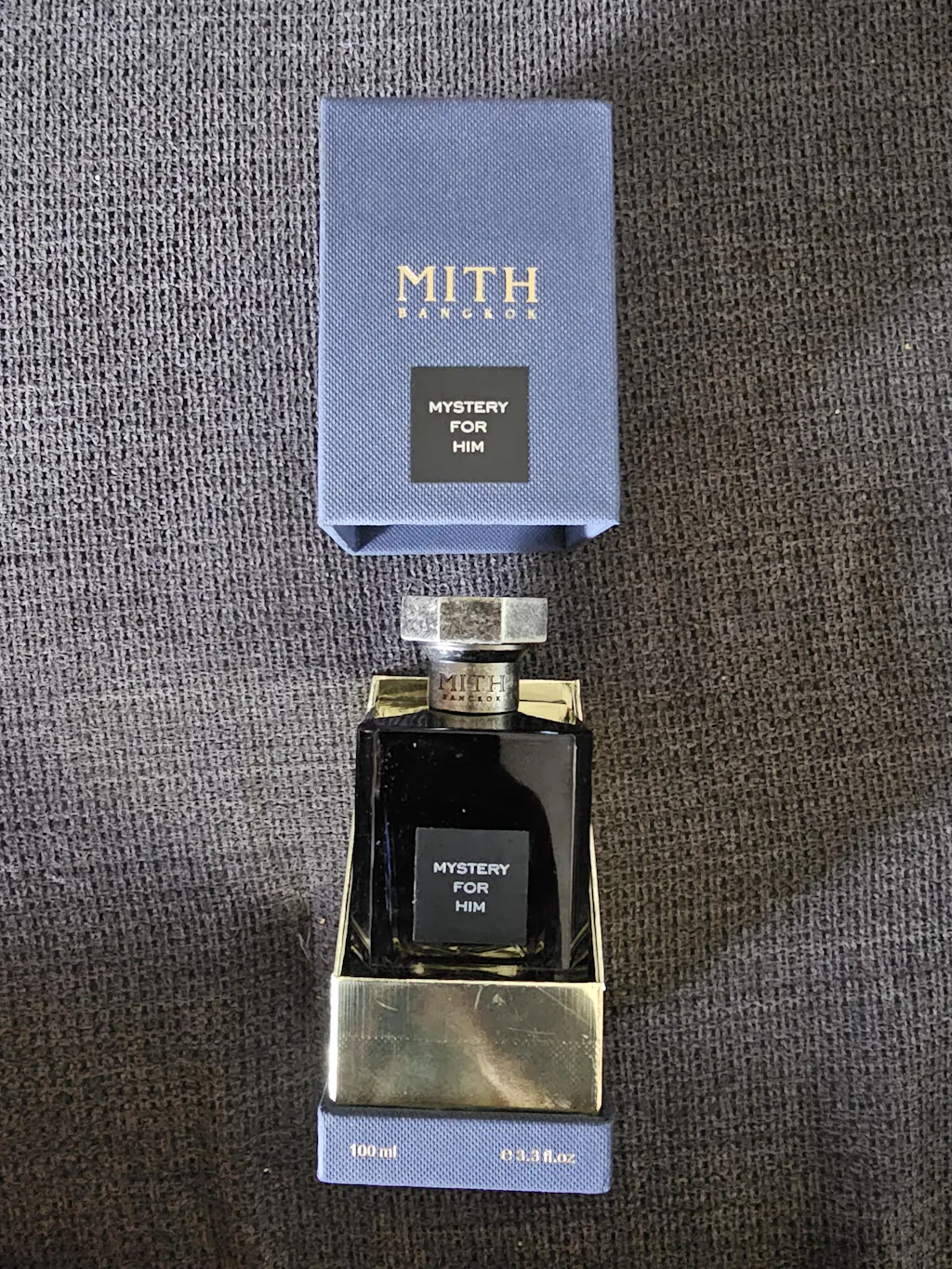
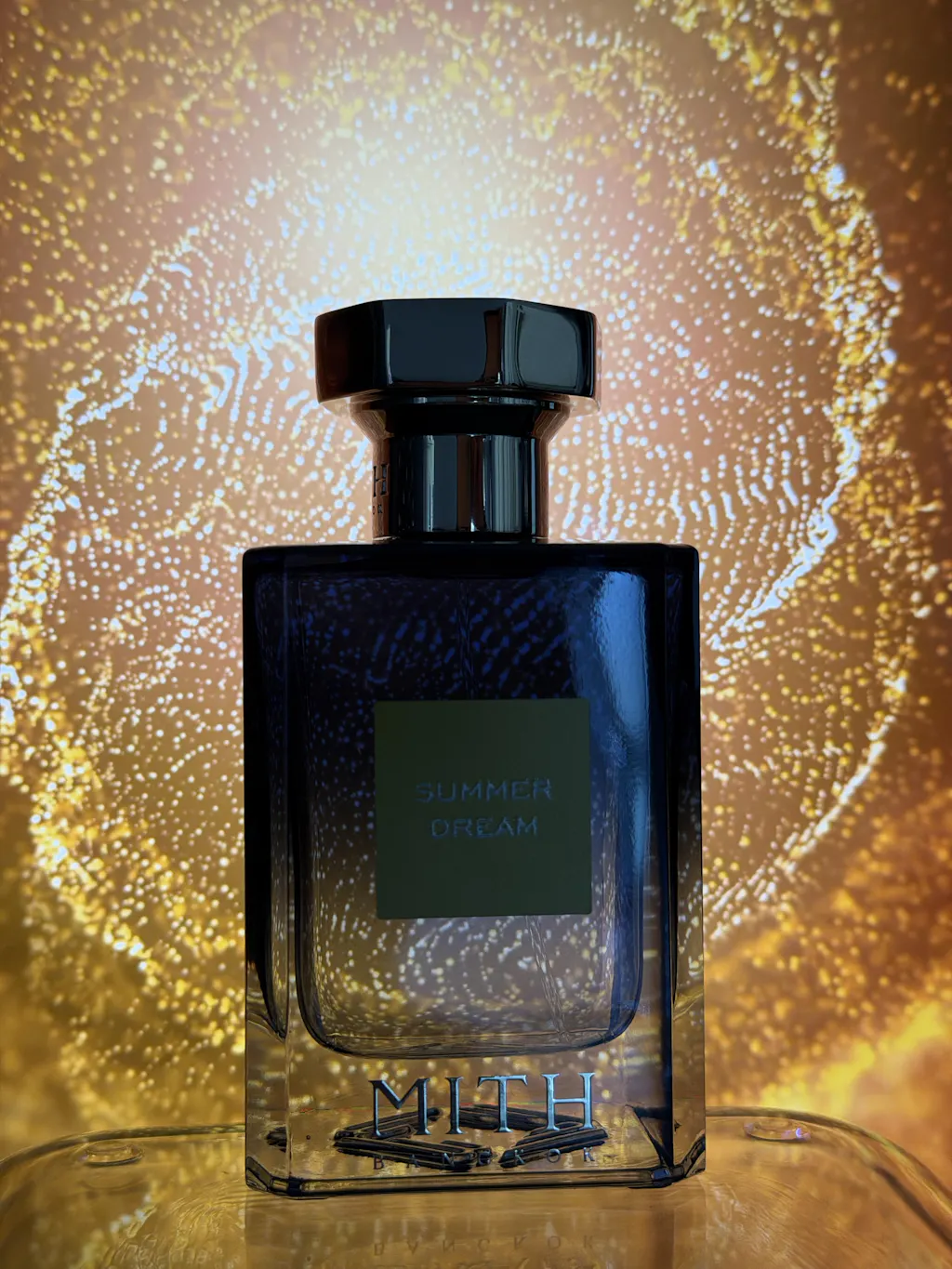
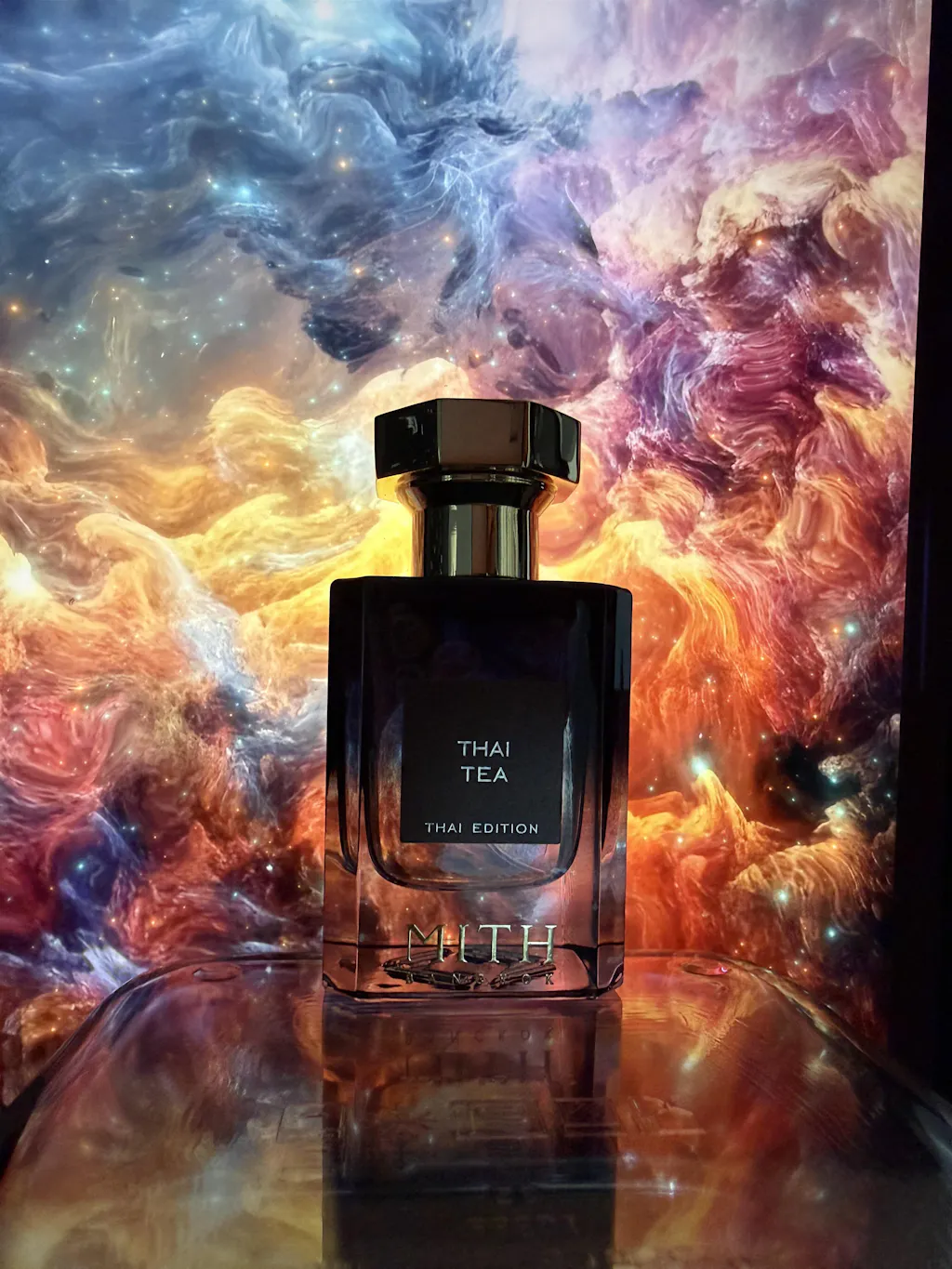
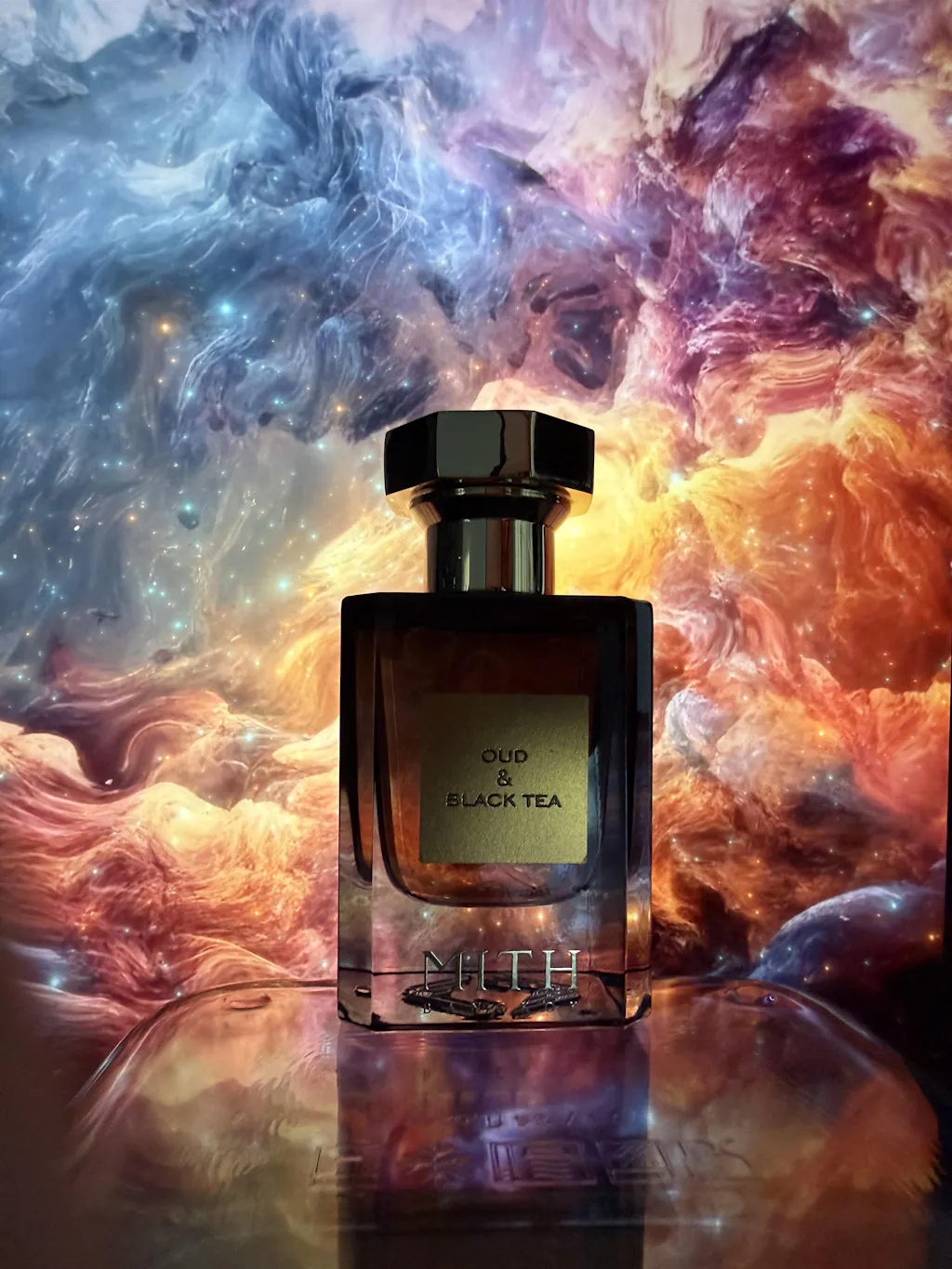
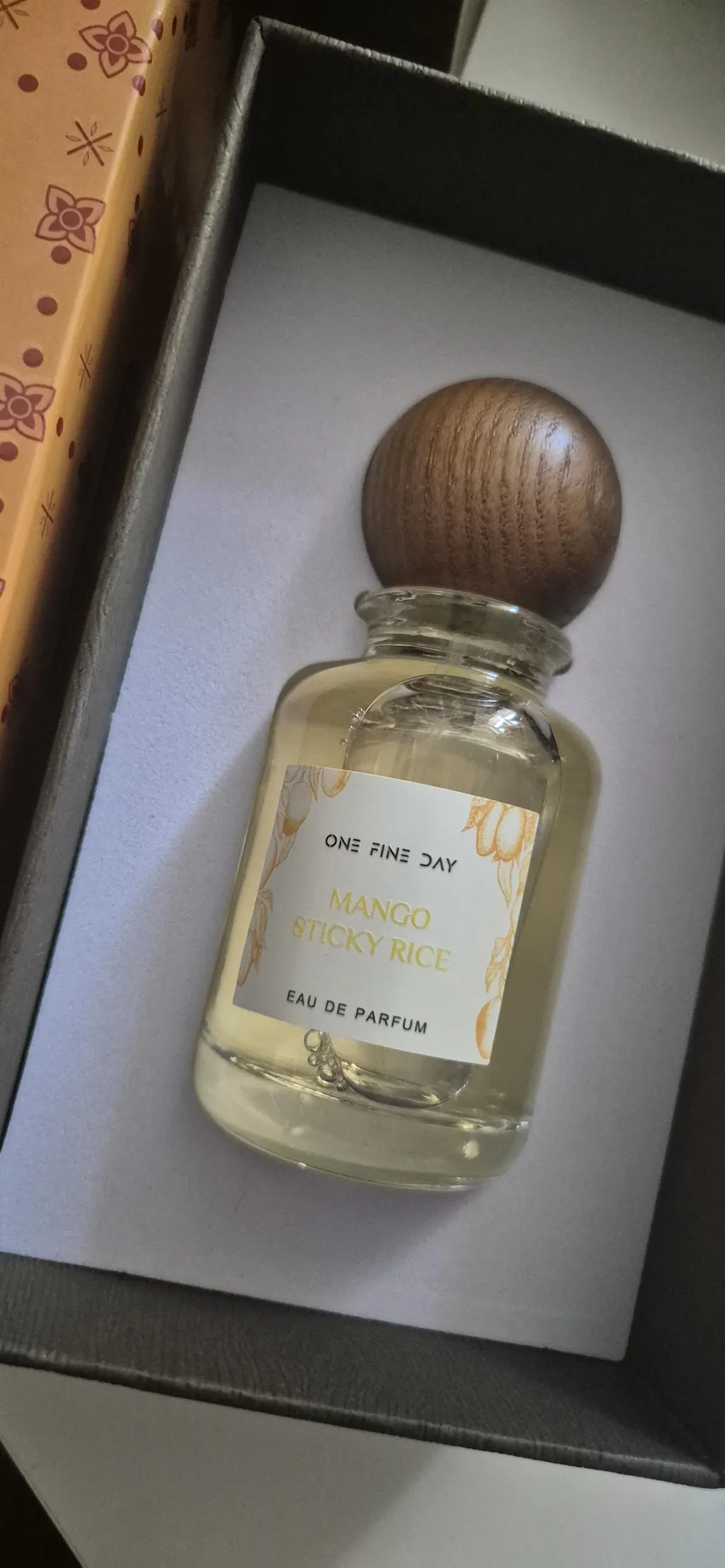
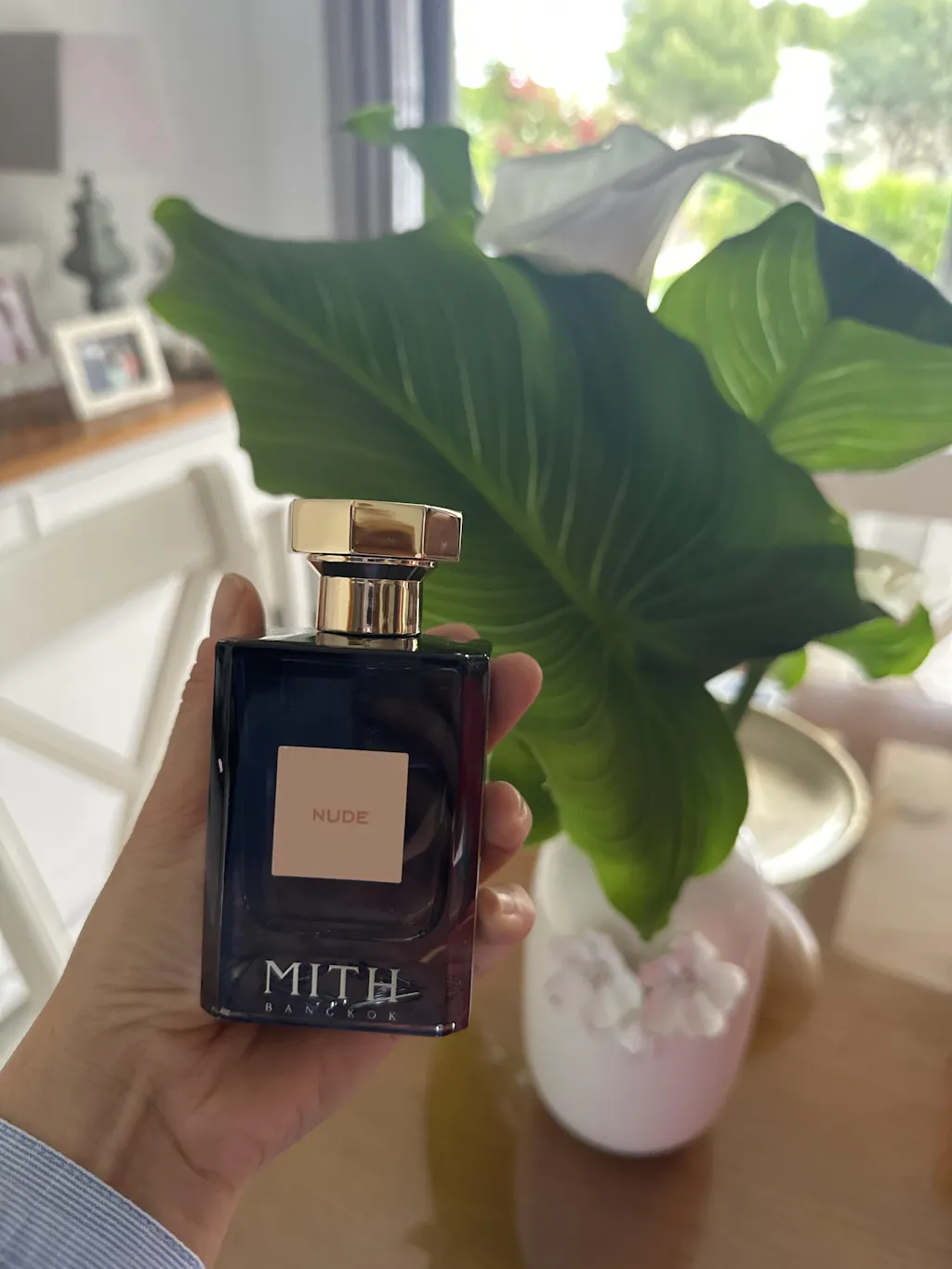
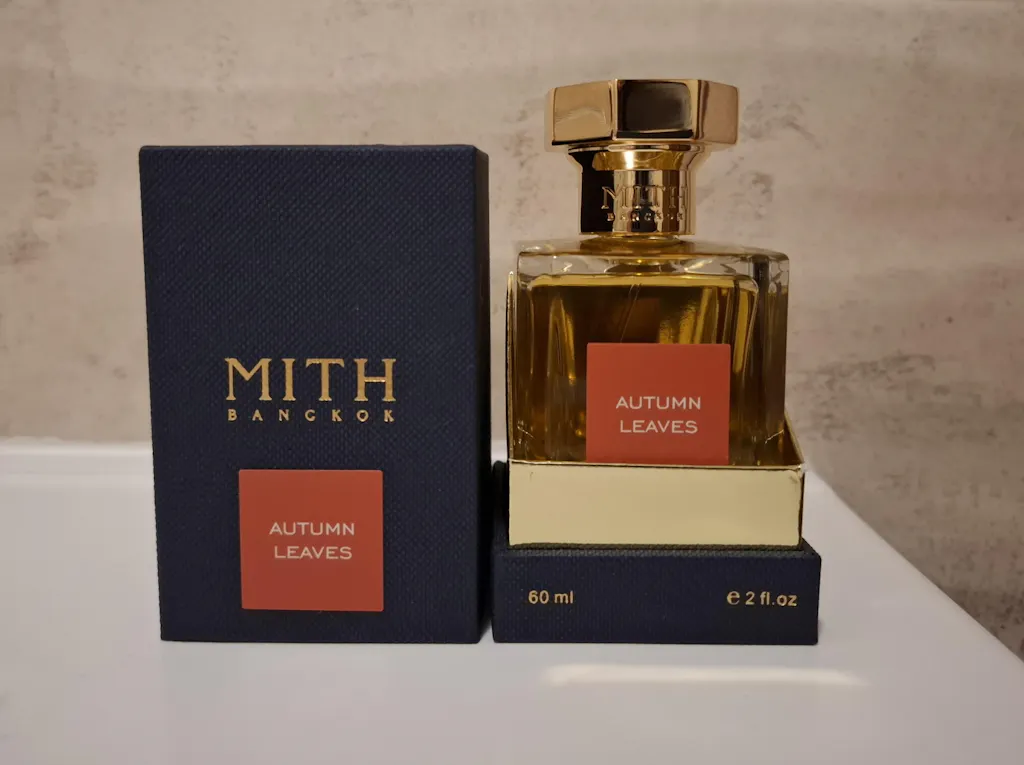
You notice it the moment you smell something truly distinctive. Not simply pleasant, not merely expensive-smelling, but composed with a point of view. That is usually where the question begins: is niche perfume worth it, or are you paying extra for clever branding and a heavier bottle?
The honest answer is yes, sometimes emphatically so. But not always, and not for everyone. Niche perfume earns its reputation when it offers originality, materials, construction, and identity that feel genuinely different from the rhythm of mainstream releases. If your priority is individuality and the pleasure of wearing a scent that does not smell like everyone else in the lift, niche can be well worth the investment. If you simply want something easy, familiar, and broadly flattering, designer perfume may suit you better.
Is niche perfume worth it for most people?
For most people, niche perfume is worth it only when fragrance matters to them beyond basic grooming. That distinction sounds obvious, but it matters. A niche fragrance is rarely built to offend no one and please everyone. More often, it is built around an idea - a place, a texture, a mood, an ingredient pushed in an unusual direction.
That approach can make niche perfume more exciting, but also more demanding. Some compositions are immediate and charming. Others take time. They open strangely, settle beautifully, and reveal their best character an hour later. If you enjoy that kind of wearing experience, niche offers something richer than a quick spray before heading out.
Price alone does not make a perfume niche, and niche does not automatically mean superior. There are mediocre niche scents and excellent designer ones. The real difference is usually creative freedom. Smaller fragrance houses often have more room to take risks, tell a sharper story, or build a scent around a distinctive accord rather than market testing for mass appeal.
What you are actually paying for
When people ask whether niche perfume is worth the price, they often assume the extra cost is only about exclusivity. Exclusivity is part of it, but it is not the full picture.
You may be paying for more unusual raw materials, a more detailed composition, lower production volumes, and packaging produced in smaller runs. You are also paying for a different commercial model. Mainstream fragrances are often supported by major advertising budgets, celebrity campaigns, and very wide distribution. Niche houses tend to spend more of their energy on product identity and curation than mass-market visibility.
That does not mean every niche bottle is priced fairly. Some are expensive because the category allows it. Still, when the scent has structure, nuance, and clear authorship, the premium can feel justified. A perfume that changes beautifully over wear, reveals new facets in different weather, and stays memorable months after you first try it offers a kind of value that is difficult to reduce to price per millilitre.
Originality is often the real luxury
The strongest case for niche perfume is originality. Many fragrance buyers are not looking for louder projection or a gold-plated cap. They want a scent with personality.
Mainstream perfumery often moves in waves. One year it is sweet woods, then clean musks, then saffron-amber combinations everywhere. Niche houses are not immune to trends, but the better ones interpret them with more character. Instead of another generic vanilla, you might find a vanilla framed by rice steam, lacquered woods, tea, incense, tropical florals, suede, or salted skin.
That is where niche starts to feel worth it. You are not just buying smell. You are buying perspective.
Performance matters, but not in the way people think
A common assumption is that niche perfume must last longer. Sometimes it does. Sometimes it does not.
Longevity and projection depend on formula, concentration, materials, and style. A delicate iris or transparent tea scent may be artistically excellent and still wear close to the skin. A loud designer amber can outlast it by hours. If your idea of value is simply ten-hour performance, niche will not always win.
What niche often does better is texture. It can smell more dimensional, less synthetic in profile, or more carefully balanced from top to base. That does not always translate into brute-force sillage, but it can make the wearing experience more elegant and more interesting.
When niche perfume is worth it
Niche perfume tends to justify itself for buyers who care about distinction. If you have grown bored of department store counters and feel every release is starting to blur into the next, niche can reset your sense of discovery.
It is also worth it for collectors and style-led wearers who see fragrance as part of personal identity. The right perfume does what good tailoring or considered jewellery does - it sharpens presence. A well-chosen niche scent can become a signature not because no one else owns it, but because it feels uncannily aligned with the wearer.
It can also be worth it when you value access to scent cultures and houses that are not widely represented in Europe. Emerging brands, including modern Asian perfume houses, are bringing a different palette to contemporary perfumery - polished, expressive, often more playful with atmosphere and storytelling. For shoppers who want something beyond the established French and Italian canon, that alone can make niche worth exploring.
When niche perfume is not worth it
There are sensible reasons to skip it.
If you like crowd-pleasing, easy-reach scents and prefer buying without much testing, niche can feel risky. Some compositions are highly specific. They may be beautiful, but not versatile. Others are admired more than loved. There is a difference.
Niche is also not worth it if the purchase is driven mainly by status. In fragrance, price and taste do not always move together. A cheaper perfume you want to wear constantly is better value than an expensive bottle you respect but never reach for.
Then there is the issue of accessibility. Because niche brands are less widely distributed, sampling can take more effort. Blind buying at a premium price is rarely wise, particularly if your tastes are still forming.
Is niche perfume worth it as a first fragrance?
Usually, no. Not because niche is too advanced, but because first fragrances should teach you what you enjoy wearing.
If you are just beginning, start by noticing patterns. Do you lean towards woods, citrus, musks, florals, leather, spice, or gourmand notes? Once you know that, niche becomes a far more rewarding space. You can then choose with intention instead of buying into the idea of niche as a badge of sophistication.
For someone already familiar with perfume and ready for more character, however, niche can be an excellent next step.
How to decide if a niche scent is worth the money
Think less about hype and more about use. Ask yourself whether the fragrance gives you something your current wardrobe does not. If it smells interchangeable with bottles you already own, the premium may not be justified.
Wear it more than once. A scent that dazzles on first spray can become tiring by midday. Another may seem quiet at first and then become indispensable after a few wears. Niche rewards patience.
Also consider context. Some bottles are worth it because they fill a precise role: evening wear, winter dressing, summer heat, travel, or occasions when you want to leave an impression. Not every perfume needs to be all things.
Finally, pay attention to emotional pull. This may sound intangible, but it is often the deciding factor. The fragrances people remember buying well are usually the ones that made them feel more like themselves, or perhaps like a more composed, expressive version of themselves.
The better question than “is niche perfume worth it?”
A more useful question is whether this particular niche perfume is worth it for you. Category labels only take you so far. What matters is composition, wearability, identity, and whether the scent earns space in your life.
At its best, niche perfumery offers something mainstream fragrance often cannot: a sharper sense of authorship. You smell the intention. You feel that someone chose this accord, this tension, this softness, this trail, because it says something.
That is why niche perfume continues to matter. Not because it is rarer. Not because it is pricier. Because when it is done well, it turns fragrance from a finishing touch into an expression of taste.
If that is what you want from perfume, the extra spend can feel entirely reasonable. If not, there is no virtue in forcing it. The right bottle is the one you wear with pleasure, confidence, and no buyer’s remorse.