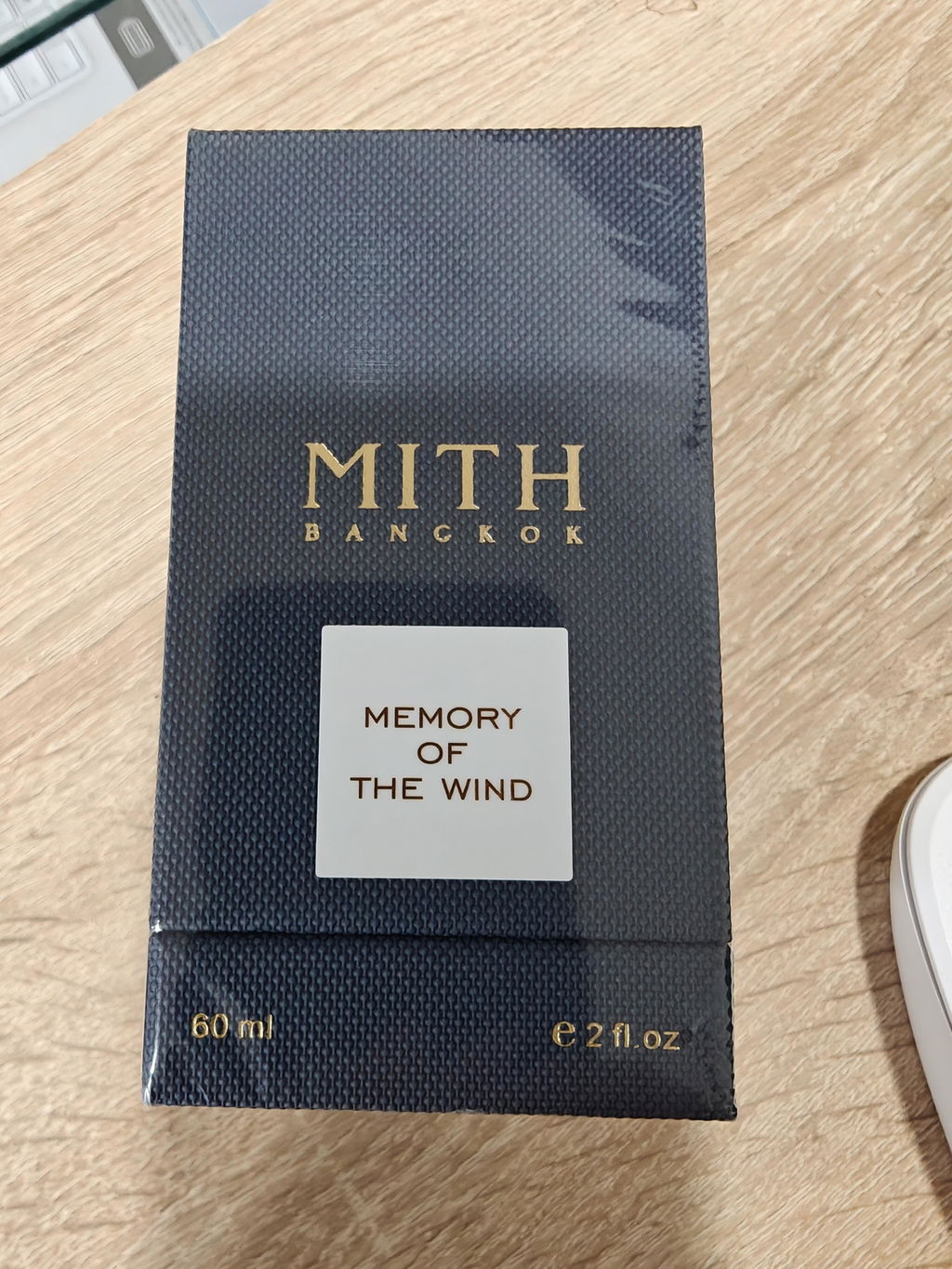
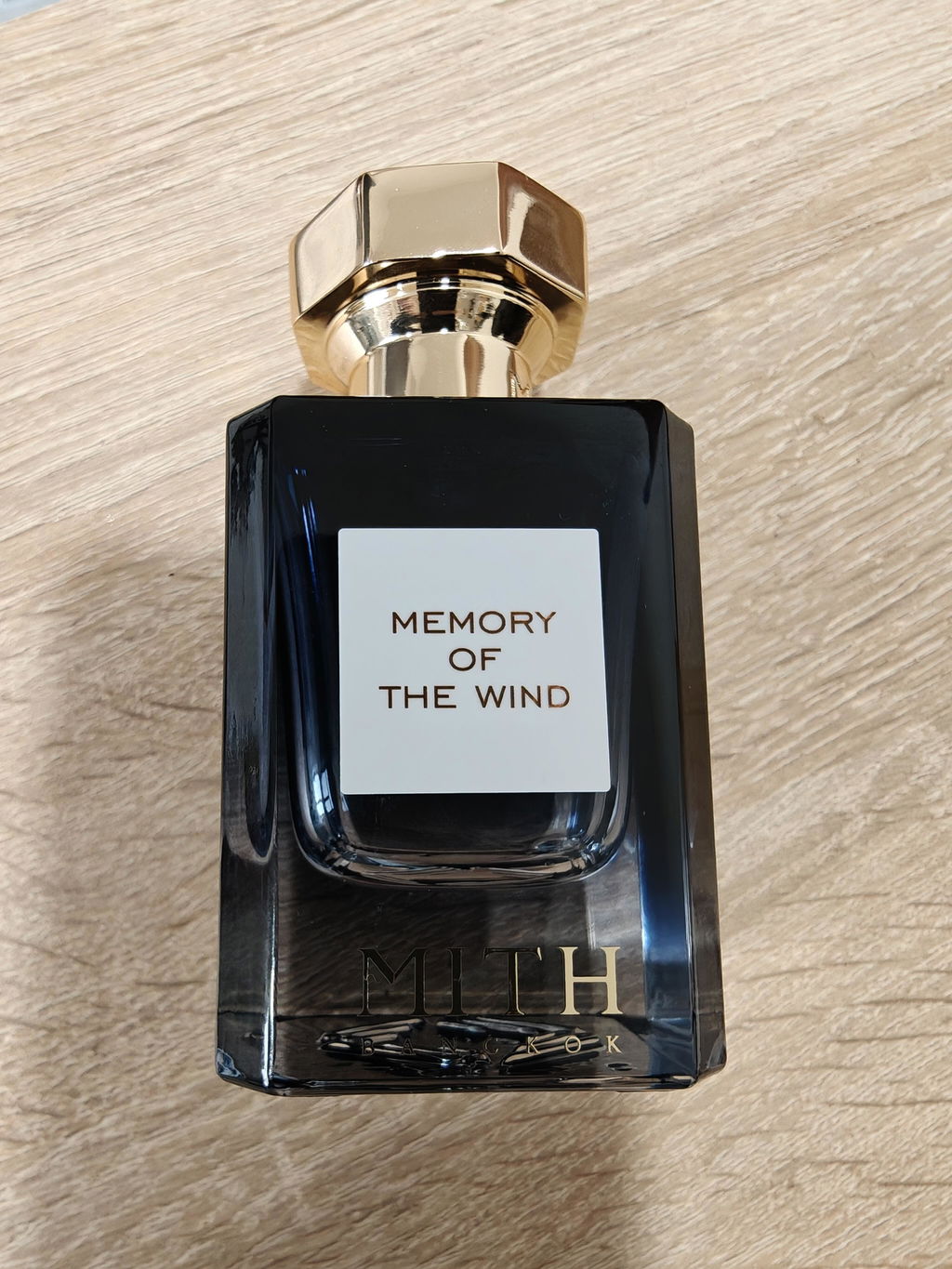
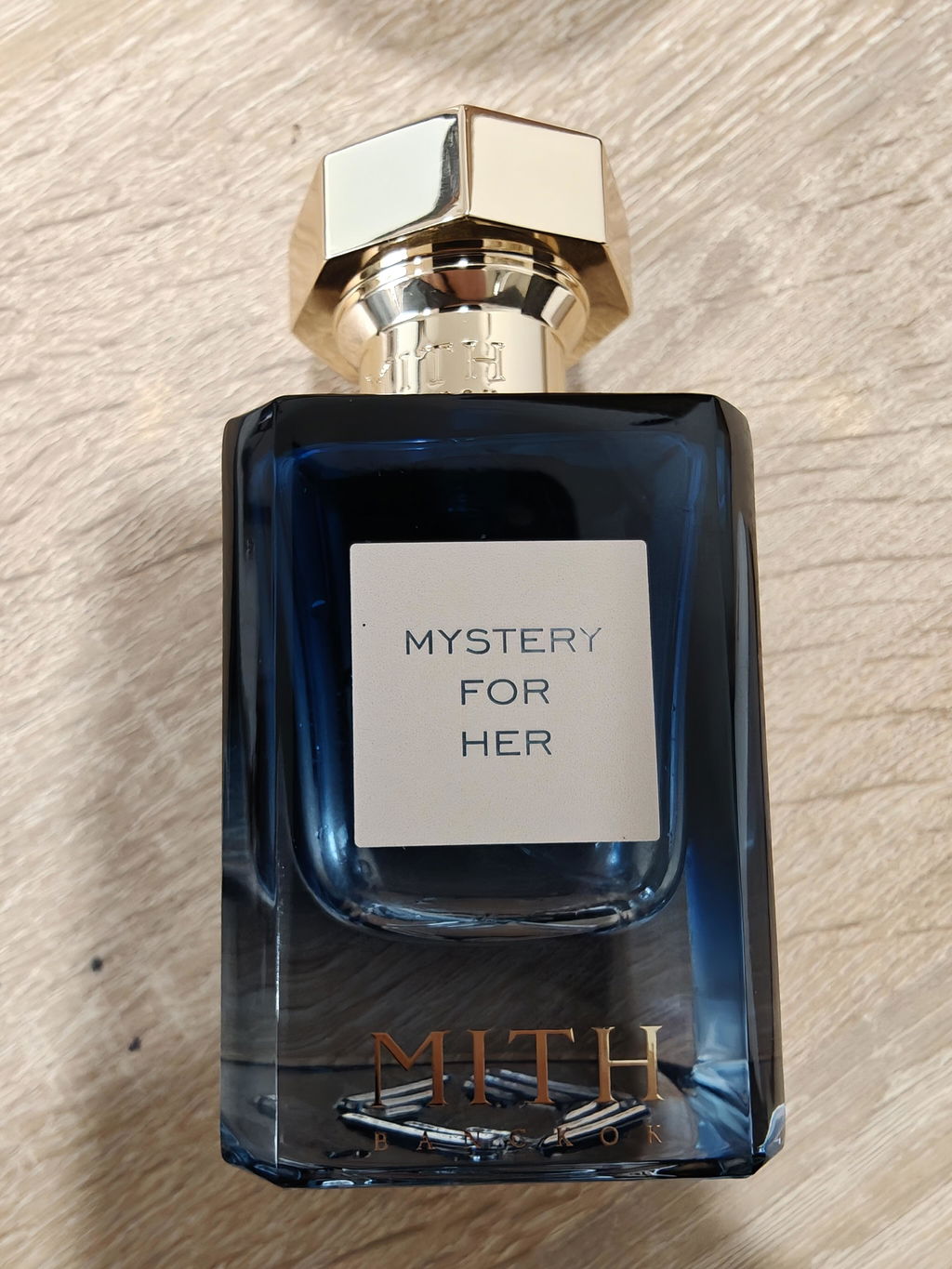
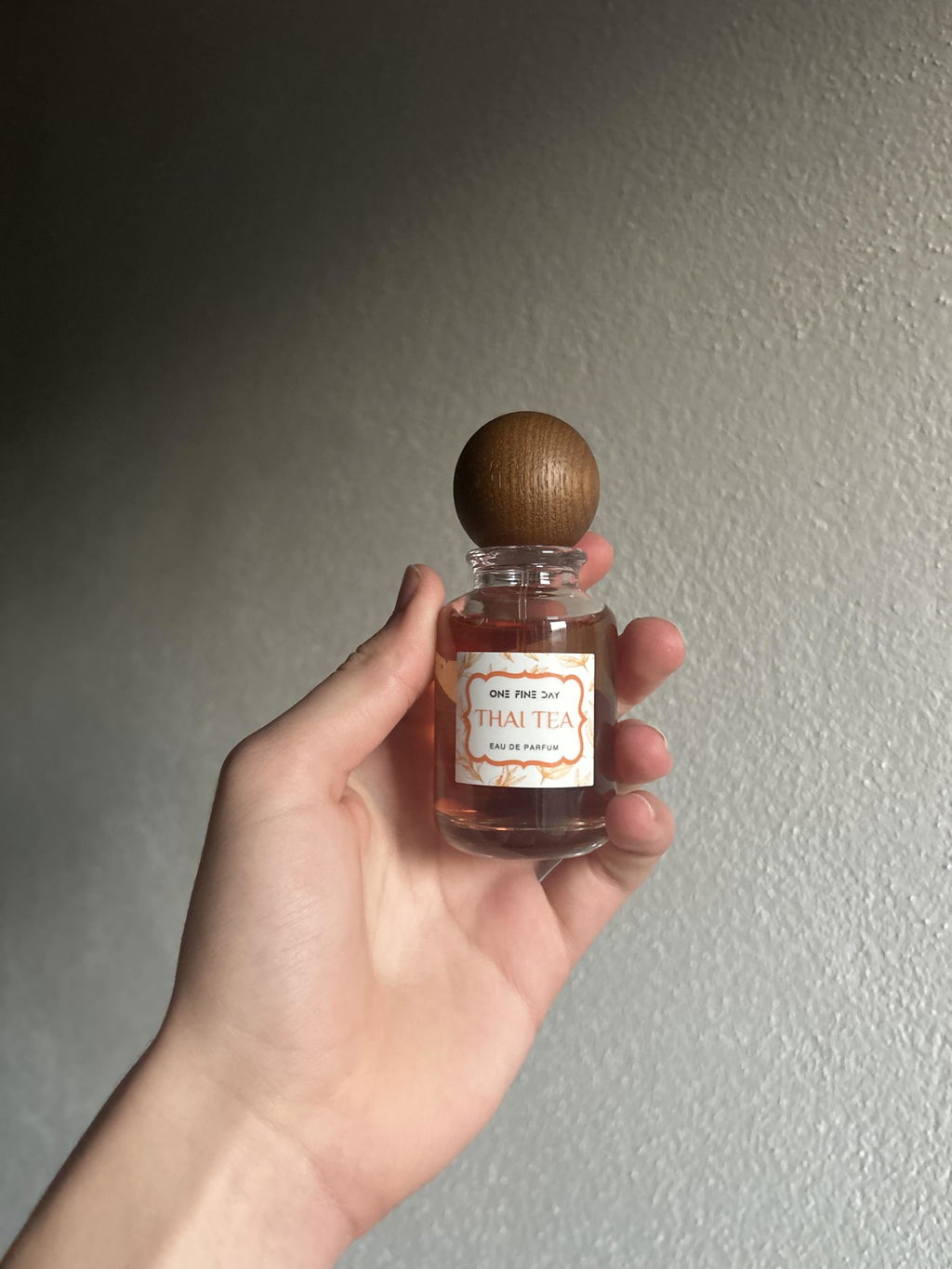
A well-made cocktail does not simply taste good. It arrives with texture, temperature, garnish, glassware and atmosphere already built in. The same is true of cocktail inspired perfume. These fragrances are rarely about smelling literally of gin or rum. They are about capturing a mood - the gloss of citrus peel over ice, the softness of a late-night vanilla liqueur, the sparkle of pink pepper against a smooth amber base.
For fragrance lovers who have grown tired of predictable florals and interchangeable sweet gourmands, this style offers something sharper and more composed. It feels social, urban and dressed for evening, yet the best examples remain wearable in daylight. That balance is exactly why cocktail-led scents have moved from novelty into a serious niche category.
What makes cocktail inspired perfume distinctive
The appeal starts with structure. A cocktail has top notes, heart and finish long before a perfumer borrows the idea. Bright ingredients hit first, deeper elements unfold afterwards, and a lingering impression stays on the palate. Perfumery translates that rhythm beautifully.
In practical terms, cocktail inspired perfume often opens with energetic materials such as bergamot, lime, grapefruit, blackcurrant or aromatic herbs. Then it shifts into fuller facets - perhaps rose, saffron, tea, ginger, fig or dried fruits. The base does the work of the aftertaste: woods, musk, resins, amber, patchouli, vanilla or tobacco.
That layered progression gives these scents a more cinematic quality than a straightforward fruity fragrance. You are not smelling one note in isolation. You are smelling contrast. Bitter against sweet. Sparkling against smooth. Freshness cut with smoke or spice. It is a style that feels deliberately composed, which suits niche perfumery particularly well.
Cocktail inspired perfume is not just gourmand
This is where many shoppers hesitate. They assume anything inspired by drinks will lean sticky, sugary or overly playful. Sometimes that happens, especially when a fragrance centres marshmallow, caramel or syrupy fruit. But the category is broader and far more elegant than that.
A martini-inspired composition may feel mineral, cold and sharply citrus. A negroni direction can tilt bitter, aromatic and woody. A champagne accord often reads as airy, fizzy and lightly floral rather than edible. Even a rum-led fragrance can move smoky, boozy and dry instead of dessert-like.
That difference matters if you enjoy scents with personality but want polish rather than confection. Cocktail references give perfumers a ready-made emotional world to work from, yet the final result can be tailored in many directions - sophisticated, nocturnal, flirtatious, clean or decadent.
Why these scents feel so modern
Part of the charm is cultural. Cocktail inspired perfume carries the codes of contemporary leisure - rooftop bars, candlelit hotel lounges, polished glass, pressed linen, lacquered wood, soft music after dark. It suggests a life with texture and taste.
That does not mean the wearer is trying to smell like a drinks cabinet. The effect is subtler than that. These perfumes often evoke social confidence. They feel composed, a little hedonistic, and aware of style. In a crowded fragrance market full of familiar vanilla ambers and generic fresh woods, that kind of atmosphere makes a stronger impression.
There is also a reason this theme resonates with niche audiences in particular. Cocktail structures naturally invite tension and originality. Perfumers can play with unexpected pairings - citrus and basil, cherry and leather, cognac and iris, champagne and white musk. For collectors, that interplay feels more intriguing than a scent built around a single obvious accord.
The notes that create the effect
The category is varied, but a few materials appear repeatedly because they recreate the sensation of mixed drinks so well. Citrus notes are the most obvious. Lemon, bergamot, bitter orange and grapefruit provide the flash of freshness you associate with a freshly poured serve. Pink pepper, juniper and cardamom bring lift and aromatic snap.
Boozy effects usually come from accords rather than literal distillation. Rum may be suggested through vanilla, dried fruit and woods. Cognac can emerge through oak, spice, tobacco and amber. Gin-style fragrances often depend on juniper, herbs and chilled citrus rather than anything overtly alcoholic.
Then come the balancing elements. Tea notes can add tannic dryness. Rose and jasmine soften the structure without making it too floral. Leather, patchouli and vetiver give the scent a dressed-up edge. Vanilla and benzoin smooth the composition, but in the best examples they support rather than dominate.
This is where quality matters. A cocktail idea can feel exquisite when the ingredients are measured with restraint. It can also collapse into gimmick if the sweetness is too loud or the boozy note feels synthetic. The best houses understand that suggestion is more seductive than literal imitation.
How to choose a cocktail inspired perfume
The easiest place to start is not with the drink you order, but with the atmosphere you want. If you like crisp tailoring, polished understatement and a cooler profile, look towards gin, champagne or aperitif-inspired scents. These tend to favour citrus, herbs, musk and elegant woods.
If you prefer warmth and richer textures, rum, whisky, cognac and liqueur directions may suit you better. Expect spice, amber, tobacco, vanilla and resin. They can be magnetic in the evening, though some wear heavy in warm weather.
For those who enjoy fruit but want more complexity than a standard juicy floral, cocktail-themed perfumes with cherry, berries, peach or tropical notes can be an excellent middle ground. Here, the supporting materials matter most. Bitter peel, tea, spice or woods prevent the fragrance from feeling too obvious.
Skin chemistry also changes the experience. Boozy notes can bloom into sweetness on one person and stay dry on another. Citrus may sparkle brilliantly for thirty minutes, then give way to an unexpectedly sensual base. Whenever possible, wear the scent for a full day rather than judging it on the opening alone.
When this style works best
Cocktail inspired perfume often shines in transitional hours. Early evening, dinners out, gallery openings, date nights and weekends in the city all suit its character. It has a social polish that feels more intentional than a simple fresh scent, yet less formal than an overtly smoky oriental.
That said, season and concentration make a difference. A bright citrus aperitif fragrance can work beautifully in spring and summer. A darker rum or whisky composition may feel far better in autumn, on wool, cashmere and cooler skin. Some are office-appropriate in a restrained application; others are unmistakably after-dark.
The trade-off is projection. Scents built to mimic fizz, ice or chilled citrus can be wonderfully chic but sometimes shorter-lived. Richer boozy blends usually last longer, though they may lose the sharp opening that makes the category so appealing. It depends on whether you value freshness, depth or a convincing balance of both.
Why niche houses do it better
Mainstream fragrance tends to smooth every edge. That can make a perfume easy to wear, but also easy to forget. Cocktail themes need contrast to feel alive. The bitterness of orange peel, the green snap of herbs, the lacquered darkness of woods, the gloss of liqueur - if these details are softened too much, the concept becomes generic sweetness with a marketing story attached.
Niche perfumery is better placed to preserve those details. It allows for stranger proportions, more textured materials and a stronger sense of narrative. That is why this category feels so compelling within a curated fragrance wardrobe. When done properly, it does not merely smell pleasant. It feels styled.
For shoppers interested in distinctive scent houses rather than predictable releases, this is exactly the sort of theme worth exploring. At Villenel Fragrances, that spirit of curation matters. A drink-inspired fragrance should still read as perfumery first - crafted, balanced and memorable enough to justify its place on the shelf.
The best cocktail inspired perfume does what the best evening itself does: it leaves an impression that lingers after the glass is empty.