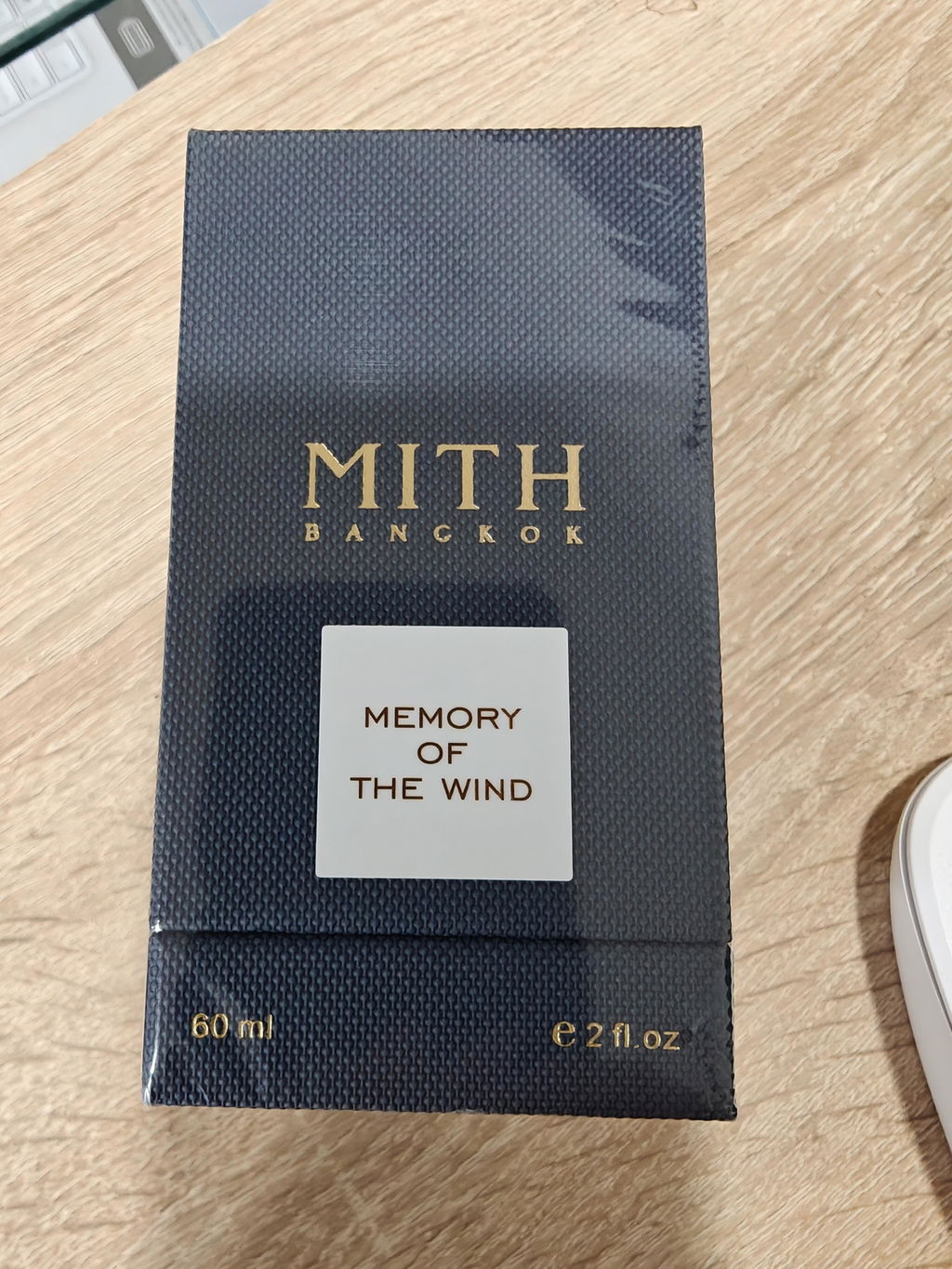
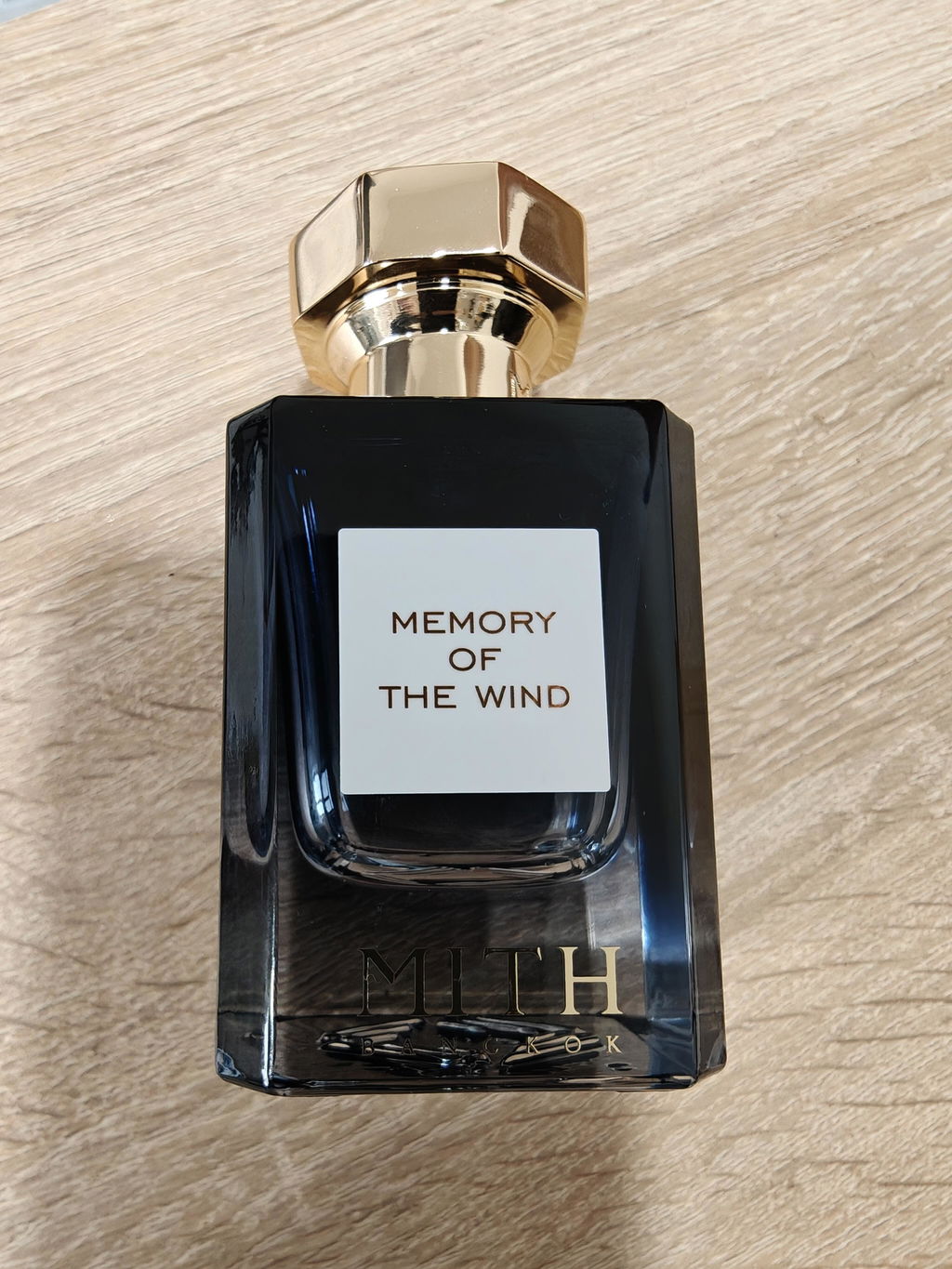
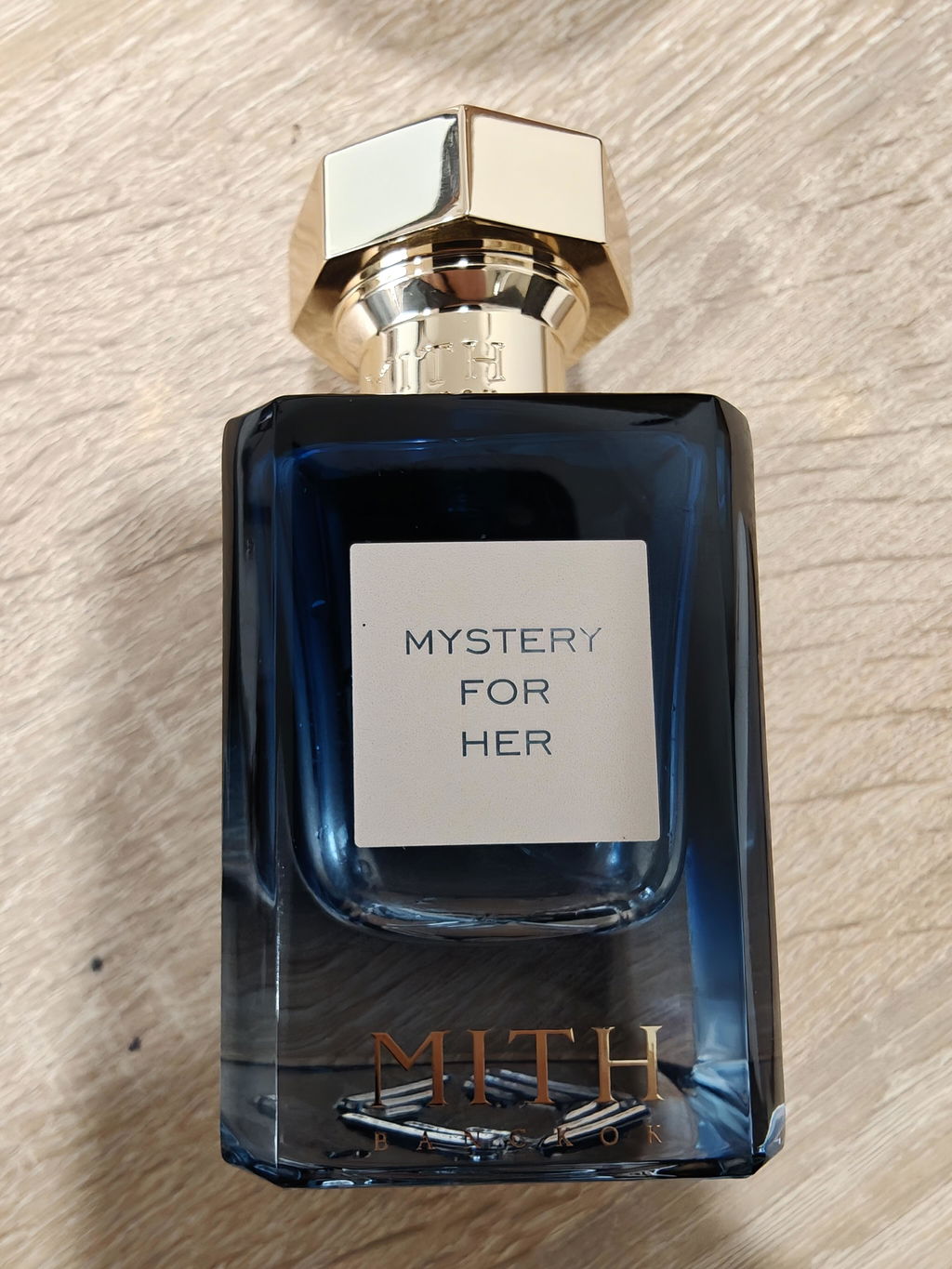
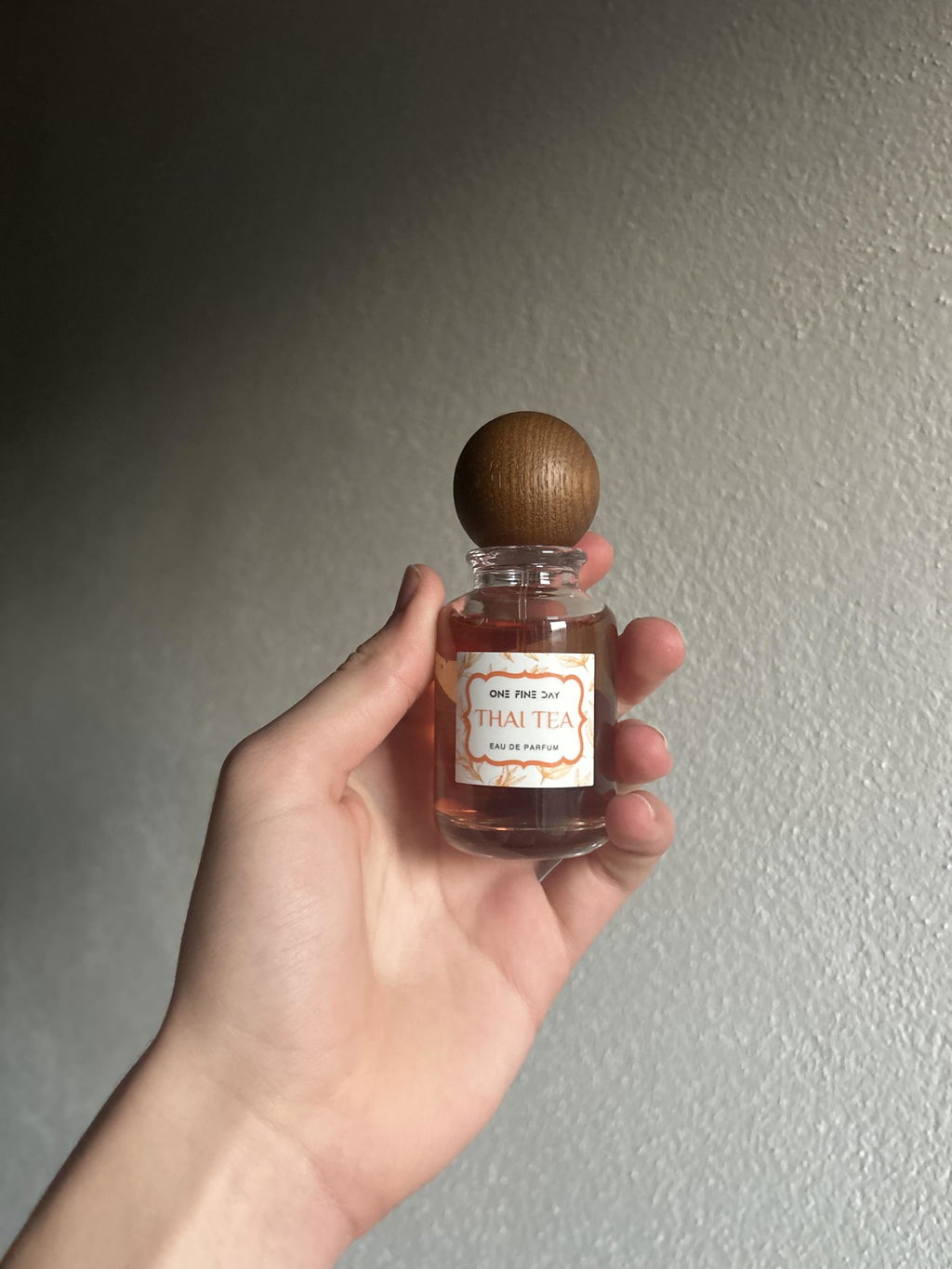
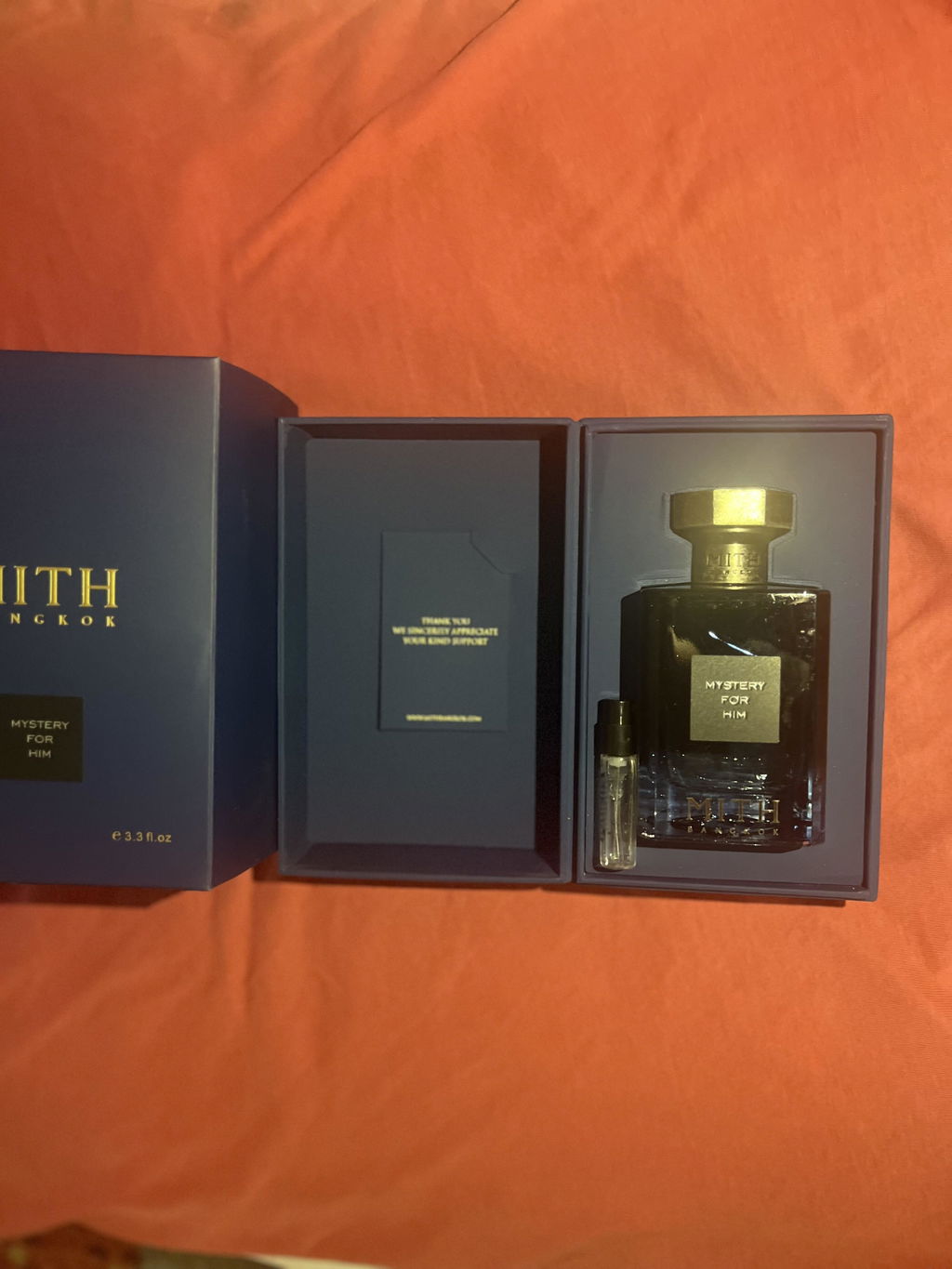
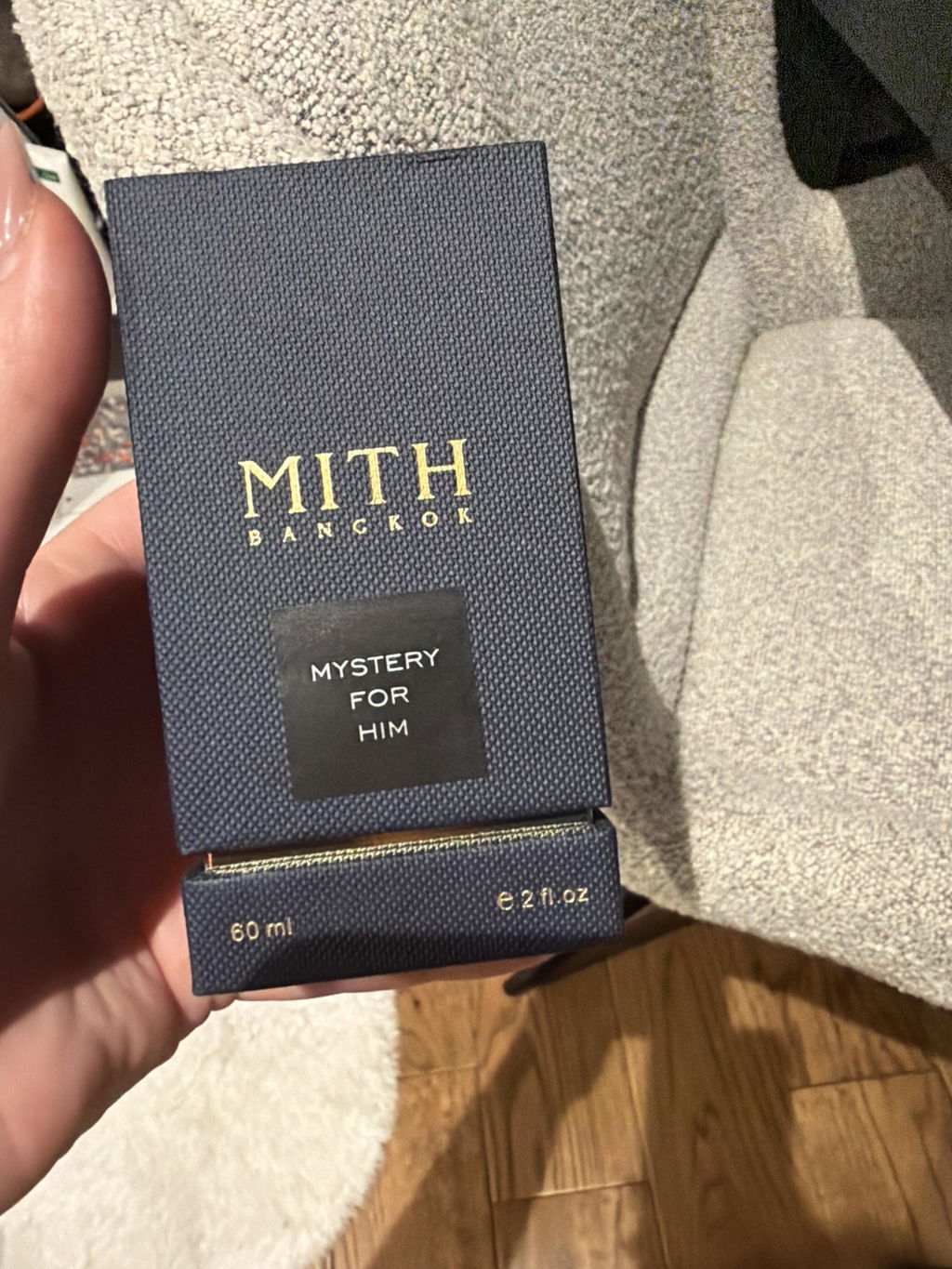
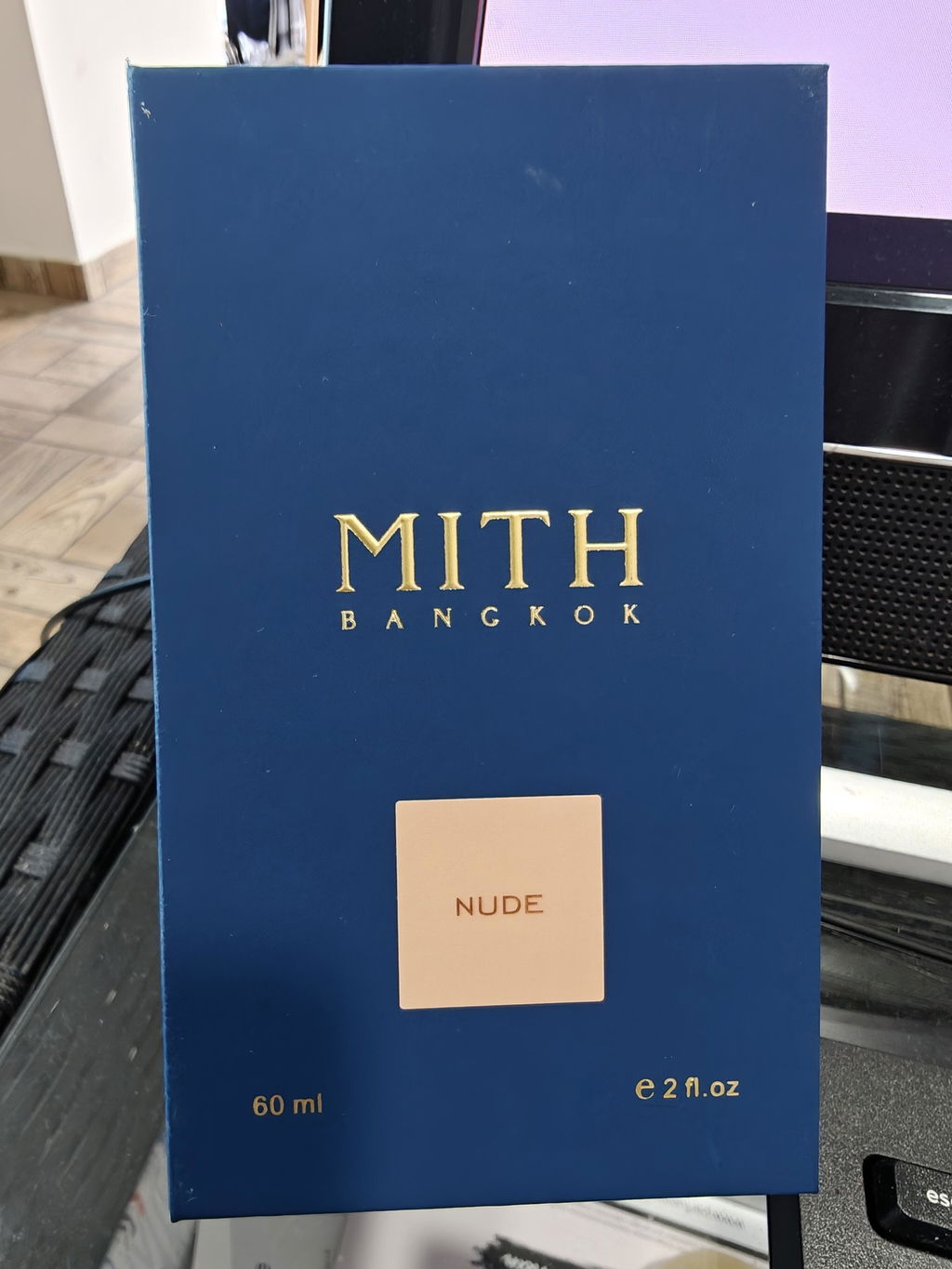
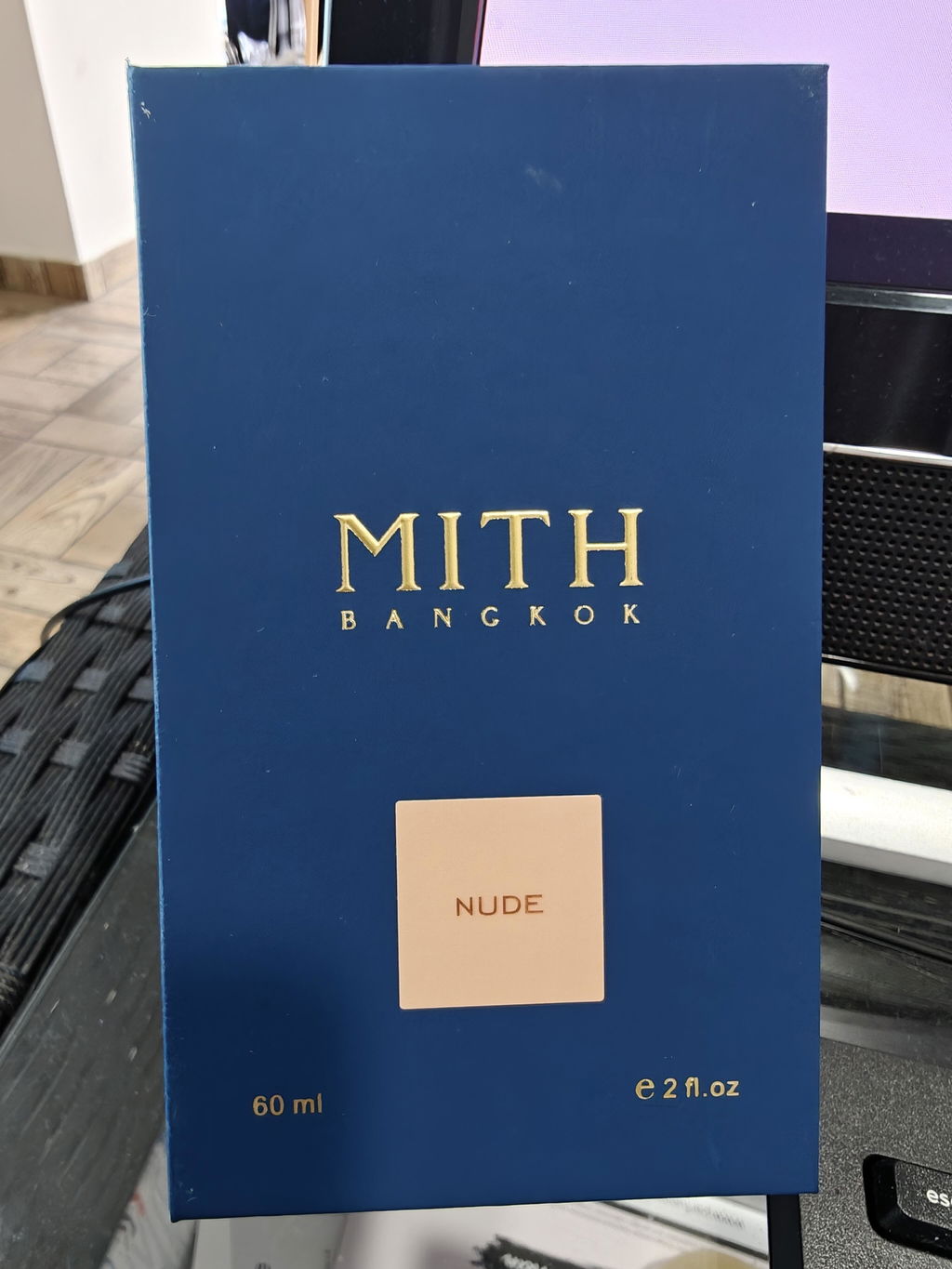
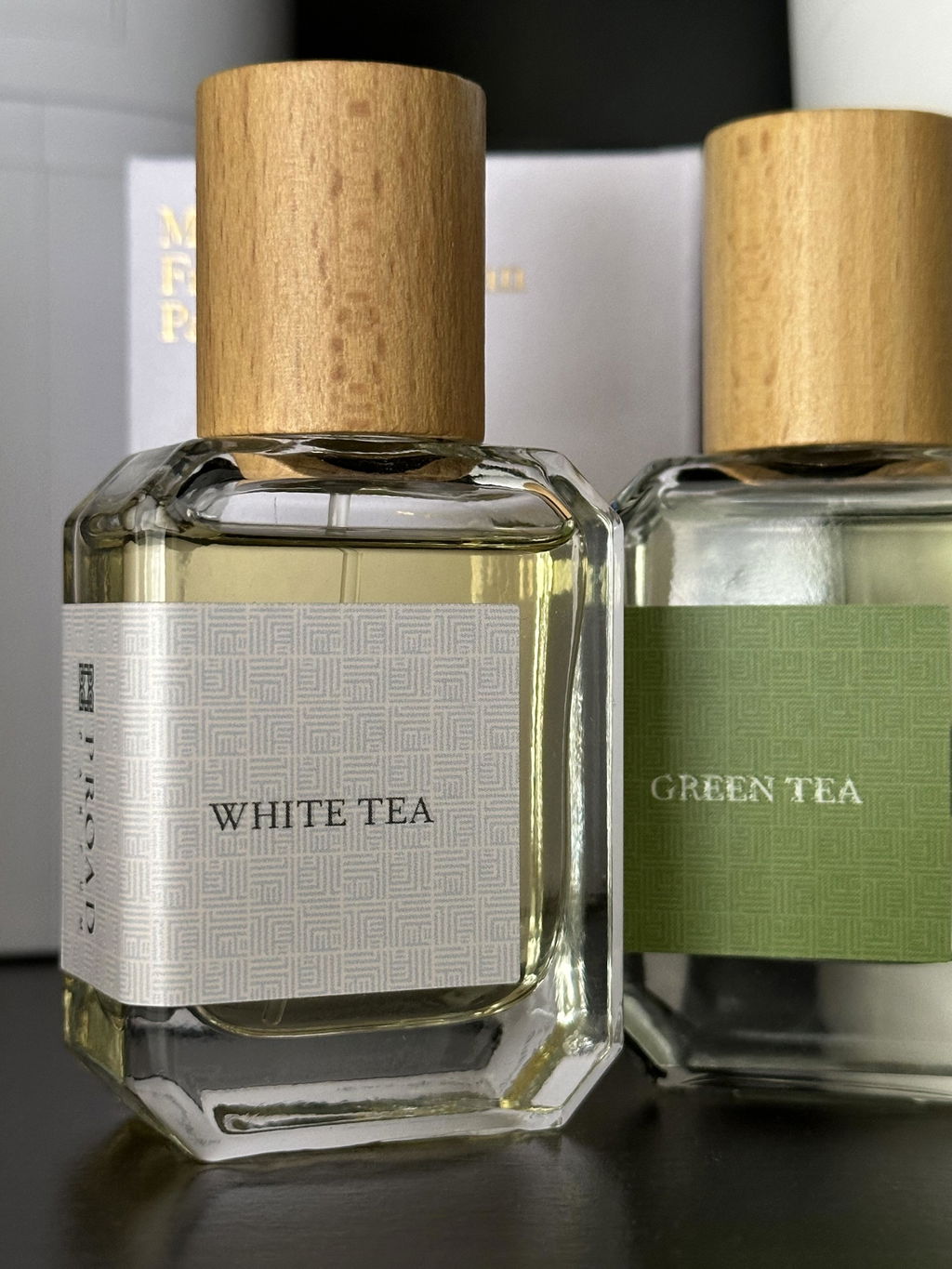
A perfume built around Thai culture does not smell like a postcard. It is rarely a simple tropical accord, and it should not be reduced to coconut, beach air, or a generic white floral. The most compelling perfumes inspired by Thai culture take something more specific - a temple garland, a night market, soaked woods after rain, jasmine tea at dusk, tropical fruit sharpened by herbs - and translate it into a composition with texture, restraint and mood.
For fragrance lovers who are tired of polished sameness, that specificity is exactly the point. Thai-inspired perfumery has a way of feeling vivid without becoming loud, decorative without losing structure, and cultural without slipping into cliché. It offers a different scent vocabulary from the familiar French floral, the standard amber-vanilla, or the predictable fresh woody formula that dominates much of the mainstream market.
Why perfumes inspired by Thai culture feel different
The difference begins with atmosphere. Thai culture carries a rich sensory language - fresh flower offerings, incense smoke, tropical heat, glossy fruit, herbal infusions, carved woods, traditional desserts, wet greenery and city energy. In perfume, these references create contrast. Sweet notes are often cut with spice, green facets, smoke or mineral freshness. Floral notes can feel luminous rather than powdery. Woods are less about dryness and more about humidity, polish and warmth.
That gives these fragrances a particular kind of movement on skin. They may open with brightness, but they seldom stay one-dimensional for long. A jasmine note might begin airy and petal-like, then settle into creaminess with tea, musk or sandalwood beneath it. Mango or coconut can appear, but not always in the syrupy, holiday-scented way many shoppers expect. In better compositions, fruit is balanced by aromatic herbs, resin, rice accords, or soft woods that stop the fragrance from turning childish.
There is also a modern design sensibility at work. Many contemporary Thai fragrance houses do not approach perfume as nostalgia bottled for tourists. They treat it as a form of cultural storytelling with a global standard of finish. That matters if you want a scent with personality that still feels wearable in London, Copenhagen or Paris.
The scent themes behind perfumes inspired by Thai culture
Some themes appear again and again, but the strongest perfumes interpret them rather than copying them literally.
Floral ritual and softness
Thailand’s floral culture is one of the most interesting entry points for perfumers. Jasmine, ylang-ylang, tuberose, lotus and rose can all connect to ritual, ceremony and ornamentation. Yet in Thai-inspired fragrance, these notes often feel lighter on their feet than in traditional Western floral perfumery. There is less emphasis on dense bouquet effects and more on freshness, translucency and humidity.
A jasmine-led scent, for example, may suggest flower garlands rather than a formal floral arrangement. That creates an intimacy which many niche buyers appreciate. It feels personal rather than dressed up.
Tropical notes with structure
Fruit and gourmand accents can be beautiful here, but they work best when handled with discipline. Mango, coconut, pomelo, lychee and banana leaf all have potential. The trade-off is obvious: done poorly, they smell novelty-driven; done well, they become textured, chic and unexpectedly sophisticated.
This is where Thai-inspired compositions often excel. They pair lush notes with green stems, salted facets, toasted rice, woods or spice. The result is less dessert counter, more atmosphere.
Incense, woods and sacred space
Not every Thai-inspired scent is bright. Some of the most elegant compositions lean into meditative territory - sandalwood, benzoin, oud, incense, lacquered woods, temple smoke, dry resins and warm skin musks. These perfumes often carry a sense of stillness. They can feel spiritual without becoming severe.
For collectors, this category is especially rewarding because it offers depth without the heaviness that sometimes weighs down more traditional oriental structures. Humidity, herbs and floral lift keep the darker materials alive.
Green freshness and water
One of the most underrated facets is greenery. Rainfall, river air, pandan leaves, citrus peel, vetiver, basil, lemongrass and tea-like nuances can all contribute to a cool, shaded freshness. This style can be especially appealing if you want something distinctive for daily wear.
It is also one of the easiest ways to recognise quality. If the green notes smell natural, layered and quietly persistent, you are likely dealing with a thoughtful composition. If they vanish into generic freshness after ten minutes, the cultural reference is probably only surface-level.
What to look for when choosing a Thai-inspired fragrance
The first question is not whether the perfume smells "Thai enough". It is whether it tells a coherent story on skin. Cultural inspiration is most convincing when the fragrance feels composed, not assembled from obvious symbols.
Look at how the notes interact. Does a floral accord have texture, or does it smell flat and soapy? Does the fruit have lift, bitterness or greenery around it? Do woods and resins create atmosphere, or simply add weight? Niche perfume should reward attention, and Thai-inspired scents are often at their best when they reveal details gradually.
You should also think about how literal you want the perfume to be. Some wearers want an immediate impression of tropical flowers, incense or dessert-like comfort. Others prefer a more abstract interpretation, where the cultural reference appears through mood rather than recognisable ingredients. Neither approach is better. It depends on whether you wear fragrance as a statement piece or as a quieter signature.
Climate and occasion matter too. A humid floral with tea and soft musk may be ideal for daytime, office wear or spring. A resinous wood with spice and incense may feel more appropriate for evening or colder months. The beauty of this category is its range. Thai-inspired perfumery is not one smell profile. It is a broad stylistic field.
Why niche buyers are turning towards Thai fragrance houses
Part of the appeal is simple: fatigue. Many fragrance lovers have reached the point where another clean musk, another sugary amber, or another expensive-smelling woody scent does very little. They want perspective. They want compositions that feel authored.
Thai fragrance brands have become increasingly compelling because they offer that sense of authorship without sacrificing wearability. Their work often sits in a productive middle ground - artistic, but not alienating; culturally rooted, but not trapped in heritage styling; polished, but not anonymous. For the European customer who wants something less expected, that balance is unusually attractive.
There is also a curatorial advantage in seeking out these houses. They remain less widely distributed than many established niche names, which means the wearer gets genuine novelty rather than the illusion of exclusivity. A fragrance can still feel refined and collectible without smelling like everyone else’s latest niche purchase.
This is one reason Villenel Fragrances has drawn attention from shoppers who want more than familiar prestige labels. Access matters, but so does discernment. When a retailer understands the difference between a marketable scent and a memorable one, discovery becomes far more satisfying.
How to wear perfumes inspired by Thai culture well
These fragrances usually reward a lighter hand at first. Their detail can be missed if you overspray immediately, especially with incense, white florals or sweeter tropical notes. Start with a measured application and let the fragrance develop. Many reveal their most interesting contrasts after the opening settles.
They also pair beautifully with fabric and movement. A jasmine-tea composition or a green tropical floral often comes alive on a scarf, shirt collar or the inside of the wrist where warmth rises naturally. A woodier temple-inspired scent may bloom more fully on outerwear or evening clothing, where its depth has room to breathe.
Most importantly, resist the urge to judge them by mainstream categories alone. If you ask whether a Thai-inspired perfume is "fresh", "sweet" or "woody", you may miss what makes it compelling. The more useful question is: does it create a place, a rhythm, a memory, a scene? The best ones do.
Perfume is always a form of editing. It selects a few details and lets them stand for something larger. When that editing is done with taste, perfumes inspired by Thai culture offer far more than novelty. They bring colour, contrast and point of view to a fragrance wardrobe that may otherwise feel too familiar. If your collection needs a scent with character rather than just polish, this is a very good place to look next.