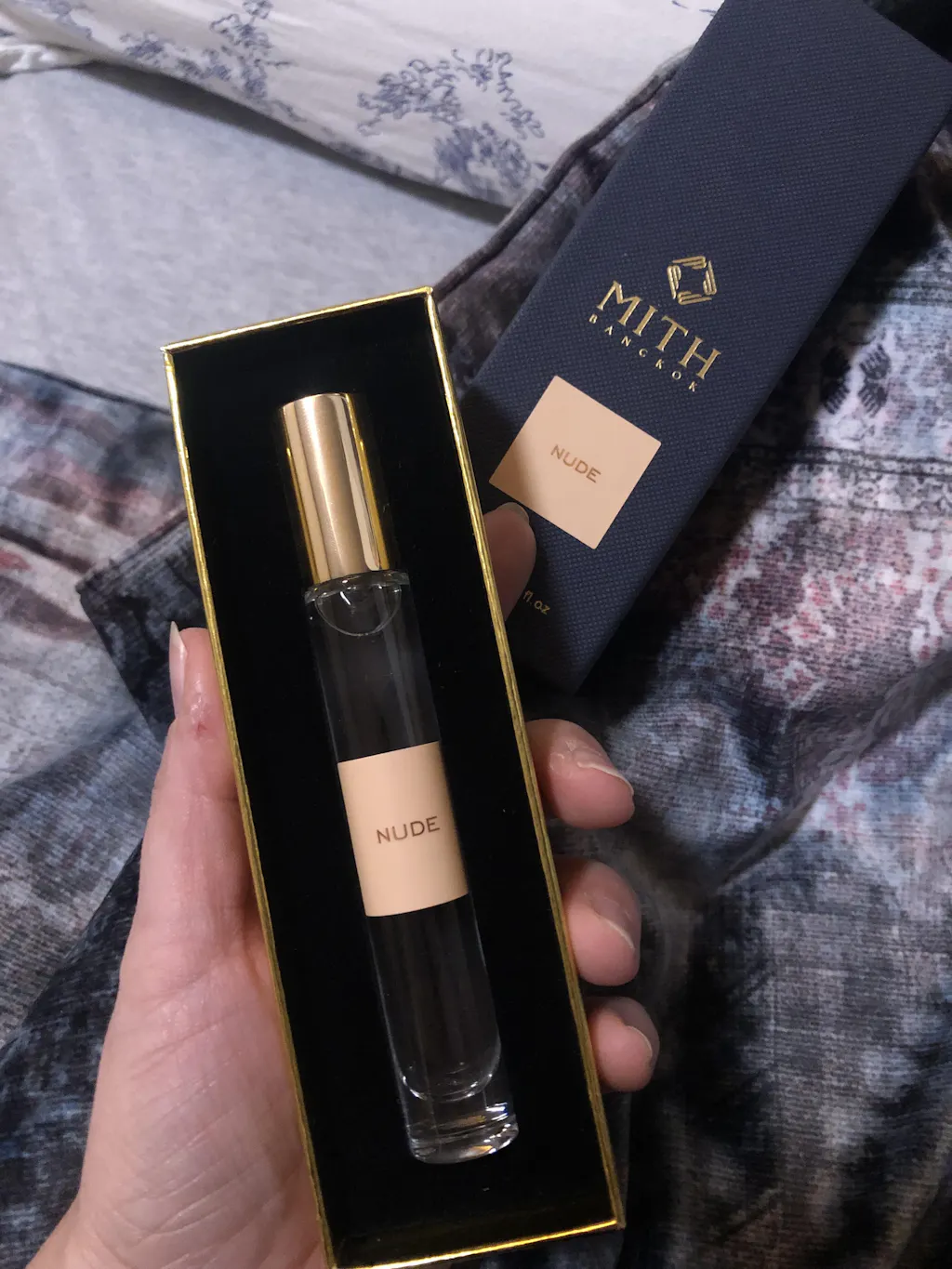
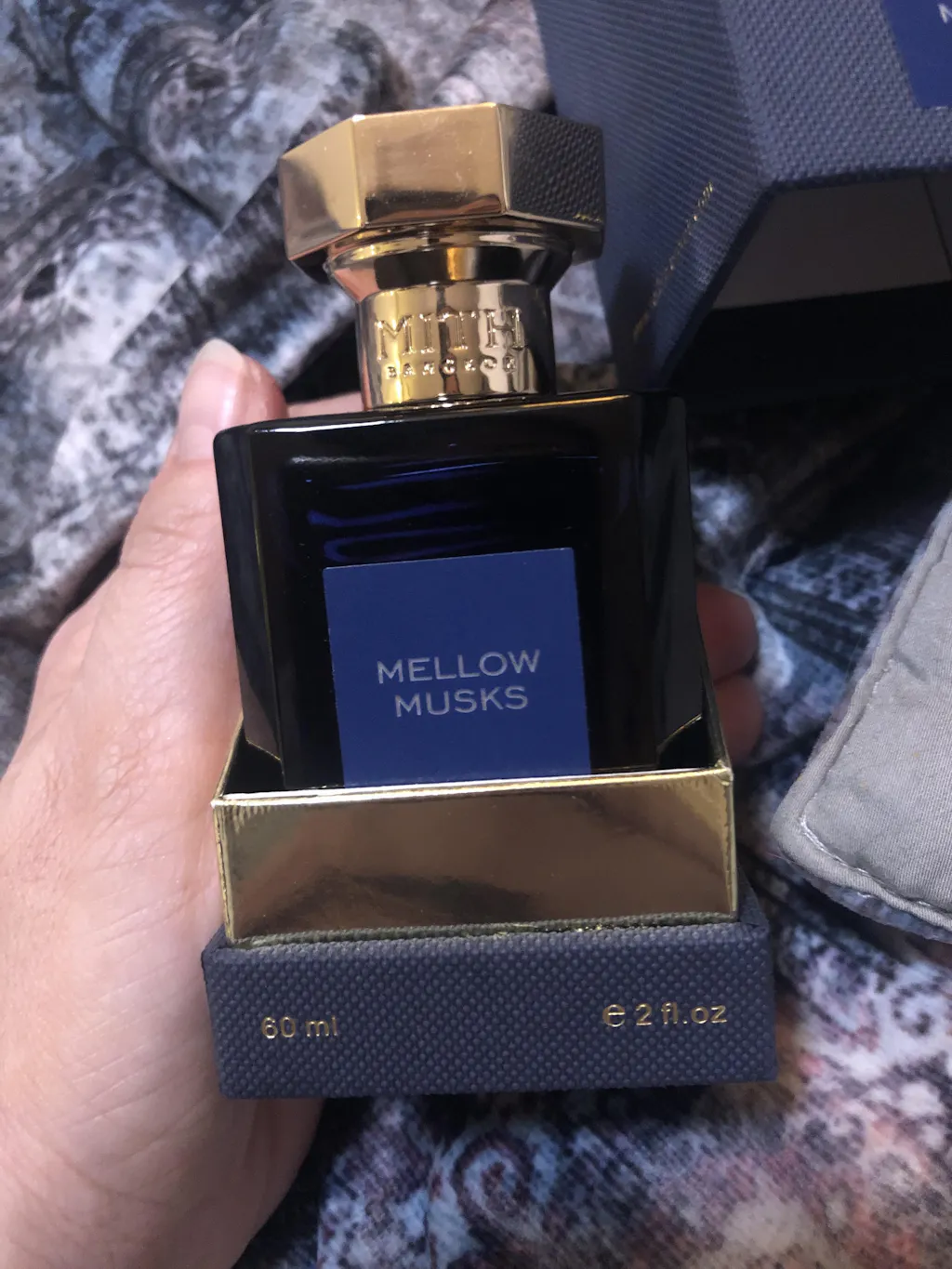
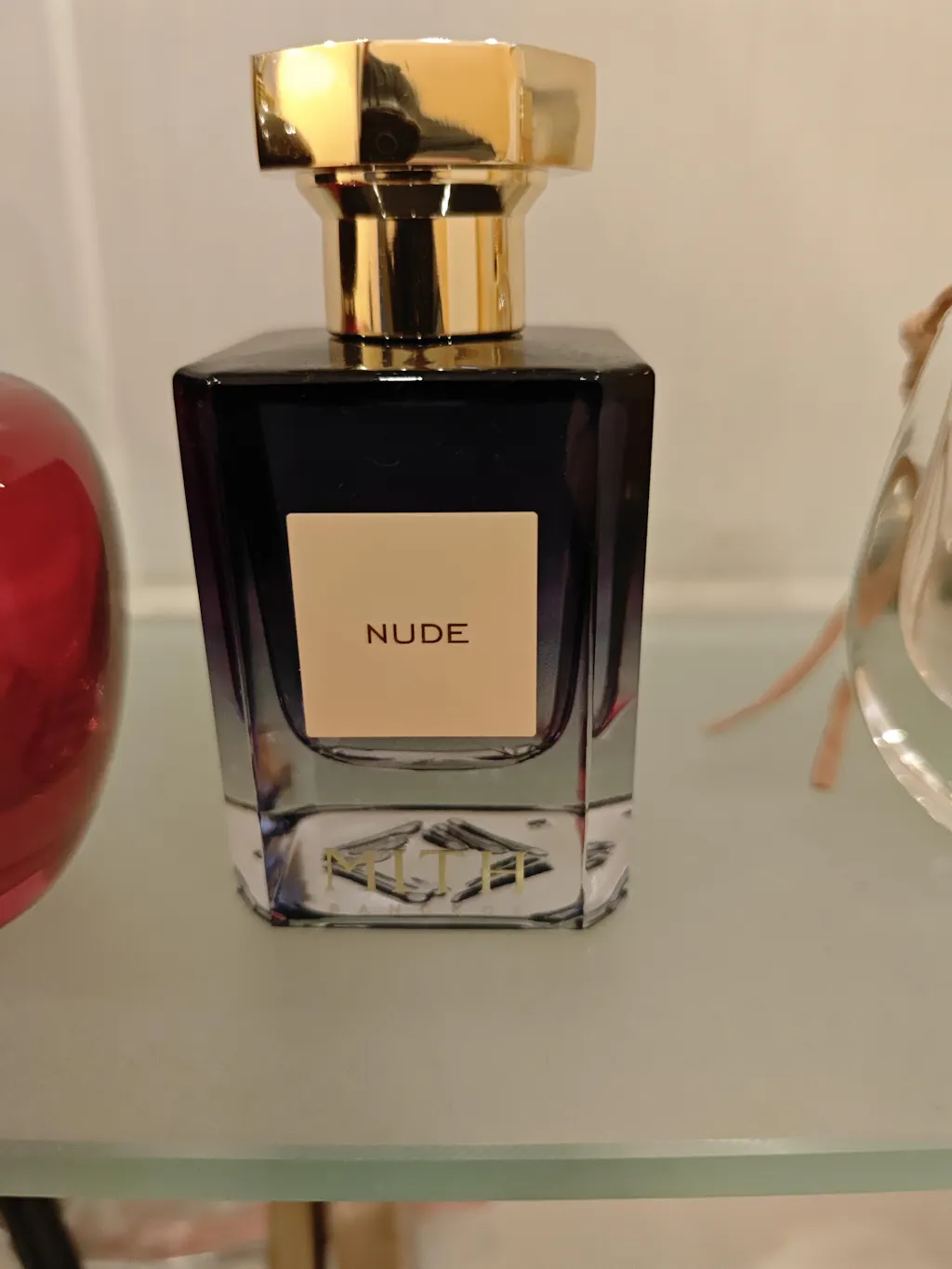
You can usually spot the moment someone moves from designer fragrance into something more distinctive. They stop asking for the safest compliment-getter and start looking for character. That is where the question of niche perfume vs designer becomes genuinely useful - not as a status marker, but as a way to understand what kind of scent experience you actually want.
For some people, designer perfume is exactly right. It is polished, accessible, and often built to please quickly. For others, niche perfumery offers what the mainstream rarely can: a stronger point of view, more unusual materials, and compositions that feel less familiar on the skin. Neither category is automatically better. The real difference lies in intention.
Niche perfume vs designer: the core difference
Designer perfumes come from fashion houses and luxury brands whose main business is not perfume alone. Fragrance is often part of a wider universe that includes clothing, accessories, beauty, and image. These scents are usually developed to appeal to a broad audience, with a clear market position and strong commercial potential.
Niche perfume houses work differently. Their identity tends to revolve around fragrance itself. Rather than using scent to support a fashion brand, they build the brand through scent. That often allows for more creative freedom, more specific storytelling, and less pressure to follow familiar trends.
This difference shapes almost everything that follows - from the ingredients used to the way a fragrance develops, how it is marketed, and who it is really made for.
Why designer perfumes remain so popular
Designer fragrances earn their place for good reason. The best ones are beautifully made, easy to wear, and often highly versatile. If you want a fragrance for the office, dinner, travel, or gifting without too much risk, designer scents usually understand the brief.
They are also familiar in the best sense. The composition may feel smooth, balanced, and immediately attractive. Citrus, soft woods, clean musks, modern amber notes, and sweet florals are often blended to be agreeable from the first spray. There is craft in that restraint.
The trade-off is that many designer launches can feel as though they are speaking the same language. When trends dominate the market, repetition follows. You begin to notice the same sweet fruit accord, the same creamy vanilla base, the same crowd-pleasing freshness. For wearers who want distinction, that polish can start to feel predictable.
What niche perfume offers that designer often does not
Niche fragrance tends to be more comfortable taking aesthetic risks. It may lean greener, smokier, spicier, more resinous, more atmospheric, or simply less eager to charm in the first five minutes. That can make niche scents more memorable.
A niche house is often less concerned with being universally liked and more concerned with expressing an idea well. Sometimes that idea is elegant and understated. Sometimes it is dramatic, unconventional, or deeply transportive. In either case, the scent is often allowed to have a stronger personality.
This is where niche perfumery becomes especially compelling for fragrance-conscious shoppers. You are not only buying a pleasant smell. You are choosing a signature, a mood, a cultural reference, or a crafted point of view.
That is also why niche is not always the easiest category for beginners. A fragrance can be fascinating and still not be instantly wearable. Complexity is not the same as comfort, and artistic ambition does not guarantee daily usefulness.
Scent profile: familiarity versus character
If you are deciding between niche perfume vs designer, start with the smell itself rather than the price tag. Ask whether you want familiarity with refinement, or character with a stronger edge.
Designer fragrances often focus on immediacy. They tend to open attractively, settle neatly, and remain coherent without asking too much of the wearer. They are built for broad appeal, so the structure is usually intuitive.
Niche fragrances may unfold more slowly. You might notice sharper contrasts, more texture, or a less obvious transition from opening to dry down. Notes that feel unusual at first can become compelling after half an hour. Some of the most rewarding niche scents are not love-at-first-spray perfumes at all.
This is especially true with houses that build around narrative or place. A composition might reference tropical heat, lacquered woods, incense smoke, wet florals, rice powder, suede, tea, temple air, or night markets rather than the standard masculine-fresh or feminine-sweet framework. That broader creative vocabulary is part of niche fragrance’s appeal.
Does niche always mean better quality?
Not necessarily. This is one of the most common misconceptions in perfume.
Niche brands often position themselves around craftsmanship, originality, and selective distribution, and many genuinely deliver on those points. But designer brands also work with excellent perfumers, advanced labs, and high production standards. A famous fashion house can create a superb perfume, just as a niche house can release something expensive but underwhelming.
Quality in perfumery is better judged by balance, construction, wear, and originality than by category alone. Does the fragrance feel coherent? Does it develop well? Do the materials create texture and depth? Does it leave an impression beyond the first spray?
Sometimes a designer scent outperforms a niche one in sheer elegance. Sometimes a niche scent offers far more personality for the wearer who is bored of the mainstream. The better question is not which category is superior, but which one aligns with your taste.
Price, exclusivity and what you are really paying for
Niche fragrances are often more expensive, but the higher price does not come from one factor alone. You may be paying for smaller production runs, more selective retail presence, brand positioning, more distinctive packaging, or a concept-driven creative direction. Sometimes you are also paying for less compromise in the formula. Sometimes you are paying for mystique.
Designer perfumes usually benefit from larger-scale distribution and broader market reach. That can make them feel better value, especially if you want a dependable fragrance without entering collector territory.
Exclusivity matters here too. Part of the niche appeal is simply that fewer people are wearing the same scent. For many fragrance lovers, that matters. Wearing a perfume that feels discovered rather than advertised changes the emotional experience of owning it.
Still, exclusivity alone is not enough. A hard-to-find perfume that does not suit you remains the wrong perfume.
When designer is the smarter choice
There are moments when designer fragrance makes more sense, even for someone who loves niche.
If you want an easy office scent, a polished gift, a first fragrance for someone new to perfume, or a reliable all-rounder, designer often wins on versatility. It is also the better category if you enjoy clear structures and instantly likeable compositions.
There is no virtue in forcing yourself into niche if what you truly enjoy is clean citrus, soft iris, elegant woods, or modern florals done with precision. Taste matters more than category.
When niche is worth the move
Niche becomes worth exploring when you feel that mainstream perfume no longer surprises you. Perhaps too many launches smell interchangeable. Perhaps you want a scent with more texture, more identity, or a story that feels less market-tested.
It is also the natural next step for collectors, style-led shoppers, and anyone who treats fragrance as part of personal expression rather than basic grooming. If you like the idea of wearing something that starts conversations rather than blending into the background, niche is often where that search becomes more interesting.
For European shoppers, this can be especially exciting when niche discovery opens the door to fragrance cultures not widely represented at standard beauty counters. That is where carefully selected houses from newer regional scenes, including contemporary Thai perfumery, bring real freshness to the market.
How to choose between niche perfume and designer
The most useful approach is to ignore the category for a moment and focus on your habits. Think about where you will wear the fragrance, how adventurous your taste is, and whether you want comfort or distinction.
If you wear perfume daily and need flexibility, designer may serve you better. If you already own the easy staples and want something with more point of view, niche will likely feel more rewarding.
Sampling matters. A blotter tells you very little about whether a fragrance suits your skin, wardrobe, and rhythm of life. Wear it properly. Let it settle. Notice whether it becomes more interesting or more tiring. The right perfume should feel intentional, not merely impressive.
One well-chosen niche fragrance can transform a collection. One beautifully composed designer scent can remain a lifelong favourite. The smartest buyers do not treat this as a competition. They build wardrobes with both, choosing each perfume for what it does best.
If your taste is evolving, trust that instinct. The right fragrance does not need to announce its category - it only needs to feel unmistakably yours.