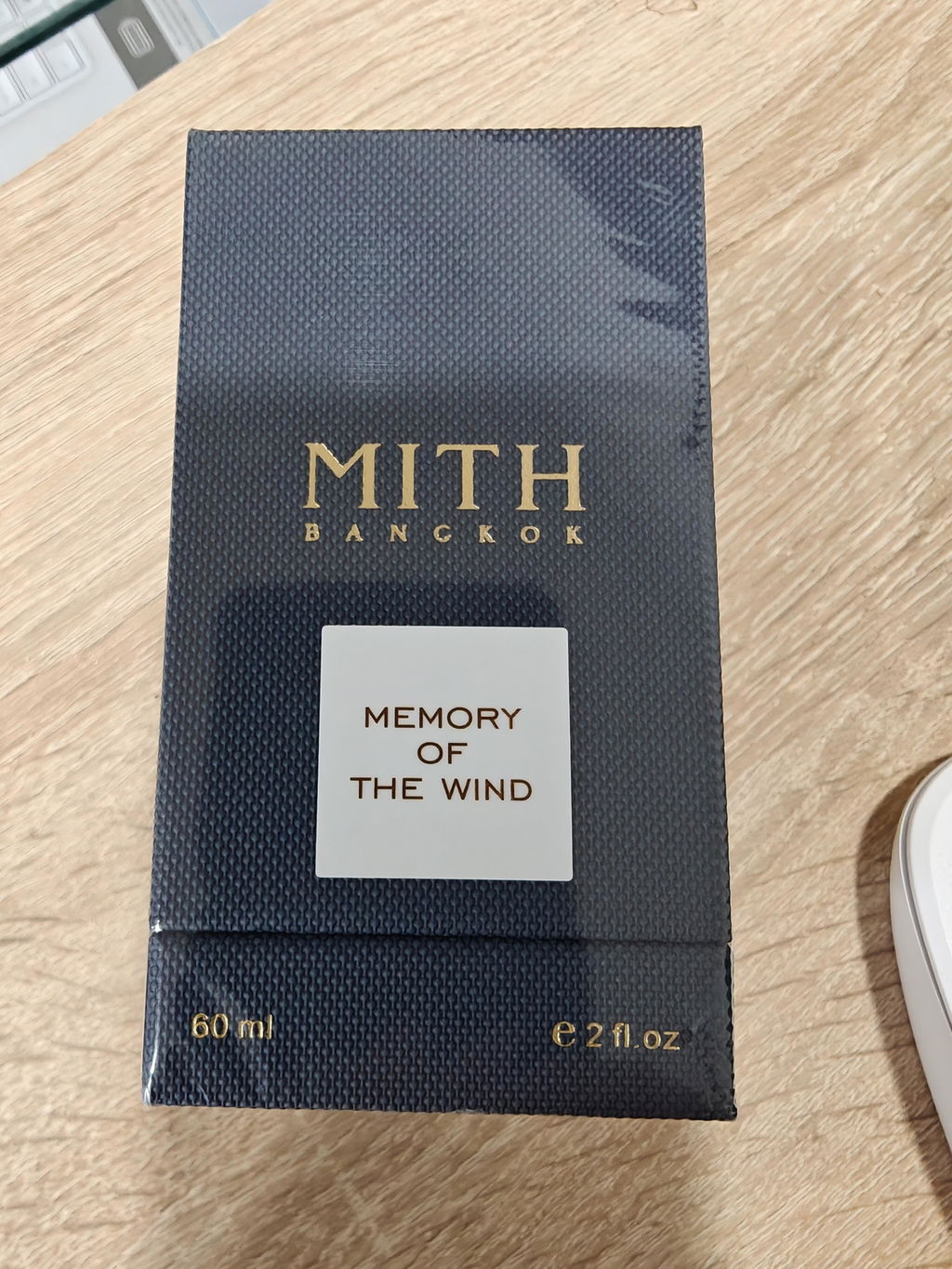
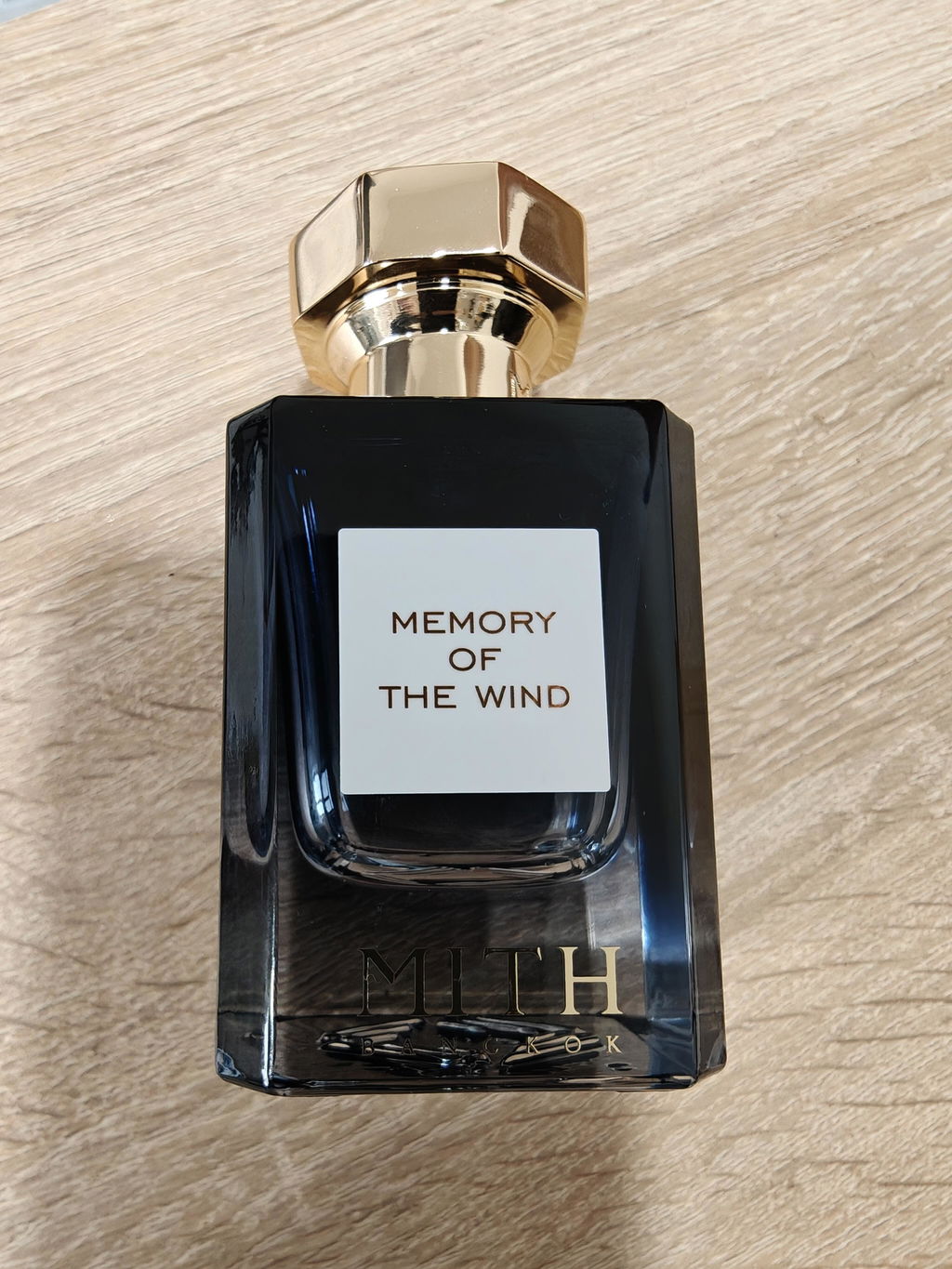
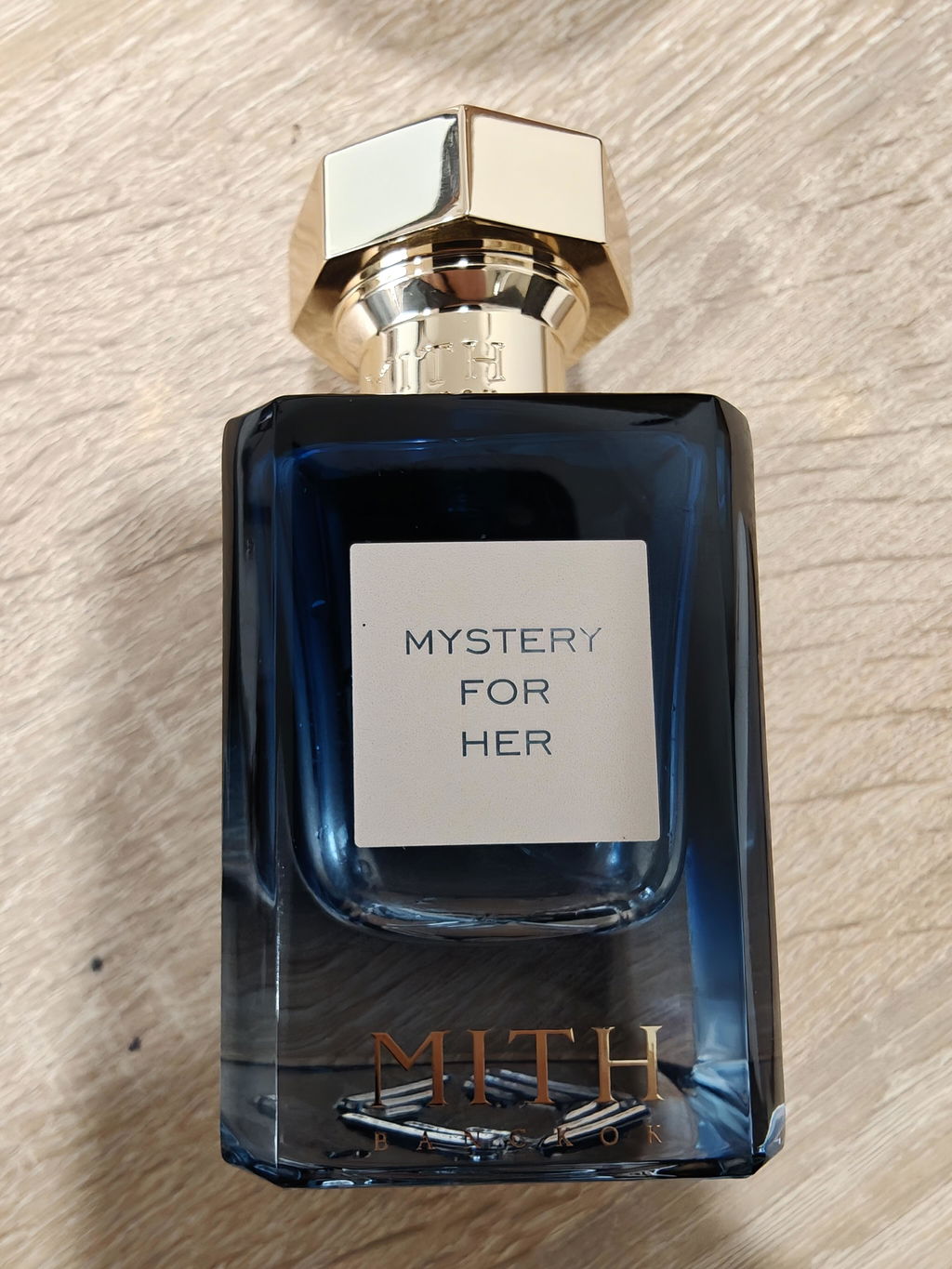
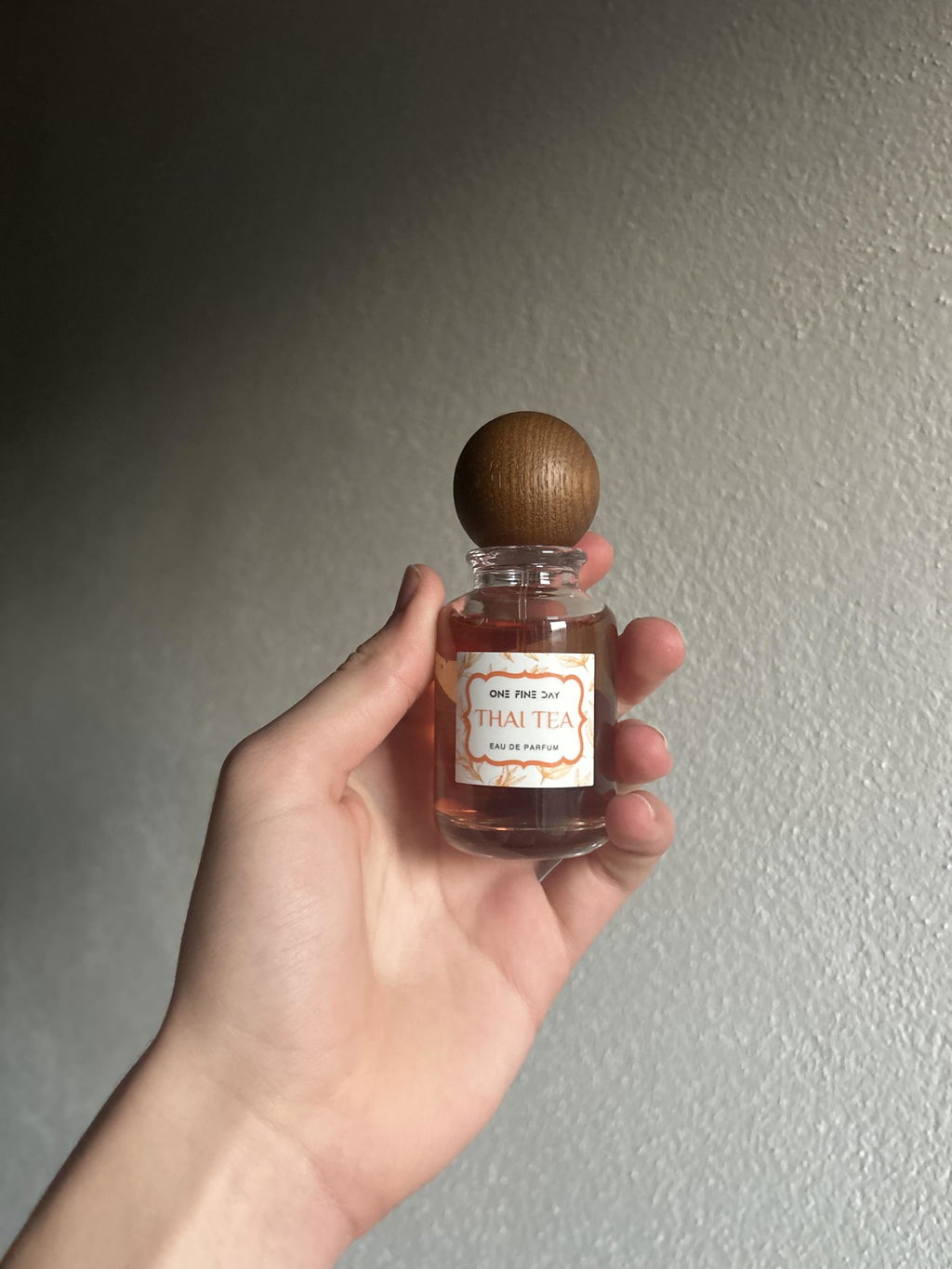
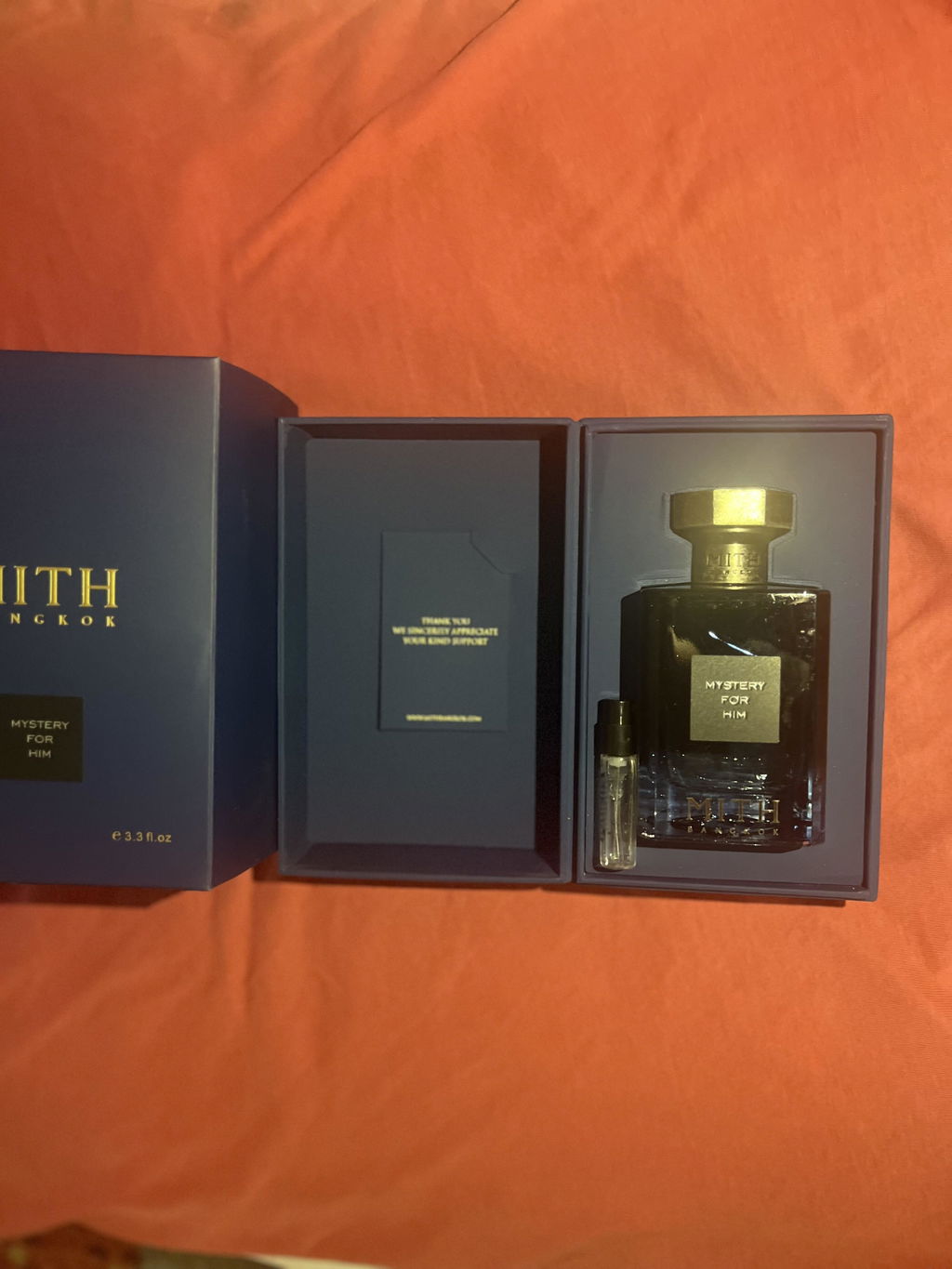
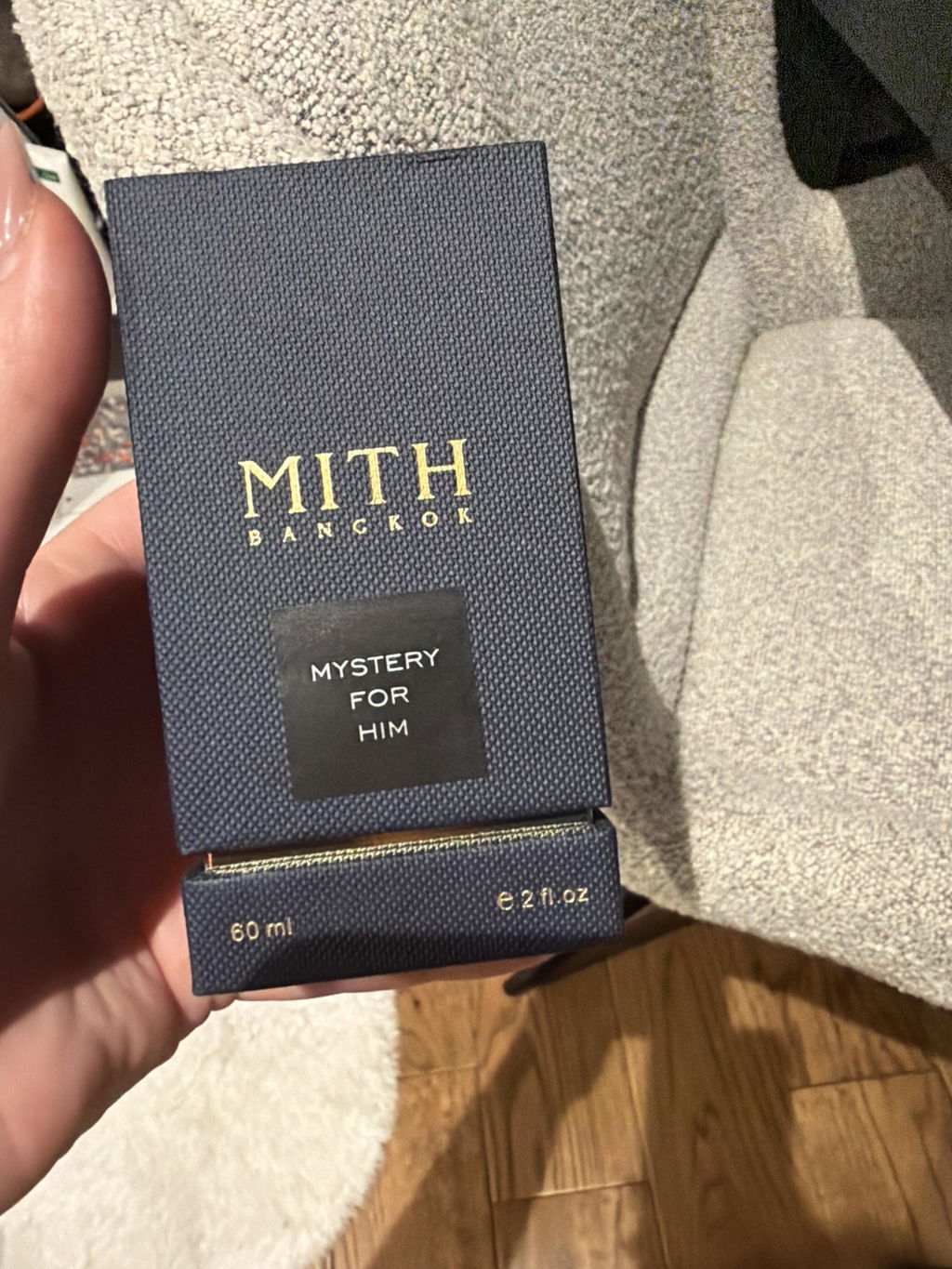
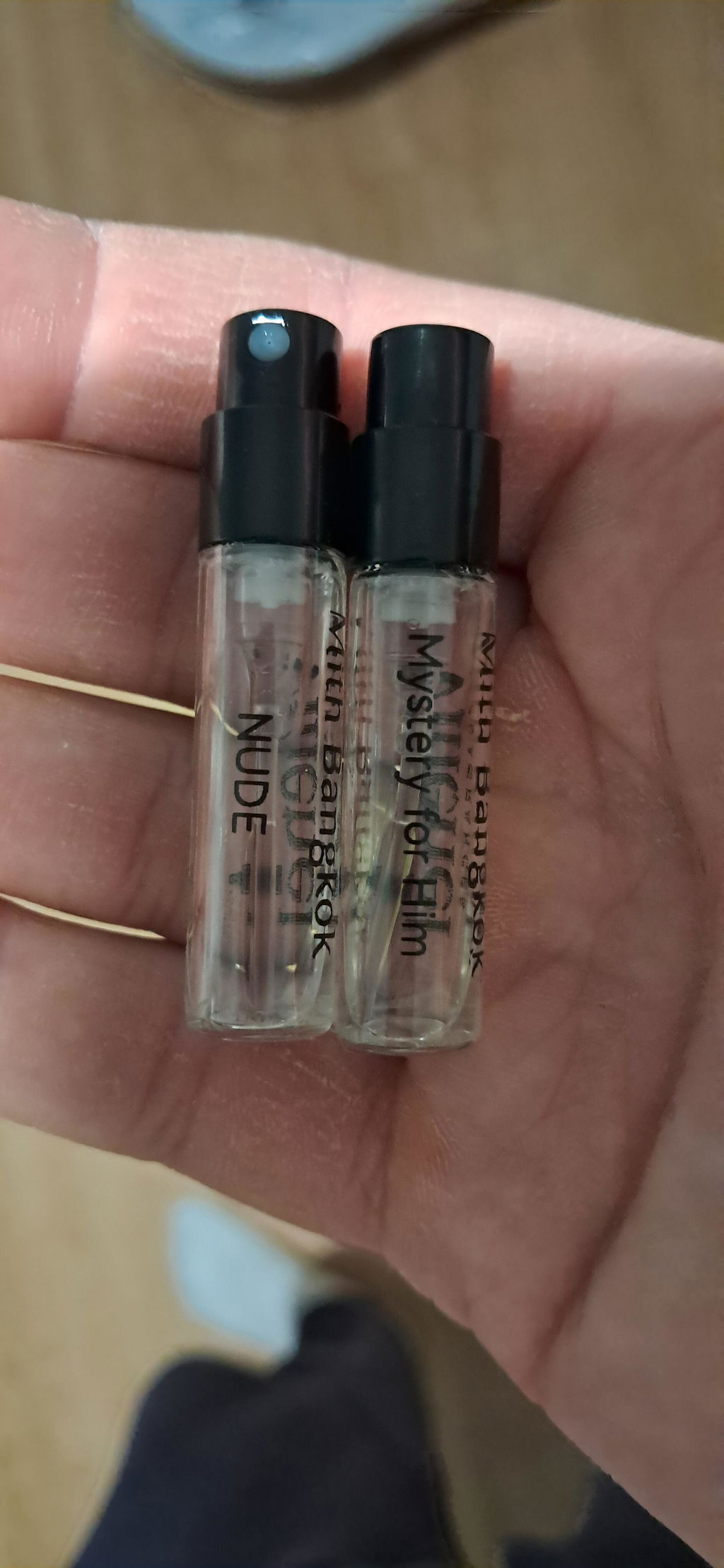
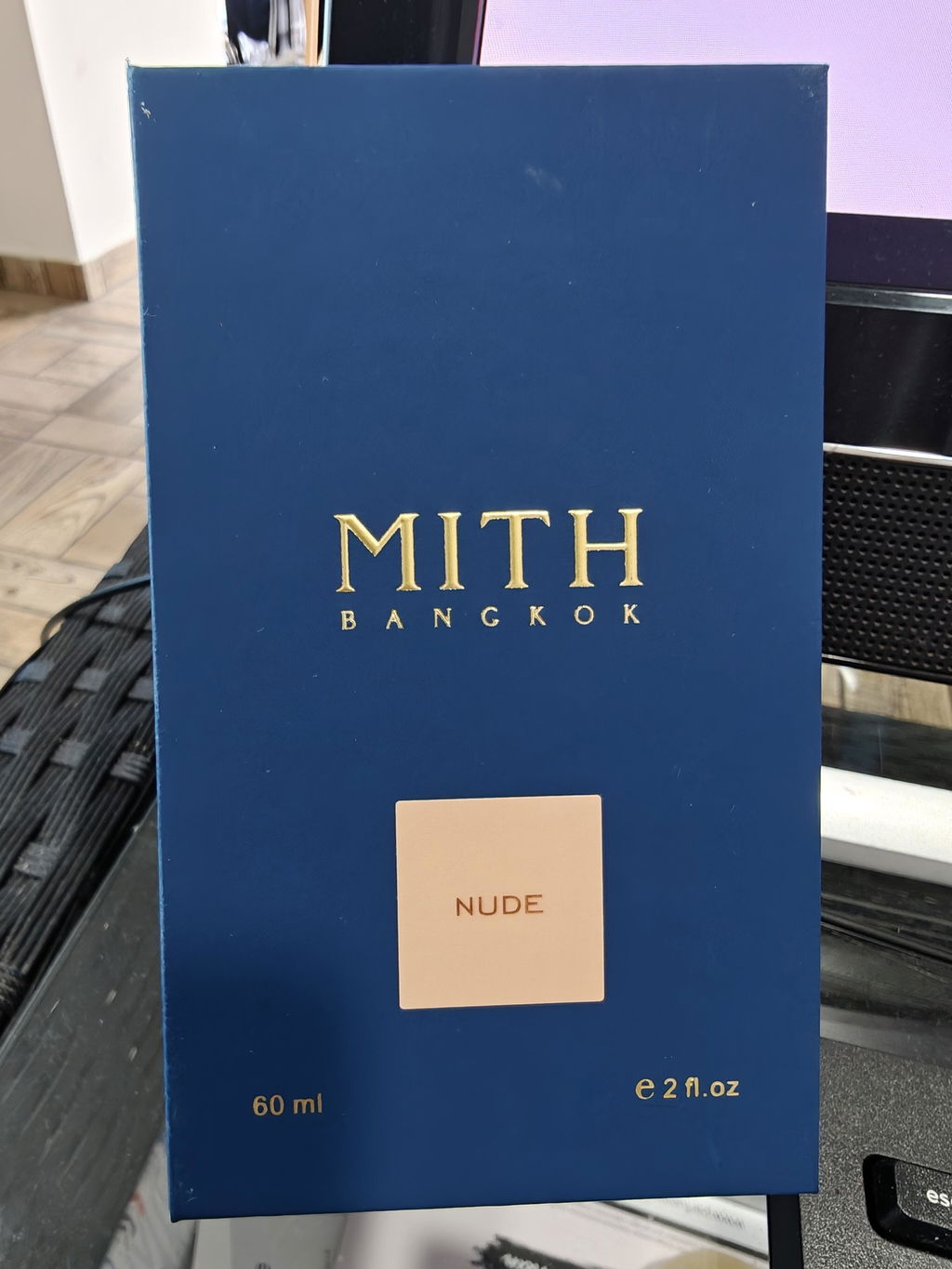
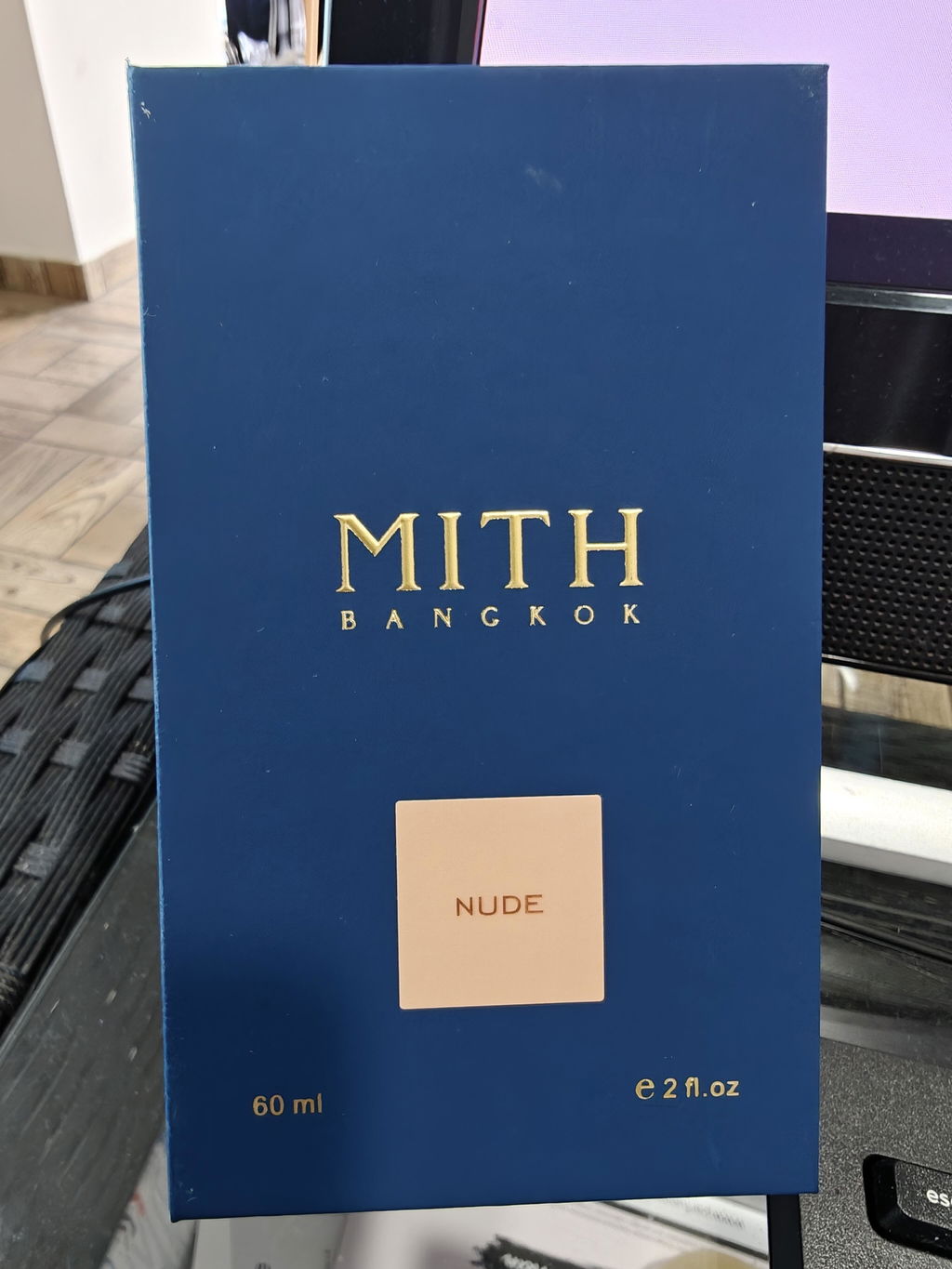
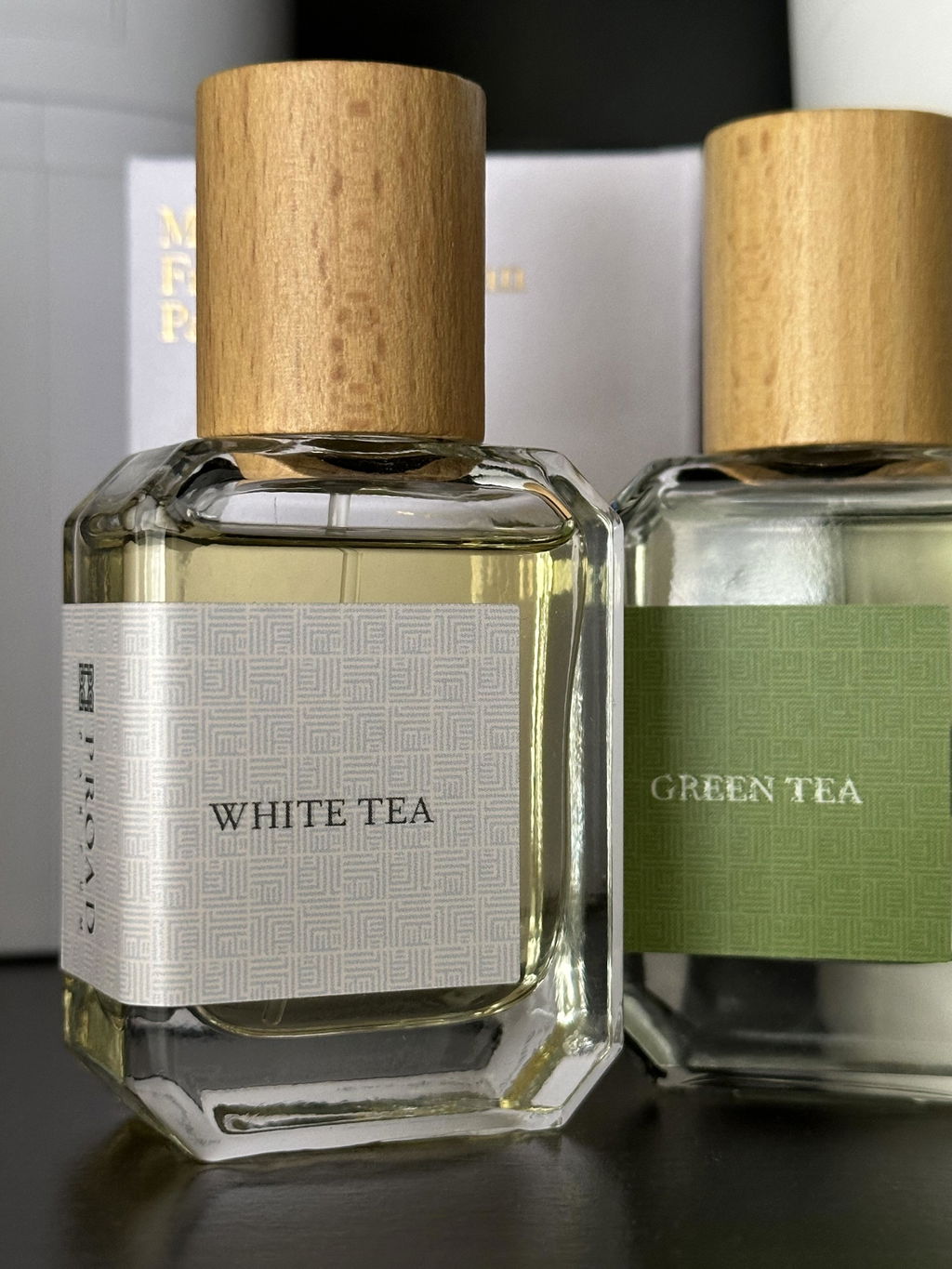
A ripe mango note that stops short of syrup. Jasmine rendered with lift rather than volume. Woods made translucent in heat rather than dense for winter drawing rooms. The most interesting emerging Thai perfume trends are not simply about geography - they are about a different way of composing scent for modern wear, memory and mood.
For fragrance lovers who have grown tired of familiar designer structures, Thai perfumery offers something rarer: a point of view. It carries an instinct for atmosphere, colour and texture, yet often avoids the heaviness that can make niche perfume feel performative. What is coming through from contemporary Thai brands is polished but vivid, artistic but highly wearable - a balance many fragrance collectors spend years trying to find.
Why emerging Thai perfume trends matter now
Thailand’s fragrance scene is arriving at a moment when the wider niche market is changing. Consumers still want distinction, but they are becoming more selective about what that distinction looks like. Loudness alone is no longer enough. There is growing appetite for perfumes with clarity, emotional shape and a story that feels contemporary rather than theatrical.
That is where Thai brands are finding their space. Many are creating scents that feel expressive without being overloaded, sophisticated without becoming aloof. There is often a cinematic quality to the composition, but it remains edited. Instead of building around familiar Western ideas of opulence, these perfumes frequently emphasise humidity, brightness, fruits, herbal freshness, creamy florals and soft woods in ways that feel precise and current.
For a European audience, that difference matters. It introduces new scent references without asking the wearer to compromise on elegance or versatility. The appeal is not novelty for its own sake. It is a more nuanced olfactory language.
Emerging Thai perfume trends in composition
One of the clearest emerging Thai perfume trends is the move towards luminous construction. Even when a scent includes rich materials, the result often feels breathable. Florals are given space. Gourmand notes are framed with air and texture. Woods support rather than dominate.
This lightness should not be mistaken for simplicity. In many cases, Thai compositions are carefully layered to create movement across the day. A fragrance may open with tropical fruit or green freshness, soften into petals or tea, then settle into musks, sandalwood or a polished resinous base. The architecture is considered, but the wearing experience feels effortless.
Another notable shift is the treatment of sweetness. Rather than the dense caramel, vanilla and praline profiles that have saturated parts of the global market, newer Thai perfumes often explore sweetness through fruit, rice, coconut, florals or soft lactonic effects. The result can feel more natural, more skin-like and easier to wear in varied settings.
There is also a strong interest in contrast. Crisp citrus beside humid white flowers. Powder against mineral freshness. Creamy woods cut with aromatic herbs. These tensions give the perfumes personality without turning them into abstract experiments. For buyers who want a scent to feel memorable but still practical, that balance is especially appealing.
Tropical notes, handled with restraint
Tropicality is one of the most misunderstood areas in fragrance. Too often, it becomes shorthand for sugary cocktails and beachwear clichés. Thai perfumery is helping to refine that idea.
Fruit notes such as mango, lychee, pomelo, coconut or pineapple can appear, but they are rarely treated as novelty accents. Instead, they are integrated with florals, musks, tea notes or green facets to create something more dimensional. A mango accord might read as juicy and slightly tart rather than candied. Coconut may appear as a creamy texture instead of a suntan lotion effect. Even banana or rice nuances can be used in a way that feels elegant rather than playful.
This restraint is part of the appeal. It allows tropical notes to become sophisticated materials rather than thematic props. For wearers in Europe, that means these fragrances can slot into a wardrobe of niche scents without feeling costume-like.
Floral storytelling with a modern hand
Florals remain central, but the treatment is changing. Contemporary Thai brands are not relying on oversized bouquets or purely romantic structures. Instead, many are working with floral notes in a more textural and atmospheric way.
Jasmine, tuberose, ylang-ylang, rose and lotus can all appear, yet they are often sharpened with green stems, softened with musks or diffused through watery and airy accords. The goal is less about floral abundance and more about floral perspective. You are not always smelling a flower in isolation. You are smelling light on petals, humidity in the air, fabric against skin, dusk in a garden.
This is where Thai perfumery feels especially assured. It understands that modern luxury often sits in suggestion rather than saturation. A floral fragrance does not need to announce itself from across the room to feel beautifully composed.
Gourmand, but cleaner and more cultured
The gourmand category continues to evolve, and Thai brands are contributing a distinctly refined chapter. Rather than leaning into overt dessert references, many compositions explore edible notes through texture and familiarity.
Rice, milk, pandan, coconut, tea, soft spice and delicate vanilla can create a gourmand effect that feels calm and intimate. These scents often wear close to the skin in a polished way, making them ideal for people who want comfort without excess. They can also appeal to collectors who enjoy gourmand ideas but have tired of sticky, high-volume formulas.
That said, this trend is not universal. Some wearers will still prefer the dramatic density of classic gourmands, especially in colder months. Cleaner Thai-style gourmands may feel too subtle if someone wants maximum projection and obvious sweetness. It depends on personal taste and on what role fragrance plays in your wardrobe.
A stronger emphasis on mood and place
Another of the emerging Thai perfume trends worth watching is narrative fragrance that feels rooted in mood rather than marketing tropes. There is a strong sense of place in many Thai perfume concepts, but it is often conveyed through texture, atmosphere and emotional detail instead of literal description.
This makes the storytelling more compelling. A perfume may evoke a city evening, a temple garden after rain, pressed linen, warm skin, tropical shade or neon-lit modernity. The references feel lived-in and visual. For niche fragrance buyers, that gives the scent house a stronger identity. You are not simply buying notes. You are buying a perspective.
That perspective matters in an oversupplied market. Plenty of brands can produce a technically competent perfume. Fewer can communicate a recognisable aesthetic. Thai brands that are gaining attention tend to understand both composition and world-building, which is why they feel increasingly relevant to collectors and gift buyers alike.
What this means for European fragrance wardrobes
For shoppers in the EU, Thai perfumes can fill a very specific gap. They often offer distinction without the severity that sometimes comes with avant-garde perfumery. They also provide freshness, elegance and originality in formats that suit daily wear, evenings out and thoughtful gifting.
This does not mean every Thai fragrance will suit every collector. If your preference runs towards leathery powerhouses, classic chypres or highly animalic orientals, some modern Thai releases may feel more transparent than you usually wear. But for many people, that is exactly the attraction. These perfumes tend to layer well into a contemporary wardrobe where versatility matters almost as much as character.
It is also worth noting that presentation plays a role. The strongest Thai brands understand visual identity, naming and collection design. That coherence makes the discovery experience more satisfying. It feels curated, not accidental.
How to approach emerging Thai perfume trends as a buyer
The smartest way to explore this category is to pay attention to structure, not just note lists. If you are drawn to airy florals, nuanced fruits, sheer woods or elegant skin scents, Thai perfumery will likely reward your attention. If you enjoy strong gourmand signatures, look for compositions with rice, coconut, milk or tea facets rather than expecting heavy confectionery.
It also helps to think seasonally, though not too rigidly. Many Thai perfumes perform beautifully in spring and summer because of their brightness and lift, yet soft musks, woods and creamy florals can be just as compelling in cooler weather when you want intimacy rather than weight.
For those looking to explore with confidence, a specialist curator such as Villenel Fragrances offers a more discerning route into these houses, particularly when access within Europe is otherwise limited.
Thai perfumery is not interesting because it is new to some shoppers. It is interesting because it is offering genuinely modern answers to familiar fragrance fatigue. If your collection needs more light, more texture and more point of view, this is a category worth wearing closely and paying proper attention to.