A fragrance that disappears before lunch is rarely a matter of poor taste. More often, it is a mismatch between composition, concentration, skin and expectation. The best long lasting perfumes for men and women do more than linger on a scarf: they evolve with composure, leaving a recognisable trail without overwhelming the room.
For anyone drawn to niche perfumery, longevity is part of the pleasure, but it should never be the only measure of quality. A brilliant citrus may be designed to glow for four hours; a dark resinous extrait may stay close to the skin for twelve. Both can be beautifully made. The question is not simply, “How long does it last?” but “How does it wear?”
What Makes a Perfume Last?
A perfume’s staying power begins with its structure. Fresh top notes such as bergamot, yuzu, mint and airy aldehydes tend to be volatile, meaning they lift quickly and fade sooner. Base materials including woods, musks, amber, vanilla, patchouli, balsams and resins evaporate more slowly. They are the anchors that remain after the opening has moved on.
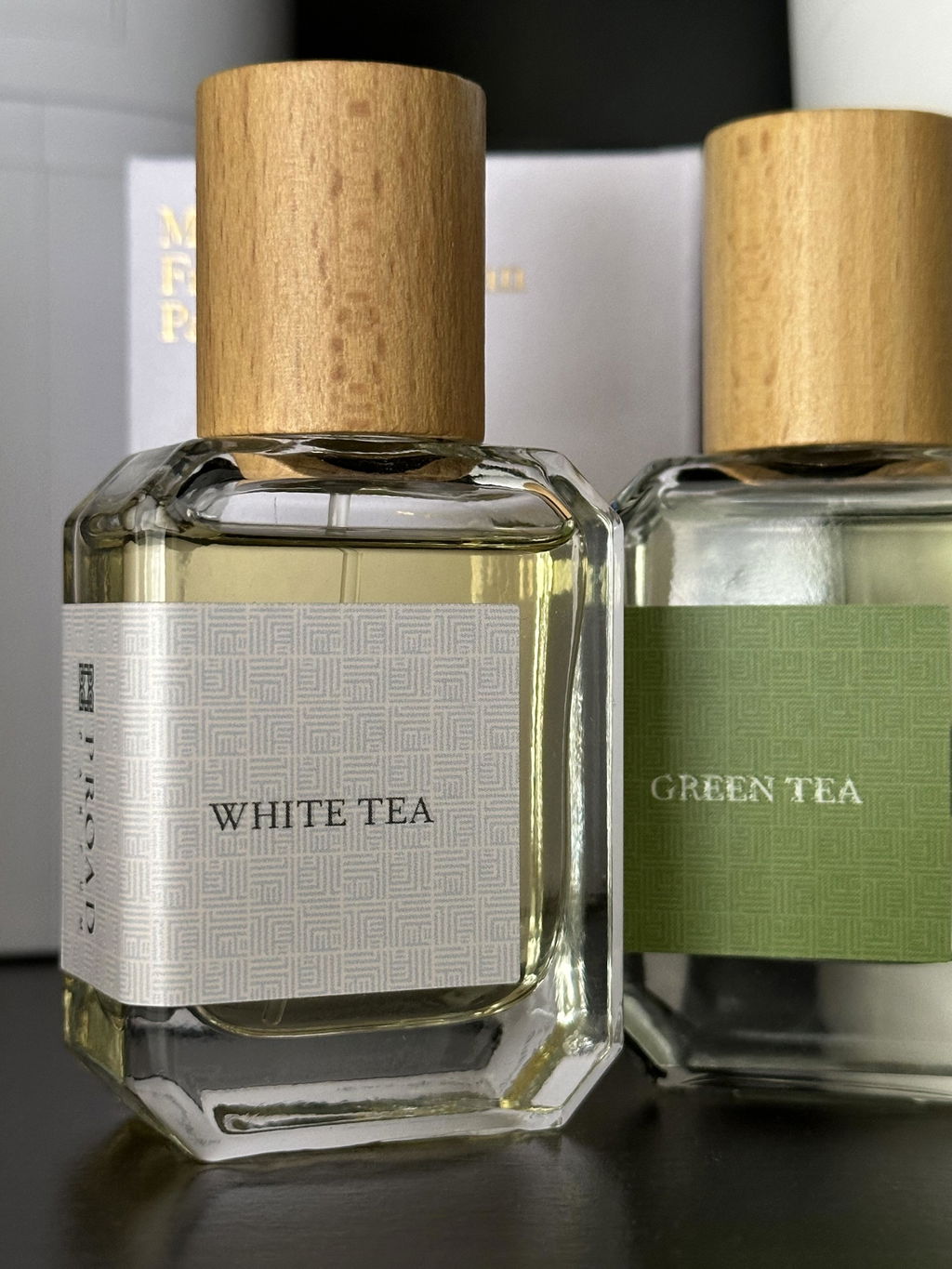
This does not mean every long-wearing scent must be sweet, smoky or heavy. Contemporary perfumery can create impressive persistence with clean musks, mineral woods, tea facets and modern amber molecules. These materials may feel transparent rather than dense, yet continue to register on skin for many hours.
Concentration matters too, although it is not a simple ranking from eau de toilette to eau de parfum to extrait. An extrait generally contains a higher proportion of fragrance oils, but the formula itself determines the outcome. A light eau de parfum built around radiant florals may project more strongly than an extrait designed as a quiet skin scent. Read concentration as a useful clue, not a guarantee.
Long Lasting Perfumes for Men and Women: Look Beyond Labels
The old division between masculine and feminine fragrances is increasingly unhelpful. A peppery rose, a creamy sandalwood, a bitter citrus or a polished leather accord can belong to anyone who enjoys it. When choosing long lasting perfumes for men and women, focus on the materials, mood and level of presence you want from the scent.
For a refined daily signature, musky woods, tea, iris, fig, soft spices and sheer amber accords are often excellent territory. They tend to feel polished in an office, on public transport and at close range, while still having enough substance to outlast the day.
For evening, look towards compositions with labdanum, incense, tonka, cacao, oud-style woods, leather, dark vanilla or warm fruits. These notes often hold their shape exceptionally well, but their richness is a trade-off. One or two sprays may feel elegant; six may feel like too much in a small restaurant or crowded gallery.
Floral lovers need not sacrifice longevity. Tuberose, orange blossom, jasmine, rose and ylang-ylang can have considerable depth when framed with musks, woods or amber. The most compelling floral fragrances often shift from luminous petals at the opening to a warm, textured base that stays with you into the evening.
Longevity, Projection and Sillage Are Different Things
These terms are often used interchangeably, yet they describe different experiences. Longevity is how long a fragrance remains detectable on skin or fabric. Projection is how far it radiates from you at a given moment. Sillage is the trail it leaves as you move.
A perfume can last ten hours while projecting only softly after the first hour. This is common with intimate musks, woods and some extrait formulas. Conversely, a fragrance can announce itself dramatically for ninety minutes before becoming faint. Neither behaviour is inherently better - it depends on where and why you are wearing it.
If you want compliments across a room, seek a composition with a noticeable opening and a confident heart. If you want something others discover only when they lean closer, prioritise a persistent base and controlled projection. In niche fragrance, restraint can be as memorable as volume.
The Notes That Usually Wear Well
Certain fragrance families are reliable starting points when endurance is the priority. They should guide your exploration rather than limit it.
- Amber and resinous scents use labdanum, benzoin, myrrh, incense and balsamic notes to create warmth that lingers for hours.
- Woody scents built around sandalwood, cedar, vetiver, patchouli and modern amber woods often become more beautiful as they settle.
- Gourmand and vanilla scents can be exceptionally durable, particularly when balanced with spice, woods, tobacco or dry amber rather than pure sweetness.
- Musk-led fragrances may sit close to the skin but can remain present from morning to night, creating a clean, addictive aura.
- Leather and dark floral compositions combine texture with persistence, making them especially suited to cooler evenings and occasions with a little drama.
Make Your Perfume Wear Better
Application can change the experience more than many people realise. Fragrance clings best to moisturised skin. Apply an unscented body lotion first, or choose a complementary lotion where available, then spray your perfume once the skin is dry. Dry skin tends to absorb scent quickly, while hydrated skin gives the composition a better surface from which to unfold.
Pulse points are useful because warmth helps fragrance develop, but do not restrict yourself to wrists alone. The sides of the neck, collarbones and the inside of the elbows work well. A light spray on clothing can extend wear considerably, especially on natural fibres, although delicate silk and pale fabrics deserve caution as some formulas can mark.
Do not rub your wrists together. It will not ruin a perfume completely, but friction can disturb the opening and encourage it to evaporate faster. Spray, allow it to settle, and let the notes reveal themselves in their intended order.
Storage also matters. Keep bottles away from direct sunlight, radiators and humid bathroom shelves. A cool, dark cupboard protects the formula, particularly fragrances rich in natural citrus oils or delicate floral materials.
Test for a Full Day, Not Five Minutes
The blotter test has its place. It reveals a perfume’s opening and gives a first impression of its character. But skin is where the real decision happens. Your natural warmth, skin moisture and even the products you use can alter how a fragrance develops.
Test one scent at a time on skin, then revisit it after thirty minutes, three hours and six hours. Notice whether you still enjoy its dry-down, not merely whether you can smell it. A perfume that survives all day but becomes cloying after an hour is not necessarily the better choice.
It is also worth asking someone you trust whether they can detect it at close range. Nose fatigue is real: after repeated exposure, your brain may tune out a scent that is still noticeable to others. Before adding more sprays, give the fragrance space.
Choose Presence That Feels Like You
The most satisfying long-lasting perfume is not always the loudest bottle in the room. It is the one whose final hours still feel intentional - a soft veil of sandalwood after a bright afternoon, a trace of incense on a winter coat, a clean musk that becomes part of your own skin.
At Villenel Fragrances, the appeal of niche scent lies precisely in that character: compositions with a point of view, crafted to be remembered rather than merely recognised. Give a fragrance time, wear it in the places your life actually happens, and choose the one you are still pleased to meet at the end of the day.