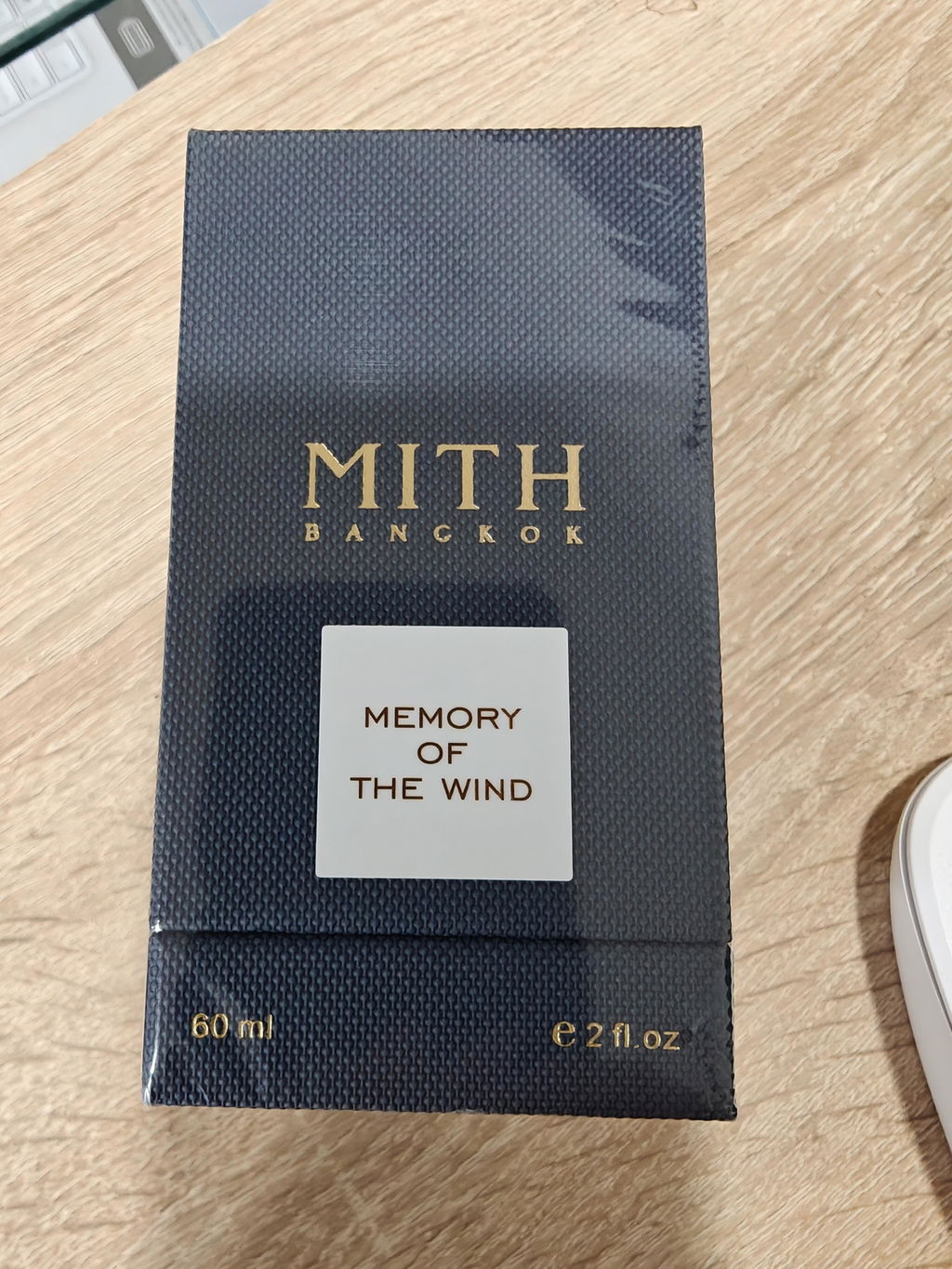
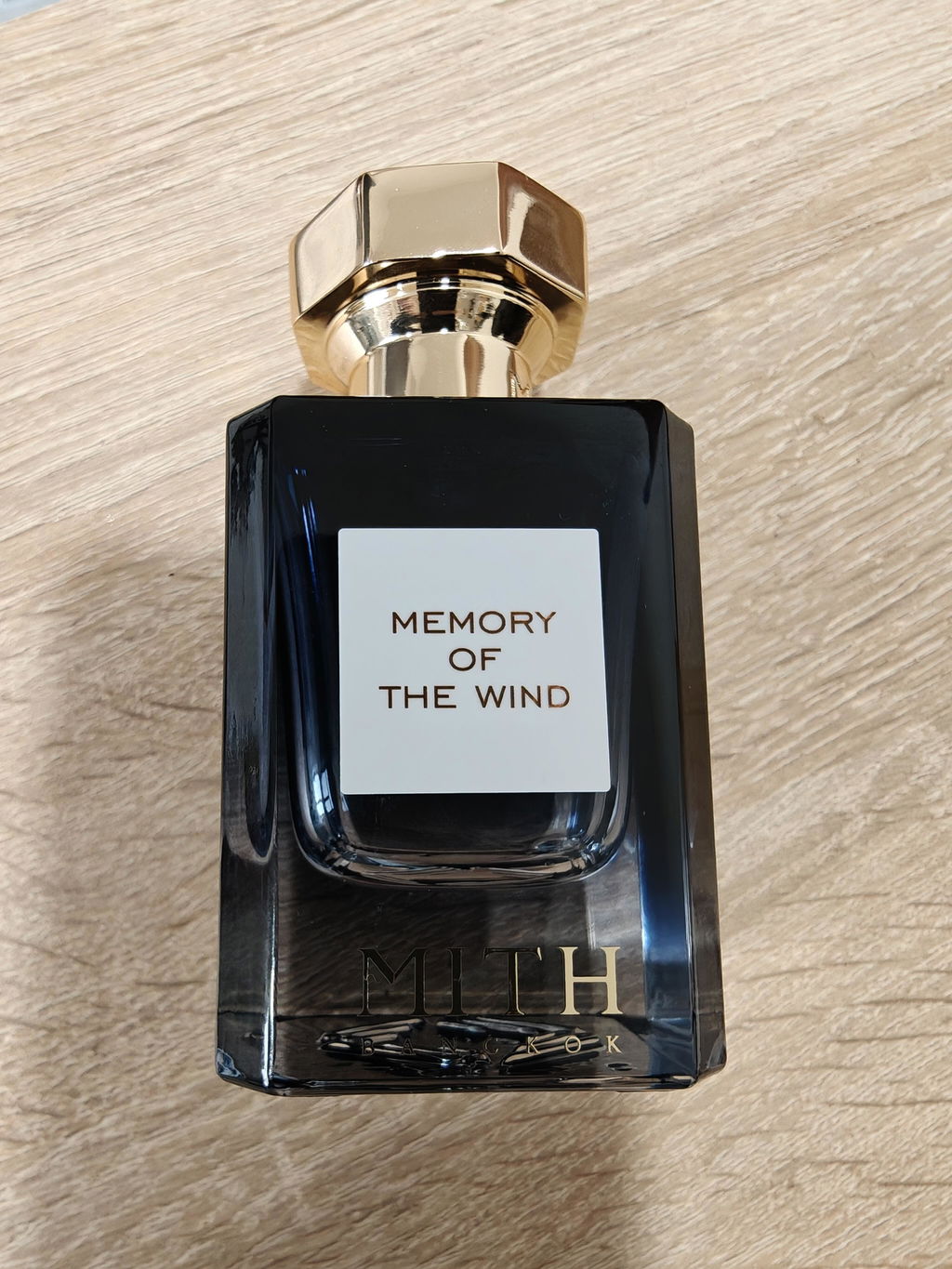
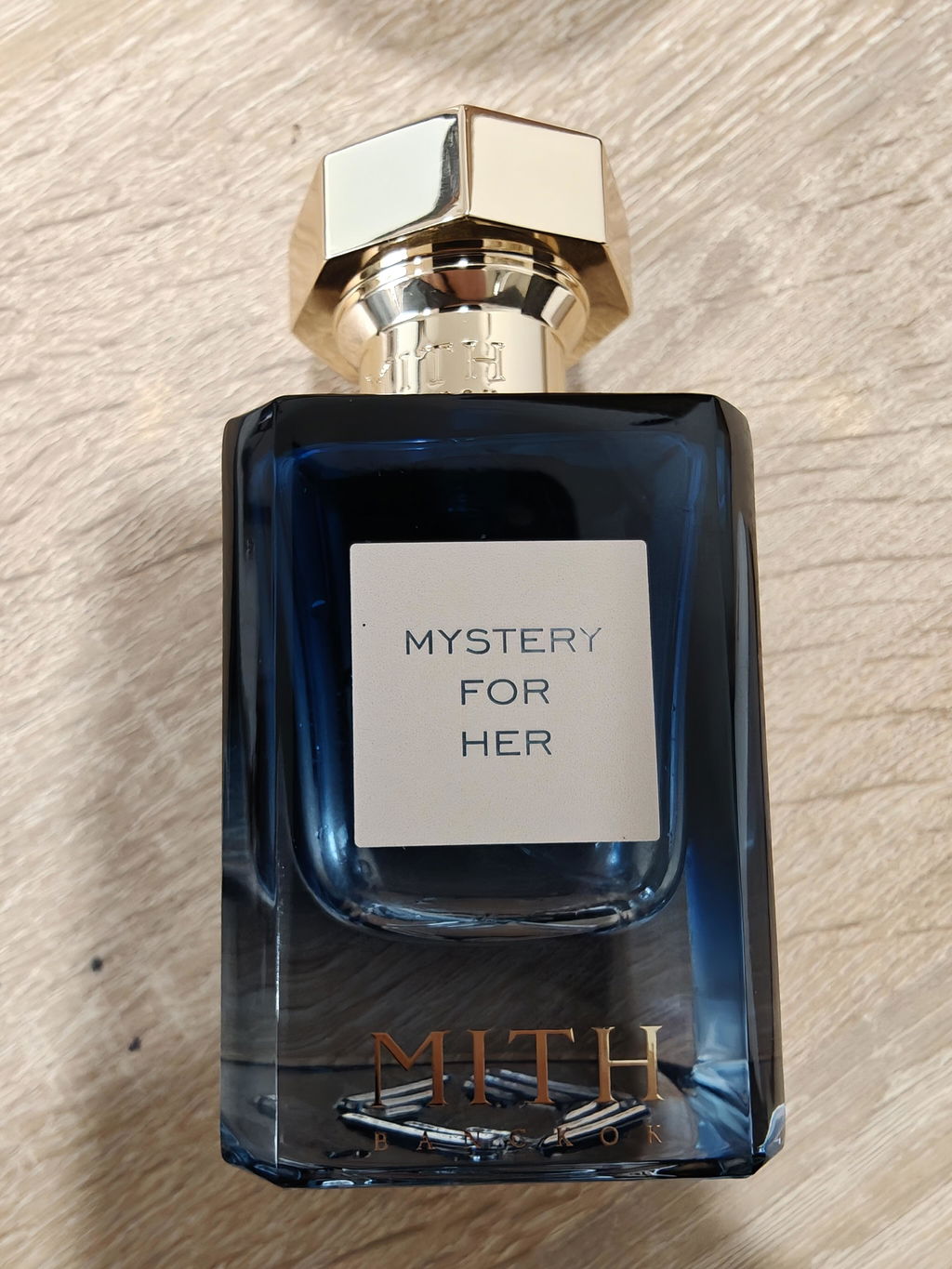
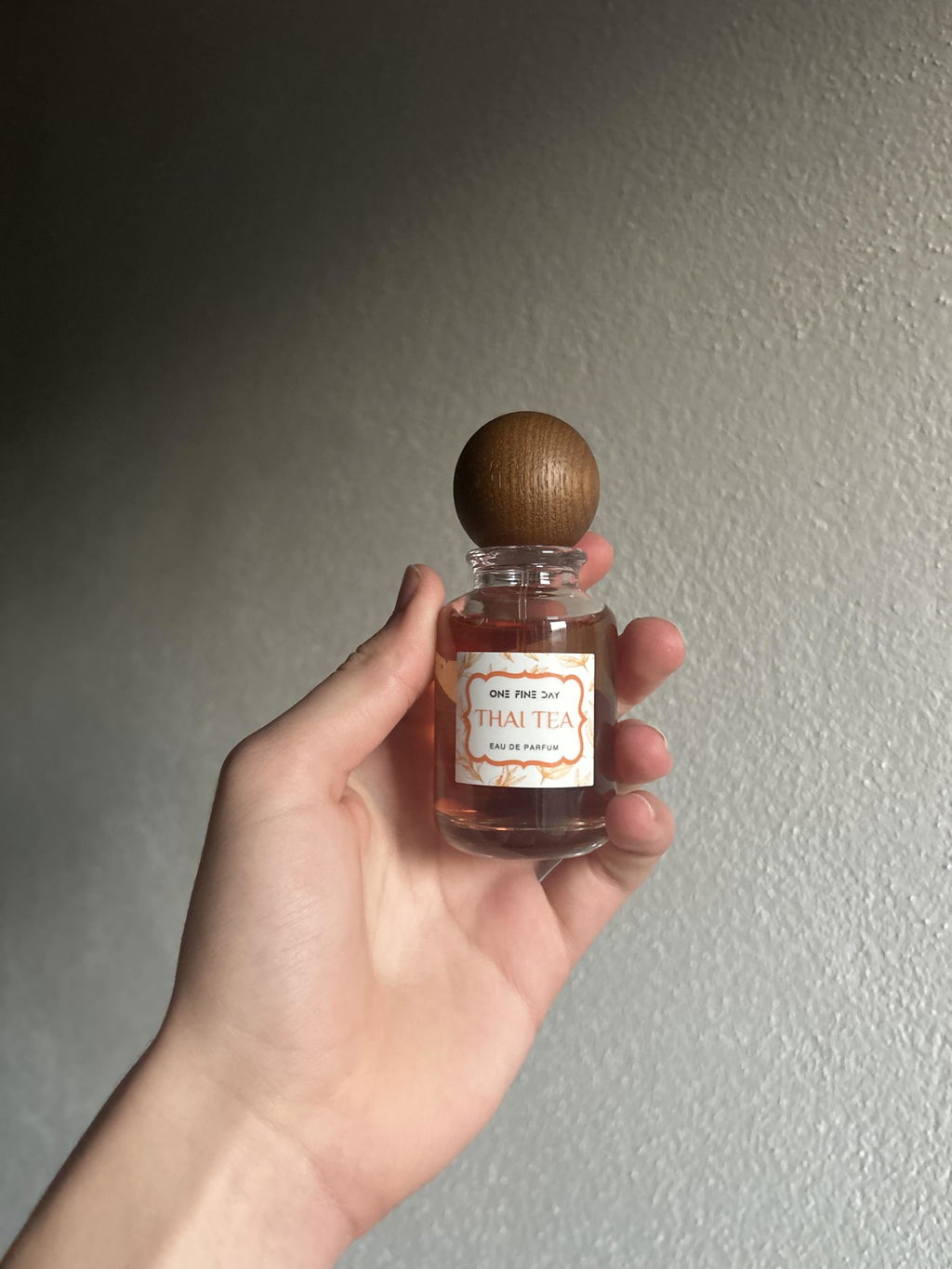
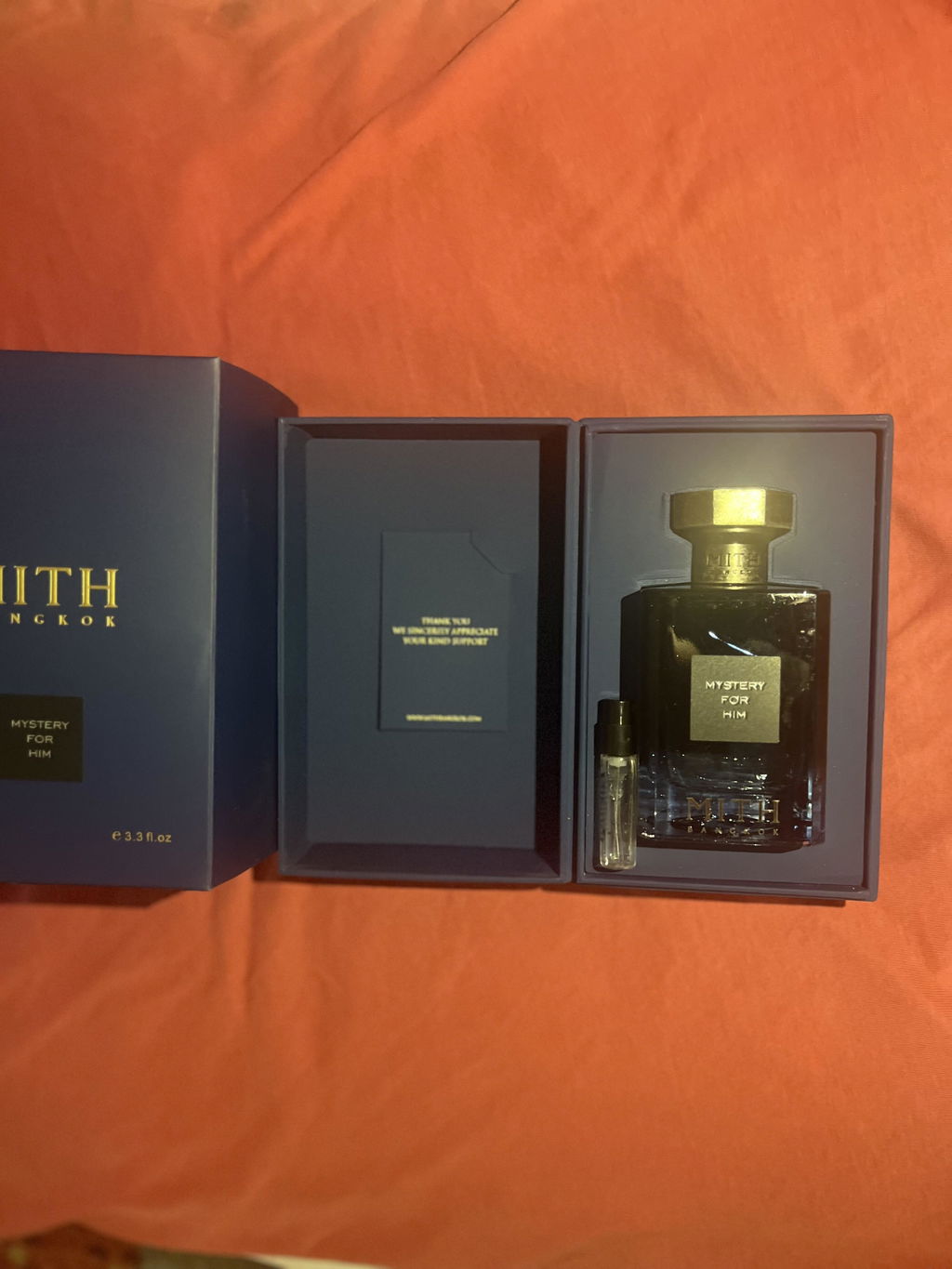
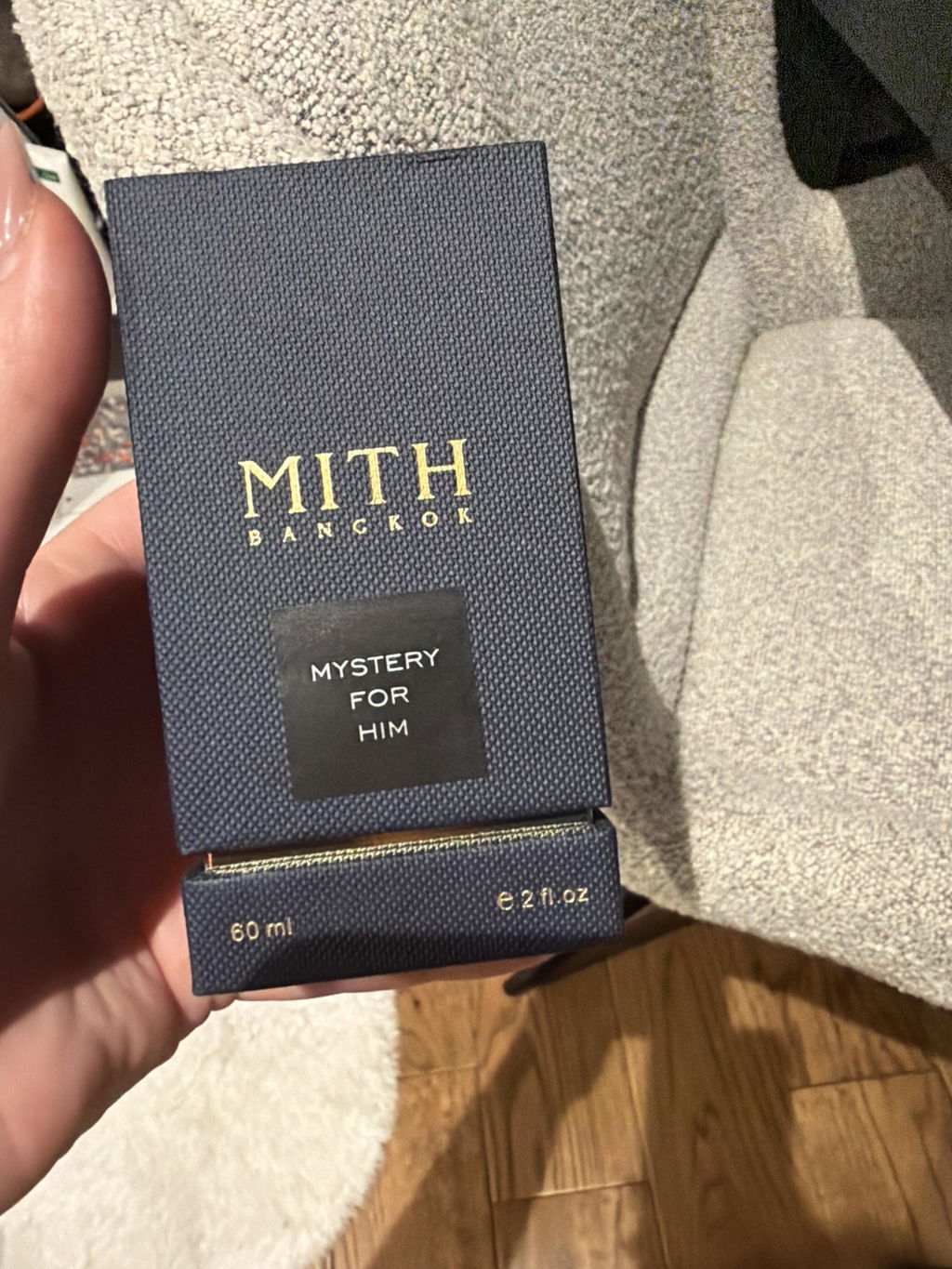
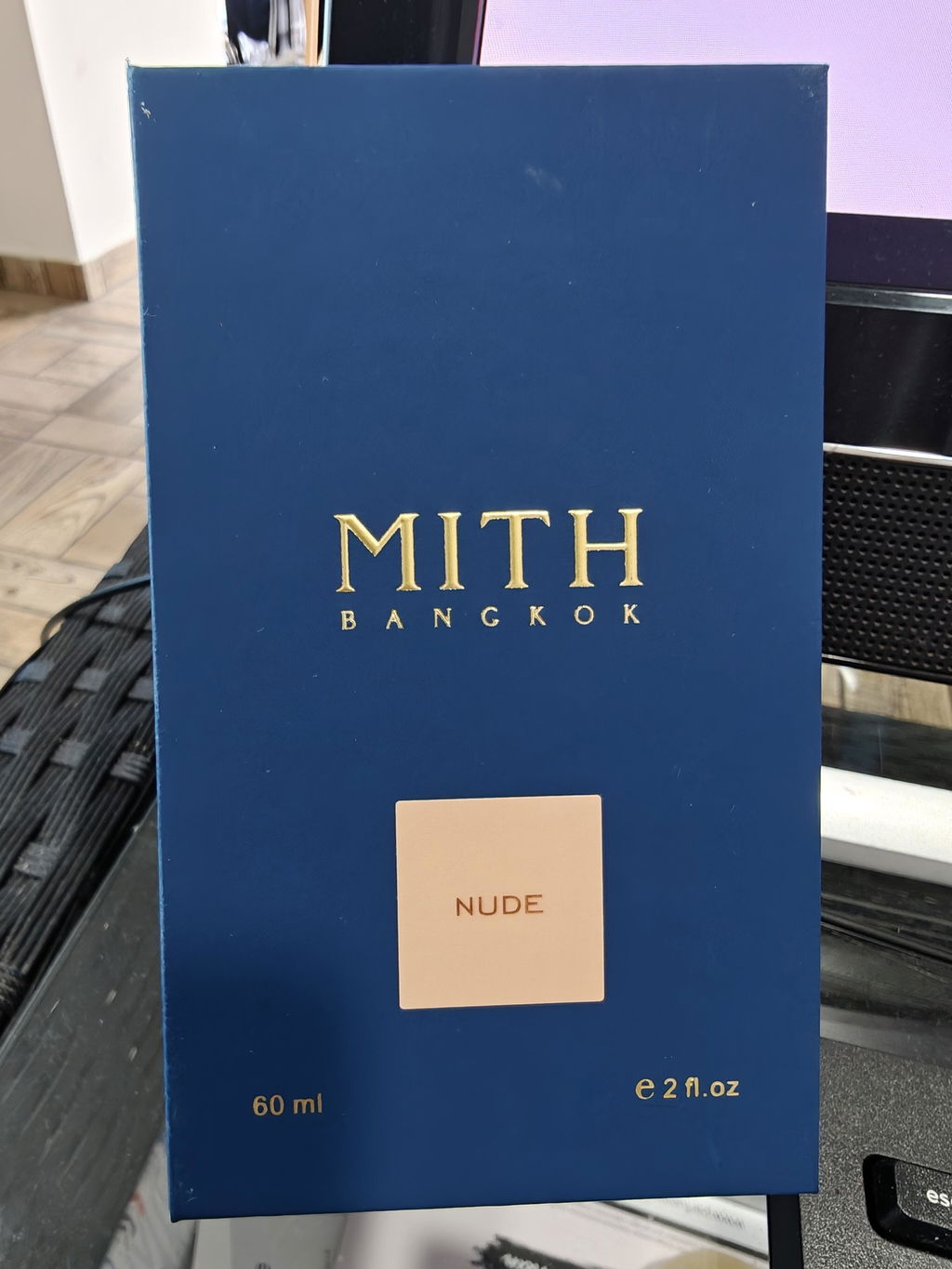
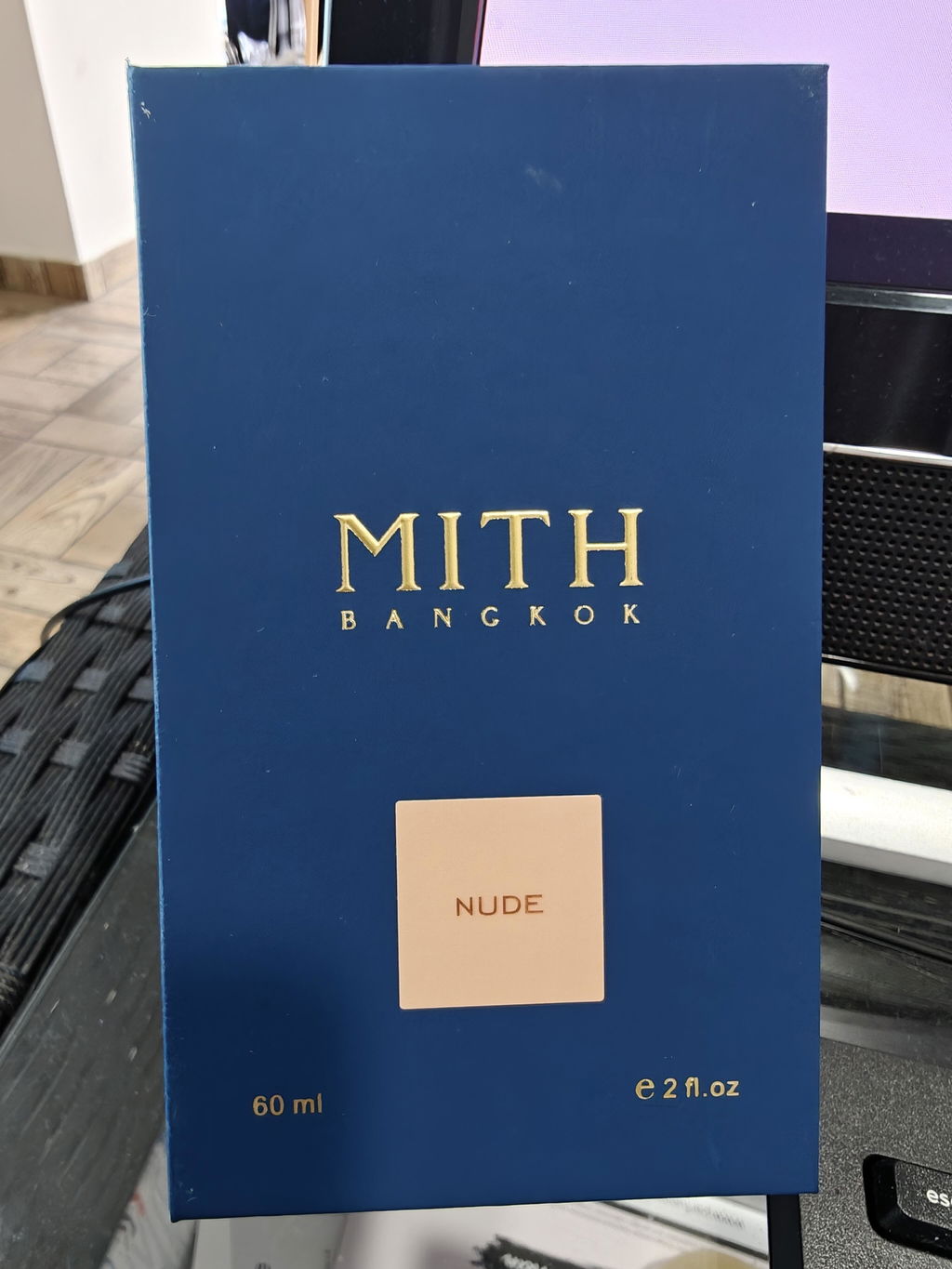
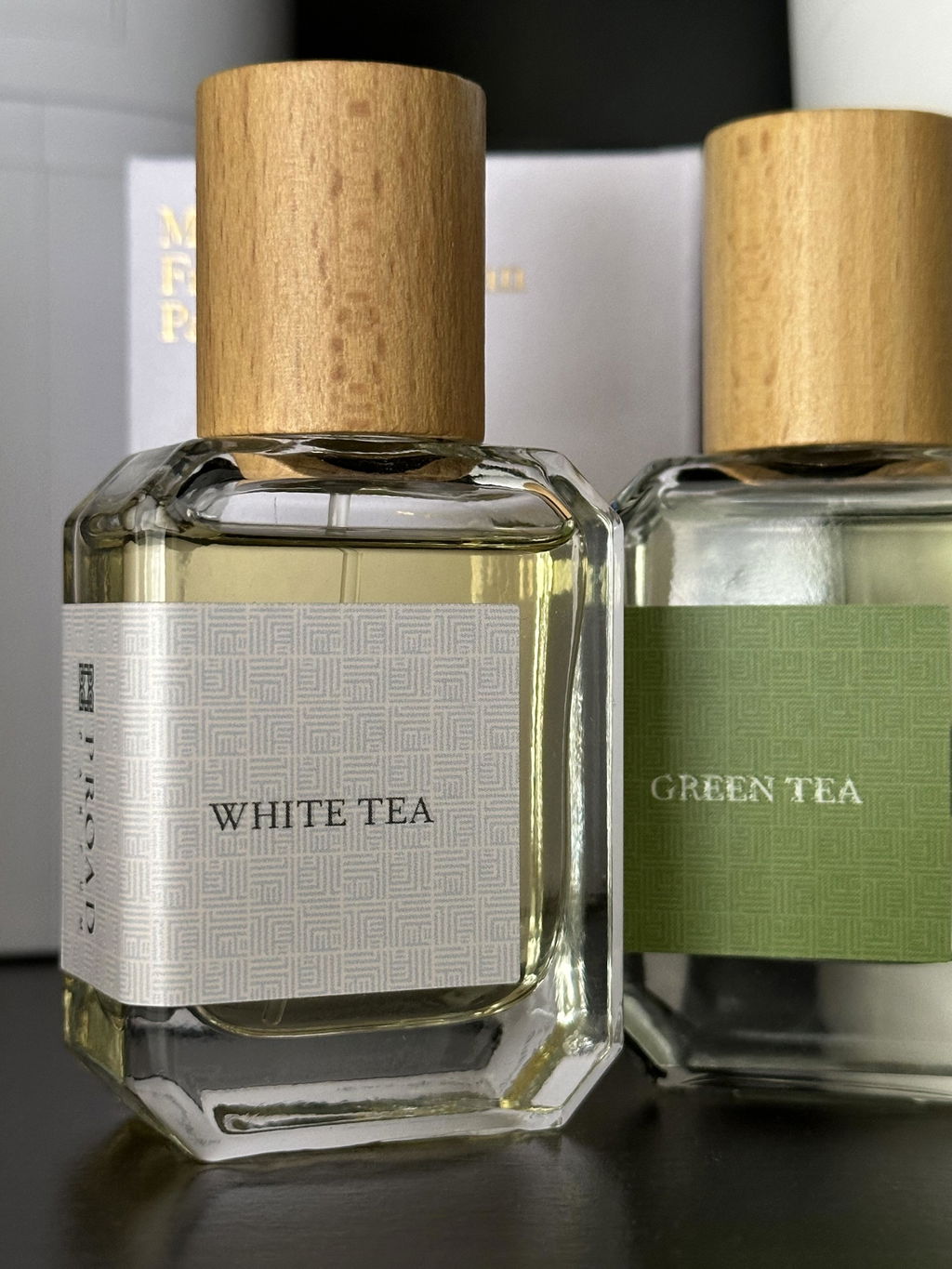
The niche fragrance conversation has spent years circling the same coordinates: Parisian classics, Italian elegance, and the opulent pull of the Gulf. Yet if you want to discover a new world of fragrance beyond the Middle East, one of the most compelling directions is further east - towards Thailand, where a new generation of perfume houses is shaping scent with striking clarity, emotion, and style.
This matters because niche perfume is not simply about rarity. It is about perspective. The most memorable fragrances do more than smell expensive or unusual. They present a point of view. They capture texture, climate, memory, nightlife, ritual, and skin in a way that feels distinct from the better-known fragrance capitals. For collectors and curious wearers alike, Thai perfumery offers exactly that kind of shift.
Why discover a new world of fragrance beyond the Middle East?
Middle Eastern perfumery has earned its stature for good reason. It brings richness, density, and remarkable command of materials such as oud, amber, rose, musk, and incense. For many fragrance lovers, it opened the door to scent with greater projection and presence than mainstream designer releases ever offered. But taste evolves. So does the appetite for novelty.
There comes a point when another dark oud or syrupy amber no longer feels revelatory. Not because these styles lack beauty, but because familiarity changes perception. Fragrance lovers who want something more nuanced, more contemporary, or simply less expected often begin looking for another scent language altogether.
That is where Thai niche perfume becomes especially interesting. It does not try to imitate French heritage perfumery, nor does it merely echo the Middle Eastern preference for volume and opulence. Instead, many Thai brands work with contrast. Freshness and warmth coexist. Florals feel modern rather than powdery. Woods are polished rather than heavy. Sweetness is often controlled with texture, transparency, or an aromatic edge.
The Thai fragrance perspective feels modern, not derivative
One of the strongest reasons to look beyond established fragrance regions is creative independence. The best Thai perfume houses are not built around recycling familiar formulas for a safer audience. Their compositions often feel editorial - carefully styled, culturally aware, and emotionally specific.
That specificity can show up in many ways. Sometimes it is in the pacing of a fragrance, where a bright opening settles into a soft, skin-like finish rather than an overwhelmingly resinous base. Sometimes it is in the treatment of gourmand notes, which may feel airy, salted, creamy, or subtly floral instead of dense and sugary. And sometimes it is simply the overall mood: urbane, polished, and quietly expressive.
For a European audience fatigued by repetitive launches, this is a welcome change. The appeal is not novelty for novelty's sake. It is the pleasure of encountering scents that feel considered. You notice the editing. You notice the restraint. You notice when a perfume leaves space for the wearer instead of doing all the talking itself.
What sets this new world of fragrance apart
To discover a new world of fragrance beyond the Middle East is also to discover a different relationship with wearability. That may sound less glamorous than discussions of rare raw materials, but it matters in real life. Many fragrance enthusiasts want artistry they can actually live with - at work, at dinner, on a city weekend, or while travelling.
Thai niche brands often excel here. Their fragrances can still be expressive, but they are frequently built with greater fluidity. You may find tropical notes rendered with elegance rather than cliché, white florals sharpened with green facets, or creamy woods softened into something more luminous than dense. The effect is often sophisticated rather than dramatic, though some houses certainly know how to deliver impact.
This balance is one of the category's strengths. If you love the assertiveness of Middle Eastern perfumery, a Thai scent might initially seem quieter. That is the trade-off. But quieter does not mean simpler. Often it means more detailed. More textured. More dependent on proximity and movement. These are perfumes that reward attention.
Storytelling that feels visual and contemporary
Another distinguishing feature is the way many Thai brands approach storytelling. The strongest collections tend to feel visually intelligent. They are not weighed down by tired luxury tropes. Instead, they often present fragrance as part of a larger aesthetic world - cinematic, fashion-conscious, and emotionally precise.
That sensibility suits today's niche customer. Many buyers are no longer impressed by a prestige bottle alone. They want a fragrance house with a clear identity. They want coherence between packaging, naming, scent profile, and atmosphere. They want to feel that a brand knows exactly what it is trying to say.
In this respect, Thai perfumery feels particularly current. It bridges artistry and accessibility without flattening either one.
How to explore beyond the obvious without buying blindly
The challenge with any emerging fragrance scene is access. Interest is easy. Informed discovery is harder. Without trusted curation, shoppers can end up relying on vague social media trends, scattered reviews, or expensive trial and error.
A more intelligent approach starts with style rather than hype. Ask yourself what you actually want more of in your wardrobe. If your collection already leans dark, resinous, and intense, look for compositions with lift - tea, soft musks, transparent florals, refined woods, or modern gourmands with cleaner edges. If you usually wear minimal skin scents, you may want something with more theatricality, but still with elegance.
It also helps to think about context. Some fragrances impress on paper and disappoint in daily wear. Others seem subtle at first and become indispensable because they fit your life so well. Niche perfume should still earn its place on skin, not only on a shelf.
For European customers, that practical dimension matters even more. Access to distinctive Thai houses has historically been limited, which made sampling and purchasing more difficult than it should be. A specialised retailer with a clear point of view is often the difference between random experimentation and meaningful discovery.
Beyond the Middle East does not mean against it
There is a temptation in fragrance writing to frame every new region as a replacement for the previous obsession. That is too simplistic. To discover a new world of fragrance beyond the Middle East is not to reject Middle Eastern perfumery. It is to widen the frame.
Most serious fragrance wardrobes benefit from range. There are days for rose-oud splendour, amber saturation, and unapologetic trail. There are also days for a scent that feels smoother, brighter, more intimate, or more fashion-led. The pleasure of a well-built collection lies in contrast.
This is why the rise of Thai niche brands feels less like a passing trend and more like a meaningful expansion of the market. They offer another axis of taste. Another way of constructing luxury. Another answer to the question of what modern perfume can be.
The value of curation in a crowded market
When everything claims to be niche, curation becomes part of the luxury. A good retailer does not simply stock unusual names. It selects brands with a recognisable aesthetic, consistent quality, and enough substance to reward repeat wear.
That is especially relevant with Thai perfumery, where the most exciting names are still new to many European shoppers. A curated selection gives context. It helps customers move beyond generic categories such as floral, woody, or sweet and instead understand mood, craftsmanship, and house identity.
Villenel Fragrances has built its point of view around exactly this kind of discovery, bringing modern Thai fragrance houses to a European audience that wants more than the usual bestsellers. That role matters because the right introduction can change how someone shops for scent altogether.
What fragrance lovers are really searching for now
Underneath all the talk of niche launches and exclusive distribution, the real desire is quite simple. People want perfume with personality. They want scents that feel less overexposed, less predictable, and less dependent on borrowed prestige. They want something that says taste, not trend-chasing.
Thai niche perfumery answers that desire with unusual confidence. It is elegant without stiffness, expressive without excess, and contemporary without becoming anonymous. Not every fragrance will suit every wearer, of course. Some will lean too soft for those who love maximalist projection. Others may feel more conceptual than comforting. But that is part of the appeal. A genuine fragrance culture should offer choice, not sameness.
If your collection has begun to feel too familiar, that feeling is worth trusting. The next scent that truly surprises you may not come from the places everyone already knows. Sometimes the most interesting shift in taste begins when you look beyond the expected and let a different fragrance language speak first.