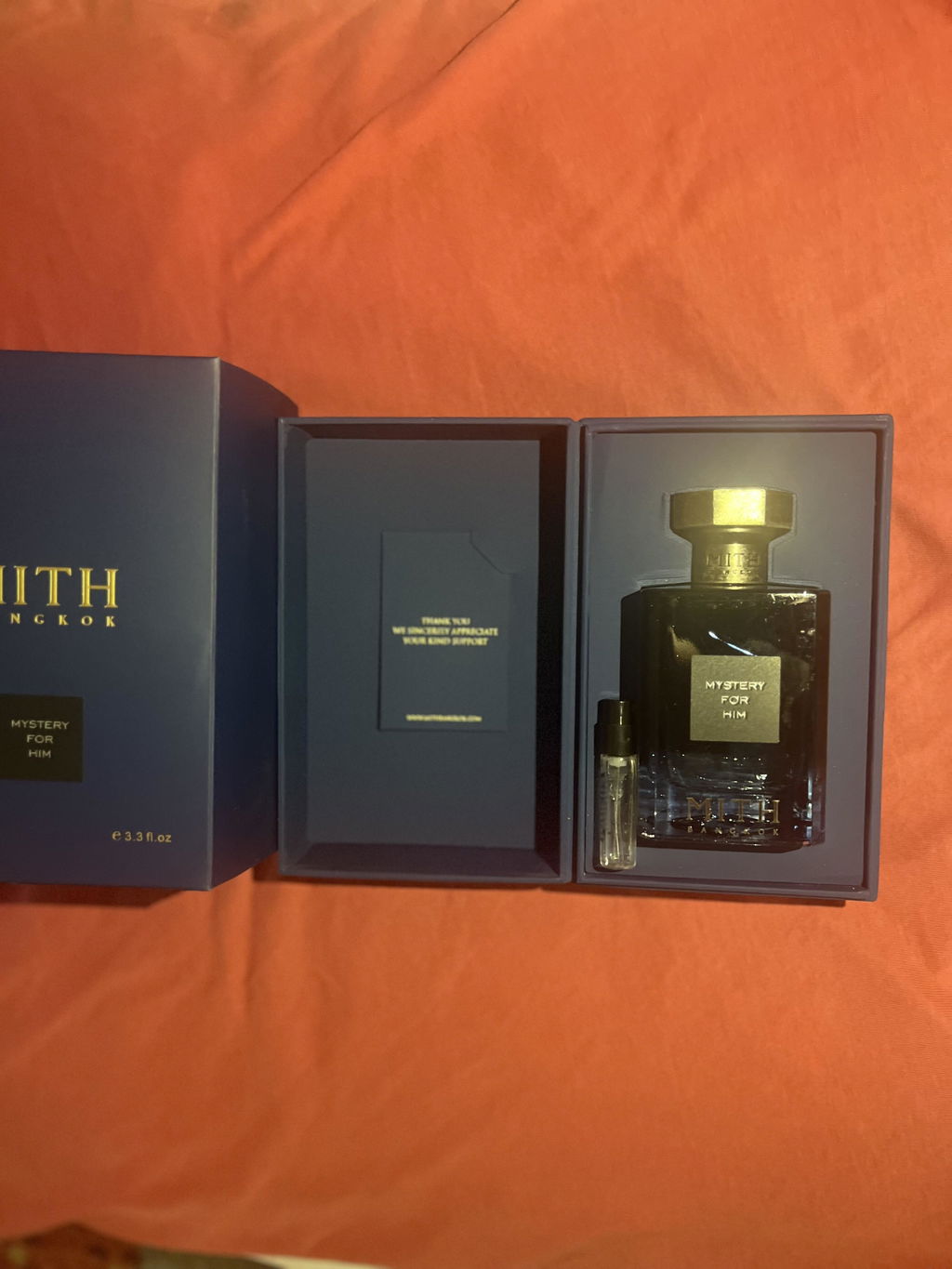
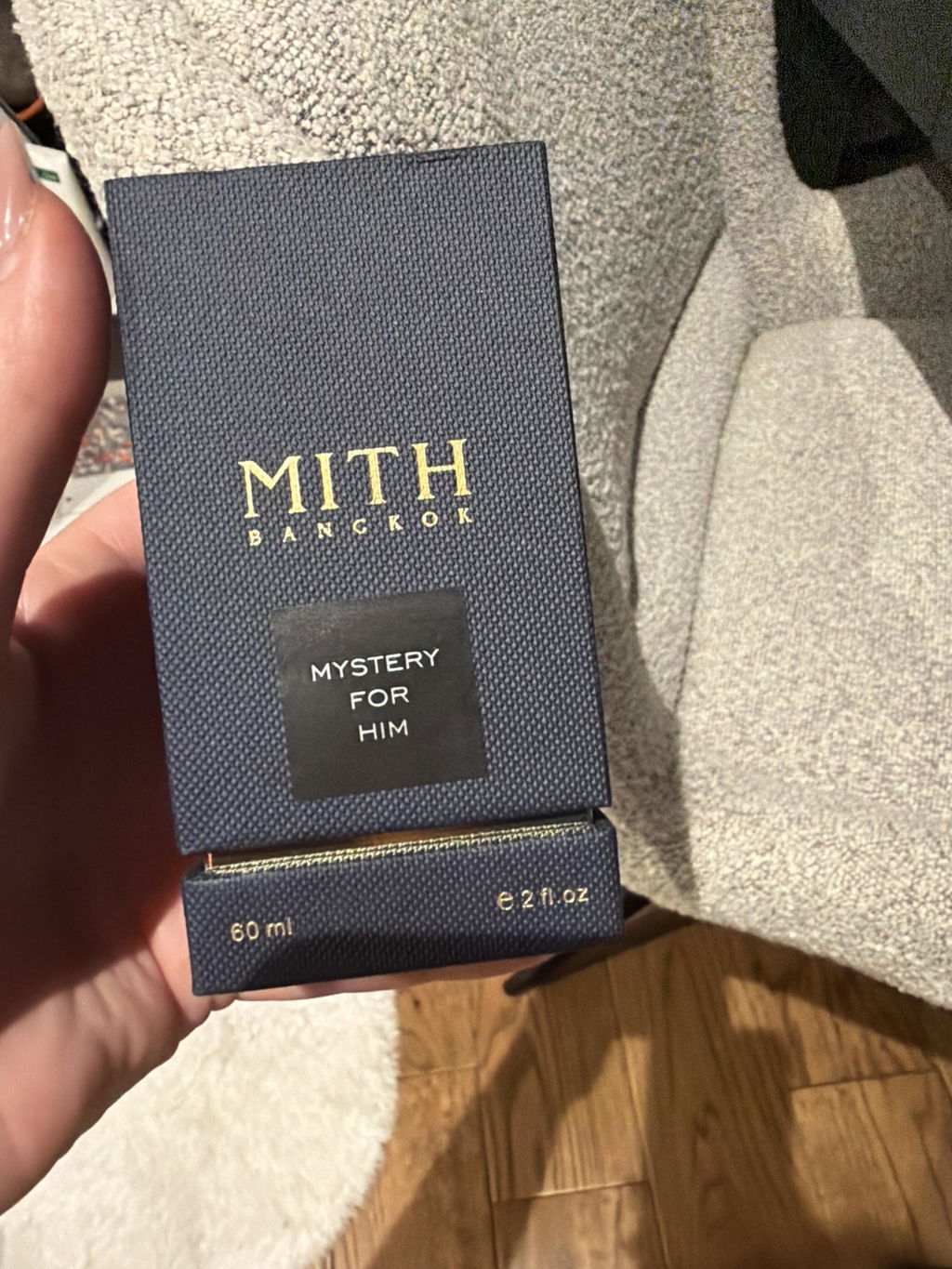
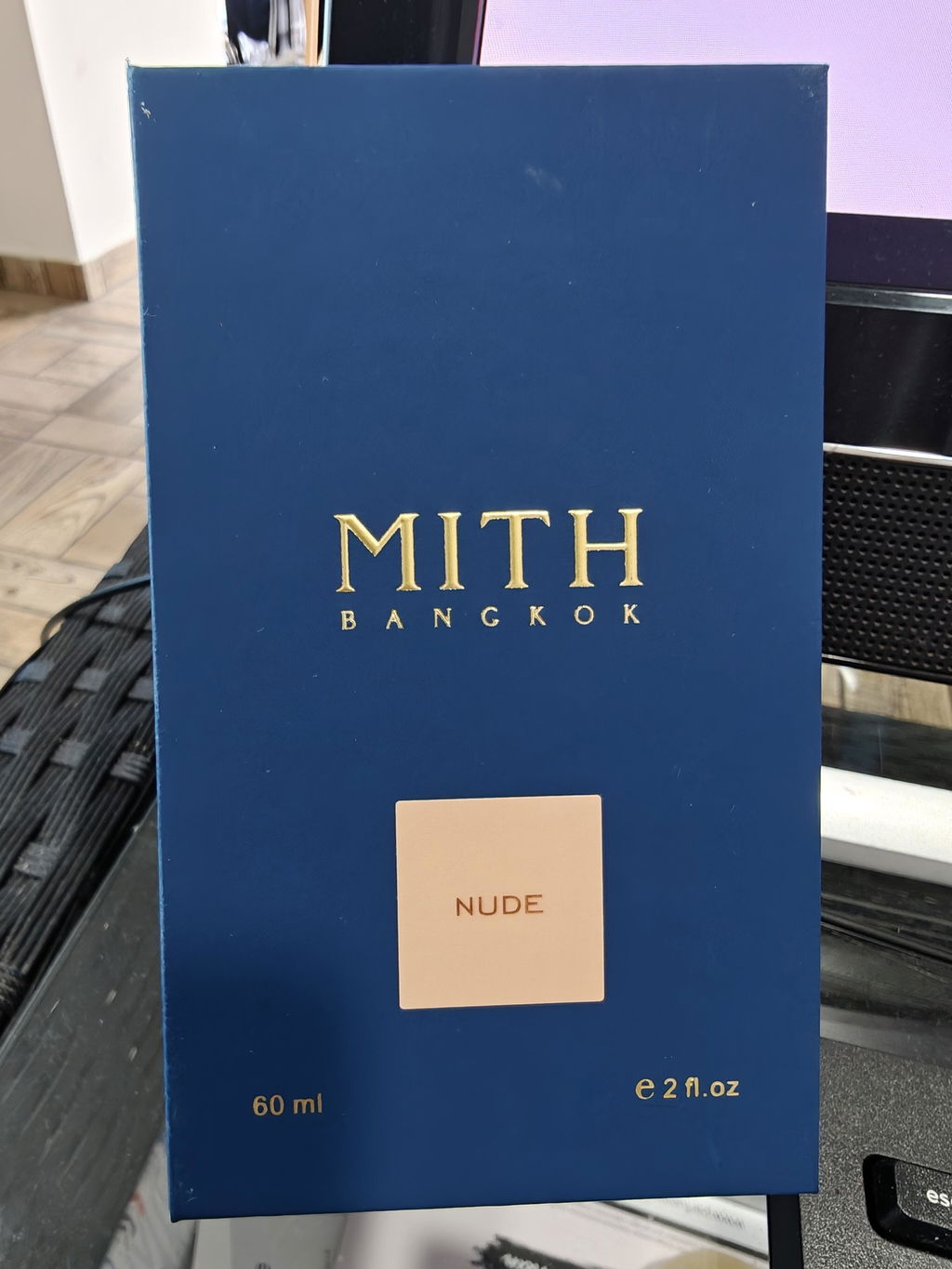
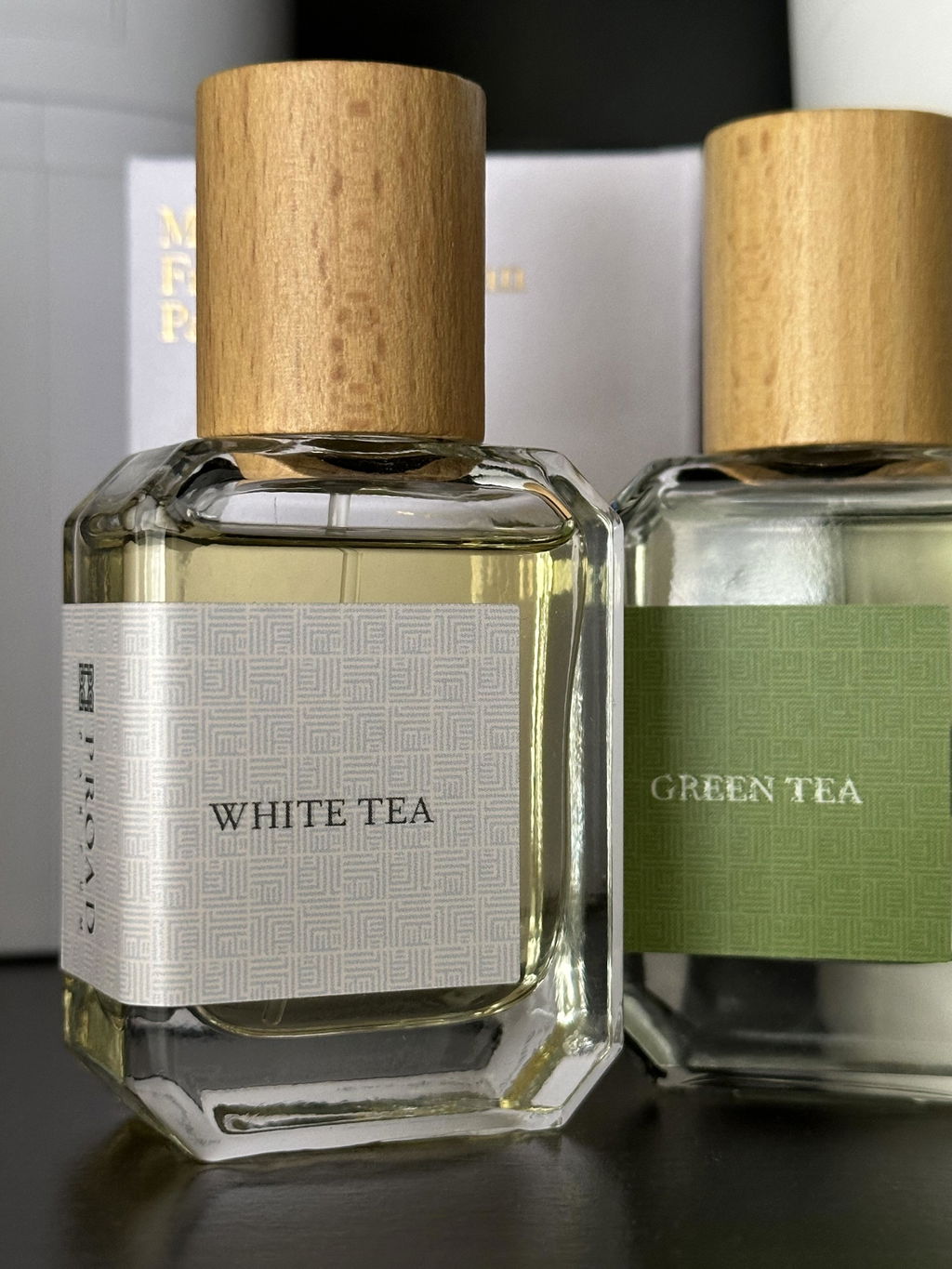
Some fragrance collections ask to be admired from a distance. The 7 sins collection invites something more personal - instinct, appetite, restraint, indulgence, and the small thrill of choosing a scent that says exactly what polite conversation does not.
For fragrance lovers who are bored by polished sameness, that is the appeal. A concept like this works when the perfumes do more than borrow a provocative name. The best versions translate vice into texture, contrast and mood, creating scents that feel styled rather than simply themed. That is where the 7 sins collection earns attention.
What makes the 7 sins collection so compelling
The attraction begins with the premise, but it lasts because of structure. A collection built around the seven deadly sins has a ready-made narrative tension. Desire sits beside discipline. Sweetness meets smoke. Soft florals can sharpen into spice, while woods can turn almost edible. For a fragrance house, it is fertile ground.
That kind of concept also suits the way many people shop for niche perfume now. Rather than asking for a single signature scent to wear forever, they want a wardrobe. They want fragrance to match a dinner reservation, a gallery afternoon, an overcast commute, a velvet jacket, a reckless mood. A themed collection gives shape to that instinct.
The 7 sins collection often appeals to collectors because it offers a framework without feeling repetitive. Even when there is a shared design language across the line, each scent should stand on its own. If one fragrance leans dark and resinous, another may turn airy, flirtatious or quietly decadent. The set becomes more interesting when it avoids the obvious.
How to approach the 7 sins collection
A common mistake is to choose by name alone. It is understandable - a title like Lust, Pride or Envy immediately creates an image. But fragrance is less literal than fashion copy, and the most successful perfumes in a themed line rarely behave like costumes.
Lust, for instance, is not always a heavy red-fruit oriental. It may be skin musk, soft spice, warm woods, or something unexpectedly transparent that sits close and intimate. Envy might not be green in the classic sense at all. It could suggest polished elegance, the scent of wanting what someone else wears because it smells expensive and composed.
That is why the right way into the 7 sins collection is through character first, notes second. Ask how you want the fragrance to move. Should it arrive before you do, or stay close enough to reward attention? Should it feel immaculate, delicious, dangerous, aloof, or quietly addictive? Once you know that, the note pyramid matters more.
Start with mood, not mythology
Collections built on strong themes can tempt buyers into chasing the idea of a perfume instead of the actual wear. A dark concept may photograph beautifully and still feel too dense for everyday use. A brighter one may seem understated on paper and become your most reached-for bottle.
Think about where the scent belongs in your week. Some compositions are for evenings, tailored coats and low light. Others have enough lift for office wear, lunch dates and weekend city wandering. The smartest purchase is rarely the most dramatic one. It is the scent that makes sense on your skin, in your climate, and within your habits.
Pay attention to texture
In a collection like this, texture matters almost as much as notes. A gourmand can feel lacquered, creamy or toasted. A floral can be powdery, waxy, dewy or metallic. Woods can read dry as pencil shavings or smooth as polished furniture.
Texture is often what makes one perfume feel refined and another feel too eager. In the 7 sins collection, that difference shapes whether a scent comes across as seductive, self-aware, playful or severe.
The personalities you are likely to find
While each house interprets the concept differently, there are certain fragrance personalities that tend to appear in a seven-scent line built around sin. Knowing them helps narrow your choice.
One will usually be the sensual centrepiece - musks, amber, vanilla, spice, perhaps a thick floral heart. This is the obvious evening option, but the better versions avoid becoming sugary or blunt. They keep enough contrast to feel modern.
Another may lean green, cool or sharply composed. This sort of scent often attracts people who say they dislike anything too sweet. It can read intelligent and immaculate, with herbs, vetiver, iris, pepper or mineral notes giving the perfume a controlled edge.
There is often a richer gourmand presence as well. Done badly, it feels predictable. Done well, it balances edible pleasure with smoke, woods or leather so the sweetness never turns juvenile. In a collection themed around vice, that tension is essential.
You may also find a floral-fruity scent that plays the role of charm rather than seduction. This is where many collections either become too safe or unexpectedly brilliant. If the fruit is crisp rather than syrupy, and the florals are tailored instead of loud, the result can be one of the most wearable perfumes in the set.
Finally, there is usually one darker, more divisive composition - incense, patchouli, animalic nuance, liquor, burnt sugar, tarry woods. This is often the collector's bottle. It may not be the easiest wear, but it gives the collection depth and credibility.
Who the 7 sins collection suits best
This is not usually a collection for someone who wants one universally pleasant perfume and no decisions to make. It suits people who enjoy curation. People who notice drydown. People who care whether a scent feels velvety, crisp or satin-smooth.
It also suits gift buyers who want something with a stronger identity than the usual safe luxury pick. The concept is memorable, and that matters. A fragrance gift should feel chosen, not lifted from a generic bestsellers shelf.
For newer niche shoppers, the 7 sins collection can be a very approachable entry point. The names offer a hook, the differences between scents are usually easy to grasp, and the collection format encourages comparison. At the same time, seasoned perfume wearers tend to appreciate the theatrical premise when the compositions have enough polish to support it.
Is the 7 sins collection wearable or just conceptual?
That depends entirely on execution. Some themed collections lean so heavily on the story that the fragrances feel one-dimensional. They smell like sketches for an idea rather than perfumes people would genuinely choose to wear.
The stronger 7 sins collection releases avoid that trap by keeping the references suggestive rather than literal. Instead of shouting a theme, they hint at it. A touch of bitterness can suggest restraint or resentment. A plush vanilla with cool spice can feel more sensual than a loud syrupy accord. Precision matters.
Wearability also depends on your threshold for presence. If you prefer clean skin scents and discreet florals, the bolder members of a seven-scent line may feel theatrical. If your taste already runs to amber, oud, smoke or dense white florals, you may find the collection perfectly balanced. There is no universal answer, only fit.
Why collections like this matter in niche perfumery
There is a reason concept-led fragrance collections keep finding an audience. They make perfume easier to enter and harder to forget. In a crowded market full of abstract names and familiar structures, a well-built theme gives emotional shape to the experience.
That does not mean concept should overshadow craftsmanship. Quite the opposite. The concept opens the door, but the formula keeps the bottle on your shelf. For a retailer with a sharp point of view, including Villenel Fragrances, collections like this are compelling because they help customers shop by mood and identity as much as by note family.
And for the wearer, that is often the real pleasure. Not the drama of the names, but the rare feeling that a fragrance understands style as something more layered than pretty or powerful.
If you are considering the 7 sins collection, choose the scent that feels slightly too knowing to be accidental. That is usually the one you will keep reaching for long after the concept has done its job.