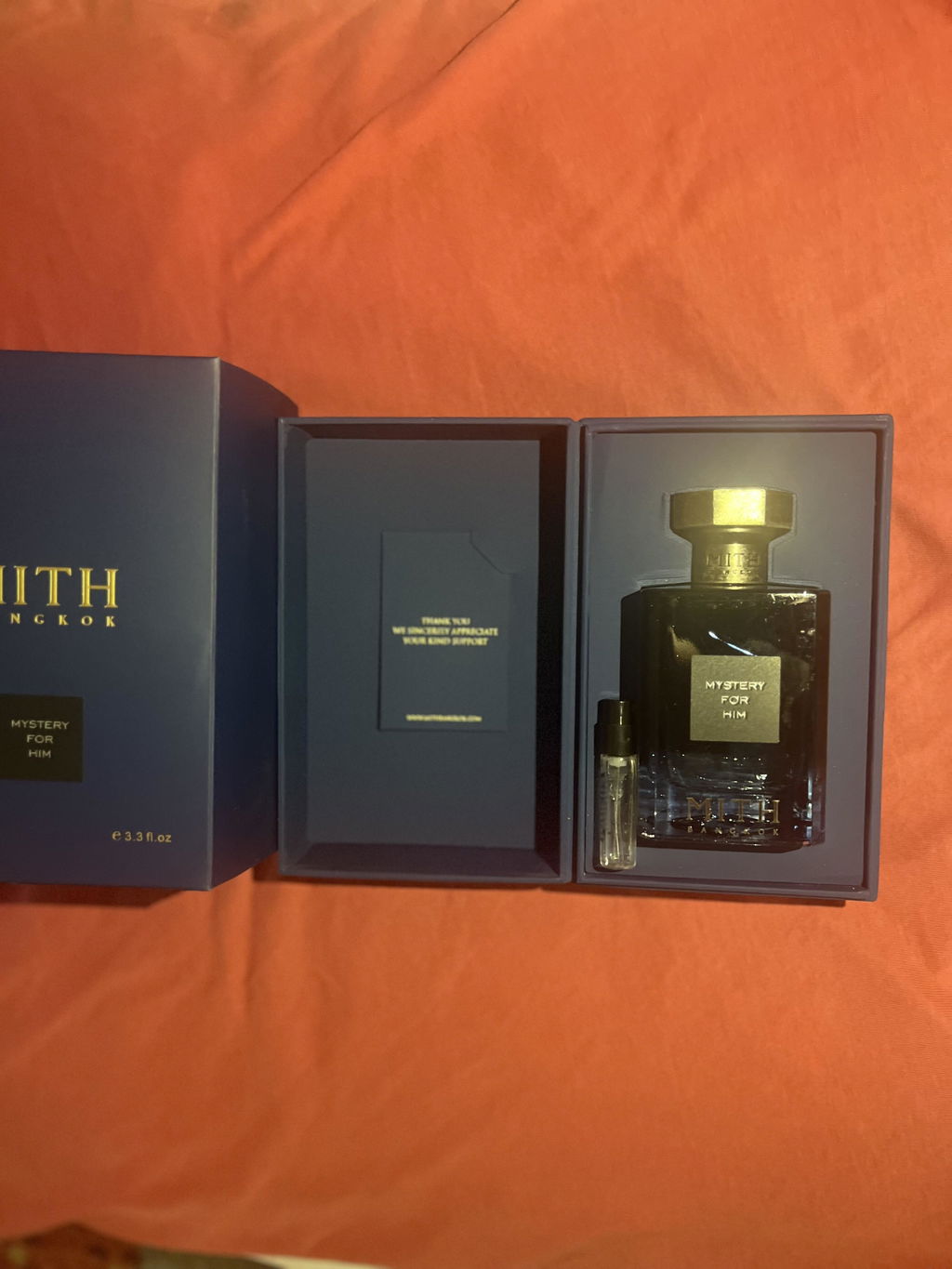
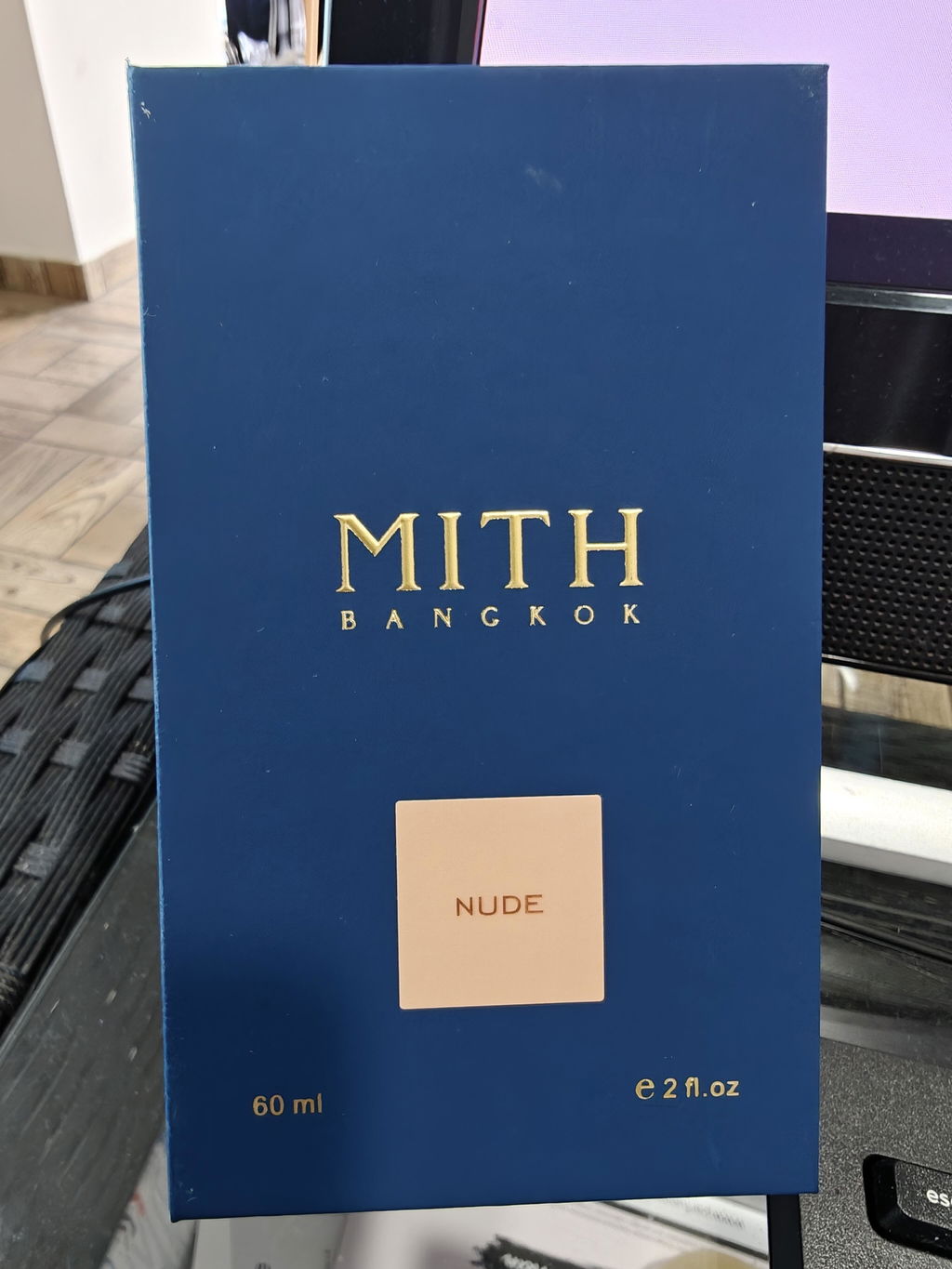
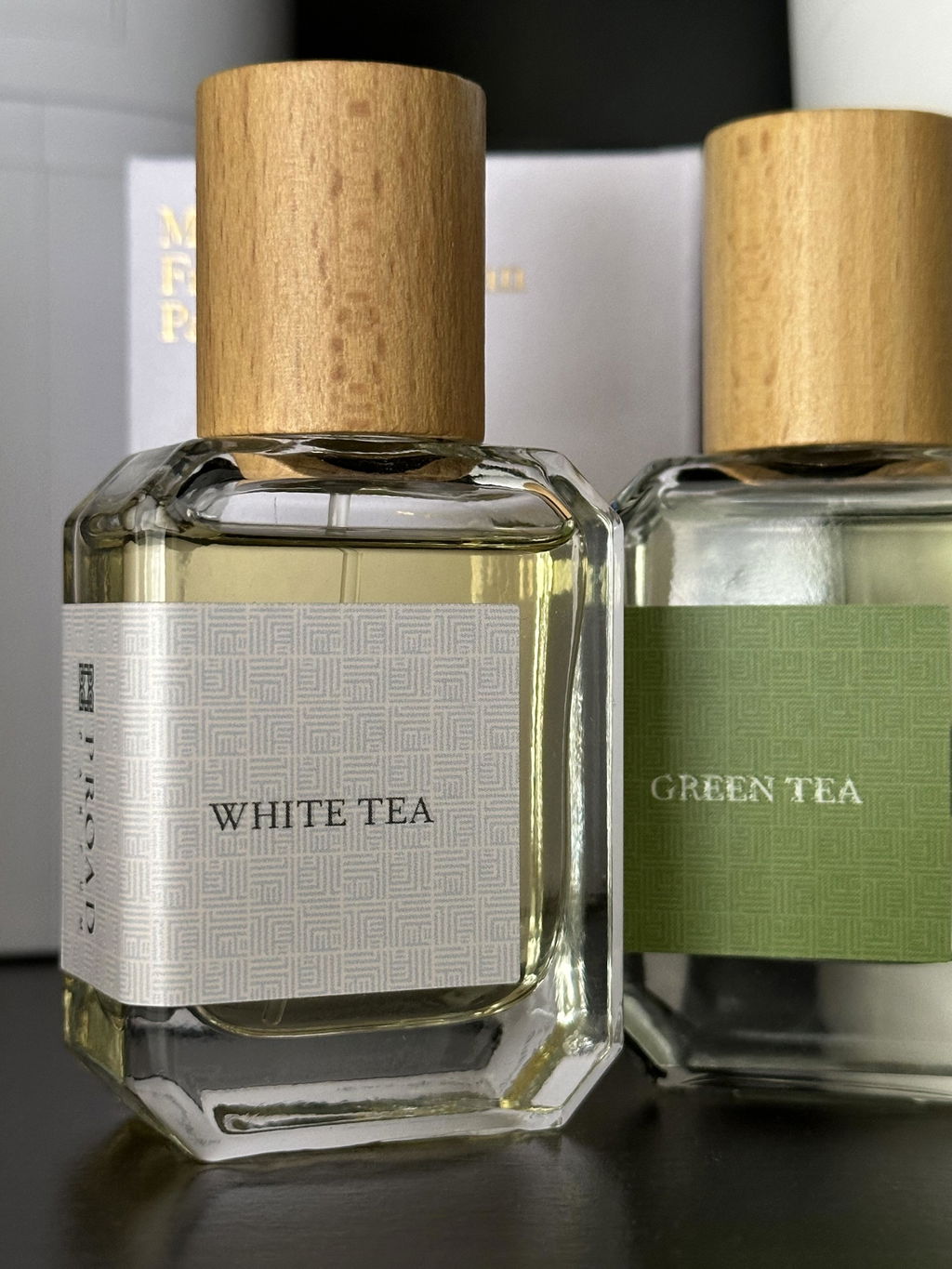
A memorable fragrance rarely begins with a bottle, a campaign, or even a brand name. It begins with a perfumer - the person translating texture, memory, mood, and raw materials into something you can wear on skin. So when people ask who are perfume perfumers, they are really asking who shapes the identity of modern scent.
In niche perfumery especially, that question matters. The difference between a pleasant perfume and one with true character often comes down to authorship: the nose behind the formula, the aesthetic they favour, and the restraint or daring they bring to the composition. If you care about fragrance as more than a beauty purchase, understanding perfumers changes the way you shop.
Who are perfume perfumers in practice?
A perfumer, often called a nose, is a fragrance creator trained to compose scents from natural and synthetic materials. That sounds simple on paper, but the work is unusually technical and unusually artistic at the same time. A perfumer needs the discipline of a chemist, the memory of a sommelier, and the judgement of an editor.
They do not merely mix pleasant-smelling oils together. They build structure. They decide how a perfume opens, how quickly it moves, where the tension sits, and what remains hours later on fabric or skin. They choose whether a rose should feel velvety, bright, peppered, dewy, shadowed, or almost abstract. In fine fragrance, those decisions are the difference between a generic floral and a scent with point of view.
Most perfumers work from a palette of hundreds, sometimes thousands, of ingredients. These include naturals such as jasmine absolute, patchouli, sandalwood, vetiver, bergamot, and iris, alongside aroma molecules designed to create freshness, softness, radiance, transparency, diffusion, or effects nature alone cannot reliably provide. The most refined perfumes are rarely a triumph of natural versus synthetic. They are a triumph of balance.
What perfumers actually do behind the scenes
The public image of perfumery can be romantic, and at times rightly so. But the daily reality is part composition, part revision, part problem-solving.
A brand may brief a perfumer to create a scent around a city at dusk, tropical fruit with polished woods, or a modern incense designed to feel clean rather than ecclesiastical. The perfumer interprets that direction and starts building trials. Some ideas arrive quickly. Others require dozens of modifications. A note may be beautiful on a blotter but flat on skin. A formula may smell expensive yet feel too familiar. A striking opening may collapse after twenty minutes.
Perfumers spend a great deal of time adjusting proportions that most wearers would never guess matter so much. Increase one material by a trace amount and the whole fragrance can become airier, creamier, sharper, darker, or more diffuse. Remove another and the perfume may lose its lift. This is why authorship matters. A strong perfumer is not only someone with imagination, but someone who knows what to leave out.
Are all perfume perfumers trained the same way?
Not quite. There is no single path, although formal training remains highly respected. Many well-known perfumers come through fragrance houses and specialist schools, where they study raw materials, accords, formulation, safety standards, and olfactory evaluation over years rather than months. Apprenticeship is common because scent knowledge is difficult to compress.
That said, the industry has broadened. Independent perfumers, founder-perfumers, and artists from adjacent disciplines now play a meaningful role in niche fragrance. Some arrive through chemistry, some through botany, some through beauty, and some through an obsessive private study of raw materials. The trade-off is that independence can produce work with more personality, but not always with the same technical polish as someone trained in a major fragrance laboratory. Sometimes that rougher edge is part of the appeal.
For the consumer, it helps to avoid simplistic assumptions. A classically trained perfumer does not automatically create more moving fragrances, and a self-taught perfumer is not automatically more original. What matters is whether the final perfume feels coherent, intentional, and alive.
The difference between a perfumer and a perfume brand
One of the most common points of confusion is the difference between the brand and the perfumer. A fragrance house may have a strong visual identity, a compelling story, and a clear market position, but the perfumer is the person, or one of the people, composing the scent itself.
Sometimes the brand founder is also the perfumer. Sometimes a brand commissions different perfumers for different launches. Sometimes one perfumer becomes so closely associated with a house that their style begins to define its reputation. This is common in niche perfumery, where customers often follow noses almost the way film lovers follow directors.
That distinction is worth noticing when you explore less mainstream fragrance. If you enjoy several perfumes made by the same nose across different brands, you may be responding to a recognisable signature: perhaps luminous musks, polished woods, textured florals, transparent amber, or a talent for making gourmand notes feel elegant rather than heavy.
Why the perfumer matters more in niche fragrance
In mass-market perfume, the brand story often leads. In niche fragrance, the composition itself usually has more room to speak. That gives the perfumer greater visibility, and rightly so.
Niche audiences tend to care about construction, texture, originality, and emotional tone. They notice whether a fig accord feels green or milky, whether oud has been used with subtlety, whether a tea note smells crisp or cosmetic. They also tend to appreciate perfumes that resist immediate familiarity. That kind of work depends on a perfumer being allowed to make choices that are more specific and, at times, less crowd-pleasing.
There is a commercial reality here too. Distinctive perfumery is harder to achieve than broad likability. A perfume designed to offend nobody can still smell polished, but it may also feel interchangeable. A perfume with a stronger identity might divide opinion slightly more, yet become unforgettable to the right wearer. For many niche customers, that is the point.
How to recognise a perfumer's style
You do not need formal training to start noticing the hand of a perfumer. The easiest way is to compare fragrances slowly and pay attention to recurring qualities rather than note pyramids alone.
Some perfumers are known for radiance and lift. Their fragrances seem to glow rather than sit heavily. Others excel at softness - powdery iris, skin musk, suede, rice, cream, or cashmere textures that feel intimate rather than loud. Some build dramatic contrast, setting bright citruses against smoke, lacquered fruits against dry woods, or clean florals against mineral shadows.
Performance also tells a story, though not always in the way shoppers expect. Strong projection is not proof of better perfumery, just as subtle wear is not a flaw. Some of the most elegant compositions are designed to stay close. Others are built to trail beautifully through the air. The question is whether that behaviour suits the concept.
If you are building a fragrance wardrobe, following perfumers can be as useful as following brands. It narrows the field in a thoughtful way. A trusted curation matters too, particularly when you want access to newer houses with a strong point of view. That is part of why specialist retailers such as Villenel Fragrances put craftsmanship and perfume authorship at the centre of discovery.
Who are perfume perfumers to the wider culture of scent?
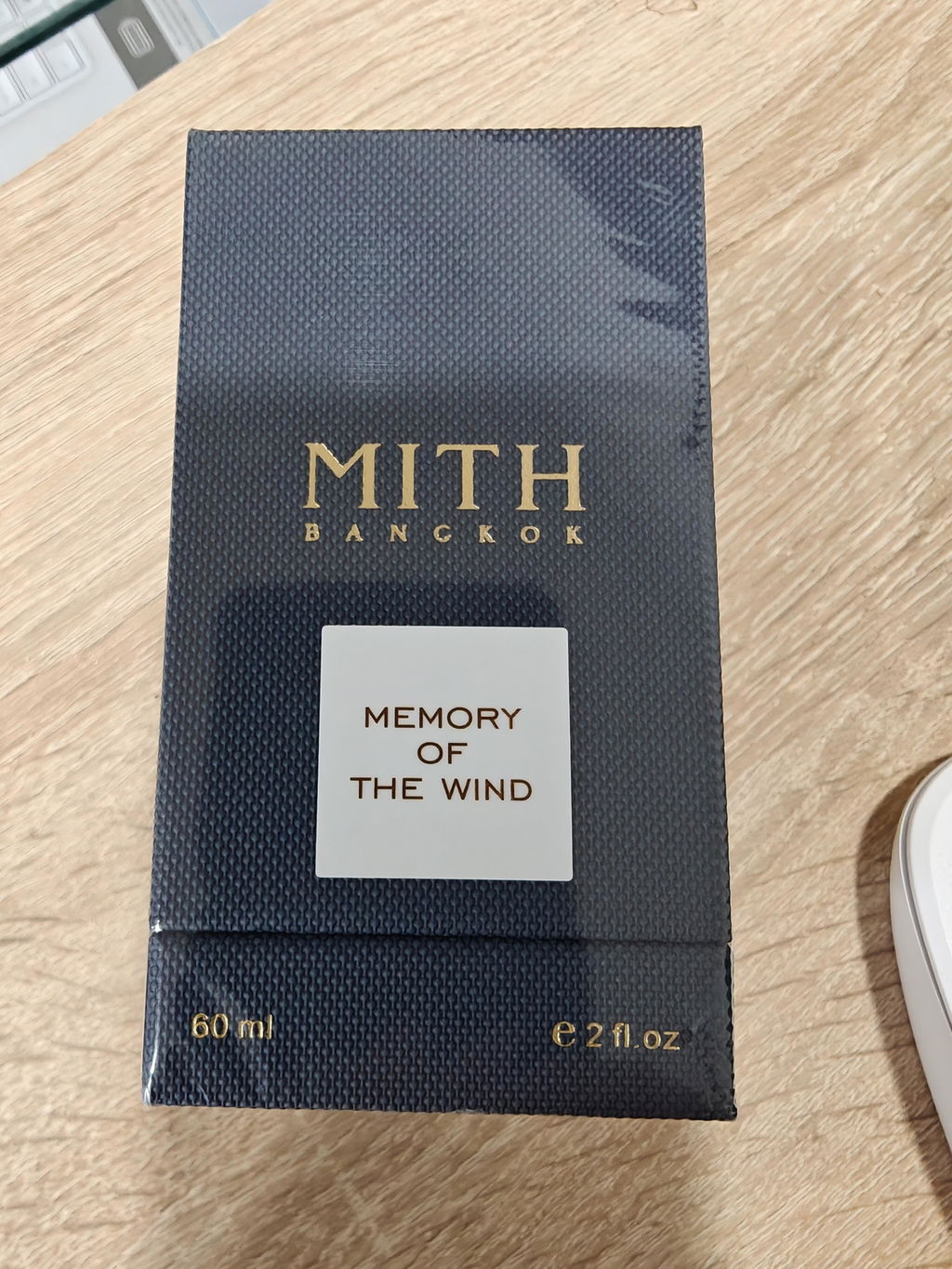
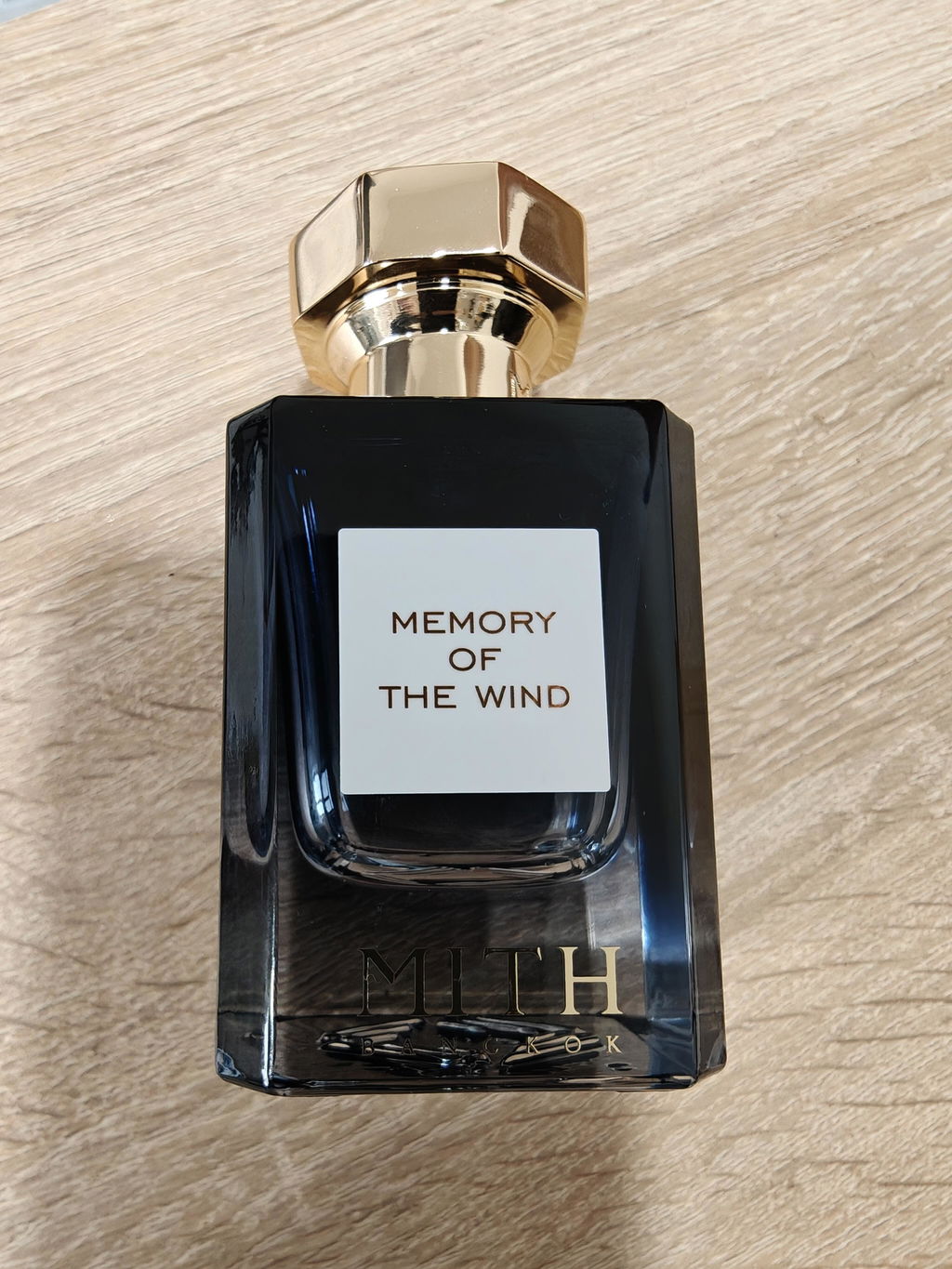
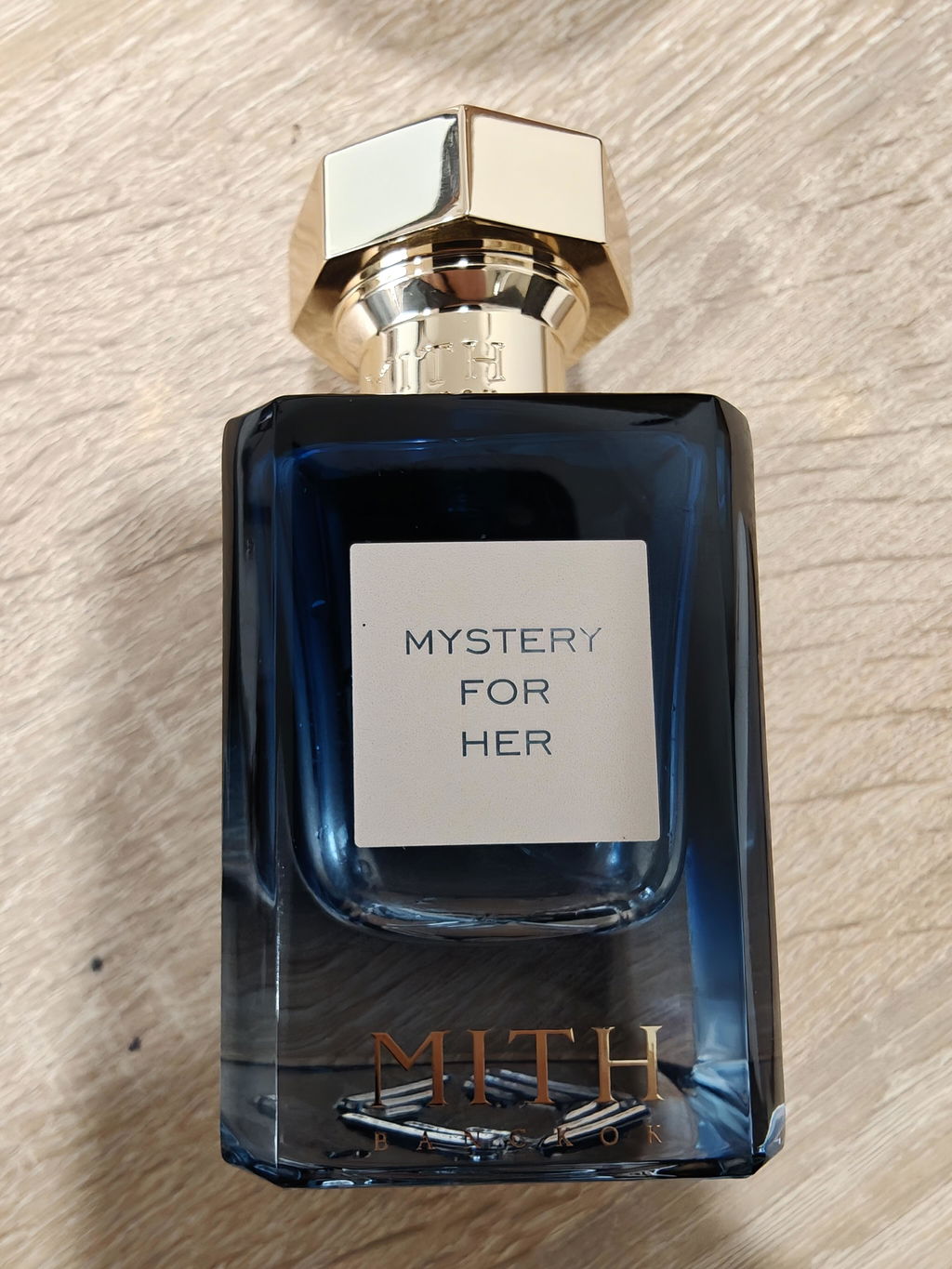
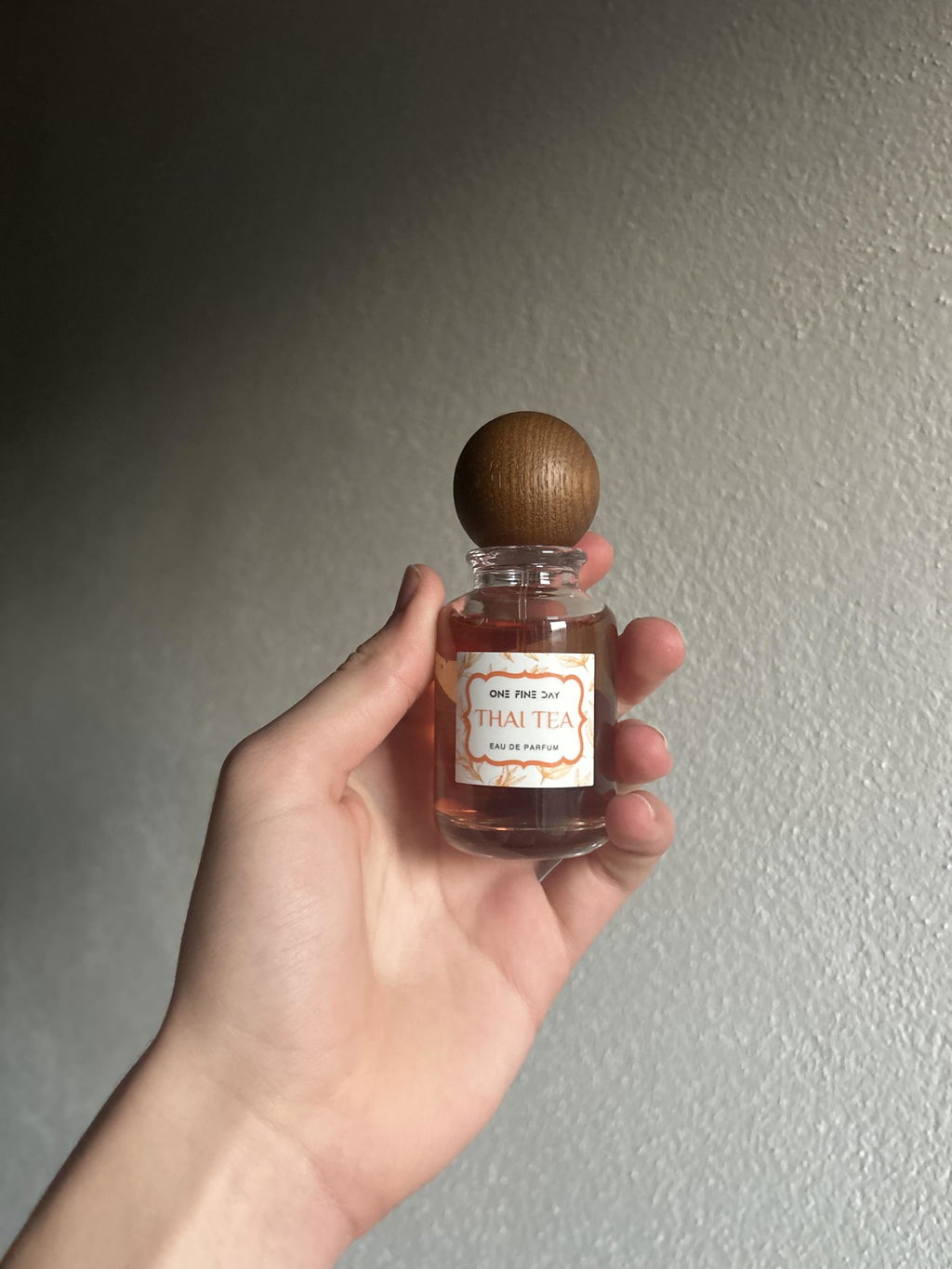
They are more than formulators. They are cultural translators. Perfumers interpret ingredients, places, rituals, and aesthetics into wearable form. A contemporary Thai perfume, for example, may carry references that feel fresh within the European niche landscape - tropical facets, herbal brightness, sacred woods, gourmand nuances, or floral structures handled with a different sense of proportion. The perfumer decides whether those references are presented literally, abstractly, or with modern restraint.
That cultural role is increasingly relevant because fragrance has become more global, more curious, and more editorial. Customers are not only buying a smell. They are buying perspective. They want scents with character, but also with intelligence behind them.
This is why learning the names behind perfumes can deepen enjoyment without making fragrance feel academic. You do not need to memorise every raw material or trace every formula. Simply knowing that perfumes are authored makes you a sharper wearer. You begin to notice intention, not just aroma.
The next time a fragrance stops you in your tracks, it is worth asking not only what it smells like, but who imagined it that way. Often, that question leads to better discoveries than any trend ever will.