A perfume goes viral, the waiting list grows, and within days a dupe appears promising the same mood for a fraction of the price. That is usually the moment people start asking, should you buy dupes or niche perfumes? The honest answer is less tribal than social media makes it seem.
If your only goal is to smell broadly similar to a well-known fragrance, a dupe can make sense. If you care about composition, development, brand identity and the pleasure of wearing something with a distinct point of view, niche perfume offers a different category of experience altogether. The decision is not simply about cost. It is about what you want perfume to do for you.
Should you buy dupes or niche perfumes for daily wear?
For everyday use, dupes can be practical. They are often bought for the office, the gym bag, travel, or casual reapplication without much thought. If you enjoy variety and like rotating scents without feeling precious about every spray, the lower entry price is attractive.
But daily wear is also where quality becomes obvious. A good niche fragrance tends to feel more composed on skin. The opening is less abrupt, the heart unfolds with more control, and the dry down usually has greater texture. You may notice better transitions rather than a loud first impression that collapses after an hour.
This does not mean every niche perfume is automatically superior or that every dupe is poor. Some dupes are surprisingly competent. Some niche launches are overpriced and forgettable. Still, once you begin paying attention to balance, raw materials and how a scent evolves through the day, the gap often becomes clear.
What dupes do well
Dupes succeed because they answer a real consumer desire. Many people want access to a fragrance style without committing to a luxury price tag. If a certain saffron-amber accord, musky floral profile or smoky vanilla mood appeals to you, a dupe can offer a low-risk way to test whether it genuinely suits your taste.
They also reduce the anxiety of wear. You are less likely to save the bottle for special occasions, less likely to count every millilitre, and more likely to spray generously. For someone building fragrance confidence, that freedom matters.
There is also a practical case for dupes when the original has become difficult to justify. If a mainstream or prestige fragrance is reformulated, overpriced, or no longer performs well, a dupe may feel like a sensible alternative rather than a compromise.
Where dupes usually fall short
The issue with many dupes is not that they smell bad. It is that they tend to flatten the original idea. Perfume is not only a list of notes. It is proportion, pacing, texture and tension. A rose-oud composition is not memorable simply because it contains rose and oud. It becomes memorable because of how those materials are arranged.
Dupes often imitate the top line impression while missing the architecture underneath. The first ten minutes may be convincing. Two hours later, the scent can become linear, synthetic, overly sweet or strangely hollow. That matters if you wear fragrance as part of personal style rather than background scent.
Another point is originality. Buying a dupe means buying an interpretation built in the shadow of something else. There is nothing morally scandalous about wanting affordability, but there is a difference between wearing a fragrance with its own creative language and wearing a product designed to approximate another brand's signature.
Why niche perfume feels different
Niche perfumery attracts people who want more than recognisable prettiness. It appeals to those who enjoy fragrance as design, authorship and atmosphere. The bottle matters, of course, but so does the concept behind the scent, the choice of materials, the editing of the formula and the confidence to be slightly unexpected.
This is where niche perfume earns its place. A well-made niche fragrance does not always try to please everyone immediately. It may be greener, moodier, creamier, more mineral, more textured or more emotionally specific. It asks for attention, then rewards it.
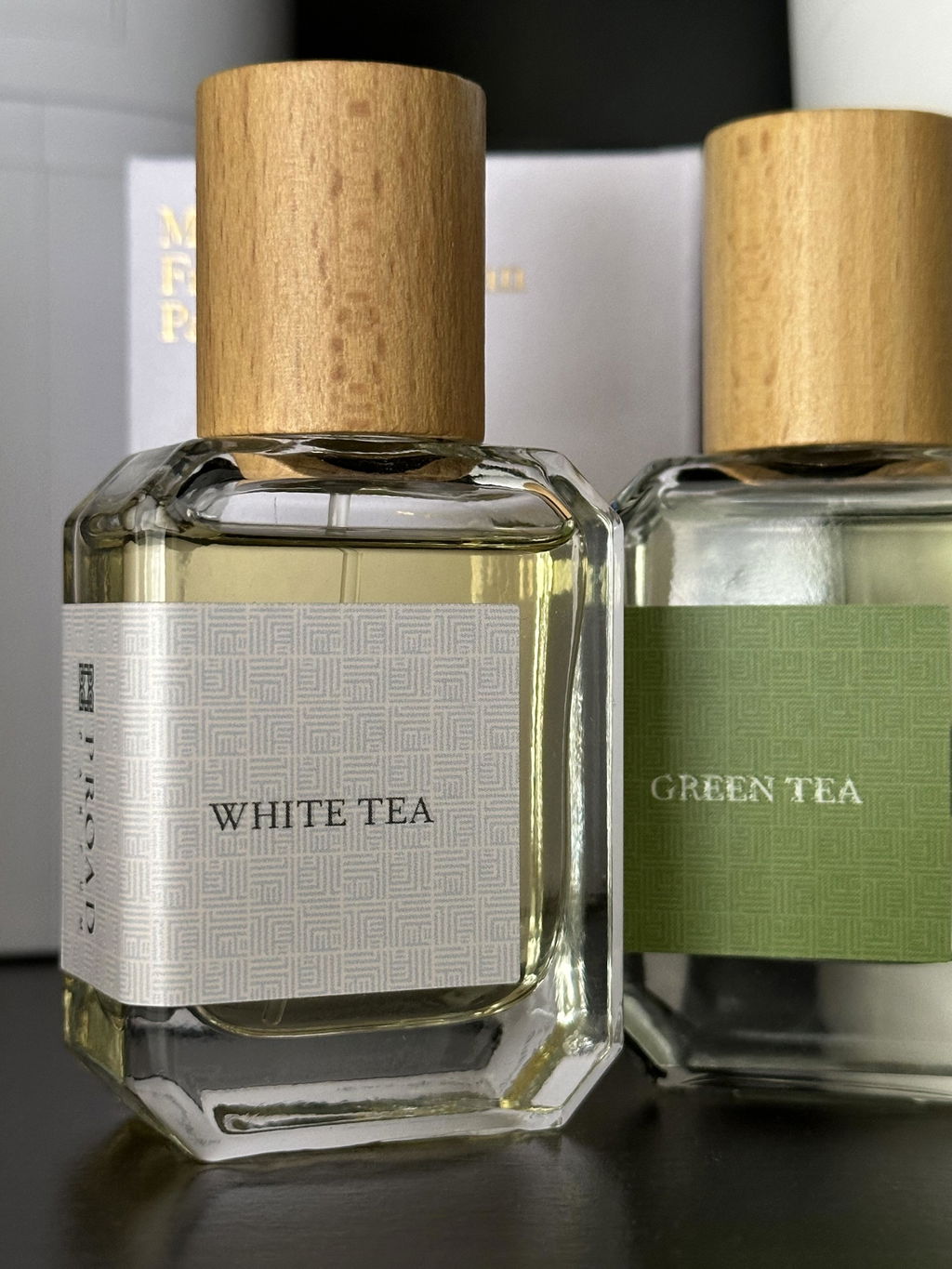
That creative difference is particularly relevant if you are tired of smelling versions of the same glossy amber-wood accord everywhere. Niche houses often take greater risks with florals, tea notes, incense, tropical fruits, skin musks and woods, creating perfumes that feel personal rather than algorithmic.
For fragrance lovers interested in modern perfumery beyond the predictable, houses with a strong point of view can offer something a dupe never really can: discovery.
Should you buy dupes or niche perfumes if budget matters?
Budget always matters. Pretending otherwise is unhelpful. If spending on fragrance means compromising essentials, the answer is simple: buy within your means and enjoy it without guilt.
The more useful question is value rather than price alone. A cheaper bottle is not automatically better value if the scent disappears quickly, smells unfinished, or leaves you still wanting the original. Equally, a niche bottle is not good value simply because it is expensive. The worth lies in how much pleasure, wearability and distinction you get from it.
For some people, one carefully chosen niche perfume gives more satisfaction than five impulsive dupes. For others, fragrance is playful and experimental, and a wardrobe of affordable options is genuinely more enjoyable. Neither approach is wrong. It depends on whether you are collecting quantity, character, or both.
If you are curious about niche but hesitant about the spend, start with intention. Instead of chasing every trend, look for a fragrance profile you know you wear often - perhaps a transparent floral, polished woody musk, resinous amber or modern gourmand. A thoughtful niche purchase usually feels more justified when it fills a real space in your wardrobe.
How to decide between a dupe and a niche scent
Start with your motive. Are you trying to recreate a specific famous perfume as cheaply as possible, or are you looking for a fragrance that says something distinctive about your taste? Those are different shopping missions, and they lead to different answers.
Then consider how you wear scent. If perfume is mostly functional for you, a dupe may do the job. If it is part of dressing well, hosting well, travelling well and leaving an impression, niche is often the more satisfying route.
Skin time matters too. Test beyond the opening. Walk away for a few hours. Notice whether the fragrance becomes richer, softer and more nuanced, or whether it turns shrill and one-dimensional. Perfume should earn its place after the first impression.
It also helps to ask whether you want familiarity or identity. Dupes are built around familiarity. Niche fragrances, at their best, offer identity.
When each option makes sense
There are moments when a dupe is perfectly reasonable. You want a casual scent for everyday overspray. You are experimenting with a profile before investing properly. You need something for travel or situations where losing the bottle would not be painful.
Niche perfume makes more sense when you want craftsmanship, a stronger creative signature and a fragrance wardrobe with more personality. It is especially rewarding if you enjoy discovering houses that are less widely distributed and more culturally distinct in their storytelling.
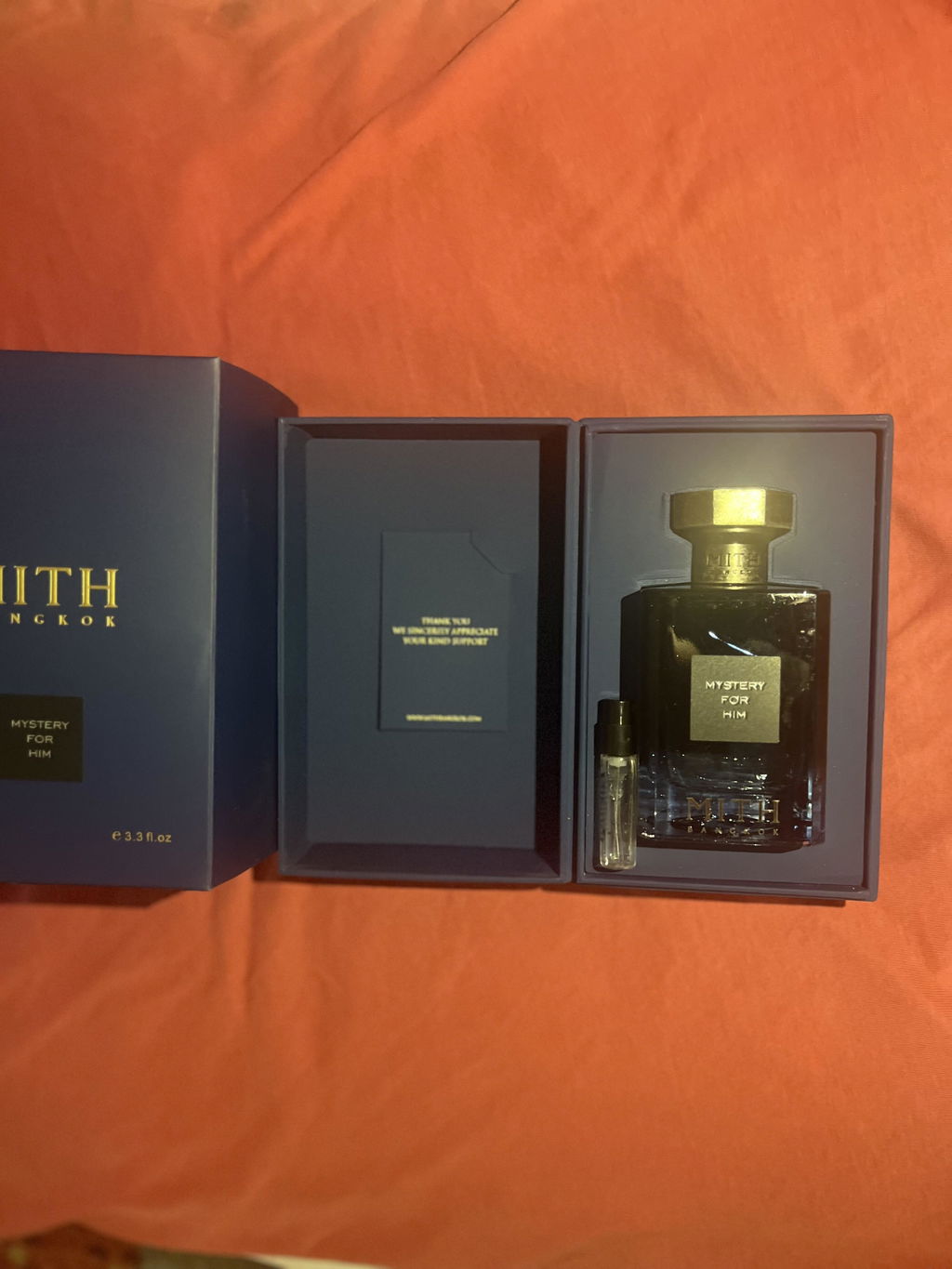
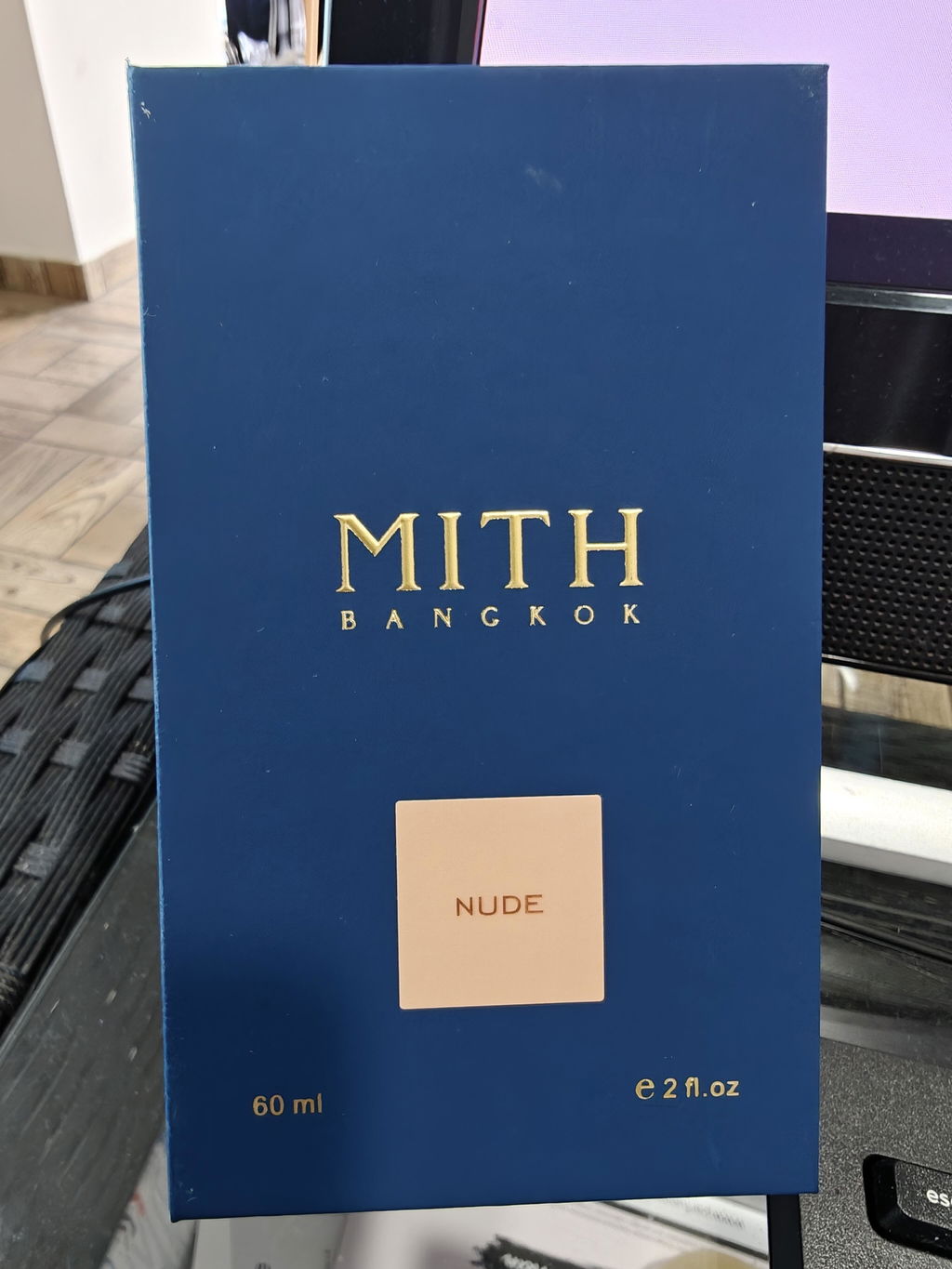
That is one reason curated retailers matter. They make it easier to find fragrance worlds beyond the obvious, including contemporary houses from places not always represented in European perfume retail. When a scent comes with a clear artistic identity rather than a copied brief, the purchase tends to feel more memorable.
The better question to ask
Rather than asking which category is universally better, ask what kind of relationship you want with fragrance. If you want convenience, trend access and low commitment, dupes have a place. If you want scent to feel expressive, composed and genuinely your own, niche perfume is usually worth the extra consideration.
Perfume is intimate. It sits on skin, clothes and memory. The best bottle is not the one that wins an argument online. It is the one you keep reaching for because it feels like an extension of your taste, not just an imitation of someone else's.