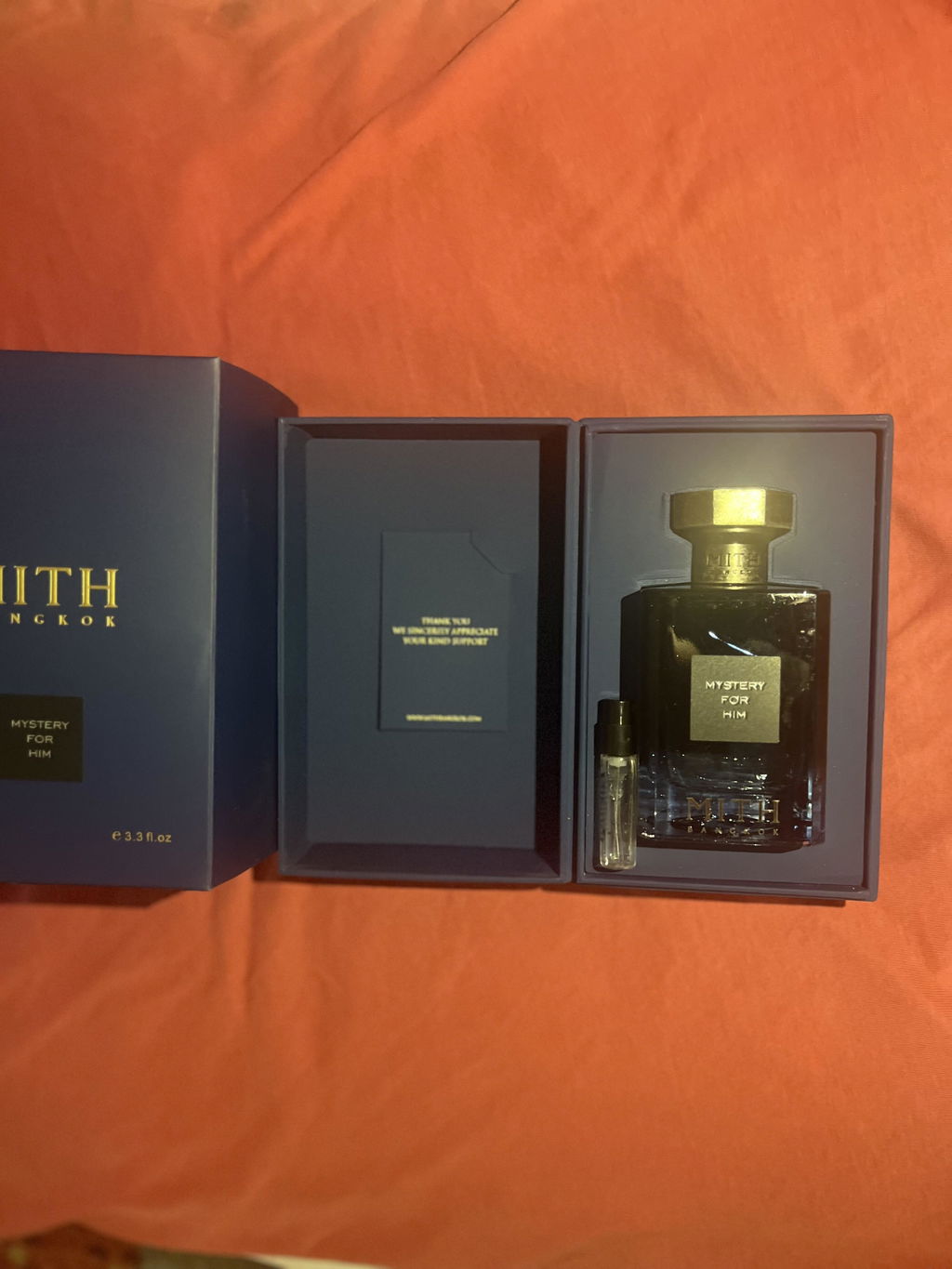
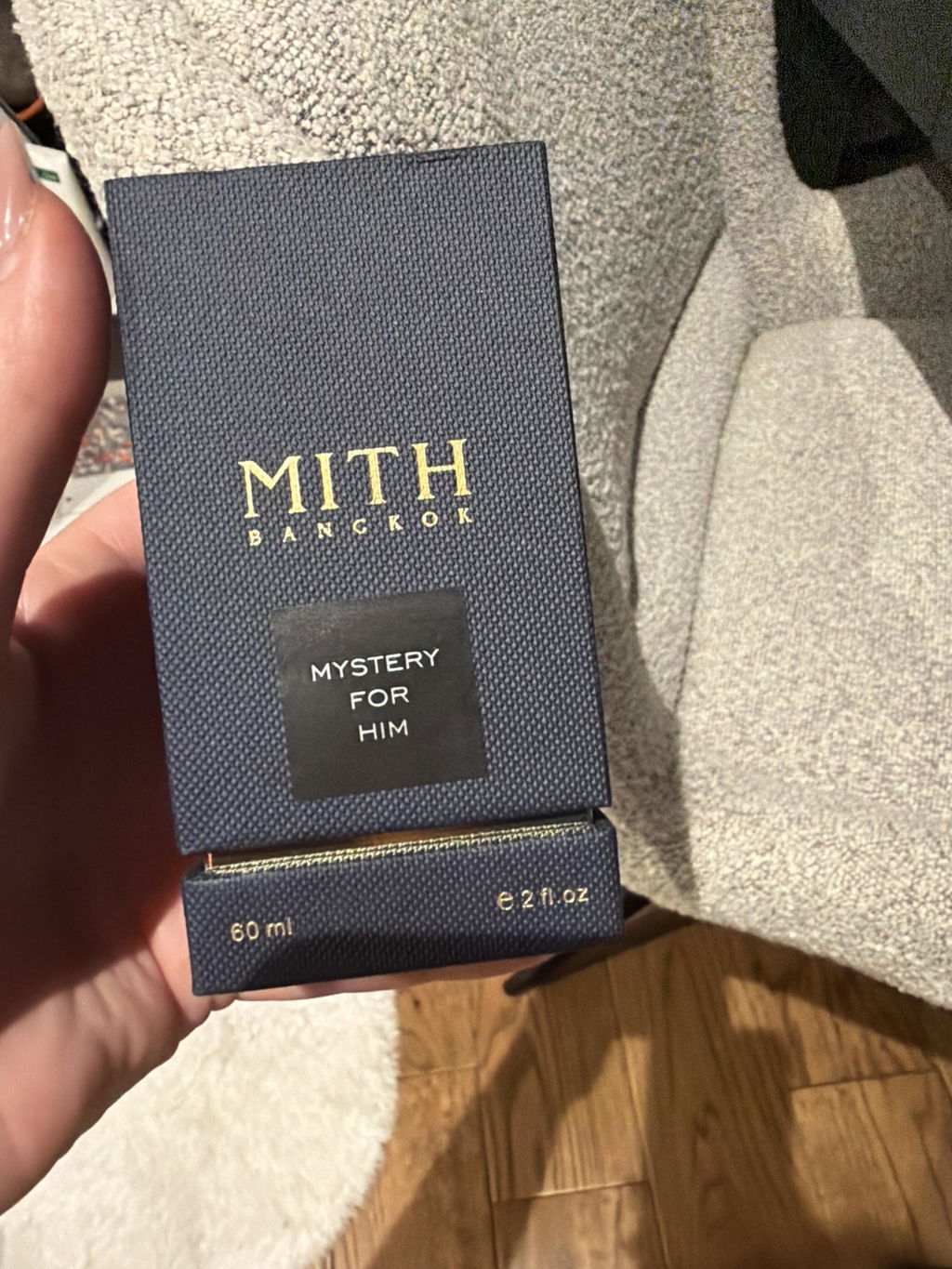
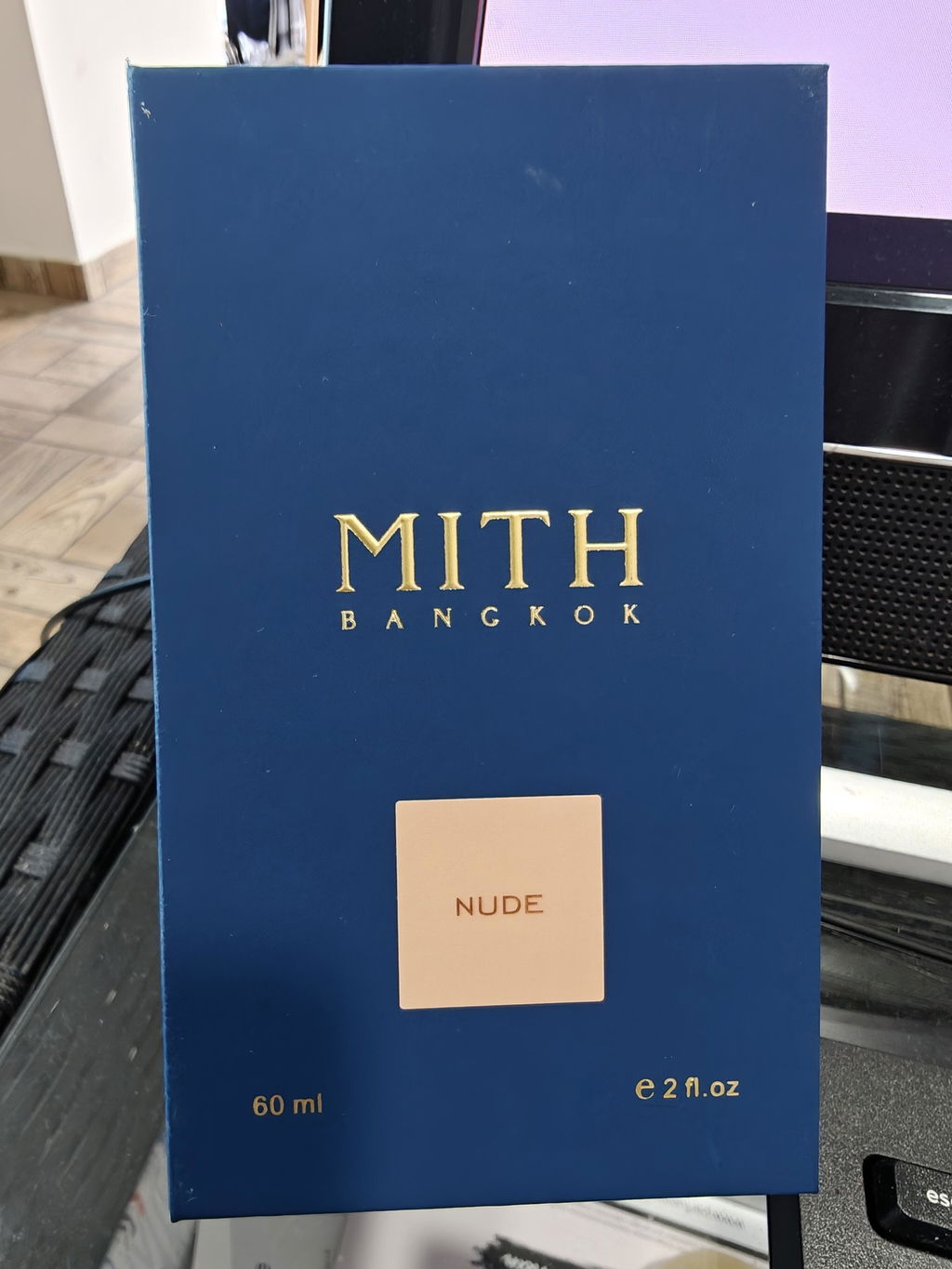
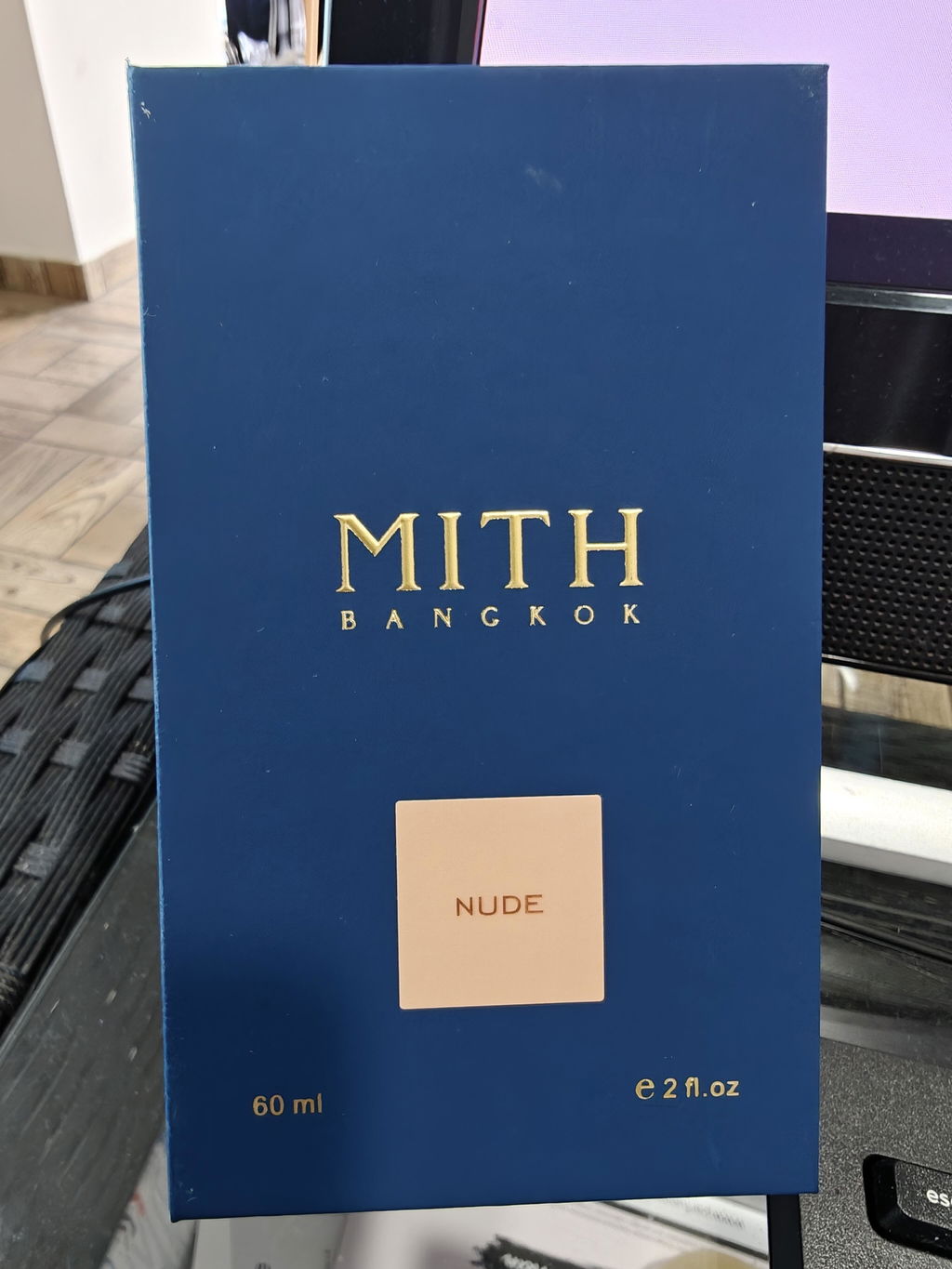
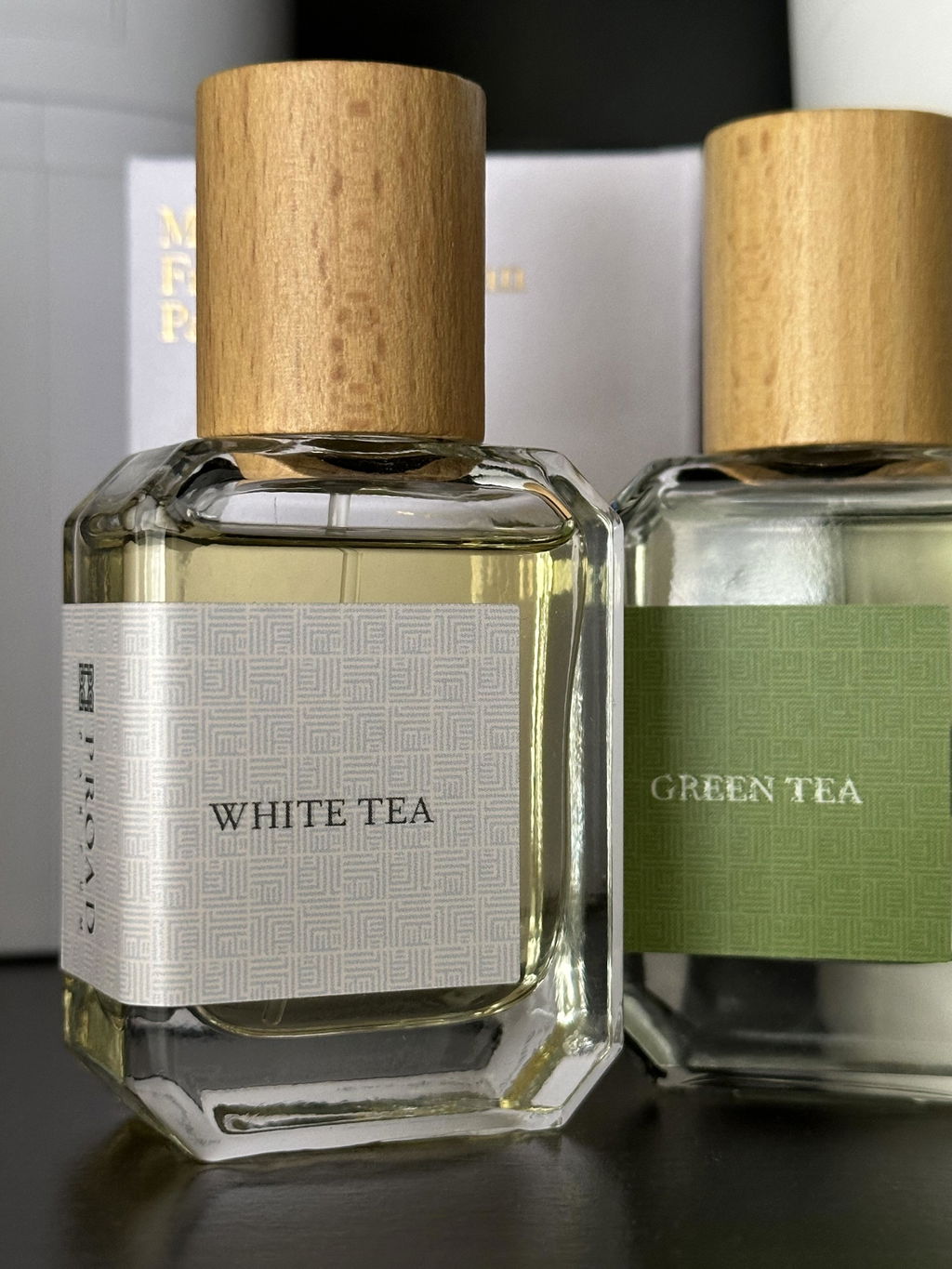
There is a particular satisfaction in reaching for a fragrance that feels composed rather than merely trendy. A classic collection perfume does not need to shout for attention. It earns its place through balance, clarity and the kind of wearability that keeps drawing you back, whether you favour polished florals, textured woods or quietly sensual musks.
What makes a classic collection perfume feel classic?
In perfumery, “classic” can be misunderstood. It does not simply mean old-fashioned, powdery or formal. More often, it signals structure. A fragrance from a classic collection perfume line tends to be built with discipline - a clear opening, a developed heart and a dry-down that settles with purpose rather than fading into vagueness.
That sense of structure matters because it gives a scent longevity in more ways than one. It wears well across seasons, feels appropriate in different settings and avoids the short shelf life of trend-led compositions built around a single gimmick. You may still find originality, but it is usually expressed through refinement rather than excess.
For many fragrance lovers, this is exactly the appeal. In a market crowded with loud sweetness, familiar amber woods and formulaic freshness, a classic collection offers something steadier. It suggests curation, not overproduction.
Classic collection perfume and modern taste
A well-made classic collection perfume should not feel trapped in the past. The best contemporary houses understand that timelessness and modernity are not opposites. A fragrance can reference traditional perfumery forms - citrus cologne, rose bouquet, iris, leather, chypre, aromatic woods - while still feeling entirely current on skin.
This is where curation becomes essential. The difference between dated and timeless is often a matter of proportion. Too much powder, and a scent can feel theatrical. Too much sweetness, and elegance gives way to noise. Too much clean musk, and the perfume may become anonymous. When a house gets the balance right, the result feels polished and relevant rather than nostalgic for nostalgia’s sake.
For collectors and style-conscious wearers, that balance is often more desirable than novelty alone. You want a fragrance with identity, certainly, but also one you will still want to wear six months from now, not only in the first week after the parcel arrives.
The scent profiles you are likely to find
Not every classic collection perfume smells the same, nor should it. Still, certain families appear again and again because they have enduring appeal.
Floral compositions often sit at the heart of classic perfumery, but in the best collections they are not overly decorative. Rose may feel velvety, green or lightly spiced. Jasmine may be luminous rather than indolic. Iris can bring a cool, suede-like elegance that reads beautifully in both daytime and evening wear.
Woods are another natural pillar. Cedar, sandalwood, vetiver and patchouli give structure and depth, especially when paired with restrained resins or soft musk. These fragrances tend to appeal to those who want sophistication without obvious sweetness.
Citrus and aromatic styles also deserve attention. A sharply tailored bergamot opening, lavender with herbs, or neroli with subtle woods can feel effortless in a way many contemporary releases struggle to match. They may seem understated at first, but understatement is often the point.
Then there are amber, leather and spice-led fragrances, which bring more presence. In a classic collection, they are usually smoothed by excellent blending. Rather than feeling aggressive, they unfold with warmth and poise.
Why classic does not always mean safe
There is a common assumption that classic fragrances are easy, conservative choices. Sometimes that is true. Often it is not.
A great classic collection perfume may actually ask more of the wearer than a mass-market scent does. It may evolve noticeably across the day. It may reveal a bitter green accord, a dry mossy base or a cool powdery finish that feels less instantly gratifying than vanilla-heavy crowd-pleasers. But this is precisely why such perfumes become favourites. They reward attention.
This is also why sampling matters. A perfume that seems restrained on paper can become magnetic on skin. Another that impresses in the first ten minutes may flatten into something generic by midday. With classically styled compositions, the dry-down often tells the real story.
How to choose a classic collection perfume for yourself
The smartest way to choose is to begin with your wardrobe and habits rather than abstract notes. If you dress with clean lines, favour tailoring and prefer accessories that last, you may gravitate towards iris, woods, neroli or understated leather. If your taste is softer or more romantic, rose, musk and elegant florals may feel more natural.
It is also worth considering how much presence you want. Some classic fragrances sit close to the skin and feel intimate. Others create a more distinct trail. Neither is better. It depends on whether you want your perfume to accompany you quietly or announce itself when you arrive.
Season matters too, though not rigidly. Citrus aromatics and transparent florals often shine in warmer weather, while resins, woods and spice feel especially compelling in cooler months. That said, many of the best fragrances in a classic collection are deliberately versatile. They adapt rather than dictate.
If you are buying as a gift, a balanced floral-wood or soft citrus-musk composition is often a safer choice than anything overly sugary or heavily oud-led. A classic profile tends to travel well across tastes because it feels considered, not polarising for the sake of it.
When a collection matters more than a single scent
One of the strengths of shopping by collection rather than by individual release is consistency of vision. A properly assembled classic collection perfume range tells you something about the house behind it. The bottle design, scent architecture and overall mood should feel coherent.
That coherence is valuable, especially if you enjoy building a wardrobe of scents rather than relying on one signature. A collection can offer variation without chaos: perhaps a brighter daytime option, a more textured evening scent and something skin-close for understated wear. Each perfume has its own identity, but the quality standard remains stable.
For niche shoppers, this is often more compelling than chasing every new launch. A collection with a strong point of view invites trust. It suggests that the brand understands editing - one of the rarest qualities in fragrance retail.
The role of craftsmanship
The phrase “classic collection” only carries weight if the materials and blending justify it. Packaging can create expectation, but craftsmanship is what sustains interest after the first wear.
Look for signs of detail: a top note that feels vivid rather than harsh, transitions that unfold naturally, and a base that remains elegant even hours later. Good perfumery does not need to be loud to feel luxurious. Often, the most impressive fragrances are those that stay composed from opening to dry-down.
This is particularly relevant in niche retail, where customers are often paying for discernment as much as juice. A curated boutique such as Villenel Fragrances earns attention by presenting scents with a genuine point of view, not simply by offering what is hardest to find. In that setting, a classic collection becomes more than a merchandising label. It becomes a statement about taste.
Who should wear a classic collection perfume?
Anyone, provided the composition suits the wearer. “Classic” is not an age category, and it should not be treated as one. On the right person, a beautifully structured floral can feel strikingly modern. A dry vetiver can feel sharp and youthful. A powdery iris can read as minimalist rather than retro.
In fact, classic styles often work especially well for people who are bored with the predictable rhythm of mainstream perfume. If you have moved beyond wanting your fragrance to smell like everyone else’s, but still want something polished enough for daily life, this category makes a great deal of sense.
It also suits those who appreciate compliments but do not chase them. A classic perfume may be less likely to dominate a room, yet more likely to be remembered. That is a different kind of luxury.
The best approach is simple: choose the fragrance that feels resolved on your skin and aligned with your taste, not the one that performs the loudest on a test strip. A classic collection perfume should feel like something you grow into quickly and keep close for years, which is often a better promise than novelty can offer.